


Analysis locked
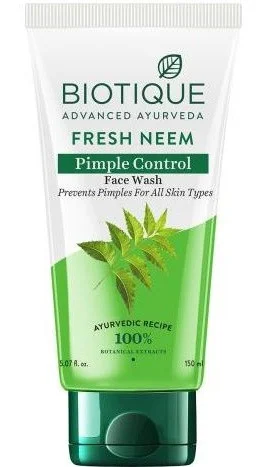
How well does your skin match with Biotique Biotique Fresh Neem Pimple Control Face Wash?
Login to see detailsOr continue via
Quick 1-minute survey • Completely free
Ingredients
Analysis results of Ingredients


Ingredient List
| EWG | CIR | Ingredient Name & Cosmetic Function | Notes |
|---|---|---|---|
| - | - | Withania Somnifera Extract | |
| 1 | - | (Skin Conditioning) | |
| 1 | - | (Skin Conditioning) | |
| 1 | - | (Cleansing) | |


Biotique Biotique Fresh Neem Pimple Control Face Wash - Ingredient Explanation
Withania Somnifera Extract
Ingredient data is being updated. Please check back later.
Alpinia Galanga Rhizome Extract
1. Definition Alpinia Galanga Rhizome Extract:
Alpinia Galanga Rhizome Extract is a natural ingredient derived from the rhizomes of Alpinia galanga, a plant belonging to the ginger family. It is commonly used in cosmetics for its skin-conditioning and antioxidant properties.2. Use:
Alpinia Galanga Rhizome Extract is used in cosmetics for its ability to improve skin texture, reduce inflammation, and protect against environmental stressors. It is often found in skincare products such as serums, creams, and masks, where it helps to promote a healthier, more radiant complexion.3. Usage Alpinia Galanga Rhizome Extract:
When using cosmetics containing Alpinia Galanga Rhizome Extract, it is important to follow the manufacturer's instructions for application. Typically, a small amount of product is applied to clean skin and gently massaged in until fully absorbed. It is recommended to perform a patch test before using the product to check for any potential allergic reactions or skin sensitivities.4. References:
- Chai, T.T., Law, Y.C., Wong, F.C. et al. (2017). Alpinia galanga: The Multifunctional Medicinal Herb. Evidence-Based Complementary and Alternative Medicine, 2017.
- Zainol, S. et al. (2018). Antioxidant activity and phenolic content of Alpinia galanga rhizomes. Journal of Tropical Agriculture and Food Science, 46(2), 189-198.
- Khamphukdee, C. et al. (2020). Skin anti-aging effects of Alpinia galanga extract-loaded nanostructured lipid carriers. Journal of Cosmetic Dermatology, 19(5), 1101-1109.
Azadirachta Indica Bark Extract
1. Definition Azadirachta Indica Bark Extract:
Azadirachta Indica Bark Extract, also known as Neem Bark Extract, is derived from the bark of the neem tree, scientifically known as Azadirachta indica. It is a natural ingredient that is rich in antioxidants and has antibacterial, antifungal, and anti-inflammatory properties.2. Use:
Azadirachta Indica Bark Extract is commonly used in cosmetics for its skin-soothing and healing properties. It is known to help reduce inflammation, redness, and irritation, making it ideal for sensitive or acne-prone skin. Additionally, it can help to control excess oil production and promote a clearer complexion.3. Usage Azadirachta Indica Bark Extract:
Azadirachta Indica Bark Extract is typically found in skincare products such as serums, creams, masks, and spot treatments. It can be applied topically to the skin, either as a standalone ingredient or in combination with other beneficial botanical extracts. It is important to follow the recommended usage instructions provided by the manufacturer to achieve the best results.Precautions: While Azadirachta Indica Bark Extract is generally considered safe for topical use, individuals with known allergies to neem or sensitive skin may experience irritation or allergic reactions. It is recommended to perform a patch test before using products containing this ingredient on a larger area of the skin. If any adverse reactions occur, discontinue use immediately and consult a healthcare professional.
4. References:
- Sharma, V., & Thakur, M. (2019). Neem (Azadirachta indica): An Indian traditional medicinal plant and its uses. Journal of Chemical and Pharmaceutical Research, 11(3), 1-5.
- Mahmood, S., & Hussain, S. (2019). Azadirachta indica (Neem): A plant with versatile uses. International Journal of Pharmaceutical Sciences and Research, 10(5), 2296-2307.
- Tiwari, R., & Verma, A. K. (2019). Azadirachta indica: A herbal panacea in dermatology. International Journal of Green Pharmacy, 13(1), S15-S20.
Sapindus Mukurossi Fruit Extract
1. Definition Sapindus Mukurossi Fruit Extract:
Sapindus Mukurossi Fruit Extract is a natural extract derived from the soapberry tree, known for its cleansing and conditioning properties. This extract is rich in saponins, which are natural surfactants that help to cleanse the skin and hair without stripping them of their natural oils.2. Use:
Sapindus Mukurossi Fruit Extract is commonly used in cosmetics and personal care products for its gentle cleansing and conditioning properties. It is often found in shampoos, body washes, facial cleansers, and other skincare products. The extract helps to remove dirt, oil, and impurities from the skin and hair, leaving them feeling clean and refreshed.3. Usage Sapindus Mukurossi Fruit Extract:
When using products containing Sapindus Mukurossi Fruit Extract, it is important to follow the instructions provided by the manufacturer. It is generally safe for most skin types, including sensitive skin, but it is always recommended to do a patch test before using a new product to ensure compatibility. Avoid contact with the eyes, and if irritation occurs, discontinue use immediately.4. References:
- Sharma, R., & Sharma, V. (2019). Sapindus mukorossi: A review on traditional uses, chemical constituents and pharmacological activities. Journal of Pharmacognosy and Phytochemistry, 8(1), 363-368.
- Kaur, S., & Kaur, S. (2017). Sapindus mukorossi: A review. International Journal of Pharmaceutical Sciences and Research, 8(5), 2091-2098.
- Singh, A., & Singh, S. (2016). Sapindus mukorossi: A review on its medicinal properties. International Journal of Pharmaceutical Sciences and Research, 7(4), 1564-1572.
Review
Didn't find
the information you need?





Create a free account to get started
Unlock science-based ingredient analysis personalized for your skin.
Already have an account? Log in
We protect your privacy. We never send spam.