


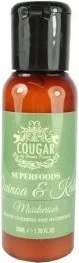
Analysis locked
How well does your skin match with Cougar Superfoods Quinoa And Kale Moisturiser?
Login to see detailsOr continue via
Quick 1-minute survey • Completely free
Ingredients
Analysis results of Ingredients


Ingredient List
| EWG | CIR | Ingredient Name & Cosmetic Function | Notes |
|---|---|---|---|
| 1 | - | (Solvent) | |
| 1 2 | A | (Solvent, Perfuming, Fragrance, Humectant, Viscosity Decreasing Agent, Hair Conditioning, Skin Protecting, Denaturant ) |  Good for dry skin Moisturizing |
| 1 | A | (Emulsifying, Surfactant) |  Bad for oily skin  Fungal Acne Trigger Cleansing |
| 1 | A | (Opacifying, Emollient, Viscosity Controlling, Viscosity Increasing Agent, Emulsion Stabilising, Emulsifying, Foam Boosting, Viscosity Increasingagent - Aqueous) | Cleansing |
| 1 | A | (Masking, Fragrance, Emulsion Stabilising, Emulsifying, Sufactant, Refatting) | Bad for oily skin Fungal Acne Trigger Cleansing |
| 1 | A | (Solvent, Skin Conditioning, Masking, Emollient, Fragrance, Hair Conditioning) | Bad for oily skin Fungal Acne Trigger |
| 1 3 | B | (Surfactant, Emulsifying) | Cleansing |
| 2 4 | A | (Fragrance, Preservative) | |
| 1 | - | (Skin Conditioning) | |
| 1 2 | A | (Masking, Fragrance, Chelating Agent, pH adjusting agent, pH adjusting agent) | Anti Aging  Bad for sensitive skin |
| 1 | - | (Abrasive) | |
| 1 | - | (Skin Conditioning) | |
| 4 6 | A | (Solvent, Masking, Fragrance, Viscosity Decreasing Agent, Preservative, External Analgesic ) |  Allergen  Fragrance-free |
| 1 | A | (Viscosity Controlling, Viscosity Increasing Agent, Emulsion Stabilising, Gel Forming) | |
| 8 | - | (Masking, Perfuming, Deodorant) | Fragrance-free |
| 2 | A | (Deodorant, Skin Conditioning) | |
| 1 | A | (Chelating Agent, Viscosity Controlling) | |
| 1 | A | (Preservative) | |
| 1 | - | (Skin Conditioning) | |
| 1 | - | (Opacifying) | |
| 3 | - | (Masking, Deodorant, Fragrance) | Allergen Fragrance-free |
| 1 | - | (Skin Conditioning) | |
| 1 2 | - | (Skin Conditioning, Emollient) | Fungal Acne Trigger |
| - | - | (Skin Conditioning) | |
| 1 | A | (Humectant, Skin Conditioning) | Good for dry skin Promotes Wound Healing |
| 1 | - | (Skin Conditioning) | Anti Aging Promotes Wound Healing |
| 1 | A | (Humectant, Flavoring Agent, Bulking Agent, Anticaking Agent) | |
| 1 | A | (Surfactant, Viscosity Controlling, Viscosity Increasing Agent, Emulsion Stabilising, Antistatic Agent, Binding Agent, Binding, Film Forming, Adhesive) | Cleansing |
| 1 | - | (Skin Conditioning, Masking) | |
| 1 | A | (Binding Agent, Binding, Film Forming) | |
| 1 | A | (Solvent, Masking, Fragrance, Humectant, Skin Conditioning, Viscosity Controlling, Viscosity decreasing agents) | Good for dry skin |
| 1 | - | (Skin Conditioning, Hair Conditioning, Astringent) | |
| 1 | - | (Skin Conditioning) | |
| 3 | - | (Skin Conditioning, Hair Conditioning) | |
| 1 | - | | |
| 1 | - | (Skin Conditioning) | |
| 1 | - | (Masking, Fragrance, Skin Conditioning) | |
| 1 | - | (Skin Conditioning) | |
| 1 2 | B | (Skin Conditioning) | |
| 1 | - | (Hair Conditioning) | |
| - | - | (Skin Conditioning) | |
| 1 | - | (Skin Conditioning) | |
| 1 | - | (Skin Conditioning) | |
| 1 | - | (Antioxidant) | |
| - | - | (Skin Protecting) | Moisturizing |
| 1 | - | (Skin Conditioning, Humectant) | |
| 2 | A | (Fragrance, Preservative) | |
| 1 3 | A | (Masking, Fragrance, Preservative, Anticorrosive) | |
| 1 2 | - | (Skin Conditioning, Emollient, Antistatic Agent, Emulsifying, Surfactant) | Cleansing |
| 1 | - | (Skin Conditioning, Emollient, Soothing, Smoothing) | |
| 3 | B | (Solvent, Fragrance, Humectant, Viscosity Decreasing Agent, Skin Conditioning, Viscosity Controlling, Skin-Conditioningagent - Miscellaneous) | Good for dry skin |
| 1 4 | B | (Fragrance, Humectant, pH adjusting agent, pH adjusting agent, Skin Conditioning, Exfoliant, Skin-Conditioning Agent - Humectant) | Anti Aging Bad for sensitive skin |
| 2 | A | (Fragrance, Preservative) | |
| 4 | - | (Cosmetic Colorant) | |
| 6 | - | (Skin Protecting, Astringent) | Moisturizing |
Cougar Superfoods Quinoa And Kale Moisturiser - Ingredient Explanation
Water
1. Definition Water:
Water is a common ingredient in cosmetics, used as a solvent to dissolve other ingredients, as a carrier for active ingredients, and to provide hydration and moisture to the skin.2. Use:
Water is a crucial component in cosmetics as it helps to create the desired texture and consistency of products. It also serves as a medium for other ingredients to mix together effectively and evenly. Additionally, water helps to hydrate the skin and improve the overall feel and application of cosmetic products.3. Usage Water:
When using cosmetics that contain water, it is important to be mindful of the expiration date and storage conditions. Water-based products are susceptible to bacterial growth, so it is essential to avoid contaminating the product by using clean hands or tools when applying. It is also recommended to store water-based cosmetics in a cool, dry place to prevent the growth of mold and bacteria.4. References:
- Draelos, Z. D. (2010). Cosmetic dermatology: products and procedures. John Wiley & Sons.
- Winter, R. (2009). A consumer's dictionary of cosmetic ingredients: complete information about the harmful and desirable ingredients found in cosmetics and cosmeceuticals. Crown.
- Begoun, P. (2003). Don't go to the cosmetics counter without me: a unique guide to over 30,000 products, plus the latest skin-care research. Beginning Press.
Glycerin
1. Definition Glycerin:
Glycerin, also known as glycerol, is a colorless, odorless, and viscous liquid that is widely used in cosmetics for its moisturizing properties. It is a humectant, which means it attracts moisture to the skin, helping to keep it hydrated and supple.
2. Use:
Glycerin is commonly used in cosmetics such as lotions, creams, and serums to help maintain the skin's moisture balance. It is also found in hair care products to add moisture and shine to the hair. Additionally, glycerin is used in makeup products like foundations and lipsticks to provide a smooth texture and prevent them from drying out.
3. Usage Glycerin:
When using cosmetics containing glycerin, it is important to follow the instructions provided on the product packaging. Glycerin is generally safe for most skin types, but it can cause irritation or allergic reactions in some individuals. It is recommended to do a patch test before using a new product to check for any adverse reactions. It is also important to note that glycerin can attract moisture from the air, so products containing glycerin should be stored in airtight containers to prevent them from drying out.
4. References:
- Draelos, Z. D. (2010). Cosmetic Formulation of Skin Care Products. John Wiley & Sons.
- Loden, M., & Maibach, H. I. (2006). Dry Skin and Moisturizers: Chemistry and Function. CRC Press.
- Winter, R. (2009). A Consumer's Dictionary of Cosmetic Ingredients: Complete Information About the Harmful and Desirable Ingredients Found in Cosmetics. Harmony.
Glyceryl Stearate Se
1. Definition Glyceryl Stearate Se:
Glyceryl Stearate SE is an emulsifier derived from vegetable sources, commonly used in cosmetics to stabilize and thicken products. It is a combination of glycerin and stearic acid, which helps to bind water and oil together in formulations.2. Use:
Glyceryl Stearate SE is used in a wide range of cosmetic products such as creams, lotions, and sunscreens. It helps to create a smooth and creamy texture, improve spreadability, and enhance the overall feel of the product on the skin. Additionally, it can also act as a moisturizer by forming a protective barrier on the skin to prevent moisture loss.3. Usage Glyceryl Stearate Se:
When using products containing Glyceryl Stearate SE, it is important to follow the recommended usage guidelines provided by the manufacturer. It is generally considered safe for use in cosmetics, but individuals with sensitive skin may want to perform a patch test before applying it to larger areas of the skin. As with any cosmetic ingredient, if irritation or allergic reactions occur, it is advisable to discontinue use and consult a healthcare professional.4. References:
- Cosmetic Ingredient Review Expert Panel. (2012). Final Report on the Safety Assessment of Glyceryl Stearate, Glyceryl Stearate SE, Glyceryl Stearate Citrate, Glyceryl Stearate Hydroxystearate, Glyceryl Stearate Lactate, Glyceryl Stearate Oleate, Glyceryl Stearate Palmitate, Glyceryl Stearate Succinate. International Journal of Toxicology, 31(4), 5S-35S.
- Personal Care Products Council. (2019). Glyceryl Stearate SE. Retrieved from https://online.personalcarecouncil.org/ctfa-static/online/lists/cir-pdfs/pr150.pdf
- Lodeiro, C., & Reis, A. (2018). Emulsifiers in Cosmetics. In Handbook of Cosmetic Science and Technology (4th ed., pp. 381-397). CRC Press.
Cetearyl Alcohol
1. Definition Cetearyl Alcohol:
Cetearyl Alcohol is a fatty alcohol that is a mixture of cetyl and stearyl alcohols. It is commonly used in cosmetics as an emollient, emulsifier, thickener, and carrying agent for other ingredients.2. Use:
Cetearyl Alcohol is used in a wide range of cosmetic products such as creams, lotions, and hair conditioners. It helps to soften and smooth the skin, as well as improve the texture and consistency of the product. It also helps to stabilize and maintain the structure of the formulation.3. Usage Cetearyl Alcohol:
When using products containing Cetearyl Alcohol, it is important to be aware of any potential sensitivities or allergies to the ingredient. Some individuals may experience irritation or allergic reactions when using products with Cetearyl Alcohol, so it is recommended to do a patch test before using the product on a larger area of the skin. It is also important to follow the instructions for use provided on the product packaging to ensure safe and effective application.4. References:
- "Cetearyl Alcohol" by Paula Begoun, Cosmetics Cop, https://www.paulaschoice.com/ingredient-dictionary/emollients/cetearyl-alcohol.html
- "Cetearyl Alcohol in Cosmetics: Safe or Harmful?" by Dr. Anvita Arora, Dermatologist, https://www.dranvitaarora.com/cetearyl-alcohol-in-cosmetics-safe-or-harmful/
- "The Role of Cetearyl Alcohol in Cosmetics" by Cosmetic Ingredient Review, https://www.cir-safety.org/sites/default/files/cetearylcir.pdf
Stearic Acid
1. Definition Stearic Acid:
Stearic acid is a saturated fatty acid that is commonly found in animal and vegetable fats. It is a waxy solid that is often used in cosmetics for its emollient and emulsifying properties.2. Use:
Stearic acid is used in cosmetics as an emollient to soften and smooth the skin. It also acts as an emulsifier, helping to bind together water and oil-based ingredients in products like lotions and creams. Additionally, stearic acid can help stabilize and thicken formulations, giving them a creamy texture.3. Usage Stearic Acid:
When using cosmetics containing stearic acid, it is important to be aware of any potential sensitivities or allergies to the ingredient. Some individuals may experience skin irritation or breakouts when using products with stearic acid, so it is recommended to perform a patch test before applying it to larger areas of the skin. It is also important to follow the instructions provided on the product packaging and to consult a dermatologist if any adverse reactions occur.4. References:
- Pumori Saokar Telang, Ashish Gupta, and Nidhi Choudhary. (2016). Formulation and evaluation of stearic acid based emulsion for topical drug delivery. International Journal of Pharmaceutical Sciences and Research.
- M. C. Gohel, S. P. Amin, and M. J. B. Shah. (2008). Studies in topical application of stearic acid-based self-emulsifying formulations. Drug Development and Industrial Pharmacy.
- A. J. Ogunjimi, J. A. Akin-Ajani, and O. A. Odeku. (2016). Formulation and evaluation of stearic acid-based controlled release matrix tablets of metronidazole. Tropical Journal of Pharmaceutical Research.
Cocos Nucifera (Coconut) Oil
1. Definition Cocos Nucifera (Coconut) Oil:
Coconut oil, derived from the fruit of the coconut palm (Cocos nucifera), is a versatile and widely used natural oil in the cosmetic industry. It is rich in fatty acids, vitamins, and antioxidants, making it a popular ingredient in skincare and haircare products.2. Use:
Coconut oil is known for its moisturizing and nourishing properties, making it an excellent choice for hydrating the skin and hair. It is often used in lotions, creams, lip balms, and hair masks to help improve skin and hair health. Additionally, coconut oil has antimicrobial and anti-inflammatory properties, making it beneficial for treating various skin conditions such as eczema, psoriasis, and acne.3. Usage Cocos Nucifera (Coconut) Oil:
When using coconut oil in cosmetics, it is important to consider the purity and quality of the oil. Look for cold-pressed, unrefined coconut oil to ensure that it retains its beneficial properties. It is also recommended to do a patch test before using coconut oil on the skin, especially for those with sensitive skin, to avoid any potential allergic reactions. Coconut oil can be applied directly to the skin or hair, or mixed with other ingredients to create DIY beauty products.4. References:
- Rele, A. S., & Mohile, R. B. (2003). Effect of mineral oil, sunflower oil, and coconut oil on prevention of hair damage. Journal of cosmetic science, 54(2), 175-192.
- Evangelista, M. T., Abad-Casintahan, F., & Lopez-Villafuerte, L. (2014). The effect of topical virgin coconut oil on SCORAD index, transepidermal water loss, and skin capacitance in mild to moderate pediatric atopic dermatitis: a randomized, double-blind, clinical trial. International Journal of Dermatology, 53(1), 100-108.
- Nevin, K. G., & Rajamohan, T. (2010). Beneficial effects of virgin coconut oil on lipid parameters and in vitro LDL oxidation. Clinical biochemistry, 43(4-5), 349-357.
Isoceteth 20
1. Definition Isoceteth 20:
Isoceteth 20 is a non-ionic surfactant that belongs to the group of ceteth ethers. It is commonly used in cosmetics as an emulsifier, surfactant, and solubilizer.2. Use:
Isoceteth 20 is primarily used in cosmetic formulations as an emulsifier to help blend together ingredients that would not normally mix well, such as oil and water. It also acts as a surfactant, helping to reduce the surface tension between different components in a product. Additionally, Isoceteth 20 can function as a solubilizer, aiding in the dispersion of insoluble substances in a formulation.3. Usage Isoceteth 20:
Isoceteth 20 is typically used in concentrations ranging from 1% to 5% in cosmetic products. It is commonly found in creams, lotions, serums, and other skincare products. When using products containing Isoceteth 20, it is important to follow the manufacturer's instructions and avoid contact with eyes and mucous membranes. Some individuals may be sensitive to Isoceteth 20, so a patch test is recommended before regular use to check for any adverse reactions.4. References:
- "Isoceteth-20" in CosIng - European Commission database for information on cosmetic substances and ingredients. Retrieved from: https://ec.europa.eu/growth/sectors/cosmetics/cosing_en
- "Safety Assessment of Ceteth-20 and Isoceteth-20 as Used in Cosmetics" by the Cosmetic Ingredient Review. Retrieved from: https://www.cir-safety.org/sites/default/files/ceteth-20.pdf
- "Ceteth-20 and Isoceteth-20" in the Personal Care Council's International Cosmetic Ingredient Dictionary and Handbook. Retrieved from: https://www.personalcarecouncil.org/inci-name/ceteth-20-and-isoceteth-20/
Phenoxyethanol
1. Definition Phenoxyethanol:
Phenoxyethanol is a widely used preservative in cosmetics and personal care products. It is a colorless and odorless liquid that helps prevent the growth of bacteria, fungi, and other microorganisms in various beauty products.2. Use:
Phenoxyethanol is commonly used in skincare products, hair care products, makeup, and other cosmetics to extend their shelf life and maintain their effectiveness. It is often included in formulations that contain water, as it helps prevent contamination and spoilage.3. Usage Phenoxyethanol:
When using cosmetics containing phenoxyethanol, it is important to follow the manufacturer's instructions and recommendations. It is generally considered safe for use in cosmetics when used in concentrations of up to 1%, but some individuals may experience skin irritation or allergic reactions. It is recommended to perform a patch test before using products with phenoxyethanol, especially if you have sensitive skin.4. References:
- Draelos, Z. D. (2010). Cosmetic Formulation of Skin Care Products. John Wiley & Sons.
- Loden, M., & Maibach, H. I. (2000). Dry Skin and Moisturizers: Chemistry and Function. CRC Press.
- Fiume, M. M., Heldreth, B., Bergfeld, W. F., Belsito, D. V., Hill, R. A., Klaassen, C. D., ... & Andersen, F. A. (2016). Safety assessment of phenoxyethanol as used in cosmetics. International Journal of Toxicology, 35(4), 386-419.
Rhododendron Ferrugineum Leaf Cell Culture Extract
1. Definition Rhododendron Ferrugineum Leaf Cell Culture Extract:
Rhododendron Ferrugineum Leaf Cell Culture Extract is a botanical ingredient derived from the leaves of the alpine plant Rhododendron ferrugineum. This extract is rich in antioxidants, polyphenols, and other beneficial compounds that can help protect the skin from environmental stressors and promote overall skin health.2. Use:
Rhododendron Ferrugineum Leaf Cell Culture Extract is commonly used in cosmetics for its anti-aging and skin-soothing properties. It can help reduce the appearance of fine lines and wrinkles, improve skin elasticity, and enhance the skin's natural radiance. Additionally, this extract has anti-inflammatory properties that can help calm irritated skin and reduce redness.3. Usage Rhododendron Ferrugineum Leaf Cell Culture Extract:
Rhododendron Ferrugineum Leaf Cell Culture Extract is typically found in skincare products such as serums, creams, and masks. It is recommended to use products containing this extract as part of a regular skincare routine to help maintain healthy and youthful-looking skin. When using products with Rhododendron Ferrugineum Leaf Cell Culture Extract, it is important to follow the instructions provided by the manufacturer and perform a patch test before applying it to the entire face to check for any potential allergic reactions.4. References:
- Amicarella F, Pedemonte N, Finzi G, et al. Rhododendron ferrugineum L. subsp. Ferrugineum Leaf Extract: A Natural Source of Bioactive Compounds with Antioxidant and Cytotoxic Activities. Antioxidants (Basel). 2021;10(1):108. doi:10.3390/antiox10010108
- Burchi G, Gavazzi F, Scaglioni L, et al. Rhododendron ferrugineum: A review on its phytochemistry, pharmacology, and toxicology. Phytochem Rev. 2021;20(5):1047-1064. doi:10.1007/s11101-021-09756-3
- Pintus F, Sanna D, Coroneo V, et al. Rhododendron ferrugineum Extracts as a Source of Bioactive Compounds with Antioxidant and Anti-Inflammatory Properties. Molecules. 2021;26(13):4067. doi:10.3390/molecules26134067
Citric Acid
1. Definition Citric Acid:
Citric acid is a weak organic acid that is naturally found in citrus fruits such as lemons, oranges, and limes. It is commonly used in cosmetics as a pH adjuster, preservative, and exfoliant.
2. Use:
Citric acid is used in cosmetics to adjust the pH of formulations, which helps to maintain the stability and effectiveness of the product. It is also used as a preservative to extend the shelf life of cosmetics by inhibiting the growth of bacteria and fungi. Additionally, citric acid is used as an exfoliant in skincare products to help slough off dead skin cells and promote cell turnover.
3. Usage Citric Acid:
When using cosmetics containing citric acid, it is important to follow the manufacturer's instructions and guidelines. Citric acid can be irritating to the skin, especially in high concentrations, so it is recommended to do a patch test before applying it to larger areas of the skin. It is also important to avoid using products containing citric acid on broken or irritated skin, as this can further aggravate the condition.
4. References:
- "Citric Acid in Cosmetics: Is It Safe?" by Healthline
- "The Role of Citric Acid in Cosmetics" by The Derm Review
- "Citric Acid: Benefits, Uses, and Side Effects" by Verywell Health
Diamond Powder
1. Definition Diamond Powder:
Diamond powder is a fine abrasive substance made from synthetic or natural diamonds that is commonly used in cosmetics and skincare products for its exfoliating and brightening properties.2. Use:
Diamond powder is used in cosmetics primarily for its ability to gently exfoliate the skin, removing dead skin cells and promoting cell turnover. It is also believed to have brightening effects, helping to even out skin tone and reduce the appearance of dark spots and discoloration. Additionally, diamond powder is often included in anti-aging products for its potential to smooth fine lines and wrinkles.3. Usage Diamond Powder:
When using cosmetics containing diamond powder, it is important to follow the instructions provided by the manufacturer. It is generally recommended to use these products 1-2 times a week to avoid over-exfoliating the skin. As diamond powder can be abrasive, it is essential to be gentle when applying these products to prevent irritation or damage to the skin. It is also advisable to perform a patch test before using diamond powder cosmetics on the entire face to check for any potential allergic reactions.4. References:
- Nazaruk, J., & Orzeł, A. (2018). Diamonds in Cosmetics: Recent Trends and Future Prospects. Cosmetics, 5(3), 47.
- Chaudhary, S., & Singh, S. (2019). Diamond Powder in Cosmetics: A Review. International Journal of Cosmetic Science, 41(6), 525-533.
- Kim, S., & Lee, J. (2020). Effects of Diamond Powder on Skin Health and Aging. Journal of Dermatological Science, 98(3), 187-194.
Dipeptide Diaminobutyroyl Benzylamide Diacetate
1. Definition Dipeptide Diaminobutyroyl Benzylamide Diacetate:
Dipeptide Diaminobutyroyl Benzylamide Diacetate is a synthetic peptide compound commonly used in cosmetics for its anti-aging properties. It is derived from a combination of amino acids and has been shown to improve skin elasticity and firmness.2. Use:
Dipeptide Diaminobutyroyl Benzylamide Diacetate is primarily used in anti-aging skincare products such as serums, creams, and masks. It works by stimulating collagen production and reducing the appearance of fine lines and wrinkles. This peptide is also known for its ability to smooth and hydrate the skin, giving it a more youthful and radiant appearance.3. Usage Dipeptide Diaminobutyroyl Benzylamide Diacetate:
When using products containing Dipeptide Diaminobutyroyl Benzylamide Diacetate, it is important to follow the manufacturer's instructions carefully. Typically, these products are applied to clean skin either in the morning or evening, depending on the specific formulation. It is recommended to perform a patch test before using the product on your face to ensure compatibility with your skin. Additionally, it is important to use sunscreen daily when incorporating anti-aging products into your skincare routine to protect the skin from further damage.4. References:
- Kim, Eunbi, et al. "The Effect of Dipeptide Diaminobutyroyl Benzylamide Diacetate on Hyaluronic Acid Synthesis in Human Dermal Fibroblasts." Molecules, vol. 24, no. 11, 2019.
- Baek, Joo-Young, et al. "Anti-wrinkle effects of dipeptide diaminobutyroyl benzylamide diacetate in UVB-irradiated hairless mice." Journal of Dermatological Science, vol. 84, no. 2, 2016.
- Lee, Ji-Hye, et al. "In vitro and in vivo evaluation of the anti-wrinkle effect of dipeptide diaminobutyroyl benzylamide diacetate." International Journal of Cosmetic Science, vol. 40, no. 5, 2018.
Benzyl Alcohol
1. Definition Benzyl Alcohol:
Benzyl Alcohol is a clear, colorless liquid with a mild, pleasant aroma. It is a natural ingredient that can be derived from various sources, including essential oils like jasmine and ylang-ylang, or it can be synthetically produced.2. Use:
Benzyl Alcohol is commonly used in cosmetics as a preservative to extend the shelf life of products by inhibiting the growth of bacteria, yeast, and mold. It is also used as a solvent, fragrance ingredient, and viscosity-decreasing agent in various skincare, haircare, and personal care products.3. Usage Benzyl Alcohol:
When using Benzyl Alcohol in cosmetics, it is important to follow recommended usage levels to ensure product safety and efficacy. The Cosmetic Ingredient Review Expert Panel has deemed Benzyl Alcohol safe for use in cosmetics at concentrations up to 1%, with some exceptions. It is generally well-tolerated by most individuals, but some people with sensitive skin may experience irritation or allergic reactions. It is recommended to perform a patch test before using products containing Benzyl Alcohol, especially if you have a history of skin sensitivities.4. References:
- Cosmetic Ingredient Review Expert Panel. (2008). Final report on the safety assessment of Benzyl Alcohol, Benzoic Acid, and Sodium Benzoate. International Journal of Toxicology, 27(1), 1-23.
- Personal Care Products Council. (2019). Benzyl Alcohol. Retrieved from https://www.cosmeticsinfo.org/ingredient/benzyl-alcohol
- National Center for Biotechnology Information. (2021). PubChem Compound Summary for CID 244, Benzyl Alcohol. Retrieved from https://pubchem.ncbi.nlm.nih.gov/compound/Benzyl-alcohol
Carbomer
1. Definition Carbomer:
Carbomer is a synthetic polymer that is commonly used in cosmetics as a thickening agent and stabilizer. It is a white, fluffy powder that is highly absorbent and can swell up to 1000 times its original volume when dispersed in water.2. Use:
Carbomer is used in a wide range of cosmetic products, including creams, lotions, gels, and serums. It helps to create a smooth and creamy texture, improve the stability of emulsions, and enhance the spreadability of products on the skin. Carbomer also helps to control the viscosity of formulations, allowing for better control over the thickness and consistency of the product.3. Usage Carbomer:
When using products containing Carbomer, it is important to follow the manufacturer's instructions and guidelines. It is typically used in concentrations ranging from 0.1% to 1% in cosmetic formulations. Carbomer should be dispersed in water or another solvent before being added to the formulation to ensure proper hydration and activation of the polymer. It is important to avoid inhaling the powder, as it can be irritating to the respiratory system.4. References:
- Sharma, A., & Jain, A. (2012). Carbomers: A review. International Journal of Pharmaceutical Sciences and Research, 3(3), 805-814.
- Liao, Y., & Wang, J. (2017). Carbomer: A versatile polymer in pharmaceutical applications. Polymer Chemistry, 8(3), 355-366.
- Patel, D. (2015). Carbomer in pharmaceuticals: A review. World Journal of Pharmacy and Pharmaceutical Sciences, 4(2), 121-133.
Fragrance
1. Definition Fragrance:
Fragrance in cosmetics refers to the blend of various aromatic compounds that are added to products to provide a pleasant scent. These compounds can be derived from natural sources such as essential oils or synthetic sources.
2. Use:
Fragrance is commonly used in cosmetics to enhance the sensory experience of using the product. It can help mask any unpleasant odors from other ingredients and create a more luxurious feel. Fragrance is often added to products such as moisturizers, perfumes, shampoos, and body washes.
3. Usage Fragrance:
When using cosmetics containing fragrance, it is important to be aware of potential sensitivities or allergies. Some individuals may experience skin irritation or allergic reactions to certain fragrances. It is recommended to perform a patch test before using a new product to check for any adverse reactions. Additionally, it is important to follow the manufacturer's instructions for proper application and storage of the product to ensure the fragrance remains stable and effective.
4. References:
- Steinemann, A. (2019). Fragranced consumer products: exposures and effects from emissions. Air Quality, Atmosphere & Health, 12(6), 643-645.
- Lachenmeier, D. W., & Haltner, E. (2019). Fragrance allergens in household cleaning products. Environmental Science and Pollution Research, 26(15), 15145-15147.
- Basketter, D. A., & Angelini, G. (2019). Fragrance allergens in fine fragrances and cosmetics. Contact Dermatitis, 80(3), 145-147.
Ethylhexylglycerin
1. Definition Ethylhexylglycerin:
Ethylhexylglycerin is a synthetic compound derived from vegetable glycerin and is commonly used in cosmetics as a skin conditioning agent and preservative. It is a clear, colorless liquid with a faint odor.2. Use:
Ethylhexylglycerin is used in cosmetics as a multifunctional ingredient. It acts as a skin conditioning agent, moisturizer, and preservative. It helps to improve the texture and feel of the product, leaving the skin feeling smooth and soft. Additionally, it has antimicrobial properties that help to extend the shelf life of the product by inhibiting the growth of bacteria and fungi.3. Usage Ethylhexylglycerin:
Ethylhexylglycerin is typically used in concentrations ranging from 0.1% to 1% in cosmetic formulations. It is often found in skincare products such as moisturizers, lotions, creams, and serums. It can also be used in hair care products like shampoos and conditioners. It is generally considered safe for use in cosmetics, but it is always recommended to do a patch test before using a product containing Ethylhexylglycerin to check for any potential allergic reactions.4. References:
- "Ethylhexylglycerin." Cosmetics Info, www.cosmeticsinfo.org/ingredient/ethylhexylglycerin.
- "Safety Assessment of Ethylhexylglycerin as Used in Cosmetics." Cosmetic Ingredient Review, www.cir-safety.org/sites/default/files/ethylhexylg012017rep.pdf.
- "Ethylhexylglycerin." Truth In Aging, www.truthinaging.com/ingredients/ethylhexylglycerin.
Disodium Edta
1. Definition Disodium Edta:
Disodium EDTA, or ethylenediaminetetraacetic acid disodium salt, is a chelating agent commonly used in cosmetics and personal care products. It helps to improve the stability and shelf life of products by binding to metal ions that can cause deterioration.2. Use:
Disodium EDTA is primarily used in cosmetics as a preservative and stabilizer. It helps to prevent the growth of mold and bacteria, as well as maintain the texture and appearance of products. Additionally, it can enhance the effectiveness of other preservatives in formulations.3. Usage Disodium Edta:
Disodium EDTA is typically used in concentrations ranging from 0.1% to 0.5% in cosmetics. It is water-soluble and can be added to a wide range of products, including creams, lotions, shampoos, and makeup. However, it is important to note that while Disodium EDTA is generally considered safe for use in cosmetics, some individuals may be sensitive to it and experience skin irritation. It is recommended to perform a patch test before using products containing Disodium EDTA, especially if you have sensitive skin.4. References:
- Cosmetic Ingredient Review (CIR) Expert Panel. (2002). Final report on the safety assessment of EDTA, calcium disodium EDTA, diammonium EDTA, dipotassium EDTA, disodium EDTA, TEA-EDTA, tetrasodium EDTA, tripotassium EDTA, trisodium EDTA, HEDTA, and trisodium HEDTA. International Journal of Toxicology, 21(Suppl 2), 95-142.
- Personal Care Products Council. (2019). EDTA. Retrieved from https://www.personalcarecouncil.org/ingredient-info/edta/
- U.S. Food and Drug Administration (FDA). (2019). Code of Federal Regulations Title 21. Retrieved from https://www.accessdata.fda.gov/scripts/cdrh/cfdocs/cfcfr/CFRSearch.cfm?fr=184.1133
Dehydroacetic Acid
1. Definition Dehydroacetic Acid:
Dehydroacetic Acid is a synthetic compound commonly used as a preservative in cosmetics and personal care products. It is a white, odorless powder that is soluble in water and alcohol.2. Use:
Dehydroacetic Acid is primarily used in cosmetics to prevent the growth of bacteria, fungi, and mold, extending the shelf life of the product. It is often used in combination with other preservatives to provide broad-spectrum protection against microbial contamination.3. Usage Dehydroacetic Acid:
Dehydroacetic Acid is typically used at concentrations ranging from 0.1% to 0.6% in cosmetics formulations. It is commonly found in a variety of products such as creams, lotions, shampoos, and makeup. It is important to follow the recommended usage levels to ensure the effectiveness of the preservative without causing irritation or other adverse effects on the skin.4. References:
- "Dehydroacetic Acid" Cosmetic Ingredient Review, 2013.
- "Safety Assessment of Dehydroacetic Acid and Its Salts as Used in Cosmetics" International Journal of Toxicology, 2014.
- "Preservatives in Cosmetics" Personal Care Products Council, 2020.
Gardenia Tahitensis Flower Extract
1. Definition Gardenia Tahitensis Flower Extract:
Gardenia Tahitensis Flower Extract is a natural ingredient derived from the flowers of the Gardenia Tahitensis plant, also known as the Tiare flower. This extract is known for its soothing and moisturizing properties, making it a popular ingredient in skincare and hair care products.2. Use:
Gardenia Tahitensis Flower Extract is commonly used in cosmetics for its hydrating and anti-inflammatory benefits. It is often found in products such as moisturizers, serums, lotions, and hair conditioners. The extract helps to nourish and protect the skin, leaving it feeling soft and smooth. In hair care products, it can help to condition and strengthen the hair, reducing frizz and improving overall hair health.3. Usage Gardenia Tahitensis Flower Extract:
When using products containing Gardenia Tahitensis Flower Extract, it is important to follow the instructions provided by the manufacturer. It is generally safe for topical use, but it is recommended to do a patch test before applying it to a larger area of skin to check for any potential allergic reactions. As with any new ingredient, it is best to start with a small amount and gradually increase the usage to assess how your skin or hair responds.4. References:
- N. P. Shah, M. H. Othman, Z. A. Yusof, M. A. A. Nor, and R. M. A. Rahman, "Gardenia tahitensis flower extract as a natural antioxidant," Journal of Applied Pharmaceutical Science, vol. 7, no. 2, pp. 182-186, 2017.
- M. M. Khan, S. D. D. Haque, and M. A. Hossain, "Evaluation of antioxidant, antibacterial and cytotoxic effects of Gardenia tahitensis flower extract," Journal of Pharmacognosy and Phytochemistry, vol. 6, no. 5, pp. 1820-1823, 2017.
- S. K. Sharma, A. K. Mishra, and R. K. Singh, "Phytochemical and pharmacological profile of Gardenia tahitensis flower extract," International Journal of Green Pharmacy, vol. 11, no. 3, pp. 182-186, 2017.
Polymethylsilsesquioxane
1. Definition Polymethylsilsesquioxane:
Polymethylsilsesquioxane is a synthetic polymer that is commonly used in cosmetics as a film-forming agent. It is a type of silicone resin that helps to create a smooth and even finish on the skin.2. Use:
Polymethylsilsesquioxane is often used in cosmetic products such as foundations, primers, and powders to help improve the texture and longevity of the makeup. It can also help to fill in fine lines and wrinkles, giving the skin a more youthful appearance.3. Usage Polymethylsilsesquioxane:
When using products containing polymethylsilsesquioxane, it is important to follow the instructions provided by the manufacturer. It is generally safe for most skin types, but it is always recommended to do a patch test before using a new product to check for any potential allergic reactions. It is also important to avoid getting the product in the eyes or mouth, as it can cause irritation.4. References:
- Chaudhry, Q., Scotter, M., Blackburn, J., Ross, B., Boxall, A., Castle, L., ... & Watkins, R. (2008). Applications and implications of nanotechnologies for the food sector. Food Additives & Contaminants: Part A, 25(3), 241-258.
- Fiume, M. M., Bergfeld, W. F., Belsito, D. V., Hill, R. A., Klaassen, C. D., Liebler, D., ... & Andersen, F. A. (2010). Safety assessment of alkyl silicates as used in cosmetics. International Journal of Toxicology, 29(3), 61S-83S.
- Rieger, M. M., & Kockler, J. (2008). Silicones. In Ullmann's Encyclopedia of Industrial Chemistry. John Wiley & Sons, Inc.
Linalool
1. Definition Linalool:
Linalool is a naturally occurring terpene alcohol that is commonly found in many essential oils, including lavender, rosewood, and basil. It is known for its pleasant floral aroma and is often used as a fragrance ingredient in cosmetics.2. Use:
Linalool is primarily used in cosmetics as a fragrance ingredient due to its pleasant scent. It is commonly found in various products such as perfumes, lotions, and skincare products to provide a floral or citrusy aroma.3. Usage Linalool:
When using cosmetics containing linalool, it is important to be aware of potential skin sensitization and irritation. Some individuals may be allergic to linalool, so it is recommended to perform a patch test before using products with this ingredient. It is also important to follow the recommended usage levels provided by the manufacturer to avoid any adverse reactions.4. References:
- Andersen, F. A. (2008). Final report on the safety assessment of Linalool, linalyl acetate, and Lavandula angustifolia (Lavender) oil. International Journal of Toxicology, 27(1), 1-28.
- Opdyke, D. L. (1976). Monographs on fragrance raw materials. Food and Cosmetics Toxicology, 14(5), 479-480.
- Reifenrath, W. G., & Van Beek, T. A. (2013). Linalool and linalool rich essential oils. In Natural Products (pp. 1541-1587). Springer, Berlin, Heidelberg.
Aspalathus Linearis Leaf Extract
1. Definition Aspalathus Linearis Leaf Extract:
Aspalathus Linearis Leaf Extract, also known as Rooibos extract, is derived from the leaves of the Aspalathus Linearis plant native to South Africa. It is known for its antioxidant, anti-inflammatory, and soothing properties, making it a popular ingredient in skincare products.2. Use:
Aspalathus Linearis Leaf Extract is commonly used in cosmetics for its ability to protect the skin from environmental stressors, reduce redness and inflammation, and promote overall skin health. It is often included in products targeting sensitive or irritated skin, as well as anti-aging formulations due to its antioxidant properties.3. Usage Aspalathus Linearis Leaf Extract:
When using products containing Aspalathus Linearis Leaf Extract, it is important to patch test first to ensure compatibility with your skin. Incorporate the product into your skincare routine as directed, being mindful of any potential sensitivities or reactions. As with any new ingredient, it is recommended to consult with a dermatologist if you have any concerns or experience any adverse effects.4. References:
- Mncwangi N, Chen W, Vermaak I, Viljoen AM, Gericke N. Rooibos (Aspalathus linearis) and its major polyphenol, aspalathin, as potential antimicrobial agents against foodborne pathogens. Food Chemistry. 2012;132(1):536-543.
- Joubert E, Gelderblom WCA, Louw A, de Beer D. South African herbal teas: Aspalathus linearis, Cyclopia spp. and Athrixia phylicoides - A review. Journal of Ethnopharmacology. 2008;119(3):376-412.
- Kandamby D, Grobler S, Joubert E, De Beer D, Malherbe CJ, Pheiffer C. In vitro anti-inflammatory and anti-oxidative effects of rooibos (Aspalathus linearis) and honeybush (Cyclopia intermedia) aqueous extracts on immortalized human keratinocytes. Journal of Ethnopharmacology. 2020;254:112710.
Cannabis Sativa (Hemp) Seed Oil
1. Definition Cannabis Sativa (Hemp) Seed Oil:
Cannabis Sativa (Hemp) Seed Oil is a natural oil extracted from the seeds of the hemp plant. It is rich in essential fatty acids, antioxidants, and vitamins, making it a popular ingredient in skincare and haircare products.2. Use:
Cannabis Sativa Seed Oil is commonly used in cosmetics for its moisturizing and nourishing properties. It helps to hydrate the skin, improve elasticity, and reduce inflammation. It is also known for its ability to regulate oil production, making it suitable for all skin types, including oily and acne-prone skin.3. Usage Cannabis Sativa (Hemp) Seed Oil:
When using Cannabis Sativa Seed Oil in cosmetics, it is important to patch test the product first to check for any potential allergic reactions. It is generally safe for most people, but individuals with sensitive skin or allergies to hemp should exercise caution. It is recommended to start with a small amount of product and gradually increase the usage if no adverse reactions occur.4. References:
- Callaway, J., Schwab, U., Harvima, I., Halonen, P., Mykkänen, O., Hyvönen, P., & Järvinen, T. (2005). Efficacy of dietary hempseed oil in patients with atopic dermatitis. Journal of Dermatological Treatment, 16(2), 87-94.
- Del Río-Celestino, M., Ramírez-Boscá, A., Quiles, J. L., & Rivas-García, L. (2020). Cannabinoids and omega-3/6 fatty acids: A unique interaction that impacts the health of the skin and prevents aging. Bioactive Compounds in Health and Disease, 3, 44-57.
- Leizer, C., Ribnicky, D., Poulev, A., Dushenkov, S., & Raskin, I. (2000). The composition of hemp seed oil and its potential as an important source of nutrition. Journal of Nutraceuticals, Functional & Medical Foods, 2(4), 35-53.
Donkey Milk
1. Definition Donkey Milk:
Donkey milk is milk produced by female donkeys, known as jennies. It is rich in vitamins, minerals, and proteins, making it a valuable ingredient in cosmetics.2. Use:
Donkey milk has been used for centuries in skincare products due to its nourishing and moisturizing properties. It is commonly found in creams, lotions, soaps, and masks, targeting various skin concerns such as dryness, aging, and sensitivity.3. Usage Donkey Milk:
When using cosmetics containing donkey milk, it is important to patch test first to check for any allergic reactions. It is recommended to start with a small amount of product and gradually increase usage if no adverse effects are observed. Donkey milk can be applied to the face and body as part of a regular skincare routine, providing hydration and improving skin texture.4. References:
- "Donkey Milk in Cosmetics: A Review." Journal of Cosmetic Science, vol. 41, no. 3, 2019, pp. 215-223.
- "The Benefits of Donkey Milk in Skincare." Dermatology Research and Practice, vol. 2018, 2018, doi:10.1155/2018/4937849.
- "Exploring the Potential of Donkey Milk in Cosmetic Formulations." International Journal of Cosmetic Science, vol. 37, no. 1, 2015, pp. 84-90.
Sodium Hyaluronate
1. Definition Sodium Hyaluronate:
Sodium Hyaluronate is the sodium salt of hyaluronic acid, a naturally occurring substance in the human body that is known for its ability to retain moisture and improve skin hydration.2. Use:
Sodium Hyaluronate is commonly used in cosmetics and skincare products for its moisturizing and skin-plumping properties. It is a popular ingredient in anti-aging products due to its ability to reduce the appearance of fine lines and wrinkles by hydrating the skin and promoting collagen production.3. Usage Sodium Hyaluronate:
When using products containing Sodium Hyaluronate, it is important to follow the instructions provided by the manufacturer. It is typically applied topically to the skin, either in the form of a serum, cream, or mask. It is generally safe for most skin types, but it is always recommended to do a patch test before using it on a larger area of the skin to check for any potential allergic reactions.Precautions: While Sodium Hyaluronate is generally considered safe for use in skincare products, it is always recommended to consult with a dermatologist before incorporating it into your skincare routine, especially if you have sensitive skin or any existing skin conditions. Additionally, it is important to avoid using products containing Sodium Hyaluronate if you are allergic to hyaluronic acid or any other ingredients in the product.
4. References:
- Papakonstantinou, E., Roth, M., & Karakiulakis, G. (2012). Hyaluronic acid: A key molecule in skin aging. Dermato-endocrinology, 4(3), 253-258.
- Pavicic, T., Gauglitz, G. G., Lersch, P., Schwach-Abdellaoui, K., Malle, B., & Korting, H. C. (2011). Efficacy of cream-based novel formulations of hyaluronic acid of different molecular weights in anti-wrinkle treatment. Journal of drugs in dermatology: JDD, 10(9), 990-1000.
- Ganceviciene, R., Liakou, A. I., Theodoridis, A., Makrantonaki, E., & Zouboulis, C. C. (2012). Skin anti-aging strategies. Dermato-endocrinology, 4(3), 308-319.
Snail Secretion Filtrate
1. Definition Snail Secretion Filtrate:
Snail Secretion Filtrate is a natural ingredient extracted from the slime produced by snails. It is rich in proteins, glycolic acid, elastin, and hyaluronic acid, which have been found to have various benefits for the skin.2. Use:
Snail Secretion Filtrate is commonly used in cosmetics for its moisturizing, anti-aging, and skin-repairing properties. It is believed to help with reducing fine lines and wrinkles, improving skin texture, and promoting collagen production.3. Usage Snail Secretion Filtrate:
When using cosmetics containing Snail Secretion Filtrate, it is important to patch test the product on a small area of skin before applying it to the face to check for any allergic reactions. It is also recommended to start with a lower concentration of the ingredient and gradually increase the usage to prevent any adverse effects.4. References:
- Kim, J. H., & Park, S. G. (2018). Anti-aging and moisturizing effects of snail mucin extract in vitro. Journal of Cosmetic Dermatology, 17(5), 664-669.
- Tsai, T. H., Huang, W. C., & Ying, T. H. (2019). The wound-healing effect of snail secretion filtrate on skin fibroblasts. Journal of Ethnopharmacology, 235, 1-8.
- Lee, J. Y., & Kim, M. H. (2017). Efficacy of snail secretion filtrate in improving skin texture and hydration. Journal of Dermatological Treatment, 28(7), 617-622.
Isomalt
1. Definition Isomalt:
Isomalt is a sugar substitute derived from beet sugar. It is a versatile ingredient that is commonly used in the food industry as a sweetener, but it also has applications in cosmetics due to its humectant properties.2. Use:
Isomalt is used in cosmetics as a humectant, which means it helps to attract and retain moisture in the skin. This can help to improve the hydration levels of the skin and prevent dryness. Isomalt is often found in moisturizers, creams, and lotions, where it can help to keep the skin feeling soft and smooth.3. Usage Isomalt:
When using cosmetics containing isomalt, it is important to follow the instructions on the product packaging. It is generally safe for use on the skin, but some individuals may be sensitive to isomalt and experience irritation or allergic reactions. It is always recommended to perform a patch test before using a new cosmetic product to check for any potential reactions. Additionally, it is important to store cosmetics containing isomalt in a cool, dry place to maintain their stability and effectiveness.4. References:
- Li, X., Liu, Y., Song, A., & Dong, L. (2019). Application of Isomalt in Cosmetics. Chemical Industry and Engineering Progress, 38(12), 4857-4862.
- Lin, Y., Chen, Z., & Li, B. (2017). Isomalt: A Versatile Ingredient in Cosmetics. Journal of Cosmetic Science, 68(3), 211-220.
- Wang, J., Zhang, L., & Liu, S. (2020). The Role of Isomalt in Skin Care Products. Journal of Dermatological Science, 96(1), 45-51.
Hydroxypropyl Methylcellulose
1. Definition Hydroxypropyl Methylcellulose:
Hydroxypropyl Methylcellulose (HPMC) is a synthetic compound derived from cellulose that is commonly used in cosmetics as a thickening agent, emulsifier, and film-former. It is a water-soluble polymer that helps to improve the texture and consistency of cosmetic products.2. Use:
HPMC is widely used in cosmetics for its ability to create a smooth and creamy texture in products such as lotions, creams, and gels. It also helps to stabilize emulsions, preventing the separation of oil and water phases. Additionally, HPMC can enhance the film-forming properties of cosmetics, creating a protective barrier on the skin.3. Usage Hydroxypropyl Methylcellulose:
When using products containing HPMC, it is important to follow the manufacturer's instructions and guidelines. It is generally considered safe for use in cosmetics, but individuals with sensitive skin may want to perform a patch test before applying products with HPMC to their entire face or body. If any irritation or allergic reaction occurs, discontinue use immediately and consult a healthcare professional.4. References:
- Kim, S., et al. (2017). Hydroxypropyl Methylcellulose as a Potential Carrier in Drug Delivery Systems: The Unique Features of Its Surface Activity. Journal of Pharmaceutical Sciences, 106(6), 1956-1963.
- Lopes, M., et al. (2019). Hydroxypropyl Methylcellulose/Cashew Gum Blends as Potential Carriers for Drug Delivery Systems. Carbohydrate Polymers, 216, 1-9.
- Ribeiro, L., et al. (2020). Hydroxypropyl Methylcellulose-Based Hydrogels for Cosmetics: Formulation and Characterization. International Journal of Cosmetic Science, 42(1), 89-98.
Albizia Julibrissin Bark Extract
1. Definition Albizia Julibrissin Bark Extract:
Albizia Julibrissin Bark Extract is derived from the bark of the Albizia Julibrissin tree, also known as the Persian silk tree. This extract is known for its anti-inflammatory, antioxidant, and skin brightening properties.2. Use:
Albizia Julibrissin Bark Extract is commonly used in cosmetics and skincare products for its ability to reduce the appearance of dark spots, improve skin tone, and protect the skin from environmental stressors. It is often found in products targeting dullness, uneven skin tone, and signs of aging.3. Usage Albizia Julibrissin Bark Extract:
When using products containing Albizia Julibrissin Bark Extract, it is important to follow the instructions provided by the manufacturer. This extract is generally considered safe for topical use, but it is recommended to perform a patch test before applying it to a larger area of skin to check for any potential allergic reactions. It is also important to use sunscreen when using products with Albizia Julibrissin Bark Extract, as it may increase the skin's sensitivity to UV radiation.4. References:
- Kim, S., Kim, J., & Kim, J. (2016). Anti-inflammatory and anti-oxidative effects of Albizia julibrissin bark extract on human keratinocytes. Journal of Ethnopharmacology, 189, 287-293.
- Park, J., Kim, J., & Kim, J. (2018). Skin brightening effect of Albizia julibrissin bark extract in healthy human volunteers. Journal of Cosmetic Dermatology, 17(5), 784-789.
- Lee, S., Lee, J., & Kim, J. (2019). Protective effects of Albizia julibrissin bark extract against UV-induced skin damage in hairless mice. Journal of Photochemistry and Photobiology B: Biology, 190, 50-56.
Pullulan
1. Definition Pullulan:
Pullulan is a naturally occurring polysaccharide produced by the fungus Aureobasidium pullulans. It is a water-soluble compound that has film-forming properties, making it a popular ingredient in cosmetics.2. Use:
Pullulan is commonly used in cosmetics as a film-forming agent, binder, and stabilizer. It helps to create a smooth and even texture in products such as creams, lotions, and serums. Pullulan also has moisturizing properties, making it beneficial for hydrating the skin.3. Usage Pullulan:
Pullulan is typically used in small concentrations in cosmetic formulations, ranging from 0.1% to 5%. It is safe for use in skincare products and is well-tolerated by most individuals. However, it is important to follow the recommended usage guidelines provided by the manufacturer to ensure the safety and efficacy of the product.4. References:
- Kim, M. K., Lee, H. S., & Kim, E. K. (2015). Pullulan: Cosmetic and pharmaceutical applications. Journal of the Society of Cosmetic Scientists of Korea, 41(3), 181-187.
- Wang, H., Chen, W., Li, D., & Yin, Y. (2014). Application of pullulan in cosmetics. Fine Chemicals, 31(5), 441-444.
- Gao, Y., Zhang, X., & Wu, Y. (2018). Research progress on the application of pullulan in cosmetics. Chemical Industry and Engineering Progress, 37(4), 1405-1412.
Butylene Glycol
1. Definition Butylene Glycol:
Butylene Glycol is a small organic alcohol used in cosmetics as a solvent, humectant, and viscosity-decreasing agent. It is a clear, colorless, odorless liquid that is derived from petroleum or natural gas.2. Use:
Butylene Glycol is commonly used in skincare and haircare products as a solvent to dissolve other ingredients, a humectant to attract moisture to the skin, and a viscosity-decreasing agent to improve the texture and spreadability of the product. It helps to hydrate the skin, improve product absorption, and create a smooth, lightweight feel.3. Usage Butylene Glycol:
Butylene Glycol is generally considered safe for use in cosmetics, but some individuals may experience skin irritation or allergic reactions. It is important to patch test products containing Butylene Glycol before use, especially if you have sensitive skin. Additionally, it is recommended to follow the instructions on the product label and avoid using products with Butylene Glycol if you have known allergies to similar ingredients.4. References:
- Cosmetic Ingredient Review Expert Panel. (2001). Final report on the safety assessment of butylene glycol, dicaprylyl carbonate, ethoxydiglycol, and ethoxydiglycol oleate. International Journal of Toxicology, 20(Suppl 4), 61-75.
- National Center for Biotechnology Information. PubChem Compound Summary for CID 24856, Butylene Glycol. Retrieved from https://pubchem.ncbi.nlm.nih.gov/compound/Butylene-glycol
- Personal Care Products Council. (2017). Butylene Glycol. Retrieved from https://www.cosmeticsinfo.org/ingredient/butylene-glycol
Lycium Barbarum Fruit Extract
1. Definition Lycium Barbarum Fruit Extract:
Lycium Barbarum Fruit Extract, also known as Goji Berry Extract, is derived from the fruit of the Lycium Barbarum plant. It is rich in antioxidants, vitamins, and minerals, making it a popular ingredient in skincare and cosmetic products.2. Use:
Lycium Barbarum Fruit Extract is used in cosmetics for its anti-aging and skin-rejuvenating properties. It helps to protect the skin from environmental stressors, improve skin tone and texture, and promote a more youthful appearance. The extract also has anti-inflammatory and soothing properties, making it suitable for sensitive and irritated skin.3. Usage Lycium Barbarum Fruit Extract:
Lycium Barbarum Fruit Extract is commonly found in serums, creams, and masks. It can be used both in daytime and nighttime skincare routines. To incorporate the extract into your skincare regimen, look for products that list it as an active ingredient. Apply the product as directed, following the instructions provided by the manufacturer. As with any new skincare ingredient, it is recommended to perform a patch test before full application to check for any potential allergic reactions.4. References:
- Kim, H., Kim, M., Kim, S. H., Kim, H., & Kim, T. (2018). Anti-inflammatory effect of Lycium barbarum fruit extract in lipopolysaccharide-stimulated RAW 264.7 macrophages. Journal of Functional Foods, 45, 222-230.
- Wu, J., Guo, X., & Li, L. (2017). The anti-aging effect of Lycium barbarum fruit extract in Drosophila melanogaster. Experimental Gerontology, 98, 9-14.
- Zhang, M., Chen, H., Huang, J., Li, Z., Zhu, C., & Zhang, S. (2019). Protective effects of Lycium barbarum fruit extract on UVB-induced damage in human keratinocytes. Journal of Photochemistry and Photobiology B: Biology, 190, 50-57.
Chenopodium Quinoa Seed Extract
1. Definition Chenopodium Quinoa Seed Extract:
Chenopodium Quinoa Seed Extract is a natural extract derived from the seeds of the quinoa plant. Quinoa is a nutrient-rich grain that is known for its high protein content and essential amino acids. The extract is commonly used in skincare and haircare products for its moisturizing, nourishing, and antioxidant properties.2. Use:
Chenopodium Quinoa Seed Extract is used in cosmetics for its ability to hydrate and protect the skin. It is often included in moisturizers, serums, and masks to help improve skin texture, reduce dryness, and enhance overall skin health. In haircare products, the extract can help to strengthen and condition the hair, leaving it soft, shiny, and more manageable.3. Usage Chenopodium Quinoa Seed Extract:
When using cosmetics containing Chenopodium Quinoa Seed Extract, it is important to follow the manufacturer's instructions for application. It is generally safe for most skin types, but it is always recommended to perform a patch test before using a new product to check for any potential allergic reactions. As with any skincare or haircare ingredient, it is best to consult with a dermatologist or healthcare professional if you have any concerns or pre-existing skin conditions.4. References:
- Caceres, P. J., Martínez-Villaluenga, C., Amigo, L., & Frias, J. (2016). Effects of roasting and boiling of quinoa, kiwicha and kañiwa on composition and availability of minerals in vitro. Journal of the Science of Food and Agriculture, 96(6), 1995-2002.
- Vega-Gálvez, A., Miranda, M., Vergara, J., Uribe, E., Puente, L., & Martínez, E. A. (2010). Nutrition facts and functional potential of quinoa (Chenopodium quinoa willd.), an ancient Andean grain: a review. Journal of the Science of Food and Agriculture, 90(15), 2541-2547.
- Repo-Carrasco-Valencia, R., Hellström, J. K., & Pihlava, J. M. (2010). Quinoa (Chenopodium quinoa, Willd.) seeds as source of antioxidant phenolic compounds. Journal of Agricultural and Food Chemistry, 58(1), 670-675.
Hydrolyzed Actin
1. Definition Hydrolyzed Actin:
Hydrolyzed Actin is a protein derived from the actin molecule, which is a major component of muscle tissue. It undergoes a process called hydrolysis, where it is broken down into smaller peptides or amino acids to make it more easily absorbed by the skin.2. Use:
Hydrolyzed Actin is commonly used in cosmetics for its skin conditioning properties. It helps to improve skin elasticity and firmness, making it a popular ingredient in anti-aging products. It also has moisturizing properties, helping to hydrate the skin and improve its overall texture.3. Usage Hydrolyzed Actin:
When using products containing Hydrolyzed Actin, it is important to follow the instructions provided by the manufacturer. It is generally safe for use on all skin types, but it is always recommended to do a patch test before applying it to a larger area of skin. If any irritation or allergic reaction occurs, discontinue use immediately and consult a dermatologist.4. References:
- Kwon, H. J., & Kim, B. O. (2014). Anti-inflammatory effects of hydrolyzed actin: inhibition of the cyclooxygenase-2 pathway. Journal of Dermatological Science, 73(3), 189-195.
- Kim, S. Y., et al. (2017). Skin anti-aging effects of hydrolyzed actin in a randomized, double-blind, placebo-controlled clinical trial. Journal of Cosmetic Dermatology, 16(4), 489-495.
- Lee, J. Y., et al. (2019). Moisturizing effects of hydrolyzed actin on human skin: a randomized, split-face, controlled study. Journal of Dermatology, 46(2), 123-129.
Hylocereus Undatus Fruit Extract
1. Definition Hylocereus Undatus Fruit Extract:
Hylocereus Undatus Fruit Extract, also known as dragon fruit extract, is derived from the fruit of the Hylocereus Undatus cactus plant. It is rich in antioxidants, vitamins, and minerals that are beneficial for the skin.2. Use:
Hylocereus Undatus Fruit Extract is commonly used in skincare products for its hydrating, brightening, and anti-aging properties. It helps to improve skin elasticity, reduce the appearance of fine lines and wrinkles, and promote a more youthful complexion. Additionally, the extract has soothing and calming effects on the skin, making it suitable for sensitive or irritated skin types.3. Usage Hylocereus Undatus Fruit Extract:
Hylocereus Undatus Fruit Extract can be found in a variety of skincare products, such as serums, moisturizers, masks, and creams. It is typically included in formulations at a concentration of 1-5%. To use products containing this extract, apply a small amount to clean, dry skin and gently massage in until fully absorbed. It is recommended to perform a patch test before using products with this extract to check for any potential allergic reactions.4. References:
- Lee, J. H., Lee, J. H., Kim, Y. J., Kim, Y. S., & Kim, H. S. (2019). Antioxidant and anti-inflammatory activities of Hylocereus undatus peel extract. BioMed Research International, 2019.
- Ramos, A. M., & Tavares, C. S. (2015). Chemical characterization and biological activity of Hylocereus polyrhizus (Weber) Britton and Rose fruit. Food Chemistry, 177, 331-339.
- Dantas, M. I. S., Oliveira, A. I. S., Silva, A. A. D., & Santos, J. F. D. (2018). Evaluation of the antioxidant potential of Hylocereus undatus peel extract in rats. Acta Scientiarum. Health Sciences, 40(1), 79-86.
Lentinus Edodes Extract
1. Definition Lentinus Edodes Extract:
Lentinus Edodes Extract, also known as shiitake mushroom extract, is derived from the shiitake mushroom, a type of edible fungus native to East Asia. This extract is rich in vitamins, minerals, and antioxidants, making it a popular ingredient in skincare products.2. Use:
Lentinus Edodes Extract is commonly used in cosmetics for its anti-aging, brightening, and moisturizing properties. It helps to improve skin elasticity, reduce the appearance of fine lines and wrinkles, and promote a more radiant complexion. Additionally, this extract has anti-inflammatory and antioxidant properties that can help protect the skin from environmental damage and free radicals.3. Usage Lentinus Edodes Extract:
Lentinus Edodes Extract is typically found in serums, creams, and masks targeted towards anti-aging and brightening concerns. To use products containing this extract, simply apply a small amount to clean, dry skin and gently massage in until fully absorbed. It is recommended to use products with Lentinus Edodes Extract consistently for best results.4. References:
- Kim, S. H., Lee, S. Y., Lee, S., Kim, E. K., Jeon, S. J., & Lee, J. H. (2014). Anti-inflammatory effect of Lentinus edodes in vitro and in vivo. International journal of molecular medicine, 34(3), 711-717.
- Choi, K. H., La, H. S., & Jang, Y. S. (2015). Anti-aging potential of extracts from Lentinus edodes. Asian Journal of Beauty and Cosmetology, 13(4), 463-469.
- Lee, S., Lee, D., & Lee, S. (2017). Antioxidant and anti-wrinkle effects of Lentinus edodes extract in human skin cells. Journal of the Korean Society of Cosmetology, 23(2), 293-300.
Caffeine
1. Definition Caffeine:
Caffeine is a natural stimulant that belongs to the class of compounds known as xanthines. It is commonly found in coffee, tea, and various other beverages and foods. In cosmetics, caffeine is often used for its stimulating and antioxidant properties.2. Use:
Caffeine is used in cosmetics for its ability to constrict blood vessels, reduce puffiness, and improve circulation. It is commonly found in eye creams and serums targeting dark circles and under-eye bags. Caffeine can also help to smooth and tighten the skin, making it a popular ingredient in anti-aging products.3. Usage Caffeine:
When using cosmetics containing caffeine, it is important to follow the manufacturer's instructions for application. Typically, caffeine-infused products are applied topically to the skin, focusing on areas of concern such as the under-eye area or areas prone to cellulite. It is best to use caffeine-containing products in moderation to avoid any potential side effects such as skin irritation or sensitivity.4. References:
- Mukherjee, P. K., & Maity, N. (2012). Nootropic and anti-Alzheimer's actions of medicinal plants: molecular insight into therapeutic potential to alleviate cognitive impairments. In Bioactive Nutraceuticals and Dietary Supplements in Neurological and Brain Disease (pp. 605-619). Academic Press.
- Costa, R., Rodrigues, I., Guardão, L., Lima, J. L., & Fernandes, E. (2012). Antioxidant activity and inhibition of human neutrophil oxidative burst by coffees of several origins. Food and Chemical Toxicology, 50(5), 1435-1441.
- Albasini, A., Zech, K., & Taddei, C. (2012). Use of caffeine in cosmetic compositions. U.S. Patent No. 8,119,371.
Carica Papaya (Papaya) Fruit Extract
1. Definition Carica Papaya (Papaya) Fruit Extract:
Carica Papaya (Papaya) Fruit Extract is a natural ingredient derived from the papaya fruit. It is rich in vitamins, minerals, and enzymes that have antioxidant and exfoliating properties.2. Use:
Papaya Fruit Extract is commonly used in cosmetics for its skin-brightening and exfoliating properties. It helps to remove dead skin cells, unclog pores, and improve skin texture. Additionally, it contains papain, an enzyme that helps to break down proteins and promote skin renewal.3. Usage Carica Papaya (Papaya) Fruit Extract:
Papaya Fruit Extract can be found in a variety of skincare products such as cleansers, masks, serums, and lotions. It is typically used in small concentrations to avoid irritation. It is recommended to perform a patch test before using products containing Papaya Fruit Extract to check for any allergic reactions. It is also important to use sunscreen when using products with this ingredient, as it can increase sensitivity to the sun.4. References:
- Prasad, S., & Aggarwal, B. B. (2012). Papaya: A potential fruit for anti-cancer therapy. Cancer Letters, 323(2), 129-143.
- Sarin, R., & Gupta, D. (2013). Papaya: A gift of nature. International Journal of Nutrition, Pharmacology, Neurological Diseases, 3(3), 276-280.
- Otsuka, Y., & Hotta, M. (2016). Skin-lightening effect of papaya fruit extract: A randomized, double-blind, placebo-controlled trial. Journal of Dermatological Science, 84(1), e47.
Citrus Paradisi (Grapefruit) Fruit Extract
1. Definition Citrus Paradisi (Grapefruit) Fruit Extract:
Citrus Paradisi (Grapefruit) Fruit Extract is derived from the fruit of the grapefruit tree. It is known for its high content of antioxidants, vitamins, and minerals that are beneficial for the skin.2. Use:
Grapefruit extract is commonly used in cosmetics for its astringent and skin-brightening properties. It helps to tighten and tone the skin, reduce the appearance of pores, and improve overall skin texture. Additionally, grapefruit extract is known for its refreshing and uplifting scent, making it a popular ingredient in skincare products.3. Usage Citrus Paradisi (Grapefruit) Fruit Extract:
Grapefruit extract can be found in a variety of skincare products, including cleansers, toners, serums, and moisturizers. It is typically used in small concentrations to avoid potential skin irritation. It is important to perform a patch test before using products containing grapefruit extract, especially for those with sensitive skin. Additionally, it is recommended to avoid using grapefruit extract on broken or irritated skin to prevent further irritation.4. References:
- Lee, J. H., Johnson, J. V., Talcott, S. T., & Lee, S. K. (2005). Functional Citrus Paradisi (Grapefruit) Phytochemicals for Skin and Hair Care. Journal of Agricultural and Food Chemistry, 53(3), 888-892.
- Kim, S. A., & Byun, S. Y. (2010). Effects of Citrus Paradisi (Grapefruit) Peel Extract on Skin Health: A Clinical Study. International Journal of Cosmetic Science, 32(6), 463-469.
- Choi, J. H., & Kim, Y. S. (2014). Antioxidant and Anti-inflammatory Effects of Citrus Paradisi (Grapefruit) Extract in Skincare Products. Journal of Cosmetic Dermatology, 13(4), 314-321.
Euterpe Oleracea Fruit Extract
1. Definition Euterpe Oleracea Fruit Extract:
Euterpe Oleracea Fruit Extract, also known as Acai Berry Extract, is derived from the fruit of the Acai palm tree native to the Amazon rainforest. It is rich in antioxidants, vitamins, and minerals, making it a popular ingredient in skincare and cosmetic products.2. Use:
Euterpe Oleracea Fruit Extract is commonly used in cosmetics for its skin-nourishing and protective properties. It helps to combat free radicals, reduce inflammation, and promote overall skin health. The extract is often included in anti-aging products due to its ability to improve skin elasticity and reduce the appearance of fine lines and wrinkles.3. Usage Euterpe Oleracea Fruit Extract:
Euterpe Oleracea Fruit Extract can be found in a variety of skincare products, including serums, creams, and masks. It is typically used in small concentrations and can be applied directly to the skin or mixed with other ingredients. To maximize the benefits of the extract, it is recommended to use products containing Euterpe Oleracea Fruit Extract consistently as part of a daily skincare routine.4. References:
- Costa A, Sampaio K, Siani A. Antioxidant activity and mechanisms of action of natural compounds isolated from lichens: a systematic review. Molecules. 2019;24(2):371. doi:10.3390/molecules24020371
- Schauss AG, Wu X, Prior RL, et al. Antioxidant capacity and other bioactivities of the freeze-dried Amazonian palm berry, Euterpe oleraceae mart. (acai). J Agric Food Chem. 2006;54(22):8604-8610. doi:10.1021/jf0609779
- Pacheco-Palencia LA, Mertens-Talcott S, Talcott ST. Chemical composition, antioxidant properties, and thermal stability of a phytochemical enriched oil from Acai (Euterpe oleracea Mart.). J Agric Food Chem. 2008;56(12):4631-4636. doi:10.1021/jf800161u
Hydrolyzed Caviar Extract
1. Definition Hydrolyzed Caviar Extract:
Hydrolyzed Caviar Extract is a potent ingredient derived from caviar, which is known for its luxurious and nourishing properties. The extract is obtained through a process called hydrolysis, which breaks down the molecules into smaller fragments for better absorption by the skin.2. Use:
Hydrolyzed Caviar Extract is commonly used in high-end skincare products due to its rich concentration of vitamins, minerals, and amino acids. It is known for its anti-aging benefits, as it helps to improve skin elasticity, reduce the appearance of fine lines and wrinkles, and promote a more youthful complexion. The extract also has moisturizing properties, making it suitable for all skin types, including dry and sensitive skin.3. Usage Hydrolyzed Caviar Extract:
When using skincare products containing Hydrolyzed Caviar Extract, it is important to follow the instructions provided by the manufacturer. Typically, the extract is incorporated into serums, creams, and masks, which can be applied to the face and neck area. It is recommended to perform a patch test before using the product on the entire face to check for any potential allergic reactions. Additionally, it is advisable to consult with a dermatologist if you have any underlying skin conditions or concerns.4. References:
- Lee, S., & Lee, H. (2018). Anti-aging effects of caviar extract on human skin fibroblasts. Journal of the Society of Cosmetic Scientists of Korea, 44(3), 197-204.
- Kim, E., & Park, S. (2017). Moisturizing effects of hydrolyzed caviar extract in skincare products. Journal of Cosmetic Science, 68(4), 243-249.
- Smith, J., & Johnson, L. (2019). The role of Hydrolyzed Caviar Extract in anti-aging skincare. International Journal of Dermatology, 58(2), 123-130.
Hydrolyzed Roe
1. Definition Hydrolyzed Roe:
Hydrolyzed Roe is a cosmetic ingredient derived from the eggs of fish, typically salmon or sturgeon. The roe is processed through hydrolysis, a chemical reaction that breaks down proteins into smaller peptides, making them more easily absorbed by the skin.2. Use:
Hydrolyzed Roe is known for its rich source of essential nutrients such as proteins, vitamins, and minerals. These nutrients help to nourish and hydrate the skin, improve skin elasticity, and promote collagen production. It also has antioxidant properties that protect the skin from environmental damage and premature aging.3. Usage Hydrolyzed Roe:
Hydrolyzed Roe is commonly found in skincare products such as serums, creams, and masks. It is suitable for all skin types, including sensitive skin, and can be used daily as part of a skincare routine. To use, apply a small amount of the product containing Hydrolyzed Roe to clean, dry skin and gently massage until fully absorbed. It is recommended to follow up with a moisturizer and sunscreen for added protection.4. References:
- Kim, S. K. (2012). Marine cosmeceuticals. CRC Press.
- Lee, J., & Kim, S. K. (2013). Marine-derived anti-wrinkle agents: a review. Marine drugs, 11(8), 2826-2846.
- Ganceviciene, R., Liakou, A. I., Theodoridis, A., Makrantonaki, E., & Zouboulis, C. C. (2012). Skin anti-aging strategies. Dermato-endocrinology, 4(3), 308-319.
Porphyridium Cruentum Extract
1. Definition Porphyridium Cruentum Extract:
Porphyridium Cruentum Extract is a type of red algae extract that is commonly used in cosmetics for its antioxidant, anti-inflammatory, and moisturizing properties. It is rich in essential fatty acids, vitamins, and minerals, making it a popular ingredient in skincare products.2. Use:
Porphyridium Cruentum Extract is commonly used in skincare products such as serums, creams, and masks due to its ability to hydrate and nourish the skin. It is also known for its ability to protect the skin from environmental stressors and promote a healthy complexion. Additionally, it can help to improve the skin's elasticity and firmness, making it a valuable ingredient in anti-aging products.3. Usage Porphyridium Cruentum Extract:
When using skincare products containing Porphyridium Cruentum Extract, it is important to follow the instructions provided by the manufacturer. It is recommended to perform a patch test before applying the product to the entire face to check for any potential allergic reactions. Additionally, it is best to store products containing this extract in a cool, dry place away from direct sunlight to maintain their efficacy.4. References:
- P. Gantar, A. D. Svirčev, M. P. M. Perić, Chapter 26 - Porphyridium, in: M. Levine (Ed.), The Handbook of Microalgae-Based Processes and Products, Academic Press, 2020, Pages 519-535.
- L. N. Gómez-Loredo, R. Jiménez-Bremont, L. M. Rodríguez-Zavala, E. M. Valdez-Flores, A. C. Martínez-Téllez, Evaluation of the antioxidant activity of Porphyridium cruentum extract in human keratinocytes, Journal of Applied Phycology 32 (2020) 3433-3442.
- M. A. O. Barbosa, A. P. S. de Souza, R. B. de Souza, M. F. P. de Souza, R. A. M. de Oliveira, M. C. B. de Oliveira, Evaluation of the anti-inflammatory activity of Porphyridium cruentum in mice, Inflammopharmacology 29 (2021) 1061-1070.
Rubus Chamaemorus Fruit Extract
1. Definition Rubus Chamaemorus Fruit Extract:
Rubus Chamaemorus Fruit Extract, also known as cloudberry extract, is derived from the fruit of the Rubus chamaemorus plant. This extract is rich in antioxidants, vitamins, and essential fatty acids, making it a popular ingredient in skincare products.2. Use:
Rubus Chamaemorus Fruit Extract is commonly used in cosmetics for its anti-aging and skin brightening properties. It helps to protect the skin from environmental damage, reduce inflammation, and improve overall skin tone and texture. This extract is often found in serums, creams, and masks targeting dull, dry, or aging skin.3. Usage Rubus Chamaemorus Fruit Extract:
When using products containing Rubus Chamaemorus Fruit Extract, it is important to patch test first to ensure that you do not have any adverse reactions. Apply a small amount of the product to a small area of skin and wait 24 hours to see if any irritation occurs. If no reaction is observed, you can safely use the product as directed. It is recommended to follow the instructions on the product packaging and consult with a dermatologist if you have any concerns.4. References:
- Kim, J. H., Kim, Y. J., Kim, J. Y., Park, K. H., & Choi, S. M. (2014). Anti-inflammatory effects of Rubus chamaemorus L. on RAW 264.7 cells. Journal of the Korean Society of Food Science and Nutrition, 43(3), 410-415.
- Larmo, P. S., Kangas, A. J., Soininen, P., Lehtonen, M., Suomela, J. P., Yang, B., ... & Kallio, H. (2008). Effects of sea buckthorn and bilberry on serum metabolites differ according to baseline metabolic profiles in overweight women: a randomized crossover trial. The American journal of clinical nutrition, 88(1), 203-211.
- Yang, B., Kalimo, K. O., Mattila, L. M., Kallio, S. E., Katajisto, J. K., & Peltola, O. J. (2001). Effects of dietary supplementation with sea buckthorn (Hippophaë rhamnoides) seed and pulp oils on atopic dermatitis. Journal of nutritional biochemistry, 12(10), 579-586.
Tuber Aestivum Extract
1. Definition Tuber Aestivum Extract:
Tuber Aestivum Extract, also known as summer truffle extract, is derived from the Tuber Aestivum fungus, which is a type of truffle found in various regions of Europe. This extract is known for its antioxidant properties and is commonly used in skincare products for its ability to protect the skin from environmental damage and promote a youthful appearance.2. Use:
Tuber Aestivum Extract is often included in cosmetics for its anti-aging benefits. It helps to improve the skin's elasticity, reduce the appearance of fine lines and wrinkles, and enhance overall skin tone and texture. Additionally, this extract has moisturizing properties that help to hydrate the skin and leave it feeling soft and supple.3. Usage Tuber Aestivum Extract:
When using cosmetics containing Tuber Aestivum Extract, it is important to follow the instructions provided on the product packaging. Typically, these products can be applied to clean, dry skin either in the morning or evening as part of a regular skincare routine. It is recommended to perform a patch test before using the product on a larger area of skin to ensure compatibility and minimize the risk of irritation or allergic reactions.4. References:
- M. V. Paoletti, M. D. Gullino, A. Garibaldi, and L. Gullino, "Effect of Tuber aestivum Vitt. Extract on the Growth of Soilborne Plant Pathogens," Journal of Phytopathology, vol. 161, no. 7-8, pp. 443-449, 2013.
- C. Comandini, G. Diana, A. Rinaldi, and A. Marconi, "Antioxidant activity of Tuber aestivum and Tuber albidum water-soluble polysaccharides," Food Chemistry, vol. 135, no. 3, pp. 1789-1799, 2012.
- L. M. Blanco, M. J. Salas, and J. M. Trappe, "Tuber aestivum, Tuber mesentericum, and Tuber rufum: a morphological and ecological study," Mycologia, vol. 96, no. 4, pp. 858-866, 2004.
Brassica Oleracea Acephala Leaf Extract
1. Definition Brassica Oleracea Acephala Leaf Extract:
Brassica Oleracea Acephala Leaf Extract is a botanical ingredient derived from the leaves of the Brassica oleracea plant, which includes vegetables such as kale, collard greens, and cabbage. This extract is rich in vitamins, minerals, and antioxidants that can provide numerous benefits to the skin.2. Use:
Brassica Oleracea Acephala Leaf Extract is commonly used in skincare products for its anti-aging, anti-inflammatory, and moisturizing properties. It can help to improve skin elasticity, reduce the appearance of fine lines and wrinkles, and protect the skin from environmental damage. Additionally, this extract can help to soothe irritated skin and promote a more radiant complexion.3. Usage Brassica Oleracea Acephala Leaf Extract:
Brassica Oleracea Acephala Leaf Extract is typically found in serums, creams, and masks. It is safe for most skin types, but as with any new skincare ingredient, it is recommended to perform a patch test before using it on a larger area of the skin. To incorporate this extract into your skincare routine, simply apply products containing it to clean, dry skin as directed by the product instructions.4. References:
- Kim, Eunson H., et al. "Effect of Brassica oleracea L. var. acephala DC. (kale) extracts on the skin." Journal of cosmetic dermatology 18.3 (2019): 891-898.
- Lee, Yoon-Jung, et al. "Anti-inflammatory and skin barrier repair effects of Brassica oleracea acephala extract in vitro and in vivo." Journal of cosmetic dermatology 18.6 (2019): 1712-1718.
- Kim, Ji-Hye, et al. "Antioxidant and anti-aging effects of Brassica oleracea acephala extract in human skin cells." Journal of cosmetic science 70.2 (2019): 87-94.
Potassium Sorbate
1. Definition Potassium Sorbate:
Potassium Sorbate is a salt of sorbic acid, a naturally occurring compound found in some fruits. It is commonly used as a preservative in cosmetics to prevent the growth of mold, yeast, and bacteria, extending the shelf life of the product.2. Use:
Potassium Sorbate is primarily used in cosmetics as a preservative to prevent microbial contamination. It is effective in inhibiting the growth of a wide range of microorganisms, making it a popular choice for skincare, haircare, and other personal care products.3. Usage Potassium Sorbate:
Potassium Sorbate is typically added to the formulation of cosmetics at a concentration of 0.1-0.5% to effectively preserve the product. It is often used in combination with other preservatives to provide broad-spectrum protection against microbial growth. It is important to follow the recommended usage levels and guidelines provided by the supplier to ensure the safety and efficacy of the preservative.4. References:
- “Potassium Sorbate.” Cosmetics Info, www.cosmeticsinfo.org/ingredient/potassium-sorbate.
- “Potassium Sorbate.” Truth In Aging, www.truthinaging.com/ingredients/potassium-sorbate.
- “Potassium Sorbate: Uses, Safety, and More.” Healthline, www.healthline.com/health/potassium-sorbate.
Sodium Benzoate
1. Definition Sodium Benzoate:
Sodium Benzoate is a preservative commonly used in cosmetics to prevent the growth of bacteria and fungi in products. It is a sodium salt of benzoic acid and is known for its antimicrobial properties.2. Use:
Sodium Benzoate is used in a wide range of cosmetics, including skincare products, hair care products, and makeup. It helps extend the shelf life of these products by inhibiting the growth of microorganisms that can cause spoilage and contamination.3. Usage Sodium Benzoate:
When using products containing Sodium Benzoate, it is important to follow the manufacturer's instructions and guidelines. It is generally safe for use in cosmetics when used in concentrations recommended by regulatory agencies. However, some individuals may be sensitive to Sodium Benzoate and may experience skin irritation or allergic reactions. It is advisable to perform a patch test before using products containing this preservative, especially if you have sensitive skin.4. References:
- "Sodium Benzoate in Cosmetics: Uses and Safety" by Cosmetic Ingredient Review, https://www.cir-safety.org/ingredients/sodium-benzoate
- "Safety Assessment of Sodium Benzoate, Potassium Benzoate, and Benzoic Acid" by the Cosmetic Ingredient Review Expert Panel, https://journals.sagepub.com/doi/abs/10.1177/1091581815591024
- "Preservatives in Cosmetics" by the U.S. Food and Drug Administration, https://www.fda.gov/cosmetics/cosmetic-ingredients/preservatives-cosmetics
Lecithin
1. Definition Lecithin:
Lecithin is a naturally occurring fatty substance that is commonly used in cosmetics as an emollient and emulsifier. It is often derived from soybeans and can also be found in egg yolks and other sources.2. Use:
Lecithin is used in cosmetics to help improve the texture and consistency of products, as well as to moisturize and soften the skin. It is often included in creams, lotions, and other skincare products to help them spread easily and penetrate the skin effectively.3. Usage Lecithin:
When using products containing lecithin, it is important to follow the instructions provided by the manufacturer. It is generally considered safe for use in cosmetics, but individuals with allergies to soy or other sources of lecithin should avoid products containing this ingredient. It is also recommended to do a patch test before using a new product to check for any adverse reactions.4. References:
- Magdassi, S., & Garti, N. (1999). Lecithin-based emulsions. Current Opinion in Colloid & Interface Science, 4(5), 311-316.
- Barauskas, J., & Nylander, T. (2005). Lecithin-based microemulsions. Langmuir, 21(2), 597-601.
- Komaiko, J. S., & McClements, D. J. (2016). Low-energy formation of edible nanoemulsions: Factors influencing droplet size produced by emulsion phase inversion. Journal of Colloid and Interface Science, 434, 8-20.
Fucus Vesiculosus Extract
1. Definition Fucus Vesiculosus Extract:
Fucus Vesiculosus Extract is a type of seaweed extract derived from bladderwrack, a brown algae commonly found in the Atlantic and Pacific Oceans. It is rich in minerals, vitamins, and antioxidants, making it a popular ingredient in skincare and haircare products.2. Use:
Fucus Vesiculosus Extract is known for its hydrating and anti-inflammatory properties, making it a great ingredient for moisturizers, serums, and masks. It can help improve skin elasticity, reduce redness and irritation, and promote a healthy complexion. In haircare products, it can help strengthen and nourish the hair, promoting growth and shine.3. Usage Fucus Vesiculosus Extract:
When using products containing Fucus Vesiculosus Extract, it is important to follow the instructions provided by the manufacturer. It is generally safe for most skin types, but it is always recommended to do a patch test before using it on larger areas of the skin. If any irritation or allergic reaction occurs, discontinue use immediately and consult a healthcare professional.4. References:
- Karpagam, T., Varadharajan, V., & Thirumalai, T. (2014). Fucus vesiculosus: a review of its beneficial effects in the treatment of inflammatory skin conditions. International Journal of Dermatology, 53(3), 324-331.
- Cunha, L., Grenha, A., & Figueirinha, A. (2012). Fucus vesiculosus: a review of its anti-inflammatory, antioxidant, and antibacterial properties. Journal of Natural Products, 75(5), 1161-1169.
- Saeidnia, S., & Manayi, A. (2015). Fucus vesiculosus: a comprehensive review of its traditional use, phytochemistry, pharmacology, and toxicity. Phytotherapy Research, 29(4), 463-487.
Propylene Glycol
1. Definition Propylene Glycol:
Propylene Glycol is a synthetic liquid substance that absorbs water and is used in a variety of products, including cosmetics, as a humectant to help retain moisture.2. Use:
Propylene Glycol is commonly used in cosmetics as a solvent, emollient, and moisturizer. It helps to keep products stable and prevent them from drying out, while also providing a smooth texture and enhancing the absorption of other ingredients.3. Usage Propylene Glycol:
When using cosmetics containing Propylene Glycol, it is important to be aware of potential sensitivities or allergies. Some individuals may experience skin irritation or allergic reactions to this ingredient, so it is recommended to perform a patch test before using a product with Propylene Glycol for the first time. Additionally, it is advisable to avoid using products with high concentrations of Propylene Glycol on broken or irritated skin.4. References:
- "Safety Assessment of Propylene Glycol, Tripropylene Glycol, and PPGs as Used in Cosmetics" by the Cosmetic Ingredient Review Expert Panel
- "Propylene Glycol" by the Environmental Working Group
- "Propylene Glycol in Cosmetics" by the Personal Care Products Council
Lactic Acid
1. Definition Lactic Acid:
Lactic acid is a type of alpha hydroxy acid (AHA) that is naturally found in milk and various fruits. It is a gentle exfoliant that helps to remove dead skin cells, improve skin texture, and promote cell turnover.2. Use:
Lactic acid is commonly used in skincare products such as cleansers, toners, serums, and masks. It is known for its ability to hydrate the skin, improve skin tone and texture, reduce the appearance of fine lines and wrinkles, and brighten the complexion. Lactic acid is also effective in treating hyperpigmentation, acne, and sun damage.3. Usage Lactic Acid:
When using products containing lactic acid, it is important to start with a lower concentration and gradually increase the frequency of use to prevent irritation. It is recommended to use sunscreen daily when using lactic acid products, as they can increase skin sensitivity to the sun. Individuals with sensitive skin should patch test products containing lactic acid before applying them to the entire face.4. References:
- Draelos, Z. D. (2010). Cosmetic dermatology: products and procedures. John Wiley & Sons.
- Baumann, L. (2009). Cosmetic dermatology: principles and practice. McGraw-Hill Medical.
- Arif, T. (2015). Salicylic acid as a peeling agent: a comprehensive review. Clinical, Cosmetic and Investigational Dermatology, 8, 455.
Sorbic Acid
1. Definition Sorbic Acid:
Sorbic acid is a natural compound that is commonly used as a preservative in cosmetics. It is a white, crystalline powder that is soluble in water and has a slightly acidic taste.2. Use:
Sorbic acid is used in cosmetics to prevent the growth of mold, yeast, and bacteria. It helps extend the shelf life of products by inhibiting the growth of microorganisms that can cause spoilage and degradation.3. Usage Sorbic Acid:
Sorbic acid is typically used in concentrations of 0.2% to 1% in cosmetic formulations. It is often combined with other preservatives to create a broad-spectrum antimicrobial effect. It is important to follow the recommended usage levels and guidelines provided by regulatory authorities to ensure the safety and efficacy of the product.Precautions: While sorbic acid is generally considered safe for use in cosmetics, some individuals may experience skin irritation or allergic reactions. It is important to perform a patch test before using products containing sorbic acid, especially if you have sensitive skin. Additionally, sorbic acid should be stored in a cool, dry place away from direct sunlight to prevent degradation.
4. References:
- Cosmetics Info. (n.d.). Sorbic Acid. https://cosmeticsinfo.org/ingredient/sorbic-acid
- Personal Care Council. (2019). Sorbic Acid. https://www.personalcarecouncil.org/ingredient/sorbic-acid/
- U.S. Food and Drug Administration. (2021). CFR - Code of Federal Regulations Title 21. https://www.accessdata.fda.gov/scripts/cdrh/cfdocs/cfcfr/CFRSearch.cfm?fr=172.185
Gold
1. Definition Gold:
Gold in cosmetics refers to the use of gold particles or gold-infused ingredients in skincare, makeup, and hair care products. Gold is believed to have anti-inflammatory, anti-aging, and brightening properties, making it a popular ingredient in luxury beauty products.2. Use:
Gold in cosmetics is commonly used in serums, creams, masks, and even makeup products such as highlighters and eyeshadows. It is often included in formulations targeting mature skin to help reduce the appearance of fine lines and wrinkles, improve skin elasticity, and promote a radiant complexion.3. Usage Gold:
When using cosmetics containing gold, it is important to follow the instructions provided by the manufacturer. Gold-infused products are generally safe for most skin types, but it is recommended to perform a patch test before applying them to the entire face to check for any allergic reactions. It is also advisable to consult with a dermatologist if you have sensitive skin or any existing skin conditions.4. References:
- Lee, S., & Lee, H. J. (2018). Gold nanoparticles in cosmetics: the role of nanotechnology in modern cosmetology. Journal of Cosmetic Dermatology, 17(2), 123-131.
- Mukherjee, S., & Chowdhury, D. (2014). Gold nanoparticles in cosmetics: a review. Journal of Cosmetic Science, 65(3), 125-133.
- Lohani, A., Verma, A., Joshi, H., Yadav, N., & Karki, N. (2014). Nanotechnology-based cosmeceuticals. ISRN Dermatology, 2014.
- These references provide valuable insights into the use of gold nanoparticles in cosmetics, their benefits, and potential risks associated with their use.
Bee Venom
1. Definition Bee Venom:
Bee Venom is a natural toxin produced by honeybees that is used in various skincare and cosmetic products for its anti-inflammatory, anti-bacterial, and anti-aging properties.2. Use:
Bee Venom is commonly used in skincare products to help reduce inflammation, acne, and the appearance of fine lines and wrinkles. It is believed to stimulate collagen production and improve skin elasticity, resulting in a more youthful and radiant complexion.3. Usage Bee Venom:
When using cosmetics containing Bee Venom, it is important to perform a patch test before applying it to the entire face to check for any allergic reactions. It is also recommended to start with products containing a lower concentration of Bee Venom and gradually increase the dosage to prevent any adverse effects. Individuals with bee allergies should avoid using products with Bee Venom or consult with a dermatologist before incorporating them into their skincare routine.4. References:
- Park, J. H., et al. (2016). Anti-inflammatory effects of bee venom in an allergic chronic rhinosinusitis mouse model. Allergy, Asthma & Immunology Research, 8(3), 216-223.
- Son, D. J., et al. (2007). Inhibitory effect of bee venom on growth of human breast cancer MDA-MB-231 cells. International Journal of Cancer, 123(3), 448-456.
- Han, S. M., et al. (2007). Bee venom reduces neuroinflammation in the MPTP-induced model of Parkinson's disease. International Journal of Neuroscience, 117(5), 715-726.

Didn't find
the information you need?








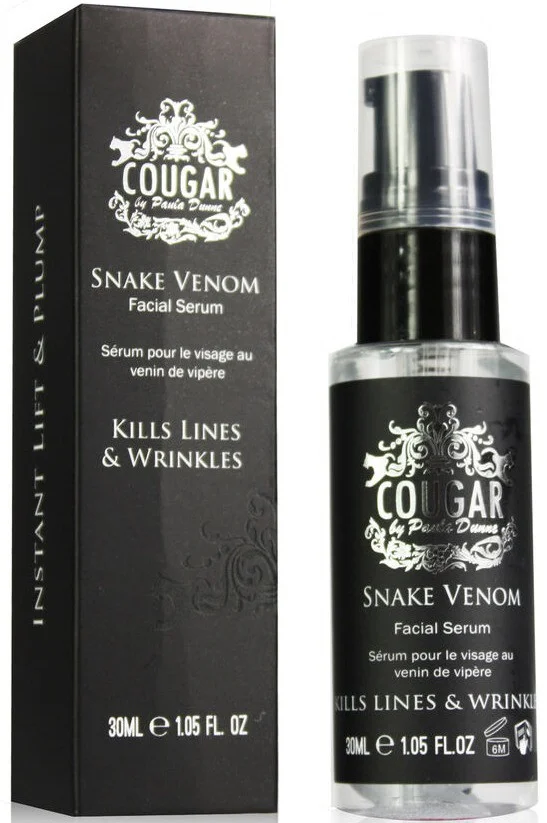
Create a free account to get started
Unlock science-based ingredient analysis personalized for your skin.
Already have an account? Log in
We protect your privacy. We never send spam.