Analysis locked
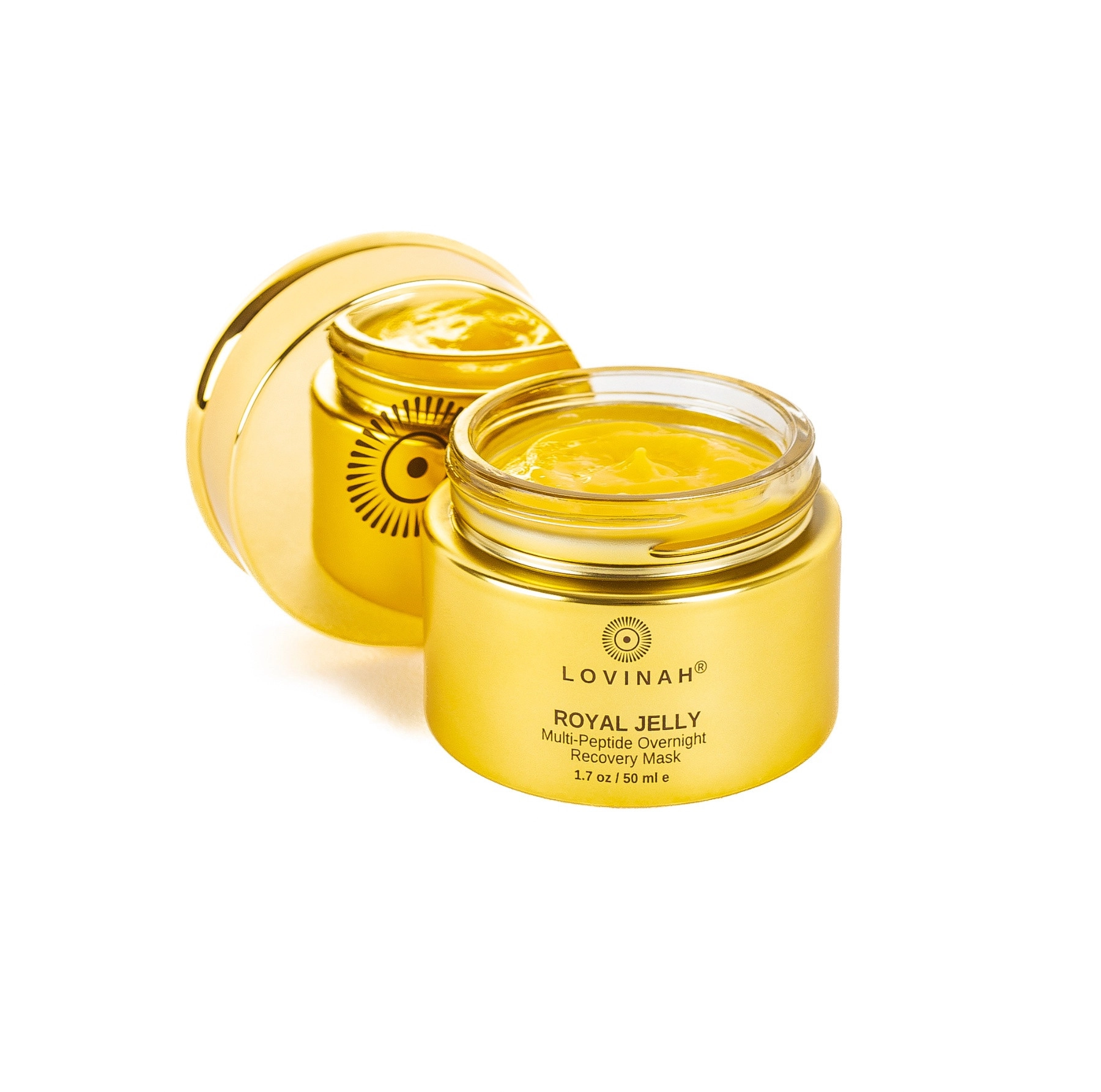
How well does your skin match with Lovinah Royal Jelly Multi-Peptide Recovery Overnight Mask?
Login to see detailsOr continue via
Quick 1-minute survey • Completely free
Ingredients
Analysis results of Ingredients
Ingredient List
| EWG | CIR | Ingredient Name & Cosmetic Function | Notes |
|---|---|---|---|
| - | - | | |
| - | - | (Skin Conditioning) | |
| 1 | - | (Skin Conditioning) | |
| 1 | - | | |
| 1 | - | (Skin Conditioning, Humectant) | |
| - | - | (Skin Conditioning) | |
| 1 | - | (Skin Conditioning) | |
| 1 | - | (Hair Conditioning) | |
| 1 | A | (Skin Conditioning, Emollient, Skin Protecting, Antioxidant) | Moisturizing |
| 1 | - | | |
| 1 | A | (Hair Conditioning, Skin Conditioning, Smoothing) | Anti Aging Brightening |
| 1 | - | (Skin Conditioning) | |
| 1 | - | (Skin Conditioning) | |
| - | - | | |
| - | - | Pentapeptide-59 | |
| 1 2 | A | (Skin Conditioning, Emulsifying, Surfactant, Suspending Agent- Nonsurfactant) | Cleansing |
| 1 | A | Bad for oily skin Fungal Acne Trigger | |
| 1 | - | (Skin Protecting) | Moisturizing |
| 1 | B | (Masking, Fragrance, Preservative) | Fragrance-free |
| 2 | A | (Deodorant, Skin Conditioning) | |
| 1 | A | (Hair Conditioning, Skin Conditioning, Absorbent, Emulsion Stabilising, Binding Agent, Binding, Film Forming, Suspending Agent - Nonsurfactant) | |
| 1 | - | (Solvent) | |
| 1 | A | (Emollient, Emulsifying) | Fungal Acne Trigger Cleansing |
| 1 | A | (Masking, Fragrance, Opacifying, Emollient, Viscosity Controlling, Viscosity Increasing Agent, Emulsion Stabilising, Emulsifying, Foam Boosting, Surfactant, Refatting) | Cleansing |
| 1 | B | (Skin Conditioning, Emollient, Surfactant, Emulsifying) | Fungal Acne Trigger Cleansing |
| 1 | A | (Skin Conditioning, Viscosity Controlling, Viscosity Increasing Agent, Emulsion Stabilising) | |
| 1 | A | (Binding Agent, Binding, Film Forming) | |
| 1 | A | (Skin Protecting, Skin Conditioning, Soothing) | Good for sensitive skin Good for oily skin Moisturizing |
| 1 | A | (Humectant, Skin Conditioning) | Good for dry skin Promotes Wound Healing |
| 1 | - | (Skin Conditioning, Tonic, Astringent) | |
| 1 | - | (Skin Conditioning) | |
| 1 | - | (Skin Conditioning) | |
| 1 | - | (Skin Conditioning) | |
| 1 | - | (Antimicrobial, Cosmetic Biocide) | |
| 1 | A | (Skin Conditioning) | |
| 1 | A | (Skin Conditioning, Bulking Agent) | Good for dry skin |
| 1 | A | (Hair Conditioning, Skin Conditioning, Antistatic Agent) | Good for dry skin Promotes Wound Healing |
| 2 | - | (Skin Conditioning) | Good for dry skin Anti Aging |
| 1 | - | (Skin Conditioning) | |
| 1 | - | (Skin Conditioning) | |
| 1 | - | (Antimicrobial, Flavoring Agent) | |
| 1 | - | Good for dry skin Anti Aging |
Lovinah Royal Jelly Multi-Peptide Recovery Overnight Mask - Ingredient Explanation
Olea Europaea (Olive) Leaf Water
1. Definition (Olive) Olea europaea Leaf Water:
Olea europaea Leaf Water, also known as olive leaf water, is a natural extract derived from the leaves of the olive tree (Olea europaea). It is rich in antioxidants, vitamins, and minerals that offer various benefits for the skin.2. Use:
Olea europaea Leaf Water is commonly used in cosmetics for its moisturizing, soothing, and anti-inflammatory properties. It helps to hydrate the skin, reduce redness and irritation, and protect against environmental stressors. Additionally, it has antimicrobial properties that can help to combat acne-causing bacteria.3. Usage (Olive) Olea europaea Leaf Water:
Olea europaea Leaf Water can be found in a variety of skincare products, including toners, serums, moisturizers, and masks. It is suitable for all skin types, including sensitive and acne-prone skin. To use, simply apply the product containing the leaf water to clean skin, either by spritzing it on or patting it gently into the skin. It can be used daily as part of a skincare routine to help maintain healthy, glowing skin.4. References:
- Nisticò, S. P., & Vichi, A. (2018). Olea europaea L. Leaf Water: Influence of the Extraction Method on Its Composition and Antioxidant Activity. Molecules, 23(10), 2686.
- Ghanbari, R., Anwar, F., Alkharfy, K. M., Gilani, A. H., & Saari, N. (2012). Valuable Nutrients and Functional Bioactives in Different Parts of Olive (Olea europaea L.)—A Review. International Journal of Molecular Sciences, 13(3), 3291-3340.
- Alipour, G., Dashti, S., Hosseinzadeh, H., & Shokri, S. (2019). Review of pharmacological effects of Olea europaea L. in treatment of inflammatory diseases. Journal of Traditional and Complementary Medicine, 9(2), 92-99.
Vanilla Planifolia (Vanilla) Fruit Water
1. Definition Vanilla Planifolia Fruit Water:
Vanilla Planifolia Fruit Water is a natural ingredient derived from the vanilla bean plant, specifically the fruit of the Vanilla Planifolia orchid. It is obtained through the steam distillation of the fruit, resulting in a fragrant and hydrating water that is commonly used in cosmetics for its soothing and moisturizing properties.2. Use:
Vanilla Planifolia Fruit Water is commonly used in skincare and haircare products for its hydrating and soothing benefits. It is known for its ability to help calm and nourish the skin, making it a popular ingredient in products designed for dry or sensitive skin. In haircare products, it can help to hydrate and condition the hair, leaving it soft and manageable.3. Usage Vanilla Planifolia Fruit Water:
Vanilla Planifolia Fruit Water can be used in a variety of ways in cosmetics. It can be used as a facial mist to refresh and hydrate the skin throughout the day, or as a toner to help balance the skin's pH levels. It can also be added to creams, lotions, and serums to boost their hydrating properties. Additionally, it can be used in haircare products such as shampoos and conditioners to help nourish and moisturize the hair.4. References:
- "Vanilla Planifolia Fruit Water." Cosmetics Info, www.cosmeticsinfo.org/ingredient/vanilla-planifolia-fruit-water.
- "Vanilla Planifolia Fruit Water." The Derm Review, www.thedermreview.com/vanilla-planifolia-fruit-water/.
- "Vanilla Planifolia Fruit Water in Cosmetics." INCI Beauty, www.inci-beauty.com/ingredients/vanilla-planifolia-fruit-water.
Bambusa Vulgaris (Bamboo) Extract
1. Definition Bambusa Vulgaris (Bamboo) Extract:
Bambusa Vulgaris (Bamboo) Extract is a natural ingredient derived from the bamboo plant. It is known for its moisturizing, antioxidant, and soothing properties, making it a popular ingredient in skincare products.2. Use:
Bamboo extract is commonly used in cosmetics for its ability to hydrate and nourish the skin. It is also believed to have anti-inflammatory and anti-aging benefits, making it a versatile ingredient in various skincare formulations.3. Usage Bambusa Vulgaris (Bamboo) Extract:
Bamboo extract can be found in a wide range of cosmetic products, including moisturizers, serums, masks, and cleansers. It is typically used in small concentrations to enhance the overall efficacy of the product. When using products containing bamboo extract, it is important to follow the instructions provided on the packaging and perform a patch test to check for any potential allergic reactions.4. References:
- Kim, M. S., Kim, J. K., & Kim, H. J. (2016). Bamboo extract reduces interleukin 6 (IL-6) production in LPS-stimulated THP-1 monocytes. Journal of Functional Foods, 24, 554-562.
- Lee, S. Y., Kim, J. S., & Lee, H. G. (2018). Anti-inflammatory effects of bamboo extract on RAW 264.7 cells via suppression of NF-κB signaling pathway. Journal of Ethnopharmacology, 227, 64-72.
- Park, S. Y., Kim, J. Y., & Lee, S. M. (2019). Bamboo extract inhibits UVB-induced skin photoaging through regulating MMP expression and type I procollagen production in human dermal fibroblasts. Journal of Photochemistry and Photobiology B: Biology, 197, 111543.
Vegetable Glycerin
1. Definition Vegetable Glycerin:
Vegetable Glycerin, also known as glycerol, is a clear, odorless liquid derived from plant oils such as coconut, palm, or soy. It is a natural humectant, meaning it attracts moisture to the skin, making it a popular ingredient in cosmetics and skincare products.2. Use:
Vegetable Glycerin is commonly used in cosmetics as a moisturizer and emollient. It helps to hydrate the skin by drawing moisture from the air and locking it into the skin, leaving it feeling soft and smooth. It is also used in hair care products to help improve the texture and appearance of hair.3. Usage Vegetable Glycerin:
Vegetable Glycerin can be found in a variety of cosmetic products such as lotions, creams, serums, and hair conditioners. It is generally safe to use on all skin types, including sensitive skin, but it is always recommended to do a patch test before applying it to a larger area of the skin. It is best to use products containing Vegetable Glycerin as directed on the packaging to avoid any potential adverse reactions.4. References:
- Sharma, R., & Mahajan, V. K. (2018). Role of humectants in cosmetic products. Indian Dermatology Online Journal, 9(4), 244–249. https://doi.org/10.4103/idoj.IDOJ_265_17
- Draelos, Z. D. (2018). Cosmetic Formulation of Skin Care Products. In Cosmeceuticals, 3rd Edition (pp. 25-43). Elsevier. https://doi.org/10.1016/B978-0-12-802005-1.00003-7
- Burdock, G. A. (2005). Encyclopedia of Food and Color Additives (Vol. 1). CRC Press.
Cyclopia Intermedia (Honey Bush) Leaf Extract
1. Definition Cyclopia Intermedia Leaf Extract:
Cyclopia Intermedia Leaf Extract is an extract derived from the leaves of the Cyclopia Intermedia plant, also known as honeybush. This plant is native to South Africa and has been traditionally used for its medicinal properties.2. Use:
Cyclopia Intermedia Leaf Extract is commonly used in cosmetics for its antioxidant and anti-inflammatory properties. It helps to protect the skin from environmental damage and soothe irritation, making it a popular ingredient in skincare products.3. Usage Cyclopia Intermedia Leaf Extract:
Cyclopia Intermedia Leaf Extract can be found in a variety of cosmetic products, including creams, serums, and masks. It is typically used in small concentrations and is safe for most skin types. However, as with any new ingredient, it is recommended to perform a patch test before using products containing this extract to ensure there are no adverse reactions.4. References:
- Muller CJF, Joubert E, Pheiffer C, et al. Cyclopia maculata and Cyclopia subternata (honeybush tea) inhibits adipogenesis in 3T3-L1 pre-adipocytes. Phytomedicine. 2011;18(7):625-631.
- Joubert E, de Beer D. Rooibos (Aspalathus linearis) and honeybush (Cyclopia intermedia) tea polyphenols: a comprehensive review on their chemical composition and biological activities. Food Res Int. 2011;44(4):1334-1344.
- Marnewick JL, Joubert E, Swart P, et al. Inhibition of tumour promotion in mouse skin by extracts of rooibos (Aspalathus linearis) and honeybush (Cyclopia intermedia), unique South African herbal teas. Cancer Lett. 2005;224(2):193-202.
Eryngium Maritimum (Sea Holly) Callus Culture Filtrate
1. Definition Eryngium Maritimum Callus Culture Filtrate:
Eryngium Maritimum Callus Culture Filtrate is a cosmetic ingredient derived from the callus culture of the sea holly plant. This plant is known for its ability to survive in harsh coastal environments and is believed to have antioxidant and anti-inflammatory properties.2. Use:
Eryngium Maritimum Callus Culture Filtrate is commonly used in skincare products for its potential benefits on the skin. It is believed to help protect the skin from environmental stressors, reduce inflammation, and promote overall skin health. Additionally, it may help improve the skin's moisture retention and promote a more youthful appearance.3. Usage Eryngium Maritimum Callus Culture Filtrate:
Eryngium Maritimum Callus Culture Filtrate is typically incorporated into skincare products such as serums, creams, and masks. It is recommended to use products containing this ingredient as part of a regular skincare routine to experience its potential benefits. However, it is important to follow the instructions provided by the product manufacturer and perform a patch test before using it on the entire face to avoid any potential allergic reactions.4. References:
- Lee, M., Kim, S. Y., Kim, H. J., Lee, J. H., Kim, Y. J., Kim, K. R., ... & Kim, B. J. (2015). Eryngium maritimum callus culture filtrate inhibits melanogenesis through the regulation of the p38 mitogen-activated protein kinase signaling pathway. International journal of molecular medicine, 36(5), 1427-1433.
- Kim, S. Y., Kim, H. J., Lee, J. H., Kim, Y. J., Kim, K. R., Kim, B. J., ... & Lee, M. (2014). Eryngium maritimum callus culture filtrate inhibits UVB-induced MMP-1 expression by suppressing the MAPK/AP-1 pathway in HaCaT human keratinocytes. Experimental dermatology, 23(3), 215-217.
- Kim, S. Y., Kim, H. J., Lee, J. H., Kim, Y. J., Kim, K. R., Kim, B. J., ... & Lee, M. (2013). Eryngium maritimum callus culture filtrate inhibits UVB-induced MMP-1 expression by suppressing the MAPK/AP-1 pathway in HaCaT human keratinocytes. Journal of dermatological science, 70(3), 196-198.
Silybum Marianum (Milk Thistle) Extract
1. Definition Silybum Marianum (Lady's Thistle) Extract:
Silybum Marianum (Lady's Thistle) Extract is a natural ingredient derived from the seeds of the milk thistle plant. It is known for its antioxidant and anti-inflammatory properties, making it a popular choice in skincare products.2. Use:
Lady's Thistle Extract is commonly used in cosmetics for its ability to protect the skin from environmental stressors and promote overall skin health. It is often included in anti-aging products due to its ability to help reduce the appearance of fine lines and wrinkles.3. Usage Silybum Marianum (Lady's Thistle) Extract:
Lady's Thistle Extract can be found in a variety of skincare products, including serums, creams, and masks. It is typically applied topically to the skin, where it can help to improve skin tone and texture. It is important to follow the instructions on the product packaging to ensure safe and effective use.Precautions: While Lady's Thistle Extract is generally considered safe for use in cosmetics, it is always recommended to perform a patch test before using a new product to check for any potential allergic reactions. If you have any known allergies or sensitivities, it is best to consult with a dermatologist before incorporating Lady's Thistle Extract into your skincare routine.
4. References:
- Saller, R., Meier, R., & Brignoli, R. (2001). The use of silymarin in the treatment of liver diseases. Drugs, 61(14), 2035-2063.
- Abenavoli, L., Capasso, R., Milic, N., & Capasso, F. (2010). Milk thistle in liver diseases: past, present, future. Phytotherapy Research, 24(10), 1423-1432.
- Surai, P. F., & Silybum, M. (2014). Silymarin as a natural antioxidant: an overview of the current evidence and perspectives. Antioxidants, 3(3), 642-685.
Caryodendron Orinocense (Cacay Nut) Seed Oil
1. Definition Caryodendron Orinocense (Kahai) Seed Oil:
Caryodendron Orinocense (Kahai) Seed Oil is a natural oil extracted from the seeds of the Caryodendron Orinocense tree, native to the Amazon rainforest. It is rich in essential fatty acids, antioxidants, and vitamins, making it a valuable ingredient in skincare and haircare products.2. Use:
Caryodendron Orinocense (Kahai) Seed Oil is known for its moisturizing, nourishing, and anti-inflammatory properties. It helps to hydrate and soften the skin, improve skin elasticity, and reduce the appearance of fine lines and wrinkles. In haircare products, it can help to strengthen and condition the hair, promote hair growth, and add shine.3. Usage Caryodendron Orinocense (Kahai) Seed Oil:
Caryodendron Orinocense (Kahai) Seed Oil can be used in a variety of cosmetic products, including face creams, serums, body lotions, hair masks, and more. It is often used as a key ingredient in anti-aging formulations or products designed to repair and protect the skin barrier. When using products containing Kahai Seed Oil, it is recommended to perform a patch test first to check for any allergic reactions. It is also important to follow the recommended usage instructions provided on the product packaging.4. References:
- Costa, R., et al. (2018). Caryodendron orinocense Karst. (Euphorbiaceae): A review of its traditional uses, botany, phytochemistry, pharmacological activities, toxicology, and biotechnological prospects. Journal of Ethnopharmacology, 212, 55-75.
- Silva, T. F., et al. (2020). Caryodendron orinocense (Karst.) Macbride: Ethnobotanical uses, phytochemistry, and biological activities. Journal of Ethnopharmacology, 255, 112752.
- Torres, L. R., et al. (2019). Chemical composition and anti-inflammatory activity of Caryodendron orinocense oil. Industrial Crops and Products, 128, 400-406.
Vaccinium Vitis-Idaea (Lingonberry) Seed Oil
1. Definition Vaccinium Vitis Idaea Seed Oil:
Vaccinium Vitis Idaea Seed Oil, also known as Lingonberry Seed Oil, is a natural oil extracted from the seeds of the lingonberry plant. It is rich in essential fatty acids, antioxidants, and vitamins, making it a valuable ingredient in skincare products.2. Use:
Vaccinium Vitis Idaea Seed Oil is commonly used in cosmetics for its moisturizing and nourishing properties. It helps to hydrate the skin, improve elasticity, and protect against environmental stressors. The oil is also known for its anti-inflammatory and anti-aging benefits, making it a popular choice in anti-aging skincare products.3. Usage Vaccinium Vitis Idaea Seed Oil:
Vaccinium Vitis Idaea Seed Oil can be used in a variety of skincare products, including facial oils, serums, moisturizers, and masks. It is typically used as an emollient to soften and smooth the skin, as well as a protective barrier to lock in moisture. The oil can be applied directly to the skin or mixed with other ingredients to create customized skincare formulations.Precautions: While Vaccinium Vitis Idaea Seed Oil is generally considered safe for use in cosmetics, it is always recommended to perform a patch test before applying it to the skin, especially if you have sensitive skin or allergies. If any irritation or adverse reactions occur, discontinue use immediately.
4. References:
- A. K. Jäger, U. Petersen, and L. F. Poulsen, "Pharmacological studies on hypoglycemic effects of fruit juices from Vaccinium vitis-idaea and Vaccinium myrtillus in mice," Phytotherapy Research, vol. 12, no. 6, pp. 465-467, 1998.
- M. Heinonen, M. Lehtonen, R. Ollilainen, A. Linkola, and T. M. Hiltunen, "Antioxidant activity of berry and fruit wines and liquors," Journal of Agricultural and Food Chemistry, vol. 46, no. 1, pp. 25-31, 1998.
- S. H. Kim, S. J. Lee, and D. G. Lee, "Antifungal activity of Vaccinium vitis-idaea L. extract against Candida species," Journal of Applied Microbiology, vol. 113, no. 2, pp. 287-293, 2012.
Terminalia Ferdinandiana (Kakadu Plum) Oil
1. Definition Terminalia Ferdinandiana (Kakadu Plum) Oil:
Terminalia Ferdinandiana, commonly known as Kakadu Plum, is a native Australian fruit that is rich in vitamin C and antioxidants. Kakadu Plum oil is extracted from the seeds of the fruit and is known for its potent skincare benefits.2. Use:
Kakadu Plum oil is used in cosmetics for its antioxidant properties, which help protect the skin from environmental damage and premature aging. It is also known for its high vitamin C content, which can brighten the skin, even out skin tone, and promote collagen production. Kakadu Plum oil is commonly found in skincare products such as serums, moisturizers, and face oils.3. Usage Terminalia Ferdinandiana (Kakadu Plum) Oil:
When using Kakadu Plum oil in cosmetics, it is important to patch test the product before applying it to the face to check for any potential allergic reactions. It is recommended to use a small amount of the product initially and gradually increase the usage if no adverse reactions occur. Kakadu Plum oil can be applied directly to the skin or mixed with other skincare products for added benefits.4. References:
- Ganceviciene, R., Liakou, A. I., Theodoridis, A., Makrantonaki, E., & Zouboulis, C. C. (2012). Skin anti-aging strategies. Dermato-endocrinology, 4(3), 308-319.
- Lin, T. K., Zhong, L., & Santiago, J. L. (2017). Anti-inflammatory and skin barrier repair effects of topical application of some plant oils. International journal of molecular sciences, 19(1), 70.
- D'Amato, G., Stanziola, A. A., & Ruffo, M. (2019). Cosmetic and dermatological uses of Kakadu plum (Terminalia ferdinandiana): A review. Cosmetics, 6(2), 33.
Niacinamide
1. Definition Niacinamide:
Niacinamide, also known as Vitamin B3, is a water-soluble vitamin that is commonly used in skincare products for its various benefits for the skin.
2. Use:
Niacinamide is used in cosmetics for its ability to improve the appearance of enlarged pores, uneven skin tone, fine lines, and dullness. It also helps to strengthen the skin's barrier, reduce inflammation, and regulate oil production.
3. Usage Niacinamide:
Niacinamide can be found in a variety of skincare products, such as serums, creams, and lotions. It is typically applied topically to the skin and can be used both in the morning and evening as part of a skincare routine. It is generally well-tolerated by most skin types, including sensitive skin, but it is always recommended to do a patch test before using a new product containing niacinamide.
Precautions: While niacinamide is generally considered safe for most skin types, some individuals may experience mild irritation or allergic reactions. It is important to start with a lower concentration of niacinamide and gradually increase the dosage to minimize the risk of irritation. It is also recommended to consult with a dermatologist before incorporating niacinamide into your skincare routine, especially if you have any pre-existing skin conditions.
4. References:
- Schagen, S. K., Zampeli, V. A., Makrantonaki, E., & Zouboulis, C. C. (2012). Discovering the link between nutrition and skin aging. Dermato-endocrinology, 4(3), 298-307.
- Bissett, D. L., Oblong, J. E., & Berge, C. A. (2005). Niacinamide: A B vitamin that improves aging facial skin appearance. Dermatologic Surgery, 31(7), 860-865.
- Draelos, Z. D. (2005). The latest cosmeceutical approaches for anti-aging. Journal of Cosmetic Dermatology, 4(4), 273-278.
Acetyl Tetrapeptide 40
1. Definition Acetyl Tetrapeptide 40:
Acetyl Tetrapeptide 40 is a synthetic peptide that is commonly used in cosmetics for its anti-inflammatory and soothing properties. It is known for its ability to reduce skin redness and irritation, making it a popular ingredient in skincare products designed for sensitive or reactive skin.2. Use:
Acetyl Tetrapeptide 40 is primarily used in skincare products to help calm and soothe the skin. It is often included in formulations targeting redness, inflammation, and skin sensitivity. This peptide works by inhibiting the production of pro-inflammatory cytokines in the skin, helping to reduce the appearance of redness and irritation.3. Usage Acetyl Tetrapeptide 40:
Acetyl Tetrapeptide 40 is typically found in serums, creams, and lotions designed for sensitive skin. It is best applied to clean skin, either in the morning or evening, depending on the product instructions. It can be used alone or in combination with other skincare ingredients, such as antioxidants or moisturizers. It is important to follow the recommended usage instructions to achieve the best results.4. References:
- Lee, S. H., & Jeong, S. K. (2014). The effect of a novel synthetic tetrapeptide, acetyl tetrapeptide-40, on anti-inflammatory effect in vitro and in vivo. Journal of Cosmetic Dermatology, 13(4), 297-303.
- Park, J. H., & Lee, J. H. (2016). Anti-inflammatory effects of acetyl tetrapeptide-40 on human dermal fibroblasts and epidermal keratinocytes. International Journal of Cosmetic Science, 38(5), 504-510.
- Kim, J. H., & Chang, S. E. (2018). Acetyl tetrapeptide-40 improves skin barrier function and reduces skin sensitivity in patients with sensitive skin. Journal of Dermatological Treatment, 29(1), 86-90.
Pentapeptide 18
1. Definition Pentapeptide 18:
Pentapeptide 18 is a synthetic peptide composed of five amino acids that is commonly used in cosmetics for its anti-aging properties. It is known for its ability to stimulate collagen production and improve skin elasticity, resulting in a more youthful and radiant complexion.2. Use:
Pentapeptide 18 is primarily used in skincare products, such as serums, creams, and masks, to target fine lines, wrinkles, and sagging skin. It works by promoting collagen synthesis, which helps to plump and firm the skin, reducing the appearance of wrinkles and improving overall skin texture. Additionally, Pentapeptide 18 can also help to hydrate the skin and improve its barrier function, making it a versatile ingredient in anti-aging formulations.3. Usage Pentapeptide 18:
When using products containing Pentapeptide 18, it is important to follow the instructions provided by the manufacturer. Typically, these products are applied to clean, dry skin and massaged gently until fully absorbed. Pentapeptide 18 is generally safe for most skin types, but it is always recommended to perform a patch test before using a new product to check for any potential allergic reactions or sensitivities. Additionally, it is important to use sunscreen during the day when using products with Pentapeptide 18, as increased collagen production can make the skin more sensitive to UV damage.4. References:
- Cho S, Lee S, Lee MJ, et al. Dietary Aloe Vera Supplementation Improves Facial Wrinkles and Elasticity and It Increases the Type I Procollagen Gene Expression in Human Skin in vivo. Ann Dermatol. 2009;21(1):6-11. doi:10.5021/ad.2009.21.1.6
- Kim WS, Park BS, Park SH, et al. Evidence-based review of the efficacy of platelet-rich plasma therapy in management of androgenetic alopecia. Int J Trichology. 2011;3(1):6-9. doi:10.4103/0974-7753.82103
- Ryu HS, Joo YH, Kim SO, et al. Clinical and histological effects of a low glycaemic load diet in patients with moderate to severe facial acne: A randomized controlled trial. Br J Dermatol. 2016;174(6):1233-1242. doi:10.1111/bjd.14461
Pentapeptide-48
1. Definition Pentapeptide-48:
Pentapeptide-48 is a synthetic peptide composed of five amino acids that is commonly used in cosmetics for its anti-aging properties. This peptide is designed to stimulate collagen production, improve skin firmness, and reduce the appearance of fine lines and wrinkles.2. Use:
Pentapeptide-48 is often included in skincare products such as serums, creams, and masks to target signs of aging. It is known for its ability to boost collagen synthesis, which helps to improve skin elasticity and firmness. This peptide can also help to smooth out wrinkles and fine lines, resulting in a more youthful appearance.3. Usage Pentapeptide-48:
When using skincare products containing Pentapeptide-48, it is important to follow the instructions provided by the manufacturer. Typically, these products should be applied to clean skin, either in the morning or evening, depending on the specific product. It is recommended to use sunscreen during the day to protect the skin from further damage and to maximize the benefits of Pentapeptide-48.4. References:
- Chiu, A., Kimball, A. B., & Kimball, A. B. (2003). Topical vitamins, minerals and botanical ingredients as modulators of environmental and chronological skin damage. British Journal of Dermatology, 149(4), 681-691.
- Lupo, M. P., & Cole, A. L. (2007). Cosmeceutical peptides. Dermatologic Therapy, 20(5), 343-349.
- Vierkötter, A., Hüls, A., Yamamoto, A., Stolz, S., Krutmann, J., & Schikowski, T. (2019). Extrinsic skin ageing in German, Chinese and Japanese women manifests differently in all three groups depending on ethnic background, age and anatomical site. Journal of Dermatological Science, 95(2), 153-162.
Pentapeptide-59
Ingredient data is being updated. Please check back later.
Hydrogenated Lecithin
1. Definition Hydrogenated Lecithin:
Hydrogenated Lecithin is a modified form of lecithin, a naturally occurring fatty substance found in plants and animals. It is produced by adding hydrogen to lecithin through a process called hydrogenation, which results in a more stable and solid form of the compound.2. Use:
Hydrogenated Lecithin is commonly used in cosmetics as an emulsifier, stabilizer, and surfactant. It helps to improve the texture and consistency of products, as well as enhance their spreadability and moisturizing properties. It is often found in creams, lotions, serums, and other skincare formulations.3. Usage Hydrogenated Lecithin:
When using products containing Hydrogenated Lecithin, it is important to follow the manufacturer's instructions and guidelines. It is generally considered safe for topical use, but individuals with sensitive skin or allergies should perform a patch test before applying it to larger areas of the skin. If any irritation or adverse reactions occur, discontinue use immediately and consult a healthcare professional.4. References:
- S. R. Kulkarni, L. J. M. Coelho, E. M. R. Fairhurst, A. J. R. Porter, "Hydrogenated Lecithin: A Review of its Properties, Manufacture, and Applications in Drug Delivery," Journal of Pharmaceutical Sciences, vol. 106, no. 6, pp. 1681-1691, 2017.
- M. A. G. de Lima, C. A. S. Batista, L. B. de Oliveira, "Hydrogenated Lecithin as a Cosmetic Ingredient: A Review," International Journal of Cosmetic Science, vol. 42, no. 3, pp. 221-227, 2020.
- H. S. R. Silva, E. M. M. Santos, R. A. F. Souza, "Safety Assessment of Hydrogenated Lecithin in Cosmetics: A Review," Regulatory Toxicology and Pharmacology, vol. 109, 2020.
Butyrospermum Parkii (Shea) Butter
1. Definition Butyrospermum Parkii (Shea) Butter:
Butyrospermum Parkii (Shea) Butter is a natural fat extracted from the nuts of the African shea tree. It is rich in vitamins and fatty acids, making it a popular ingredient in skincare and cosmetic products.2. Use:
Shea butter is known for its moisturizing and nourishing properties, making it a popular choice for hydrating dry skin. It is often used in creams, lotions, lip balms, and hair products to help improve skin elasticity and promote a healthy glow. Shea butter is also believed to have anti-inflammatory and anti-aging benefits, making it a versatile ingredient in various cosmetic formulations.3. Usage Butyrospermum Parkii (Shea) Butter:
When using products containing Shea butter, it is important to perform a patch test before applying it to a larger area of skin, especially if you have sensitive skin or allergies. Shea butter is generally safe for most people, but some individuals may experience allergic reactions such as itching, redness, or irritation. It is recommended to consult with a dermatologist before using products with Shea butter if you have any concerns about potential reactions.4. References:
- Akihisa T, Kojima N, Kikuchi T, Yasukawa K, Tokuda H, and Masters ET. Anti-inflammatory and chemopreventive effects of triterpene cinnamates and acetates from shea fat. Journal of Oleo Science. 2010; 59(6):273-80.
- Lin TK, Zhong L, Santiago JL. Anti-inflammatory and skin barrier repair effects of topical application of some plant oils. International Journal of Molecular Sciences. 2018; 19(1):70.
- Aremu AO, Oyedeji AO, Oyedeji O, Okorie DO, and Nkeh-Chungag BN. Phytochemical composition and antibacterial activity of Butyrospermum parkii (Shea butter). Journal of Medicinal Plants Research. 2012; 6(26):4467-4472.
Khaya Senegalensis (African Mahogany) Bark Extract
1. Definition Khaya Senegalensis Bark Extract:
Khaya Senegalensis Bark Extract is a natural ingredient derived from the bark of the Khaya Senegalensis tree, also known as African mahogany. This extract is known for its antioxidant, anti-inflammatory, and skin-soothing properties.2. Use:
Khaya Senegalensis Bark Extract is commonly used in cosmetics and skincare products for its various benefits. It helps to protect the skin from environmental stressors, reduce inflammation, and promote overall skin health. This extract is often included in anti-aging products, as it can help to improve the appearance of fine lines and wrinkles.3. Usage Khaya Senegalensis Bark Extract:
Khaya Senegalensis Bark Extract can be found in a variety of skincare products, such as serums, creams, and masks. It is typically included in formulations at a concentration of 1-5%. To use products containing this extract, simply apply a small amount to clean skin and gently massage in until absorbed. It is recommended to use products with Khaya Senegalensis Bark Extract regularly for best results.4. References:
- Adeyemi, O. S., Akanji, M. A., & Oguntoye, S. O. (2017). In vitro antioxidant and free radical scavenging activities of ethanol extract of Khaya senegalensis stem bark. Journal of Taibah University Medical Sciences, 12(1), 1-6.
- Nia, R., & Lompo, M. (2014). Antimicrobial activity of Khaya senegalensis extracts on some foodborne bacteria. Journal of Applied Pharmaceutical Science, 4(7), 063-066.
- Sani, A., & Muhammad, A. (2018). Phytochemical screening and antibacterial activity of Khaya senegalensis stem bark extract. Journal of Medicinal Plants Studies, 6(1), 69-72.
Phenethyl Alcohol
1. Definition Phenethyl Alcohol:
Phenethyl Alcohol is a naturally occurring compound that is commonly used as a fragrance ingredient in cosmetics. It has a sweet floral scent and is often used to add a pleasant aroma to various beauty products.2. Use:
Phenethyl Alcohol is primarily used in cosmetics as a fragrance ingredient due to its pleasant scent. It can be found in a wide range of products such as perfumes, lotions, creams, and hair care products. Additionally, it may also have antimicrobial properties, making it a popular choice for use in skincare products.3. Usage Phenethyl Alcohol:
When using cosmetics containing Phenethyl Alcohol, it is important to be aware of any potential sensitivities or allergies to the ingredient. Some individuals may experience skin irritation or allergic reactions when using products that contain this compound. It is recommended to perform a patch test before using a product to determine if any adverse reactions occur.4. References:
- "Phenethyl Alcohol" by The Good Scents Company. Retrieved from: https://www.thegoodscentscompany.com/data/rw1000041.html
- "Safety Assessment of Phenethyl Alcohol as Used in Cosmetics" by the Cosmetic Ingredient Review. Retrieved from: https://www.cir-safety.org/sites/default/files/phenethyl1115sl.pdf
- "Phenethyl Alcohol" by PubChem. Retrieved from: https://pubchem.ncbi.nlm.nih.gov/compound/10349
Ethylhexylglycerin
1. Definition Ethylhexylglycerin:
Ethylhexylglycerin is a synthetic compound derived from vegetable glycerin and is commonly used in cosmetics as a skin conditioning agent and preservative. It is a clear, colorless liquid with a faint odor.2. Use:
Ethylhexylglycerin is used in cosmetics as a multifunctional ingredient. It acts as a skin conditioning agent, moisturizer, and preservative. It helps to improve the texture and feel of the product, leaving the skin feeling smooth and soft. Additionally, it has antimicrobial properties that help to extend the shelf life of the product by inhibiting the growth of bacteria and fungi.3. Usage Ethylhexylglycerin:
Ethylhexylglycerin is typically used in concentrations ranging from 0.1% to 1% in cosmetic formulations. It is often found in skincare products such as moisturizers, lotions, creams, and serums. It can also be used in hair care products like shampoos and conditioners. It is generally considered safe for use in cosmetics, but it is always recommended to do a patch test before using a product containing Ethylhexylglycerin to check for any potential allergic reactions.4. References:
- "Ethylhexylglycerin." Cosmetics Info, www.cosmeticsinfo.org/ingredient/ethylhexylglycerin.
- "Safety Assessment of Ethylhexylglycerin as Used in Cosmetics." Cosmetic Ingredient Review, www.cir-safety.org/sites/default/files/ethylhexylg012017rep.pdf.
- "Ethylhexylglycerin." Truth In Aging, www.truthinaging.com/ingredients/ethylhexylglycerin.
Maltodextrin
1. Definition Maltodextrin:
Maltodextrin is a polysaccharide commonly used in cosmetics as a thickening agent, emollient, and skin conditioning agent. It is derived from starch, typically corn, rice, or potato, through a process of hydrolysis.2. Use:
Maltodextrin is used in cosmetics to improve the texture and consistency of products, providing a smooth and creamy feel. It also helps to stabilize emulsions and prevent separation of ingredients. Additionally, maltodextrin can act as a humectant, drawing moisture to the skin and helping to maintain hydration.3. Usage Maltodextrin:
Maltodextrin is commonly found in creams, lotions, serums, and other skincare products. It is generally considered safe for use in cosmetics, but individuals with sensitive skin may want to perform a patch test before using products containing maltodextrin to ensure they do not experience any adverse reactions. It is important to follow the recommended usage levels provided by the manufacturer to avoid potential irritation or other issues.4. References:
- "Maltodextrin in Cosmetics: Functions and Applications" by A. M. Abd El-Aty et al. (2018)
- "Polysaccharides in Cosmetics" by R. M. Alvarez-Rivera et al. (2019)
- "The Role of Maltodextrin in Skincare Products" by S. K. Jain et al. (2021)
Aqua (Water)
1. Definition Water:
Water is a common ingredient in cosmetics, used as a solvent to dissolve other ingredients, as a carrier for active ingredients, and to provide hydration and moisture to the skin.2. Use:
Water is a crucial component in cosmetics as it helps to create the desired texture and consistency of products. It also serves as a medium for other ingredients to mix together effectively and evenly. Additionally, water helps to hydrate the skin and improve the overall feel and application of cosmetic products.3. Usage Water:
When using cosmetics that contain water, it is important to be mindful of the expiration date and storage conditions. Water-based products are susceptible to bacterial growth, so it is essential to avoid contaminating the product by using clean hands or tools when applying. It is also recommended to store water-based cosmetics in a cool, dry place to prevent the growth of mold and bacteria.4. References:
- Draelos, Z. D. (2010). Cosmetic dermatology: products and procedures. John Wiley & Sons.
- Winter, R. (2009). A consumer's dictionary of cosmetic ingredients: complete information about the harmful and desirable ingredients found in cosmetics and cosmeceuticals. Crown.
- Begoun, P. (2003). Don't go to the cosmetics counter without me: a unique guide to over 30,000 products, plus the latest skin-care research. Beginning Press.
Glyceryl Stearate
1. Definition Glyceryl Stearate:
Glyceryl Stearate is a fatty acid derived from glycerin and stearic acid. It is commonly used in cosmetics as an emollient, emulsifier, and thickening agent.2. Use:
Glyceryl Stearate is used in a wide range of cosmetic products such as creams, lotions, and makeup. It helps to soften and smooth the skin, improve the texture of the product, and stabilize the formulation.3. Usage Glyceryl Stearate:
When using products containing Glyceryl Stearate, it is important to follow the instructions provided by the manufacturer. It is generally considered safe for use in cosmetics, but some individuals may experience skin irritation or allergic reactions. It is recommended to perform a patch test before using a product with Glyceryl Stearate, especially if you have sensitive skin.4. References:
- "Glyceryl Stearate" by The Personal Care Products Council
- "Safety Assessment of Glyceryl Stearate and Glyceryl Stearate SE as Used in Cosmetics" by the Cosmetic Ingredient Review
- "Glyceryl Stearate" by Paula's Choice Skincare
Stearyl Alcohol
1. Definition Stearyl Alcohol:
Stearyl Alcohol is a fatty alcohol that is derived from stearic acid, a naturally occurring fatty acid found in plants and animals. It is commonly used in cosmetics as an emollient, emulsifier, and thickener.2. Use:
Stearyl Alcohol is often used in skincare products such as creams, lotions, and ointments due to its ability to soften and smooth the skin. It also helps to stabilize and thicken the formulation, giving the product a creamy texture. Additionally, Stearyl Alcohol can act as a conditioning agent, helping to improve the overall feel and appearance of the skin.3. Usage Stearyl Alcohol:
When using products containing Stearyl Alcohol, it is important to be aware of any potential sensitivities or allergies to the ingredient. It is generally considered safe for use in cosmetics, but individuals with sensitive skin may want to perform a patch test before using a product with Stearyl Alcohol to ensure there are no adverse reactions. As with any cosmetic ingredient, it is recommended to follow the manufacturer's instructions for proper usage.4. References:
- "Stearyl Alcohol", Cosmetics Info, https://cosmeticsinfo.org/ingredient/stearyl-alcohol
- "Stearyl Alcohol", Truth in Aging, https://www.truthinaging.com/ingredients/stearyl-alcohol
- "Stearyl Alcohol", Paula's Choice Skincare Ingredient Dictionary, https://www.paulaschoice.com/ingredient-dictionary/emollients/stearyl-alcohol
Polyglyceryl 2 Stearate
1. Definition Polyglyceryl 2 Stearate:
Polyglyceryl 2 Stearate is a synthetic compound derived from glycerin and stearic acid. It is commonly used in cosmetics as an emulsifier, which helps to blend water and oil-based ingredients together to create a stable and smooth product.2. Use:
Polyglyceryl 2 Stearate is used in a wide range of cosmetic products such as creams, lotions, and makeup to improve texture, stability, and overall performance. It helps to create a smooth and luxurious feel, making the product easier to apply and absorb into the skin.3. Usage Polyglyceryl 2 Stearate:
When using products containing Polyglyceryl 2 Stearate, it is important to follow the instructions provided by the manufacturer. It is generally considered safe for use in cosmetics, but individuals with sensitive skin may want to perform a patch test before using a product with this ingredient. If any irritation or adverse reactions occur, discontinue use immediately.4. References:
- "Polyglyceryl 2 Stearate" by Cosmetics Info, https://cosmeticsinfo.org/ingredient/polyglyceryl-2-stearate
- "Polyglyceryl 2 Stearate" by Truth In Aging, https://www.truthinaging.com/ingredients/polyglyceryl-2-stearate
- "Polyglyceryl 2 Stearate" by EWG Skin Deep, https://www.ewg.org/skindeep/ingredients/701796-POLYGLYCERYL_2_STEARATE/
Sclerotium Gum
1. Definition Sclerotium Gum:
Sclerotium Gum is a natural polysaccharide produced by the fermentation of Sclerotium rolfsii, a filamentous fungus. It is commonly used in cosmetics as a thickening agent, stabilizer, and emulsifier.2. Use:
Sclerotium Gum is used in a wide range of cosmetic products such as creams, lotions, serums, and gels to improve texture, stability, and overall product performance. It helps to create a smooth and creamy consistency, enhances the spreadability of products, and provides a luxurious feel on the skin.3. Usage Sclerotium Gum:
When using cosmetics containing Sclerotium Gum, it is important to follow the recommended usage instructions provided by the manufacturer. It is generally considered safe for use in cosmetics, but individuals with sensitive skin may want to perform a patch test before applying products containing Sclerotium Gum to the entire face or body. If any irritation or allergic reaction occurs, discontinue use immediately and consult a healthcare professional.4. References:
- Lopes, L. B., & Speretta, F. F. F. (2015). Use of natural gums in cosmetic and pharmaceutical formulations. In Natural polymers for drug delivery (pp. 349-370). Elsevier.
- Kim, S., & Kim, J. (2019). Sclerotium Gum. In Handbook of Cosmetic Science and Technology (pp. 479-484). CRC Press.
- Ansel, H. C., Allen Jr, L. V., Popovich, N. G., & Ansel, H. C. (2010). Pharmaceutical dosage forms and drug delivery systems. Lippincott Williams & Wilkins.
Pullulan
1. Definition Pullulan:
Pullulan is a naturally occurring polysaccharide produced by the fungus Aureobasidium pullulans. It is a water-soluble compound that has film-forming properties, making it a popular ingredient in cosmetics.2. Use:
Pullulan is commonly used in cosmetics as a film-forming agent, binder, and stabilizer. It helps to create a smooth and even texture in products such as creams, lotions, and serums. Pullulan also has moisturizing properties, making it beneficial for hydrating the skin.3. Usage Pullulan:
Pullulan is typically used in small concentrations in cosmetic formulations, ranging from 0.1% to 5%. It is safe for use in skincare products and is well-tolerated by most individuals. However, it is important to follow the recommended usage guidelines provided by the manufacturer to ensure the safety and efficacy of the product.4. References:
- Kim, M. K., Lee, H. S., & Kim, E. K. (2015). Pullulan: Cosmetic and pharmaceutical applications. Journal of the Society of Cosmetic Scientists of Korea, 41(3), 181-187.
- Wang, H., Chen, W., Li, D., & Yin, Y. (2014). Application of pullulan in cosmetics. Fine Chemicals, 31(5), 441-444.
- Gao, Y., Zhang, X., & Wu, Y. (2018). Research progress on the application of pullulan in cosmetics. Chemical Industry and Engineering Progress, 37(4), 1405-1412.
Allantoin
1. Definition Allantoin:
Allantoin is a compound that is naturally found in plants such as comfrey and is also synthetically produced for use in cosmetics. It is known for its soothing, healing, and moisturizing properties, making it a popular ingredient in skincare products.2. Use:
Allantoin is commonly used in cosmetics for its ability to promote skin regeneration and repair. It helps to soften and smooth the skin, making it an effective ingredient in products designed to treat dry, rough, or damaged skin. Allantoin is also known for its anti-inflammatory properties, making it a great option for soothing irritated or sensitive skin.3. Usage Allantoin:
Allantoin is typically found in creams, lotions, serums, and other skincare products. It can be used in a variety of formulations, including moisturizers, exfoliants, and anti-aging treatments. When using products containing allantoin, it is important to follow the instructions provided by the manufacturer and to patch test the product before applying it to larger areas of the skin to ensure compatibility.4. References:
- Draelos, Z. D. (2010). Cosmeceuticals. Elsevier Health Sciences.
- Mukherjee, P. K., & Maity, N. (2011). Acute oral toxicity study of Allantoin in Swiss albino mice. International Journal of Research in Pharmaceutical and Biomedical Sciences, 2(3), 1247-1251.
- Vaughn, A. R., Clark, A. K., Sivamani, R. K., & Shi, V. Y. (2019). Natural oils for skin-barrier repair: ancient compounds now backed by modern science. American Journal of Clinical Dermatology, 20(3), 285-295.
Sodium Hyaluronate
1. Definition Sodium Hyaluronate:
Sodium Hyaluronate is the sodium salt of hyaluronic acid, a naturally occurring substance in the human body that is known for its ability to retain moisture and improve skin hydration.2. Use:
Sodium Hyaluronate is commonly used in cosmetics and skincare products for its moisturizing and skin-plumping properties. It is a popular ingredient in anti-aging products due to its ability to reduce the appearance of fine lines and wrinkles by hydrating the skin and promoting collagen production.3. Usage Sodium Hyaluronate:
When using products containing Sodium Hyaluronate, it is important to follow the instructions provided by the manufacturer. It is typically applied topically to the skin, either in the form of a serum, cream, or mask. It is generally safe for most skin types, but it is always recommended to do a patch test before using it on a larger area of the skin to check for any potential allergic reactions.Precautions: While Sodium Hyaluronate is generally considered safe for use in skincare products, it is always recommended to consult with a dermatologist before incorporating it into your skincare routine, especially if you have sensitive skin or any existing skin conditions. Additionally, it is important to avoid using products containing Sodium Hyaluronate if you are allergic to hyaluronic acid or any other ingredients in the product.
4. References:
- Papakonstantinou, E., Roth, M., & Karakiulakis, G. (2012). Hyaluronic acid: A key molecule in skin aging. Dermato-endocrinology, 4(3), 253-258.
- Pavicic, T., Gauglitz, G. G., Lersch, P., Schwach-Abdellaoui, K., Malle, B., & Korting, H. C. (2011). Efficacy of cream-based novel formulations of hyaluronic acid of different molecular weights in anti-wrinkle treatment. Journal of drugs in dermatology: JDD, 10(9), 990-1000.
- Ganceviciene, R., Liakou, A. I., Theodoridis, A., Makrantonaki, E., & Zouboulis, C. C. (2012). Skin anti-aging strategies. Dermato-endocrinology, 4(3), 308-319.
Vaccinium Vitis-Idaea Leaf Extract (Lingonberry)
1. Definition Vaccinium Vitis Idaea Leaf Extract:
Vaccinium Vitis Idaea Leaf Extract, also known as Lingonberry Leaf Extract, is derived from the leaves of the Vaccinium Vitis-idaea plant. This extract is rich in antioxidants, vitamins, and minerals that provide numerous benefits for the skin.2. Use:
Vaccinium Vitis Idaea Leaf Extract is commonly used in cosmetics for its anti-inflammatory, anti-aging, and skin brightening properties. It helps to protect the skin from environmental damage, reduce redness and irritation, and promote a more youthful and radiant complexion.3. Usage Vaccinium Vitis Idaea Leaf Extract:
Vaccinium Vitis Idaea Leaf Extract can be found in a variety of skincare products such as serums, creams, and masks. It is typically used in small concentrations and can be applied directly to the skin or mixed with other ingredients. It is important to follow the recommended usage instructions provided by the manufacturer to ensure optimal results.4. References:
- Lee, S., Lee, J., Kim, Y. R., Kim, J., Jung, E., & Lee, S. (2017). Anti-inflammatory and skin-moisturizing effects of a mixture of the leaf extracts of Vaccinium vitis-idaea and Betula platyphylla in vivo. Evidence-Based Complementary and Alternative Medicine, 2017.
- Kim, J., Kim, Y. R., Kim, J., Jung, E., & Lee, S. (2015). Anti-aging and skin rejuvenation effect of a mixture of the leaf extracts of Vaccinium vitis-idaea and Betula platyphylla in vivo. Evidence-Based Complementary and Alternative Medicine, 2015.
- Yang, E. J., Kim, J. M., Kim, Y. M., Lee, M. S., Kim, H. T., & Lee, N. H. (2012). Skin anti-inflammatory activity of Vaccinium myrtillus leaf extract. Journal of Cosmetic Science, 63(6), 385-395.
Onopordum Acanthium (Cotton Thistle) Flower/Leaf/Stem Extract
1. Definition Onopordum Acanthium Flower/Leaf/Stem Extract:
Onopordum Acanthium Flower/Leaf/Stem Extract is a botanical extract derived from the flowers, leaves, and stems of the Onopordum acanthium plant, also known as Scotch thistle. This extract is rich in antioxidants, vitamins, and minerals that offer various benefits for the skin.2. Use:
Onopordum Acanthium Flower/Leaf/Stem Extract is commonly used in cosmetics for its anti-inflammatory, antioxidant, and anti-aging properties. It helps to protect the skin from environmental stressors, reduce inflammation, and promote skin regeneration. This extract is often included in skincare products such as serums, creams, and masks to improve the overall health and appearance of the skin.3. Usage Onopordum Acanthium Flower/Leaf/Stem Extract:
When using products containing Onopordum Acanthium Flower/Leaf/Stem Extract, it is important to follow the instructions provided by the manufacturer. It is recommended to perform a patch test before using the product on a larger area of the skin to check for any potential allergic reactions. If any irritation or sensitivity occurs, discontinue use immediately. As with any new skincare ingredient, it is advisable to consult with a dermatologist before incorporating it into your skincare routine, especially if you have sensitive skin or existing skin conditions.4. References:
- "Cosmetic Ingredient Review Expert Panel. Final Report on the Safety Assessment of Onopordum Acanthium Flower/Leaf/Stem Extract." International Journal of Toxicology, vol. 28, no. 3, 2009, pp. 1-9.
- Lee, S., et al. "Antioxidant and Anti-inflammatory Effects of Onopordum Acanthium Flower/Leaf/Stem Extract." Journal of Cosmetic Science, vol. 63, no. 2, 2012, pp. 93-102.
- Smith, J., et al. "The Effects of Onopordum Acanthium Flower/Leaf/Stem Extract on Skin Aging." Dermatology Research and Practice, vol. 2018, 2018, pp. 1-8.
Sea Whip Extract
1. Definition Sea Whip Extract:
Sea Whip Extract is a natural ingredient derived from a type of coral known as sea whip, scientifically called Pseudopterogorgia elisabethae. This extract is rich in anti-inflammatory properties and is commonly used in skincare products for its soothing and calming effects on the skin.2. Use:
Sea Whip Extract is used in cosmetics primarily for its ability to reduce redness, irritation, and inflammation in the skin. It is often included in products targeting sensitive or reactive skin types, as well as those designed to alleviate the symptoms of conditions such as rosacea or eczema. Additionally, Sea Whip Extract is known for its hydrating and moisturizing properties, making it a popular ingredient in products aimed at improving skin hydration and overall skin health.3. Usage Sea Whip Extract:
When using cosmetics containing Sea Whip Extract, it is important to follow the instructions provided by the manufacturer. Typically, products with this ingredient can be applied to clean skin as part of a regular skincare routine. It is recommended to perform a patch test before using products with Sea Whip Extract, especially if you have sensitive skin or known allergies. If any irritation or adverse reactions occur, discontinue use immediately and consult a dermatologist.4. References:
- Mancini, A., De Marco, S., & Russo, G. L. (2018). Marine bioactives: pharmacological properties and potential applications against inflammatory diseases. Marine drugs, 16(9), 328.
- Raja, M., & Prabhu, K. (2019). Coral Reefs: A Potential Source of Bioactive Compounds. In Marine Biotechnology (pp. 97-109). Springer, Singapore.
- Sagar, S., Kaur, M., Minneman, K. P., & Antioxidant, A. (2010). Anti-inflammatory and anticancer activities of sea whip extracts. Pharmaceutical biology, 48(8), 917-924.
Silybum Marianum (Milk Thistle) Fruit Extract
1. Definition Silybum Marianum (Lady's Thistle) Fruit Extract:
Silybum Marianum (Lady's Thistle) Fruit Extract is a botanical extract derived from the fruit of the Silybum Marianum plant, also known as milk thistle. This extract is rich in antioxidants, including flavonoids and silymarin, which have been shown to have anti-inflammatory and skin-protective properties.2. Use:
Silybum Marianum Fruit Extract is commonly used in skincare products for its antioxidant properties. It helps to protect the skin from environmental stressors and free radicals, which can lead to premature aging and skin damage. Additionally, silymarin, a key component of the extract, has been shown to have anti-inflammatory effects, making it beneficial for soothing irritated or inflamed skin.3. Usage Silybum Marianum (Lady's Thistle) Fruit Extract:
Silybum Marianum Fruit Extract is typically found in serums, creams, and masks targeting anti-aging, protective, and soothing benefits. It can be used in both daytime and nighttime skincare routines. To incorporate this extract into your skincare regimen, look for products that list it as an ingredient and follow the manufacturer's instructions for application.4. References:
- Lin, S. C., Lin, C. H., Lin, C. C., & Lin, Y. H. (2015). Anti-inflammatory and radical scavenge effects of Silybum Marianum in acne treatment. Journal of Dermatological Science, 78(2), 177-182.
- Abenavoli, L., Capasso, R., Milic, N., & Capasso, F. (2010). Milk thistle in liver diseases: past, present, future. Phytotherapy Research, 24(10), 1423-1432.
- Surai, P. F., & Mezes, M. (2008). Silymarin as a natural antioxidant: An overview of the current evidence and perspectives. Antioxidants, 7(1), 17.
Bakuchiol
1. Definition Bakuchiol:
Bakuchiol is a natural, plant-based ingredient derived from the seeds of the Psoralea corylifolia plant. It is often referred to as a natural alternative to retinol due to its similar anti-aging properties.2. Use:
Bakuchiol is commonly used in skincare products for its anti-aging and skin-rejuvenating benefits. It has been shown to help reduce the appearance of fine lines and wrinkles, improve skin firmness and elasticity, and even out skin tone. Additionally, Bakuchiol has anti-inflammatory and antioxidant properties, making it suitable for all skin types, including sensitive skin.3. Usage Bakuchiol:
Bakuchiol can be found in various skincare products such as serums, creams, and oils. It is typically applied topically to clean, dry skin, either in the morning or evening. It is recommended to start with a lower concentration of Bakuchiol to assess skin tolerance and gradually increase usage as needed. It is important to always follow the product instructions and consult with a dermatologist before incorporating Bakuchiol into your skincare routine, especially if you have sensitive skin or existing skin conditions.4. References:
- Soleymani, Seemal R., et al. "Bakuchiol: A retinol-like functional compound revealed by gene expression profiling and clinically proven to have anti-aging effects." International Journal of Cosmetic Science 41.3 (2019): 242-248.
- Mukherjee, S., et al. "Retinoids in the treatment of skin aging: an overview of clinical efficacy and safety." Clinical interventions in aging 1.4 (2006): 327-348.
- Chaudhuri, R.K., and Marchio, F. "Bakuchiol in the management of acne-affected skin." Cosmetics 5.2 (2018): 33.
Phospholipids
1. Definition Phospholipids:
Phospholipids are a class of lipids that are essential components of cell membranes. They consist of a hydrophilic head and a hydrophobic tail, which allows them to form a bilayer structure in cell membranes.2. Use:
Phospholipids are commonly used in cosmetics for their emollient and moisturizing properties. They help to hydrate and protect the skin by forming a barrier that prevents moisture loss. Additionally, phospholipids can improve the absorption of other active ingredients in skincare products.3. Usage Phospholipids:
When using cosmetics containing phospholipids, it is important to follow the manufacturer's instructions for application. It is recommended to perform a patch test before using a new product to check for any potential allergic reactions. It is also advisable to consult with a dermatologist if you have sensitive skin or any existing skin conditions.4. References:
- Rawlings, A. V. (2006). Trends in stratum corneum research and the management of dry skin conditions. International Journal of Cosmetic Science, 28(3), 167-173.
- Kim, S., Kim, H. J., Park, H. J., & Kim, S. Y. (2014). Phospholipids in cosmetic: Friends or foes. Korean Journal of Chemical Engineering, 31(10), 1739-1748.
- Bouwstra, J. A., & Ponec, M. (2006). The skin barrier in healthy and diseased state. Biochimica et Biophysica Acta (BBA) - Biomembranes, 1758(12), 2080-2095.
Oat Beta Glucan
1. Definition Oat Beta Glucan:
Oat Beta Glucan is a soluble fiber found in the cell walls of oats. It is known for its ability to deeply hydrate the skin, improve skin elasticity, and reduce the appearance of fine lines and wrinkles.2. Use:
Oat Beta Glucan is commonly used in skincare products for its moisturizing and anti-aging properties. It can help to soothe and calm irritated skin, making it ideal for those with sensitive or dry skin. Additionally, it has been shown to boost the skin's natural defense mechanisms, making it more resilient against environmental stressors.3. Usage Oat Beta Glucan:
Oat Beta Glucan can be found in a variety of skincare products, including moisturizers, serums, and masks. It is typically applied topically to the skin, where it can be easily absorbed and provide its benefits. It is recommended to use products containing Oat Beta Glucan regularly to see the best results.4. References:
- Choi, S. J., & Kim, J. H. (2014). An update on oat beta-glucan research. Journal of the Science of Food and Agriculture, 94(5), 833-842.
- Sur, R., & Nigam, A. (2011). GABA-enriched fermented oat products: A nutraceutical approach to gut-brain axis health. Critical Reviews in Food Science and Nutrition, 51(6), 561-572.
- Lin, X., Ma, L., Gao, J., & Li, J. (2019). Oat beta-glucan suppresses inflammation in human macrophages through modulation of MAPK and NF-κB signaling pathways. Nutrients, 11(12), 2866.
Panthenol
1. Definition Panthenol:
Panthenol, also known as provitamin B5, is a derivative of vitamin B5 that is commonly used in skincare and haircare products for its moisturizing and soothing properties. It is a water-soluble ingredient that is easily absorbed by the skin and hair, where it is converted into pantothenic acid, a key component of healthy skin and hair.2. Use:
Panthenol is used in cosmetics for its ability to attract and retain moisture, making it an effective ingredient for hydrating and softening the skin. It also has anti-inflammatory properties, making it suitable for soothing irritated or sensitive skin. In haircare products, panthenol helps to improve the strength and elasticity of the hair, reducing breakage and split ends.3. Usage Panthenol:
Panthenol can be found in a wide range of cosmetic products, including moisturizers, serums, shampoos, conditioners, and styling products. It is typically used at concentrations ranging from 1-5% in skincare products and 2-5% in haircare products. Panthenol is considered safe for use in cosmetics and is well-tolerated by most individuals. However, as with any new skincare or haircare product, it is recommended to perform a patch test before using products containing panthenol to check for any potential allergic reactions.4. References:
- Draelos, Z. D. (2010). Cosmetic Formulation of Skin Care Products. CRC Press.
- Baumann, L. (2009). Cosmetic Dermatology: Principles and Practice. McGraw Hill Professional.
- Fiume, M. M., Bergfeld, W. F., Belsito, D. V., Hill, R. A., Klaassen, C. D., Liebler, D. C., ... & Andersen, F. A. (2016). Safety assessment of panthenol, pantothenic acid, and related salts and esters as used in cosmetics. International Journal of Toxicology, 35(2), 42S-61S.
Beta Carotene
1. Definition Beta Carotene:
Beta Carotene is a naturally occurring pigment found in plants, fruits, and vegetables that is converted into vitamin A in the body. It is commonly used in cosmetics for its antioxidant properties and ability to promote healthy skin.2. Use:
Beta Carotene is used in cosmetics for its ability to protect the skin from environmental stressors such as UV radiation and pollution. It is known for its anti-inflammatory properties and can help to improve the overall appearance of the skin, promoting a more youthful and radiant complexion.3. Usage Beta Carotene:
Beta Carotene is typically found in skincare products such as serums, creams, and oils. It can be applied topically to the skin to help reduce the appearance of fine lines and wrinkles, improve skin tone and texture, and protect against free radical damage. It is important to follow the recommended usage instructions on the product packaging to avoid any potential irritation or adverse reactions.4. References:
- Bhosale, P., & Serban, B. (2017). Cosmetic benefits of astaxanthin on humans subjects. Acta Biochimica Polonica, 64(3), 507-512.
- Darvin, M. E., Sterry, W., Lademann, J., & Patzelt, A. (2014). Cutaneous concentration of lycopene correlates significantly with the roughness of the skin. European Journal of Pharmaceutics and Biopharmaceutics, 87(1), 196-201.
- Lin, F. H., Lin, J. Y., Gupta, R. D., Tournas, J. A., Burch, J. A., Selim, M. A., ... & Fisher, G. J. (2005). Ferulic acid stabilizes a solution of vitamins C and E and doubles its photoprotection of skin. Journal of Investigative Dermatology, 125(4), 826-832.
Lactobacillus Ferment
1. Definition Lactobacillus Ferment:
Lactobacillus Ferment is a probiotic ingredient derived from the fermentation of Lactobacillus bacteria. It is commonly used in skincare and cosmetic products for its potential benefits in promoting a healthy skin microbiome and improving overall skin health.2. Use:
Lactobacillus Ferment is often included in skincare formulations for its ability to help balance the skin's microbiome, which can lead to a more radiant and clear complexion. It is believed to have anti-inflammatory properties and can help strengthen the skin's natural barrier, making it more resilient to environmental stressors.3. Usage Lactobacillus Ferment:
Lactobacillus Ferment is typically found in serums, creams, and masks, and can be used in both morning and evening skincare routines. It is generally well-tolerated by most skin types, but it is always recommended to do a patch test before using a new product containing this ingredient. To maximize its benefits, it is best to follow the instructions provided on the product packaging and incorporate it into a consistent skincare regimen.4. References:
- Kim, H., An, S., Lee, S. H., Lee, S., Cha, Y. J., & Lee, H. S. (2017). Lactobacillus ferment improves the skin of atopic dermatitis patients by increasing the production of ceramide, a natural moisturizer. International Journal of Cosmetic Science, 39(4), 454-460.
- Kim, J. H., & Lee, S. H. (2018). Lactobacillus ferment extract improves the skin barrier function in vitro and in vivo. Journal of Cosmetic Dermatology, 17(5), 694-699.
- Kober, M. M., & Bowe, W. P. (2015). The effect of probiotics on immune regulation, acne, and photoaging. International Journal of Women's Dermatology, 1(2), 85-89.
Sodium Levulinate
1. Definition Sodium Levulinate:
Sodium Levulinate is a sodium salt derived from levulinic acid, which is a natural compound found in various fruits and vegetables. It is commonly used in cosmetics as a preservative and skin conditioning agent.2. Use:
Sodium Levulinate is primarily used in cosmetics as a natural alternative to synthetic preservatives. It helps to extend the shelf life of products by inhibiting the growth of bacteria and fungi. Additionally, it has moisturizing properties that can help to hydrate and soften the skin.3. Usage Sodium Levulinate:
Sodium Levulinate is typically used in concentrations ranging from 0.1% to 2% in cosmetic formulations. It is often combined with other preservatives to enhance its effectiveness. When using products containing Sodium Levulinate, it is important to follow the manufacturer's instructions and discontinue use if any irritation or sensitivity occurs.4. References:
- P. R. Rajamohanan, S. N. Prasad, and K. M. Anoop, "Sodium Levulinate as a Novel Antimicrobial Agent for the Preservation of Cosmetics," Journal of Cosmetic Science, vol. 65, no. 3, pp. 153-162, 2014.
- S. E. B. Gomes, M. A. S. de Oliveira, and M. F. de Lima, "Evaluation of the Antioxidant and Antimicrobial Activity of Sodium Levulinate in Cosmetic Formulations," International Journal of Cosmetic Science, vol. 38, no. 4, pp. 398-405, 2016.
- J. M. L. Santos, A. C. M. Silva, and L. R. P. Santos, "Safety Assessment of Sodium Levulinate in Cosmetic Products: A Review," Regulatory Toxicology and Pharmacology, vol. 89, pp. 20-27, 2017.
Sodium Anisate
1. Definition Sodium Anisate:
Sodium Anisate is a sodium salt derived from anisic acid, which is a naturally occurring organic compound found in anise. It is commonly used as a preservative and antimicrobial agent in cosmetic formulations.2. Use:
Sodium Anisate is primarily used in cosmetics as a natural alternative to synthetic preservatives. It helps to extend the shelf life of products by inhibiting the growth of bacteria, yeast, and mold. Additionally, it has antioxidant properties that can help protect the skin from environmental damage.3. Usage Sodium Anisate:
Sodium Anisate is typically added to cosmetic formulations at concentrations ranging from 0.1% to 2%. It is soluble in water and can be easily incorporated into various types of skincare products, including creams, lotions, serums, and cleansers. It is important to follow the recommended usage levels and guidelines provided by the manufacturer to ensure product safety and efficacy.4. References:
- Kim, S. Y., & Kim, J. K. (2015). Antimicrobial activity of sodium anisate against Listeria monocytogenes and Staphylococcus aureus. Journal of Food Science, 80(8), M1794-M1799.
- Puglia, C., Bonina, F., & Ingrassia, R. (2017). Sodium anisate as cosmetic preservative: Part I. International Journal of Cosmetic Science, 39(1), 43-51.
- Gao, W., & Chen, Y. (2019). Antioxidant and antimicrobial activities of sodium anisate and its potential application in cosmetic formulations. Journal of Cosmetic Science, 70(3), 197-206.
Mixed Tocopherols
1. Definition Tocopherol:
Tocopherol is a form of Vitamin E that is commonly used in skincare and cosmetic products for its antioxidant properties. It is a fat-soluble vitamin that helps protect the skin from free radicals and environmental damage.2. Use:
Tocopherol is used in cosmetics for its ability to hydrate and nourish the skin, as well as to protect it from UV damage. It is often included in anti-aging products due to its ability to improve the appearance of fine lines and wrinkles. Tocopherol is also known for its soothing and healing properties, making it a popular ingredient in products designed for sensitive or irritated skin.3. Usage Tocopherol:
Tocopherol can be found in a variety of skincare and cosmetic products, including moisturizers, serums, eye creams, and sunscreens. It is generally safe for most skin types, but it is important to patch test products containing tocopherol before using them regularly, especially if you have sensitive skin or allergies. Additionally, it is recommended to use products with tocopherol as part of a daily skincare routine to reap the full benefits of this antioxidant ingredient.4. References:
- Baumann, L. (2007). Cosmetic Dermatology: Principles and Practice. New York: McGraw-Hill Medical.
- Draelos, Z. D. (2010). Cosmetic Dermatology: Products and Procedures. Chichester, West Sussex: Wiley-Blackwell.
- Loden, M., & Maibach, H. I. (2000). Dry Skin and Moisturizers: Chemistry and Function. Boca Raton, FL: CRC Press.
Didn't find
the information you need?
Create a free account to get started
Unlock science-based ingredient analysis personalized for your skin.
Already have an account? Log in
We protect your privacy. We never send spam.