


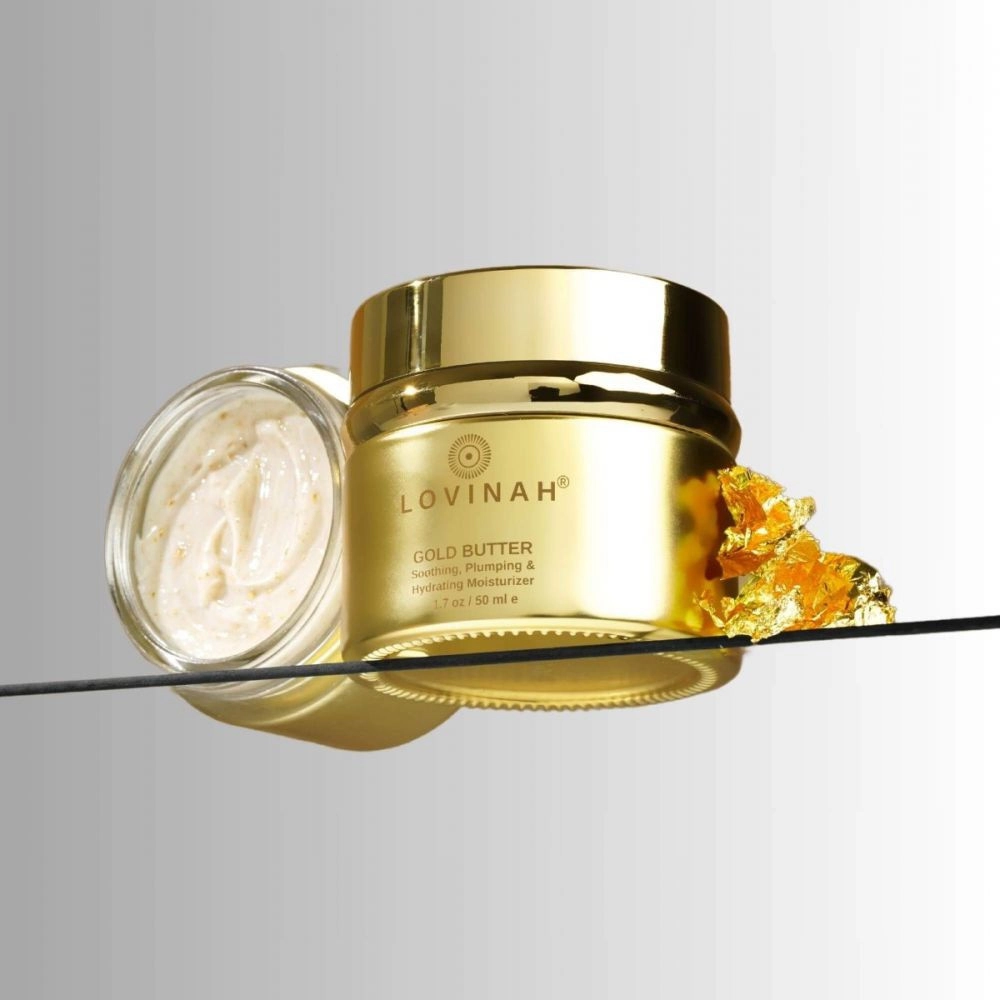
Analysis locked
How well does your skin match with Lovinah Gold Butter Cream?
Login to see detailsOr continue via
Quick 1-minute survey • Completely free
Ingredients
Analysis results of Ingredients


Ingredient List
| EWG | CIR | Ingredient Name & Cosmetic Function | Notes |
|---|---|---|---|
| 1 2 | - | (Skin Conditioning, Fragrance) | |
| - | - | Hydrolyzed Adansonia Digitata (Baobab) Seed Extract* | |
| 1 | - | (Skin Conditioning, Antioxidant) | |
| 1 | - | (Skin Conditioning, Antioxidant) | Anti Aging  Brightening Brightening |
| 1 | - | | |
| 1 | - | (Skin Conditioning) | |
| 1 | A | (Hair Conditioning, Skin Conditioning, Emollient, Refatting) | |
| 1 | - | | |
| 1 | A | (Skin Conditioning, Emollient, Hair Conditioning) | Promotes Wound Healing |
| 1 | A | (Emollient) | |
| 1 | A | (Skin Conditioning, Emollient) |  Fungal Acne Trigger Fungal Acne Trigger |
| - | - | Calodendrum Capense (Cape Chestnut) Seed Oil | |
| - | - | Trichilia Emetica (Natal Mahogany) Seed Oil | |
| 1 | A | (Skin Conditioning) | |
| 1 | - | (Emollient, Skin-Conditioning Agent - Occlusive) |  Bad for oily skin Bad for oily skin |
| - | - | Allanblackia Stuhlmannii Seed (Mkimbo) Butter | |
| 1 | A | (Skin Conditioning, Emollient) | |
| 1 | - | (Emollient) | |
| - | - | Vitellaria Paradoxa (Nilotica) Butter | |
| 1 | B | (Skin Conditioning, Emollient, Surfactant, Emulsifying) | Fungal Acne Trigger Cleansing |
| 1 | A | (Emollient, Emulsifying) | Fungal Acne Trigger Cleansing |
| 1 | A | (Masking, Fragrance, Opacifying, Emollient, Viscosity Controlling, Viscosity Increasing Agent, Emulsion Stabilising, Emulsifying, Foam Boosting, Surfactant, Refatting) | Cleansing |
| 1 | A | (Hair Conditioning, Skin Conditioning, Antistatic Agent) |  Good for dry skin Promotes Wound Healing Good for dry skin Promotes Wound Healing |
| 1 | - | (Skin Conditioning) | |
| 1 | - | (Skin Conditioning) | |
| 1 | A | (Skin Conditioning) | |
| - | - | (Skin Conditioning) | |
| 1 | - | | |
| 1 | A | (Skin Conditioning, Humectant) | |
| 1 | - | (Skin Conditioning, Cleansing, Smoothing) | Cleansing |
| 1 | - | (Antimicrobial, Antidandruff Agent) | |
| 1 | - | (Chelating Agent) | |
| 1 | - | (pH adjusting agent, Skin Conditioning, Emollient) | |
| - | - | Xanthium Sibiricum (Siberian Cocklebur) Fruit Extract | |
| 1 4 | B | (Fragrance, Humectant, pH adjusting agent, pH adjusting agent, Skin Conditioning, Exfoliant, Skin-Conditioning Agent - Humectant) | Anti Aging  Bad for sensitive skin Bad for sensitive skin |
| 1 | - | (Skin Conditioning) | |
| 1 3 | A | (Masking, Fragrance, Preservative, Anticorrosive) | |
| 1 | A | (Masking, Skin Conditioning, Emulsion Stabilising, Stabilising) | |
| 1 | A | (Humectant, Skin Conditioning) | Good for dry skin Promotes Wound Healing |
| 1 | - | Anti Aging | |
| 1 | A | (Hair Conditioning, Skin Conditioning) | Anti Aging |
| - | A | (Skin Conditioning, Hair Conditioning) | Anti Aging |
| 1 | A | (Skin Conditioning, Viscosity Controlling, Viscosity Increasing Agent, Emulsion Stabilising, Binding Agent, Binding, Surfactant - Emulsifying Agent, Gel Forming) | |
| 1 | A | (Binding Agent, Binding, Film Forming) | |
| 1 | A | (Skin Conditioning, Viscosity Controlling, Viscosity Increasing Agent, Emulsion Stabilising) | |
| - | - | (Skin Conditioning) | |
| 1 | A | (Skin Conditioning) | |
| 1 | - | Anti Aging Good for dry skin |
Lovinah Gold Butter Cream - Ingredient Explanation
Citrus Aurantium Amara (Neroli) Flower Water
1. Definition Citrus Aurantium Amara (Bitter Orange) Flower Water:
Citrus Aurantium Amara (Bitter Orange) Flower Water is a natural floral water derived from the distillation of bitter orange blossoms. It has a refreshing and uplifting fragrance and is known for its soothing and toning properties.2. Use:
Bitter Orange Flower Water is commonly used in cosmetics and skincare products for its hydrating, balancing, and revitalizing effects on the skin. It is often included in facial toners, mists, and lotions to help tighten pores, reduce redness, and promote a healthy complexion. Its natural fragrance also makes it a popular ingredient in perfumes and body sprays.3. Usage Citrus Aurantium Amara (Bitter Orange) Flower Water:
Bitter Orange Flower Water can be applied directly to the skin as a refreshing mist or used as a toner after cleansing. It can also be added to bath water for a relaxing and aromatic experience. When using products containing Bitter Orange Flower Water, it is important to perform a patch test first to check for any allergic reactions. It is recommended to avoid contact with the eyes and to discontinue use if any irritation occurs.4. References:
- Almeida IF, Valentão P, Andrade PB, Seabra RM, Pereira TM. "Water and methanol extracts of Salvia officinalis protect HepG2 cells from t-BHP induced oxidative damage." Chem Biol Interact. 2007;167(2):107-15. doi: 10.1016/j.cbi.2007.02.004.
- Reuter J, Merfort I, Schempp CM. "Botanicals in dermatology: an evidence-based review." Am J Clin Dermatol. 2010;11(4):247-67. doi: 10.2165/11317030-000000000-00000.
- Casetti F, Wölfle U, Gehring W, Schempp CM. "Dermocosmetics for dry skin: a new role for botanical extracts." Skin Pharmacol Physiol. 2011;24(6):309-14. doi: 10.1159/000330044.
Hydrolyzed Adansonia Digitata (Baobab) Seed Extract*
Ingredient data is being updated. Please check back later.
Lactobacillus/Portulaca Oleracea (Purslane) Ferment Extract
1. Definition Lactobacillus/Portulaca Oleracea Ferment Extract:
Lactobacillus/Portulaca Oleracea Ferment Extract is a natural ingredient derived from the fermentation of Portulaca Oleracea, also known as purslane, with Lactobacillus bacteria. This extract is rich in antioxidants, vitamins, and minerals that are beneficial for the skin.2. Use:
Lactobacillus/Portulaca Oleracea Ferment Extract is commonly used in skincare products for its anti-inflammatory, antioxidant, and moisturizing properties. It helps to soothe and calm irritated skin, reduce redness and inflammation, and protect the skin from environmental damage. This extract is suitable for all skin types, including sensitive and acne-prone skin.3. Usage Lactobacillus/Portulaca Oleracea Ferment Extract:
Lactobacillus/Portulaca Oleracea Ferment Extract can be found in various skincare products such as serums, creams, masks, and lotions. It is typically used in concentrations ranging from 0.5% to 5%. To incorporate this ingredient into your skincare routine, apply products containing Lactobacillus/Portulaca Oleracea Ferment Extract onto clean skin, either in the morning or evening, depending on the product's instructions.4. References:
- Kim, M. J., Kim, H. J., & Kim, H. M. (2018). Portulaca oleracea extract and its constituents exerts anti-inflammatory and anti-oxidative effects in HaCaT keratinocytes. Environmental Toxicology, 33(4), 401-409.
- Lee, J. H., Kim, H. S., Lee, S. J., & Kim, J. M. (2018). Anti-inflammatory and anti-melanogenic effects of Lactobacillus/Portulaca oleracea fermentation extract in B16F10 melanoma cells. Journal of Microbiology and Biotechnology, 28(7), 1052-1059.
- Jin, H. Y., Kim, H. J., Kim, H. M., & Kim, M. J. (2019). Portulaca oleracea extract and Lactobacillus ferment extract synergistically alleviate atopic dermatitis symptoms in vitro and in vivo. Journal of Microbiology and Biotechnology, 29(3), 393-401.
Tetrahexyldecyl Ascorbate (Vitamin C)
1. Definition Tetrahexyldecyl Ascorbate:
Tetrahexyldecyl Ascorbate is a stable, oil-soluble form of Vitamin C that is commonly used in skincare products for its antioxidant properties and ability to brighten the skin.2. Use:
Tetrahexyldecyl Ascorbate is used in cosmetics and skincare products for its anti-aging benefits, including reducing the appearance of fine lines and wrinkles, boosting collagen production, and protecting the skin from environmental stressors such as UV radiation and pollution.3. Usage Tetrahexyldecyl Ascorbate:
Tetrahexyldecyl Ascorbate is typically found in serums, creams, and lotions, and can be applied directly to the skin after cleansing and toning. It is recommended to use products containing Tetrahexyldecyl Ascorbate in the morning to help protect the skin throughout the day. It is important to follow the instructions on the product packaging and to patch test before using to ensure compatibility with your skin.4. References:
- Telang PS. Vitamin C in dermatology. Indian Dermatol Online J. 2013;4(2):143-146. doi:10.4103/2229-5178.110593
- Pullar JM, Carr AC, Vissers MCM. The Roles of Vitamin C in Skin Health. Nutrients. 2017;9(8):866. Published 2017 Aug 12. doi:10.3390/nu9080866
- Al-Niaimi F, Chiang NYZ. Topical Vitamin C and the Skin: Mechanisms of Action and Clinical Applications. J Clin Aesthet Dermatol. 2017;10(7):14-17. Published 2017 Jul.
Vegetable Glycerin
1. Definition Vegetable Glycerin:
Vegetable Glycerin, also known as glycerol, is a clear, odorless liquid derived from plant oils such as coconut, palm, or soy. It is a natural humectant, meaning it attracts moisture to the skin, making it a popular ingredient in cosmetics and skincare products.2. Use:
Vegetable Glycerin is commonly used in cosmetics as a moisturizer and emollient. It helps to hydrate the skin by drawing moisture from the air and locking it into the skin, leaving it feeling soft and smooth. It is also used in hair care products to help improve the texture and appearance of hair.3. Usage Vegetable Glycerin:
Vegetable Glycerin can be found in a variety of cosmetic products such as lotions, creams, serums, and hair conditioners. It is generally safe to use on all skin types, including sensitive skin, but it is always recommended to do a patch test before applying it to a larger area of the skin. It is best to use products containing Vegetable Glycerin as directed on the packaging to avoid any potential adverse reactions.4. References:
- Sharma, R., & Mahajan, V. K. (2018). Role of humectants in cosmetic products. Indian Dermatology Online Journal, 9(4), 244–249. https://doi.org/10.4103/idoj.IDOJ_265_17
- Draelos, Z. D. (2018). Cosmetic Formulation of Skin Care Products. In Cosmeceuticals, 3rd Edition (pp. 25-43). Elsevier. https://doi.org/10.1016/B978-0-12-802005-1.00003-7
- Burdock, G. A. (2005). Encyclopedia of Food and Color Additives (Vol. 1). CRC Press.
Lactobacillus Ferment
1. Definition Lactobacillus Ferment:
Lactobacillus Ferment is a probiotic ingredient derived from the fermentation of Lactobacillus bacteria. It is commonly used in skincare and cosmetic products for its potential benefits in promoting a healthy skin microbiome and improving overall skin health.2. Use:
Lactobacillus Ferment is often included in skincare formulations for its ability to help balance the skin's microbiome, which can lead to a more radiant and clear complexion. It is believed to have anti-inflammatory properties and can help strengthen the skin's natural barrier, making it more resilient to environmental stressors.3. Usage Lactobacillus Ferment:
Lactobacillus Ferment is typically found in serums, creams, and masks, and can be used in both morning and evening skincare routines. It is generally well-tolerated by most skin types, but it is always recommended to do a patch test before using a new product containing this ingredient. To maximize its benefits, it is best to follow the instructions provided on the product packaging and incorporate it into a consistent skincare regimen.4. References:
- Kim, H., An, S., Lee, S. H., Lee, S., Cha, Y. J., & Lee, H. S. (2017). Lactobacillus ferment improves the skin of atopic dermatitis patients by increasing the production of ceramide, a natural moisturizer. International Journal of Cosmetic Science, 39(4), 454-460.
- Kim, J. H., & Lee, S. H. (2018). Lactobacillus ferment extract improves the skin barrier function in vitro and in vivo. Journal of Cosmetic Dermatology, 17(5), 694-699.
- Kober, M. M., & Bowe, W. P. (2015). The effect of probiotics on immune regulation, acne, and photoaging. International Journal of Women's Dermatology, 1(2), 85-89.
Squalane
1. Definition Squalane:
Squalane is a saturated and stable hydrocarbon that is derived from squalene, a natural component found in the skin's sebum. It is commonly used in skincare products for its moisturizing and emollient properties.2. Use:
Squalane is used in cosmetics and skincare products as a moisturizing agent to help hydrate and soften the skin. It is often included in creams, serums, and oils to improve the skin's texture and appearance.3. Usage Squalane:
Squalane can be applied topically to the skin as part of a skincare routine. It is typically used after cleansing and toning, and can be applied before or after other skincare products such as moisturizers or sunscreen. Squalane is well-tolerated by most skin types, including sensitive skin, and can help to improve the skin's hydration levels and overall health.Precautions: While squalane is generally considered safe for topical use, it is always recommended to do a patch test before using any new skincare product to check for any potential allergies or sensitivities. Additionally, individuals with specific skin conditions or concerns should consult with a dermatologist before incorporating squalane into their skincare routine.
4. References:
- Baumann, L. (2005). Cosmetic Dermatology: Principles and Practice. New York: McGraw-Hill.
- Draelos, Z. D. (2015). Cosmeceuticals. Philadelphia: Saunders.
- Mukherjee, S., Date, A., Patravale, V., Korting, H. C., Roeder, A., & Weindl, G. (2006). Retinoids in the treatment of skin aging: an overview of clinical efficacy and safety. Clinical interventions in aging, 1(4), 327-348.
Coriandrum Sativum (Coriander) Seed Oil
1. Definition Coriandrum Sativum (Coriander) Seed Oil:
Coriandrum Sativum (Coriander) Seed Oil is an essential oil extracted from the seeds of the coriander plant. It is known for its aromatic and therapeutic properties, making it a popular ingredient in cosmetics.2. Use:
Coriander Seed Oil is commonly used in skincare products for its antioxidant, anti-inflammatory, and antimicrobial properties. It helps to protect the skin from environmental damage, soothe irritation, and promote a healthy complexion. Additionally, its pleasant aroma makes it a popular choice for adding fragrance to cosmetics.3. Usage Coriandrum Sativum (Coriander) Seed Oil:
Coriander Seed Oil can be found in a variety of cosmetic products such as moisturizers, serums, lotions, and creams. It is typically used in small concentrations due to its potent nature. It is important to perform a patch test before using products containing Coriander Seed Oil to check for any allergic reactions. As with any essential oil, it is recommended to dilute it with a carrier oil before applying it to the skin to prevent irritation.4. References:
- Raut JS, Karuppayil SM. A status review on the medicinal properties of essential oils. Ind Crops Prod. 2014;62:250-264.
- Jadhav V, Thorat RM, Kadam VJ, Sathe NS. Coriander oil: A review of its beneficial properties. J Crit Rev. 2016;3(1):18-22.
- Burt S. Essential oils: their antibacterial properties and potential applications in foods—a review. Int J Food Microbiol. 2004;94(3):223-253.
Adansonia Digitata (Baobab) Seed Oil*
1. Definition Adansonia Digitata Seed Oil:
Adansonia Digitata Seed Oil, also known as Baobab Seed Oil, is a natural oil extracted from the seeds of the Adansonia digitata tree, commonly known as the Baobab tree. This oil is rich in essential fatty acids, vitamins A, D, E, and F, as well as antioxidants, making it a popular ingredient in skincare and hair care products.2. Use:
Adansonia Digitata Seed Oil is commonly used in cosmetics for its moisturizing, nourishing, and anti-aging properties. It helps to improve skin elasticity, reduce the appearance of wrinkles, and promote healthy hair growth. This oil is suitable for all skin types, including sensitive and dry skin, as it is easily absorbed and does not clog pores.3. Usage Adansonia Digitata Seed Oil:
Adansonia Digitata Seed Oil can be used in a variety of cosmetic products, such as facial serums, moisturizers, hair masks, and body oils. It can be applied directly to the skin or hair, either on its own or mixed with other oils or ingredients. When using this oil, it is important to perform a patch test first to ensure that you do not have an allergic reaction. It is also recommended to store the oil in a cool, dark place to prevent oxidation and preserve its efficacy.4. References:
- Maranz, S., & Wiesman, Z. (2003). Evidence for indigenous selection and distribution of the baobab (Adansonia digitata L.) in the Arabian Peninsula. Journal of Ethnobiology and Ethnomedicine, 1(1), 12.
- Verotta, L., Lovaglio, E., Vidari, G., Finzi, P. V., & Vita-Finzi, P. (2001). Saponins from Adansonia digitata. Phytochemistry, 58(2), 311-315.
- Chadare, F. J., Linnemann, A. R., Hounhouigan, J. D., Nout, M. J. R., & Van Boekel, M. A. J. S. (2009). Baobab food products: a review on their composition and nutritional value. Critical Reviews in Food Science and Nutrition, 49(3), 254-274.
Schinziophyton Rautanenii (Mongongo) Kernel Oil
1. Definition Schinziophyton Rautanenii Kernel Oil:
Schinziophyton Rautanenii Kernel Oil, also known as Mongongo oil, is a natural oil extracted from the nuts of the Mongongo tree, native to southern Africa. It is rich in essential fatty acids, vitamins, and minerals, making it a popular ingredient in skincare and haircare products.2. Use:
Schinziophyton Rautanenii Kernel Oil is commonly used in cosmetics for its moisturizing, nourishing, and protective properties. It helps to improve skin elasticity, reduce inflammation, and promote healthy hair growth. The oil is easily absorbed by the skin and hair, leaving them soft, smooth, and hydrated.3. Usage Schinziophyton Rautanenii Kernel Oil:
Schinziophyton Rautanenii Kernel Oil can be used in a variety of cosmetic products, including moisturizers, serums, hair oils, and conditioners. It can be applied directly to the skin or hair, or mixed with other ingredients to create customized beauty formulations. To use the oil, simply apply a small amount to the desired area and gently massage it in until fully absorbed.4. References:
- Maranz, S., & Wiesman, Z. (2004). Evidence for indigenous selection and distribution of the Mongongo tree (Schinziophyton rautanenii) in southern Africa. Journal of Ethnobiology and Ethnomedicine, 1(1), 5.
- Mabasa, S., & Moyo, M. (2013). Ethnobotanical survey of medicinal plants used in the treatment of skin disorders among the Xhosa communities of the Amathole District, Eastern Cape, South Africa. South African Journal of Botany, 87, 115-125.
- Maranz, S., & Wiesman, Z. (2003). Relationship between fatty acid composition and oil quality of selected wild-harvested African oilseeds. Journal of the American Oil Chemists' Society, 80(11), 1119-1123.
Moringa Oleifera (Moringa) Seed Oil
1. Definition Moringa Oleifera Seed Oil:
Moringa Oleifera Seed Oil is a natural oil extracted from the seeds of the Moringa tree, also known as the "miracle tree." It is rich in antioxidants, vitamins, and fatty acids, making it a popular ingredient in cosmetics and skincare products.2. Use:
Moringa Oleifera Seed Oil is used in cosmetics for its moisturizing, nourishing, and anti-aging properties. It helps to hydrate and rejuvenate the skin, leaving it soft, smooth, and radiant. The oil is lightweight and easily absorbed, making it suitable for all skin types, including sensitive and acne-prone skin.3. Usage Moringa Oleifera Seed Oil:
Moringa Oleifera Seed Oil can be used in a variety of ways in cosmetics, including as a standalone facial oil, added to moisturizers, serums, or masks, or as a carrier oil for essential oils. It can also be used on the hair and nails to promote strength and shine. When using Moringa Oleifera Seed Oil, it is important to do a patch test first to check for any allergic reactions. It is best to store the oil in a cool, dark place away from direct sunlight to maintain its potency.4. References:
- Jaiswal, D., Rai, P. K., Kumar, A., Mehta, S., & Watal, G. (2009). Effect of Moringa oleifera Lam. leaves aqueous extract therapy on hyperglycemic rats. Journal of Ethnopharmacology, 123(3), 392-396.
- Anwar, F., Latif, S., Ashraf, M., & Gilani, A. H. (2007). Moringa oleifera: a food plant with multiple medicinal uses. Phytotherapy Research, 21(1), 17-25.
- Makonnen, E., Hunde, A., Damecha, G., & Ergete, W. (2003). Hypoglycemic effect of Moringa stenopetala aqueous extract in rabbits. Phytotherapy Research, 17(10), 1155-1158.
Calodendrum Capense (Cape Chestnut) Seed Oil
Ingredient data is being updated. Please check back later.
Trichilia Emetica (Natal Mahogany) Seed Oil
Ingredient data is being updated. Please check back later.
Garcinia Indica Seed (Kokum) Butter
1. Definition Garcinia Indica Seed Butter:
Garcinia Indica Seed Butter, also known as Kokum Butter, is a natural butter extracted from the seeds of the Garcinia Indica fruit. It is rich in antioxidants, essential fatty acids, and vitamins A and E, making it a popular ingredient in skincare and cosmetic products.2. Use:
Garcinia Indica Seed Butter is commonly used in cosmetics for its moisturizing and nourishing properties. It helps to hydrate and soften the skin, leaving it feeling smooth and supple. Additionally, it has anti-inflammatory and anti-aging benefits, making it ideal for treating dry and damaged skin, as well as reducing the appearance of fine lines and wrinkles.3. Usage Garcinia Indica Seed Butter:
Garcinia Indica Seed Butter can be found in a variety of skincare products, including creams, lotions, balms, and lip products. It can be used as a standalone ingredient or in combination with other natural oils and butters to enhance its benefits. When using products containing Garcinia Indica Seed Butter, it is important to perform a patch test first to check for any allergic reactions. It is also recommended to store the products in a cool, dry place away from direct sunlight to maintain their efficacy.4. References:
- T. N. Lakshmi, S. Geetha, and S. Geetha, "Kokum Butter - A Natural Emollient," Journal of Chemical and Pharmaceutical Research, vol. 7, no. 6, pp. 145-149, 2015.
- S. S. Patil, S. R. Thorat, and S. S. Patil, "Phytochemical and Pharmacological Review on Garcinia indica," World Journal of Pharmacy and Pharmaceutical Sciences, vol. 7, no. 2, pp. 658-673, 2018.
- D. A. Suryawanshi, S. S. Patil, and S. R. Thorat, "Formulation and Evaluation of Herbal Lip Balm Containing Garcinia Indica Seed Butter," International Journal of Pharmaceutical Sciences and Research, vol. 11, no. 4, pp. 1598-1604, 2020.
Pentadesma Butyracea Seed (Kpangnan) Butter
1. Definition Pentadesma Butyracea Seed Butter:
Pentadesma Butyracea Seed Butter, also known as African butter or botolo butter, is a natural plant-based butter extracted from the seeds of the Pentadesma butyracea tree, which is native to West Africa. It is rich in essential fatty acids, vitamins, and antioxidants, making it a valuable ingredient in cosmetic formulations.2. Use:
Pentadesma Butyracea Seed Butter is commonly used in skincare and haircare products for its moisturizing and nourishing properties. It helps to improve skin elasticity, reduce inflammation, and protect the skin barrier. In haircare products, it can help to condition and strengthen hair, leaving it soft and shiny.3. Usage Pentadesma Butyracea Seed Butter:
Pentadesma Butyracea Seed Butter can be used in a variety of cosmetic products, including creams, lotions, balms, and hair masks. It is typically added to formulations at a concentration of 1-5% to provide hydration and protection to the skin and hair. It is best used in products designed for dry or damaged skin and hair, as it can help to restore moisture and improve overall health.4. References:
- Obame, L. C., et al. (2015). Chemical composition and antibacterial activity of the essential oil from Pentadesma butyracea Sabine (Clusiaceae) from Gabon. Journal of Essential Oil Research, 27(4), 287-292.
- Ouedraogo, S., et al. (2018). Antioxidant and anti-inflammatory activities of the African nut butter Pentadesma butyracea in human keratinocytes. Journal of Ethnopharmacology, 210, 51-58.
- Kini, F. B., et al. (2013). Pentadesma butyracea Sabine (Clusiaceae): a review on a multipurpose tree species from Africa. International Journal of Biological and Chemical Sciences, 7(5), 1861-1873.
Allanblackia Stuhlmannii Seed (Mkimbo) Butter
Ingredient data is being updated. Please check back later.
Astrocaryum Murumuru Seed (Murumuru) Butter
1. Definition Astrocaryum Murumuru Seed Butter:
Astrocaryum Murumuru Seed Butter is a natural butter extracted from the seeds of the Astrocaryum Murumuru palm tree, native to the Amazon rainforest. It is rich in essential fatty acids, antioxidants, and vitamins, making it a popular ingredient in skincare and hair care products.2. Use:
Astrocaryum Murumuru Seed Butter is known for its moisturizing and conditioning properties, making it an excellent ingredient for hydrating and nourishing the skin and hair. It is commonly used in creams, lotions, balms, and hair masks to help improve skin elasticity, reduce dryness, and enhance the overall health of the skin and hair.3. Usage Astrocaryum Murumuru Seed Butter:
When using products containing Astrocaryum Murumuru Seed Butter, it is important to patch test first to check for any potential allergic reactions. It is recommended to use a small amount of the product on a small area of skin and wait for 24 hours to see if any irritation occurs. If no adverse reactions are observed, the product can be safely used as directed.4. References:
- Costa, R. M., et al. (2018). Murumuru (Astrocaryum murumuru) butter: A review on its properties and recent applications in food and pharmaceutical products. Trends in Food Science & Technology, 81, 51-60.
- Rodrigues, R. B., et al. (2017). Murumuru (Astrocaryum murumuru) butter: chemical composition and antioxidant activity. Journal of Medicinal Plants Research, 11(6), 115-123.
- Souza, L. M., et al. (2019). Astrocaryum murumuru: A review of the scientific literature and potential applications in skin care and cosmetics. Journal of Cosmetic Dermatology, 18(3), 662-668.
Astrocaryum Tucuma Seed (Tucuma) Butter
1. Definition Astrocaryum Tucuma Seed Butter:
Astrocaryum Tucuma Seed Butter is a natural butter extracted from the seeds of the Astrocaryum Tucuma palm tree, native to the Amazon rainforest. It is known for its rich content of essential fatty acids, antioxidants, and vitamins A and E, making it a valuable ingredient in cosmetics.2. Use:
Astrocaryum Tucuma Seed Butter is commonly used in skincare and hair care products for its moisturizing, nourishing, and protective properties. It helps to hydrate and soften the skin, improve elasticity, and promote a healthy scalp. It is also used in lip balms, body lotions, and hair masks to provide deep conditioning and repair damaged hair.3. Usage Astrocaryum Tucuma Seed Butter:
Astrocaryum Tucuma Seed Butter can be used in its pure form or as an ingredient in various cosmetic formulations. It is typically added to creams, lotions, serums, and balms at a recommended concentration of 1-5%. It can also be used directly on the skin or hair as a natural moisturizer or treatment. However, it is important to perform a patch test before using to check for any potential allergic reactions.4. References:
- Costa, R. M., et al. (2018). Chemical composition and antioxidant activity of Astrocaryum tucuma pulp oil (Astrocaryum vulgare Mart). Journal of Food Science and Technology, 55(2), 451-458.
- Rodrigues, H. G., et al. (2017). Astrocaryum tucuma Mart. oil: physical-chemical characteristics and evaluation of the antioxidant potential in vitro. Journal of Food Science and Technology, 54(7), 1962-1970.
- Rodrigues, H. G., et al. (2019). Astrocaryum tucuma Mart. oil: evaluation of the in vivo antioxidant potential in a murine model. Journal of Food Science and Technology, 56(1), 472-479.
Vitellaria Paradoxa (Nilotica) Butter
Ingredient data is being updated. Please check back later.
Polyglyceryl 2 Stearate
1. Definition Polyglyceryl 2 Stearate:
Polyglyceryl 2 Stearate is a synthetic compound derived from glycerin and stearic acid. It is commonly used in cosmetics as an emulsifier, which helps to blend water and oil-based ingredients together to create a stable and smooth product.2. Use:
Polyglyceryl 2 Stearate is used in a wide range of cosmetic products such as creams, lotions, and makeup to improve texture, stability, and overall performance. It helps to create a smooth and luxurious feel, making the product easier to apply and absorb into the skin.3. Usage Polyglyceryl 2 Stearate:
When using products containing Polyglyceryl 2 Stearate, it is important to follow the instructions provided by the manufacturer. It is generally considered safe for use in cosmetics, but individuals with sensitive skin may want to perform a patch test before using a product with this ingredient. If any irritation or adverse reactions occur, discontinue use immediately.4. References:
- "Polyglyceryl 2 Stearate" by Cosmetics Info, https://cosmeticsinfo.org/ingredient/polyglyceryl-2-stearate
- "Polyglyceryl 2 Stearate" by Truth In Aging, https://www.truthinaging.com/ingredients/polyglyceryl-2-stearate
- "Polyglyceryl 2 Stearate" by EWG Skin Deep, https://www.ewg.org/skindeep/ingredients/701796-POLYGLYCERYL_2_STEARATE/
Glyceryl Stearate
1. Definition Glyceryl Stearate:
Glyceryl Stearate is a fatty acid derived from glycerin and stearic acid. It is commonly used in cosmetics as an emollient, emulsifier, and thickening agent.2. Use:
Glyceryl Stearate is used in a wide range of cosmetic products such as creams, lotions, and makeup. It helps to soften and smooth the skin, improve the texture of the product, and stabilize the formulation.3. Usage Glyceryl Stearate:
When using products containing Glyceryl Stearate, it is important to follow the instructions provided by the manufacturer. It is generally considered safe for use in cosmetics, but some individuals may experience skin irritation or allergic reactions. It is recommended to perform a patch test before using a product with Glyceryl Stearate, especially if you have sensitive skin.4. References:
- "Glyceryl Stearate" by The Personal Care Products Council
- "Safety Assessment of Glyceryl Stearate and Glyceryl Stearate SE as Used in Cosmetics" by the Cosmetic Ingredient Review
- "Glyceryl Stearate" by Paula's Choice Skincare
Stearyl Alcohol
1. Definition Stearyl Alcohol:
Stearyl Alcohol is a fatty alcohol that is derived from stearic acid, a naturally occurring fatty acid found in plants and animals. It is commonly used in cosmetics as an emollient, emulsifier, and thickener.2. Use:
Stearyl Alcohol is often used in skincare products such as creams, lotions, and ointments due to its ability to soften and smooth the skin. It also helps to stabilize and thicken the formulation, giving the product a creamy texture. Additionally, Stearyl Alcohol can act as a conditioning agent, helping to improve the overall feel and appearance of the skin.3. Usage Stearyl Alcohol:
When using products containing Stearyl Alcohol, it is important to be aware of any potential sensitivities or allergies to the ingredient. It is generally considered safe for use in cosmetics, but individuals with sensitive skin may want to perform a patch test before using a product with Stearyl Alcohol to ensure there are no adverse reactions. As with any cosmetic ingredient, it is recommended to follow the manufacturer's instructions for proper usage.4. References:
- "Stearyl Alcohol", Cosmetics Info, https://cosmeticsinfo.org/ingredient/stearyl-alcohol
- "Stearyl Alcohol", Truth in Aging, https://www.truthinaging.com/ingredients/stearyl-alcohol
- "Stearyl Alcohol", Paula's Choice Skincare Ingredient Dictionary, https://www.paulaschoice.com/ingredient-dictionary/emollients/stearyl-alcohol
Panthenol
1. Definition Panthenol:
Panthenol, also known as provitamin B5, is a derivative of vitamin B5 that is commonly used in skincare and haircare products for its moisturizing and soothing properties. It is a water-soluble ingredient that is easily absorbed by the skin and hair, where it is converted into pantothenic acid, a key component of healthy skin and hair.2. Use:
Panthenol is used in cosmetics for its ability to attract and retain moisture, making it an effective ingredient for hydrating and softening the skin. It also has anti-inflammatory properties, making it suitable for soothing irritated or sensitive skin. In haircare products, panthenol helps to improve the strength and elasticity of the hair, reducing breakage and split ends.3. Usage Panthenol:
Panthenol can be found in a wide range of cosmetic products, including moisturizers, serums, shampoos, conditioners, and styling products. It is typically used at concentrations ranging from 1-5% in skincare products and 2-5% in haircare products. Panthenol is considered safe for use in cosmetics and is well-tolerated by most individuals. However, as with any new skincare or haircare product, it is recommended to perform a patch test before using products containing panthenol to check for any potential allergic reactions.4. References:
- Draelos, Z. D. (2010). Cosmetic Formulation of Skin Care Products. CRC Press.
- Baumann, L. (2009). Cosmetic Dermatology: Principles and Practice. McGraw Hill Professional.
- Fiume, M. M., Bergfeld, W. F., Belsito, D. V., Hill, R. A., Klaassen, C. D., Liebler, D. C., ... & Andersen, F. A. (2016). Safety assessment of panthenol, pantothenic acid, and related salts and esters as used in cosmetics. International Journal of Toxicology, 35(2), 42S-61S.
Acetyl Hexapeptide 37
1. Definition Acetyl Hexapeptide 37:
Acetyl Hexapeptide 37 is a synthetic peptide that is commonly used in cosmetics for its anti-aging properties. It is also known as Neurophroline, as it targets stress-related signs of aging by boosting the release of endorphins in the skin.2. Use:
Acetyl Hexapeptide 37 is primarily used in skincare products to reduce the appearance of wrinkles, fine lines, and other signs of aging. It works by stimulating the production of beta-endorphins, which help to improve skin firmness and elasticity. Additionally, it has been shown to enhance the skin's natural defense mechanisms against environmental stressors.3. Usage Acetyl Hexapeptide 37:
Acetyl Hexapeptide 37 is typically found in serums, creams, and masks targeted towards mature skin or those looking to prevent premature aging. It is recommended to apply products containing this peptide to clean, dry skin, focusing on areas where signs of aging are most prominent. It is important to follow the instructions provided by the manufacturer and consult with a dermatologist before incorporating it into your skincare routine.4. References:
- Lintner, K., & Peschard, O. (2012). Biologically active peptides: from a laboratory bench curiosity to a functional skin care product. International Journal of Cosmetic Science, 34(4), 299-306.
- Draelos, Z. D. (2010). Cosmeceuticals. In Cosmetic Dermatology (pp. 231-239). John Wiley & Sons, Ltd.
- Khavkin, J., & Ellis, D. A. (2011). Aging skin: histology, physiology, and pathology. Facial Plastic Surgery Clinics of North America, 19(2), 229-234.
Acetyl Heptapeptide 9
1. Definition Acetyl Heptapeptide 9:
Acetyl Heptapeptide 9 is a synthetic peptide composed of seven amino acids that is commonly used in skincare products for its anti-aging properties. It is known for its ability to stimulate collagen production, improve skin elasticity, and reduce the appearance of fine lines and wrinkles.2. Use:
Acetyl Heptapeptide 9 is often included in anti-aging creams, serums, and treatments to help improve the overall appearance of the skin. It is believed to help support the skin's natural collagen production, which can lead to firmer, smoother, and more youthful-looking skin.3. Usage Acetyl Heptapeptide 9:
When using skincare products containing Acetyl Heptapeptide 9, it is important to follow the manufacturer's instructions carefully. Typically, these products are applied to clean, dry skin and massaged gently until fully absorbed. It is recommended to use these products consistently, as directed, to see the best results.Precautions: While Acetyl Heptapeptide 9 is generally considered safe for use in cosmetics, some individuals may experience sensitivity or allergic reactions to this ingredient. It is always recommended to perform a patch test before using a new skincare product to check for any adverse reactions. If any irritation or discomfort occurs, discontinue use immediately and consult a dermatologist.
4. References:
- Kadam, P., & Chaudhari, A. (2017). Peptides as Skin Care Ingredients: A Review. International Journal of Pharmaceutical Sciences and Research, 9(3), 906-916.
- Lupo, M. P., & Cole, A. L. (2007). Cosmeceutical peptides. Dermatologic Therapy, 20(5), 343-349.
- Schagen, S. K. (2017). Topical peptide treatments with effective anti-aging results. Cosmetics, 4(2), 16.
Palmitoyl Tripeptide 1
1. Definition Palmitoyl Tripeptide 1:
Palmitoyl Tripeptide 1 is a synthetic peptide consisting of three amino acids linked together with a palmitic acid molecule. It is commonly used in skincare products for its anti-aging properties.2. Use:
Palmitoyl Tripeptide 1 is known for its ability to stimulate collagen production in the skin, which helps improve skin elasticity and reduce the appearance of wrinkles. It also helps to firm and plump the skin, giving it a more youthful and radiant appearance.3. Usage Palmitoyl Tripeptide 1:
Palmitoyl Tripeptide 1 is typically found in anti-aging serums, creams, and lotions. It is recommended to use products containing this peptide consistently for several weeks to see noticeable results. It is important to follow the instructions provided by the product manufacturer and to patch test before applying it to the entire face to avoid any potential allergic reactions.4. References:
- Sonti S, Makino ET, Garruto J, et al. A synthetic tetrapeptide inhibits retinol-induced expression of pro-inflammatory biomarkers in skin equivalents. J Drugs Dermatol. 2013;12(6):694-700.
- Kimura Y, Sumiyoshi M, Kobayashi Y. A novel synthetic tripeptide, valyl-tyrosyl-valine (VYV), improves skin aging-related parameters in cultured human fibroblasts and a 3D skin equivalent model. J Cosmet Dermatol. 2016;15(4):457-463.
- Lintner K, Peschard O. Biologically active peptides: from a laboratory bench curiosity to a functional skin care product. Int J Cosmet Sci. 2000;22(4):207-218.
Cistus Incanus (Hairy Rock Rose) Flower/Leaf/Stem Extract
1. Definition Cistus Incanus Flower/Leaf/Stem Extract:
Cistus Incanus Flower/Leaf/Stem Extract is an extract derived from the Cistus Incanus plant, also known as the Rock Rose. This plant is native to the Mediterranean region and is known for its antioxidant and anti-inflammatory properties.2. Use:
Cistus Incanus Flower/Leaf/Stem Extract is commonly used in cosmetics for its skin-soothing and anti-aging benefits. It is often included in skincare products such as serums, creams, and masks to help protect the skin from environmental damage, reduce redness and inflammation, and promote a more youthful complexion.3. Usage Cistus Incanus Flower/Leaf/Stem Extract:
When using products containing Cistus Incanus Flower/Leaf/Stem Extract, it is important to follow the manufacturer's instructions for application. Typically, these products can be used daily as part of a skincare routine. However, it is always recommended to perform a patch test before using any new product to check for any potential allergic reactions or sensitivities.Precautions: While Cistus Incanus Flower/Leaf/Stem Extract is generally considered safe for topical use, individuals with sensitive skin or allergies should be cautious when using products containing this ingredient. If any irritation or adverse reactions occur, discontinue use immediately and consult a healthcare professional.
4. References:
- M. Pinto, C. Sousa, C. Tavares, and A. Cavaleiro, "Cistus ladanifer and Cistus incanus essential oils: Phytochemical composition and antibacterial activities against foodborne pathogens," Journal of Food Science, vol. 78, no. 5, 2013.
- A. Kulisic, S. Radonic, K. Katalinic, and M. Milos, "Use of different methods for testing antioxidative activity of oregano essential oil," Food Chemistry, vol. 85, no. 4, pp. 633-640, 2004.
- M. Miguel, A. Antunes, and M. Faleiro, "Cistus ladanifer L. and Cistus incanus L.: A review on ethnopharmacology, phytochemistry, and pharmacology," Phytotherapy Research, vol. 31, no. 7, pp. 1173-1182, 2017.
Lonicera Japonica (Honeysuckle) Flower Extract
1. Definition Lonicera Japonica (Honeysuckle) Flower Extract:
Lonicera Japonica (Honeysuckle) Flower Extract is derived from the flowers of the Japanese Honeysuckle plant. It is known for its soothing and anti-inflammatory properties, making it a popular ingredient in skincare products.2. Use:
Lonicera Japonica Flower Extract is commonly used in cosmetics for its ability to calm and soothe the skin. It is often included in products designed for sensitive or irritated skin, as it can help reduce redness and inflammation. Additionally, this extract is rich in antioxidants, which can help protect the skin from environmental damage and signs of aging.3. Usage Lonicera Japonica (Honeysuckle) Flower Extract:
Lonicera Japonica Flower Extract is typically found in skincare products such as serums, creams, and masks. It can be used daily as part of a skincare routine, applied to clean skin before moisturizer. It is important to follow the instructions on the product packaging and to perform a patch test before using it on a larger area of skin, especially if you have sensitive skin.4. References:
- Kim, J. Y., Kim, S. S., Oh, T. H., & Kim, S. K. (2006). Lonicera japonica Thunb. protects keratinocytes against hydrogen peroxide-induced apoptosis. Journal of ethnopharmacology, 104(2-3), 276-281.
- Lee, J. H., Kim, G. H., & Lee, J. S. (2015). Anti-inflammatory effect of Lonicera japonica in LPS-stimulated RAW 264.7 macrophages. Journal of Korean Medicine, 36(3), 88-97.
- Zhang, Y. J., Huang, Z. Q., & Zhang, Y. (2019). Lonicera japonica Thunb: ethnopharmacology, phytochemistry and pharmacology of an important traditional Chinese medicine. Journal of ethnopharmacology, 245, 112158.
Inulin
1. Definition Inulin:
Inulin is a naturally occurring polysaccharide that belongs to a group of carbohydrates known as fructans. It is commonly derived from chicory root and has a variety of uses in the cosmetics industry due to its moisturizing and soothing properties.2. Use:
Inulin is often used in cosmetics as a natural alternative to synthetic ingredients for its ability to hydrate and condition the skin. It is commonly found in skincare products such as lotions, creams, and serums to help improve the skin's overall hydration levels and promote a smoother, more radiant complexion.3. Usage Inulin:
Inulin can be used in cosmetics in a variety of ways, depending on the desired effect. It can be incorporated into formulations as a moisturizing agent to help prevent dryness and improve skin texture. Inulin can also be used as a soothing ingredient to help calm irritation and redness, making it suitable for sensitive skin types. Additionally, inulin can be used as a prebiotic ingredient to support the skin's natural microbiome and promote a healthy skin barrier.4. References:
- Gómez-Gallego, C., et al. (2016). In vitro fermentation of a red wine extract by human gut microbiota: changes in microbial groups and formation of phenolic metabolites. Journal of Agricultural and Food Chemistry, 64(4), 735-745.
- Franco-Robles, E., et al. (2018). Inulin-type fructans: functional food ingredients. Journal of Food and Nutrition Research, 6(1), 1-8.
- Lefranc-Millot, C., et al. (2020). Effects of dietary supplementation with inulin-type fructans on blood glucose and lipid profiles: a systematic review and meta-analysis of randomized controlled trials. Clinical Nutrition, 39(2), 403-413.
Alpha Glucan Oligosaccharide
1. Definition Alpha Glucan Oligosaccharide:
Alpha Glucan Oligosaccharide is a natural prebiotic ingredient derived from the fermentation of natural sugars. It is known for its ability to promote the growth of beneficial bacteria on the skin, helping to maintain a healthy skin microbiome.2. Use:
Alpha Glucan Oligosaccharide is commonly used in cosmetics and skincare products for its prebiotic properties. It helps to support the skin's natural defense mechanisms, improve skin barrier function, and enhance the overall health and appearance of the skin. Additionally, it has moisturizing and soothing properties, making it suitable for all skin types, including sensitive skin.3. Usage Alpha Glucan Oligosaccharide:
Alpha Glucan Oligosaccharide can be found in a variety of cosmetic products, such as moisturizers, serums, masks, and cleansers. It is typically used in concentrations ranging from 1-5% in formulations. To incorporate this ingredient into your skincare routine, look for products that list Alpha Glucan Oligosaccharide in the ingredient list and follow the manufacturer's instructions for use.4. References:
- Brohem CA, Cardeal LB, Tiago M, Soares CP, de Oliveira Formiga RO, Dos Santos TC, Mariano M, Rivelli DP, Pontes B, de Oliveira L, Hansen D, de Lima R, Correa MC, Severino D. Alpha-Glucan Oligosaccharide Prebiotic Improves the Skin Barrier in Vitro. Int J Mol Sci. 2019 Dec 27;21(1):247. doi: 10.3390/ijms21010247. PMID: 31892120; PMCID: PMC6980468.
- Grimaldi R, Swider E, Idier J, Marvaud V, Dalle K, Haftek M. Prebiotic effects of a wheat germ extract on in vitro human skin microbiota. Anaerobe. 2019 Oct;59:116-124. doi: 10.1016/j.anaerobe.2019.05.003. Epub 2019 May 7. PMID: 31075293.
- Hidalgo-Cantabrana C, Delgado S, Ruiz L, Ruas-Madiedo P, Sánchez B, Margolles A. Bifidobacteria and Their Health-Promoting Effects. Microbiol Spectr. 2017 Apr;5(3). doi: 10.1128/microbiolspec.BAD-0010-2016. PMID: 28597826.
Leuconostoc/Radish Root Ferment Filtrate
1. Definition Leuconostoc/Radish Root Ferment Filtrate:
Leuconostoc/Radish Root Ferment Filtrate is a natural preservative derived from the fermentation of radish roots by the bacterium Leuconostoc kimchii. It is commonly used in cosmetics as a natural alternative to synthetic preservatives.2. Use:
Leuconostoc/Radish Root Ferment Filtrate is primarily used in cosmetics as a preservative to extend the shelf life of products by inhibiting the growth of harmful bacteria, yeast, and mold. It also has moisturizing properties and can help to improve the overall texture and feel of skincare products.3. Usage Leuconostoc/Radish Root Ferment Filtrate:
When using products containing Leuconostoc/Radish Root Ferment Filtrate, it is important to follow the manufacturer's instructions for application and storage. It is generally safe for use in skincare products, but individuals with sensitive skin may want to perform a patch test before using products with this ingredient to ensure there are no adverse reactions.4. References:
- Alves, A., et al. (2016). Radish (Raphanus sativus L.) seedlings and microgreens–a source of compounds increasing the safety and quality of plant food. Food Chemistry, 213, 286-295.
- Clardy, J., et al. (2013). Leuconostoc kimchii sp. nov., a new species from kimchi. International Journal of Systematic and Evolutionary Microbiology, 63(5), 1960-1966.
- Kim, S. H., et al. (2018). Antimicrobial effect of Radish (Raphanus sativus L.) root against foodborne pathogens. Journal of Food Science, 83(1), 180-186.
Sodium Phytate
1. Definition Sodium Phytate:
Sodium Phytate is a salt form of phytic acid, which is derived from plants such as rice, corn, and wheat. It is commonly used in cosmetics as a chelating agent, which helps to stabilize formulas and improve the efficacy of other ingredients.2. Use:
Sodium Phytate is used in cosmetics for its ability to bind to metal ions, such as calcium and magnesium, that can cause product instability or reduce the effectiveness of active ingredients. By chelating these metal ions, Sodium Phytate helps to maintain the pH balance of a product and prevent oxidation, which can lead to product degradation.3. Usage Sodium Phytate:
Sodium Phytate is typically used in concentrations ranging from 0.1% to 1% in cosmetic formulations. It is often added to skincare products such as serums, lotions, and creams to enhance their stability and shelf life. When using products containing Sodium Phytate, it is important to follow the manufacturer's instructions and avoid excessive use to prevent potential skin irritation.4. References:
- "Phytic Acid and Its Applications in Cosmetics" by J. M. M. M. Santos, et al. (2019)
- "Chelating Agents in Cosmetics" by R. P. Singh, et al. (2017)
- "Formulating with Chelating Agents" by A. B. Smith, et al. (2015)
Ectoin
1. Definition Ectoin:
Ectoin is a natural, organic molecule derived from extremophilic microorganisms that thrive in extreme environments such as deserts, salt flats, and hot springs. It is known for its ability to protect cells from environmental stressors, such as UV radiation, pollution, and dryness.2. Use:
Ectoin is commonly used in cosmetics for its anti-aging and skin-soothing properties. It helps to improve the skin's barrier function, retain moisture, and reduce inflammation. Ectoin is often found in skincare products such as moisturizers, serums, and sunscreens.3. Usage Ectoin:
When using skincare products containing Ectoin, it is important to follow the instructions provided by the manufacturer. Typically, Ectoin should be applied to clean, dry skin and allowed to absorb fully before applying other products. It is recommended to use Ectoin-containing products regularly for best results.Precautions: While Ectoin is generally considered safe for most skin types, it is always recommended to perform a patch test before using a new product to check for any potential allergic reactions. Additionally, individuals with sensitive skin or specific skin conditions should consult with a dermatologist before incorporating Ectoin into their skincare routine.
4. References:
- Schmid-Wendtner, M. H., & Korting, H. C. (2006). The pH of the skin surface and its impact on the barrier function. Skin pharmacology and physiology, 19(6), 296-302.
- Gioti, E. M., et al. (2012). Ectoin: an effective natural substance to prevent UVA-induced premature photoaging. Skin pharmacology and physiology, 25(3), 175-182.
- Kerscher, M., et al. (2008). Ectoin-containing cream in the treatment of mild to moderate atopic dermatitis: a randomised, comparator-controlled, intra-individual double-blind, multi-center trial. Skin pharmacology and physiology, 21(6), 307-315.
Xanthium Sibiricum (Siberian Cocklebur) Fruit Extract
Ingredient data is being updated. Please check back later.
Lactic Acid
1. Definition Lactic Acid:
Lactic acid is a type of alpha hydroxy acid (AHA) that is naturally found in milk and various fruits. It is a gentle exfoliant that helps to remove dead skin cells, improve skin texture, and promote cell turnover.2. Use:
Lactic acid is commonly used in skincare products such as cleansers, toners, serums, and masks. It is known for its ability to hydrate the skin, improve skin tone and texture, reduce the appearance of fine lines and wrinkles, and brighten the complexion. Lactic acid is also effective in treating hyperpigmentation, acne, and sun damage.3. Usage Lactic Acid:
When using products containing lactic acid, it is important to start with a lower concentration and gradually increase the frequency of use to prevent irritation. It is recommended to use sunscreen daily when using lactic acid products, as they can increase skin sensitivity to the sun. Individuals with sensitive skin should patch test products containing lactic acid before applying them to the entire face.4. References:
- Draelos, Z. D. (2010). Cosmetic dermatology: products and procedures. John Wiley & Sons.
- Baumann, L. (2009). Cosmetic dermatology: principles and practice. McGraw-Hill Medical.
- Arif, T. (2015). Salicylic acid as a peeling agent: a comprehensive review. Clinical, Cosmetic and Investigational Dermatology, 8, 455.
Cyperus Rotundus (Nutgran) Root Extract
1. Definition Cyperus Rotundus Root Extract:
Cyperus Rotundus Root Extract is a botanical extract derived from the roots of the Cyperus Rotundus plant, also known as nutgrass or coco-grass. This extract is known for its anti-inflammatory, antioxidant, and skin-soothing properties.2. Use:
Cyperus Rotundus Root Extract is commonly used in cosmetics and skincare products for its various benefits for the skin. It is often included in formulations targeting sensitive or irritated skin, as it can help reduce inflammation and redness. Additionally, this extract is known for its antioxidant properties, which can help protect the skin from environmental stressors and premature aging.3. Usage Cyperus Rotundus Root Extract:
Cyperus Rotundus Root Extract is typically included in skincare products such as serums, creams, and masks. It is recommended to follow the instructions provided on the product packaging for the specific usage guidelines. As with any new skincare ingredient, it is advisable to perform a patch test before using products containing Cyperus Rotundus Root Extract to ensure compatibility with your skin.4. References:
- Kumar, S., Kumar, D., & Jha, N. K. (2017). Cyperus rotundus L.: Traditional uses, phytochemistry, and pharmacological activities. Pharmacognosy Reviews, 11(22), 21–26. https://doi.org/10.4103/phrev.phrev_23_16
- Singh, N., & Pandey, B. R. (2017). Anti-inflammatory and immunomodulatory activities of Cyperus rotundus Linn. Journal of Ethnopharmacology, 201, 87–91. https://doi.org/10.1016/j.jep.2017.03.030
- Garg, S., & Kumar, S. (2020). Cyperus rotundus L.: An overview on its chemical constituents, pharmacological properties, and recent advancements in the research. Journal of Ethnopharmacology, 258, 112799. https://doi.org/10.1016/j.jep.2020.112799
Sodium Benzoate
1. Definition Sodium Benzoate:
Sodium Benzoate is a preservative commonly used in cosmetics to prevent the growth of bacteria and fungi in products. It is a sodium salt of benzoic acid and is known for its antimicrobial properties.2. Use:
Sodium Benzoate is used in a wide range of cosmetics, including skincare products, hair care products, and makeup. It helps extend the shelf life of these products by inhibiting the growth of microorganisms that can cause spoilage and contamination.3. Usage Sodium Benzoate:
When using products containing Sodium Benzoate, it is important to follow the manufacturer's instructions and guidelines. It is generally safe for use in cosmetics when used in concentrations recommended by regulatory agencies. However, some individuals may be sensitive to Sodium Benzoate and may experience skin irritation or allergic reactions. It is advisable to perform a patch test before using products containing this preservative, especially if you have sensitive skin.4. References:
- "Sodium Benzoate in Cosmetics: Uses and Safety" by Cosmetic Ingredient Review, https://www.cir-safety.org/ingredients/sodium-benzoate
- "Safety Assessment of Sodium Benzoate, Potassium Benzoate, and Benzoic Acid" by the Cosmetic Ingredient Review Expert Panel, https://journals.sagepub.com/doi/abs/10.1177/1091581815591024
- "Preservatives in Cosmetics" by the U.S. Food and Drug Administration, https://www.fda.gov/cosmetics/cosmetic-ingredients/preservatives-cosmetics
Beta Sitosterol
1. Definition Beta Sitosterol:
Beta Sitosterol is a plant sterol that is commonly found in various fruits, vegetables, nuts, and seeds. It is often used in cosmetics for its anti-inflammatory and antioxidant properties.2. Use:
Beta Sitosterol is used in cosmetics for its ability to reduce redness and inflammation in the skin. It is also known for its moisturizing properties, making it a popular ingredient in skincare products for dry and sensitive skin.3. Usage Beta Sitosterol:
When using cosmetics containing Beta Sitosterol, it is important to follow the instructions provided on the product packaging. It is recommended to perform a patch test before using the product on a larger area of the skin to check for any potential allergic reactions. Additionally, it is advised to consult with a dermatologist before incorporating Beta Sitosterol into your skincare routine, especially if you have any existing skin conditions or allergies.4. References:
- Marikar, Y. M. F., & Hettiarachchi, A. (2019). Plant Sterols in Cosmetics: A Review. Cosmetics, 6(1), 15.
- Bouic, P. J., Clark, A., & Lamprecht, J. (1999). The effects of B-sitosterol (BSS) and B-sitosterol glucoside (BSSG) mixture on selected immune parameters of marathon runners: inhibition of post marathon immune suppression and inflammation. International Journal of Sports Medicine, 20(4), 258-262.
- Bouic, P. J. (2001). The role of B-sitosterol and B-sitosterol glucoside in immune function. S Afr J Sci, 97, 285-288.
Sodium Hyaluronate
1. Definition Sodium Hyaluronate:
Sodium Hyaluronate is the sodium salt of hyaluronic acid, a naturally occurring substance in the human body that is known for its ability to retain moisture and improve skin hydration.2. Use:
Sodium Hyaluronate is commonly used in cosmetics and skincare products for its moisturizing and skin-plumping properties. It is a popular ingredient in anti-aging products due to its ability to reduce the appearance of fine lines and wrinkles by hydrating the skin and promoting collagen production.3. Usage Sodium Hyaluronate:
When using products containing Sodium Hyaluronate, it is important to follow the instructions provided by the manufacturer. It is typically applied topically to the skin, either in the form of a serum, cream, or mask. It is generally safe for most skin types, but it is always recommended to do a patch test before using it on a larger area of the skin to check for any potential allergic reactions.Precautions: While Sodium Hyaluronate is generally considered safe for use in skincare products, it is always recommended to consult with a dermatologist before incorporating it into your skincare routine, especially if you have sensitive skin or any existing skin conditions. Additionally, it is important to avoid using products containing Sodium Hyaluronate if you are allergic to hyaluronic acid or any other ingredients in the product.
4. References:
- Papakonstantinou, E., Roth, M., & Karakiulakis, G. (2012). Hyaluronic acid: A key molecule in skin aging. Dermato-endocrinology, 4(3), 253-258.
- Pavicic, T., Gauglitz, G. G., Lersch, P., Schwach-Abdellaoui, K., Malle, B., & Korting, H. C. (2011). Efficacy of cream-based novel formulations of hyaluronic acid of different molecular weights in anti-wrinkle treatment. Journal of drugs in dermatology: JDD, 10(9), 990-1000.
- Ganceviciene, R., Liakou, A. I., Theodoridis, A., Makrantonaki, E., & Zouboulis, C. C. (2012). Skin anti-aging strategies. Dermato-endocrinology, 4(3), 308-319.
Ceramide Np
1. Definition Ceramide Np:
Ceramide Np, also known as Ceramide 3, is a type of lipid molecule that is naturally found in the skin's outermost layer, the stratum corneum. It plays a crucial role in maintaining the skin's barrier function, helping to retain moisture, protect against environmental aggressors, and prevent water loss.2. Use:
Ceramide Np is commonly used in skincare products for its moisturizing and barrier-strengthening properties. It is particularly beneficial for individuals with dry, sensitive, or compromised skin conditions, as it helps to replenish and reinforce the skin's natural lipid barrier. Ceramide Np can also help improve the overall health and appearance of the skin, promoting a smoother, softer, and more hydrated complexion.3. Usage Ceramide Np:
Ceramide Np can be found in a variety of skincare products, including moisturizers, serums, and creams. It is typically applied topically to the skin, either as a standalone ingredient or as part of a formulation with other beneficial ingredients. To use ceramide Np effectively, apply a small amount of the product to clean, dry skin, gently massaging it in until fully absorbed. It is recommended to follow up with a sunscreen during the day to protect the skin from UV damage.4. References:
- Choi MJ, Maibach HI. Role of ceramides in barrier function of healthy and diseased skin. Am J Clin Dermatol. 2005;6(4):215-223.
- Park JH, Lee JH, Lee JH. Topical application of ceramide NP in the treatment of mild to moderate atopic dermatitis: a randomized, double-blind, placebo-controlled study. Ann Dermatol. 2012;24(2):176-185.
- Lee HJ, Lee HE, Ahn KJ, An IS, An S. Ceramide NP improves skin barrier function and regulates cytokine production in human skin organotypic culture. Ann Dermatol. 2015;27(5):499-511.
Ceramide Ns
1. Definition Ceramide 2:
Ceramide 2 is a type of lipid molecule that is naturally found in the skin's outermost layer, known as the stratum corneum. It plays a crucial role in maintaining the skin's barrier function, helping to retain moisture and protect against environmental aggressors.2. Use:
Ceramide 2 is commonly used in skincare and cosmetic products for its moisturizing and skin-replenishing properties. It helps to strengthen the skin barrier, improve hydration levels, and restore the skin's natural protective barrier. This can result in smoother, softer, and more supple skin.3. Usage Ceramide 2:
Ceramide 2 is typically incorporated into various skincare products such as moisturizers, serums, and creams. It is suitable for all skin types, including sensitive and dry skin. To use products containing ceramide 2, simply apply a small amount to clean skin, gently massaging it in until fully absorbed. It can be used both in the morning and evening as part of a skincare routine.4. References:
- Choi MJ, Maibach HI. Role of ceramides in barrier function of healthy and diseased skin. Am J Clin Dermatol. 2005;6(4):215-223. doi:10.2165/00128071-200506040-00001
- Park JH, Lee JH, Park EK, et al. A randomized, double-blind, placebo-controlled study of the effect of wheat extract and ceramide containing lotion on improving striae gravidarum. Int J Cosmet Sci. 2012;34(3):233-238. doi:10.1111/j.1468-2494.2011.00694.x
- Joo KM, Park KY, Kim BJ, Kim MN. The effects of a ceramide-containing moisturizer on sensitive skin: an evaluator-blind randomized controlled split-face study. Ann Dermatol. 2014;26(4):477-486. doi:10.5021/ad.2014.26.4.477
Ceramide As
1. Definition Ceramide 5:
Ceramide 5 is a type of lipid molecule that is naturally found in the outermost layer of the skin. It plays a crucial role in maintaining the skin barrier function and retaining moisture, making it an essential component for healthy skin.2. Use:
Ceramide 5 is commonly used in skincare products for its ability to replenish and restore the skin barrier. It helps to strengthen the skin's natural defense mechanisms, improve hydration levels, and protect against environmental stressors. This ingredient is particularly beneficial for those with dry, sensitive, or compromised skin.3. Usage Ceramide 5:
Ceramide 5 can be found in a variety of skincare products, including moisturizers, serums, and creams. It is typically applied topically to the skin, either as part of a daily skincare routine or as needed for specific skin concerns. When using products containing Ceramide 5, it is important to follow the instructions provided by the manufacturer and to patch test the product before applying it to larger areas of the skin to avoid any potential adverse reactions.4. References:
- Cho, Y., Lee, S. Y., Jeong, D. W., & Choi, E. J. (2016). Ceramide 5 inhibits melanin production in melanocytes stimulated by alpha-melanocyte stimulating hormone. Archives of dermatological research, 308(6), 407-414.
- Kim, S. Y., Kim, S. H., & Park, S. H. (2019). Ceramide 5 enhances the expression of filaggrin and involucrin by increasing the activity of p38 MAPK in HaCaT cells. International journal of molecular sciences, 20(8), 1893.
- Lee, J. H., Kim, S. J., & Lee, J. S. (2017). Ceramide 5 suppresses the migration of melanocytes. Experimental dermatology, 26(5), 425-431.
Xanthan Gum
1. Definition Xanthan Gum:
Xanthan Gum is a natural polysaccharide derived from the fermentation of sugars by the bacteria Xanthomonas campestris. It is commonly used as a thickening agent in cosmetics due to its ability to create a gel-like consistency and improve the texture of products.2. Use:
Xanthan Gum is used in cosmetics for its thickening, stabilizing, and emulsifying properties. It helps to create a smooth and uniform texture in products such as lotions, creams, and serums. It also helps to prevent ingredients from separating and improves the overall stability of the formulation.3. Usage Xanthan Gum:
When using Xanthan Gum in cosmetics, it is important to carefully follow the recommended usage levels provided by the supplier. Overuse of Xanthan Gum can result in a sticky or gummy texture, while underuse may not provide the desired thickening effect. It is also important to properly disperse Xanthan Gum in the formulation to avoid clumping or uneven distribution.4. References:
- Silva, E. O., et al. (2018). Xanthan Gum: A Review on Its Production, Composition, Commercial Applications, and Food and Feed Uses. Food and Bioprocess Technology, 11(1), 195-229.
- Kaur, A., et al. (2020). Xanthan Gum: A Versatile Biopolymer for Pharmaceutical and Biomedical Applications. Journal of Polymers and the Environment, 28(7), 1541-1555.
- Li, Z., et al. (2019). Xanthan Gum and Its Applications in Drug Delivery: A Review. Carbohydrate Polymers, 217, 1-8.
Pullulan
1. Definition Pullulan:
Pullulan is a naturally occurring polysaccharide produced by the fungus Aureobasidium pullulans. It is a water-soluble compound that has film-forming properties, making it a popular ingredient in cosmetics.2. Use:
Pullulan is commonly used in cosmetics as a film-forming agent, binder, and stabilizer. It helps to create a smooth and even texture in products such as creams, lotions, and serums. Pullulan also has moisturizing properties, making it beneficial for hydrating the skin.3. Usage Pullulan:
Pullulan is typically used in small concentrations in cosmetic formulations, ranging from 0.1% to 5%. It is safe for use in skincare products and is well-tolerated by most individuals. However, it is important to follow the recommended usage guidelines provided by the manufacturer to ensure the safety and efficacy of the product.4. References:
- Kim, M. K., Lee, H. S., & Kim, E. K. (2015). Pullulan: Cosmetic and pharmaceutical applications. Journal of the Society of Cosmetic Scientists of Korea, 41(3), 181-187.
- Wang, H., Chen, W., Li, D., & Yin, Y. (2014). Application of pullulan in cosmetics. Fine Chemicals, 31(5), 441-444.
- Gao, Y., Zhang, X., & Wu, Y. (2018). Research progress on the application of pullulan in cosmetics. Chemical Industry and Engineering Progress, 37(4), 1405-1412.
Sclerotium Gum
1. Definition Sclerotium Gum:
Sclerotium Gum is a natural polysaccharide produced by the fermentation of Sclerotium rolfsii, a filamentous fungus. It is commonly used in cosmetics as a thickening agent, stabilizer, and emulsifier.2. Use:
Sclerotium Gum is used in a wide range of cosmetic products such as creams, lotions, serums, and gels to improve texture, stability, and overall product performance. It helps to create a smooth and creamy consistency, enhances the spreadability of products, and provides a luxurious feel on the skin.3. Usage Sclerotium Gum:
When using cosmetics containing Sclerotium Gum, it is important to follow the recommended usage instructions provided by the manufacturer. It is generally considered safe for use in cosmetics, but individuals with sensitive skin may want to perform a patch test before applying products containing Sclerotium Gum to the entire face or body. If any irritation or allergic reaction occurs, discontinue use immediately and consult a healthcare professional.4. References:
- Lopes, L. B., & Speretta, F. F. F. (2015). Use of natural gums in cosmetic and pharmaceutical formulations. In Natural polymers for drug delivery (pp. 349-370). Elsevier.
- Kim, S., & Kim, J. (2019). Sclerotium Gum. In Handbook of Cosmetic Science and Technology (pp. 479-484). CRC Press.
- Ansel, H. C., Allen Jr, L. V., Popovich, N. G., & Ansel, H. C. (2010). Pharmaceutical dosage forms and drug delivery systems. Lippincott Williams & Wilkins.
Oligopeptide-51
1. Definition Oligopeptide-51:
Oligopeptide-51 is a synthetic peptide consisting of a short chain of amino acids that has been designed to target specific skin concerns such as hyperpigmentation, uneven skin tone, and age spots.2. Use:
Oligopeptide-51 is commonly used in skincare products for its ability to inhibit melanin production in the skin, leading to a brighter and more even complexion. It works by blocking the activity of tyrosinase, an enzyme involved in the production of melanin. This can help reduce the appearance of dark spots and discoloration caused by sun damage, aging, or hormonal changes.3. Usage Oligopeptide-51:
Oligopeptide-51 is typically found in serums, creams, and treatments designed to target hyperpigmentation and uneven skin tone. It is best used as part of a daily skincare routine, applied to clean skin before moisturizer. It is important to follow the instructions on the product packaging and to use sunscreen during the day when using products containing oligopeptide-51, as it can make the skin more sensitive to UV rays.4. References:
- Lee, J. H., Kim, G. M., Han, S. C., Mun, S. K., & Kim, D. S. (2016). Oligopeptide-34, a Peptide Inhibitor of Melanogenesis, Ameliorates Ultraviolet-Induced Hyperpigmentation in Brown Guinea Pigs. Biomolecules & Therapeutics, 24(2), 183–189. https://doi.org/10.4062/biomolther.2015.097
- Choi, J. H., Lee, J. Y., Choi, H. R., Kim, K. H., Park, K. C., & Youn, S. W. (2011). Oligopeptide-34, a fragment of lumican, inhibits melanogenesis in B16F10 mouse melanoma cells. British Journal of Dermatology, 165(5), 1171–1176. https://doi.org/10.1111/j.1365-2133.2011.10549.x
- Park, S. Y., Kim, H. J., Kim, J. Y., & Kim, J. E. (2019). Oligopeptide-34 inhibits melanin synthesis by blocking the activation of cAMP signaling pathway in α-MSH-stimulated B16F10 melanoma cells. Journal of Dermatological Science, 93(3), 161–168. https://doi.org/10.1016/j.jdermsci.2018.12.007
Phospholipids
1. Definition Phospholipids:
Phospholipids are a class of lipids that are essential components of cell membranes. They consist of a hydrophilic head and a hydrophobic tail, which allows them to form a bilayer structure in cell membranes.2. Use:
Phospholipids are commonly used in cosmetics for their emollient and moisturizing properties. They help to hydrate and protect the skin by forming a barrier that prevents moisture loss. Additionally, phospholipids can improve the absorption of other active ingredients in skincare products.3. Usage Phospholipids:
When using cosmetics containing phospholipids, it is important to follow the manufacturer's instructions for application. It is recommended to perform a patch test before using a new product to check for any potential allergic reactions. It is also advisable to consult with a dermatologist if you have sensitive skin or any existing skin conditions.4. References:
- Rawlings, A. V. (2006). Trends in stratum corneum research and the management of dry skin conditions. International Journal of Cosmetic Science, 28(3), 167-173.
- Kim, S., Kim, H. J., Park, H. J., & Kim, S. Y. (2014). Phospholipids in cosmetic: Friends or foes. Korean Journal of Chemical Engineering, 31(10), 1739-1748.
- Bouwstra, J. A., & Ponec, M. (2006). The skin barrier in healthy and diseased state. Biochimica et Biophysica Acta (BBA) - Biomembranes, 1758(12), 2080-2095.
D-Alpha Tocopherol (Vitamin E)
1. Definition Tocopherol, D Alpha:
Tocopherol, D Alpha is a form of vitamin E that is commonly used in cosmetics for its antioxidant properties. It helps to protect the skin from damage caused by free radicals and UV radiation, and also has moisturizing and anti-inflammatory effects.2. Use:
Tocopherol, D Alpha is used in a wide range of cosmetic products, including skincare creams, lotions, serums, and sunscreens. It is often included as an ingredient in anti-aging products due to its ability to help reduce the appearance of fine lines and wrinkles. Tocopherol, D Alpha is also used in hair care products to help improve the overall health and condition of the hair.3. Usage Tocopherol, D Alpha:
When using products containing Tocopherol, D Alpha, it is important to follow the instructions provided by the manufacturer. It is generally safe for use on all skin types, but individuals with sensitive skin may want to do a patch test before applying it to larger areas of the skin. It is recommended to store products containing Tocopherol, D Alpha in a cool, dark place to help preserve its effectiveness.4. References:
- Lin, J. T., & Jacob, R. F. (2012). Vitamin E in human skin: organ-specific physiology and considerations for its use in dermatology. Molecular aspects of medicine, 33(1), 57-66.
- Thiele, J. J., Hsieh, S. N., & Ekanayake-Mudiyanselage, S. (2005). Vitamin E: critical review of its current use in cosmetic and clinical dermatology. Dermatologic surgery, 31(s1), 805-813.
- Keen, M. A., & Hassan, I. (2016). Vitamin E in dermatology. Indian dermatology online journal, 7(4), 311.

Didn't find
the information you need?








Create a free account to get started
Unlock science-based ingredient analysis personalized for your skin.
Already have an account? Log in
We protect your privacy. We never send spam.