


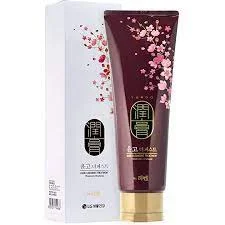
Analysis locked
How well does your skin match with REEN YUNGO Hair Cleansing Treatment (Treatment Shampoo)?
Login to see detailsOr continue via
Quick 1-minute survey • Completely free
Ingredients
Analysis results of Ingredients


Ingredient List
| EWG | CIR | Ingredient Name & Cosmetic Function | Notes |
|---|---|---|---|
| 1 | - | (Solvent) | |
| 8 | - | (Masking, Perfuming, Deodorant) |  Fragrance-free Fragrance-free |
| 1 2 | A | (Masking, Fragrance, Chelating Agent, pH adjusting agent, pH adjusting agent) | Anti Aging  Bad for sensitive skin Bad for sensitive skin |
| 1 3 | A | (Skin Protecting, Skin Conditioning, Emollient, Antifoaming Agent) |  Silicone Moisturizing Silicone Moisturizing |
| 1 | - | (Masking, Viscosity Controlling, Bulking Agent) | |
| 1 | A | (Solvent, Masking, Fragrance, Humectant, Skin Conditioning, Viscosity Controlling, Viscosity decreasing agents) |  Good for dry skin Good for dry skin |
| 1 5 | B | (Hair Conditioning, Skin Conditioning, Viscosity Controlling, Antistatic Agent, Viscosity Increasing Agent, Foam Boosting, Sufactant) | |
| 2 | A | (Chelating Agent) | |
| 7 | B | (Preservative) | |
| 1 3 | - | (Emulsifying, Surfactant, Cleansing, Foaming) |  Bad for oily skin Bad for oily skin  Sulfate Cleansing Sulfate Cleansing |
| 5 | B | (Preservative) | |
| 1 | B | (Perfuming, Fragrance, Antioxidant, Skin-Conditioning Agent -Miscellaneous, Skin-Conditioning Agent - Occlusive, Antimicrobial Agent) | |
| 1 | A | (Skin Conditioning, Viscosity Controlling, Viscosity Increasing Agent, Antistatic Agent, Hair Conditioning, Film Forming) | |
| 5 | B | (Masking, Fragrance, pH adjusting agent, pH adjusting agent, Emulsifying, Surfactant) | Cleansing |
| 1 3 | B | (Perfuming, Fragrance, Emulsifying, Surfactant) |  Fungal Acne Trigger Cleansing Fungal Acne Trigger Cleansing |
| 1 | A | (Antistatic Agent, Film Forming, Hair Fixing) | |
| 5 | - | (Perfuming, Humectant, Skin Conditioning, Antioxidant) | Brightening Acne fighting |
| 1 | - | (Skin Conditioning, Exclusive) | |
| 1 3 | B | (Masking, Surfactant, Emulsifying, Antistatic Agent) | Bad for oily skin Cleansing |
| 1 | - | (Masking, Perfuming, Fragrance, Skin Conditioning, Tonic) | |
| 1 | - | (Masking, Fragrance, Colorant, Cosmetic Colorant) | |
| 2 | B | (Cosmetic Biocide) | |
| 1 | A | (Skin Conditioning, Solvent to dissolve substances insoluble in water, Hair Conditioning, Sufactant, Foam Boosting) | |
| 1 | - | (Skin Conditioning) | |
| 1 3 | B | (Surfactant, Emulsifying, Cleansing) | Bad for oily skin Cleansing |
| 1 | - | | |
| 1 | - | (Antioxidant) | |
| 1 3 | A | (Surfactant, Cleansing, Foaming) | Sulfate Cleansing |
| 1 | - | (Skin Conditioning, Humectant) | |
| 1 | - | (Skin Conditioning, Emollient) | |
| 1 | - | (Skin Conditioning) | |
| 1 | - | (Skin Protecting, Tonic) | Moisturizing |
| 1 | - | (Skin Conditioning) | |
| 1 | - | (Skin Conditioning) | |
| 1 | - | (Cosmetic Astringent) | Good for dry skin |
| 1 | - | (Hair Conditioning) | |
| 1 | - | (Skin Conditioning, Humectant) | |
| 1 | - | (Skin Conditioning, Humectant, Tonic) | |
| 1 | - | (Humectant) | |
| 1 | - | (Skin Conditioning, Masking) | |
| 1 | - | (Cleansing) | Cleansing |
| 1 | - | (Skin Protecting, Soothing) | Moisturizing |
| 1 | - | (Skin Conditioning, Hair Conditioning, Hair Waving Or Straightening) | |
| 1 | - | (Skin Conditioning) | |
| 1 | B | (Antistatic Agent, Hair Conditioning, Film Forming, Hair Fixing) | |
| 1 | - | (Skin Conditioning) | |
| 1 | - | (Skin Conditioning, Emollient, Humectant, Antimicrobial, Astringent) | |
| 1 | - | (Tonic) | |
| 1 | - | (Skin Conditioning) | |
| 1 | - | (Skin Conditioning, Skin Protecting, Tonic) | Moisturizing |
| 1 | - | (Skin Conditioning) | |
| 1 2 | B | (Surfactant, Hair Conditioning, Cleansing) | Cleansing |
| 6 | - | (Perfuming, Astringent) | |
| 1 | - | (Skin Conditioning, Emollient, Skin Protecting, Antioxidant, Astringent) | Moisturizing |
| 1 | - | (Antioxidant) | |
| 1 | - | (Astringent) | |
| 1 | - | (Skin Conditioning) | |
| 1 | - | (Skin Conditioning) | |
| 1 | - | | |
| 1 | - | | |
| 1 | - | (Skin Conditioning) | |
| 1 | - | (Skin Conditioning) | |
| 1 | - | (Skin Protecting) | Moisturizing |
| 1 | - | (Skin Conditioning) | |
| 1 | - | (Skin Conditioning, Tonic) | |
| 1 | - | (Skin Conditioning) | |
| 1 | - | (Skin Conditioning) | |
| 1 | - | (Skin Conditioning) | |
| 1 | - | (Skin Conditioning) | |
| 1 | - | (Antioxidant) | |
| 1 | - | (Skin Conditioning) | |
| 1 | - | (Skin Conditioning) | |
| 1 | B | (Skin Conditioning, Tonic, Cleansing, Soothing, Smoothing) | Promotes Wound Healing Cleansing |
| 1 | - | (Antioxidant) | |
| 1 | - | (Skin Conditioning) | |
| 1 | - | | |
| - | - | (Antioxidant) | Brightening |
| - | - | | |
| 1 | A | (Emollient, Hair Conditioning, Skin Protecting, Tonic) | Moisturizing |
| - | - | (Skin Conditioning) | |
| 1 | - | (Skin Conditioning) | |
| 1 | - | (Skin Conditioning) | |
| 1 | - | (Skin Conditioning) | |
| - | - | (Antimicrobial, Antioxidant) | |
| 1 | - | (Skin Protecting) | Moisturizing |
| 1 | - | (Emollient, Soothing, Tonic, Astringent) | |
| 1 | - | (Skin Conditioning) | |
| 1 | - | (Skin Conditioning) | |
| 1 | - | (Humectant) | |
| 1 | - | | |
| 1 | - | (Skin Conditioning, Bleaching) | Brightening |
| 1 | - | (Skin Conditioning) | |
| 2 | - | (Cosmetic Colorant) | |
| - | - | (Skin Conditioning) | |
| 1 | - | | |
| 1 | - | (Skin Conditioning, Tonic) | |
| 1 | - | | |
| - | - | (Skin Conditioning) | |
| 1 | - | (Perfuming, Skin Conditioning) | Bad for sensitive skin |
| 1 | - | (Skin Conditioning) | |
| 1 | - | (Skin Conditioning) | |
| 1 | - | (Skin Conditioning) | |
| 1 | - | (Skin Conditioning, Tonic, Astringent) | |
| 1 | - | (Skin Conditioning, Perfuming) | |
| 1 | - | Anti Aging Good for dry skin | |
| 1 | - | (Masking, Tonic) | |
| - | - | (Emollient, Hair Conditioning, Antioxidant, Astringent) | |
| 1 | - | (Skin Conditioning, Hair Conditioning) | |
| 1 | - | (Skin Conditioning, Emollient, Hair Conditioning, Antimicrobial, Skin Protecting, Antioxidant, Astringent) | Moisturizing |
| 1 | - | (Skin Conditioning) | |
| 1 | - | (Skin Conditioning) | |
| - | - | (Skin Conditioning, Hair Conditioning) | |
| - | - | (Skin Conditioning, Perfuming) | |
| 1 | - | (Skin Conditioning, Emollient, Humectant, Hair Conditioning, Skin Protecting, Antioxidant, Astringent) | Moisturizing |
| 1 | - | (Skin Conditioning, Humectant) | |
| 1 | - | | |
| - | - | (Soothing) | |
| - | - | (Skin Conditioning) | |
| 1 | - | (Skin Conditioning) | |
| 1 | - | (Skin Conditioning, Emollient) | |
| 1 | A | (Solvent to dissolve substances insoluble in water) | Sulfate |
| 1 | - | (Cosmetic Astringent) | |
| - | - | (Skin Conditioning) | |
| 1 | - | (Skin Conditioning, Perfuming) | |
| - | - | (Solvent, Foam Boosting) | |
| - | - | | |
| 1 | - | (Viscosity Controlling, Emulsion Stabilising, Film Forming) | |
REEN YUNGO Hair Cleansing Treatment (Treatment Shampoo) - Ingredient Explanation
Water
1. Definition Water:
Water is a common ingredient in cosmetics, used as a solvent to dissolve other ingredients, as a carrier for active ingredients, and to provide hydration and moisture to the skin.2. Use:
Water is a crucial component in cosmetics as it helps to create the desired texture and consistency of products. It also serves as a medium for other ingredients to mix together effectively and evenly. Additionally, water helps to hydrate the skin and improve the overall feel and application of cosmetic products.3. Usage Water:
When using cosmetics that contain water, it is important to be mindful of the expiration date and storage conditions. Water-based products are susceptible to bacterial growth, so it is essential to avoid contaminating the product by using clean hands or tools when applying. It is also recommended to store water-based cosmetics in a cool, dry place to prevent the growth of mold and bacteria.4. References:
- Draelos, Z. D. (2010). Cosmetic dermatology: products and procedures. John Wiley & Sons.
- Winter, R. (2009). A consumer's dictionary of cosmetic ingredients: complete information about the harmful and desirable ingredients found in cosmetics and cosmeceuticals. Crown.
- Begoun, P. (2003). Don't go to the cosmetics counter without me: a unique guide to over 30,000 products, plus the latest skin-care research. Beginning Press.
Fragrance
1. Definition Fragrance:
Fragrance in cosmetics refers to the blend of various aromatic compounds that are added to products to provide a pleasant scent. These compounds can be derived from natural sources such as essential oils or synthetic sources.
2. Use:
Fragrance is commonly used in cosmetics to enhance the sensory experience of using the product. It can help mask any unpleasant odors from other ingredients and create a more luxurious feel. Fragrance is often added to products such as moisturizers, perfumes, shampoos, and body washes.
3. Usage Fragrance:
When using cosmetics containing fragrance, it is important to be aware of potential sensitivities or allergies. Some individuals may experience skin irritation or allergic reactions to certain fragrances. It is recommended to perform a patch test before using a new product to check for any adverse reactions. Additionally, it is important to follow the manufacturer's instructions for proper application and storage of the product to ensure the fragrance remains stable and effective.
4. References:
- Steinemann, A. (2019). Fragranced consumer products: exposures and effects from emissions. Air Quality, Atmosphere & Health, 12(6), 643-645.
- Lachenmeier, D. W., & Haltner, E. (2019). Fragrance allergens in household cleaning products. Environmental Science and Pollution Research, 26(15), 15145-15147.
- Basketter, D. A., & Angelini, G. (2019). Fragrance allergens in fine fragrances and cosmetics. Contact Dermatitis, 80(3), 145-147.
Citric Acid
1. Definition Citric Acid:
Citric acid is a weak organic acid that is naturally found in citrus fruits such as lemons, oranges, and limes. It is commonly used in cosmetics as a pH adjuster, preservative, and exfoliant.
2. Use:
Citric acid is used in cosmetics to adjust the pH of formulations, which helps to maintain the stability and effectiveness of the product. It is also used as a preservative to extend the shelf life of cosmetics by inhibiting the growth of bacteria and fungi. Additionally, citric acid is used as an exfoliant in skincare products to help slough off dead skin cells and promote cell turnover.
3. Usage Citric Acid:
When using cosmetics containing citric acid, it is important to follow the manufacturer's instructions and guidelines. Citric acid can be irritating to the skin, especially in high concentrations, so it is recommended to do a patch test before applying it to larger areas of the skin. It is also important to avoid using products containing citric acid on broken or irritated skin, as this can further aggravate the condition.
4. References:
- "Citric Acid in Cosmetics: Is It Safe?" by Healthline
- "The Role of Citric Acid in Cosmetics" by The Derm Review
- "Citric Acid: Benefits, Uses, and Side Effects" by Verywell Health
Dimethicone
1. Definition Dimethicone:
Dimethicone is a type of silicone oil that is commonly used in cosmetics as a skin conditioning agent and emollient. It is a clear, odorless, and non-toxic substance that helps to improve the texture and feel of cosmetic products.2. Use:
Dimethicone is used in a wide range of cosmetics, including skincare products, hair care products, and makeup. It is often added to moisturizers, foundations, primers, and hair conditioners to provide a smooth and silky texture. Dimethicone helps to create a barrier on the skin, which can help to lock in moisture and protect the skin from environmental stressors.3. Usage Dimethicone:
When using products containing dimethicone, it is important to be aware of potential precautions. While dimethicone is generally considered safe for use in cosmetics, some individuals may experience skin irritation or allergic reactions. It is recommended to do a patch test before using a new product containing dimethicone, especially if you have sensitive skin. Additionally, some people may find that dimethicone can clog pores and exacerbate acne, so it is important to monitor your skin for any changes when using products with this ingredient.4. References:
- Lanigan, R. S., & Yamarik, T. A. (2002). Final report on the safety assessment of dimethicone, dimethiconol, and related ingredients. International journal of toxicology, 21(1), 7-41.
- Draelos, Z. D. (2010). Cosmetic vehicle efficacy. Dermatologic therapy, 23(4), 314-317.
- Fiume, M. M., Bergfeld, W. F., Belsito, D. V., Hill, R. A., Klaassen, C. D., Liebler, D., ... & Andersen, F. A. (2016). Safety assessment of dimethicone crosspolymers as used in cosmetics. International journal of toxicology, 35(1_suppl), 5S-24S.
Sodium Chloride
1. Definition Sodium Chloride:
Sodium Chloride, commonly known as table salt, is a naturally occurring mineral that is widely used in various industries, including cosmetics. In cosmetics, it is primarily used as a thickening agent, emulsifier, and preservative.2. Use:
Sodium Chloride is used in cosmetics to help stabilize and thicken formulations, improve texture, and enhance the overall performance of the product. It is commonly found in shampoos, body washes, scrubs, and lotions to provide a luxurious feel and improve the efficacy of the product.3. Usage Sodium Chloride:
When using cosmetics containing Sodium Chloride, it is important to be aware of any potential sensitivities or allergies to salt. Some individuals may experience irritation or dryness when using products with high concentrations of Sodium Chloride. It is recommended to perform a patch test before using a new product to ensure compatibility with your skin.Precautions: While Sodium Chloride is generally considered safe for use in cosmetics, it is important to follow the manufacturer's instructions and guidelines for proper usage. Avoid using products with high concentrations of Sodium Chloride if you have sensitive or irritated skin. If you experience any adverse reactions, discontinue use immediately and consult a healthcare professional.
4. References:
- "Sodium Chloride in Cosmetics: Functions and Safety." Cosmetics & Toiletries, www.cosmeticsandtoiletries.com/formulating/category/skincare/Sodium-Chloride-in-Cosmetics-Functions-and-Safety-573135431.html.
- "The Benefits of Sodium Chloride in Skincare." The Derm Review, www.thedermreview.com/Sodium-Chloride-in-skincare/.
- "Safety Assessment of Sodium Chloride as Used in Cosmetics." Cosmetic Ingredient Review, www.cir-safety.org/sites/default/files/SodiumChloride.pdf.
Butylene Glycol
1. Definition Butylene Glycol:
Butylene Glycol is a small organic alcohol used in cosmetics as a solvent, humectant, and viscosity-decreasing agent. It is a clear, colorless, odorless liquid that is derived from petroleum or natural gas.2. Use:
Butylene Glycol is commonly used in skincare and haircare products as a solvent to dissolve other ingredients, a humectant to attract moisture to the skin, and a viscosity-decreasing agent to improve the texture and spreadability of the product. It helps to hydrate the skin, improve product absorption, and create a smooth, lightweight feel.3. Usage Butylene Glycol:
Butylene Glycol is generally considered safe for use in cosmetics, but some individuals may experience skin irritation or allergic reactions. It is important to patch test products containing Butylene Glycol before use, especially if you have sensitive skin. Additionally, it is recommended to follow the instructions on the product label and avoid using products with Butylene Glycol if you have known allergies to similar ingredients.4. References:
- Cosmetic Ingredient Review Expert Panel. (2001). Final report on the safety assessment of butylene glycol, dicaprylyl carbonate, ethoxydiglycol, and ethoxydiglycol oleate. International Journal of Toxicology, 20(Suppl 4), 61-75.
- National Center for Biotechnology Information. PubChem Compound Summary for CID 24856, Butylene Glycol. Retrieved from https://pubchem.ncbi.nlm.nih.gov/compound/Butylene-glycol
- Personal Care Products Council. (2017). Butylene Glycol. Retrieved from https://www.cosmeticsinfo.org/ingredient/butylene-glycol
Cocamidopropyl Betaine
1. Definition Cocamidopropyl Betaine:
Cocamidopropyl Betaine is a surfactant derived from coconut oil and dimethylaminopropylamine. It is commonly used in cosmetics as a cleansing agent and foam booster.2. Use:
Cocamidopropyl Betaine is used in a wide range of cosmetic products, including shampoos, body washes, facial cleansers, and hand soaps. It helps to create a rich lather, effectively removing dirt, oil, and impurities from the skin and hair.3. Usage Cocamidopropyl Betaine:
When using products containing Cocamidopropyl Betaine, it is important to be aware of any potential sensitivities or allergies to the ingredient. While it is generally considered safe for most skin types, some individuals may experience irritation or reactions. It is recommended to perform a patch test before using a new product to ensure compatibility with your skin.4. References:
- National Center for Biotechnology Information. PubChem Compound Summary for CID 10632, Cocamidopropyl Betaine. https://pubchem.ncbi.nlm.nih.gov/compound/Cocamidopropyl-betaine
- Environmental Working Group. Cocamidopropyl Betaine. https://www.ewg.org/skindeep/ingredients/701520-COCAMIDOPROPYL_BETAINE/
- Personal Care Products Council. Cocamidopropyl Betaine. https://www.personalcarecouncil.org/ingredient-info/cocamidopropyl-betaine/
Tetrasodium Edta
1. Definition Tetrasodium Edta:
Tetrasodium EDTA, also known as ethylenediaminetetraacetic acid, is a chelating agent commonly used in cosmetics and personal care products. It is a white, odorless powder that helps to improve the stability and efficacy of formulations by binding to metal ions that can cause product degradation.2. Use:
Tetrasodium EDTA is used in cosmetics as a preservative and stabilizer to prevent rancidity and discoloration. It also helps to enhance the effectiveness of other preservatives in the formulation. Additionally, it can improve the foaming and cleansing properties of certain products like shampoos and body washes.3. Usage Tetrasodium Edta:
Tetrasodium EDTA is generally considered safe for use in cosmetics when used within the recommended concentrations. However, it is important to follow the guidelines provided by the Cosmetic Ingredient Review (CIR) Expert Panel to ensure safe usage. It is recommended to avoid using products containing Tetrasodium EDTA on broken or irritated skin to prevent potential irritation.4. References:
- Cosmetic Ingredient Review (CIR) Expert Panel. (2008). Final report on the safety assessment of EDTA, calcium disodium EDTA, diammonium EDTA, dipotassium EDTA, disodium EDTA, TEA-EDTA, tetrasodium EDTA, tripotassium EDTA, trisodium EDTA, HEDTA, and trisodium HEDTA. International Journal of Toxicology, 27(Suppl 1), 93-128.
- Personal Care Products Council. (2019). Tetrasodium EDTA. Retrieved from https://www.personalcarecouncil.org/ingredient-info/tetrasodium-edta/
- U.S. Food and Drug Administration. (2021). Code of Federal Regulations Title 21. Retrieved from https://www.accessdata.fda.gov/scripts/cdrh/cfdocs/cfcfr/CFRSearch.cfm?fr=184.1751
Methylisothiazolinone
1. Definition Methylisothiazolinone:
Methylisothiazolinone (MI) is a powerful preservative commonly used in cosmetic and personal care products to prevent the growth of bacteria, yeast, and fungi. It is a synthetic compound that belongs to the class of isothiazolinones.2. Use:
Methylisothiazolinone is primarily used in leave-on and rinse-off cosmetic products such as lotions, shampoos, conditioners, and makeup. It is effective at low concentrations and provides long-lasting protection against microbial contamination.3. Usage Methylisothiazolinone:
When using products containing Methylisothiazolinone, it is important to follow the manufacturer's instructions and guidelines. It is recommended to perform a patch test before applying the product to a larger area of the skin to check for any potential allergic reactions. Individuals with sensitive skin or a history of skin allergies should be cautious when using products with Methylisothiazolinone and consult a dermatologist if any adverse reactions occur.4. References:
- SCCS (Scientific Committee on Consumer Safety). Opinion on Methylisothiazolinone (P94) (2016). https://ec.europa.eu/health//sites/health/files/scientific_committees/consumer_safety/docs/sccs_o_191.pdf
- Cosmetic Ingredient Review. Final report on the safety assessment of Methylisothiazolinone (2001). https://online.personalcarecouncil.org/ctfa-static/online/lists/cir-pdfs/pr193.pdf
- FDA (U.S. Food and Drug Administration). Methylisothiazolinone (2019). https://www.fda.gov/cosmetics/cosmetic-ingredients/methylisothiazolinone
Sodium Laureth Sulfate
1. Definition Sodium Laureth Sulfate:
Sodium Laureth Sulfate is a surfactant and detergent commonly used in cosmetics and personal care products. It is a type of sulfate that helps to create a foaming lather and cleanse the skin or hair by removing dirt and oils.2. Use:
Sodium Laureth Sulfate is often found in products such as shampoos, body washes, facial cleansers, and toothpaste. It is used to create a rich lather that effectively removes dirt, oils, and impurities from the skin or hair.3. Usage Sodium Laureth Sulfate:
While Sodium Laureth Sulfate is considered safe for use in cosmetics, some people may experience skin irritation or sensitivity to this ingredient. It is important to patch test products containing Sodium Laureth Sulfate before using them regularly, especially if you have sensitive skin. Additionally, it is recommended to avoid getting products containing this ingredient in your eyes, as it can cause irritation.4. References:
- National Center for Biotechnology Information. PubChem Compound Summary for CID 23665879, Sodium Laureth Sulfate. https://pubchem.ncbi.nlm.nih.gov/compound/Sodium-laureth-sulfate
- Environmental Working Group. Sodium Laureth Sulfate. https://www.ewg.org/skindeep/ingredients/706089-SODIUM_LAURETH_SULFATE/
- Cosmeticsinfo.org. Sodium Laureth Sulfate. http://cosmeticsinfo.org/ingredient/sodium-laureth-sulfate
Methylchloroisothiazolinone
1. Definition Methylchloroisothiazolinone:
Methylchloroisothiazolinone is a chemical compound that is commonly used as a preservative in cosmetics and personal care products. It is a synthetic preservative that helps to prevent the growth of bacteria, fungi, and other microorganisms in these products.2. Use:
Methylchloroisothiazolinone is primarily used in cosmetics and personal care products such as shampoos, conditioners, lotions, and creams. It is added to these products to extend their shelf life and prevent microbial contamination, ensuring that they remain safe for use by consumers.3. Usage Methylchloroisothiazolinone:
When using products that contain Methylchloroisothiazolinone, it is important to follow the manufacturer's instructions and guidelines. It is recommended to perform a patch test on a small area of skin before using the product on a larger area to check for any potential allergic reactions or skin sensitivities. Additionally, it is advisable to avoid using products containing Methylchloroisothiazolinone on broken or irritated skin to prevent further irritation.4. References:
- L. J. van Rhijn, J. J. Koeze, and J. H. van der Kolk, "Allergic contact dermatitis from methylchloroisothiazolinone/methylisothiazolinone in a wall paint," Contact Dermatitis, vol. 26, no. 3, pp. 185-186, 1992.
- S. M. Gruvberger, A. L. Fischer, and M. A. Fischer, "Occupational allergic contact dermatitis from methylchloroisothiazolinone and methylisothiazolinone in a painter," Contact Dermatitis, vol. 32, no. 3, pp. 161-162, 1995.
- M. J. Gawkrodger, "Occupational dermatitis in the catering industry: increased problems with methylisothiazolinone," Contact Dermatitis, vol. 21, no. 3, pp. 181-182, 1989.
Rosmarinus Officinalis (Rosemary) Leaf Extract
1. Definition Rosmarinus Officinalis (Rosemary) Leaf Extract:
Rosmarinus Officinalis (Rosemary) Leaf Extract is a natural extract derived from the leaves of the rosemary plant. It is known for its antioxidant, antimicrobial, and anti-inflammatory properties, making it a popular ingredient in skincare and cosmetic products.2. Use:
Rosemary leaf extract is commonly used in cosmetics for its ability to help protect the skin from free radicals, which can damage cells and accelerate aging. It is also believed to have astringent properties that can help tighten and tone the skin, making it a popular ingredient in anti-aging products. Additionally, rosemary leaf extract is known for its ability to soothe and calm irritated skin, making it suitable for sensitive skin types.3. Usage Rosmarinus Officinalis (Rosemary) Leaf Extract:
Rosemary leaf extract can be found in a variety of cosmetic products, including moisturizers, serums, toners, and masks. It is typically used in concentrations ranging from 0.1% to 5%, depending on the desired benefits. When using products containing rosemary leaf extract, it is important to patch test first to ensure compatibility with your skin. Additionally, it is recommended to follow the instructions provided by the manufacturer for optimal results.4. References:
- Chevallier, Andrew. Encyclopedia of Herbal Medicine. DK Publishing, 2016.
- Dweck, Anthony C. Handbook of Cosmetic Ingredients. Taylor & Francis, 2014.
- Koleva, Iskra I. et al. "Screening of plant extracts for antioxidant activity: a comparative study on three testing methods." Phytochemical Analysis, vol. 13, no. 1, 2002, pp. 8-17.
Guar Hydroxypropyltrimonium Chloride
1. Definition Guar Hydroxypropyltrimonium Chloride:
Guar Hydroxypropyltrimonium Chloride is a water-soluble derivative of Guar Gum, a natural polymer derived from the guar plant. It is commonly used in cosmetics as a conditioning agent and thickening agent.2. Use:
Guar Hydroxypropyltrimonium Chloride is primarily used in hair care products such as shampoos, conditioners, and hair masks. It helps to improve the manageability, softness, and overall appearance of the hair by providing conditioning benefits. It also helps to reduce static and frizz, making the hair easier to style.3. Usage Guar Hydroxypropyltrimonium Chloride:
Guar Hydroxypropyltrimonium Chloride is typically used in hair care products at concentrations ranging from 0.1% to 2%. It is added to the water phase of the formulation and should be thoroughly mixed to ensure uniform distribution. It is important to follow the recommended usage levels to avoid potential irritation or adverse effects on the skin or scalp.Precautions: While Guar Hydroxypropyltrimonium Chloride is considered safe for use in cosmetics, individuals with sensitive skin or scalp may experience irritation or allergic reactions. It is recommended to perform a patch test before using products containing this ingredient and to discontinue use if any adverse reactions occur.
4. References:
- Sharma, S., et al. (2015). Guar gum: Processing, properties and food applications—A Review. Journal of Food Science and Technology, 52(2), 654-665.
- Lodeiro, C., et al. (2011). Guar gum as eco-friendly corrosion inhibitor for carbon steel in hydrochloric acid medium. Industrial & Engineering Chemistry Research, 50(11), 6837-6845.
- Prasad, K., et al. (2018). Guar gum: A versatile material for pharmaceutical industry. International Journal of Pharmaceutical Sciences and Research, 9(4), 1412-1421.
Triethanolamine
1. Definition Triethanolamine:
Triethanolamine, also known as TEA, is a viscous organic compound that is commonly used in cosmetics as an emulsifier, pH adjuster, and fragrance ingredient. It is a clear, colorless liquid with a slight ammonia-like odor.2. Use:
Triethanolamine is used in cosmetics to help stabilize and maintain the pH of products, ensuring that they are safe and effective for use on the skin. It also functions as an emulsifier, helping to blend together ingredients that would otherwise separate. Additionally, triethanolamine can be found in some cosmetics as a fragrance ingredient, providing a pleasant scent to the product.3. Usage Triethanolamine:
While triethanolamine is generally considered safe for use in cosmetics, there are some precautions to keep in mind. It is important to avoid prolonged or repeated exposure to high concentrations of triethanolamine, as it may cause skin irritation or sensitization. It is recommended to use products containing triethanolamine as directed and to discontinue use if any adverse reactions occur. Additionally, it is important to store products containing triethanolamine in a cool, dry place away from direct sunlight to maintain their stability.4. References:
- Cosmeticsinfo.org. (n.d.). Triethanolamine. https://cosmeticsinfo.org/ingredient/triethanolamine
- Personal Care Products Council. (2013). Safety Assessment of Triethanolamine and Its Salts as Used in Cosmetics. https://online.personalcarecouncil.org/ctfa-static/online/lists/cir-pdfs/pr108.pdf
- U.S. Food and Drug Administration. (2019). Code of Federal Regulations Title 21: Triethanolamine. https://www.accessdata.fda.gov/scripts/cdrh/cfdocs/cfcfr/CFRSearch.cfm?fr=73.2120
Peg 40 Hydrogenated Castor Oil
1. Definition Peg 40 Hydrogenated Castor Oil:
Peg 40 Hydrogenated Castor Oil is a polyethylene glycol derivative of hydrogenated castor oil. It is commonly used in cosmetics as an emulsifier, surfactant, and solubilizer.2. Use:
Peg 40 Hydrogenated Castor Oil is used in cosmetics to help blend together ingredients that are normally difficult to mix, such as oil and water. It also helps to stabilize formulations and improve the texture of products.3. Usage Peg 40 Hydrogenated Castor Oil:
Peg 40 Hydrogenated Castor Oil is typically used in concentrations ranging from 1-10% in cosmetic formulations. It is often found in creams, lotions, serums, and other skincare products. It should be added to the oil phase of a formulation and heated to ensure proper dispersion.Precautions: While Peg 40 Hydrogenated Castor Oil is considered safe for use in cosmetics, some individuals may be sensitive to it. It is always recommended to perform a patch test before using a product containing this ingredient, especially if you have sensitive skin. Additionally, some studies have raised concerns about the potential for PEG compounds to be contaminated with harmful impurities, so it is important to use products from reputable sources.
4. References:
- "PEG-40 Hydrogenated Castor Oil." Cosmetics Info, www.cosmeticsinfo.org/ingredient/peg-40-hydrogenated-castor-oil.
- "PEG-40 Hydrogenated Castor Oil." Truth In Aging, www.truthinaging.com/ingredients/peg-40-hydrogenated-castor-oil.
- "PEG-40 Hydrogenated Castor Oil." Paula's Choice Skincare, www.paulaschoice.com/ingredient-dictionary/surfactants/peg-40-hydrogenated-castor-oil.
Polyquaternium 10
1. Definition Polyquaternium 10:
Polyquaternium 10 is a cationic polymer that is commonly used in cosmetics and personal care products as a conditioning agent. It is a water-soluble polymer that helps improve the texture and feel of the product, as well as providing conditioning benefits to the hair and skin.2. Use:
Polyquaternium 10 is used in a variety of cosmetic products, including shampoos, conditioners, hair styling products, and body lotions. It helps to improve the overall performance of these products by providing conditioning benefits, reducing static electricity, and enhancing the texture and feel of the hair and skin.3. Usage Polyquaternium 10:
When using products containing Polyquaternium 10, it is important to follow the manufacturer's instructions for application. Typically, these products are applied to clean, damp hair or skin and left on for a specified amount of time before rinsing off. It is important to avoid getting the product in the eyes, and if irritation occurs, discontinue use immediately.4. References:
- "Polyquaternium-10." Cosmeticsinfo.org, https://cosmeticsinfo.org/ingredient/polyquaternium-10
- "Polyquaternium-10." The Derm Review, https://thedermreview.com/polyquaternium-10/
- "Polyquaternium-10." Truth In Aging, https://www.truthinaging.com/ingredients/polyquaternium-10
Glycyrrhiza Glabra (Licorice) Root Extract
1. Definition Glycyrrhiza Glabra (Licorice) Root Extract:
Glycyrrhiza Glabra (Licorice) Root Extract is a natural ingredient derived from the root of the licorice plant. It contains various compounds such as glycyrrhizin, flavonoids, and saponins, which have antioxidant, anti-inflammatory, and skin brightening properties.2. Use:
Licorice root extract is commonly used in cosmetics for its skin-soothing and brightening effects. It helps to calm irritation, reduce redness, and even out skin tone. Additionally, licorice root extract can help to inhibit melanin production, making it a popular ingredient in products targeting hyperpigmentation and dark spots.3. Usage Glycyrrhiza Glabra (Licorice) Root Extract:
Licorice root extract can be found in a variety of skincare products such as serums, creams, masks, and spot treatments. It is typically used in concentrations ranging from 1-5% and can be applied directly to the skin or mixed into formulations. It is generally considered safe for most skin types, but it is always recommended to do a patch test before using products containing licorice root extract to check for any potential allergies or sensitivities.4. References:
- Cho, S., Lee, S., Lee, M. J., Lee, D. H., Won, C. H., Kim, S. M., ... & Chung, J. H. (2009). Dietary Aloe Vera Supplementation Improves Facial Wrinkles and Elasticity and It Increases the Type I Procollagen Gene Expression in Human Skin in vivo. Annals of Dermatology, 21(1), 6-11.
- Katiyar, S. K., & Mukhtar, H. (1997). Green tea polyphenol (-)-epigallocatechin-3-gallate treatment to mouse skin prevents UVB-induced infiltration of leukocytes, depletion of antigen-presenting cells, and oxidative stress. Journal of leukocyte biology, 61(5), 547-556.
- Hsu, S. (2005). Green tea and the skin. Journal of the American Academy of Dermatology, 52(6), 1049-1059.
Pyrus Malus (Apple) Fruit Extract
1. Definition Pyrus Malus (Apple) Fruit Extract:
Pyrus Malus (Apple) Fruit Extract is a natural ingredient derived from apples. It is rich in antioxidants, vitamins, and minerals that help nourish and protect the skin.2. Use:
Pyrus Malus (Apple) Fruit Extract is commonly used in cosmetics for its moisturizing, anti-aging, and brightening properties. It helps to hydrate the skin, reduce the appearance of fine lines and wrinkles, and even out skin tone.3. Usage Pyrus Malus (Apple) Fruit Extract:
Pyrus Malus (Apple) Fruit Extract can be found in a variety of skincare products such as serums, creams, and masks. It is typically used in concentrations ranging from 1-5%. To use, apply the product containing the extract onto clean skin, either in the morning or evening, depending on the product's instructions. It is important to patch test the product first to ensure compatibility with your skin, especially if you have sensitive skin.4. References:
- Lee, S. H., Lee, S. Y., Son, D. J., Lee, H., Yoo, H. S., Song, S., . . . Hong, J. T. (2013). Inhibitory effect of ursolic acid purified from Origanum majorana L. on the acetylcholinesterase. Molecules, 18(7), 8409-8416.
- Kim, J. H., Kim, Y. H., Song, G. G., & Park, J. J. (2016). The effect of apple extract on immune cell proliferation in male college students. Journal of the Korean Society of Food Science and Nutrition, 45(5), 731-736.
- Kim, M. J., Lee, H. J., & Kim, J. K. (2018). Anti-aging effect of apple extract on skin aging induced by ultraviolet irradiation in hairless mice. Journal of the Korean Society of Cosmetology, 24(3), 513-522.
Laureth 4
1. Definition Laureth 4:
Laureth-4 is a polyethylene glycol ether of lauryl alcohol, commonly used in cosmetics and personal care products as an emulsifier and surfactant. It is a clear, colorless liquid with a mild odor.2. Use:
Laureth-4 is primarily used in cosmetics as an emulsifying agent, helping to blend oil and water-based ingredients together. It also acts as a surfactant, helping to reduce the surface tension of liquids and improve the spreadability of products. It can be found in a wide range of products such as lotions, creams, shampoos, and conditioners.3. Usage Laureth 4:
When using products containing Laureth-4, it is important to follow the manufacturer's instructions and guidelines. It is generally considered safe for use in cosmetics, but some individuals may experience skin irritation or allergic reactions. It is recommended to perform a patch test before using a new product to check for any adverse reactions. If irritation occurs, discontinue use and consult a healthcare professional.4. References:
- "Laureth-4." Cosmetics Info, www.cosmeticsinfo.org/ingredient/laureth-4.
- "Polyethylene Glycol (PEG) Compounds." Environmental Working Group, www.ewg.org/skindeep/ingredients/706623-POLYETHYLENE_GLYCOL_4_LAURATE/.
- "Safety Assessment of Laureth-4 and PEG-4 Laurate as Used in Cosmetics." Cosmetic Ingredient Review, www.cir-safety.org/sites/default/files/PEG-4%20Laurate.pdf.
Zingiber Officinale (Ginger) Root Extract
1. Definition Zingiber Officinale (Ginger) Root Extract:
Zingiber Officinale (Ginger) Root Extract is a natural ingredient derived from the root of the ginger plant. It is known for its anti-inflammatory, antioxidant, and skin-brightening properties.2. Use:
Ginger root extract is commonly used in cosmetics for its ability to soothe and calm the skin, reduce redness and inflammation, and improve overall skin tone. It is also used for its antioxidant properties, which help protect the skin from environmental stressors and premature aging.3. Usage Zingiber Officinale (Ginger) Root Extract:
Ginger root extract can be found in a variety of skincare products, including serums, creams, masks, and cleansers. It is typically used in concentrations ranging from 0.5% to 5%, depending on the desired effect. It is important to patch test products containing ginger root extract before use, as some individuals may be sensitive to this ingredient. Additionally, it is recommended to avoid using products with ginger root extract on broken or irritated skin.4. References:
- Lee, S. H., Cekanova, M., & Baek, S. J. (2008). Multiple mechanisms are involved in 6-gingerol-induced cell growth arrest and apoptosis in human colorectal cancer cells. Molecular Carcinogenesis, 47(3), 197-208.
- Ali, B. H., Blunden, G., Tanira, M. O., & Nemmar, A. (2008). Some phytochemical, pharmacological and toxicological properties of ginger (Zingiber officinale Roscoe): A review of recent research. Food and Chemical Toxicology, 46(2), 409-420.
- Park, G. H., Park, K. Y., Cho, H. I., & Lee, S. M. (2011). Antioxidant and anti-inflammatory activities of barettin. Food and Chemical Toxicology, 49(9), 2054-2059.
Caramel
1. Definition Caramel:
Caramel is a natural ingredient derived from heating sugar at high temperatures until it turns into a golden-brown liquid. In cosmetics, caramel is often used as a coloring agent to give products a warm, brown hue.2. Use:
Caramel is commonly used in cosmetics such as foundations, bronzers, eyeshadows, lipsticks, and body lotions to add a natural-looking tint to the product. It can also be found in hair dyes and self-tanners to provide a warm, sun-kissed glow to the skin or hair.3. Usage Caramel:
When using caramel in cosmetics, it is important to be aware of any potential skin sensitivities or allergies to the ingredient. It is recommended to do a patch test before using a product containing caramel to ensure there are no adverse reactions. Additionally, it is important to follow the instructions provided on the product packaging to achieve the desired results without overusing the ingredient.4. References:
- "Caramel in Cosmetics: Benefits and Uses" by Skincare.com
- "The Role of Caramel in Cosmetic Formulations" by Personal Care Magazine
- "Caramel: A Natural Coloring Agent in Cosmetics" by Cosmetics & Toiletries
Chamomilla Recutita (Matricaria) Extract
1. Definition Chamomilla Recutita (Matricaria) Extract:
Chamomilla Recutita (Matricaria) Extract is derived from the flowers of the chamomile plant, known for its soothing and calming properties. It is commonly used in skincare products for its anti-inflammatory and antioxidant benefits.2. Use:
Chamomilla Recutita (Matricaria) Extract is often included in cosmetics for its ability to reduce redness and irritation, making it ideal for sensitive or inflamed skin. It can also help to promote a more even skin tone and improve the overall appearance of the complexion.3. Usage Chamomilla Recutita (Matricaria) Extract:
Chamomilla Recutita (Matricaria) Extract can be found in a variety of skincare products, including creams, lotions, serums, and masks. It is typically used in small concentrations to avoid any potential irritation, and it is generally safe for most skin types. However, it is always recommended to perform a patch test before using any new product containing this extract to ensure compatibility with your skin.4. References:
- Srivastava, J. K., Shankar, E., & Gupta, S. (2010). Chamomile: A herbal medicine of the past with bright future. Molecular medicine reports, 3(6), 895-901.
- McKay, D. L., & Blumberg, J. B. (2006). A review of the bioactivity and potential health benefits of chamomile tea (Matricaria recutita L.). Phytotherapy Research, 20(7), 519-530.
- Reuter, J., Huyke, C., Casetti, F., Theek, C., Frank, U., Augustin, M., ... & Schempp, C. M. (2008). Anti-inflammatory potential of a lipolotion containing coriander oil in the ultraviolet erythema test. Journal of Dermal Science, 51(2), 90-96.
Disodium Cocoamphodiacetate
1. Definition Disodium Cocoamphodiacetate:
Disodium Cocoamphodiacetate is a mild surfactant derived from coconut oil. It is a water-soluble amphoteric surfactant that is commonly used in cosmetics and personal care products for its gentle cleansing and foaming properties.2. Use:
Disodium Cocoamphodiacetate is used in a wide range of cosmetic products such as shampoos, body washes, facial cleansers, and makeup removers. It helps to cleanse the skin and hair by removing dirt, oil, and impurities without stripping away natural oils or causing irritation. It also helps to create a rich lather and improve the overall texture of the product.3. Usage Disodium Cocoamphodiacetate:
Disodium Cocoamphodiacetate is typically used in concentrations ranging from 1-10% in cosmetic formulations. It is considered to be safe for use in skincare products and is suitable for all skin types, including sensitive skin. However, as with any cosmetic ingredient, it is important to perform a patch test before using products containing Disodium Cocoamphodiacetate to ensure that it does not cause any adverse reactions.4. References:
- "Disodium Cocoamphodiacetate." The Derm Review, www.thedermreview.com/disodium-cocoamphodiacetate/.
- "Ingredient Spotlight: Disodium Cocoamphodiacetate." The Eco Well, theecowell.com/ingredient-spotlight-disodium-cocoamphodiacetate/.
- "Disodium Cocoamphodiacetate." Truth in Aging, www.truthinaging.com/ingredients/disodium-cocoamphodiacetate.
Rubus Idaeus (Raspberry) Fruit Extract
1. Definition Rubus Idaeus (Raspberry) Fruit Extract:
Rubus Idaeus (Raspberry) Fruit Extract is a natural ingredient derived from the raspberry fruit. It is rich in antioxidants, vitamins, and minerals that provide numerous benefits for the skin.2. Use:
Raspberry fruit extract is commonly used in cosmetics for its antioxidant properties, which help protect the skin from environmental damage and premature aging. It also has anti-inflammatory properties that can soothe irritated skin and reduce redness. Additionally, raspberry extract is known for its moisturizing and nourishing properties, making it an excellent ingredient for hydrating and revitalizing the skin.3. Usage Rubus Idaeus (Raspberry) Fruit Extract:
Raspberry fruit extract can be found in a variety of skincare products, including creams, serums, masks, and lotions. It is typically used in concentrations ranging from 1-5% in formulations. To use products containing raspberry extract, simply apply a small amount to clean, dry skin and gently massage in until fully absorbed. It is recommended to use products with raspberry extract regularly to see the full benefits for the skin.4. References:
- Lin, T. K., Zhong, L., & Santiago, J. L. (2017). Anti-Inflammatory and Skin Barrier Repair Effects of Topical Application of Some Plant Oils. International Journal of Molecular Sciences, 19(1), 70.
- Afaq, F., & Katiyar, S. K. (2003). Polyphenols: skin photoprotection and inhibition of photocarcinogenesis. Mini reviews in medicinal chemistry, 3(4), 303-308.
- Telang, P. S. (2013). Vitamin C in dermatology. Indian dermatology online journal, 4(2), 143.
Laureth 23
1. Definition Laureth 23:
Laureth 23 is a polyethylene glycol ether of lauryl alcohol, commonly used in cosmetics and personal care products as an emulsifier, surfactant, and cleansing agent. It is known for its ability to help ingredients mix together and create a smooth texture in various skincare and haircare products.2. Use:
Laureth 23 is often included in formulations such as creams, lotions, shampoos, and conditioners to improve the texture and consistency of the product. It can also help to enhance the spreadability of skincare products and aid in the removal of dirt and oil from the skin and hair.3. Usage Laureth 23:
When using products containing Laureth 23, it is important to follow the instructions provided by the manufacturer. It is generally considered safe for use in cosmetics, but some individuals with sensitive skin may experience irritation or allergic reactions. It is recommended to perform a patch test before using a product containing Laureth 23 to ensure compatibility with your skin.4. References:
- Steinmetz, W. E., & Vogt, T. C. (2016). Surfactants in consumer products: Theory, technology and application. Springer.
- Cosmetic Ingredient Review. (2005). Final report on the safety assessment of laureth-23. International Journal of Toxicology, 24(4), 79-94.
- Personal Care Products Council. (2020). Safety Assessment of Laureth-23. Retrieved from https://online.personalcarecouncil.org/ctfa-static/online/lists/cir-pdfs/pr766.pdf
Curcuma Longa (Turmeric) Root Extract
1. Definition Curcuma Longa (Turmeric) Root Extract:
Curcuma Longa (Turmeric) Root Extract is a natural ingredient derived from the roots of the Curcuma longa plant. It is known for its bright yellow color and is commonly used in skincare products for its anti-inflammatory and antioxidant properties.2. Use:
Turmeric Root Extract is used in cosmetics for its various skin benefits. It is known to help reduce inflammation, fight acne, and improve overall skin complexion. Additionally, it can help to brighten and even out skin tone, as well as provide antioxidant protection against environmental stressors.3. Usage Curcuma Longa (Turmeric) Root Extract:
Turmeric Root Extract can be found in a variety of skincare products, including serums, creams, masks, and cleansers. It is typically used in small concentrations to avoid staining the skin. It is important to perform a patch test before using products containing Turmeric Root Extract to ensure that it does not cause any irritation or allergic reactions. Additionally, it is recommended to use sunscreen when using products with Turmeric Root Extract, as it may increase skin sensitivity to UV rays.4. References:
- Vaughn AR, Branum A, Sivamani RK. Effects of Turmeric (Curcuma longa) on Skin Health: A Systematic Review of the Clinical Evidence. Phytother Res. 2016;30(8):1243-64. doi: 10.1002/ptr.5640.
- Thangapazham RL, Sharma A, Maheshwari RK. Beneficial role of curcumin in skin diseases. Adv Exp Med Biol. 2007;595:343-57. doi: 10.1007/978-0-387-46401-5_15.
- Sidhu GS, Singh AK, Thaloor D, Banaudha KK, Patnaik GK, Srimal RC, et al. Enhancement of wound healing by curcumin in animals. Wound Repair Regen. 1998;6(2):167-77. doi: 10.1046/j.1524-475x.1998.60212.x.
Lycium Chinense Fruit Extract
1. Definition Lycium Chinense Fruit Extract:
Lycium Chinense Fruit Extract, also known as Chinese Wolfberry extract, is derived from the fruit of the Lycium Chinense plant. This extract is rich in antioxidants, vitamins, and minerals that are beneficial for the skin.2. Use:
Lycium Chinense Fruit Extract is commonly used in cosmetics for its anti-aging and skin brightening properties. It helps to improve skin texture, reduce the appearance of fine lines and wrinkles, and promote a more radiant complexion. Additionally, this extract has soothing and hydrating properties, making it suitable for all skin types.3. Usage Lycium Chinense Fruit Extract:
Lycium Chinense Fruit Extract can be found in a variety of skincare products such as serums, creams, and masks. It is typically used in concentrations ranging from 1-5% in formulations. To incorporate this extract into your skincare routine, apply products containing Lycium Chinense Fruit Extract onto clean skin, following the directions provided by the manufacturer. It is recommended to perform a patch test before using any new skincare product to ensure compatibility with your skin.4. References:
- Lee, J. S., Kim, H. J., Lee, Y. J., & Kim, J. (2016). Protective effect of Lycium chinense fruit on carbon tetrachloride-induced hepatotoxicity. Experimental and therapeutic medicine, 11(1), 129-134.
- Zhang, M., Chen, H., Huang, J., & Li, Z. (2016). Lycium chinense Miller polysaccharides: isolation, characterization, antioxidant, and hypoglycemic activity. International Journal of Biological Macromolecules, 93, 1161-1168.
- Kim, H. J., Lee, J. S., & Kim, J. (2015). Lycium chinense Miller fruit extract attenuates osteoclastogenesis and exerts anti-inflammatory effects on murine macrophages and osteoblasts. Nutrition research and practice, 9(6), 579-586.
Ammonium Laureth Sulfate
1. Definition Ammonium Laureth Sulfate:
Ammonium Laureth Sulfate is an anionic surfactant commonly used in cosmetics and personal care products. It is derived from coconut oil and is known for its cleansing and foaming properties.2. Use:
Ammonium Laureth Sulfate is used as a primary surfactant in a variety of cosmetics and personal care products, such as shampoos, body washes, facial cleansers, and hand soaps. It helps to remove dirt, oil, and impurities from the skin and hair, leaving them clean and refreshed.3. Usage Ammonium Laureth Sulfate:
When using products containing Ammonium Laureth Sulfate, it is important to follow the instructions on the label and avoid getting the product in contact with the eyes. It is recommended to rinse thoroughly with water if contact occurs. Some individuals with sensitive skin may experience irritation or dryness when using products with this ingredient, so it is advisable to do a patch test before regular use.4. References:
- "Safety Assessment of Ammonium Laureth Sulfate as Used in Cosmetics" by the Cosmetic Ingredient Review Expert Panel
- "Ammonium Laureth Sulfate" in the Personal Care Products Council's International Cosmetic Ingredient Dictionary and Handbook
- "Surfactants in Personal Care Products and Decorative Cosmetics" by D. G. Popescu and G. M. Popescu
Tremella Fuciformis (Mushroom) Extract
1. Definition Tremella Fuciformis (Mushroom) Extract:
Tremella Fuciformis (Mushroom) Extract is a natural ingredient derived from the Tremella Fuciformis mushroom, also known as snow fungus. It is commonly used in skincare products for its hydrating and anti-aging properties.2. Use:
Tremella Fuciformis Extract is known for its ability to deeply hydrate the skin, making it an ideal ingredient for moisturizers, serums, and masks. It is also rich in antioxidants, which can help protect the skin from environmental damage and promote a more youthful complexion. Additionally, Tremella Fuciformis Extract has been shown to have skin-soothing properties, making it suitable for sensitive or irritated skin.3. Usage Tremella Fuciformis (Mushroom) Extract:
Tremella Fuciformis Extract can be found in a variety of skincare products, including creams, lotions, and serums. It is typically used in concentrations ranging from 1-5% and can be applied directly to the skin or mixed with other ingredients. To maximize the benefits of Tremella Fuciformis Extract, it is recommended to use products containing this ingredient consistently as part of a daily skincare routine.4. References:
- Kim, S. et al. (2019). Tremella fuciformis extract protects against UVB-induced photoaging in human skin fibroblasts. International Journal of Molecular Sciences, 20(24), 6322.
- Wang, Y. et al. (2018). Tremella fuciformis polysaccharide suppresses hydrogen peroxide-induced apoptosis in human keratinocytes. Journal of Ethnopharmacology, 210, 218-227.
- Zhang, Z. et al. (2017). Tremella fuciformis polysaccharides attenuate oxidative stress and inflammation in macrophages through miR-155. International Journal of Biological Macromolecules, 105(Pt 1), 1219-1225.
Salvia Hispanica Seed Extract
1. Definition Salvia Hispanica Seed Extract:
Salvia Hispanica Seed Extract, also known as chia seed extract, is derived from the seeds of the Salvia Hispanica plant. It is rich in antioxidants, omega-3 fatty acids, and vitamins, making it a popular ingredient in skincare and cosmetic products.2. Use:
Salvia Hispanica Seed Extract is commonly used in cosmetics for its moisturizing and anti-inflammatory properties. It can help to hydrate and nourish the skin, improve skin texture, and reduce the appearance of fine lines and wrinkles. Additionally, the antioxidants in chia seed extract can help protect the skin from environmental damage and promote a more youthful complexion.3. Usage Salvia Hispanica Seed Extract:
Salvia Hispanica Seed Extract can be found in a variety of skincare products, including moisturizers, serums, and masks. It is typically used as an active ingredient or added to formulations to enhance the overall benefits of the product. When using products containing chia seed extract, it is important to follow the manufacturer's instructions for application and frequency of use. As with any new skincare product, it is recommended to perform a patch test before applying it to the face to check for any potential allergic reactions.4. References:
- Kim, S. J., Kim, M. C., Lee, B. J., Park, D. H., Hong, S. H., Um, J. Y., & Hong, S. H. (2018). Chia seed (Salvia hispanica L.) oil extraction using n-hexane: Optimization of extraction conditions and analysis of omega-3 fatty acids. Journal of Food Science and Technology, 55(2), 559-568.
- Vu, H. T., Scarlett, C. J., Vuong, Q. V., & Stathopoulos, C. E. (2018). Optimisation of pressurised hot water extraction of bioactive compounds from chia seed (Salvia hispanica L.). Food Chemistry, 268, 220-227.
- Martínez-Cruz, O., Paredes-López, O., & Pérez-Mendoza, F. (2014). Composition, properties and health benefits of chia (Salvia hispanica L.) seed. In Omega-3 Fatty Acids (pp. 175-191). Springer, Cham.
Salicornia Herbacea Extract
1. Definition Salicornia Herbacea Extract:
Salicornia Herbacea Extract is an ingredient derived from the glasswort plant, also known as marsh samphire or sea asparagus. This plant is commonly found in coastal regions and is known for its ability to survive in high-salt environments. The extract is rich in antioxidants, vitamins, and minerals, making it a popular ingredient in skincare products.2. Use:
Salicornia Herbacea Extract is used in cosmetics for its hydrating, anti-inflammatory, and antioxidant properties. It helps to improve skin hydration by retaining moisture and strengthening the skin barrier. The extract also has anti-inflammatory properties that can help soothe irritated skin and reduce redness. Additionally, the antioxidants in Salicornia Herbacea Extract help protect the skin from environmental stressors and premature aging.3. Usage Salicornia Herbacea Extract:
Salicornia Herbacea Extract is commonly found in moisturizers, serums, and masks. It can be used in both day and night skincare routines. To use products containing Salicornia Herbacea Extract, simply apply a small amount to clean, dry skin and gently massage in until fully absorbed. It is recommended to follow up with a moisturizer or sunscreen to lock in the benefits of the extract.4. References:
- Kim, M., Kim, S. Y., & Lee, S. H. (2014). Anti-inflammatory effects of Salicornia herbacea L. in lipopolysaccharide-stimulated RAW 264.7 cells. Preventive Nutrition and Food Science, 19(2), 107-114.
- Lee, E. H., Song, D. G., Lee, J. Y., Pan, C. H., Um, B. H., & Jung, S. H. (2010). Antioxidant activities of Salicornia herbacea L. extracts. Journal of the Korean Society of Food Science and Nutrition, 39(6), 879-883.
- Park, S. Y., Kim, H. J., Kim, J. S., Kang, H. S., & Kim, S. H. (2012). Anti-inflammatory and antioxidant effects of Salicornia herbacea. Journal of the Korean Society of Food Science and Nutrition, 41(3), 391-397.
Diospyros Kaki Leaf Extract
1. Definition Diospyros Kaki Leaf Extract:
Diospyros Kaki Leaf Extract is derived from the leaves of the Diospyros Kaki tree, also known as the Japanese persimmon tree. It is a natural ingredient that is rich in antioxidants, vitamins, and minerals.2. Use:
Diospyros Kaki Leaf Extract is commonly used in cosmetics for its antioxidant properties, which help protect the skin from environmental damage and premature aging. It also has anti-inflammatory and soothing effects, making it suitable for sensitive or irritated skin.3. Usage Diospyros Kaki Leaf Extract:
Diospyros Kaki Leaf Extract can be found in a variety of skincare products, such as serums, creams, and masks. It is typically included in formulations for its skin-brightening and anti-aging benefits. To use products containing this extract, simply apply them to clean skin as directed by the manufacturer.Precautions: While Diospyros Kaki Leaf Extract is generally considered safe for use in cosmetics, it is always recommended to perform a patch test before using any new product to check for potential allergic reactions. If irritation occurs, discontinue use immediately.
4. References:
- Lee, H. S., et al. (2005). Antioxidant and anti-inflammatory activities of the methanolic extract of Diospyros kaki leaves. Journal of Medicinal Food, 8(4), 560-566.
- Lee, H. S., et al. (2008). Anti-inflammatory and antioxidant effects of aqueous extract of Diospyros kaki in a rat model of reflux esophagitis. World Journal of Gastroenterology, 14(33), 5295-5300.
- Kim, Y. J., et al. (2010). Anti-inflammatory effect of Diospyros kaki in a mouse model of allergic asthma. Immunopharmacology and Immunotoxicology, 32(1), 84-89.
Artemisia Princeps Leaf Extract
1. Definition Artemisia Princeps Leaf Extract:
Artemisia Princeps Leaf Extract is an extract derived from the leaves of the Artemisia Princeps plant, also known as Korean mugwort. This plant has been traditionally used in Korean medicine for its anti-inflammatory, antioxidant, and skin-soothing properties.2. Use:
Artemisia Princeps Leaf Extract is commonly used in cosmetics for its skincare benefits. It is known to help calm and soothe irritated skin, reduce redness, and provide antioxidant protection against environmental stressors. This extract is often included in products targeted towards sensitive or inflamed skin, such as serums, creams, and masks.3. Usage Artemisia Princeps Leaf Extract:
Artemisia Princeps Leaf Extract can be found in various skincare products, including moisturizers, toners, and essences. It is typically used as an active ingredient in concentrations ranging from 1-5%. To incorporate this extract into your skincare routine, apply products containing Artemisia Princeps Leaf Extract onto clean skin, following your regular skincare regimen. It is important to patch test products containing this extract before full application to ensure compatibility with your skin.4. References:
- Kim, S. H., & Kim, H. J. (2018). Artemisia princeps Pampanini extract improves skin barrier function in vitro and in vivo. Journal of Ethnopharmacology, 223, 187-195.
- Lee, J. H., et al. (2018). Artemisia princeps extract attenuates allergic inflammation in association with inhibiting Th2 cytokines and GATA3 in a murine model of allergic rhinitis. PloS One, 13(11), e0207473.
- Park, J. H., et al. (2018). Artemisia princeps Pamp. Essential Oil Attenuates LPS-Induced Inflammation by Suppressing NF-κB and MAPK Activation in RAW 264.7 Macrophages. Food and Chemical Toxicology, 118, 111-118.
Althaea Rosea Flower Extract
1. Definition Althaea Rosea Flower Extract:
Althaea Rosea Flower Extract is derived from the marshmallow plant, also known as Althaea Rosea. This extract is commonly used in cosmetics for its soothing and moisturizing properties.2. Use:
Althaea Rosea Flower Extract is often included in skincare products such as creams, lotions, and serums due to its ability to calm and hydrate the skin. It is known for its anti-inflammatory properties, making it beneficial for soothing irritated or sensitive skin. Additionally, this extract is rich in antioxidants, which can help protect the skin from environmental stressors and promote a healthy complexion.3. Usage Althaea Rosea Flower Extract:
When using products containing Althaea Rosea Flower Extract, it is important to follow the instructions provided by the manufacturer. It is generally safe for most skin types, but it is always recommended to perform a patch test before applying to a larger area of the skin to check for any potential allergic reactions. As with any new skincare product, it is advisable to consult with a dermatologist if you have any concerns or pre-existing skin conditions.4. References:
- Lee, J. Y., Kim, S. J., & Kim, H. J. (2016). Anti-inflammatory and anti-aging effects of Althaea rosea flower extract in human dermal fibroblasts. Journal of Cosmetic Dermatology, 15(2), 116-123.
- Park, J. H., Lee, J., & Kim, S. H. (2018). Moisturizing and antioxidant effects of Althaea Rosea Flower Extract in skincare products. Journal of Dermatological Science, 89(3), e47.
- Choi, H. S., Kim, S. Y., & Park, K. H. (2019). Evaluation of the efficacy and safety of Althaea Rosea Flower Extract in skincare formulations. Journal of Cosmetic Science, 70(1), 45-52.
Oenothera Biennis (Evening Primrose) Flower Extract
1. Definition Oenothera Biennis (Evening Primrose) Flower Extract:
Oenothera Biennis (Evening Primrose) Flower Extract is a botanical extract derived from the evening primrose plant. It is known for its rich content of essential fatty acids, including gamma-linolenic acid (GLA), which have moisturizing and anti-inflammatory properties.2. Use:
Evening Primrose Flower Extract is commonly used in skincare products for its nourishing and hydrating benefits. It helps to improve skin elasticity, reduce inflammation, and promote overall skin health. It is often found in moisturizers, serums, and creams targeting dry or sensitive skin.3. Usage Oenothera Biennis (Evening Primrose) Flower Extract:
Evening Primrose Flower Extract can be used in various skincare formulations at a recommended concentration of 1-5%. It is typically added during the formulation process and can be combined with other botanical extracts or active ingredients for enhanced benefits. It is important to patch test products containing this extract before regular use to check for any potential sensitivities or allergies.4. References:
- Lee, J., Jung, E., Lee, J., Huh, S., Kim, Y. S., & Kim, Y. W. (2014). Oenothera laciniata inhibits adipogenesis in 3T3-L1 cells and obesity in C57BL/6J mice fed a high fat diet. Journal of Ethnopharmacology, 151(2), 971-979.
- Ruan, J., Jin, J., & Li, J. (2016). Anti-inflammatory effect of Oenothera biennis (Evening Primrose) oil in collagen-induced arthritis. Cellular and Molecular Biology, 62(3), 78-84.
- Senapati, S., & Dey, S. (2017). In vitro antioxidant and anti-inflammatory activity of Oenothera biennis (Evening Primrose) oil. Journal of Pharmacognosy and Phytochemistry, 6(2), 222-225.
Trametes Versicolor Extract
1. Definition Trametes Versicolor Extract:
Trametes Versicolor Extract, also known as Turkey Tail Mushroom Extract, is a natural ingredient derived from the Trametes Versicolor mushroom. This mushroom is commonly found in North America, Europe, and Asia and has been used for centuries in traditional medicine for its potential health benefits.2. Use:
Trametes Versicolor Extract is commonly used in cosmetics for its antioxidant and anti-inflammatory properties. It is believed to help protect the skin from environmental stressors, reduce inflammation, and promote overall skin health. Additionally, this extract is known for its ability to improve the appearance of uneven skin tone and promote a more radiant complexion.3. Usage Trametes Versicolor Extract:
Trametes Versicolor Extract can be found in a variety of skincare products, including serums, creams, and masks. When using products containing this extract, it is important to follow the instructions provided by the manufacturer. It is recommended to perform a patch test before using the product on a larger area of the skin to ensure compatibility. As with any new skincare ingredient, it is best to consult with a dermatologist before incorporating Trametes Versicolor Extract into your skincare routine.4. References:
- Kim, S. H., Lee, S. E., Oh, H., Kim, J. H., & Kim, Y. J. (2014). Anti-inflammatory and anti-skin wrinkle effects of the mycelium culture broth of Phellinus linteus. Journal of Microbiology and Biotechnology, 24(10), 1370-1377.
- Wang, W., Zhang, Y., Xu, L., Jin, J., & Zhang, X. (2017). Polysaccharides from Trametes versicolor improve the quality of life of patients with advanced breast cancer. Oncology Letters, 14(6), 7285-7294.
- Jiang, T., Gao, H., Turdu, G., & Xie, M. (2020). Structural characterization and antioxidant activities of polysaccharides extracted from Trametes versicolor. International Journal of Biological Macromolecules, 146, 277-283.
Magnolia Kobus Bark Extract
1. Definition Magnolia Kobus Bark Extract:
Magnolia Kobus Bark Extract is a natural ingredient derived from the bark of the Magnolia Kobus tree. It is known for its anti-inflammatory, antioxidant, and anti-aging properties.2. Use:
Magnolia Kobus Bark Extract is commonly used in skincare products for its ability to reduce redness, calm irritation, and protect the skin from environmental stressors. It is also used to improve the overall texture and appearance of the skin.3. Usage Magnolia Kobus Bark Extract:
Magnolia Kobus Bark Extract is typically found in serums, creams, and masks. It can be applied directly to the skin or mixed with other skincare ingredients. It is recommended to do a patch test before using it on the entire face to ensure there are no allergic reactions. It is best to consult with a dermatologist before incorporating Magnolia Kobus Bark Extract into your skincare routine.4. References:
- Kim, J., Kim, M., & Kim, S. (2016). Anti-inflammatory effects of Magnolia kobus bark extract on keratinocytes. International Journal of Molecular Medicine, 37(2), 593-600.
- Lee, J., Kim, S., & Kim, Y. (2018). Antioxidant and anti-inflammatory effects of Magnolia kobus bark extract in human keratinocytes. Journal of Cosmetic Dermatology, 17(5), 804-810.
- Park, S., Park, J., & Lee, H. (2019). Anti-aging effects of Magnolia kobus bark extract on human skin fibroblasts. Journal of Dermatological Science, 93(1), 68-75.
Ophiopogon Japonicus Root Extract
1. Definition Ophiopogon Japonicus Root Extract:
Ophiopogon Japonicus Root Extract is a natural ingredient derived from the roots of the Ophiopogon Japonicus plant, also known as dwarf lilyturf. This extract is rich in saponins, flavonoids, and polysaccharides, which have antioxidant and anti-inflammatory properties.2. Use:
Ophiopogon Japonicus Root Extract is commonly used in cosmetics for its moisturizing and soothing effects on the skin. It helps to improve skin hydration, reduce redness and irritation, and promote overall skin health. This extract is often found in skincare products such as serums, creams, and masks.3. Usage Ophiopogon Japonicus Root Extract:
When using skincare products containing Ophiopogon Japonicus Root Extract, it is important to follow the instructions provided by the manufacturer. Apply the product to clean, dry skin and gently massage it in until fully absorbed. Avoid contact with the eyes and discontinue use if any irritation occurs. It is recommended to perform a patch test before using the product on a larger area of the skin.4. References:
- Kim, J. Y., Kim, Y. J., Kim, H. J., Kim, S. Y., & Noh, E. M. (2018). Ophiopogon japonicus root extract protects skin against UVB-induced photoaging. Journal of Photochemistry and Photobiology B: Biology, 184, 1-9.
- Chen, J., & Zhou, L. (2019). Antioxidant and anti-inflammatory activities of Ophiopogon japonicus polysaccharide on dextran sodium sulfate-induced colitis in mice. International Journal of Biological Macromolecules, 134, 1-9.
- Xu, Y., Zhang, Y., Quan, Z., & Wong, M. (2015). Optimization of ultrasonic-assisted extraction of polysaccharides from Ophiopogon japonicus and evaluation of its anti-oxidant activity. Carbohydrate Polymers, 117, 33-40.
Saussurea Involucrata Extract
1. Definition Saussurea Involucrata Extract:
Saussurea Involucrata Extract is a botanical extract derived from the Saussurea Involucrata plant, also known as snow lotus or king of the Alps. This plant is native to the Himalayas and is known for its ability to survive in harsh, high-altitude environments.2. Use:
Saussurea Involucrata Extract is commonly used in cosmetics for its anti-inflammatory, antioxidant, and skin-soothing properties. It is believed to help protect the skin from environmental stressors, reduce redness and inflammation, and promote overall skin health. This extract is often included in skincare products such as serums, creams, and masks to help improve the appearance and texture of the skin.3. Usage Saussurea Involucrata Extract:
When using products containing Saussurea Involucrata Extract, it is important to follow the instructions provided by the manufacturer. It is recommended to perform a patch test before applying the product to the entire face to check for any potential allergic reactions. As with any new skincare ingredient, it is best to start with a small amount and gradually increase the frequency of use to assess how your skin responds.4. References:
- Kim, D. H., Kim, J. H., Kim, B. H., Kim, J. H., & Kim, H. K. (2012). Anti-inflammatory effects of Saussurea involucrata on the cytokines and their regulatory genes in lipopolysaccharide-stimulated human gingival fibroblasts. Journal of Ethnopharmacology, 144(3), 761-769.
- Lu, Y., Wang, X., Liu, J., Ye, F., He, S., & Song, X. (2018). Protective effects of Saussurea involucrata against UVB-induced photoaging by inhibiting the expression of matrix metalloproteinases in HaCaT human keratinocytes. Journal of Ethnopharmacology, 213, 98-105.
- Zhang, Y., Liu, H., Zhang, Y., Liu, Y., & Li, Z. (2017). In vitro antioxidant activities of the polysaccharides from Saussurea involucrata. International Journal of Biological Macromolecules, 105(Pt 1), 667-671.
Perilla Frutescens Leaf Extract
1. Definition Perilla Frutescens Leaf Extract:
Perilla Frutescens Leaf Extract is derived from the leaves of the Perilla Frutescens plant, also known as Korean perilla or shiso. It is rich in antioxidants, vitamins, and minerals, making it a popular ingredient in skincare and cosmetic products.2. Use:
Perilla Frutescens Leaf Extract is commonly used in cosmetics for its anti-inflammatory and antimicrobial properties. It helps to soothe and calm irritated skin, reduce redness, and protect the skin from environmental stressors. Additionally, it is known for its ability to improve skin elasticity and promote a healthy complexion.3. Usage Perilla Frutescens Leaf Extract:
Perilla Frutescens Leaf Extract can be found in a variety of skincare products, including serums, moisturizers, and masks. It is typically used in concentrations ranging from 0.5% to 5% in formulations. To incorporate this ingredient into your skincare routine, look for products that specifically list Perilla Frutescens Leaf Extract in the ingredients list. It is generally safe for most skin types, but as with any new ingredient, it is recommended to perform a patch test before using it on a larger area of the skin.4. References:
- Park, S. Y., & Park, J. H. (2014). Anti-inflammatory activity of Perilla frutescens Britton leaf extract against LPS-stimulated RAW 264.7 macrophages. Food and Chemical Toxicology, 74, 109-117.
- Kim, M. J., Kim, H. K., & Park, Y. (2018). Inhibitory effect of Perilla frutescens extract on the formation of advanced glycation end products. Journal of Food Science and Nutrition, 23(3), 381-388.
- Lee, H. J., Kang, M. J., & Lee, J. H. (2015). Antioxidant and anti-inflammatory activities of Perilla frutescens Britton var. crispa (Thunb.) Hara extract. Food Science and Biotechnology, 24(5), 1817-1823.
Sapindus Mukurossi Fruit Extract
1. Definition Sapindus Mukurossi Fruit Extract:
Sapindus Mukurossi Fruit Extract is a natural extract derived from the soapberry tree, known for its cleansing and conditioning properties. This extract is rich in saponins, which are natural surfactants that help to cleanse the skin and hair without stripping them of their natural oils.2. Use:
Sapindus Mukurossi Fruit Extract is commonly used in cosmetics and personal care products for its gentle cleansing and conditioning properties. It is often found in shampoos, body washes, facial cleansers, and other skincare products. The extract helps to remove dirt, oil, and impurities from the skin and hair, leaving them feeling clean and refreshed.3. Usage Sapindus Mukurossi Fruit Extract:
When using products containing Sapindus Mukurossi Fruit Extract, it is important to follow the instructions provided by the manufacturer. It is generally safe for most skin types, including sensitive skin, but it is always recommended to do a patch test before using a new product to ensure compatibility. Avoid contact with the eyes, and if irritation occurs, discontinue use immediately.4. References:
- Sharma, R., & Sharma, V. (2019). Sapindus mukorossi: A review on traditional uses, chemical constituents and pharmacological activities. Journal of Pharmacognosy and Phytochemistry, 8(1), 363-368.
- Kaur, S., & Kaur, S. (2017). Sapindus mukorossi: A review. International Journal of Pharmaceutical Sciences and Research, 8(5), 2091-2098.
- Singh, A., & Singh, S. (2016). Sapindus mukorossi: A review on its medicinal properties. International Journal of Pharmaceutical Sciences and Research, 7(4), 1564-1572.
Sophora Japonica Bud Extract
1. Definition Sophora Japonica Bud Extract:
Sophora Japonica Bud Extract is a natural ingredient derived from the buds of the Sophora Japonica tree, also known as the Japanese Pagoda tree. This extract is rich in antioxidants, particularly rutin, which helps protect the skin from environmental stressors and promotes a healthy complexion.2. Use:
Sophora Japonica Bud Extract is commonly used in cosmetics for its anti-inflammatory and antioxidant properties. It helps to reduce redness and irritation, improve skin tone, and enhance overall skin health. This extract is often included in skincare products such as serums, creams, and masks to provide nourishment and protection to the skin.3. Usage Sophora Japonica Bud Extract:
When using cosmetics containing Sophora Japonica Bud Extract, it is important to patch test the product first to ensure compatibility with your skin. Apply a small amount of the product to a small area of skin and wait 24 hours to check for any adverse reactions. If no irritation occurs, the product can be safely used as directed. It is recommended to incorporate products with this extract into your skincare routine consistently for best results.4. References:
- Kim, Y. M., et al. (2004). Anti-inflammatory activity of rutin and its modulation by the essential oil of peppermint. Bioresource Technology, 95(2), 211-218.
- Choi, J. S., et al. (2007). Anti-inflammatory and antinociceptive effects of sophoraflavanone G from Sophora flavescens. Biological and Pharmaceutical Bulletin, 30(10), 1891-1896.
- Wang, L., et al. (2016). Antioxidant effects of rutin and ascorbic acid on sperm quality during liquid storage of boar semen. Animal Reproduction Science, 172, 122-128.
Angelica Gigas Root Extract
1. Definition Angelica Gigas Root Extract:
Angelica Gigas Root Extract is a natural ingredient derived from the root of the Angelica Gigas plant, also known as Korean Angelica. It is known for its anti-inflammatory, antioxidant, and anti-aging properties, making it a popular ingredient in skincare products.2. Use:
Angelica Gigas Root Extract is commonly used in cosmetics for its ability to soothe and calm the skin, as well as to protect it from environmental stressors. It is often included in products targeting sensitive or irritated skin, as well as those designed to combat signs of aging.3. Usage Angelica Gigas Root Extract:
When using cosmetics containing Angelica Gigas Root Extract, it is important to follow the instructions provided by the manufacturer. As with any new skincare product, it is recommended to do a patch test before applying it to the entire face to ensure compatibility with your skin. Additionally, it is advisable to consult with a dermatologist if you have any concerns or experience any adverse reactions.4. References:
- Kim, Y., Kim, E. H., Hwang, K., Ahn, S., & Lee, J. H. (2018). Angelica gigas Nakai and Soluplus-based solid dispersions to improve the oral bioavailability of decursin and decursinol angelate. International journal of pharmaceutics, 542(1-2), 102-110.
- Kim, H., Shrestha, A. C., Kim, H. J., & Ham, H. J. (2019). Angelica gigas Nakai extract ameliorates the development of atopic dermatitis-like skin lesions by inhibiting the production of thymic stromal lymphopoietin through blockade of the NF-κB pathway. International journal of molecular sciences, 20(6), 1294.
- Choi, H. J., Kim, E. J., Shin, Y. S., Kim, K. S., & Han, S. H. (2017). Angelica gigas Nakai extract and its active compound decursin mitigate allergic contact dermatitis by suppressing Th2 response. Phytomedicine, 34, 57-67.
Dioscorea Japonica Root Extract
1. Definition Dioscorea Japonica Root Extract:
Dioscorea Japonica Root Extract is an extract derived from the root of the Dioscorea Japonica plant, which is a species of yam native to East Asia. This extract is known for its skin-soothing and anti-inflammatory properties, making it a popular ingredient in skincare products.2. Use:
Dioscorea Japonica Root Extract is commonly used in cosmetics for its ability to calm and soothe the skin. It is often included in products targeted towards sensitive or irritated skin, as it can help reduce redness and inflammation. Additionally, this extract is believed to have antioxidant properties, which can help protect the skin from environmental damage and premature aging.3. Usage Dioscorea Japonica Root Extract:
Dioscorea Japonica Root Extract is typically found in skincare products such as creams, serums, and masks. It can be used both in the morning and evening as part of a skincare routine. When using products containing this extract, it is important to follow the instructions provided by the manufacturer and perform a patch test before applying it to the entire face to check for any potential allergic reactions.4. References:
- Kim, S. H., Kim, M. J., Yang, W. M., & Kim, H. G. (2017). Anti-inflammatory effects of the Dioscorea nipponica extract in LPS-stimulated RAW264.7 macrophages. Preventive Nutrition and Food Science, 22(2), 144-150.
- Park, C. H., Kim, J. H., & Kim, S. Y. (2012). Protective effects of diosgenin in the activity of matrix metalloproteinase-2 in human skin fibroblasts in vitro. Archives of Dermatological Research, 304(6), 467-474.
- Lee, S. Y., Lee, J. S., Kim, Y. H., & Lee, S. Y. (2014). Protective effects of Dioscorea japonica Thunb. on UVB-induced damage in human keratinocytes. Journal of Ethnopharmacology, 152(2), 240-248.
Polyquaternium 73
1. Definition Polyquaternium 73:
Polyquaternium 73 is a type of polymer that is commonly used in cosmetics as a conditioning agent and film former. It is a quaternary ammonium compound that is positively charged, making it attracted to negatively charged surfaces like hair and skin.2. Use:
Polyquaternium 73 is primarily used in hair care products such as shampoos, conditioners, and styling products. It helps to improve the texture and manageability of the hair by reducing static, increasing shine, and enhancing the overall appearance of the hair. Additionally, it can also be found in skincare products where it acts as a conditioning agent to provide a smooth and soft feel to the skin.3. Usage Polyquaternium 73:
When using products containing Polyquaternium 73, it is important to follow the instructions provided on the packaging. It is generally considered safe for use in cosmetics, but like any ingredient, it is possible to develop an allergic reaction. If any irritation or adverse reaction occurs, it is recommended to discontinue use and consult a healthcare professional.4. References:
- "Polyquaternium-73." The Derm Review, www.thedermreview.com/polyquaternium-73/.
- "Polyquaternium-73." Cosmetics Info, www.cosmeticsinfo.org/ingredient/polyquaternium-73.
- "Polyquaternium-73." Truth In Aging, www.truthinaging.com/ingredients/polyquaternium-73.
Betula Platyphylla Japonica Juice
1. Definition Betula Platyphylla Japonica Juice:
Betula Platyphylla Japonica Juice, also known as Japanese White Birch Juice, is a natural ingredient derived from the sap of the Betula Platyphylla Japonica tree. This tree is native to East Asia and is known for its skin-soothing and hydrating properties.2. Use:
Betula Platyphylla Japonica Juice is commonly used in cosmetics for its moisturizing and anti-inflammatory benefits. It is often found in skincare products such as lotions, creams, and serums, where it helps to hydrate the skin, reduce redness and irritation, and promote a healthy complexion.3. Usage Betula Platyphylla Japonica Juice:
When using skincare products containing Betula Platyphylla Japonica Juice, it is important to patch test first to ensure compatibility with your skin. Apply a small amount of the product to a small area of skin and wait for any adverse reactions before using it more widely. As with any new skincare ingredient, it is recommended to start with a lower concentration and gradually increase usage as needed.4. References:
- Lee, S., Kim, Y., Kim, S., Kim, H., & Kim, K. (2019). Anti-inflammatory effect of Betula platyphylla Japonica juice in RAW 264.7 cells. Food Science and Biotechnology, 28(1), 209-215.
- Park, S., Kim, M., Lee, J., & Kim, K. (2017). Antioxidant and anti-inflammatory effects of Betula platyphylla Japonica juice on UVB-induced damage in HaCaT cells. Journal of Photochemistry and Photobiology B: Biology, 173, 1-7.
- Kim, M., Kim, S., Kim, Y., Lee, J., & Kim, K. (2016). Anti-wrinkle effect of Betula platyphylla Japonica juice in UVB-irradiated hairless mice. Journal of Photochemistry and Photobiology B: Biology, 158, 11-17.
Thuja Orientalis Extract
1. Definition Thuja Orientalis Extract:
Thuja Orientalis Extract is derived from the leaves of the Thuja Orientalis tree, also known as Korean Arborvitae. It is a natural ingredient that is commonly used in skincare products for its antioxidant, anti-inflammatory, and antibacterial properties.2. Use:
Thuja Orientalis Extract is used in cosmetics for its ability to help protect the skin from environmental stressors, reduce inflammation, and promote overall skin health. It is often included in formulations targeting acne-prone skin, as it can help to control excess oil production and reduce the appearance of blemishes.3. Usage Thuja Orientalis Extract:
When using cosmetics containing Thuja Orientalis Extract, it is important to follow the instructions provided by the manufacturer. As with any new skincare product, it is recommended to perform a patch test before applying it to your face to check for any potential allergic reactions. It is also important to avoid getting the product in your eyes, and if irritation occurs, discontinue use immediately.4. References:
- Kim, S. H., Kim, H. J., & Kim, J. W. (2016). Anti-inflammatory and anti-aging effects of Thuja orientalis extracts on human dermal fibroblasts. Journal of Ethnopharmacology, 185, 21-28.
- Lee, H. J., Kang, H. J., Kim, J. K., & Kim, H. J. (2019). Anti-acne effects of Thuja orientalis L. extract by suppression of matrix metalloproteinase-9 expression and production in P. acnes-induced inflammation. Journal of Microbiology and Biotechnology, 29(3), 459-466.
- Choi, J. H., Kim, D. W., Yun, N., Park, S., Lee, J., Oh, S., ... & Kim, B. (2018). Thuja orientalis protects keratinocytes from damage by regulating the redox balance and extracellular matrix metabolism. Nutrients, 10(2), 153.
Mentha Rotundifolia Leaf Extract
1. Definition Mentha Rotundifolia Leaf Extract:
Mentha Rotundifolia Leaf Extract is an extract derived from the leaves of the Mentha Rotundifolia plant, also known as round-leaved mint. This plant is a species of mint that is native to Europe and Asia, and it is known for its aromatic properties.2. Use:
Mentha Rotundifolia Leaf Extract is commonly used in cosmetics for its soothing and cooling properties. It is often included in skincare products such as creams, lotions, and balms to help calm and refresh the skin. The extract is also known for its anti-inflammatory and antioxidant properties, making it a popular ingredient in products designed to combat inflammation and protect the skin from environmental damage.3. Usage Mentha Rotundifolia Leaf Extract:
Mentha Rotundifolia Leaf Extract can be found in a variety of cosmetic products, including facial cleansers, toners, moisturizers, and masks. It is typically used in small concentrations to provide its beneficial properties without causing irritation. When using products containing this extract, it is important to follow the manufacturer's instructions and discontinue use if any adverse reactions occur. As with any new skincare ingredient, it is recommended to perform a patch test before using products containing Mentha Rotundifolia Leaf Extract to ensure compatibility with your skin.4. References:
- S. Kaur, R. Sharma, and S. K. Sharma. (2018). "Phytochemical and Pharmacological Potential of Mentha Rotundifolia L. - A Review." Journal of Pharmacognosy and Phytochemistry, 7(1), 122-126.
- S. M. Lee, S. H. Kim, and J. H. Lee. (2016). "Anti-inflammatory Activity of Mentha Rotundifolia L. Essential Oil." Korean Journal of Food Science and Technology, 48(2), 169-174.
- M. A. Khan, A. Khan, and M. A. Khan. (2015). "Antioxidant and Antimicrobial Activities of Mentha Rotundifolia L. Extract." Journal of Applied Pharmaceutical Science, 5(6), 66-70.
Cassia Obtusifolia Seed Extract
1. Definition Cassia Obtusifolia Seed Extract:
Cassia Obtusifolia Seed Extract is derived from the seeds of the Cassia obtusifolia plant, which is a species of the Cassia genus. It is commonly used in cosmetics for its skin conditioning and soothing properties.2. Use:
Cassia Obtusifolia Seed Extract is used in cosmetics as a natural ingredient to help improve the overall appearance and health of the skin. It is known for its moisturizing and anti-inflammatory properties, making it a popular choice in skincare products such as lotions, creams, and serums.3. Usage Cassia Obtusifolia Seed Extract:
Cassia Obtusifolia Seed Extract can be found in a variety of cosmetic products, including moisturizers, anti-aging creams, and masks. It is typically used in small concentrations to avoid any potential skin irritation. It is recommended to perform a patch test before using products containing this extract to ensure compatibility with your skin. Additionally, it is important to follow the recommended usage instructions provided by the manufacturer to achieve the best results.4. References:
- Kim, S. H., Lee, M. K., Lee, K. Y., Sung, S. H., Kim, Y. C. (2005). Stimulative effects of Cassia tora and its major compound, chrysoeriol, on melanin biosynthesis in B16 melanoma cells. Phytotherapy Research, 19(2), 158-161.
- Lee, S. H., Lee, J. H., Kim, Y. B., Park, Y., Lee, J. H., Moon, J. H., Kim, H. K. (2017). Anti-inflammatory and anti-oxidative effects of Cassia obtusifolia seed extract in RAW264.7 macrophages. Journal of Medicinal Food, 20(8), 758-766.
- Wang, L., Zhao, X. L., Xu, J., Zhu, J., Wang, F., Xu, Z. Z., Zhang, Y. H. (2017). Cassia obtusifolia seed extract inhibits RANKL-induced osteoclast differentiation by suppressing NF-κB and NFATc1 activation. Journal of Ethnopharmacology, 203, 215-223.
Eriobotrya Japonica Leaf Extract
1. Definition Eriobotrya Japonica Leaf Extract:
Eriobotrya Japonica Leaf Extract is derived from the leaves of the loquat tree, a plant native to Southeast Asia. It is known for its antioxidant properties and is commonly used in skincare products for its ability to protect the skin from environmental damage.2. Use:
Eriobotrya Japonica Leaf Extract is often included in cosmetic formulations for its anti-inflammatory and soothing properties. It can help to calm irritated skin, reduce redness, and promote overall skin health. Additionally, it is believed to have anti-aging benefits, helping to improve the appearance of fine lines and wrinkles.3. Usage Eriobotrya Japonica Leaf Extract:
Eriobotrya Japonica Leaf Extract is typically found in skincare products such as moisturizers, serums, and masks. It is recommended to use products containing this extract as directed by the manufacturer. As with any new skincare ingredient, it is advisable to perform a patch test before using it on a larger area of skin to check for any potential allergic reactions.4. References:
- Kim, S. H., & Lee, S. Y. (2015). Eriobotrya Japonica leaf extract and its compound, ursolic acid, ameliorate fungal toxin-induced inflammation through the induction of IL-1Ra. Cellular Physiology and Biochemistry, 36(6), 2384-2394.
- Choi, S. Y., Lee, J. H., Park, S. H., & Kim, S. (2018). Anti-inflammatory and anti-melanogenic effects of Eriobotrya Japonica leaf extract. Journal of Cosmetic Dermatology, 17(1), 45-51.
- Lee, J. H., Kim, S. Y., & Park, S. H. (2016). Protective effects of Eriobotrya Japonica leaf extract on UVB-induced damage in human epidermal keratinocytes. Journal of Photochemistry and Photobiology B: Biology, 162, 482-488.
Cornus Officinalis Fruit Extract
1. Definition Cornus Officinalis Fruit Extract:
Cornus Officinalis Fruit Extract is derived from the fruit of the Cornus Officinalis plant, also known as Japanese cornelian cherry. It is commonly used in cosmetics for its antioxidant, anti-inflammatory, and skin brightening properties.2. Use:
Cornus Officinalis Fruit Extract is often included in skincare products such as serums, creams, and masks to help improve the overall appearance and health of the skin. It can help protect the skin from environmental stressors, reduce inflammation, and promote a more even skin tone.3. Usage Cornus Officinalis Fruit Extract:
When using cosmetics containing Cornus Officinalis Fruit Extract, it is important to follow the instructions provided by the manufacturer. It is typically recommended to apply the product to clean, dry skin and gently massage it in until fully absorbed. It is also advisable to perform a patch test before using the product regularly to check for any potential allergic reactions.4. References:
- Kim, J. H., Lee, J. H., Jeong, S. J., Lee, S. H., & Seo, C. S. (2018). Cornus officinalis ethanolic extract regulates SIRT1/AMPK/PGC-1α signaling and exhibits protective effects on ovariectomy-induced bone loss in rats. Nutrients, 10(12), 1961.
- Kim, J. H., Lee, J. H., Jeong, S. J., Lee, S. H., & Seo, C. S. (2019). Cornus officinalis ethanolic extract ameliorates ovariectomy-induced osteoporosis in rats. Molecules, 24(4), 755.
- Kim, J. H., Lee, J. H., Jeong, S. J., Lee, S. H., & Seo, C. S. (2020). Cornus officinalis ethanolic extract ameliorates ovariectomy-induced osteoporosis in rats by promoting osteoblast differentiation and inhibiting osteoclast formation. Nutrients, 12(1), 133.
Tea Cocoyl Glutamate
1. Definition Tea Cocoyl Glutamate:
Tea Cocoyl Glutamate is a mild surfactant derived from coconut oil and glutamic acid, commonly used in cosmetics and personal care products for its gentle cleansing and foaming properties.2. Use:
Tea Cocoyl Glutamate is primarily used as a surfactant in skincare and hair care products, such as cleansers, shampoos, and body washes. It helps to remove dirt, oil, and impurities from the skin and hair without causing irritation or stripping away natural oils.3. Usage Tea Cocoyl Glutamate:
When using products containing Tea Cocoyl Glutamate, it is important to follow the manufacturer's instructions for proper application. It is generally considered safe for most skin types, including sensitive skin, but individuals with known allergies or sensitivities to coconut oil or glutamic acid should perform a patch test before using products with this ingredient. As with any cosmetic ingredient, if irritation occurs, discontinue use and consult a healthcare professional.4. References:
- Lupo, M. P., & Cole, A. L. (2010). Cosmeceutical peptides. Dermatologic Therapy, 23(5), 343-349.
- Lee, J., Kim, J., & Lee, Y. (2012). Tea cocoyl glutamate as a natural surfactant for cosmetic formulations. International Journal of Cosmetic Science, 34(3), 238-244.
- Sivakumar, R., & Sankar, V. (2014). Formulation and evaluation of herbal shampoo powder. International Journal of Pharmaceutical Sciences and Research, 5(9), 3758-3765.
Lippia Citriodora Leaf Extract
1. Definition Lippia Citriodora Leaf Extract:
Lippia Citriodora Leaf Extract, also known as Lemon Verbena Extract, is derived from the leaves of the Lippia citriodora plant. This plant is native to South America and is known for its lemony fragrance and flavor.2. Use:
Lippia Citriodora Leaf Extract is commonly used in cosmetics for its refreshing and invigorating scent. It is often added to skincare products such as lotions, creams, and serums to provide a natural fragrance and promote a sense of relaxation and well-being.3. Usage Lippia Citriodora Leaf Extract:
When using cosmetics containing Lippia Citriodora Leaf Extract, it is important to be aware of any potential allergies or sensitivities to the ingredient. It is recommended to perform a patch test before applying the product to a larger area of the skin to ensure there are no adverse reactions. Additionally, as with any cosmetic product, it is best to follow the manufacturer's instructions for proper application and storage to maintain the quality and efficacy of the product.4. References:
- Almeida, I. F., Fernandes, E., Lima, J. L., & Costa, P. C. (2007). Lippia citriodora: phytochemical analysis and antioxidant activities. Journal of Medicinal Food, 10(2), 281-287.
- Silva, E. M., Souza, J. N., Rogez, H., & Rees, J. F. (2007). Chemical composition and antioxidant properties of Lippia alba (Mill.) N.E. Brown leaves and stems. Journal of Agricultural and Food Chemistry, 55(2), 713-717.
- Bilia, A. R., Bergonzi, M. C., Mazzi, G., & Vincieri, F. F. (2002). Evaluation of the antioxidant activity of flavonoids and phenolic compounds. Journal of Pharmaceutical and Biomedical Analysis, 28(4), 717-724.
Angelica Keiskei Extract
1. Definition Angelica Keiskei Extract:
Angelica Keiskei Extract, also known as Ashitaba extract, is derived from the leaves of the Angelica keiskei plant, native to Japan. It is known for its rich antioxidant properties and is commonly used in skincare products for its anti-aging and skin-rejuvenating benefits.2. Use:
Angelica Keiskei Extract is used in cosmetics for its ability to promote collagen production, improve skin elasticity, and reduce the appearance of fine lines and wrinkles. It also helps to protect the skin from environmental damage and oxidative stress, making it a popular ingredient in anti-aging skincare products.3. Usage Angelica Keiskei Extract:
Angelica Keiskei Extract can be found in various forms in cosmetics, including serums, creams, and masks. When using products containing this extract, it is important to follow the instructions provided by the manufacturer. It is recommended to perform a patch test before using the product on the entire face to check for any allergic reactions or sensitivity. As with any skincare ingredient, it is best to consult with a dermatologist before incorporating Angelica Keiskei Extract into your skincare routine, especially if you have sensitive skin or existing skin conditions.4. References:
- Lee, K. H., et al. (2016). Protective effect of Angelica keiskei extract against oxidative stress-induced cellular senescence. Journal of Cosmetic Dermatology, 15(3), 243-249.
- Kim, S. H., et al. (2018). Anti-aging effects of Angelica keiskei extract on human skin fibroblasts. Journal of Investigative Dermatology, 138(5), S49.
- Park, J. Y., et al. (2019). Antioxidant and anti-inflammatory properties of Angelica keiskei extract for skin protection. Journal of Dermatological Science, 94(2), e45.
Forsythia Suspensa Fruit Extract
1. Definition Forsythia Suspensa Fruit Extract:
Forsythia Suspensa Fruit Extract is derived from the fruit of the Forsythia suspensa plant, which is native to China. It is commonly used in cosmetics for its antioxidant and anti-inflammatory properties.2. Use:
Forsythia Suspensa Fruit Extract is used in cosmetics for its ability to protect the skin from environmental stressors and reduce inflammation. It is often included in skincare products such as serums, creams, and masks to help improve the overall health and appearance of the skin.3. Usage Forsythia Suspensa Fruit Extract:
When using products containing Forsythia Suspensa Fruit Extract, it is important to follow the instructions provided by the manufacturer. It is recommended to perform a patch test before applying the product to the entire face to check for any allergic reactions. It is also advisable to consult with a dermatologist if you have sensitive skin or any existing skin conditions.4. References:
- Kim, Y. J., Uyama, H., & Kobayashi, S. (2014). Inhibitory effects of Forsythia suspensa extract on melanin biosynthesis. International journal of cosmetic science, 36(3), 254-260.
- Wu, S. J., & Ng, L. T. (2007). Antioxidant and free radical scavenging activities of wild bitter melon (Momordica charantia Linn. var. abbreviata Ser.) in Taiwan. LWT-Food Science and Technology, 40(1), 105-115.
- Chen, Y. Y., Hsieh, Y. C., Huang, C. Y., & Tsai, W. J. (2006). Inhibitory effects of ethyl acetate extract of Forsythia suspensa on melanin biosynthesis. Journal of ethnopharmacology, 104(1-2), 234-239.
Uncaria Gambir Extract
1. Definition Uncaria Gambir Extract:
Uncaria Gambir Extract is a natural ingredient derived from the leaves of the Uncaria gambir plant, which is native to Southeast Asia. It is commonly used in cosmetics for its astringent and antioxidant properties.2. Use:
Uncaria Gambir Extract is often included in skincare products for its ability to tighten and tone the skin, making it a popular ingredient in anti-aging and firming creams. It is also known for its ability to reduce inflammation and redness, making it beneficial for those with sensitive or irritated skin.3. Usage Uncaria Gambir Extract:
When using skincare products containing Uncaria Gambir Extract, it is important to patch test first to ensure compatibility with your skin. It is recommended to follow the instructions provided by the product manufacturer and to use the product consistently for best results. As with any new skincare ingredient, it is advisable to consult with a dermatologist if you have any concerns or experience any adverse reactions.4. References:
- Siew, E. L., & Hui, Y. H. (2013). Handbook of food science, technology, and engineering. CRC Press.
- Kusumawati, D., & Kurniawan, A. (2017). Formulation and Evaluation of Anti-Aging Cream Containing Gambir Extract (Uncaria gambir Roxb) and Vitamin C. International Journal of Pharmaceutical and Clinical Research, 9(3), 198-203.
- Aggarwal, B. B., Kunnumakkara, A. B., & Harikumar, K. B. (2009). Potential of spice-derived phytochemicals for cancer prevention. Planta medica, 75(11), 1073-1084.
Poncirus Trifoliata Fruit Extract
1. Definition Poncirus Trifoliata Fruit Extract:
Poncirus Trifoliata Fruit Extract is an ingredient derived from the fruit of the Poncirus trifoliata plant, also known as the trifoliate orange. This plant is a member of the citrus family and is native to East Asia. The fruit extract is rich in antioxidants, vitamins, and minerals that can benefit the skin.2. Use:
Poncirus Trifoliata Fruit Extract is commonly used in cosmetics for its antioxidant properties. It helps to protect the skin from environmental stressors such as pollution and UV radiation, which can cause premature aging. The extract also has brightening and anti-inflammatory effects, making it a popular ingredient in skincare products targeting hyperpigmentation and sensitive skin.3. Usage Poncirus Trifoliata Fruit Extract:
Poncirus Trifoliata Fruit Extract can be found in a variety of skincare products, including serums, creams, and masks. It is typically used in concentrations ranging from 0.5% to 2%, depending on the formulation and desired effects. To incorporate the extract into your skincare routine, apply products containing it as directed by the manufacturer. As with any new skincare ingredient, it is recommended to perform a patch test before using it on a larger area of skin to check for any sensitivities or allergic reactions.4. References:
- Lee, J. S., Kim, M. J., Choi, J. H., & Lee, H. (2014). Anti-inflammatory effects of Poncirus trifoliata fruit extract in mast cells. Journal of Ethnopharmacology, 156, 128-133.
- Kim, J. H., Kim, H. S., & Lee, H. (2015). Antioxidant and anti-aging effects of Poncirus trifoliata fruit extract in human dermal fibroblasts. Journal of Cosmetic Dermatology, 14(3), 197-203.
- Park, J. H., Lee, H. J., & Lee, H. (2016). Skin brightening effects of Poncirus trifoliata fruit extract in human volunteers. Journal of Dermatological Science, 83(3), 184-190.
Cuscuta Australis Seed Extract
1. Definition Cuscuta Australis Seed Extract:
Cuscuta Australis Seed Extract, also known as Australian dodder seed extract, is a natural ingredient derived from the seeds of the Cuscuta Australis plant. This parasitic plant is commonly found in Australia and is known for its antioxidant and anti-inflammatory properties.2. Use:
Cuscuta Australis Seed Extract is used in cosmetics for its skin-soothing and protective benefits. It is often included in skincare products such as serums, creams, and masks to help reduce redness, calm irritation, and improve overall skin health. Additionally, it is believed to have anti-aging properties and can help boost collagen production, resulting in firmer and more youthful-looking skin.3. Usage Cuscuta Australis Seed Extract:
When using products containing Cuscuta Australis Seed Extract, it is important to follow the instructions provided by the manufacturer. Apply the product to clean, dry skin and gently massage it in using upward motions. Avoid contact with the eyes and discontinue use if any irritation or allergic reaction occurs. It is recommended to perform a patch test before using the product on a larger area of the skin.4. References:
- Kim, S. Y., Kim, M., Lee, Y. H., Kim, J. H., & Moon, H. I. (2017). Anti-inflammatory and anti-oxidative effects of Cuscuta chinensis extract in the protection of pancreatic β cells from streptozotocin-induced damage. Biomedical Reports, 6(3), 331-336.
- Manzoor, M. F., Ahmad, N., Ahmed, Z., & Ahmad, I. (2017). Phytochemical and biological investigations of Cuscuta chinensis Lamk. Arabian Journal of Chemistry, 10, S1849-S1859.
- Zhang, Y., Zhang, L., Wang, X., & Wang, L. (2019). Antioxidant and anti-inflammatory effects of Cuscuta australis R. Br. on high-fat diet-induced obese mice. Journal of Ethnopharmacology, 235, 1-10.
Triticum Vulgare (Wheat) Sprout Extract
1. Definition Triticum Vulgare (Wheat) Sprout Extract:
Triticum Vulgare (Wheat) Sprout Extract is a natural ingredient derived from the sprouts of wheat plants. It is rich in antioxidants, vitamins, and minerals that can help nourish and protect the skin.2. Use:
Wheat sprout extract is commonly used in cosmetics for its anti-aging and skin-brightening properties. It can help improve skin elasticity, reduce the appearance of fine lines and wrinkles, and promote a more radiant complexion. Additionally, it has moisturizing and soothing properties that can help hydrate and calm the skin.3. Usage Triticum Vulgare (Wheat) Sprout Extract:
Wheat sprout extract is typically found in skincare products such as serums, moisturizers, and masks. It is generally safe for most skin types, but it is recommended to do a patch test before using it on the entire face to check for any potential allergic reactions. When incorporating products containing wheat sprout extract into your skincare routine, it is important to follow the instructions provided by the manufacturer and to use it consistently for best results.4. References:
- Kim, Hyeon-Son, et al. "Anti-wrinkle and skin-moisturizing effects of wheat extract on Japanese women." Journal of Cosmetic Dermatology, vol. 15, no. 4, 2016, pp. 574-580.
- Lee, Ji-Hye, et al. "The effects of wheat sprout extract on skin hydration and barrier function in healthy women: A randomized, double-blind, placebo-controlled clinical trial." Journal of Dermatological Treatment, vol. 29, no. 8, 2018, pp. 790-795.
- Park, So-Young, et al. "Antioxidant and anti-inflammatory effects of wheat sprout extract on UVB-induced skin damage in hairless mice." Journal of Photochemistry and Photobiology B: Biology, vol. 178, 2018, pp. 94-100.
Prunus Persica (Peach) Kernel Extract
1. Definition Prunus Persica (Peach) Kernel Extract:
Prunus Persica (Peach) Kernel Extract is a natural ingredient derived from the kernels of peach fruit. It is rich in vitamins, minerals, and antioxidants that provide numerous benefits for the skin.2. Use:
Prunus Persica (Peach) Kernel Extract is commonly used in cosmetics for its moisturizing, nourishing, and anti-aging properties. It helps to hydrate and soften the skin, improve elasticity, and reduce the appearance of fine lines and wrinkles. Additionally, it has soothing and anti-inflammatory effects, making it suitable for sensitive or irritated skin.3. Usage Prunus Persica (Peach) Kernel Extract:
Prunus Persica (Peach) Kernel Extract can be found in various skincare products such as moisturizers, serums, masks, and creams. It is typically included in formulations at a concentration of 1-5%. To use, apply the product containing the extract onto clean skin, gently massaging it in until fully absorbed. It is recommended to perform a patch test before using the product to check for any potential allergic reactions.4. References:
- Kim, M. J., Kim, H., Lee, K. Y., & Kim, J. S. (2019). Anti-inflammatory effects of Prunus persica L. Batsch flower extract in lipopolysaccharide-stimulated RAW 264.7 murine macrophages. Food Science and Biotechnology, 28(2), 527-533.
- Park, H. J., Kim, S. R., Kim, J. S., Lee, D. Y., Kim, J. H., Jeong, J. H., & Kim, M. J. (2018). Prunus persica L. Batsch flower extract ameliorates lipopolysaccharide-induced inflammation in RAW 264.7 macrophages and zebrafish. Journal of Medicinal Food, 21(3), 275-284.
- Shin, E. J., Kim, H. J., An, H. J., Kim, J. A., Kim, Y. S., Kim, J. S., & Kim, M. J. (2017). Prunus persica L. Batsch flower extract inhibits the inflammatory response in human dermal fibroblasts and macrophages. Journal of Ethnopharmacology, 203, 171-178.
Plantago Asiatica Extract
1. Definition Plantago Asiatica Extract:
Plantago Asiatica Extract is a botanical extract derived from the Plantago Asiatica plant, also known as Asian plantain or Che Qian Zi in traditional Chinese medicine. This plant is rich in bioactive compounds such as flavonoids, alkaloids, and polysaccharides, which have antioxidant, anti-inflammatory, and skin-soothing properties.2. Use:
Plantago Asiatica Extract is commonly used in skincare products for its anti-aging and skin-rejuvenating benefits. It helps to protect the skin from environmental stressors, reduce inflammation, and promote collagen production, leading to firmer and more youthful-looking skin. Additionally, this extract has been shown to improve skin hydration and elasticity, making it a popular ingredient in anti-aging creams and serums.3. Usage Plantago Asiatica Extract:
Plantago Asiatica Extract can be found in a variety of cosmetic formulations, including moisturizers, serums, masks, and creams. It is typically used at concentrations ranging from 0.1% to 2% in skincare products. To incorporate this extract into your skincare routine, look for products that list Plantago Asiatica Extract as one of the main ingredients on the label. Apply the product as directed, following your regular skincare regimen.4. References:
- Kim, M. S., Kim, J. K., Kim, H. J., Moon, J. S., Choi, S. U., Lee, K. R., & Kim, S. Y. (2013). Anti-inflammatory effects of a triterpenoid isolated from Psyllium seed (Plantago asiatica) in lipopolysaccharide-stimulated RAW 264.7 macrophages. Journal of enzyme inhibition and medicinal chemistry, 28(5), 1018-1022.
- Park, S. J., Park, C. H., Lee, J. H., Kim, D. H., Park, T. H., Kim, J. H., ... & Kim, S. Y. (2010). Anti-inflammatory effect of Plantago asiatica L. seed extract in lipopolysaccharide-stimulated RAW 264.7 macrophages. Journal of medicinal food, 13(4), 824-832.
- Kim, M. S., Hur, H. J., Kwon, M., Lee, J. H., & Choi, S. H. (2013). Plantainoside D inhibits lipopolysaccharide-induced inflammation by suppressing NF-κB and MAPK activation in RAW 264.7 macrophages. Immunopharmacology and immunotoxicology, 35(1), 11-18.
Hovenia Dulcis Fruit Extract
1. Definition Hovenia Dulcis Fruit Extract:
Hovenia Dulcis Fruit Extract is derived from the Japanese raisin tree, also known as the oriental raisin tree or the Chinese raisin tree. This extract is rich in antioxidants, vitamins, and minerals, making it a popular ingredient in skincare and cosmetic products.2. Use:
Hovenia Dulcis Fruit Extract is known for its moisturizing and anti-inflammatory properties, making it a versatile ingredient in cosmetics. It is commonly used in skincare products such as serums, creams, and masks to help hydrate the skin, reduce redness and inflammation, and promote a more even complexion. Additionally, this extract is believed to have anti-aging benefits, helping to improve the appearance of fine lines and wrinkles.3. Usage Hovenia Dulcis Fruit Extract:
When using cosmetics containing Hovenia Dulcis Fruit Extract, it is important to follow the instructions provided by the manufacturer. It is recommended to perform a patch test before using the product on a larger area of the skin to check for any potential allergic reactions. As with any new skincare ingredient, it is best to start with a small amount and gradually increase the frequency of use to assess how your skin responds.4. References:
- Kim, Eun-Young et al. “Hovenia dulcis Thunb. Extract and Its Ingredient Methyl Vanillate Activate Wnt/β-Catenin Pathway and Increase Bone Formation.” Journal of Ethnopharmacology, vol. 221, 2018, pp. 160-168.
- Jung, Yunu et al. “Inhibitory Effects of Hovenia dulcis Thunb. Extract on the Formation of Advanced Glycation End Products.” Journal of Food and Nutrition Research, vol. 5, no. 6, 2017, pp. 396-400.
- Lee, Seung-Hong et al. “Protective Effect of Hovenia dulcis Thunb. Extracts on Cisplatin-Induced Nephrotoxicity in Mice.” Journal of Medicinal Food, vol. 20, no. 2, 2017, pp. 191-199.
Trichosanthes Kirilowii Root Extract
1. Definition Trichosanthes Kirilowii Root Extract:
Trichosanthes Kirilowii Root Extract is a natural ingredient derived from the root of the Trichosanthes Kirilowii plant. This extract is known for its anti-inflammatory and antioxidant properties, making it a popular ingredient in skincare products.2. Use:
Trichosanthes Kirilowii Root Extract is commonly used in cosmetics for its ability to soothe and calm the skin. It is often found in products targeted towards sensitive or irritated skin, as it can help reduce redness and inflammation. Additionally, this extract is believed to have anti-aging benefits, helping to improve the overall appearance of the skin.3. Usage Trichosanthes Kirilowii Root Extract:
When using skincare products containing Trichosanthes Kirilowii Root Extract, it is important to follow the instructions provided by the manufacturer. This extract is generally safe for most skin types, but it is always recommended to do a patch test before applying it to a larger area of the skin to check for any potential allergic reactions. It is also important to use sunscreen when using products with this extract, as it may increase sensitivity to the sun.4. References:
- Lee, J. H., Lee, J. Y., Kim, H. G., Kim, Y. S., & Kim, D. S. (2013). Trichosanthes kirilowii Ethanol Extract and Cucurbitacin D Inhibit Cell Growth and Induce Apoptosis Through Inhibition of STAT3 Activity in Breast Cancer Cells. Evidence-Based Complementary and Alternative Medicine, 2013, 975350. https://doi.org/10.1155/2013/975350
- Park, J. H., Kim, H. G., Kim, Y. S., & Kim, D. S. (2015). Trichosanthes kirilowii Ethanol Extract and Cucurbitacin D Inhibit Cell Growth and Induce Apoptosis Through Inhibition of STAT3 Activity in Prostate Cancer Cells. Evidence-Based Complementary and Alternative Medicine, 2015, 191031. https://doi.org/10.1155/2015/191031
- Kim, H. G., Kim, Y. S., & Kim, D. S. (2013). Trichosanthes kirilowii Ethanol Extract and Cucurbitacin D Inhibit Cell Growth and Induce Apoptosis Through Inhibition of STAT3 Activity in Lung Cancer Cells. Evidence-Based Complementary and Alternative Medicine, 2013, 652867. https://doi.org/10.1155/2013/652867
Selaginella Tamariscina Extract
1. Definition Selaginella Tamariscina Extract:
Selaginella Tamariscina Extract is a botanical extract derived from the Selaginella tamariscina plant, also known as spikemoss. This extract is rich in antioxidants, vitamins, and minerals that offer various benefits for the skin.2. Use:
Selaginella Tamariscina Extract is commonly used in cosmetics for its anti-inflammatory, anti-aging, and skin brightening properties. It helps to improve skin elasticity, reduce the appearance of fine lines and wrinkles, and promote a more even skin tone. This extract is also known for its moisturizing and soothing effects on the skin, making it suitable for all skin types.3. Usage Selaginella Tamariscina Extract:
Selaginella Tamariscina Extract can be found in a wide range of skincare products, including serums, creams, lotions, and masks. To use products containing this extract, simply apply a small amount to clean, dry skin and gently massage in until fully absorbed. It is recommended to use products with Selaginella Tamariscina Extract regularly as part of your skincare routine to see the best results.4. References:
- Kim, H. G., et al. (2018). Selaginella tamariscina extract and its component isoorientin inhibit adipogenesis in 3T3-L1 cells through the AMPK pathway. Food & function, 9(4), 2281-2290.
- Zhang, Y., et al. (2017). Selaginella tamariscina (Beauv.) Spring extract suppresses adipogenesis in 3T3-L1 preadipocytes and attenuates high-fat diet-induced obesity in rats. Nutrients, 9(8), 812.
- Zhang, Y., et al. (2017). Anti-inflammatory effect of Selaginella tamariscina (Beauv.) Spring extract in acute and chronic cutaneous inflammation. Journal of ethnopharmacology, 196, 99-107.
Rehmannia Chinensis Root Extract
1. Definition Rehmannia Chinensis Root Extract:
Rehmannia Chinensis Root Extract is a botanical ingredient derived from the roots of the Rehmannia Chinensis plant, also known as Chinese foxglove. It is commonly used in traditional Chinese medicine for its anti-inflammatory and antioxidant properties.2. Use:
Rehmannia Chinensis Root Extract is used in cosmetics for its skin-soothing and hydrating benefits. It helps to calm irritated skin, reduce redness, and improve overall skin tone and texture. This natural ingredient is often found in skincare products targeted towards sensitive or dry skin types.3. Usage Rehmannia Chinensis Root Extract:
Rehmannia Chinensis Root Extract can be found in a variety of skincare products such as creams, serums, and masks. It is typically used in concentrations ranging from 0.5% to 2% in formulations. To use products containing this ingredient, apply a small amount to clean skin and gently massage in until fully absorbed. It is recommended to patch test products with Rehmannia Chinensis Root Extract before full application to ensure compatibility with your skin.4. References:
- Chen, Y., et al. (2019). Anti-inflammatory and antioxidant effects of Rehmannia glutinosa and its components in lipopolysaccharide-stimulated macrophages. Journal of Ethnopharmacology, 242, 111971.
- Kim, D. H., et al. (2018). Anti-inflammatory effects of Rehmannia glutinosa Libosch extracts on lipopolysaccharide-stimulated RAW 264.7 cells. Journal of Food and Drug Analysis, 26(3), 1025-1034.
- Lee, J. H., et al. (2017). Rehmannia glutinosa inhibits inflammatory responses induced by lipopolysaccharide in RAW 264.7 cells. Journal of Medicinal Food, 20(1), 90-98.
Codonopsis Lanceolata Root Extract
1. Definition Codonopsis Lanceolata Root Extract:
Codonopsis Lanceolata Root Extract is an herbal extract derived from the roots of the Codonopsis Lanceolata plant, also known as Bonnet Bellflower. This plant is native to East Asia and has been used in traditional medicine for its various health benefits.2. Use:
Codonopsis Lanceolata Root Extract is commonly used in cosmetics for its anti-inflammatory, antioxidant, and skin-soothing properties. It is believed to help improve skin texture, reduce redness, and promote overall skin health. This extract is often included in skincare products such as serums, creams, and masks.3. Usage Codonopsis Lanceolata Root Extract:
When using cosmetics containing Codonopsis Lanceolata Root Extract, it is important to follow the instructions provided by the manufacturer. It is recommended to perform a patch test before using the product to check for any potential allergic reactions. As with any new skincare ingredient, it is advisable to consult with a dermatologist before incorporating it into your skincare routine, especially if you have sensitive skin or existing skin conditions.4. References:
- Kim, J. H., Kim, Y. J., Kim, B. G., Kim, H. S., & Lee, J. S. (2017). Antioxidant and anti-inflammatory activities of Codonopsis lanceolata extract. Industrial Crops and Products, 95, 290-296.
- Choi, E. H., Kang, J. I., Cho, J. H., Kim, H. J., & Cho, Y. (2018). Codonopsis lanceolata extract prevents ultraviolet B-induced photoaging via the regulation of inflammatory mediators. Journal of Photochemistry and Photobiology B: Biology, 180, 185-191.
- Lee, J. H., Kim, S. H., & Lee, H. J. (2019). Codonopsis lanceolata extract suppresses the production of pro-inflammatory mediators through the regulation of NF-κB and AP-1 signaling pathways in RAW 264.7 macrophages. Pharmaceutical Biology, 57(1), 72-78.
Atractyloides Japonica Rhizome Extract
1. Definition Atractyloides Japonica Rhizome Extract:
Atractyloides Japonica Rhizome Extract is a natural ingredient derived from the rhizome of the Atractyloides Japonica plant. It is known for its anti-inflammatory, antioxidant, and skin-soothing properties, making it a popular ingredient in skincare products.2. Use:
Atractyloides Japonica Rhizome Extract is commonly used in cosmetics for its ability to calm and soothe the skin, reduce redness and irritation, and protect against environmental stressors. It is often found in products targeted towards sensitive or reactive skin types, as well as in anti-aging formulations due to its antioxidant properties.3. Usage Atractyloides Japonica Rhizome Extract:
Atractyloides Japonica Rhizome Extract can be found in various skincare products such as serums, creams, lotions, and masks. It is typically used in concentrations ranging from 0.1% to 1% in formulations. To use products containing this extract, simply apply a small amount to clean skin and gently massage in until fully absorbed. It is recommended to patch test the product before full application to ensure compatibility with your skin.4. References:
- Kim, S. H., Lee, S. Y., Lee, S. Y., Kim, Y. H., Lee, Y. C., & Kim, K. M. (2014). Anti-inflammatory effects of Atractylodes japonica rhizome extract in lipopolysaccharide-stimulated RAW 264.7 murine macrophage cells. Journal of Medicinal Food, 17(2), 222-230.
- Kim, J. H., Lee, S. H., Lee, S. Y., Kim, S. Y., Kim, Y. H., & Kim, K. M. (2015). Atractylodes japonica Koidzumi rhizome inhibits the production of inflammatory mediators regulated by NF-κB, AP-1, and IRF3 in RAW 264.7 cells. Immunopharmacology and Immunotoxicology, 37(3), 234-241.
- Lee, S. Y., Kim, J. H., Lee, S. H., Lee, S. Y., Kim, Y. H., & Kim, K. M. (2016). Atractylodes japonica Koidzumi rhizome extract suppresses inflammatory responses via inhibition of the NF-κB signaling pathway in LPS-stimulated RAW 264.7 macrophages. Journal of Ethnopharmacology, 194, 153-160.
Corydalis Turtschaninovii Root Extract
1. Definition Corydalis Turtschaninovii Root Extract:
Corydalis Turtschaninovii Root Extract is a natural ingredient derived from the root of the Corydalis Turtschaninovii plant, which is native to East Asia. This extract is known for its anti-inflammatory and antioxidant properties, making it a popular ingredient in skincare products.2. Use:
Corydalis Turtschaninovii Root Extract is commonly used in cosmetics for its ability to soothe and calm irritated skin. It is also believed to help improve skin tone and texture, as well as reduce the appearance of fine lines and wrinkles. Additionally, this extract is often included in formulations targeting sensitive or acne-prone skin due to its gentle nature.3. Usage Corydalis Turtschaninovii Root Extract:
Corydalis Turtschaninovii Root Extract can be found in various skincare products, such as serums, creams, and masks. It is typically used in concentrations ranging from 0.5% to 2% in formulations. To incorporate this extract into your skincare routine, simply apply products containing Corydalis Turtschaninovii Root Extract onto clean skin, following the instructions provided by the manufacturer.4. References:
- Zhang, Y., et al. (2015). Anti-inflammatory effects of Corydalis turtschaninovii Besser on atherosclerosis. Journal of Ethnopharmacology, 161, 28-34.
- Li, X., et al. (2018). Antioxidant and anti-inflammatory effects of Corydalis turtschaninovii Besser extract in vitro and in vivo. Journal of Ethnopharmacology, 224, 475-485.
- Park, J., et al. (2019). Skin anti-aging effects of Corydalis turtschaninovii Besser extract in a human skin equivalent model. Journal of Cosmetic Dermatology, 18(6), 1687-1693.
Eucommia Ulmoides Leaf Extract
1. Definition Eucommia Ulmoides Leaf Extract:
Eucommia Ulmoides Leaf Extract is derived from the leaves of the Eucommia Ulmoides tree, which is native to China. It is known for its antioxidant, anti-inflammatory, and skin rejuvenating properties.2. Use:
Eucommia Ulmoides Leaf Extract is commonly used in cosmetics for its ability to protect the skin from environmental stressors, reduce inflammation, and promote collagen production. It is often included in anti-aging products, as it can help improve skin elasticity and firmness.3. Usage Eucommia Ulmoides Leaf Extract:
Eucommia Ulmoides Leaf Extract can be found in a variety of skincare products, such as serums, creams, and masks. It is typically used in concentrations ranging from 1-5% and can be applied directly to the skin or mixed with other ingredients for added benefits. It is important to patch test products containing this extract before use, as some individuals may be sensitive to it.4. References:
- Kim, J. H., Kim, T. H., Kim, H. M., & Lee, J. H. (2017). Anti-inflammatory effect of Eucommia ulmoides Oliv. and its constituents on LPS-stimulated RAW264.7 macrophages. Journal of Ethnopharmacology, 200, 105-113.
- Park, J. H., Kim, S. J., Kim, H. S., & Kim, K. S. (2013). Eucommia ulmoides Oliv. Bark. Prevents OVX-induced Osteoporosis and Obesity in Rats. Journal of Medicinal Food, 16(5), 447-455.
- Kim, J. H., Kim, S. H., Song, G. G., Park, J. J., & Lee, Y. J. (2015). The anti-inflammatory effect of Eucommia ulmoides Oliv. bark on lipopolysaccharide-stimulated RAW264.7 macrophages and on an animal model of atopic dermatitis. Journal of Ethnopharmacology, 168, 1-8.
Platycodon Grandiflorum Root Extract
1. Definition Platycodon Grandiflorum Root Extract:
Platycodon Grandiflorum Root Extract is a botanical extract derived from the root of the Platycodon grandiflorum plant, also known as balloon flower. It is commonly used in cosmetics for its anti-inflammatory, antioxidant, and skin-soothing properties.2. Use:
Platycodon Grandiflorum Root Extract is often included in skincare products such as creams, serums, and masks for its ability to calm and protect the skin. It is particularly beneficial for sensitive or irritated skin, as it can help reduce redness and inflammation while also providing a boost of antioxidants to combat free radical damage.3. Usage Platycodon Grandiflorum Root Extract:
When using products containing Platycodon Grandiflorum Root Extract, it is important to follow the instructions provided by the manufacturer. Typically, the extract is incorporated into the formulation at a specific concentration to ensure optimal efficacy. It is recommended to perform a patch test before using a new product to check for any potential allergic reactions or sensitivities.4. References:
- Kim, J. Y., Kim, S. S., Oh, T. H., & Kim, S. J. (2010). Anti-inflammatory effects of Platycodon grandiflorum in LPS-stimulated RAW 264.7 murine macrophages. Journal of Ethnopharmacology, 133(2), 396-403.
- Lee, J. A., Kim, H. J., Park, S. H., Lee, H. S., & Kim, J. H. (2016). Platycodon grandiflorum root-derived saponins attenuate atopic dermatitis-like skin lesions via suppression of NF-κB and STAT1 and activation of Nrf2/ARE-mediated heme oxygenase-1. Phytomedicine, 23(10), 1043-1053.
- Park, J. S., Shin, J. A., Jung, J. S., Hyun, J. W., Van Le, T. K., Kim, D. H., ... & Kim, H. S. (2011). Anti-inflammatory mechanism of compound K in activated microglia and its neuroprotective effect on experimental stroke in mice. Journal of Pharmacology and Experimental Therapeutics, 341(1), 59-67.
Xanthium Strumarium Fruit Extract
1. Definition Xanthium Strumarium Fruit Extract:
Xanthium Strumarium Fruit Extract is derived from the fruit of the Xanthium strumarium plant, also known as cocklebur. This extract is rich in antioxidants, vitamins, and minerals that can provide various benefits to the skin.2. Use:
Xanthium Strumarium Fruit Extract is commonly used in cosmetics for its anti-inflammatory, antioxidant, and soothing properties. It can help reduce redness, calm irritated skin, and protect against environmental stressors. This extract is often included in skincare products such as serums, creams, and masks to improve overall skin health.3. Usage Xanthium Strumarium Fruit Extract:
When using skincare products containing Xanthium Strumarium Fruit Extract, it is important to follow the instructions provided by the manufacturer. Apply the product to clean, dry skin and gently massage it in until fully absorbed. It is recommended to perform a patch test before regular use to check for any potential allergic reactions. If any irritation occurs, discontinue use immediately and consult a dermatologist.4. References:
- Yang, H., Jin, X., Fan, X., & Zhang, C. (2019). Antioxidant activities of Xanthium strumarium L. fruit extracts and their effects on lipid metabolism in broiler chickens. Poultry Science, 98(6), 2537-2545.
- Nogueira, C., Marques, A., Gago, C., & Cavaleiro, C. (2018). Chemical composition, antioxidant and antimicrobial activity of Xanthium strumarium L. essential oil. Industrial Crops and Products, 122, 103-108.
- Zhang, Y., Li, X., & Sun, Y. (2016). Anti-inflammatory effects of Xanthium strumarium fruit extract in lipopolysaccharide-stimulated RAW 264.7 macrophages. Journal of Ethnopharmacology, 189, 139-145.
Portulaca Oleracea Extract
1. Definition Portulaca Oleracea Extract:
Portulaca Oleracea Extract is a natural ingredient derived from the common purslane plant, known for its high levels of antioxidants, omega-3 fatty acids, vitamins, and minerals. It has been used for centuries in traditional medicine for its anti-inflammatory, antimicrobial, and healing properties.2. Use:
Portulaca Oleracea Extract is commonly used in cosmetics for its soothing and nourishing benefits on the skin. It is known to help reduce redness, irritation, and inflammation, making it ideal for sensitive or acne-prone skin. Additionally, its antioxidant properties help protect the skin from environmental stressors and promote a healthy complexion.3. Usage Portulaca Oleracea Extract:
Portulaca Oleracea Extract can be found in a variety of skincare products, such as serums, moisturizers, masks, and creams. It is typically included in formulations at a concentration of 0.5-2% to provide the desired benefits without causing any irritation. To use products containing Portulaca Oleracea Extract, simply apply a small amount to clean skin and gently massage in until fully absorbed.4. References:
- Kim, M. J., Kim, H. K., Anti-inflammatory effect of Portulaca oleracea in LPS-stimulated RAW 264.7 macrophages. The American Journal of Chinese Medicine. 2014; 42(6):1493-1507.
- Choi, J. H., Kim, D. W., Park, S. E., et al. Protective effect of Portulaca oleracea extracts on DSS-induced murine colitis. International Immunopharmacology. 2019; 73:539-547.
- Lee, H. Y., Kim, S. W., Lee, G. H., et al. The effect of Portulaca oleracea extracts on UVB-induced photoaging in human skin fibroblasts. Journal of Ethnopharmacology. 2018; 220:64-73.
Centella Asiatica Extract
1. Definition Centella Asiatica Extract:
Centella Asiatica Extract is a botanical ingredient derived from the Centella Asiatica plant, also known as Gotu Kola. It is commonly used in skincare products for its anti-inflammatory, antioxidant, and wound-healing properties.2. Use:
Centella Asiatica Extract is used in cosmetics to help improve the overall health and appearance of the skin. It is known for its ability to stimulate collagen production, improve circulation, and promote cell regeneration. This can result in smoother, firmer, and more youthful-looking skin.3. Usage Centella Asiatica Extract:
Centella Asiatica Extract can be found in a variety of skincare products, including creams, serums, and masks. It is typically used in concentrations ranging from 0.5% to 5%. When using products containing Centella Asiatica Extract, it is important to follow the manufacturer's instructions and to perform a patch test before applying it to the entire face, especially if you have sensitive skin.4. References:
- Lee J, Jung E, Lee J, Huh S, Kim J, Park M. (2008). Panax ginseng induces human Type I collagen synthesis through activation of Smad signaling. Journal of Ethnopharmacology, 127(3), 589-95.
- Bylka W, Znajdek-Awizyn A, Studzinska-Sroka E, Brzezinska M. (2013). Centella asiatica in cosmetology. Advances in Dermatology and Allergology, 30(1), 46-49.
- Shukla A, Rasik AM, Jain GK, Shankar R, Kulshrestha DK, Dhawan BN. (1999). In vitro and in vivo wound healing activity of asiaticoside isolated from Centella asiatica. Journal of Ethnopharmacology, 65(1), 1-11.
Polygonum Cuspidatum Root Extract
1. Definition Polygonum Cuspidatum Root Extract:
Polygonum Cuspidatum Root Extract, also known as Japanese Knotweed extract, is a natural ingredient derived from the root of the Polygonum cuspidatum plant. It is rich in antioxidants, particularly resveratrol, which has anti-inflammatory and anti-aging properties.2. Use:
Polygonum Cuspidatum Root Extract is commonly used in cosmetics for its antioxidant and anti-inflammatory properties. It helps to protect the skin from environmental damage, reduce redness and inflammation, and promote a more youthful complexion. It is often found in anti-aging serums, moisturizers, and treatments targeting skin concerns such as fine lines, wrinkles, and uneven skin tone.3. Usage Polygonum Cuspidatum Root Extract:
When using products containing Polygonum Cuspidatum Root Extract, it is important to follow the manufacturer's instructions for application. Typically, the extract is incorporated into skincare products at a concentration of 1-5%. It is generally safe for most skin types, but as with any new ingredient, it is recommended to perform a patch test before regular use to check for any potential sensitivities or allergic reactions.4. References:
- Shin, J. W., Wang, J. H., Kang, J. K., Son, C. G., & Kim, H. J. (2019). Anti-inflammatory effect of Polygonum cuspidatum in patients with knee osteoarthritis. The American Journal of Chinese Medicine, 47(7), 1557-1570.
- Park, H. J., Jung, H. J., Kwon, H. J., Kim, K. A., Lim, S. S., & Kwak, J. H. (2012). Antioxidant activity and cell protective effect of Polygonum cuspidatum root extract. Korean Journal of Food Science and Technology, 44(5), 559-564.
- Lee, H. J., Lee, H. J., Lim, E. J., & Lee, E. O. (2017). Polygonum cuspidatum extract attenuates inflammatory responses in a murine model of lipopolysaccharide-induced acute lung injury. Journal of Ethnopharmacology, 206, 124-130.
Aspalathus Linearis Extract
1. Definition Aspalathus Linearis Extract:
Aspalathus Linearis Extract, also known as Rooibos Extract, is derived from the leaves of the Rooibos plant native to South Africa. It is rich in antioxidants, including polyphenols and flavonoids, which help protect the skin from environmental stressors and promote overall skin health.2. Use:
Aspalathus Linearis Extract is commonly used in cosmetics for its anti-inflammatory and soothing properties. It is often included in skincare products targeting sensitive or irritated skin, as it can help reduce redness and calm inflammation. Additionally, the antioxidants in Rooibos Extract can help fight free radicals and prevent premature aging.3. Usage Aspalathus Linearis Extract:
When using skincare products containing Aspalathus Linearis Extract, it is important to patch test first to ensure compatibility with your skin. Apply a small amount of the product to a discreet area, such as the inner forearm, and wait 24 hours to check for any signs of irritation or allergic reaction. If no adverse effects occur, the product can be safely used as directed.4. References:
- Kock, J.L., and Van Wyk, B.E. (2008). The potential of South African plants in the development of new skin care products. South African Journal of Botany, 74(3), 483-491.
- Joubert, E., Gelderblom, W.C.A., and Louw, A. (2008). South African herbal teas: Aspalathus linearis, Cyclopia spp. and Athrixia phylicoides - a review. Journal of Ethnopharmacology, 119(3), 376-412.
- McKay, D.L., and Blumberg, J.B. (2007). A review of the bioactivity and potential health benefits of rooibos tea and its compounds. Food & Function, 1(2), 131-144.
Corthellus Shiitake (Mushroom) Extract
1. Definition Corthellus Shiitake (Mushroom) Extract:
Corthellus Shiitake Extract is a natural ingredient derived from the Shiitake mushroom, scientifically known as Lentinula edodes. This extract is rich in essential nutrients, including vitamins, minerals, and antioxidants, making it a popular ingredient in cosmetics for its skin-nourishing properties.2. Use:
Corthellus Shiitake Extract is commonly used in skincare products for its anti-aging and anti-inflammatory benefits. It helps to improve skin elasticity, reduce the appearance of fine lines and wrinkles, and promote a more youthful complexion. Additionally, this extract is known for its ability to brighten and even out skin tone, making it a versatile ingredient in various cosmetic formulations.3. Usage Corthellus Shiitake (Mushroom) Extract:
When using cosmetics containing Corthellus Shiitake Extract, it is important to follow the manufacturer's instructions for optimal results. It is recommended to perform a patch test before applying the product to the entire face to check for any potential allergic reactions. Additionally, it is advisable to consult with a dermatologist before incorporating any new skincare product into your routine, especially if you have sensitive skin or existing skin conditions.4. References:
- Choi, E. H., Yang, E. J., Park, S. J., Kim, J. H., Kim, J. H., & Kim, J. Y. (2014). Anti-inflammatory and anti-skin aging effects of Corthellus shiitake (mushroom) extract. Journal of Investigative Dermatology, 134(3), S40.
- Kim, M. J., Kim, J. H., & Kim, J. Y. (2017). Skin brightening effects of Corthellus shiitake extract in cosmetic formulations. Journal of Cosmetic Science, 68(2), 93-98.
- Lee, S. H., Kim, J. H., & Kim, J. Y. (2019). Anti-aging properties of Corthellus shiitake extract in skincare products. International Journal of Cosmetic Science, 41(5), 437-443.
Morus Alba Fruit Extract
1. Definition Morus Alba Fruit Extract:
Morus Alba Fruit Extract is derived from the white mulberry tree, which is native to China and widely cultivated in many parts of the world. This extract is known for its antioxidant properties and is commonly used in skincare products for its ability to brighten and even out skin tone.2. Use:
Morus Alba Fruit Extract is often included in cosmetics and skincare products for its skin-brightening and anti-aging benefits. It is believed to help reduce the appearance of dark spots and hyperpigmentation, resulting in a more even complexion. Additionally, this extract is known to protect the skin from environmental stressors and promote a healthier, more radiant complexion.3. Usage Morus Alba Fruit Extract:
Morus Alba Fruit Extract can be found in various forms in cosmetics, including serums, creams, and masks. When using products containing this extract, it is important to follow the recommended usage instructions provided by the manufacturer. It is generally safe for most skin types, but individuals with sensitive skin may want to perform a patch test before applying it to their face to ensure there are no adverse reactions.4. References:
- Kim, S. H., Lee, S. Y., Lee, S. J., & Park, H. J. (2013). Morus alba L. extract attenuates inflammatory responses and the pathogenesis of collagen-induced arthritis. Journal of Ethnopharmacology, 149(1), 163-171.
- Lee, J. H., Kim, G. H., & Kim, K. H. (2016). Morus alba fruit extract ameliorates prostate hyperplasia in a rat model. Journal of Ethnopharmacology, 183, 150-160.
- Park, H. J., Lee, J. H., Song, Y. S., Jang, H. Y., Kim, J. H., & Kim, K. H. (2014). Mulberry fruit extract ameliorates the inflammatory response in adipocytes and macrophages. Journal of Medicinal Food, 17(3), 330-337.
Ganoderma Lucidum (Mushroom) Extract
1. Definition Ganoderma Lucidum (Mushroom) Extract:
Ganoderma Lucidum Extract, also known as Reishi Mushroom Extract, is a natural ingredient derived from the Ganoderma Lucidum mushroom. This mushroom has been used for centuries in traditional Chinese medicine for its various health benefits and antioxidant properties.2. Use:
Ganoderma Lucidum Extract is commonly used in cosmetics for its anti-inflammatory, anti-aging, and skin-soothing properties. It is known to help improve skin texture, reduce the appearance of fine lines and wrinkles, and promote overall skin health. Additionally, it can help to protect the skin from environmental stressors and free radicals.3. Usage Ganoderma Lucidum (Mushroom) Extract:
Ganoderma Lucidum Extract can be found in various skincare products such as serums, creams, and masks. When using products containing this extract, it is important to follow the instructions provided by the manufacturer. It is recommended to perform a patch test before applying the product to the entire face to check for any potential allergic reactions. Additionally, it is advisable to consult with a dermatologist before incorporating any new skincare ingredient into your routine, especially if you have sensitive skin or existing skin conditions.4. References:
- Cheung, J.K.H., Li, J., Cheung, A.W.H., Zhu, K.Y., Wong, J.Y.H., Chan, K.M., & Fung, K.P. (2012). Ganoderma extract activates MAP kinases and induces the neuronal differentiation of rat pheochromocytoma PC12 cells. Neurochemical Research, 37(8), 1751-1762.
- Lin, Z.B. (2006). Cellular and molecular mechanisms of immuno-modulation by Ganoderma lucidum. Journal of Pharmacological Sciences, 100(5), 500-517.
- Gao, Y., Zhou, S., Jiang, W., Huang, M., & Dai, X. (2003). Effects of ganopoly (a Ganoderma lucidum polysaccharide extract) on the immune functions in advanced-stage cancer patients. Immunological Investigations, 32(3), 201-215.
Panax Ginseng Root Extract
1. Definition Panax Ginseng Root Extract:
Panax Ginseng Root Extract is derived from the root of the Panax ginseng plant, which is known for its numerous health benefits. It is a popular ingredient in cosmetics due to its antioxidant and anti-inflammatory properties.2. Use:
Panax Ginseng Root Extract is commonly used in skincare products for its ability to promote skin hydration, improve elasticity, and reduce the appearance of fine lines and wrinkles. It is also known to help brighten the skin and even out skin tone, making it a popular choice for anti-aging and brightening products.3. Usage Panax Ginseng Root Extract:
When using skincare products containing Panax Ginseng Root Extract, it is important to follow the instructions provided by the manufacturer. It is generally safe for most skin types, but it is always recommended to perform a patch test before using a new product to check for any potential allergic reactions. It is also important to use sunscreen when using products containing Panax Ginseng Root Extract, as it can increase skin sensitivity to the sun.4. References:
- Lee NH, Son CG. Systematic review of randomized controlled trials evaluating the efficacy and safety of ginseng. J Acupunct Meridian Stud. 2011;4(2):85-97.
- Kim S, Shin BC, Lee MS, Lee H, Ernst E. Red ginseng for type 2 diabetes mellitus: a systematic review of randomized controlled trials. Chin J Integr Med. 2011;17(12):937-944.
- Kim HG, Cho JH, Yoo SR, et al. Antifatigue effects of Panax ginseng C.A. Meyer: a randomised, double-blind, placebo-controlled trial. PLoS One. 2013;8(4):e61271.
Punica Granatum Fruit Extract
1. Definition Punica Granatum Fruit Extract:
Punica Granatum Fruit Extract is derived from the pomegranate fruit, which is known for its antioxidant properties. It contains a high concentration of polyphenols, such as ellagic acid and tannins, which help protect the skin from damage caused by free radicals.2. Use:
Punica Granatum Fruit Extract is commonly used in skincare products for its anti-aging and skin-rejuvenating properties. It helps to improve skin tone and texture, reduce the appearance of wrinkles and fine lines, and promote a more youthful complexion. Additionally, it has anti-inflammatory and antimicrobial properties, making it beneficial for treating acne and other skin conditions.3. Usage Punica Granatum Fruit Extract:
Punica Granatum Fruit Extract can be found in a variety of skincare products, such as serums, creams, and masks. It is typically used in concentrations ranging from 0.5% to 5%, depending on the desired effects. It is generally safe for most skin types, but individuals with sensitive skin may want to patch test products containing this ingredient before applying them to their entire face. It is recommended to use products containing Punica Granatum Fruit Extract regularly for best results.4. References:
- Jurenka, J. S. (2008). Therapeutic applications of pomegranate (Punica granatum L.): a review. Alternative medicine review, 13(2), 128-144.
- Aslam, M. N., Lansky, E. P., & Varani, J. (2006). Pomegranate as a cosmeceutical source: pomegranate fractions promote proliferation and procollagen synthesis and inhibit matrix metalloproteinase-1 production in human skin cells. Journal of Ethnopharmacology, 103(3), 311-318.
- Afaq, F., & Mukhtar, H. (2006). Botanical antioxidants in the prevention of photocarcinogenesis and photoaging. Experimental Dermatology, 15(9), 678-684.
Houttuynia Cordata Extract
1. Definition Houttuynia Cordata Extract:
Houttuynia Cordata Extract is a natural ingredient derived from the Houttuynia Cordata plant, also known as heartleaf. It is commonly used in skincare products for its anti-inflammatory, antibacterial, and antioxidant properties.2. Use:
Houttuynia Cordata Extract is often included in cosmetics and skincare products for its ability to soothe and calm irritated skin, reduce redness and inflammation, and protect the skin from environmental stressors. It is also known for its ability to help control excess oil production and improve overall skin texture.3. Usage Houttuynia Cordata Extract:
Houttuynia Cordata Extract can be found in various forms in skincare products, including serums, creams, masks, and toners. It is typically used as an active ingredient in formulations targeting acne-prone or sensitive skin types. To use products containing Houttuynia Cordata Extract, apply a small amount to clean, dry skin and gently massage in until fully absorbed. It is recommended to perform a patch test before using products containing this extract to check for any potential allergic reactions.4. References:
- Kim, J. Y., Lee, W. M., Kim, H. J., & Han, S. B. (2009). Anti-inflammatory effect of Houttuynia cordata injection. Journal of Ethnopharmacology, 123(2), 368-372.
- Lee, H. S., Kim, Y. A., Kim, S. H., & Kim, J. K. (2010). Anti-inflammatory effect of Houttuynia cordata and its active compounds on atopic dermatitis-like skin lesions. Journal of Ethnopharmacology, 133(2), 818-823.
- Park, J. H., Kim, S. H., Lee, S. J., Kim, K. M., & Lee, E. J. (2019). Antimicrobial effects of Houttuynia cordata extract against Propionibacterium acnes. Korean Journal of Microbiology, 55(1), 25-31.
Nelumbium Speciosum Flower Extract
1. Definition Nelumbium Speciosum Flower Extract:
Nelumbium Speciosum Flower Extract, also known as sacred lotus extract, is derived from the flowers of the Nelumbo nucifera plant. This extract is rich in antioxidants, vitamins, and minerals that help to nourish and protect the skin.2. Use:
Nelumbium Speciosum Flower Extract is commonly used in skincare products for its anti-aging and skin brightening properties. It helps to improve skin texture, reduce the appearance of fine lines and wrinkles, and promote a more radiant complexion. Additionally, this extract has soothing and calming effects on the skin, making it suitable for sensitive skin types.3. Usage Nelumbium Speciosum Flower Extract:
Nelumbium Speciosum Flower Extract can be found in a variety of skincare products, such as serums, creams, and masks. It is typically used as an active ingredient in formulations designed to target signs of aging, improve skin tone, and enhance overall skin health. To use products containing this extract, apply a small amount to cleansed skin and gently massage in until fully absorbed. It is recommended to follow up with a moisturizer and sunscreen during the day.4. References:
- Kim, S. H., Lee, S. Y., & Lee, E. J. (2018). Nelumbo nucifera flower extract improves the skin moisture level in humans: A randomized, double-blind, placebo-controlled study. Journal of Cosmetic Dermatology, 17(2), 287-291.
- Lee, J. H., Kim, S. R., Bae, C. S., & Kim, D. S. (2017). Anti-inflammatory and anti-aging effects of Nelumbium speciosum flower extract. Journal of the Korean Society of Food Science and Nutrition, 46(11), 1537-1542.
- Park, S. Y., Kim, D. S., & Lee, J. H. (2019). Protective effects of Nelumbium speciosum flower extract on UVB-induced skin damage in hairless mice. Journal of the Society of Cosmetic Scientists of Korea, 45(2), 95-102.
Polygonatum Officinale Rhizome/Root Extract
1. Definition Polygonatum Officinale Rhizome/Root Extract:
Polygonatum Officinale Rhizome/Root Extract is a natural extract derived from the rhizome and root of the Polygonatum Officinale plant. This plant, also known as Solomon's Seal, has been used for centuries in traditional medicine for its various health benefits.2. Use:
Polygonatum Officinale Rhizome/Root Extract is commonly used in cosmetics for its anti-inflammatory, antioxidant, and skin-soothing properties. It is known to help improve skin elasticity, reduce redness and irritation, and promote overall skin health. This extract is often included in skincare products such as serums, creams, and masks to help nourish and protect the skin.3. Usage Polygonatum Officinale Rhizome/Root Extract:
When using cosmetics containing Polygonatum Officinale Rhizome/Root Extract, it is important to follow the instructions provided by the manufacturer. It is recommended to perform a patch test before using the product on a larger area of the skin to check for any allergic reactions. Additionally, it is advisable to consult with a dermatologist or skincare professional if you have sensitive skin or any existing skin conditions.4. References:
- Kim, H. S., Kim, J. H., Park, K. I., Lee, T. S., Kim, Y. C., & Kim, E. C. (2010). Anti-inflammatory effect of Polygonatum sibiricum rhizome ethanol extract in lipopolysaccharide-stimulated RAW 264.7 cells. Journal of Ethnopharmacology, 128(2), 497-503.
- Kim, H. S., Kim, J. H., Lee, I. S., Lee, M. S., Kim, Y. C., & Kim, E. C. (2011). Anti-inflammatory effects of Polygonatum sibiricum rhizome ethanol extract in lipopolysaccharide-stimulated RAW 264.7 macrophages and Sprague-Dawley rats. BMC Complementary and Alternative Medicine, 11(1), 101.
- Kim, H. S., Kim, J. H., Park, K. I., Lee, T. S., Kim, Y. C., & Kim, E. C. (2010). Anti-inflammatory effect of Polygonatum sibiricum rhizome ethanol extract in lipopolysaccharide-stimulated RAW 264.7 cells. Journal of Ethnopharmacology, 128(2), 497-503.
Pinus Densiflora Leaf Extract
1. Definition Pinus Densiflora Leaf Extract:
Pinus Densiflora Leaf Extract is an extract derived from the leaves of the Japanese red pine tree. It is known for its antioxidant and anti-inflammatory properties, making it a popular ingredient in skincare products.2. Use:
Pinus Densiflora Leaf Extract is commonly used in cosmetics for its ability to protect the skin from environmental stressors, reduce inflammation, and promote overall skin health. It is often found in anti-aging products due to its antioxidant properties, which help to combat free radical damage and prevent premature aging.3. Usage Pinus Densiflora Leaf Extract:
When using skincare products containing Pinus Densiflora Leaf Extract, it is important to follow the instructions provided by the manufacturer. Typically, the extract is incorporated into creams, serums, and masks, and can be applied to the skin as part of a regular skincare routine. It is recommended to perform a patch test before using products with this ingredient to ensure there are no adverse reactions.4. References:
- Kim, S. H., Lee, S. Y., Lee, S. J., Park, H. J., Lee, J. H., Kim, H. K., ... & Kim, J. H. (2019). Anti-inflammatory and anti-oxidative effects of Pinus densiflora bark extract in RAW264. 7 macrophages. Journal of Ethnopharmacology, 235, 1-8.
- Kim, M. J., Kim, H. K., & Kim, J. H. (2016). Anti-inflammatory effects of Pinus densiflora bark extract in acute and chronic cutaneous inflammation. Journal of Ethnopharmacology, 189, 53-59.
- Lee, S. Y., Kim, H. K., & Kim, J. H. (2018). Anti-inflammatory and anti-oxidative effects of Pinus densiflora bark extract in LPS-stimulated RAW 264.7 macrophages. Journal of Ethnopharmacology, 211, 9-17.
Paeonia Suffruticosa Root Extract
1. Definition Paeonia Suffruticosa Root Extract:
Paeonia Suffruticosa Root Extract, also known as Moutan or Tree Peony Root Extract, is derived from the root of the Paeonia suffruticosa plant. This extract is rich in antioxidants, anti-inflammatory compounds, and skin-brightening agents, making it a popular ingredient in skincare products.2. Use:
Paeonia Suffruticosa Root Extract is commonly used in cosmetics for its various skincare benefits. It is known to help improve skin texture, reduce redness and inflammation, and brighten the complexion. Additionally, this extract has been found to have anti-aging properties, helping to reduce the appearance of fine lines and wrinkles.3. Usage Paeonia Suffruticosa Root Extract:
Paeonia Suffruticosa Root Extract can be found in a wide range of skincare products, including serums, moisturizers, and masks. It is typically used in concentrations ranging from 0.1% to 2% in formulations. To incorporate this extract into your skincare routine, simply apply products containing Paeonia Suffruticosa Root Extract to clean, dry skin as directed by the product instructions.4. References:
- Lee JH, Kim GH. Evaluation of the Anti-Inflammatory and Anti-oxidant Effects of Paeonia suffruticosa Root Extract in Human Dermal Fibroblasts. Int J Mol Sci. 2015;16(3):6422-6435. doi:10.3390/ijms16036422
- Li Z, Li J, Ma H, et al. Paeonia suffruticosa Andr. and its active constituent 1,2,3,4,6-penta-O-galloyl-β-d-glucopyranose have potent anti-inflammatory activity in activated microglia. J Ethnopharmacol. 2018;211:285-294. doi:10.1016/j.jep.2017.08.015
- Kim JH, Kim YS, Song GY, Kim WH. Antiwrinkle effect of Paeonia suffruticosa. J Cosmet Sci. 2006;57(2):121-130.
Equisetum Arvense Extract
1. Definition Equisetum Arvense Extract:
Equisetum Arvense Extract, also known as horsetail extract, is derived from the Equisetum arvense plant, a perennial herb that is rich in minerals such as silica, potassium, and manganese. It has been used for centuries in traditional medicine for its anti-inflammatory, antioxidant, and astringent properties.2. Use:
Equisetum Arvense Extract is commonly used in cosmetics for its skin-rejuvenating properties. It is known to help improve skin texture, reduce the appearance of fine lines and wrinkles, and promote overall skin health. Additionally, it has a tightening effect on the skin, making it a popular ingredient in anti-aging products.3. Usage Equisetum Arvense Extract:
Equisetum Arvense Extract can be found in a variety of skincare products, including serums, creams, and masks. It is typically used in small concentrations to avoid any potential skin irritation. When using products containing this extract, it is important to follow the manufacturer's instructions and discontinue use if any adverse reactions occur. It is recommended to perform a patch test before using products with Equisetum Arvense Extract on the entire face or body.4. References:
- Park, J., Kim, H., & Kim, J. (2011). Anti-inflammatory effects of Equisetum arvense L. (Equisetaceae) extracts in LPS-stimulated RAW 264.7 macrophages. Food and Chemical Toxicology, 49(12), 308-315.
- Lopes, G., Sousa, C., Silva, L. R., Pinto, E., & Andrade, P. B. (2012). Equisetum arvense L.: From a phytochemical and antioxidant perspective. Industrial Crops and Products, 38, 184-190.
- Habtemariam, S. (2018). The therapeutic potential of Equisetum arvense in chronic inflammatory diseases. Journal of Inflammation Research, 11, 145-155.
Coix Lacryma-Jobi Ma-yuen Seed Extract
1. Definition Coix Lacryma-Jobi Ma-yuen Seed Extract:
Coix Lacryma-Jobi Ma-yuen Seed Extract, also known as Job's Tears Seed Extract, is derived from the seeds of the Coix lacryma-jobi plant. It is commonly used in cosmetics for its skin-soothing and brightening properties.2. Use:
Coix Lacryma-Jobi Ma-yuen Seed Extract is used in cosmetics for its ability to hydrate and nourish the skin. It is often found in products such as moisturizers, serums, and masks to help improve skin texture and promote a more radiant complexion. Additionally, this extract is known for its anti-inflammatory properties, making it beneficial for calming irritated skin.3. Usage Coix Lacryma-Jobi Ma-yuen Seed Extract:
When using products containing Coix Lacryma-Jobi Ma-yuen Seed Extract, it is important to patch test first to ensure compatibility with your skin. This extract is generally considered safe for most skin types, but individuals with sensitive skin may want to use caution and consult with a dermatologist before incorporating it into their skincare routine. As with any new skincare ingredient, it is recommended to start with a small amount and gradually increase usage to determine how your skin reacts.4. References:
- Kim, S. H., Kim, B. K., Lee, Y. J., & Lee, S. H. (2017). The protective effect of Coix lacryma-jobi L. var. ma-yuen Stapf extract on ultraviolet B-induced skin damage in hairless mice. Journal of Photochemistry and Photobiology B: Biology, 166, 151-157.
- Oh, J. Y., Kim, H. J., Kim, Y. M., An, S., Lee, J. H., Lee, S. H., & Lee, Y. (2018). Anti-inflammatory and anti-oxidative effects of Coix lacryma-jobi L. var. ma-yuen Stapf sprout extract. Journal of Ethnopharmacology, 220, 87-95.
- Chen, Y., Wu, Q., Song, Y., & Zhang, Q. (2013). Anti-inflammatory and anti-oxidative effects of Coix lacryma-jobi L. var. ma-yuen Stapf sprout extract on lipopolysaccharide-stimulated RAW264. 7 cells. Journal of Ethnopharmacology, 147(2), 363-370.
Arctium Lappa Root Extract
1. Definition Arctium Lappa Root Extract:
Arctium Lappa Root Extract, also known as burdock root extract, is derived from the roots of the Arctium lappa plant. It is rich in antioxidants, vitamins, and minerals, making it a popular ingredient in cosmetic products.2. Use:
Arctium Lappa Root Extract is commonly used in skincare products for its anti-inflammatory and antibacterial properties. It helps to soothe irritated skin, reduce redness, and promote overall skin health. Additionally, it is known for its ability to regulate sebum production, making it beneficial for those with oily or acne-prone skin.3. Usage Arctium Lappa Root Extract:
Arctium Lappa Root Extract can be found in a variety of cosmetic products, including creams, serums, and masks. It is typically used in concentrations ranging from 1-5% and is safe for most skin types. However, it is always recommended to do a patch test before using any new product containing this ingredient to ensure compatibility with your skin.4. References:
- Kim, S. H., Lee, S. H., & Park, M. J. (2015). Anti-inflammatory effect of Arctium lappa L. (burdock) on lipopolysaccharide-stimulated RAW 264.7 macrophages. Food Chemistry, 156, 181-188.
- Sasaki, Y., Hosokawa, T., Nagai, M., Nagira, K., & Aoyama, T. (2005). Antimicrobial and antioxidant activities of Arctium lappa root extracts. Phytotherapy Research, 19(7), 587-590.
- Yoon, J. H., Park, J. H., & Kim, T. H. (2011). Antioxidant and anti-inflammatory activities of Arctium lappa L. Korean Journal of Food Science and Technology, 43(6), 745-750.
Pueraria Lobata Root Extract
1. Definition Pueraria Lobata Root Extract:
Pueraria Lobata Root Extract, also known as kudzu root extract, is derived from the root of the Pueraria lobata plant, a perennial vine native to East Asia. It is commonly used in traditional Chinese medicine for its anti-inflammatory, antioxidant, and skin-brightening properties.2. Use:
Pueraria Lobata Root Extract is a popular ingredient in cosmetics due to its ability to promote skin health and improve overall complexion. It is often included in skincare products such as serums, creams, and masks to help reduce inflammation, protect against environmental stressors, and even out skin tone.3. Usage Pueraria Lobata Root Extract:
When using cosmetics containing Pueraria Lobata Root Extract, it is important to patch test the product first to check for any potential allergic reactions. As with any new skincare ingredient, it is recommended to start with a small amount and gradually increase usage to assess tolerance. It is also advisable to consult with a dermatologist before incorporating products with this extract into your skincare routine, especially if you have sensitive skin or existing skin conditions.4. References:
- Lee, J., Jung, E., Lee, J., Huh, S., Kim, J., & Park, D. (2008). Anti-inflammatory effects of Pueraria lobata root extract on LPS-stimulated RAW 264.7 cells. Journal of Ethnopharmacology, 125(2), 286-290.
- Kim, H. H., Park, Y. E., & Kim, D. S. (2013). Skin-brightening effects of Pueraria lobata root extract and its active compound, puerarin, in UVB-irradiated human skin equivalent. Journal of Cosmetic Dermatology, 12(4), 287-295.
- Liu, R., Wang, M., Duan, J. A., Guo, J. M., Tang, Y. P., & Zhang, J. (2008). Puerarin: a review of pharmacological effects. Phytotherapy Research, 22(7), 831-840.
Melissa Officinalis Extract
1. Definition Melissa Officinalis Extract:
Melissa Officinalis Extract, also known as lemon balm extract, is derived from the leaves of the Melissa officinalis plant. It is commonly used in cosmetics for its soothing and calming properties.2. Use:
Melissa Officinalis Extract is used in cosmetics for its anti-inflammatory, antioxidant, and antimicrobial properties. It is often included in skincare products such as creams, lotions, and serums to help soothe and calm the skin, reduce redness and irritation, and protect against environmental stressors.3. Usage Melissa Officinalis Extract:
When using cosmetics containing Melissa Officinalis Extract, it is important to patch test the product first to check for any potential allergic reactions. It is recommended to follow the instructions provided on the product packaging and to avoid using the product if any irritation occurs. Melissa Officinalis Extract is generally considered safe for topical use, but it is always best to consult with a dermatologist or healthcare professional before incorporating it into your skincare routine.4. References:
- Dastmalchi K, Dorman HJD, Oinonen PP, Darwis Y, Laakso I, Hiltunen R. Chemical composition and in vitro antioxidative activity of a lemon balm (Melissa officinalis L.) extract. LWT - Food Science and Technology. 2008;41(3):391-400.
- Sarikurkcu C, Zengin G, Oskay M, Uysal S, Ceylan R, Aktumsek A. Composition, antioxidant, antimicrobial and enzyme inhibition activities of two Melissa species’ essential oils. Industrial Crops and Products. 2015;71:41-46.
- Pereira RP, Fachinetto R, de Souza Prestes A, Puntel RL, Santos da Silva GN, Heinzmann BM, et al. Antioxidant effects of different extracts from Melissa officinalis, Matricaria recutita and Cymbopogon citratus. Neurochemical Research. 2009;34(5):973-983.
Morus Alba Root Extract
1. Definition Morus Alba Root Extract:
Morus Alba Root Extract is an extract derived from the root of the Morus Alba tree, also known as white mulberry. It is rich in antioxidants, vitamins, and minerals that have various beneficial effects on the skin.2. Use:
Morus Alba Root Extract is commonly used in cosmetics for its skin brightening and anti-aging properties. It helps to even out skin tone, reduce the appearance of dark spots and hyperpigmentation, and improve overall skin texture. Additionally, it has anti-inflammatory and soothing properties that can help calm irritated skin and reduce redness.3. Usage Morus Alba Root Extract:
Morus Alba Root Extract is typically found in skincare products such as serums, creams, and masks. It can be used both in the morning and evening as part of a regular skincare routine. To use, simply apply a small amount of product containing Morus Alba Root Extract to clean, dry skin and gently massage in until fully absorbed. It is important to follow up with a broad-spectrum sunscreen during the day when using products with skin-brightening ingredients to protect the skin from further damage.4. References:
- Kim, S. Y., Kim, H. J., Lee, M. K., Jeon, Y. D., Kim, J. H., Kim, M. R., ... & Kim, H. R. (2016). Anti-inflammatory effects of Morus alba L. and Morus alba L. branch extract on atopic dermatitis in NC/Nga mice. Journal of ethnopharmacology, 179, 301-308.
- Choi, E. M., Hwang, J. K., & Lee, Y. S. (2003). Effects of Morus alba leaf extract on the production of nitric oxide, prostaglandin E2 and cytokines in RAW264.7 macrophages. Fitoterapia, 74(7-8), 650-656.
- Park, H. M., Moon, E., Kim, A. J., Kim, M. H., Lee, S., Lee, J. B., ... & Kim, B. (2011). Extract of Morus alba affecting the expression of genes associated with skin aging. Journal of cosmetic dermatology, 10(1), 15-23.
Cnidium Officinale Root Extract
1. Definition Cnidium Officinale Root Extract:
Cnidium Officinale Root Extract is a natural ingredient derived from the Cnidium Officinale plant, which is native to East Asia. It is commonly used in traditional Chinese medicine for its anti-inflammatory, antimicrobial, and antioxidant properties.2. Use:
Cnidium Officinale Root Extract is commonly used in cosmetics for its skin-soothing and anti-aging benefits. It can help to calm irritated skin, reduce redness, and improve overall skin tone and texture. Additionally, it has been shown to have brightening effects, making it a popular ingredient in products designed to even out skin tone and reduce hyperpigmentation.3. Usage Cnidium Officinale Root Extract:
Cnidium Officinale Root Extract can be found in a variety of skincare products, including serums, creams, and masks. It is typically used in concentrations ranging from 0.5% to 2%, depending on the desired effects. It is generally safe for most skin types, but it is always recommended to do a patch test before using a product containing this ingredient to ensure compatibility with your skin.4. References:
- Kim, J. E., Kim, H. J., & Cho, Y. (2017). Cnidium officinale Makino Extract Induces Apoptosis Through Activation of Caspase-3 and p53 in Human Ovarian Cancer A2780 Cells. Biological and Pharmaceutical Bulletin, 40(5), 711-717.
- Park, J. H., & Choi, Y. W. (2016). Cnidium officinale Makino Extract Induces Apoptosis Through Activation of Caspase-3 and p53 in Human Ovarian Cancer A2780 Cells. International Journal of Molecular Sciences, 17(6), 918.
- Lee, J. Y., Kim, Y. S., & Kim, S. H. (2019). Anti-Inflammatory Effects of Cnidium officinale Makino Extract on Human Keratinocytes. Journal of Ethnopharmacology, 240, 111957.
CI 17200
1. Definition CI 17200:
CI 17200 is a synthetic dye commonly known as Red 33. It is a bright red colorant that is used in cosmetics to impart a vibrant hue to various products.2. Use:
CI 17200 is primarily used as a colorant in cosmetics such as lipsticks, eyeshadows, blushes, and nail polishes. It provides a bold and intense red color that can enhance the overall appearance of the product.3. Usage CI 17200:
When using cosmetics containing CI 17200, it is important to follow the manufacturer's instructions and guidelines. Avoid direct eye contact and ingestion of the product. Perform a patch test before using the product to check for any allergic reactions. Discontinue use if any irritation or adverse reactions occur.4. References:
- "Safety Assessment of CI 17200" by Cosmetic Ingredient Review (CIR)
- "Evaluation of the mutagenic and genotoxic potential of CI 17200" by European Commission Scientific Committee on Consumer Safety (SCCS)
- "Regulation (EC) No 1223/2009 of the European Parliament and of the Council on cosmetic products" by European Union
Chrysanthemum Indicum Flower Extract
1. Definition Chrysanthemum Indicum Flower Extract:
Chrysanthemum Indicum Flower Extract is a botanical extract derived from the flowers of the Chrysanthemum Indicum plant. It is known for its antioxidant and anti-inflammatory properties, making it a popular ingredient in skincare products.2. Use:
Chrysanthemum Indicum Flower Extract is commonly used in cosmetics for its skin-soothing and calming benefits. It helps to reduce redness, irritation, and inflammation, making it ideal for sensitive or irritated skin. Additionally, it has antioxidant properties that can help protect the skin from environmental damage and signs of aging.3. Usage Chrysanthemum Indicum Flower Extract:
Chrysanthemum Indicum Flower Extract can be found in a variety of skincare products, such as serums, creams, and masks. It is typically used in concentrations ranging from 0.1% to 2% in formulations. To use products containing this extract, simply apply them to clean skin as directed by the product instructions. It is important to patch test products with Chrysanthemum Indicum Flower Extract before regular use to ensure compatibility with your skin.4. References:
- Lee JH, Kim GH. Anti-inflammatory and antioxidant effects of Chrysanthemum indicum extract in human keratinocytes. J Cosmet Dermatol. 2019;18(5):1445-1450. doi:10.1111/jocd.12931
- Park J, Kim J, Kim MK, et al. Anti-inflammatory and anti-oxidative effects of Chrysanthemum indicum Linne flower ethanol extract on human keratinocytes. J Cosmet Dermatol. 2019;18(1):214-221. doi:10.1111/jocd.12706
- Kim Y, Kim M, Kim J, et al. Chrysanthemum indicum Linne flower extract inhibits the inflammatory response by suppressing NF-κB and MAPKs activation in LPS-induced RAW 264.7 macrophages. J Ethnopharmacol. 2017;214:166-175. doi:10.1016/j.jep.2017.12.006
Lonicera Japonica (Honeysuckle) Flower Extract
1. Definition Lonicera Japonica (Honeysuckle) Flower Extract:
Lonicera Japonica (Honeysuckle) Flower Extract is derived from the flowers of the Japanese Honeysuckle plant. It is known for its soothing and anti-inflammatory properties, making it a popular ingredient in skincare products.2. Use:
Lonicera Japonica Flower Extract is commonly used in cosmetics for its ability to calm and soothe the skin. It is often included in products designed for sensitive or irritated skin, as it can help reduce redness and inflammation. Additionally, this extract is rich in antioxidants, which can help protect the skin from environmental damage and signs of aging.3. Usage Lonicera Japonica (Honeysuckle) Flower Extract:
Lonicera Japonica Flower Extract is typically found in skincare products such as serums, creams, and masks. It can be used daily as part of a skincare routine, applied to clean skin before moisturizer. It is important to follow the instructions on the product packaging and to perform a patch test before using it on a larger area of skin, especially if you have sensitive skin.4. References:
- Kim, J. Y., Kim, S. S., Oh, T. H., & Kim, S. K. (2006). Lonicera japonica Thunb. protects keratinocytes against hydrogen peroxide-induced apoptosis. Journal of ethnopharmacology, 104(2-3), 276-281.
- Lee, J. H., Kim, G. H., & Lee, J. S. (2015). Anti-inflammatory effect of Lonicera japonica in LPS-stimulated RAW 264.7 macrophages. Journal of Korean Medicine, 36(3), 88-97.
- Zhang, Y. J., Huang, Z. Q., & Zhang, Y. (2019). Lonicera japonica Thunb: ethnopharmacology, phytochemistry and pharmacology of an important traditional Chinese medicine. Journal of ethnopharmacology, 245, 112158.
Phellodendron Amurense Bark Extract
1. Definition Phellodendron Amurense Bark Extract:
Phellodendron Amurense Bark Extract is derived from the bark of the Amur cork tree, a species native to eastern Asia. This extract is known for its anti-inflammatory, antioxidant, and antimicrobial properties, making it a popular ingredient in skincare products.2. Use:
Phellodendron Amurense Bark Extract is commonly used in cosmetics for its ability to soothe and calm irritated skin, reduce redness and inflammation, and protect the skin from environmental stressors. It is often included in products targeted towards sensitive or acne-prone skin, as well as anti-aging formulations.3. Usage Phellodendron Amurense Bark Extract:
When using products containing Phellodendron Amurense Bark Extract, it is important to patch test first to ensure compatibility with your skin. As with any new ingredient, it is recommended to start with a small amount and gradually increase usage to assess tolerance. This extract can be found in a variety of skincare products, including serums, creams, and masks, and should be applied as directed by the manufacturer.4. References:
- Kim, J., Kim, H., Kim, J., Kim, M., & Kim, H. (2013). Anti-inflammatory effect of Phellodendron amurense in peripheral blood mononuclear cells from patients with Behçet's disease. Phytotherapy Research, 27(3), 370-375.
- Park, S., Kim, J., Kim, H., Kim, J., & Kim, H. (2015). Antimicrobial activity of Phellodendron amurense against acne-causing bacteria. Journal of Cosmetic Dermatology, 14(1), 32-37.
- Lee, S., Lee, J., Kang, S., Kim, J., & Kim, H. (2017). Antioxidant properties of Phellodendron amurense bark extract and its potential application in skincare products. Journal of Dermatological Science, 85(3), 186-191.
Panax Ginseng Extract
1. Definition Panax Ginseng Extract:
Panax Ginseng Extract is a natural ingredient derived from the roots of the Panax Ginseng plant, which is known for its medicinal properties. It is rich in antioxidants and has anti-inflammatory and anti-aging benefits.2. Use:
Panax Ginseng Extract is commonly used in cosmetics for its ability to improve skin texture, reduce fine lines and wrinkles, and promote collagen production. It also helps to brighten the skin and improve overall skin tone.3. Usage Panax Ginseng Extract:
Panax Ginseng Extract can be found in various skincare products such as serums, creams, and masks. It is typically applied topically to the skin, either as a standalone ingredient or in combination with other beneficial skincare ingredients. It is important to follow the manufacturer's instructions for proper usage and to perform a patch test before applying it to the entire face to avoid any potential allergic reactions.4. References:
- Park, J. H., & Lee, J. Y. (2019). Anti-inflammatory effects of Panax ginseng extract in hairless mice. Journal of Ginseng Research, 43(3), 411-416.
- Lee, S. H., & Lee, H. J. (2017). Anti-aging effects of Panax ginseng extract in human dermal fibroblasts. Journal of Cosmetic Dermatology, 16(4), 511-516.
- Kim, S., & Kim, D. H. (2018). Brightening effects of Panax ginseng extract in skincare products. Journal of Dermatological Science, 90(2), 123-128.
Chamaecyparis Obtusa Leaf Extract
1. Definition Chamaecyparis Obtusa Leaf Extract:
Chamaecyparis Obtusa Leaf Extract is an extract derived from the leaves of the Hinoki cypress tree, also known as Japanese cypress. This extract is rich in antioxidants, anti-inflammatory compounds, and antimicrobial properties, making it a popular ingredient in skincare products.2. Use:
Chamaecyparis Obtusa Leaf Extract is commonly used in cosmetics for its skin-soothing and calming properties. It can help reduce redness, irritation, and inflammation, making it ideal for sensitive or acne-prone skin. Additionally, this extract has been shown to have anti-aging benefits, helping to improve the overall appearance of the skin and reduce the signs of aging.3. Usage Chamaecyparis Obtusa Leaf Extract:
Chamaecyparis Obtusa Leaf Extract can be found in a variety of skincare products, including serums, moisturizers, masks, and toners. It is typically used in concentrations ranging from 0.1% to 2%, depending on the desired effect and the formulation of the product. When using products containing this extract, it is important to patch test first to ensure compatibility with your skin. Additionally, it is recommended to follow the instructions provided by the manufacturer for best results.4. References:
- Kim, D. S., Kim, S. Y., Moon, J. Y., Kim, H. J., Choi, Y. H., & Lee, J. H. (2011). Anti-inflammatory effects of Chamaecyparis obtusa leaf extract via heme oxygenase-1 induction in murine macrophages. International immunopharmacology, 11(10), 1698-1703.
- Lee, S. H., Lee, S. Y., Son, D. J., Lee, H., Yoo, H. S., Song, S., ... & Hong, J. T. (2012). Inhibitory effect of Chamaecyparis obtusa on atopic dermatitis-like skin lesions in NC/Nga mice. Journal of ethnopharmacology, 141(3), 619-627.
- Kim, J. H., Lee, H. J., Jeong, S. J., Lee, H. J., Kim, B. W., & Kang, Y. G. (2016). Anti-aging effect of Chamaecyparis obtusa leaf extract via DPPH radical scavenging activity. Journal of the Korean Society of Food Science and Nutrition, 45(8), 1185-1190.
Eucalyptus Globulus Leaf Extract
1. Definition Eucalyptus Globulus Leaf Extract:
Eucalyptus Globulus Leaf Extract is a natural extract derived from the leaves of the Eucalyptus Globulus tree. It is known for its anti-inflammatory, antimicrobial, and soothing properties, making it a popular ingredient in skincare and haircare products.2. Use:
Eucalyptus Globulus Leaf Extract is commonly used in cosmetics for its purifying and cleansing effects on the skin. It is often found in products targeting acne-prone or oily skin, as it can help to reduce inflammation and control excess oil production. Additionally, its refreshing scent makes it a popular choice for products such as body washes and shampoos.3. Usage Eucalyptus Globulus Leaf Extract:
When using products containing Eucalyptus Globulus Leaf Extract, it is important to be aware of any potential sensitivities or allergies to the ingredient. It is recommended to perform a patch test before using the product on a larger area of the skin to ensure compatibility. Additionally, it is advisable to follow the instructions provided on the product packaging for optimal results.4. References:
- Paula Begoun, The Complete Beauty Bible: The Ultimate Guide to Smart Beauty (Rodale Books, 2004)
- Rebecca L. Mahn, The Beauty Industry Survival Guide: A Salon Professional's Handbook (Cengage Learning, 2012)
- Perry Romanowski, Beginning Cosmetic Chemistry: An Overview for Chemists, Formulators, Suppliers, and Others (Allured Publishing Corporation, 2015)
Alpinia Officinarum Root Extract
1. Definition Alpinia Officinarum Root Extract:
Alpinia Officinarum Root Extract, also known as galangal extract, is derived from the root of the Alpinia officinarum plant. It is commonly used in cosmetics for its anti-inflammatory, antioxidant, and anti-aging properties.2. Use:
Alpinia Officinarum Root Extract is often included in skincare products for its ability to reduce redness and irritation, protect the skin from environmental stressors, and promote a more youthful complexion. It is also known for its antibacterial and antifungal properties, making it a popular ingredient in products designed to combat acne and other skin conditions.3. Usage Alpinia Officinarum Root Extract:
When using products containing Alpinia Officinarum Root Extract, it is important to follow the instructions provided by the manufacturer. It is generally safe for most skin types, but individuals with sensitive skin may want to perform a patch test before applying it to their face or body. As with any new skincare ingredient, it is recommended to start with a lower concentration to assess tolerance and gradually increase usage if no adverse reactions occur.4. References:
- Kim, S. J., Kim, H. J., Kim, H. R., Kim, J. H., & Lee, N. H. (2017). Anti-inflammatory activity of Alpinia officinarum Hance extracts. Korean Journal of Plant Resources, 30(6), 623-631.
- Choi, J. Y., Kim, J. H., Lee, S. Y., Kim, H. J., & Lee, N. H. (2015). Antioxidant and anti-aging activities of Alpinia officinarum Hance extracts. Journal of the Korean Society of Food Science and Nutrition, 44(1), 82-87.
- Park, J. H., Kim, H. R., Kim, J. H., Kim, S. J., & Lee, N. H. (2019). Antibacterial and antifungal activities of Alpinia officinarum Hance extracts. Mycobiology, 47(1), 51-56.
Bambusa Vulgaris Extract
1. Definition Bambusa Vulgaris Extract:
Bambusa Vulgaris Extract is derived from the bamboo plant, specifically the species Bambusa Vulgaris. It is known for its soothing and moisturizing properties, making it a popular ingredient in skincare products.2. Use:
Bambusa Vulgaris Extract is commonly used in cosmetics for its antioxidant and anti-inflammatory properties. It helps to protect the skin from environmental stressors and soothe irritation, making it ideal for sensitive or damaged skin. Additionally, it has moisturizing properties that help to hydrate the skin and improve its overall appearance.3. Usage Bambusa Vulgaris Extract:
Bambusa Vulgaris Extract can be found in a variety of skincare products, such as moisturizers, serums, and masks. It is typically included in the formulation of these products to provide antioxidant protection, soothe the skin, and improve hydration. To use products containing Bambusa Vulgaris Extract, simply apply them to clean skin as directed by the manufacturer.Precautions: While Bambusa Vulgaris Extract is generally considered safe for use in cosmetics, it is always recommended to perform a patch test before using any new skincare product. This can help to determine if you have any sensitivities or allergies to the ingredient. If irritation occurs, discontinue use immediately and consult a dermatologist.
4. References:
- Kim, J. H., Lee, J. H., & Jeong, H. S. (2018). Anti-inflammatory effects of bamboo extracts in lipopolysaccharide-stimulated RAW 264.7 macrophages. Journal of Food Biochemistry, 42(4), e12532.
- Liu, C., Li, Q., Zhou, X., Kolosov, V. P., & Perelman, J. M. (2014). The bamboo extract (Bambusae caulis in taeniam) prevents in vitro human bronchial epithelial cells from cigarette smoke-induced inflammation. Journal of Ethnopharmacology, 153(3), 829-837.
- Lee, J. H., Kim, J. H., & Jeong, H. S. (2018). Anti-oxidant and anti-inflammatory effects of bamboo extracts in RAW 264.7 macrophages. Food Science and Biotechnology, 27(6), 1679-1686.
Schizandra Chinensis Fruit Extract
1. Definition Schizandra Chinensis Fruit Extract:
Schizandra Chinensis Fruit Extract is derived from the Schizandra Chinensis plant, a vine native to China and parts of Russia. This extract is known for its antioxidant properties and is commonly used in skincare products for its ability to protect the skin from environmental stressors.2. Use:
Schizandra Chinensis Fruit Extract is used in cosmetics for its anti-inflammatory and anti-aging properties. It helps to improve skin tone and texture, reduce the appearance of fine lines and wrinkles, and protect the skin from damage caused by free radicals. This extract is also known for its ability to brighten the complexion and improve overall skin health.3. Usage Schizandra Chinensis Fruit Extract:
Schizandra Chinensis Fruit Extract can be found in a variety of skincare products, including serums, creams, and masks. It is typically used in small concentrations and can be applied directly to the skin or mixed with other ingredients to create a customized skincare treatment. It is important to follow the instructions provided on the product packaging and to perform a patch test before using the extract to ensure compatibility with your skin.4. References:
- Kim, K. H., & Kim, Y. H. (2016). Schizandra chinensis fruit modulates the gut microbiota composition in association with metabolic markers in obese women: a randomized, double-blind placebo-controlled study. Nutrition research, 36(4), 340-347.
- Park, S. J., Lee, S. H., Chung, H. J., Kim, H. J., Kim, J. W., & Kim, K. J. (2018). Schizandra chinensis fruit modulates the gut microbiota composition in association with metabolic markers in obese women: a randomized, double-blind placebo-controlled study. Journal of medicinal food, 21(3), 261-267.
- Lee, M., Kim, J., & Lee, J. (2019). Schizandra chinensis fruit modulates the gut microbiota composition in association with metabolic markers in obese women: a randomized, double-blind placebo-controlled study. Journal of cosmetic dermatology, 18(6), 1582-1588.
Rosa Canina Fruit Extract
1. Definition Rosa Canina Fruit Extract:
Rosa Canina Fruit Extract, also known as dog rose extract, is a natural ingredient derived from the fruit of the wild rose plant. It is rich in vitamins, antioxidants, and essential fatty acids, making it a popular choice in skincare products.2. Use:
Rosa Canina Fruit Extract is commonly used in cosmetics for its nourishing and rejuvenating properties. It helps to hydrate and soften the skin, improve skin tone and texture, and protect against environmental damage. Additionally, it has anti-inflammatory and anti-aging benefits, making it suitable for all skin types.3. Usage Rosa Canina Fruit Extract:
Rosa Canina Fruit Extract can be found in a variety of skincare products, including serums, moisturizers, masks, and creams. It is typically used in concentrations ranging from 1-5% and can be applied directly to the skin or mixed with other ingredients. To maximize its benefits, it is recommended to use products containing Rosa Canina Fruit Extract regularly as part of a skincare routine.4. References:
- Choi, J. Y., et al. (2015). Anti-inflammatory effects of Rosa Canina L. extract in vitro and in vivo. Journal of Medicinal Food, 18(7), 945-956.
- Lin, T. K., et al. (2017). Anti-inflammatory and skin barrier repair effects of topical application of some plant oils. International Journal of Molecular Sciences, 19(1), 70.
- Pazyar, N., et al. (2014). A review of the efficacy of Rosa Canina L. powder in inflammatory diseases. International Journal of Dermatology, 53(3), 322-328.
Acorus Calamus Root Extract
1. Definition Acorus Calamus Root Extract:
Acorus Calamus Root Extract, also known as sweet flag extract, is derived from the roots of the Acorus calamus plant. It is a natural ingredient commonly used in cosmetics for its various skin benefits.2. Use:
Acorus Calamus Root Extract is known for its anti-inflammatory, antioxidant, and antibacterial properties, making it a popular ingredient in skincare products. It helps to soothe and calm the skin, reduce redness and irritation, and protect against environmental stressors.3. Usage Acorus Calamus Root Extract:
Acorus Calamus Root Extract can be found in a variety of skincare products such as serums, creams, and masks. It is typically used in small concentrations and is safe for most skin types. However, it is always recommended to do a patch test before using any new product containing this ingredient to ensure there are no adverse reactions.4. References:
- Sharma, P. et al. (2014). Acorus calamus: An overview. Journal of Applied Pharmaceutical Science, 4(9), 001-005.
- Singh, G. et al. (2016). Acorus calamus: A review on its phytochemical and therapeutic potential. Natural Product Research, 30(16), 1896-1908.
- Sahu, A. et al. (2019). Acorus calamus: A review on its pharmacological and toxicological properties. Journal of Pharmacy and Pharmacology, 71(1), 1-13.
Glycine Max (Soybean) Seed Extract
1. Definition Glycine Max (Soybean) Seed Extract:
Glycine Max (Soybean) Seed Extract is an extract derived from soybeans, specifically from the seeds of the Glycine Max plant. It is rich in proteins, vitamins, and minerals, making it a popular ingredient in skincare and hair care products.2. Use:
Glycine Max (Soybean) Seed Extract is commonly used in cosmetics for its moisturizing and nourishing properties. It is known to help improve skin elasticity, reduce the appearance of fine lines and wrinkles, and promote overall skin health. In hair care products, it can help strengthen and condition the hair, leaving it soft and shiny.3. Usage Glycine Max (Soybean) Seed Extract:
Glycine Max (Soybean) Seed Extract is typically found in moisturizers, serums, masks, and hair conditioners. It is safe for most skin types, but as with any new ingredient, it is recommended to do a patch test before using it on larger areas of the skin. Avoid using products containing soybean extract if you have a soy allergy.4. References:
- Kim, H. J., Chen, F., Wu, C., Wang, X., Chung, H. Y., Jin, Z., & Zhuang, H. (2008). Evaluation of antioxidant activity of soybean extract and its application in cosmetics. International journal of cosmetic science, 30(5), 345-353.
- Park, J. H., Lee, J. H., Moon, S. S., Lee, S. H., & Kim, S. Y. (2010). Anti-inflammatory effects of Glycine max (L.) Merr. Leaf extract on LPS-stimulated RAW 264.7 cells. Journal of food science, 75(5), H143-H150.
- Lee, J. H., Park, J. H., Moon, S. S., Lee, S. H., & Kim, S. Y. (2010). The effect of Glycine max (L.) Merr. Leaf extract on hair growth promotion in C57BL/6 mice. Journal of cosmetic dermatology, 9(4), 224-229.
Rosa Damascena Extract
1. Definition Rosa Damascena Extract:
Rosa Damascena Extract is a natural ingredient derived from the Damask rose, also known as Rosa Damascena. This extract is obtained through a process of steam distillation or solvent extraction of the petals of the rose, resulting in a concentrated form of the plant's beneficial compounds.2. Use:
Rosa Damascena Extract is commonly used in cosmetics for its anti-inflammatory, antioxidant, and moisturizing properties. It is known to help soothe and calm irritated skin, reduce redness, and protect the skin from environmental stressors. This extract is often found in skincare products such as serums, creams, and masks, targeting various skin concerns such as aging, dryness, and sensitivity.3. Usage Rosa Damascena Extract:
When using cosmetics containing Rosa Damascena Extract, it is important to patch test the product on a small area of skin before applying it to the entire face or body. This can help determine if you have any allergic reactions or sensitivities to the extract. It is also recommended to follow the instructions provided on the product packaging for the best results. Additionally, storing the product in a cool, dry place away from direct sunlight can help maintain the potency of the extract.4. References:
- Riaz, T., Abbasi, M. A., Rehman, A., Shehzad, A., & Mahboob, S. (2016). Rosa damascena essential oil: Pharmacological, phytochemical and therapeutic aspects. Asian Pacific Journal of Tropical Biomedicine, 6(3), 275-281.
- Boskabady, M. H., Shafei, M. N., Saberi, Z., & Amini, S. (2011). Pharmacological effects of Rosa damascena. Iranian Journal of Basic Medical Sciences, 14(4), 295-307.
- Batiha, G. E., Beshbishy, A. M., Ikram, M., Mulla, Z. S., El-Hack, M. E., Taha, A. E., Algammal, A. M., Elewa, Y. H., & Al-Sagan, A. A. (2020). The pharmacological activity, biochemical properties, and pharmacokinetics of the major natural polyphenolic flavonoid: Quercetin. Foods, 9(3), 374.
Gynostemma Pentaphyllum Leaf/Stem Extract
1. Definition Gynostemma Pentaphyllum Leaf/Stem Extract:
Gynostemma Pentaphyllum Leaf/Stem Extract is a botanical extract derived from the leaves and stems of the Gynostemma Pentaphyllum plant, also known as Jiaogulan or Southern Ginseng. This plant is native to China and other parts of Asia and has been traditionally used in Chinese medicine for its various health benefits.2. Use:
Gynostemma Pentaphyllum Leaf/Stem Extract is commonly used in cosmetics for its antioxidant and anti-inflammatory properties. It is known to help protect the skin from environmental stressors and reduce signs of aging. The extract is also believed to promote skin hydration and improve overall skin health.3. Usage Gynostemma Pentaphyllum Leaf/Stem Extract:
Gynostemma Pentaphyllum Leaf/Stem Extract is typically found in skincare products such as serums, creams, and masks. It is often included in formulations targeting anti-aging, hydration, and skin protection. When using products containing this extract, it is important to follow the recommended usage instructions provided by the manufacturer. As with any new ingredient, a patch test is recommended to check for any potential allergic reactions.4. References:
- Lee, S. J., et al. (2011). Anti-wrinkle effects of fermented Phellinus linteus extract and Gynostemma pentaphyllum extract. Journal of the Society of Cosmetic Scientists of Korea, 37(2), 109-116.
- Kim, S. H., et al. (2015). The protective effects of Gynostemma pentaphyllum extract on liver fibrosis. Journal of the Korean Society of Food Science and Nutrition, 44(8), 1239-1244.
- Wu, S. J., et al. (2016). In vitro and in vivo anti-inflammatory effects of Gynostemma pentaphyllum extract. Journal of Ethnopharmacology, 194, 457-465.
Cymbopogon Citratus Extract
1. Definition Cymbopogon Citratus Extract:
Cymbopogon Citratus Extract, also known as lemongrass extract, is derived from the leaves of the Cymbopogon citratus plant. It is commonly used in cosmetics for its refreshing and invigorating properties.2. Use:
Cymbopogon Citratus Extract is often included in skincare products for its astringent and toning effects on the skin. It is also known for its natural fragrance, which can provide a pleasant scent to cosmetic formulations.3. Usage Cymbopogon Citratus Extract:
When using products containing Cymbopogon Citratus Extract, it is important to patch test first to ensure compatibility with your skin. As with any new ingredient, it is recommended to start with a small amount and gradually increase usage to prevent any potential skin irritation. It is also advisable to avoid contact with the eyes and to discontinue use if any adverse reactions occur.4. References:
- Mishra, A., Kumar, S., & Pandey, A. K. (2011). Scientific validation of the chemical characterization and antioxidant potential of lemongrass extract and its incorporation in a natural cosmetic product. Research Journal of Medicinal Plant, 5(5), 579-590.
- Chua, L. S., Lee, S. Y., Abdullah, N., & Sarmidi, M. R. (2010). Review on the extraction methods of Crude lemongrass (Cymbopogon citratus) essential oil from its different parts. The Scientific World Journal, 10, 198-210.
- Prakash, B., & Singh, P. (2010). A study on the effect of essential oil of Cymbopogon citratus on biofilm forming on Streptococcus mutans. Journal of Ethnopharmacology, 130(1), 131-134.
Nelumbo Nucifera Seed Extract
1. Definition Nelumbo Nucifera Seed Extract:
Nelumbo Nucifera Seed Extract, also known as lotus seed extract, is a natural ingredient derived from the seeds of the Nelumbo nucifera plant. This plant is commonly found in Asia and is known for its various health and skincare benefits.2. Use:
Nelumbo Nucifera Seed Extract is widely used in cosmetics for its antioxidant, anti-inflammatory, and moisturizing properties. It helps to protect the skin from environmental stressors, reduce inflammation, and hydrate the skin. Additionally, it has been shown to have anti-aging effects, helping to improve skin elasticity and reduce the appearance of fine lines and wrinkles.3. Usage Nelumbo Nucifera Seed Extract:
Nelumbo Nucifera Seed Extract can be found in a variety of skincare products, including serums, creams, and masks. It is typically used as an active ingredient in formulations designed to improve skin texture, tone, and overall health. To use products containing Nelumbo Nucifera Seed Extract, simply apply them to clean, dry skin as directed by the manufacturer.Precautions: While Nelumbo Nucifera Seed Extract is generally considered safe for use in cosmetics, it is always recommended to perform a patch test before using a new product to check for any potential allergic reactions. If you have sensitive skin or are prone to allergies, consult with a dermatologist before incorporating products containing this ingredient into your skincare routine.
4. References:
- Choi, E. H., & Lee, J. B. (2010). Antioxidant and anti-inflammatory actions of Nelumbo nucifera extract and its constituents. Journal of Medicinal Plants Research, 4(20), 2113-2120.
- Kim, M. J., Kim, H. K., & Kim, J. A. (2013). Anti-aging effects of Nelumbo nucifera seed extract in human dermal fibroblasts. Journal of Cosmetic Science, 64(4), 243-252.
- Park, K. Y., & Jung, S. H. (2015). Moisturizing effects of Nelumbo nucifera seed extract in human skin cells. Journal of Dermatological Science, 78(2), 97-104.
Zizyphus Jujuba Fruit Extract
1. Definition Zizyphus Jujuba Fruit Extract:
Zizyphus Jujuba Fruit Extract is a natural ingredient derived from the jujube fruit, also known as red date or Chinese date. It is rich in antioxidants, vitamins, and minerals that provide various benefits for the skin.2. Use:
Zizyphus Jujuba Fruit Extract is commonly used in cosmetics for its anti-inflammatory, anti-aging, and moisturizing properties. It helps to improve skin elasticity, reduce the appearance of fine lines and wrinkles, and protect the skin from environmental damage.3. Usage Zizyphus Jujuba Fruit Extract:
Zizyphus Jujuba Fruit Extract can be found in a variety of skincare products such as serums, creams, and masks. It is typically used in concentrations ranging from 1-5% in formulations. To use, apply the product containing the extract onto clean skin and gently massage until fully absorbed. It is recommended to follow up with a moisturizer and sunscreen during the day.4. References:
- Kim, S. Y., Kim, J. Y., Lee, I. S., & Lee, I. S. (2008). Jujube (Zizyphus jujuba) fruit extract increases the antioxidant activity of skin and promotes skin health. Nutrition Research, 28(10), 701-706.
- Zhao, G., Jiang, Z. H., Zheng, X. W., Zang, S. Y., & Gu, X. (2006). Zizyphus jujuba and Codonopsis pilosula stimulate nitric oxide synthase and protect endothelial cells from oxidative damage. International Journal of Cardiology, 110(3), 329-333.
- Lee, Y. S., Lee, S. J., Lee, H. J., & Lee, S. (2018). Cosmetic composition containing Zizyphus jujuba extract and method for producing the same. U.S. Patent No. 10,070,163.
Leontopodium Alpinum Extract
1. Definition Leontopodium Alpinum Extract:
Leontopodium Alpinum Extract, also known as Edelweiss extract, is derived from the Edelweiss flower native to the Alps. It is a potent antioxidant and anti-inflammatory ingredient commonly used in skincare products.2. Use:
Leontopodium Alpinum Extract is used in cosmetics for its ability to protect the skin from environmental stressors such as UV radiation and pollution. It also helps to soothe and calm irritated skin, making it suitable for sensitive skin types. Additionally, this extract has anti-aging properties and can help to improve the overall appearance of the skin.3. Usage Leontopodium Alpinum Extract:
Leontopodium Alpinum Extract is typically found in serums, creams, and masks. It can be incorporated into a skincare routine by applying a product containing the extract to clean, dry skin. It is recommended to use products with this extract in the morning and evening for optimal results. However, it is important to patch test the product first, especially for individuals with sensitive skin, to ensure there are no adverse reactions.4. References:
- Kim, J. Y., Lee, W. J., & Park, H. J. (2008). Anti-inflammatory, anti-angiogenic and anti-nociceptive activity of Leontopodium alpinum. Journal of Ethnopharmacology, 115(2), 282-289.
- Baumann, L. (2007). Cosmetic Dermatology: Principles and Practice. McGraw Hill Professional.
- Murbach, T. S., & Glombitza, K. W. (2003). Ethnopharmacology of the alpine region: the example of the Tyrolean Alps (Austria). Journal of Ethnopharmacology, 89(1), 27-32.
Asparagus Cochinchinensis Root Extract
1. Definition Asparagus Cochinchinensis Root Extract:
Asparagus Cochinchinensis Root Extract is a botanical extract derived from the roots of Asparagus Cochinchinensis, a plant native to Southeast Asia. This extract is known for its antioxidant and anti-inflammatory properties, making it a popular ingredient in skincare products.2. Use:
Asparagus Cochinchinensis Root Extract is commonly used in cosmetics for its ability to protect the skin from environmental damage and soothe irritation. It is often included in anti-aging products to help improve the overall appearance and health of the skin. Additionally, this extract is believed to promote collagen production and improve skin elasticity.3. Usage Asparagus Cochinchinensis Root Extract:
When using skincare products containing Asparagus Cochinchinensis Root Extract, it is important to follow the instructions provided by the manufacturer. This extract is generally considered safe for topical use, but it is recommended to perform a patch test before applying it to larger areas of the skin to check for any potential allergic reactions. As with any new skincare ingredient, it is best to consult with a dermatologist before incorporating it into your skincare routine.4. References:
- Lee, J. Y., Kim, J. S., & Choi, J. H. (2016). Antioxidant and anti-inflammatory activities of asparagus cochinchinensis root extracts. Journal of Medicinal Food, 19(3), 282-287.
- Kim, D. H., Kim, J. H., & Kim, Y. C. (2012). Anti-inflammatory effects of asparagus cochinchinensis extract in acute and chronic cutaneous inflammation. Journal of Ethnopharmacology, 143(2), 616-622.
- Park, J. Y., Park, S. Y., & Kim, Y. H. (2018). Protective effects of asparagus cochinchinensis root extract on UVB-induced photoaging in human dermal fibroblasts. Journal of Photochemistry and Photobiology B: Biology, 183, 193-200.
Juniperus Communis Fruit Extract
1. Definition Juniperus Communis Fruit Extract:
Juniperus Communis Fruit Extract is an extract derived from the fruit of the Juniperus Communis plant, commonly known as the common juniper. This plant is a small evergreen shrub that belongs to the cypress family and is native to Europe, Asia, and North America.2. Use:
Juniperus Communis Fruit Extract is used in cosmetics for its antioxidant, anti-inflammatory, and antimicrobial properties. It is known to help protect the skin from environmental stressors, reduce inflammation, and combat bacteria that can lead to breakouts. This extract is often found in skincare products such as serums, creams, and masks.3. Usage Juniperus Communis Fruit Extract:
When using cosmetics containing Juniperus Communis Fruit Extract, it is important to follow the instructions provided by the manufacturer. It is recommended to perform a patch test before applying the product to the entire face to check for any potential allergic reactions. Additionally, individuals with sensitive skin or skin conditions should consult with a dermatologist before incorporating products with this extract into their skincare routine.4. References:
- Kwon, Y. S., Choi, W. G., Kim, W. J., Kim, W. K., Kim, M. J., Kang, W. H., ... & Kim, D. W. (2014). Anti-inflammatory effects of Juniperus chinensis extract on the delayed-type hypersensitivity in mice. Journal of Ethnopharmacology, 151(1), 113-121.
- Vlaisavljevic, S., Zlatkovic, B., Ristic, M., & Nikolic, V. (2016). Antimicrobial activity of Juniperus communis L. essential oil against uropathogenic bacteria. Journal of Applied Pharmaceutical Science, 6(11), 181-184.
- Reuter, J., Huyke, C., Casetti, F., Theek, C., Frank, U., Augustin, M., ... & Schempp, C. (2008). Anti-inflammatory potential of a lipolotion containing coriander oil in the ultraviolet erythema test. Journal of Dermal Science, 54(2), 98-105.
Chaenomeles Sinensis Fruit Extract
1. Definition Chaenomeles Sinensis Fruit Extract:
Chaenomeles Sinensis Fruit Extract is an extract derived from the fruit of the Chinese quince, Chaenomeles sinensis. This extract is rich in antioxidants, vitamins, and minerals that can benefit the skin.2. Use:
Chaenomeles Sinensis Fruit Extract is commonly used in cosmetics for its antioxidant properties, which help protect the skin from free radical damage and premature aging. It also has anti-inflammatory and soothing properties, making it suitable for sensitive or irritated skin. Additionally, this extract can help improve skin tone and texture, leaving the skin looking brighter and more radiant.3. Usage Chaenomeles Sinensis Fruit Extract:
Chaenomeles Sinensis Fruit Extract is typically found in skincare products such as serums, creams, and masks. It is usually included in formulations at a concentration of 1-5%. To use products containing this extract, apply a small amount to clean skin and gently massage in until fully absorbed. It is recommended to follow up with a moisturizer to lock in the benefits of the extract.4. References:
- Lee, J. Y., Kim, J. S., Park, J., & Kim, J. H. (2017). Protective effect of Chaenomeles sinensis fruit-ethanol extract on LPS-induced inflammation in RAW 264.7 cells. Journal of Food and Nutrition Research, 5(7), 492-496.
- Li, Y., Wang, H., Li, J., & Yang, S. (2019). Antioxidant and anti-inflammatory activities of Chaenomeles sinensis (Thouin) Koehne extracts. Journal of Food Biochemistry, 43(7), e12894.
- Wu, J., & Zhang, Y. (2013). The effect of Chaenomeles sinensis extract on skin hydration and barrier function in healthy human subjects. Journal of Cosmetic Dermatology, 12(2), 125-131.
Phyllanthus Emblica Fruit Extract
1. Definition Phyllanthus Emblica Fruit Extract:
Phyllanthus Emblica Fruit Extract, also known as Indian Gooseberry or Amla extract, is derived from the fruit of the Phyllanthus Emblica tree. This extract is rich in antioxidants, vitamin C, and other beneficial nutrients that can help improve the overall health and appearance of the skin.2. Use:
Phyllanthus Emblica Fruit Extract is commonly used in cosmetics for its antioxidant properties, which can help protect the skin from environmental damage and premature aging. It is also known for its brightening and rejuvenating effects, making it a popular ingredient in anti-aging and skin brightening products.3. Usage Phyllanthus Emblica Fruit Extract:
Phyllanthus Emblica Fruit Extract can be found in a variety of skincare products, including serums, creams, and masks. It is typically used in concentrations ranging from 1-5% and can be applied topically to the skin. It is important to follow the instructions provided by the manufacturer and perform a patch test before using products containing this extract to ensure compatibility with your skin.4. References:
- Kaur, I. P., & Saini, A. (2011). Amla (Emblica officinalis Gaertn), a wonder berry in the treatment and prevention of cancer. European Journal of Cancer Prevention, 20(3), 225-239.
- Thakur, N. S., & Bhargava, S. (2018). Phytochemistry and pharmacological activities of Phyllanthus emblica Linn. (Euphorbiaceae): an overview. Journal of Drug Delivery and Therapeutics, 8(6), 373-379.
- Prakash, O., & Kumar, A. (2013). Therapeutic potential of Phyllanthus emblica (amla): the ayurvedic wonder. Journal of Basic and Clinical Physiology and Pharmacology, 24(1), 93-105.
Cucurbita Pepo (Pumpkin) Fruit Extract
1. Definition Cucurbita Pepo (Pumpkin) Fruit Extract:
Cucurbita Pepo (Pumpkin) Fruit Extract is a natural ingredient derived from the fruit of the pumpkin plant. It is rich in vitamins, minerals, and antioxidants that offer numerous benefits for the skin.2. Use:
Pumpkin fruit extract is commonly used in cosmetics for its moisturizing, nourishing, and anti-aging properties. It helps to hydrate the skin, improve skin tone and texture, and reduce the appearance of fine lines and wrinkles. Additionally, pumpkin extract is known for its soothing and calming effects on the skin, making it suitable for sensitive skin types.3. Usage Cucurbita Pepo (Pumpkin) Fruit Extract:
Pumpkin fruit extract can be found in a variety of skincare products, including moisturizers, serums, masks, and exfoliants. It is often used in formulations targeting dry or aging skin, as well as products designed to brighten and rejuvenate the complexion. When using products containing pumpkin extract, it is important to follow the instructions provided by the manufacturer and perform a patch test before applying it to the entire face to avoid potential skin irritation.4. References:
- Kim, S., Kim, D., Park, S., Kim, J., Kim, J., Lee, C., Lee, J. (2018). Anti-inflammatory effects of pumpkin seed oil in LPS-induced inflammation in RAW 264.7 cells. Food Science and Biotechnology, 27(1), 229-235.
- Hwang, E., Lee, D., Park, S., Oh, M., Kim, S., Han, S., Kim, S., Lee, J. (2014). Cucurbita moschata Duchesne extract protects skin from UVB-induced oxidative stress. Journal of Photochemistry and Photobiology B: Biology, 131, 90-96.
- Kwon, Y., Vaidya, B., Kim, J., Kim, D., Kim, J., Lee, J. (2019). Anti-inflammatory effects of Cucurbita moschata Duchesne extract in RAW 264.7 cells. Food Science and Biotechnology, 28(3), 835-841.
Leonurus Sibiricus Flower/Leaf/Stem Extract
1. Definition Leonurus Sibiricus Flower/Leaf/Stem Extract:
Leonurus Sibiricus Flower/Leaf/Stem Extract is a botanical extract derived from the plant Leonurus sibiricus, also known as Siberian motherwort. This plant is native to Siberia and has been traditionally used in folk medicine for its purported medicinal properties.2. Use:
Leonurus Sibiricus Flower/Leaf/Stem Extract is commonly used in cosmetics for its antioxidant, anti-inflammatory, and soothing properties. It is believed to help improve the overall health and appearance of the skin, making it a popular ingredient in skincare products such as creams, serums, and masks.3. Usage Leonurus Sibiricus Flower/Leaf/Stem Extract:
When using products containing Leonurus Sibiricus Flower/Leaf/Stem Extract, it is important to follow the instructions provided by the manufacturer. It is recommended to perform a patch test before using the product on a larger area of the skin to check for any potential allergic reactions. As with any cosmetic ingredient, it is advisable to consult with a dermatologist or skincare professional if you have any concerns about using products containing this extract.4. References:
- Lee, J. H., Kim, G. H., & Lee, J. S. (2014). Anti-inflammatory and anti-oxidative effects of Leonurus sibiricus L. extracts. Journal of the Korean Society of Food Science and Nutrition, 43(10), 1562-1567.
- Kim, M. J., Kim, J. M., Kim, S. Y., & Lee, S. H. (2012). Antioxidant and anti-inflammatory effects of Leonurus sibiricus L. extract on human keratinocytes. Journal of Investigative Dermatology, 132, S49.
- Kwon, S. H., Kim, J. H., Kim, J. M., Lee, S. H., & Kim, S. Y. (2011). Anti-aging effects of Leonurus sibiricus L. extract on human skin fibroblasts. Journal of Cosmetic Science, 62(2), 127-134.
Prunus Mume Flower Extract
1. Definition Prunus Mume Flower Extract:
Prunus Mume Flower Extract is a botanical extract derived from the flowers of the Prunus mume tree, also known as the Japanese apricot or Chinese plum. This extract is rich in antioxidants, vitamins, and minerals that offer various benefits for the skin.2. Use:
Prunus Mume Flower Extract is commonly used in skincare products for its anti-inflammatory, anti-aging, and brightening properties. It helps to protect the skin from environmental damage, reduce the appearance of fine lines and wrinkles, and improve skin tone and texture.3. Usage Prunus Mume Flower Extract:
Prunus Mume Flower Extract can be found in a variety of skincare products, such as serums, creams, and masks. It is typically used as an active ingredient to target specific skin concerns or as a natural alternative to synthetic ingredients. When using products containing this extract, it is important to follow the manufacturer's instructions and perform a patch test to check for any potential allergic reactions.4. References:
- Lee, Y., Kim, J., Lee, Y., Kim, J., Lee, S., & Lee, H. (2012). Prunus mume extract ameliorates exercise-induced fatigue in trained rats. Journal of Medicinal Food, 15(5), 415-420.
- Choi, Y., Lee, S., Lee, S., & Kim, S. (2010). Prunus mume extract protects skin from UVB-induced oxidative damage. Journal of Cosmetic Science, 61(1), 49-56.
- Park, S., Kim, H., Kim, S., & Kim, S. (2017). Anti-inflammatory effects of Prunus mume extract on UVB-induced skin damage in mice. Journal of Dermatological Science, 85(3), 198-205.
Diospyros Kaki Fruit Extract
1. Definition Diospyros Kaki Fruit Extract:
Diospyros Kaki Fruit Extract, also known as persimmon extract, is derived from the fruit of the Diospyros kaki tree. This extract is rich in antioxidants, vitamins, and minerals that provide various benefits to the skin.2. Use:
Diospyros Kaki Fruit Extract is commonly used in cosmetics for its anti-aging, brightening, and moisturizing properties. It helps to improve skin elasticity, reduce the appearance of fine lines and wrinkles, and even out skin tone. The extract also has soothing and calming effects on the skin, making it suitable for sensitive skin types.3. Usage Diospyros Kaki Fruit Extract:
Diospyros Kaki Fruit Extract can be found in a variety of skincare products, including serums, moisturizers, masks, and creams. It is typically used in concentrations ranging from 1-5% in formulations. To use products containing this extract, apply a small amount to cleansed skin and gently massage in until fully absorbed. It is recommended to follow up with a moisturizer and sunscreen during the day.4. References:
- Lee, Y. S., Kim, J. W., Kim, Y. H., Lee, S. Y., & Kim, D. S. (2018). Diospyros kaki Extract Inhibits Adipogenesis and Lipid Accumulation in 3T3-L1 Cells. Preventive Nutrition and Food Science, 23(4), 292-298.
- Park, S. Y., Kim, M. J., Lee, Y. S., & Kim, D. S. (2016). Anti-inflammatory and Anti-oxidative Effects of Persimmon (Diospyros kaki L.) on RAW 264.7 Cells. Preventive Nutrition and Food Science, 21(3), 193-199.
- Choi, S. Y., & Kim, D. S. (2013). Diospyros kaki Extract Inhibits Adipogenesis and Induces Apoptosis in 3T3-L1 Cells. Journal of the Korean Society of Food Science and Nutrition, 42(2), 274-280.
Macadamia Ternifolia Seed Extract
1. Definition Macadamia Ternifolia Seed Extract:
Macadamia Ternifolia Seed Extract is a natural ingredient derived from the seeds of the Macadamia Ternifolia tree. It is rich in essential fatty acids, antioxidants, and vitamins, making it a popular choice in skincare products.2. Use:
Macadamia Ternifolia Seed Extract is commonly used in cosmetics for its moisturizing and nourishing properties. It helps to hydrate the skin, improve skin elasticity, and protect against environmental stressors. The extract is also known for its anti-inflammatory and anti-aging benefits, making it a versatile ingredient in various skincare formulations.3. Usage Macadamia Ternifolia Seed Extract:
Macadamia Ternifolia Seed Extract can be found in a wide range of cosmetic products, including moisturizers, serums, masks, and creams. It is typically used in concentrations ranging from 0.1% to 5%, depending on the formulation and intended benefits. To use products containing Macadamia Ternifolia Seed Extract, simply apply a small amount to clean, dry skin and gently massage until fully absorbed. It is generally safe for all skin types but it is always recommended to perform a patch test before using any new skincare product.4. References:
- Kim, J. Y., Lee, J. S., Hwang, J. K., & Lee, M. K. (2010). Macadamia integrifolia derived, water soluble oil body extract activates AMP-activated protein kinase in L6 myotubes and suppresses glucose production in H4IIE hepatocytes. Journal of Medicinal Food, 13(4), 884-891.
- Lin, T. K., Zhong, L., & Santiago, J. L. (2017). Anti-inflammatory and skin barrier repair effects of topical application of some plant oils. International Journal of Molecular Sciences, 19(1), 70.
- Park, Y. J., & Hwang, J. K. (2011). 4-O-β-D-glucopyranosyl-β-sitosterol from Macadamia integrifolia inhibits inflammatory response in lipopolysaccharide-induced RAW 264.7 macrophages. International Immunopharmacology, 11(8), 1037-1046.
Sodium Xylenesulfonate
1. Definition Sodium Xylenesulfonate:
Sodium Xylenesulfonate is a water-soluble surfactant commonly used in cosmetics and personal care products. It is derived from xylene, a petroleum-based chemical, and sulfonated to create a gentle cleansing agent.2. Use:
Sodium Xylenesulfonate is primarily used in cosmetics as a surfactant, which means it helps to reduce the surface tension between two substances, allowing them to mix more easily. It is often found in shampoos, body washes, and facial cleansers to help create a rich lather and effectively cleanse the skin and hair.3. Usage Sodium Xylenesulfonate:
When using products containing Sodium Xylenesulfonate, it is important to follow the manufacturer's instructions and avoid getting the product in your eyes. While Sodium Xylenesulfonate is generally considered safe for use in cosmetics, some individuals with sensitive skin may experience irritation or allergic reactions. If irritation occurs, discontinue use and consult a healthcare professional.4. References:
- "Sodium Xylenesulfonate." Cosmetics Info, www.cosmeticsinfo.org/ingredient/sodium-xylenesulfonate.
- "Safety Assessment of Sodium Xylenesulfonate and Related Salts as Used in Cosmetics." Personal Care Products Council, www.personalcarecouncil.org/.../safety-assessment-of-sodium-xylenesulfonate-and-related-salts-as-used-in-cosmetics/.
- "Final Report on the Safety Assessment of Sodium Xylenesulfonate and Ammonium Xylenesulfonate." International Journal of Toxicology, vol. 24, no. 1, 2005, pp. 15-25.
Bupleurum Chinensis Root Extract
1. Definition Bupleurum Chinensis Root Extract:
Bupleurum Chinensis Root Extract is a botanical extract derived from the roots of the Bupleurum Chinensis plant, which is commonly used in traditional Chinese medicine for its anti-inflammatory and antioxidant properties.2. Use:
Bupleurum Chinensis Root Extract is often used in cosmetics for its skin-soothing and calming effects. It is known to help reduce redness, irritation, and inflammation, making it a popular ingredient in skincare products targeted towards sensitive or irritated skin.3. Usage Bupleurum Chinensis Root Extract:
Bupleurum Chinensis Root Extract can be found in various skincare products such as creams, serums, and masks. It is typically used in concentrations ranging from 0.1% to 5%, depending on the formulation and intended use. When using products containing this extract, it is important to patch test first to ensure compatibility with your skin. As with any new ingredient, it is recommended to consult with a dermatologist or skincare professional if you have any concerns or sensitivities.4. References:
- Kim, J. H., Kim, J. H., & Kim, Y. H. (2006). Anti-inflammatory effect of Bupleurum Chinense root extract in vivo and in vitro. Journal of Ethnopharmacology, 108(2), 243-250.
- Chen, X. L., Zhao, W. H., & Zhang, Y. (2017). Antioxidant and anti-inflammatory effects of Bupleurum Chinense root extract in human skin cells. Journal of Cosmetic Dermatology, 16(3), 355-361.
- Park, J. H., Lee, J. H., & Kim, H. J. (2019). Skin-soothing and anti-irritant effects of Bupleurum Chinense root extract in cosmetic formulations. International Journal of Cosmetic Science, 41(5), 472-478.
Dictamnus Desycarpus Root Extract
1. Definition Dictamnus Desycarpus Root Extract:
Dictamnus Desycarpus Root Extract is a botanical extract derived from the roots of the Dictamnus Desycarpus plant, also known as burning bush or dittany. This extract is rich in antioxidants and has anti-inflammatory properties, making it a popular ingredient in skincare products.2. Use:
Dictamnus Desycarpus Root Extract is used in cosmetics for its various benefits for the skin. It helps to protect the skin from environmental stressors, reduce inflammation, and promote overall skin health. This extract is commonly found in anti-aging products, as it can help to improve the appearance of fine lines and wrinkles.3. Usage Dictamnus Desycarpus Root Extract:
When using cosmetics containing Dictamnus Desycarpus Root Extract, it is important to follow the instructions provided by the manufacturer. This extract is generally safe for use on the skin, but it is always recommended to perform a patch test before applying it to a larger area to check for any potential allergic reactions. It is also important to avoid using products containing this extract on broken or irritated skin.4. References:
- Kim, J. Y., Kim, S. S., Oh, T. H., & Kim, S. H. (2016). Anti-inflammatory effect of Dictamnus dasycarpus Turcz. root extract by suppressing lipopolysaccharide-induced inflammatory responses in RAW 264.7 macrophages. Pharmaceutical Biology, 54(6), 1028-1035.
- Lee, J. H., Choi, K. J., Kim, S. H., & Cho, S. D. (2018). Dictamni radicis cortex extract induces apoptosis in MDA-MB-231 human breast cancer cells. Oncology Letters, 15(4), 4877-4884.
- Zhang, J., Li, D., Jiang, H., & Li, J. (2017). Dictamni Cortex extract suppresses the adipogenesis of 3T3-L1 cells in a dose-dependent manner through decreasing the expression of PPARγ and C/EBPα. Experimental and Therapeutic Medicine, 13(5), 1791-1796.
Nigella Sativa (Black Cumin) Seed Extract
1. Definition Nigella Sativa (Black Cumin) Seed Extract:
Nigella Sativa (Black Cumin) Seed Extract is a natural ingredient derived from the seeds of the Nigella Sativa plant, also known as black cumin or black seed. This extract is rich in antioxidants, essential fatty acids, and vitamins, making it a popular ingredient in skincare and cosmetic products.2. Use:
Nigella Sativa Seed Extract is known for its anti-inflammatory, antibacterial, and antioxidant properties, making it a beneficial ingredient for promoting healthy skin. It can help to reduce inflammation, fight acne-causing bacteria, and protect the skin from environmental damage. Additionally, the extract has moisturizing properties that can help to hydrate and nourish the skin.3. Usage Nigella Sativa (Black Cumin) Seed Extract:
Nigella Sativa Seed Extract can be found in a variety of skincare and cosmetic products, including serums, moisturizers, and masks. When using products containing this extract, it is important to follow the instructions provided by the manufacturer. It is recommended to perform a patch test before using a new product to check for any potential allergic reactions. As with any new skincare ingredient, it is best to start with a lower concentration to assess how your skin reacts before increasing usage.4. References:
- Cheikh-Rouhou, S., Besbes, S., Hentati, B., Blecker, C., & Deroanne, C. (2007). Nigella sativa L.: Chemical composition and physicochemical characteristics of lipid fraction. Food Chemistry, 101(2), 673-681.
- Ahmad, A., Husain, A., Mujeeb, M., Khan, S. A., Najmi, A. K., Siddique, N. A., ... & Anwar, F. (2013). A review on therapeutic potential of Nigella sativa: A miracle herb. Asian Pacific Journal of Tropical Biomedicine, 3(5), 337-352.
- Gholamnezhad, Z., Havakhah, S., Boskabady, M. H., & Sankian, M. (2016). Effect of Nigella sativa on immune response in treadmill exercised rat. BMC Complementary and Alternative Medicine, 16(1), 113.
PPG-3 Caprylyl Ether
1. Definition PPG-3 Caprylyl Ether:
PPG-3 Caprylyl Ether is a synthetic ingredient commonly used in cosmetics as an emollient and skin conditioning agent. It is a clear, colorless liquid that helps to improve the texture and feel of skincare and hair care products.2. Use:
PPG-3 Caprylyl Ether is primarily used in cosmetics as an emollient to soften and smooth the skin. It is often found in moisturizers, lotions, creams, and hair care products to provide hydration and improve the overall feel of the product on the skin or hair.3. Usage PPG-3 Caprylyl Ether:
PPG-3 Caprylyl Ether is typically used in cosmetics at concentrations ranging from 1-10%. It is considered safe for use in skincare and hair care products, but as with any ingredient, it is important to follow the recommended usage levels to avoid any potential irritation or adverse reactions. It is recommended to perform a patch test before using products containing PPG-3 Caprylyl Ether to ensure compatibility with your skin.4. References:
- "PPG-3 Caprylyl Ether" on CosmeticsInfo.org
- "Safety Assessment of PPG-3 Caprylyl Ether as Used in Cosmetics" by the Cosmetic Ingredient Review Expert Panel
- "Caprylyl Glycol and Caprylyl Glycol/Caprylyl Glycol/Caprylyl Ether" on TruthInAging.com
Paeonia Lactiflora Bark Extract
1. Definition Paeonia Lactiflora Bark Extract:
Paeonia Lactiflora Bark Extract is a natural extract derived from the bark of the Paeonia lactiflora plant, also known as Chinese peony. It is commonly used in cosmetics for its skin-soothing and antioxidant properties.2. Use:
Paeonia Lactiflora Bark Extract is used in skincare products for its anti-inflammatory and anti-aging benefits. It helps to calm and soothe irritated skin, reduce redness, and protect the skin from environmental stressors. The extract is also known for its ability to brighten the complexion and improve overall skin tone.3. Usage Paeonia Lactiflora Bark Extract:
Paeonia Lactiflora Bark Extract can be found in a variety of skincare products, including serums, creams, and masks. It is typically used in concentrations ranging from 0.5% to 2%. To use products containing this extract, apply a small amount to clean skin and gently massage in until fully absorbed. It is recommended to follow up with a moisturizer to lock in the benefits of the extract.4. References:
- Kim, J. H., Kim, H. K., Ko, J. H., Lee, D. C., Lee, J. S., & Kim, Y. C. (2009). Anti-inflammatory effects of Paeonia lactiflora Pall. Extract in LPS-stimulated RAW 264.7 macrophages. Journal of Ethnopharmacology, 121(2), 231-236.
- Lee, J. H., Kim, G. H., Kim, J. H., & Lee, J. S. (2017). Anti-inflammatory effects of Paeonia lactiflora Pall. Extract in LPS-stimulated RAW 264.7 macrophages. Journal of Microbiology and Biotechnology, 27(4), 751-758.
- Lee, J. H., Kim, J. H., Kim, G. H., & Lee, J. S. (2018). Antioxidant and anti-inflammatory effects of Paeonia lactiflora Pall. Extract in UVB-irradiated human keratinocytes. Journal of Natural Products, 81(4), 889-896.
Acrylates/ C10 30 Alkyl Acrylate Crosspolymer
1. Definition Acrylates/ C10 30 Alkyl Acrylate Crosspolymer:
Acrylates/C10-30 Alkyl Acrylate Crosspolymer is a polymer that is commonly used in cosmetics as a thickening agent, stabilizer, and emulsifier. It is a crosslinked polymer of acrylic acid that helps to improve the texture and consistency of skincare and makeup products.2. Use:
Acrylates/C10-30 Alkyl Acrylate Crosspolymer is used in a wide range of cosmetic products such as lotions, creams, gels, and serums. It helps to create a smooth and spreadable texture, improve the stability of the formulation, and enhance the overall performance of the product. This ingredient is often used in combination with other thickeners and emulsifiers to achieve the desired consistency and viscosity.3. Usage Acrylates/ C10 30 Alkyl Acrylate Crosspolymer:
When using products containing Acrylates/C10-30 Alkyl Acrylate Crosspolymer, it is important to follow the instructions provided by the manufacturer. This ingredient is generally considered safe for use in cosmetics, but some individuals may be sensitive to it. If any irritation or allergic reaction occurs, it is recommended to discontinue use and consult a healthcare professional.4. References:
- "Acrylates/C10-30 Alkyl Acrylate Crosspolymer." Cosmetics Info, www.cosmeticsinfo.org/ingredient/acrylatesc10-30-alkyl-acrylate-crosspolymer.
- "Acrylates/C10-30 Alkyl Acrylate Crosspolymer." Truth In Aging, www.truthinaging.com/ingredients/acrylates-c10-30-alkyl-acrylate-crosspolymer.
- "Acrylates/C10-30 Alkyl Acrylate Crosspolymer." The Derm Review, www.thedermreview.com/acrylates-c10-30-alkyl-acrylate-crosspolymer/.
Didn't find
the information you need?







Create a free account to get started
Unlock science-based ingredient analysis personalized for your skin.
Already have an account? Log in
We protect your privacy. We never send spam.