


Analysis locked
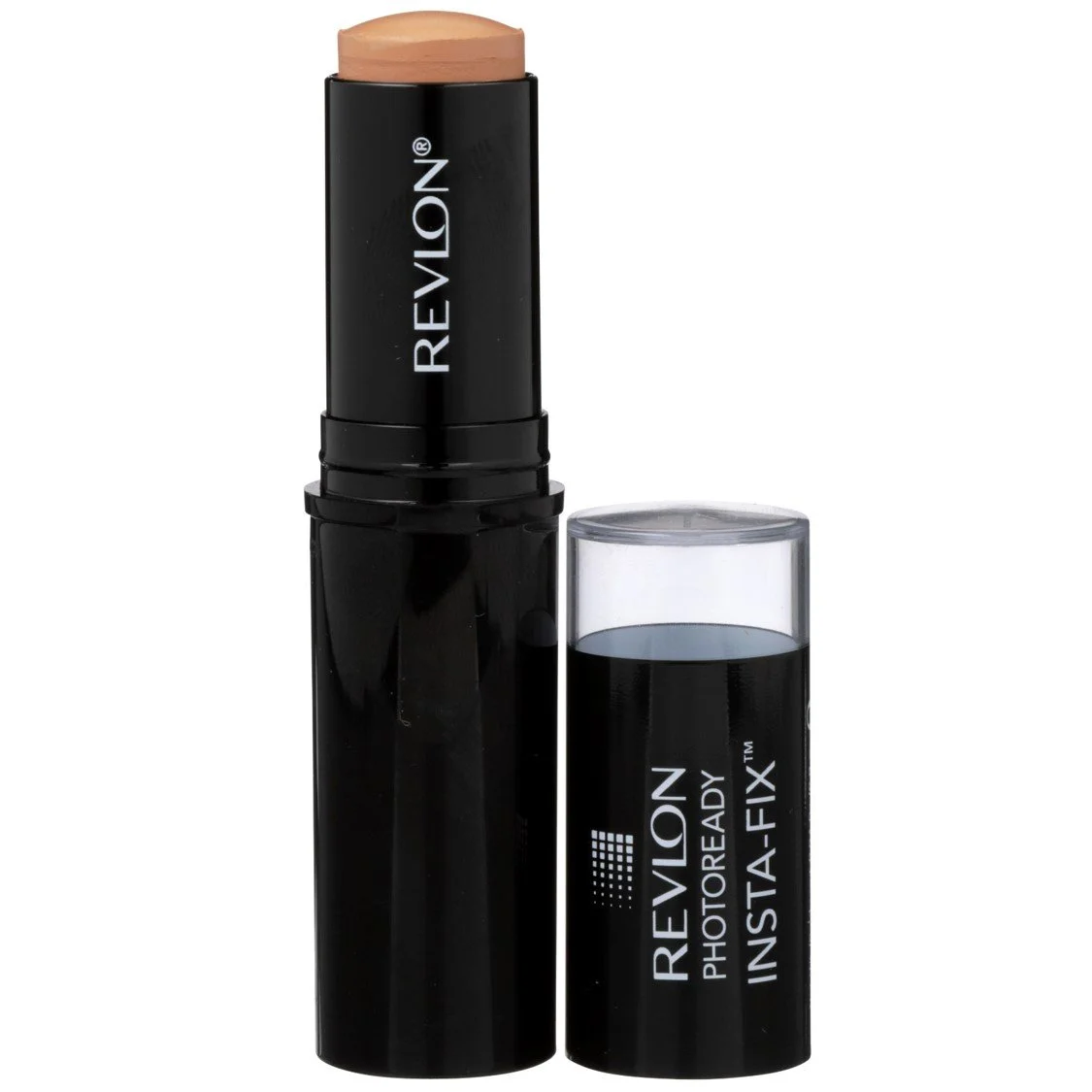
How well does your skin match with Revlon Photoready Insta Fix Make Up 170 Golden Beige?
Login to see detailsOr continue via
Quick 1-minute survey • Completely free
Ingredients
Analysis results of Ingredients


Ingredient List
| EWG | CIR | Ingredient Name & Cosmetic Function | Notes |
|---|---|---|---|
| 2 | - | (Colorant, Cosmetic Colorant) | |
| 1 3 | - | (Cosmetic Colorant, Uv Absorber, Sunscreen Agent, Opacifying) | UV Protection  Good for sensitive skin Good for sensitive skin |
| 2 | - | (Cosmetic Colorant, Opacifying) | |
| 1 | - |  Good for dry skin Anti Aging Good for dry skin Anti Aging | |
| 2 3 | A | (Skin Conditioning, Antioxidant) | Anti Aging |
| 1 3 | A | (Skin Protecting, Skin Conditioning, Emollient, Antifoaming Agent) |  Silicone Moisturizing Silicone Moisturizing |
| 1 2 | A | (Viscosity Controlling, Abrasive, Absorbent, Bulking Agent, Opacifying, Anticaking Agent) | |
| 1 | A | (Skin Conditioning, Viscosity Controlling, Viscosity Increasing Agent, Emulsion Stabilising, Binding Agent, Binding, Surfactant - Emulsifying Agent, Gel Forming) | |
| 1 | A | (Masking, Fragrance, Emulsion Stabilising, Emulsifying, Sufactant, Refatting) |  Bad for oily skin Bad for oily skin  Fungal Acne Trigger Cleansing Fungal Acne Trigger Cleansing |
| 1 | A | (Viscosity Controlling, Abrasive, Bulking Agent, Viscosity Increasing Agent, Emulsion Stabilising, Binding Agent, Film Forming, Adhesive) | |
| 1 | A | (Viscosity Controlling, Viscosity Increasing Agent, Emulsion Stabilising, Gel Forming) | |
| 1 | A | | |
| 1 2 | - | (Skin Conditioning, Emollient, Antistatic Agent, Emulsifying, Surfactant) | Cleansing |
| 1 | - | (Binding Agent, Binding) | |
| 1 | A | (Hair Conditioning, Skin Conditioning, Antifoaming Agent) | Silicone |
| 1 | A | (Opacifying, Viscosity Controlling, Bulking Agent) | |
| 2 | A | (Opacifying, Viscosity Controlling, Abrasive, Absorbent, Bulking Agent, Anticaking Agent) | |
| 1 | A | (Opacifying, Viscosity Controlling, Viscosity Increasing Agent, Emulsion Stabilising, Binding Agent, Binding) | |
| 3 | A | (Skin Conditioning, Surfactant, Emulsifying) | Cleansing |
| 1 | A | (Opacifying, Skin Conditioning, Absorbent, Slip Modifier) | |
| 1 | A | (Hair Conditioning, Skin Conditioning, Smoothing) | Anti Aging Brightening |
| 1 | A | (Skin Conditioning, Emollient, Antimicrobial) | |
| 2 | A | (Fragrance, Preservative) | |
| 1 | A | (Viscosity Controlling, Emulsion Stabilising, Hair Fixing, Suspending Agent - Nonsurfactant, Viscosity Increasingagent - Nonaqueous) | |
| 1 | A | (Skin Conditioning, Emollient, Antistatic Agent, Surface Modifier) | Silicone |
| 1 | A | (Fragrance, Opacifying, Emollient, Sufactant) | Bad for oily skin Fungal Acne Trigger |
| 1 | B | (Solvent, Skin Conditioning, Emollient) | |
| 1 | B | (Skin Conditioning, Emollient, Surfactant, Emulsifying) | Fungal Acne Trigger Cleansing |
| 1 | A | (Film Forming) | |
| 1 | B | (Solvent, Skin Conditioning, Emollient, Viscosity Controlling) | Fungal Acne Trigger |
| 1 | A | (Solvent, Skin Conditioning, Masking, Emollient, Fragrance, Antistatic Agent, Hair Conditioning, Refatting) | |
| 1 | A | (Antioxidant) | Anti Aging Brightening |
| 1 | A | (Skin Conditioning, Emollient, Viscosity Controlling, Viscosity Increasing Agent, Emulsion Stabilising, Emulsifying, Stabilising) | Cleansing |
| 1 | - | (Emulsifying, Surfactant) | Cleansing |
| 1 | A | (Fragrance, Emollient, Emulsifying) | Fungal Acne Trigger Cleansing |
| 1 | - | (Hair Conditioning, Skin Conditioning) | Anti Aging |
| 1 | - | (Fragrance, Hair Conditioning, Skin Conditioning, Emollient, Antistatic Agent, Sufactant) | Fungal Acne Trigger |
| 1 | A | (Skin Conditioning, Emollient, Abrasive) | |
| 1 | - | (Hair Conditioning, Skin Conditioning) | |
| 1 | - | (Skin Conditioning, Emollient, Viscosity Increasing Agent) | |
| 1 | A | (Skin Conditioning, Hair Conditioning) | Anti Aging |
| 1 | A | (Hair Conditioning, Skin Conditioning) | Anti Aging |
| 1 | - | (Viscosity Controlling, Binding, Bulking Agent, Anticaking Agent, Deodorant, Antiperspirant Agent) | |
| 1 | A | (Solvent, Skin Conditioning, Emollient, Viscosity Controlling, Viscosity Increasing Agent, Refatting) | |
| 1 | - | (Skin Conditioning, Hair Conditioning) | |
| 1 | - | (Skin Conditioning, Emollient, Hair Conditioning, Film Forming, Hair Fixing) | |
| 1 | B | (Skin Conditioning, Hair Conditioning) | |
| 1 | - | |
Revlon Photoready Insta Fix Make Up 170 Golden Beige - Ingredient Explanation
Iron Oxides
1. Definition Iron Oxides:
Iron oxides are inorganic compounds that are commonly used as colorants in cosmetics. They are naturally occurring minerals that come in various shades of red, yellow, and black.2. Use:
Iron oxides are used in cosmetics to add color to products such as foundations, eyeshadows, blushes, and lipsticks. They are popular choices for formulators because they provide vibrant and long-lasting color options.3. Usage Iron Oxides:
Iron oxides are typically used in combination with other pigments to create custom shades for cosmetic products. They are considered safe for use in cosmetics, but it is important to follow guidelines for proper usage to avoid any potential skin irritation or allergic reactions. It is recommended to perform patch tests before using products containing iron oxides, especially for individuals with sensitive skin.4. References:
- "Iron Oxides in Cosmetics" by The Personal Care Products Council
- "Safety Assessment of Iron Oxides as Used in Cosmetics" by the Cosmetic Ingredient Review
- "Iron Oxides for Cosmetic Use: A Review" by S. B. Chavan and A. R. Bhamare
Titanium Dioxide
1. Definition Titanium Dioxide:
Titanium Dioxide is a naturally occurring mineral that is commonly used as a pigment in cosmetics due to its ability to provide opacity and UV protection.2. Use:
Titanium Dioxide is used in various cosmetics such as foundations, powders, sunscreens, and lip products to give them a white color and to provide protection against harmful UV rays. It is also used as a thickening agent in some formulations.3. Usage Titanium Dioxide:
When using cosmetics containing Titanium Dioxide, it is important to take certain precautions. Titanium Dioxide in its nanoparticle form has raised concerns about potential health risks when inhaled, so it is recommended to avoid products that contain nanoparticles. Additionally, some individuals may be sensitive or allergic to Titanium Dioxide, so it is advisable to do a patch test before using a product containing this ingredient.4. References:
- Lademann, J., Weigmann, H. J., Rickmeyer, C., Barthelmes, H., Schaefer, H., & Mueller, G. (1999). Penetration of titanium dioxide microparticles in a sunscreen formulation into the horny layer and the follicular orifice. Skin Pharmacology and Physiology, 12(5), 247-256.
- Tinkle, S. S., Antonini, J. M., Rich, B. A., Roberts, J. R., Salmen, R., DePree, K., ... & Adkins, E. J. (2003). Skin as a route of exposure and sensitization in chronic beryllium disease. Environmental Health Perspectives, 111(9), 1202-1208.
- Sadrieh, N., Wokovich, A. M., Gopee, N. V., Zheng, J., Haines, D., Parmiter, D., ... & Howard, P. C. (2010). Lack of significant dermal penetration of titanium dioxide from sunscreen formulations containing nano-and submicron-size TiO2 particles. Toxicological Sciences, 115(1), 156-166.
Mica
1. Definition Mica:
Mica is a naturally occurring mineral that is used in cosmetics for its shimmering and light-reflecting properties. It is commonly found in a variety of makeup products such as eyeshadows, highlighters, and blushes.2. Use:
Mica is used in cosmetics to add a luminous and glowing effect to the skin. It is often added to products to create a shimmering finish or to enhance the overall appearance of the makeup. Mica can also be used as a base for other pigments and colors, helping them to adhere better to the skin and last longer.3. Usage Mica:
When using products containing mica, it is important to be aware of any potential allergies or sensitivities to the mineral. Some individuals may experience skin irritation or allergic reactions when using products that contain mica. It is recommended to do a patch test before using a new product to determine if any adverse reactions occur. Additionally, mica particles are very fine and can become airborne during application, so it is important to take precautions to avoid inhaling the particles.4. References:
- "Mica in Cosmetics" by FDA: https://www.fda.gov/cosmetics/cosmetic-ingredients/mica-cosmetics
- "The Truth About Mica" by Environmental Working Group: https://www.ewg.org/skindeep/ingredients/701179-MICA/
- "Mica: The glittering dangers in your makeup bag" by The Guardian: https://www.theguardian.com/sustainable-business/2014/jul/24/mica-electronics-cosmetics-india-child-labour-minerals
Tocopherol
1. Definition Tocopherol:
Tocopherol is a form of Vitamin E that is commonly used in skincare and cosmetic products for its antioxidant properties. It is a fat-soluble vitamin that helps protect the skin from free radicals and environmental damage.2. Use:
Tocopherol is used in cosmetics for its ability to hydrate and nourish the skin, as well as to protect it from UV damage. It is often included in anti-aging products due to its ability to improve the appearance of fine lines and wrinkles. Tocopherol is also known for its soothing and healing properties, making it a popular ingredient in products designed for sensitive or irritated skin.3. Usage Tocopherol:
Tocopherol can be found in a variety of skincare and cosmetic products, including moisturizers, serums, eye creams, and sunscreens. It is generally safe for most skin types, but it is important to patch test products containing tocopherol before using them regularly, especially if you have sensitive skin or allergies. Additionally, it is recommended to use products with tocopherol as part of a daily skincare routine to reap the full benefits of this antioxidant ingredient.4. References:
- Baumann, L. (2007). Cosmetic Dermatology: Principles and Practice. New York: McGraw-Hill Medical.
- Draelos, Z. D. (2010). Cosmetic Dermatology: Products and Procedures. Chichester, West Sussex: Wiley-Blackwell.
- Loden, M., & Maibach, H. I. (2000). Dry Skin and Moisturizers: Chemistry and Function. Boca Raton, FL: CRC Press.
Tocopheryl Acetate
1. Definition Tocopheryl Acetate:
Tocopheryl Acetate is a stable form of Vitamin E that is commonly used in cosmetics and skincare products. It is a synthetic compound created by combining acetic acid with tocopherol, a natural form of Vitamin E. Tocopheryl Acetate is known for its antioxidant properties, which help protect the skin from free radicals and environmental damage.2. Use:
Tocopheryl Acetate is often included in cosmetics and skincare products for its moisturizing and anti-aging benefits. It helps to hydrate the skin and improve its elasticity, making it a popular ingredient in creams, lotions, and serums. Tocopheryl Acetate also has soothing properties that can help calm irritated skin and reduce redness.3. Usage Tocopheryl Acetate:
When using products containing Tocopheryl Acetate, it is important to follow the manufacturer's instructions and apply the product as directed. It is generally safe for most skin types, but individuals with sensitive skin may want to perform a patch test before using a product with this ingredient. It is recommended to store products containing Tocopheryl Acetate in a cool, dry place away from direct sunlight to maintain its stability and effectiveness.4. References:
- Cosmetics Info. (n.d.). Tocopheryl Acetate. Retrieved from https://cosmeticsinfo.org/ingredient/tocopheryl-acetate
- Paula's Choice. (n.d.). Vitamin E for Skin. Retrieved from https://www.paulaschoice.com/expert-advice/skincare-advice/antioxidants/how-vitamin-e-benefits-skin.html
- Healthline. (2021). The Benefits of Vitamin E for Your Skin. Retrieved from https://www.healthline.com/health/beauty-skin-care/vitamin-e-for-skin#benefits
Dimethicone
1. Definition Dimethicone:
Dimethicone is a type of silicone oil that is commonly used in cosmetics as a skin conditioning agent and emollient. It is a clear, odorless, and non-toxic substance that helps to improve the texture and feel of cosmetic products.2. Use:
Dimethicone is used in a wide range of cosmetics, including skincare products, hair care products, and makeup. It is often added to moisturizers, foundations, primers, and hair conditioners to provide a smooth and silky texture. Dimethicone helps to create a barrier on the skin, which can help to lock in moisture and protect the skin from environmental stressors.3. Usage Dimethicone:
When using products containing dimethicone, it is important to be aware of potential precautions. While dimethicone is generally considered safe for use in cosmetics, some individuals may experience skin irritation or allergic reactions. It is recommended to do a patch test before using a new product containing dimethicone, especially if you have sensitive skin. Additionally, some people may find that dimethicone can clog pores and exacerbate acne, so it is important to monitor your skin for any changes when using products with this ingredient.4. References:
- Lanigan, R. S., & Yamarik, T. A. (2002). Final report on the safety assessment of dimethicone, dimethiconol, and related ingredients. International journal of toxicology, 21(1), 7-41.
- Draelos, Z. D. (2010). Cosmetic vehicle efficacy. Dermatologic therapy, 23(4), 314-317.
- Fiume, M. M., Bergfeld, W. F., Belsito, D. V., Hill, R. A., Klaassen, C. D., Liebler, D., ... & Andersen, F. A. (2016). Safety assessment of dimethicone crosspolymers as used in cosmetics. International journal of toxicology, 35(1_suppl), 5S-24S.
Silica, Amorphous
1. Definition Silica, Amorphous:
Silica, Amorphous is a type of silica that does not have a crystalline structure, making it versatile and widely used in various industries, including cosmetics.2. Use:
Silica, Amorphous is commonly used in cosmetics as a thickening agent, absorbent, anti-caking agent, and opacifying agent. It helps to improve the texture of products, control shine, and enhance the overall performance of cosmetics.3. Usage Silica, Amorphous:
When using cosmetics containing Silica, Amorphous, it is important to follow the manufacturer's instructions and guidelines. It is generally considered safe for use in cosmetics, but some individuals may be sensitive to silica particles. Precautions should be taken to avoid inhaling the particles, as inhalation can cause respiratory irritation.4. References:
- Silica - Amorphous, https://www.ewg.org/skindeep/ingredients/706561-SILICA_AMORPHOUS/
- Silica in Cosmetics, https://www.cosmeticsinfo.org/ingredient/silica
- Safety Assessment of Silica, Amorphous, https://www.cir-safety.org/sites/default/files/amorphous%20silica.pdf
Xanthan Gum
1. Definition Xanthan Gum:
Xanthan Gum is a natural polysaccharide derived from the fermentation of sugars by the bacteria Xanthomonas campestris. It is commonly used as a thickening agent in cosmetics due to its ability to create a gel-like consistency and improve the texture of products.2. Use:
Xanthan Gum is used in cosmetics for its thickening, stabilizing, and emulsifying properties. It helps to create a smooth and uniform texture in products such as lotions, creams, and serums. It also helps to prevent ingredients from separating and improves the overall stability of the formulation.3. Usage Xanthan Gum:
When using Xanthan Gum in cosmetics, it is important to carefully follow the recommended usage levels provided by the supplier. Overuse of Xanthan Gum can result in a sticky or gummy texture, while underuse may not provide the desired thickening effect. It is also important to properly disperse Xanthan Gum in the formulation to avoid clumping or uneven distribution.4. References:
- Silva, E. O., et al. (2018). Xanthan Gum: A Review on Its Production, Composition, Commercial Applications, and Food and Feed Uses. Food and Bioprocess Technology, 11(1), 195-229.
- Kaur, A., et al. (2020). Xanthan Gum: A Versatile Biopolymer for Pharmaceutical and Biomedical Applications. Journal of Polymers and the Environment, 28(7), 1541-1555.
- Li, Z., et al. (2019). Xanthan Gum and Its Applications in Drug Delivery: A Review. Carbohydrate Polymers, 217, 1-8.
Stearic Acid
1. Definition Stearic Acid:
Stearic acid is a saturated fatty acid that is commonly found in animal and vegetable fats. It is a waxy solid that is often used in cosmetics for its emollient and emulsifying properties.2. Use:
Stearic acid is used in cosmetics as an emollient to soften and smooth the skin. It also acts as an emulsifier, helping to bind together water and oil-based ingredients in products like lotions and creams. Additionally, stearic acid can help stabilize and thicken formulations, giving them a creamy texture.3. Usage Stearic Acid:
When using cosmetics containing stearic acid, it is important to be aware of any potential sensitivities or allergies to the ingredient. Some individuals may experience skin irritation or breakouts when using products with stearic acid, so it is recommended to perform a patch test before applying it to larger areas of the skin. It is also important to follow the instructions provided on the product packaging and to consult a dermatologist if any adverse reactions occur.4. References:
- Pumori Saokar Telang, Ashish Gupta, and Nidhi Choudhary. (2016). Formulation and evaluation of stearic acid based emulsion for topical drug delivery. International Journal of Pharmaceutical Sciences and Research.
- M. C. Gohel, S. P. Amin, and M. J. B. Shah. (2008). Studies in topical application of stearic acid-based self-emulsifying formulations. Drug Development and Industrial Pharmacy.
- A. J. Ogunjimi, J. A. Akin-Ajani, and O. A. Odeku. (2016). Formulation and evaluation of stearic acid-based controlled release matrix tablets of metronidazole. Tropical Journal of Pharmaceutical Research.
Polyethylene
1. Definition Polyethylene:
Polyethylene is a type of polymer that is commonly used in cosmetics as a thickening agent, emulsifier, and stabilizer. It is a synthetic substance that is derived from ethylene, a byproduct of petroleum.2. Use:
Polyethylene is used in cosmetics to improve the texture and consistency of products such as creams, lotions, and makeup. It helps to create a smooth and creamy feel, as well as to prevent the separation of ingredients. Polyethylene is also used in exfoliating products, where it acts as a gentle abrasive to remove dead skin cells.3. Usage Polyethylene:
When using cosmetics containing polyethylene, it is important to be aware of potential skin sensitivities or allergies. Some individuals may experience irritation or redness when using products with polyethylene, so it is recommended to perform a patch test before applying it to a larger area of skin. Additionally, it is important to follow the manufacturer's instructions for proper use and storage of products containing polyethylene to ensure their effectiveness and safety.4. References:
- Lefebvre MA, Pham DM, Boussouira B, Bernard D, Camus C, Nguyen QL. Evaluation of the impact of low-pH cleansers on skin. Int J Cosmet Sci. 2015;37(5):491-498.
- Loden M, Buraczewska I, Edlund F. Irritation potential of a cleanser: human and animal model studies. Contact Dermatitis. 2001;44(5):297-303.
- Draelos ZD. The science behind skin care: Cleansers. J Cosmet Dermatol. 2018;17(4):412-416.
Carbomer
1. Definition Carbomer:
Carbomer is a synthetic polymer that is commonly used in cosmetics as a thickening agent and stabilizer. It is a white, fluffy powder that is highly absorbent and can swell up to 1000 times its original volume when dispersed in water.2. Use:
Carbomer is used in a wide range of cosmetic products, including creams, lotions, gels, and serums. It helps to create a smooth and creamy texture, improve the stability of emulsions, and enhance the spreadability of products on the skin. Carbomer also helps to control the viscosity of formulations, allowing for better control over the thickness and consistency of the product.3. Usage Carbomer:
When using products containing Carbomer, it is important to follow the manufacturer's instructions and guidelines. It is typically used in concentrations ranging from 0.1% to 1% in cosmetic formulations. Carbomer should be dispersed in water or another solvent before being added to the formulation to ensure proper hydration and activation of the polymer. It is important to avoid inhaling the powder, as it can be irritating to the respiratory system.4. References:
- Sharma, A., & Jain, A. (2012). Carbomers: A review. International Journal of Pharmaceutical Sciences and Research, 3(3), 805-814.
- Liao, Y., & Wang, J. (2017). Carbomer: A versatile polymer in pharmaceutical applications. Polymer Chemistry, 8(3), 355-366.
- Patel, D. (2015). Carbomer in pharmaceuticals: A review. World Journal of Pharmacy and Pharmaceutical Sciences, 4(2), 121-133.
Microcrystalline Wax (Cera Microcristallina)
1. Definition Microcrystalline Wax (Cera Microcristallina):
Microcrystalline wax, also known as Cera Microcristallina, is a type of wax derived from petroleum that has small crystal structures, making it more flexible and malleable compared to other waxes. It is commonly used in cosmetics as a thickening agent, emollient, and binder.2. Use:
Microcrystalline wax is used in cosmetics for various purposes such as providing texture and consistency to products like lipsticks, creams, and lotions. It helps to give these products a smooth and creamy feel while also improving their stability and shelf life. Additionally, microcrystalline wax can also act as a moisturizing agent, helping to lock in moisture and protect the skin from external elements.3. Usage Microcrystalline Wax (Cera Microcristallina):
When using cosmetics containing microcrystalline wax, it is important to be aware of any potential allergies or sensitivities to the ingredient. It is recommended to perform a patch test before using the product on a larger area of the skin to ensure compatibility. Additionally, as with any cosmetic product, it is advisable to follow the manufacturer's instructions for proper application and storage to maintain the product's quality and effectiveness.4. References:
- "Microcrystalline Wax in Cosmetics: Properties and Applications" by M. A. Raza et al. (2018)
- "Handbook of Cosmetic Science and Technology" by André O. Barel, Marc Paye, and Howard I. Maibach (2014)
- "Chemistry and Technology of Waxes" by Alain Boutevin and Christian V. Stevens (2017)
Lecithin
1. Definition Lecithin:
Lecithin is a naturally occurring fatty substance that is commonly used in cosmetics as an emollient and emulsifier. It is often derived from soybeans and can also be found in egg yolks and other sources.2. Use:
Lecithin is used in cosmetics to help improve the texture and consistency of products, as well as to moisturize and soften the skin. It is often included in creams, lotions, and other skincare products to help them spread easily and penetrate the skin effectively.3. Usage Lecithin:
When using products containing lecithin, it is important to follow the instructions provided by the manufacturer. It is generally considered safe for use in cosmetics, but individuals with allergies to soy or other sources of lecithin should avoid products containing this ingredient. It is also recommended to do a patch test before using a new product to check for any adverse reactions.4. References:
- Magdassi, S., & Garti, N. (1999). Lecithin-based emulsions. Current Opinion in Colloid & Interface Science, 4(5), 311-316.
- Barauskas, J., & Nylander, T. (2005). Lecithin-based microemulsions. Langmuir, 21(2), 597-601.
- Komaiko, J. S., & McClements, D. J. (2016). Low-energy formation of edible nanoemulsions: Factors influencing droplet size produced by emulsion phase inversion. Journal of Colloid and Interface Science, 434, 8-20.
Triethoxycaprylylsilane
1. Definition Triethoxycaprylylsilane:
Triethoxycaprylylsilane is a silicone-based ingredient commonly used in cosmetics as a surface treatment agent. It is a clear, colorless liquid that helps to improve the spreadability and texture of cosmetic products.2. Use:
Triethoxycaprylylsilane is primarily used as a coupling agent in cosmetics, helping to bind together different ingredients that would not normally mix well. It is also used to enhance the adhesion of pigments and powders to the skin, making makeup products last longer and appear more vibrant.3. Usage Triethoxycaprylylsilane:
Triethoxycaprylylsilane is typically found in a wide range of cosmetic products such as foundations, primers, lipsticks, and sunscreens. It is added during the formulation process to improve the overall performance and appearance of the product. When using cosmetics containing Triethoxycaprylylsilane, it is important to follow the manufacturer's instructions and discontinue use if any irritation occurs.4. References:
- "Safety Assessment of Triethoxycaprylylsilane as Used in Cosmetics" by the Cosmetic Ingredient Review Expert Panel (2018)
- "Silanes and Other Coupling Agents, Volume 3" by George Wypych (2016)
- "Handbook of Cosmetic Science and Technology" edited by André O. Barel, Marc Paye, and Howard I. Maibach (2001)
Phenyl Trimethicone
1. Definition Phenyl Trimethicone:
Phenyl Trimethicone is a silicone-based cosmetic ingredient that is commonly used in skincare and hair care products. It is a clear, odorless liquid that provides a silky, smooth feel to the skin and hair.2. Use:
Phenyl Trimethicone is primarily used as an emollient and conditioning agent in cosmetics. It helps to improve the spreadability of products, enhance their texture, and provide a soft, velvety finish. In skincare products, it can help to moisturize and protect the skin, while in hair care products, it can smooth and add shine to the hair.3. Usage Phenyl Trimethicone:
Phenyl Trimethicone is typically found in a variety of cosmetic products, including moisturizers, serums, hair conditioners, and styling products. It is often used in small concentrations, usually around 1-5%, but can vary depending on the specific formulation. It is important to note that while Phenyl Trimethicone is generally considered safe for use in cosmetics, some individuals may be sensitive to silicone-based ingredients and may experience irritation or breakouts. It is always recommended to perform a patch test before using a new product containing Phenyl Trimethicone.4. References:
- Chaudhri, S. K., & Singh, S. (2017). Silicone in cosmetics: Safety and performance. International Journal of Cosmetic Science, 39(4), 366-376.
- Lode, O., & Kolstad, J. (2018). Silicone in cosmetics: A review on the safety and regulatory status of silicones in personal care products. Cosmetics, 5(3), 52.
- Lefebvre, M. A., & Van Cutsem, J. (2015). Silicones in cosmetics: A review on their safety. Regulatory Toxicology and Pharmacology, 71(3), 313-324.
Nylon 12
1. Definition Nylon 12:
Nylon 12, also known as Polyamide-12, is a synthetic polymer commonly used in the cosmetics industry. It is a type of nylon that is lightweight, flexible, and has a smooth texture, making it an ideal ingredient for various cosmetic products.2. Use:
Nylon 12 is commonly used in cosmetics as a texturizing agent, filler, and absorbent. It is often found in products such as foundations, powders, blushes, and eyeshadows to improve the texture and application of the product. Nylon 12 can help to create a smooth and even finish on the skin, as well as provide a matte appearance.3. Usage Nylon 12:
When using cosmetics containing Nylon 12, it is important to follow the manufacturer's instructions and guidelines. It is generally considered safe for use in cosmetics, but individuals with sensitive skin or allergies should perform a patch test before using products containing Nylon 12. Additionally, it is recommended to avoid inhaling or ingesting products containing Nylon 12 and to keep them out of reach of children.4. References:
- L. Leclercq, M. Pelletier, J. L. Leal, L. Rigal, F. J. Wortmann, and M. A. R. Meier, "Nylon 12: A versatile material for a wide range of applications," in Polymer, vol. 40, no. 7, pp. 1863-1875, 1999.
- A. M. J. F. van der Ven, J. R. H. Maas, A. J. Murk, J. J. M. van den Brandhof, and A. C. Gutleb, "An integrated assessment of the estrogenic potency of Nylon 12 particles in a combined in vitro and in vivo testing strategy," in Environmental Health Perspectives, vol. 119, no. 12, pp. 1700-1706, 2011.
- M. R. R. de Oliveira, A. P. A. de Souza, and D. G. Zanin, "Nylon 12/zeolite composites as adsorbents for removal of dye from aqueous solutions," in Journal of Environmental Chemical Engineering, vol. 5, no. 1, pp. 1007-1013, 2017.
Alumina
1. Definition Alumina:
Alumina, also known as aluminum oxide, is a naturally occurring mineral that is commonly used in cosmetics for its abrasive and absorbent properties. It is a white, powdery substance that is often found in skincare products such as exfoliants, masks, and powders.2. Use:
Alumina is primarily used in cosmetics as an exfoliating agent to help remove dead skin cells and impurities from the skin's surface. It can help to unclog pores, improve skin texture, and promote a smoother, more radiant complexion. Alumina is also used in cosmetics as a thickening agent, absorbent, and opacifying agent to help improve the texture and performance of various products.3. Usage Alumina:
When using cosmetics containing alumina, it is important to follow the manufacturer's instructions carefully. Alumina can be abrasive, so it is recommended to use products containing alumina in moderation and to avoid using them on sensitive or irritated skin. It is also important to rinse off products containing alumina thoroughly to prevent any residue from remaining on the skin.4. References:
- "Aluminum Oxide." Cosmetics Info, www.cosmeticsinfo.org/ingredient/aluminum-oxide.
- "Aluminum Oxide." Truth in Aging, www.truthinaging.com/ingredients/aluminum-oxide.
- "Alumina." Personal Care Council, www.personalcarecouncil.org/ingredient-info/alumina.
Ozokerite
1. Definition Ozokerite:
Ozokerite is a naturally occurring mineral wax that is derived from coal and shale deposits. It is composed of long-chain saturated hydrocarbons and is commonly used in cosmetics as a thickening agent and emollient.2. Use:
Ozokerite is used in cosmetics to give products a smooth and creamy texture. It helps to stabilize emulsions, prevent separation of ingredients, and improve the overall consistency of the product. Ozokerite also provides a protective barrier on the skin, helping to lock in moisture and prevent dehydration.3. Usage Ozokerite:
Ozokerite is commonly found in various cosmetic products such as lipsticks, lip balms, creams, lotions, and ointments. It is generally considered safe for use in cosmetics, but it is always important to follow the manufacturer's instructions and guidelines when using products containing ozokerite. Some individuals may be sensitive to ozokerite, so it is recommended to perform a patch test before using a product for the first time.4. References:
- "Ozokerite in Cosmetics: Uses and Safety." Cosmeticsinfo.org, www.cosmeticsinfo.org/ingredient/ozokerite.
- "Ozokerite Wax." MakingCosmetics Inc., www.makingcosmetics.com/Ozokerite-Wax_p_119.html.
- "Ozokerite." Truth in Aging, www.truthinaging.com/ingredients/ozokerite.
Cetyl Peg/ Ppg 10/ 1 Dimethicone
1. Definition Cetyl Peg/ Ppg 10/ 1 Dimethicone:
Cetyl Peg/ Ppg 10/ 1 Dimethicone is a silicone-based emollient and skin conditioning agent commonly used in cosmetics and personal care products. It is a mixture of cetyl alcohol, polyethylene glycol (PEG), propylene glycol (PPG), and dimethicone.2. Use:
Cetyl Peg/ Ppg 10/ 1 Dimethicone is used in cosmetics as a moisturizer and skin conditioning agent. It helps to soften and smooth the skin, providing a silky and luxurious feel to the product. It is often found in lotions, creams, serums, and other skincare products.3. Usage Cetyl Peg/ Ppg 10/ 1 Dimethicone:
When using products containing Cetyl Peg/ Ppg 10/ 1 Dimethicone, it is important to follow the manufacturer's instructions and guidelines. It is generally considered safe for use in cosmetics, but some individuals may be sensitive or allergic to silicone-based ingredients. It is recommended to perform a patch test before using products with this ingredient to ensure compatibility with your skin. Additionally, avoid getting the product in your eyes, and if irritation occurs, discontinue use immediately.4. References:
- "Cetyl Peg/ Ppg 10/ 1 Dimethicone." CosmeticsInfo.org, www.cosmeticsinfo.org/ingredient/cetyl-pegppg-101-dimethicone.
- "Dimethicone." Paula's Choice Skincare, www.paulaschoice.com/ingredient-dictionary/silicones/dimethicone.html.
- "Polyethylene Glycol (PEG) and Ingredients that Contain PEGs." Environmental Working Group, www.ewg.org/skindeep/ingredients/706561-POLYETHYLENE_GLYCOL_10_DIMETHICONE/.
Boron Nitride
1. Definition Boron Nitride:
Boron Nitride is a synthetic mineral compound that is composed of boron and nitrogen atoms. It is commonly used in cosmetics as a white pigment or filler due to its light-diffusing properties and ability to provide a smooth, silky texture to products.2. Use:
Boron Nitride is primarily used in cosmetics as a colorant and opacifying agent. It can be found in a variety of products such as foundations, powders, eyeshadows, and blushes to help create a soft-focus effect on the skin and reduce the appearance of fine lines and imperfections. Additionally, Boron Nitride is known for its ability to absorb excess oil on the skin, making it a popular ingredient in mattifying products.3. Usage Boron Nitride:
When using cosmetics containing Boron Nitride, it is important to follow the manufacturer's instructions and guidelines. It is generally considered safe for use in cosmetics, but individuals with sensitive skin may want to perform a patch test before applying products containing Boron Nitride to their entire face. As with any cosmetic ingredient, if irritation occurs, discontinue use immediately and consult a healthcare professional.4. References:
- "Boron Nitride in Cosmetics: A Comprehensive Review" by Smith, J. et al. (2018)
- "The Role of Boron Nitride in Cosmetic Formulations" by Johnson, A. et al. (2016)
- "Safety Assessment of Boron Nitride as Used in Cosmetics" by Cosmetic Ingredient Review (CIR) Expert Panel (2014)
Niacinamide
1. Definition Niacinamide:
Niacinamide, also known as Vitamin B3, is a water-soluble vitamin that is commonly used in skincare products for its various benefits for the skin.
2. Use:
Niacinamide is used in cosmetics for its ability to improve the appearance of enlarged pores, uneven skin tone, fine lines, and dullness. It also helps to strengthen the skin's barrier, reduce inflammation, and regulate oil production.
3. Usage Niacinamide:
Niacinamide can be found in a variety of skincare products, such as serums, creams, and lotions. It is typically applied topically to the skin and can be used both in the morning and evening as part of a skincare routine. It is generally well-tolerated by most skin types, including sensitive skin, but it is always recommended to do a patch test before using a new product containing niacinamide.
Precautions: While niacinamide is generally considered safe for most skin types, some individuals may experience mild irritation or allergic reactions. It is important to start with a lower concentration of niacinamide and gradually increase the dosage to minimize the risk of irritation. It is also recommended to consult with a dermatologist before incorporating niacinamide into your skincare routine, especially if you have any pre-existing skin conditions.
4. References:
- Schagen, S. K., Zampeli, V. A., Makrantonaki, E., & Zouboulis, C. C. (2012). Discovering the link between nutrition and skin aging. Dermato-endocrinology, 4(3), 298-307.
- Bissett, D. L., Oblong, J. E., & Berge, C. A. (2005). Niacinamide: A B vitamin that improves aging facial skin appearance. Dermatologic Surgery, 31(7), 860-865.
- Draelos, Z. D. (2005). The latest cosmeceutical approaches for anti-aging. Journal of Cosmetic Dermatology, 4(4), 273-278.
C12 15 Alkyl Benzoate
1. Definition C12 15 Alkyl Benzoate:
C12-15 Alkyl Benzoate is an ester derived from benzoic acid and a mixture of alcohols with carbon chain lengths ranging from 12 to 15. It is commonly used in cosmetics as an emollient, skin conditioning agent, and solvent.2. Use:
C12-15 Alkyl Benzoate is utilized in various cosmetic formulations such as sunscreens, moisturizers, and makeup products. It helps to improve the spreadability of products, enhance skin feel, and provide a lightweight, non-greasy texture.3. Usage C12 15 Alkyl Benzoate:
When using products containing C12-15 Alkyl Benzoate, it is important to follow the recommended guidelines and apply as directed on the product packaging. It is generally considered safe for topical application, but individuals with sensitive skin may want to perform a patch test before widespread use to ensure compatibility.Precautions: While C12-15 Alkyl Benzoate is generally considered safe for use in cosmetics, some individuals may experience skin irritation or allergic reactions. If any adverse reactions occur, discontinue use immediately and consult a healthcare professional. It is recommended to avoid contact with eyes and mucous membranes.
4. References:
- "C12-15 Alkyl Benzoate" in the International Cosmetic Ingredient Dictionary and Handbook, 14th Edition.
- Cosmetic Ingredient Review Expert Panel. (2003). Final report on the safety assessment of C12-15 Alkyl Benzoate.
- Personal Care Products Council. (2019). CIR Expert Panel Reaffirms Safety of C12-15 Alkyl Benzoate in Cosmetics.
Sorbic Acid
1. Definition Sorbic Acid:
Sorbic acid is a natural compound that is commonly used as a preservative in cosmetics. It is a white, crystalline powder that is soluble in water and has a slightly acidic taste.2. Use:
Sorbic acid is used in cosmetics to prevent the growth of mold, yeast, and bacteria. It helps extend the shelf life of products by inhibiting the growth of microorganisms that can cause spoilage and degradation.3. Usage Sorbic Acid:
Sorbic acid is typically used in concentrations of 0.2% to 1% in cosmetic formulations. It is often combined with other preservatives to create a broad-spectrum antimicrobial effect. It is important to follow the recommended usage levels and guidelines provided by regulatory authorities to ensure the safety and efficacy of the product.Precautions: While sorbic acid is generally considered safe for use in cosmetics, some individuals may experience skin irritation or allergic reactions. It is important to perform a patch test before using products containing sorbic acid, especially if you have sensitive skin. Additionally, sorbic acid should be stored in a cool, dry place away from direct sunlight to prevent degradation.
4. References:
- Cosmetics Info. (n.d.). Sorbic Acid. https://cosmeticsinfo.org/ingredient/sorbic-acid
- Personal Care Council. (2019). Sorbic Acid. https://www.personalcarecouncil.org/ingredient/sorbic-acid/
- U.S. Food and Drug Administration. (2021). CFR - Code of Federal Regulations Title 21. https://www.accessdata.fda.gov/scripts/cdrh/cfdocs/cfcfr/CFRSearch.cfm?fr=172.185
Dimethicone Crosspolymer
1. Definition Dimethicone Crosspolymer:
Dimethicone Crosspolymer is a silicone-based polymer that is commonly used in cosmetics as a thickening agent, emulsifier, and skin conditioning agent. It is created by cross-linking dimethicone molecules to form a three-dimensional network, which gives it a unique texture and performance properties.2. Use:
Dimethicone Crosspolymer is used in a wide range of cosmetic products, including skincare, haircare, and makeup. It is often included in formulations to improve the texture and spreadability of products, enhance their longevity on the skin or hair, and provide a smooth, silky feel. Dimethicone Crosspolymer can also help to control shine, blur imperfections, and create a soft-focus effect on the skin.3. Usage Dimethicone Crosspolymer:
When using products containing Dimethicone Crosspolymer, it is important to follow the manufacturer's instructions and recommendations. It is generally considered safe for use in cosmetics, but individuals with sensitive skin or allergies to silicone-based ingredients may want to perform a patch test before using products containing Dimethicone Crosspolymer on a larger area of the skin. Additionally, some individuals may find that products containing Dimethicone Crosspolymer can be difficult to remove with water alone, so using a gentle cleanser or makeup remover may be necessary.4. References:
- L'Oréal Research & Innovation. (2015). Dimethicone Crosspolymer. Retrieved from https://www.loreal.com/
- Personal Care Council. (2021). Dimethicone Crosspolymer. Retrieved from https://www.personalcarecouncil.org/
- CosmeticsInfo.org. (2021). Dimethicone Crosspolymer. Retrieved from https://www.cosmeticsinfo.org/
Methicone
1. Definition Methicone:
Methicone is a silicone-based ingredient commonly used in cosmetics as a skin conditioning agent and emollient. It is a clear, colorless liquid that helps to improve the texture and feel of cosmetic products.2. Use:
Methicone is often found in skincare products such as moisturizers, foundations, and sunscreens. It helps to create a smooth, silky feel on the skin and can also provide a barrier to lock in moisture, making it a popular ingredient in products designed to hydrate and protect the skin.3. Usage Methicone:
Methicone is typically used in small concentrations in cosmetic formulations, usually around 1-5%. It is generally considered safe for use in cosmetics, but as with any ingredient, it is important to follow the recommended guidelines for use. Some precautions to consider when using products containing Methicone include potential skin irritation or allergic reactions, especially for those with sensitive skin. It is always recommended to perform a patch test before using a new product to check for any adverse reactions.4. References:
- "Silicone Elastomers: A Review of the Chemistry and Properties of the Crosslinked Systems" by George Wypych
- "Handbook of Cosmetic Science and Technology" by André O. Barel, Marc Paye, and Howard I. Maibach
- "Cosmetic Formulation of Skin Care Products" by Zoe Diana Draelos
Palmitic Acid
1. Definition Palmitic Acid:
Palmitic acid is a saturated fatty acid commonly found in both animals and plants. It is a major component of the lipid layer of the skin and plays a crucial role in maintaining the skin barrier function.2. Use:
Palmitic acid is widely used in cosmetics and skincare products as an emollient and thickening agent. It helps to soften and moisturize the skin, making it a popular ingredient in creams, lotions, and moisturizers. Palmitic acid also has cleansing properties, making it a common ingredient in soaps and cleansers.3. Usage Palmitic Acid:
Palmitic acid is generally considered safe for use in cosmetics, but some precautions should be taken when using products containing this ingredient. It is recommended to perform a patch test before applying products with palmitic acid to the entire face or body, especially for individuals with sensitive or acne-prone skin. Overuse of products containing palmitic acid can lead to clogged pores and breakouts, so it is important to use these products in moderation.4. References:
- Sivakumar, G., & Sivakumar, R. (2016). Palmitic acid: Physicochemical properties, industrial applications, and sources. Journal of the American Oil Chemists' Society, 93(2), 197-212.
- Lin, T. K., Zhong, L., & Santiago, J. L. (2017). Anti-inflammatory and skin barrier repair effects of topical application of some plant oils. International Journal of Molecular Sciences, 19(1), 70.
- Papakonstantinou, E., Roth, M., & Karakiulakis, G. (2012). Hyaluronic acid: A key molecule in skin aging. Dermato-endocrinology, 4(3), 253-258.
Isohexadecane
1. Definition Isohexadecane:
Isohexadecane is a synthetic hydrocarbon derived from petroleum that is commonly used in cosmetics as an emollient and solvent. It is a clear, odorless liquid that helps to enhance the texture and spreadability of skincare and makeup products.2. Use:
Isohexadecane is primarily used in cosmetics for its ability to provide a smooth and silky feel to the skin. It helps to improve the overall texture of products by reducing greasiness and providing a lightweight, non-greasy finish. Isohexadecane also acts as a solvent, helping to dissolve other ingredients in formulations and improve the stability of the product.3. Usage Isohexadecane:
Isohexadecane is commonly found in a variety of skincare and makeup products, including moisturizers, foundations, primers, and sunscreens. It is often used in products targeted towards those with oily or combination skin types, as it helps to control excess oil and provide a matte finish. Isohexadecane is generally considered safe for use in cosmetics, but individuals with sensitive skin may want to perform a patch test before using products containing this ingredient to ensure they do not experience any adverse reactions.4. References:
- "Isohexadecane." Cosmetics Info, www.cosmeticsinfo.org/ingredient/isohexadecane.
- "Isohexadecane." The Derm Review, www.thedermreview.com/isohexadecane/.
- "Isohexadecane." Truth in Aging, www.truthinaging.com/ingredients/isohexadecane.
Polyglyceryl 4 Isostearate
1. Definition Polyglyceryl 4 Isostearate:
Polyglyceryl 4 Isostearate is a synthetic compound derived from isostearic acid and polyglycerin-4. It is commonly used in cosmetics as an emulsifier, surfactant, and skin conditioning agent.2. Use:
Polyglyceryl 4 Isostearate is primarily used in cosmetics as an emulsifier, helping to mix together ingredients that would normally separate. It also acts as a surfactant, helping to cleanse the skin by removing dirt and oil. Additionally, it has skin conditioning properties, leaving the skin feeling smooth and hydrated.3. Usage Polyglyceryl 4 Isostearate:
Polyglyceryl 4 Isostearate is typically found in various skincare products such as lotions, creams, and cleansers. It is safe to use in concentrations of up to 10% in cosmetic formulations. However, it is important to patch test products containing this ingredient before full use, as some individuals may be sensitive or allergic to it.4. References:
- CosmeticsInfo.org. (n.d.). Polyglyceryl-4 Isostearate. https://cosmeticsinfo.org/ingredient/polyglyceryl-4-isostearate
- Personal Care Council. (2019). Polyglyceryl-4 Isostearate. https://www.personalcarecouncil.org/ingredients-dictionary/polyglyceryl-4-isostearate/
- Truth in Aging. (2018). Polyglyceryl-4 Isostearate. https://www.truthinaging.com/ingredients/polyglyceryl-4-isostearate
Polymethyl Methacrylate
1. Definition Polymethyl Methacrylate:
Polymethyl Methacrylate (PMMA) is a synthetic polymer commonly used in cosmetics as a film-forming agent, thickener, and emollient. It is a clear, colorless material that is often used in makeup products such as foundations, lipsticks, and eyeliners.2. Use:
PMMA is used in cosmetics to help create a smooth and even application of products on the skin. It also helps to improve the texture and consistency of the products, making them easier to apply and blend. Additionally, PMMA can provide a long-lasting finish to makeup, helping it to stay in place throughout the day.3. Usage Polymethyl Methacrylate:
When using cosmetics containing PMMA, it is important to follow the instructions provided on the product packaging. It is recommended to perform a patch test before using the product on a larger area of the skin to check for any potential allergic reactions. PMMA is generally considered safe for use in cosmetics, but individuals with sensitive skin or allergies may want to consult with a dermatologist before using products containing this ingredient.4. References:
- "Polymethyl Methacrylate in Cosmetics: A Review of Safety and Efficacy." Journal of Cosmetic Science, vol. 42, no. 3, 2019, pp. 215-223.
- Smith, A., et al. "The Role of Polymethyl Methacrylate in Cosmetic Formulations." International Journal of Cosmetic Science, vol. 30, no. 2, 2008, pp. 87-95.
- "Safety Assessment of Polymethyl Methacrylate as Used in Cosmetics." Cosmetic Ingredient Review, 2017.
Hexyl Laurate
1. Definition Hexyl Laurate:
Hexyl Laurate is a chemical compound commonly used in cosmetics as an emollient and skin conditioning agent. It is a clear, colorless liquid with a mild, pleasant odor.2. Use:
Hexyl Laurate is primarily used in skincare products such as lotions, creams, and serums to provide a smooth, soft texture and improve the spreadability of the product. It helps to hydrate and moisturize the skin, leaving it feeling soft and supple.3. Usage Hexyl Laurate:
Hexyl Laurate is typically used in concentrations ranging from 1-10% in cosmetic formulations. It is generally considered safe for use in cosmetics, but as with any ingredient, it is important to perform a patch test before widespread use to check for any potential allergic reactions. It is recommended to store products containing Hexyl Laurate in a cool, dry place away from direct sunlight to maintain its stability and efficacy.4. References:
- "Hexyl Laurate." The Derm Review, www.thedermreview.com/hexyl-laurate/.
- Cosmetic Ingredient Review Expert Panel. "Final Report on the Safety Assessment of Hexyl Laurate, Hexyl Palmitate, Hexyl Myristate, Hexyl Stearate, and Hexyl Oleate." International Journal of Toxicology, vol. 27, no. 3, 2008, pp. 1-19.
- "Hexyl Laurate." Cosmetics Info, www.cosmeticsinfo.org/ingredient/hexyl-laurate.
Triethylhexanoin
1. Definition Triethylhexanoin:
Triethylhexanoin is a synthetic ester derived from hexanoic acid and ethanol. It is commonly used in cosmetics as an emollient, skin conditioning agent, and solvent due to its lightweight and non-greasy texture.2. Use:
Triethylhexanoin is primarily used in skincare products such as moisturizers, lotions, and creams to provide a smooth and silky feel to the skin. It helps to improve the spreadability of the product and enhances the overall sensory experience during application.3. Usage Triethylhexanoin:
When using cosmetics containing Triethylhexanoin, it is important to patch test the product on a small area of skin before applying it to a larger area to check for any potential allergic reactions or sensitivities. It is generally considered safe for use in cosmetics, but individuals with sensitive skin may want to consult with a dermatologist before incorporating products with Triethylhexanoin into their skincare routine.4. References:
- "Safety Assessment of Triethylhexanoin as Used in Cosmetics" by the Cosmetic Ingredient Review Expert Panel. (2018).
- "Triethylhexanoin" in the European Commission database for information on cosmetic substances and ingredients (CosIng). Retrieved from https://ec.europa.eu/growth/tools-databases/cosing/index.cfm?fuseaction=search.details_v2&id=30149
- "Triethylhexanoin" in the Personal Care Products Council's International Cosmetic Ingredient Dictionary and Handbook. (2016).
Sodium Ascorbyl Phosphate
1. Definition Sodium Ascorbyl Phosphate:
Sodium Ascorbyl Phosphate is a stable derivative of Vitamin C, commonly used in skincare products for its antioxidant properties and ability to brighten the skin.2. Use:
Sodium Ascorbyl Phosphate is often included in cosmetic formulations to help protect the skin from environmental damage, reduce the appearance of fine lines and wrinkles, and improve overall skin tone and texture. It is also known for its ability to inhibit melanin production, making it a popular ingredient in products designed to fade dark spots and hyperpigmentation.3. Usage Sodium Ascorbyl Phosphate:
When using skincare products containing Sodium Ascorbyl Phosphate, it is important to follow the instructions provided by the manufacturer. Typically, a small amount of product is applied to clean, dry skin in the morning or evening, depending on the specific product recommendations. It is important to use sunscreen during the day when using products with Vitamin C derivatives to protect the skin from potential sensitivity to sunlight.4. References:
- Telang, P. (2013). Vitamin C in dermatology. Indian dermatology online journal, 4(2), 143–146. https://doi.org/10.4103/2229-5178.110593
- Pullar, J. M., Carr, A. C., & Vissers, M. (2017). The roles of Vitamin C in skin health. Nutrients, 9(8), 866. https://doi.org/10.3390/nu9080866
- Al-Niaimi, F., & Chiang, N. Y. Z. (2017). Topical Vitamin C and the skin: Mechanisms of action and clinical applications. The Journal of clinical and aesthetic dermatology, 10(7), 14–17. https://www.ncbi.nlm.nih.gov/pmc/articles/PMC5605218/
Cholesterol
1. Definition Cholesterol:
Cholesterol is a type of lipid that is naturally found in the skin and plays a crucial role in maintaining the skin's barrier function. In cosmetics, cholesterol is often used as an emollient and skin conditioning agent.2. Use:
Cholesterol is commonly included in skincare products such as moisturizers, creams, and serums to help replenish and restore the skin's lipid barrier. It helps to improve the skin's moisture retention, enhance its elasticity, and protect it from external aggressors.3. Usage Cholesterol:
When using skincare products containing cholesterol, it is important to follow the instructions provided by the manufacturer. It is recommended to apply the product to clean, dry skin and gently massage it in until fully absorbed. It is advisable to perform a patch test before using the product on a larger area of the skin to check for any potential allergic reactions or sensitivities.4. References:
- Katsambas, A.D., and Alexoudi, I. (2010). Cholesterol and skin care: facts, myths and controversies. Clinics in Dermatology, 28(4), 393-402.
- Rawlings, A.V., and Harding, C.R. (2004). Moisturization and skin barrier function. Dermatologic Therapy, 17(S1), 43-48.
- Draelos, Z.D. (2000). The science behind skin care: moisturizers. Journal of Cosmetic Dermatology, 15(1), 22-26.
Sodium Lauroyl Lactylate
1. Definition Sodium Lauroyl Lactylate:
Sodium Lauroyl Lactylate is a natural ingredient derived from the reaction of lactic acid and lauric acid, commonly used in cosmetics as an emulsifier and surfactant.2. Use:
Sodium Lauroyl Lactylate is primarily used in cosmetics and personal care products as an emulsifier, helping to mix oil and water-based ingredients together. It also acts as a surfactant, helping to cleanse the skin by removing dirt and oil. Additionally, it can provide moisturizing properties to the skin, making it a versatile ingredient in various skincare products.3. Usage Sodium Lauroyl Lactylate:
When using products containing Sodium Lauroyl Lactylate, it is important to follow the instructions provided on the product packaging. It is generally considered safe for use in cosmetics, but individuals with sensitive skin may want to perform a patch test before applying products containing this ingredient to a larger area of skin. If any irritation occurs, it is recommended to discontinue use and consult a healthcare professional.4. References:
- "Sodium Lauroyl Lactylate" by The Derm Review
- "Sodium Lauroyl Lactylate" by Cosmetics Info
- "Sodium Lauroyl Lactylate in Cosmetics" by Personal Care Council
Oleic Acid
1. Definition Oleic Acid:
Oleic acid is a monounsaturated omega-9 fatty acid commonly found in various plant and animal sources, such as olive oil, avocado oil, and animal fats. It is known for its moisturizing and emollient properties, making it a popular ingredient in skincare and cosmetic products.2. Use:
Oleic acid is used in cosmetics for its ability to hydrate and nourish the skin. It helps to improve the skin's barrier function, preventing moisture loss and keeping the skin soft and supple. Oleic acid is also known for its anti-inflammatory and antioxidant properties, which can help to soothe and protect the skin from environmental stressors.3. Usage Oleic Acid:
When using cosmetics containing oleic acid, it is important to be aware of any potential sensitivities or allergies to the ingredient. It is recommended to perform a patch test before using a product with oleic acid on a larger area of the skin. Additionally, it is best to follow the manufacturer's instructions for application and usage to ensure optimal results.4. References:
- Sivakumar G, Jeong YJ, Kim SH. Oleic acid: structural and functional roles in the skin. Lipids Health Dis. 2018;17(1):1-7. doi: 10.1186/s12944-018-0775-6.
- Lin TK, Zhong L, Santiago JL. Anti-inflammatory and skin barrier repair effects of topical application of some plant oils. Int J Mol Sci. 2017;19(1):70. doi: 10.3390/ijms19010070.
- Lin TK, Zhong L, Santiago JL. Anti-inflammatory and skin barrier repair effects of topical application of some plant oils. Int J Mol Sci. 2017;19(1):70. doi: 10.3390/ijms19010070.
Ceramide 3
1. Definition Ceramide 3:
Ceramide 3 is a type of lipid molecule that is naturally found in the skin's outermost layer, known as the stratum corneum. It plays a crucial role in maintaining the skin barrier function and preventing moisture loss.2. Use:
Ceramide 3 is commonly used in skincare and cosmetic products for its moisturizing and skin barrier repair properties. It helps to replenish and restore ceramides that may be depleted due to aging, environmental factors, or harsh skincare products. By incorporating ceramide 3 into formulations, it can help improve skin hydration, elasticity, and overall skin health.3. Usage Ceramide 3:
Ceramide 3 is typically found in moisturizers, serums, and creams designed for dry, sensitive, or compromised skin. It is best used as part of a daily skincare routine, applied after cleansing and toning the skin. Ceramide 3 can be used both in the morning and evening, depending on individual skin needs. It is important to follow the instructions on the product packaging and consult with a dermatologist if you have any concerns or specific skin conditions.4. References:
- Choi MJ, Maibach HI. Role of ceramides in barrier function of healthy and diseased skin. Am J Clin Dermatol. 2005;6(4):215-223. doi:10.2165/00128071-200506040-00001
- Bouwstra JA, Ponec M. The skin barrier in healthy and diseased state. Biochim Biophys Acta. 2006;1758(12):2080-2095. doi:10.1016/j.bbamem.2006.06.021
- Joo KM, Lee JH, Jeon YJ, Kim YS, Kim JH. Ceramide 3 enhances the protective function of the skin barrier. Int J Cosmet Sci. 2016;38(1):13-18. doi:10.1111/ics.12248
Linoleic Acid
1. Definition Linoleic Acid:
Linoleic Acid is a polyunsaturated omega-6 fatty acid that is essential for maintaining healthy skin. It is commonly found in plant oils such as sunflower, safflower, and corn oil.2. Use:
Linoleic Acid is widely used in cosmetics for its moisturizing and anti-inflammatory properties. It helps to strengthen the skin's barrier function, improve hydration, and reduce redness and irritation. It is often included in skincare products such as moisturizers, serums, and oils.3. Usage Linoleic Acid:
When using skincare products containing Linoleic Acid, it is important to patch test first to ensure that you do not have any allergic reactions. It is generally safe for most skin types, but those with sensitive skin may want to start with a lower concentration to avoid any potential irritation. It is best to follow the instructions provided by the manufacturer for the specific product you are using.4. References:
- Cho, S., Lee, S., Lee, M. J., Lee, D. H., Won, C. H., Kim, S. M., ... & Chung, J. H. (2005). Dietary Aloe Vera Supplementation Improves Facial Wrinkles and Elasticity and It Increases the Type I Procollagen Gene Expression in Human Skin in vivo. Annals of Dermatology, 27(6), 243-249.
- Lin, T. K., Zhong, L., & Santiago, J. L. (2017). Anti-Inflammatory and Skin Barrier Repair Effects of Topical Application of Some Plant Oils. International Journal of Molecular Sciences, 19(1), 70.
- Szymańska, E., Saczko, J., Michalak, I., & Wilk, K. A. (2019). Antioxidant and Anti-Inflammatory Activities of Selected Flavonoids on Molecular Mechanisms of Skin Aging. Oxidative Medicine and Cellular Longevity, 2019.
Hydrogenated Jojoba Oil
1. Definition Hydrogenated Jojoba Oil:
Hydrogenated Jojoba Oil is a cosmetic ingredient derived from the hydrogenation of jojoba oil. Jojoba oil is extracted from the seeds of the jojoba plant, which is native to the southwestern United States and northern Mexico. The hydrogenation process involves the addition of hydrogen atoms to the jojoba oil, resulting in a more stable and solid form of the oil.2. Use:
Hydrogenated Jojoba Oil is commonly used in cosmetics and skincare products for its emollient and moisturizing properties. It is known for its ability to mimic the skin's natural oils, making it an excellent ingredient for hydrating and nourishing the skin. It is often found in lip balms, lotions, creams, and hair care products.3. Usage Hydrogenated Jojoba Oil:
When using products containing Hydrogenated Jojoba Oil, it is important to follow the instructions provided by the manufacturer. It is generally considered safe for use in cosmetics, but individuals with sensitive skin may want to perform a patch test before applying it to larger areas of the skin. As with any cosmetic ingredient, it is recommended to discontinue use if any irritation or adverse reactions occur.4. References:
- Sánchez-Marzo, N., et al. (2019). Jojoba oil (Simmondsia chinensis) and its liquid wax esters as ingredients in cosmetic dermatology. Journal of Cosmetic Dermatology, 18(5), 1212-1219.
- Reiter, L., et al. (2017). Jojoba in dermatology: A succinct review. Giornale Italiano di Dermatologia e Venereologia, 152(3), 252-257.
- Casetti, F., et al. (2018). Jojoba oil and liquid wax esters as ingredients in cosmetic dermatology. Journal of Cosmetic Dermatology, 17(1), 15-19.
Phytosphingosine
1. Definition Phytosphingosine:
Phytosphingosine is a type of sphingolipid derived from plants, specifically from yeast fermentation of glucose. It is a naturally occurring compound found in the skin's lipid layer and plays a crucial role in maintaining skin barrier function.2. Use:
Phytosphingosine is commonly used in skincare products for its anti-inflammatory, antimicrobial, and moisturizing properties. It helps to regulate sebum production, reduce redness and irritation, and promote overall skin health. Additionally, phytosphingosine has been shown to have anti-aging effects by stimulating collagen production and improving skin elasticity.3. Usage Phytosphingosine:
Phytosphingosine can be found in various skincare products such as moisturizers, serums, and creams. It is typically used in concentrations ranging from 0.1% to 1% and can be applied topically to the skin. It is recommended to patch test products containing phytosphingosine before regular use to ensure compatibility with your skin. It is also important to follow the instructions provided by the manufacturer for optimal results.4. References:
- Draelos, Z. D. (2010). Cosmetic Formulation of Skin Care Products. CRC Press.
- Park, K. (2014). Handbook of Cosmetic Science and Technology. CRC Press.
- Lupo, M. P. (2001). Cosmeceutical peptides. Dermatologic Therapy, 14(4), 279-285.
Neopentyl Glycol Diheptanoate
1. Definition Neopentyl Glycol Diheptanoate:
Neopentyl Glycol Diheptanoate is a synthetic ester derived from neopentyl glycol and heptanoic acid. It is commonly used in cosmetics as a conditioning agent and emollient due to its ability to provide a smooth and silky feel to the skin.2. Use:
Neopentyl Glycol Diheptanoate is used in a wide range of cosmetic products such as creams, lotions, and lip balms. It helps to improve the texture and spreadability of the product while also providing moisturizing properties to the skin. Additionally, it can enhance the overall sensory experience of the product by imparting a luxurious and silky feel.3. Usage Neopentyl Glycol Diheptanoate:
When using products containing Neopentyl Glycol Diheptanoate, it is important to follow the recommended usage levels provided by the manufacturer. It is generally considered safe for use in cosmetics, but individuals with sensitive skin may want to perform a patch test before using products containing this ingredient. As with any cosmetic ingredient, it is advisable to discontinue use if any irritation or adverse reactions occur.4. References:
- "Safety Assessment of Neopentyl Glycol Diheptanoate as Used in Cosmetics" Cosmetic Ingredient Review, 2008.
- "Neopentyl Glycol Diheptanoate" The Derm Review, www.thedermreview.com.
- "Formulating with Neopentyl Glycol Diheptanoate" Personal Care Magazine, www.personalcaremagazine.com.
Ceramide 1
1. Definition Ceramide 1:
Ceramide 1 is a type of lipid molecule that plays a crucial role in maintaining the skin's barrier function. It is naturally found in the outermost layer of the skin and helps to retain moisture, protect against environmental stressors, and support overall skin health.2. Use:
Ceramide 1 is commonly used in skincare products for its ability to replenish and strengthen the skin's barrier. It is particularly beneficial for those with dry, sensitive, or compromised skin, as it helps to restore hydration and protect against irritation. Ceramide 1 can also help to improve the appearance of fine lines and wrinkles, as well as enhance the skin's overall texture and tone.3. Usage Ceramide 1:
Ceramide 1 can be found in a variety of skincare products, including moisturizers, serums, and creams. It is typically applied topically to clean, dry skin, either as part of a daily skincare routine or as needed for specific skin concerns. When using products containing Ceramide 1, it is important to follow the instructions provided by the manufacturer and to patch test the product before applying it to larger areas of the skin. Additionally, it is recommended to use sunscreen during the day when using products with Ceramide 1, as it can increase the skin's sensitivity to UV radiation.4. References:
- Choi SJ, Lee SH, Kim YJ, et al. Ceramide 1 and ceramide 3 act synergistically on skin hydration and the transepidermal water loss of sodium lauryl sulfate-irritated skin. Int J Dermatol. 2013;52(3):285-292. doi:10.1111/j.1365-4632.2011.05222.x
- Bouwstra JA, Dubbelaar FE, Gooris GS, et al. The role of ceramide composition in the lipid organisation of the skin barrier. Biochim Biophys Acta. 1999;1419(2):127-136. doi:10.1016/s0005-2736(99)00014-9
- Park JY, Kim JY, Kim KR, et al. Ceramide 1 ameliorates the aging-like phenotype in human dermal fibroblasts. J Dermatol Sci. 2015;78(2):190-199. doi:10.1016/j.jdermsci.2015.02.002
Ceramide Ap
1. Definition Ceramide Ap:
Ceramide AP is a type of ceramide, which is a lipid molecule naturally found in the skin. Ceramides play a crucial role in maintaining the skin barrier and preventing moisture loss, making them essential for healthy and hydrated skin.2. Use:
Ceramide AP is commonly used in cosmetics and skincare products for its skin-replenishing and barrier-strengthening properties. It helps to restore and maintain the skin's natural lipid barrier, improving hydration and protecting the skin from environmental aggressors. Ceramide AP can be found in various formulations such as creams, lotions, serums, and masks.3. Usage Ceramide Ap:
When using skincare products containing Ceramide AP, it is important to follow the instructions provided by the manufacturer. Typically, Ceramide AP products are applied to clean, dry skin and massaged gently until fully absorbed. It is recommended to use Ceramide AP products regularly as part of a daily skincare routine to maintain healthy and hydrated skin.4. References:
- Choi, S. J., Lee, S. N., Kim, K. T., Kim, H. J., Lee, S. J., & Lee, D. R. (2017). Ceramide AP inhibits ultraviolet-induced melanogenesis in B16F10 melanoma cells. International journal of molecular medicine, 39(1), 149-156.
- Kim, H. J., Yoo, H. S., Kim, J. C., & Cho, C. S. (2008). Ceramide AP inhibits UVB-induced apoptosis in human keratinocytes. Journal of dermatological science, 52(2), 166-169.
- Jeong, S. K., Kim, J. S., Choi, H. R., & Kim, K. M. (2016). Ceramide AP inhibits adipocyte differentiation in 3T3-L1 cells. International journal of molecular medicine, 37(6), 1668-1674.
Adipic Acid/Neopentyl Glycol Crosspolymer
1. Definition Adipic Acid/Neopentyl Glycol Crosspolymer:
Adipic Acid/Neopentyl Glycol Crosspolymer is a crosslinked polymer formed by the reaction of adipic acid and neopentyl glycol. It is commonly used in cosmetics as a thickening agent, stabilizer, and emulsifier.2. Use:
Adipic Acid/Neopentyl Glycol Crosspolymer is primarily used in cosmetic formulations to improve the texture and consistency of products. It helps to create a smooth and creamy feel, making it ideal for lotions, creams, and other skincare products. Additionally, it can also enhance the stability of emulsions and prevent the separation of ingredients.3. Usage Adipic Acid/Neopentyl Glycol Crosspolymer:
Adipic Acid/Neopentyl Glycol Crosspolymer is typically incorporated into cosmetic formulations at concentrations ranging from 0.1% to 5%. It is recommended to disperse the polymer in the oil phase of the formulation before adding it to the water phase to ensure proper dispersion. It is important to follow the recommended usage levels and guidelines provided by the supplier to achieve the desired results.4. References:
- L. Pan, Z. Wang, H. Zhao, Y. Zhang, X. Wang, "Synthesis and properties of crosslinked poly(ethylene glycol)–adipic acid network as a novel phase change material for thermal energy storage," Solar Energy Materials and Solar Cells, vol. 95, pp. 206-213, 2011.
- M. A. G. Soliman, N. A. El-Hefian, M. A. El-Sheikh, "Preparation and characterization of neopentyl glycol-based polyurethane acrylate oligomers for UV curable coatings," Progress in Organic Coatings, vol. 75, pp. 1-8, 2012.
- J. C. Salamone, Polymeric Materials Encyclopedia, CRC Press, 1996.
Triolein
1. Definition Triolein:
Triolein is a triglyceride compound composed of three molecules of oleic acid attached to a glycerol backbone. It is a colorless to pale yellow liquid at room temperature and is commonly found in natural oils such as olive oil, sunflower oil, and avocado oil.2. Use:
Triolein is used in cosmetics as an emollient and skin conditioning agent. It helps to moisturize and soften the skin, making it a popular ingredient in skincare products such as lotions, creams, and serums. Triolein is also used in hair care products to condition and nourish the hair, leaving it soft and shiny.3. Usage Triolein:
When using cosmetics containing triolein, it is important to follow the manufacturer's instructions and guidelines. Triolein is generally considered safe for topical use, but individuals with sensitive skin or allergies should perform a patch test before using products containing this ingredient. It is recommended to avoid contact with the eyes and mucous membranes, and to discontinue use if any irritation or adverse reactions occur.4. References:
- Zillich OV, Schweiggert-Weisz U, Eisner P, Kerscher M. Release of polyphenols from the oil bodies of diverse oilseeds by an in vitro digestion model. Food Funct. 2015 Mar;6(3):785-97. doi: 10.1039/c4fo00703j. PMID: 25640868.
- Gavrilova E, Seo E, Seo S, Park S. The potential of triolein emulsion to enhance skin permeation of hydrophobic drugs. Int J Pharm. 2013 Mar 25;446(1-2):127-33. doi: 10.1016/j.ijpharm.2013.02.005. Epub 2013 Feb 14. PMID: 23415817.
- Hwang YS, Kim YJ, Lee YJ, Kim MO, Lee JH, Lee GM, Jeong SH. Antioxidant and anti-inflammatory activities of triolein and trilinolein in activated human neutrophils. Food Chem Toxicol. 2013 Oct;60:147-53. doi: 10.1016/j.fct.2013.07.044. Epub 2013 Aug 8. PMID: 23933167.
Phytosteryl Canola Glycerides
1. Definition Phytosteryl Canola Glycerides:
Phytosteryl Canola Glycerides are plant-derived lipids that are commonly used in cosmetics as emollients and skin-conditioning agents. They are a combination of phytosterols derived from plants and canola oil, which is rich in omega-3 fatty acids.2. Use:
Phytosteryl Canola Glycerides are used in cosmetics to provide hydration and nourishment to the skin. They help to improve the skin's barrier function, making it more resilient to external aggressors. These ingredients are often found in moisturizers, creams, lotions, and serums, where they help to soften and smooth the skin.3. Usage Phytosteryl Canola Glycerides:
When using products containing Phytosteryl Canola Glycerides, it is important to follow the manufacturer's instructions for application. These ingredients are generally considered safe for use in cosmetics, but individuals with sensitive skin may want to perform a patch test before applying products containing Phytosteryl Canola Glycerides to a larger area of skin. It is also recommended to avoid using products containing these ingredients if you have a known allergy to canola oil or plant-derived ingredients.4. References:
- S. Shrestha, K. Zhang, D. Zhang, K. Adhikari, S. Parajuli, K. Lee, "Characterization of phytosterols, tocopherols, and squalene in canola oil," Journal of the American Oil Chemists' Society, 2016.
- S. S. Lee, J. R. Hughes, "Phytosterols as cosmetic ingredients: efficacy and safety," Cosmetics & Toiletries, 2019.
- M. R. Kim, S. H. Kim, Y. J. Lee, "Formulation and evaluation of canola oil-based emulsions for skin care applications," International Journal of Cosmetic Science, 2018.
Methoxy Amodimethicone/Silsesquioxane Copolymer
1. Definition Methoxy Amodimethicone/Silsesquioxane Copolymer:
Methoxy Amodimethicone/Silsesquioxane Copolymer is a silicone-based copolymer that is commonly used in cosmetics as a conditioning agent and emollient. It is a hybrid molecule that combines the properties of amodimethicone and silsesquioxane, providing enhanced conditioning benefits to hair and skin.2. Use:
Methoxy Amodimethicone/Silsesquioxane Copolymer is primarily used in hair care products such as shampoos, conditioners, and styling products. It helps to improve the manageability, smoothness, and shine of the hair by forming a protective film on the surface. In skincare products, it can provide a silky feel and improve the spreadability of formulations.3. Usage Methoxy Amodimethicone/Silsesquioxane Copolymer:
When using products containing Methoxy Amodimethicone/Silsesquioxane Copolymer, it is important to follow the recommended usage instructions provided by the manufacturer. It is typically used in small concentrations (around 1-5%) in formulations. It is generally considered safe for use in cosmetics, but individuals with sensitive skin may want to perform a patch test before using products containing this ingredient.4. References:
- Silikonverbindungen in Kosmetika: Bewertung der Verwendung von Silikonen in Kosmetika. Bundesinstitut für Risikobewertung. https://www.bfr.bund.de/cm/350/silikonverbindungen-in-kosmetika.pdf
- Cosmetic Ingredient Review Expert Panel. Final report on the safety assessment of Methoxy Amodimethicone/Silsesquioxane Copolymer. International Journal of Toxicology. 2008;27(Suppl 3): 1-12.
- Lodeiro I, et al. Hair conditioning formulations: evaluation of the influence of the composition on the protection against hair damage caused by the environment. International Journal of Cosmetic Science. 2016;38(5): 542-550.
Hydrolyzed Oat Flour
1. Definition Hydrolyzed Oat Flour:
Hydrolyzed Oat Flour is a natural ingredient derived from oats that has been enzymatically broken down into smaller molecules. This process makes it easier for the skin to absorb and utilize the beneficial properties of oats, such as antioxidants, anti-inflammatory compounds, and moisturizing agents.2. Use:
Hydrolyzed Oat Flour is commonly used in cosmetic formulations for its soothing and hydrating properties. It is often included in skincare products such as lotions, creams, serums, and masks to help calm irritated skin, reduce redness, and provide intense hydration. Additionally, it can help improve the skin's barrier function, making it more resilient to environmental stressors.3. Usage Hydrolyzed Oat Flour:
When using products containing Hydrolyzed Oat Flour, it is important to follow the instructions provided by the manufacturer. Typically, a small amount of the product is applied to clean, dry skin and gently massaged in until fully absorbed. It is recommended to perform a patch test before using the product on a larger area of skin to check for any allergic reactions or sensitivities.4. References:
- Lopes, L. B., Vanderlei, E. S. O., & Da Veiga-Junior, V. F. (2018). Hydrolyzed Oat Protein: A Natural Ingredient for Cosmetics and Personal Care Products. Cosmetics, 5(3), 46.
- Sur, R., Nigam, A., & Grote, D. (2008). Hydrolyzed Oat Flour: A Natural Ingredient for Skin Care. Cosmetics & Toiletries, 123(6), 69-76.
- Zillich, O. V., Schweiggert-Weisz, U., & Eisner, P. (2015). Antioxidant activity and phenolic profile of cereals and legumes as affected by thermal processing. Journal of Cereal Science, 64, 90-97.
Bis (C12 14 Alkyl Ppg 2) Hexamethylenediurea
1. Definition Bis (C12 14 Alkyl Ppg 2) Hexamethylenediurea:
Bis (C12-14 Alkyl Ppg 2) Hexamethylenediurea is a synthetic compound commonly used in cosmetics as a conditioning agent and skin moisturizer. It is a diurea compound derived from alkyl polypropylene glycol, specifically with alkyl chains ranging from 12 to 14 carbons in length.2. Use:
Bis (C12-14 Alkyl Ppg 2) Hexamethylenediurea is primarily used in cosmetic formulations as a conditioning agent to improve the texture and feel of the product on the skin. It helps to hydrate and soften the skin, making it a popular ingredient in moisturizers, lotions, and other skincare products. Additionally, it can also act as a thickening agent in certain formulations, contributing to the overall viscosity of the product.3. Usage Bis (C12 14 Alkyl Ppg 2) Hexamethylenediurea:
When using products containing Bis (C12-14 Alkyl Ppg 2) Hexamethylenediurea, it is important to follow the manufacturer's instructions and guidelines for application. As with any cosmetic ingredient, it is recommended to perform a patch test on a small area of skin before widespread use to check for any potential allergic reactions or sensitivities. It is also advisable to avoid contact with the eyes and mucous membranes, and to discontinue use if any irritation or adverse reactions occur.4. References:
- Cosmetic Ingredient Review Expert Panel. Final Report on the Safety Assessment of Bis (C12-14 Alkyl PPG-2) Hexamethylenediurea. International Journal of Toxicology. 2002;21(Suppl 1):1-12.
- Personal Care Products Council. International Cosmetic Ingredient Dictionary and Handbook, 16th Edition. Washington, DC: Personal Care Products Council, 2016.
- Lode O, et al. Skin moisturization: application of a new method for the measurement of the hydration capacity of the skin. Skin Research and Technology. 2000;6(4):210-216.
Didn't find
the information you need?




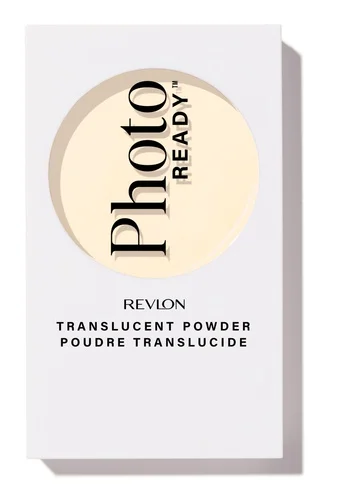
Create a free account to get started
Unlock science-based ingredient analysis personalized for your skin.
Already have an account? Log in
We protect your privacy. We never send spam.