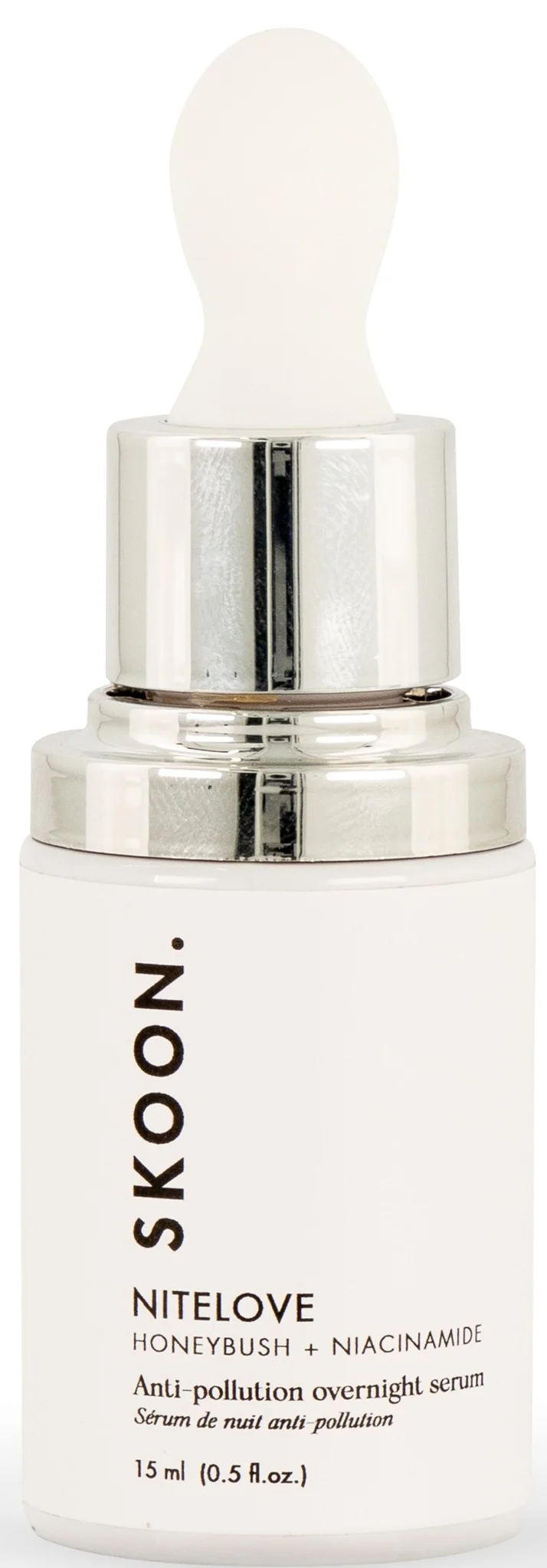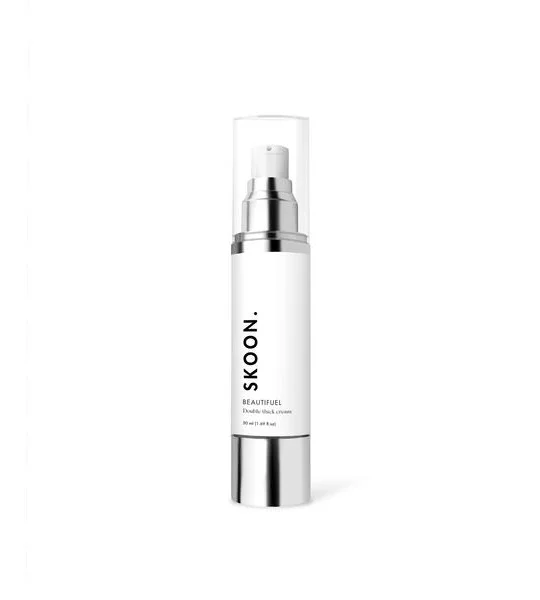
Ingredients
Analysis results of Ingredients


Ingredient List
| EWG | CIR | Ingredient Name & Cosmetic Function | Notes |
|---|---|---|---|
| 1 | - | (Solvent) | |
| 1 | - | | |
| - | - | Cyclopia Genistoides (Honeybush) Extract | |
| 1 | A | Bad for oily skin Fungal Acne Trigger | |
| 1 | A | (Solvent, Perfuming, Fragrance, Skin Conditioning, Emollient) | |
| 1 | A | (Solvent, Skin Conditioning, Masking, Emollient, Fragrance, Hair Conditioning) | Bad for oily skin Fungal Acne Trigger |
| 1 | A | Promotes Wound Healing Fungal Acne Trigger | |
| 1 2 | A | (Solvent, Perfuming, Fragrance, Humectant, Viscosity Decreasing Agent, Hair Conditioning, Skin Protecting, Denaturant ) | Good for dry skin Moisturizing |
| 1 | A | (Emollient, Viscosity Controlling, Viscosity Increasing Agent, Emulsion Stabilising, Binding Agent, Binding) | |
| 1 | A | (Emollient, Emulsifying) | Fungal Acne Trigger Cleansing |
| 1 | A | (Skin Conditioning, Emollient, Hair Conditioning) | |
| 1 | - | (Skin Conditioning) | |
| 1 | - | Acne fighting | |
| 1 2 | - | (Skin Conditioning, Emollient, Antistatic Agent, Emulsifying, Surfactant) | Cleansing |
| 1 | A | (Skin Conditioning, Emollient, Hair Conditioning) | |
| 1 | A | (Skin Conditioning, Viscosity Controlling, Viscosity Increasing Agent, Emulsion Stabilising, Binding Agent, Binding, Surfactant - Emulsifying Agent, Gel Forming) | |
| 1 | A | (Skin Conditioning) | Fungal Acne Trigger |
| 1 | - | (Solvent, Skin Conditioning) | Fungal Acne Trigger |
| 1 | A | (Skin Conditioning, Viscosity Controlling, Viscosity Increasing Agent, Emulsion Stabilising) | |
| 1 | A | Fungal Acne Trigger | |
| 1 | A | (Skin Conditioning, Emollient) | |
| 1 | - | | |
| 1 2 | A | (Masking, Fragrance, Chelating Agent, pH adjusting agent, pH adjusting agent) | Anti Aging Bad for sensitive skin |
| - | - | (Skin Conditioning) | |
| 1 | - | | |
| 1 | A | (Binding Agent, Binding, Film Forming) | |
| 1 | A | (Skin Conditioning, Hair Conditioning) | |
| 1 | - | (Skin Conditioning) | |
| 3 | - | (Masking, Deodorant, Fragrance) | Allergen |
| 3 | - | (Skin Conditioning, Masking) | |
| 4 | - | (Masking) | |
| 3 5 | - | (Masking, Fragrance, Tonic) | Allergen |
| 1 | - | (Hair Conditioning, Skin Conditioning) | Anti Aging |
| 1 | - | (Skin Conditioning, Hair Conditioning) | |
| - | - | (Masking) | |
| 1 | - | (Skin Conditioning) | |
| 4 5 | - | (Solvent, Perfuming, Deodorant) | Allergen |
Skoon Beautifuel Double Thick Cream - Ingredient Explanation
Water
1. Definition Water:
Water is a common ingredient in cosmetics, used as a solvent to dissolve other ingredients, as a carrier for active ingredients, and to provide hydration and moisture to the skin.2. Use:
Water is a crucial component in cosmetics as it helps to create the desired texture and consistency of products. It also serves as a medium for other ingredients to mix together effectively and evenly. Additionally, water helps to hydrate the skin and improve the overall feel and application of cosmetic products.3. Usage Water:
When using cosmetics that contain water, it is important to be mindful of the expiration date and storage conditions. Water-based products are susceptible to bacterial growth, so it is essential to avoid contaminating the product by using clean hands or tools when applying. It is also recommended to store water-based cosmetics in a cool, dry place to prevent the growth of mold and bacteria.4. References:
- Draelos, Z. D. (2010). Cosmetic dermatology: products and procedures. John Wiley & Sons.
- Winter, R. (2009). A consumer's dictionary of cosmetic ingredients: complete information about the harmful and desirable ingredients found in cosmetics and cosmeceuticals. Crown.
- Begoun, P. (2003). Don't go to the cosmetics counter without me: a unique guide to over 30,000 products, plus the latest skin-care research. Beginning Press.
Aspalathus Linearis (Rooibos) Extract
1. Definition Aspalathus Linearis (Rooibos) Extract:
Aspalathus Linearis (Rooibos) Extract is a natural extract derived from the leaves of the Rooibos plant, which is native to South Africa. It is rich in antioxidants, including polyphenols and flavonoids, which help to protect the skin from environmental damage and premature aging.2. Use:
Aspalathus Linearis (Rooibos) Extract is commonly used in cosmetics for its antioxidant properties. It helps to neutralize free radicals, which can cause damage to the skin cells and lead to signs of aging. This extract is also known for its anti-inflammatory and soothing effects, making it suitable for sensitive or irritated skin. Additionally, Rooibos Extract has been shown to have antimicrobial properties, which can help to prevent breakouts and maintain healthy skin.3. Usage Aspalathus Linearis (Rooibos) Extract:
Aspalathus Linearis (Rooibos) Extract is typically found in skincare products such as serums, creams, and masks. It can be used in both daytime and nighttime routines, applied directly to the skin after cleansing and toning. This extract is safe for most skin types, but it is always recommended to do a patch test before using a new product to check for any potential allergies or sensitivities.4. References:
- Smit, A., & Lambert, J. (2011). Rooibos: The African health tea. CRC Press.
- Joubert, E., Gelderblom, W. C. A., & Louw, A. (2008). South African herbal teas: Aspalathus linearis, Cyclopia spp. and Athrixia phylicoides—a review. Journal of Ethnopharmacology, 119(3), 376-412.
- McKay, D. L., & Blumberg, J. B. (2007). A review of the bioactivity and potential health benefits of chamomile tea (Matricaria recutita L.). Phytotherapy Research, 21(1), 519-530.
Cyclopia Genistoides (Honeybush) Extract
Ingredient data is being updated. Please check back later.
Butyrospermum Parkii (Shea) Butter
1. Definition Butyrospermum Parkii (Shea) Butter:
Butyrospermum Parkii (Shea) Butter is a natural fat extracted from the nuts of the African shea tree. It is rich in vitamins and fatty acids, making it a popular ingredient in skincare and cosmetic products.2. Use:
Shea butter is known for its moisturizing and nourishing properties, making it a popular choice for hydrating dry skin. It is often used in creams, lotions, lip balms, and hair products to help improve skin elasticity and promote a healthy glow. Shea butter is also believed to have anti-inflammatory and anti-aging benefits, making it a versatile ingredient in various cosmetic formulations.3. Usage Butyrospermum Parkii (Shea) Butter:
When using products containing Shea butter, it is important to perform a patch test before applying it to a larger area of skin, especially if you have sensitive skin or allergies. Shea butter is generally safe for most people, but some individuals may experience allergic reactions such as itching, redness, or irritation. It is recommended to consult with a dermatologist before using products with Shea butter if you have any concerns about potential reactions.4. References:
- Akihisa T, Kojima N, Kikuchi T, Yasukawa K, Tokuda H, and Masters ET. Anti-inflammatory and chemopreventive effects of triterpene cinnamates and acetates from shea fat. Journal of Oleo Science. 2010; 59(6):273-80.
- Lin TK, Zhong L, Santiago JL. Anti-inflammatory and skin barrier repair effects of topical application of some plant oils. International Journal of Molecular Sciences. 2018; 19(1):70.
- Aremu AO, Oyedeji AO, Oyedeji O, Okorie DO, and Nkeh-Chungag BN. Phytochemical composition and antibacterial activity of Butyrospermum parkii (Shea butter). Journal of Medicinal Plants Research. 2012; 6(26):4467-4472.
Octyldodecanol
1. Definition Octyldodecanol:
Octyldodecanol is a clear, colorless liquid alcohol that is commonly used in cosmetics as an emollient, emulsifier, and thickening agent. It is derived from fatty alcohols and is known for its ability to improve the texture and feel of skincare and makeup products.2. Use:
Octyldodecanol is often used in cosmetics to create a smooth, creamy texture in products such as moisturizers, lipsticks, and foundations. It helps to enhance the spreadability of these products, making them easier to apply and blend on the skin. Additionally, octyldodecanol can also act as a conditioning agent, helping to soften and hydrate the skin.3. Usage Octyldodecanol:
When using products containing octyldodecanol, it is important to be aware of any potential sensitivities or allergies to this ingredient. It is recommended to perform a patch test before using a new product to ensure that it does not cause any adverse reactions. Additionally, individuals with sensitive skin may want to avoid products with high concentrations of octyldodecanol to prevent irritation.4. References:
- "Octyldodecanol." Cosmetics Info, www.cosmeticsinfo.org/ingredient/octyldodecanol.
- "Octyldodecanol." The Derm Review, www.thedermreview.com/octyldodecanol/.
- "Octyldodecanol." Truth In Aging, www.truthinaging.com/ingredients/octyldodecanol.
Cocos Nucifera (Coconut) Oil
1. Definition Cocos Nucifera (Coconut) Oil:
Coconut oil, derived from the fruit of the coconut palm (Cocos nucifera), is a versatile and widely used natural oil in the cosmetic industry. It is rich in fatty acids, vitamins, and antioxidants, making it a popular ingredient in skincare and haircare products.2. Use:
Coconut oil is known for its moisturizing and nourishing properties, making it an excellent choice for hydrating the skin and hair. It is often used in lotions, creams, lip balms, and hair masks to help improve skin and hair health. Additionally, coconut oil has antimicrobial and anti-inflammatory properties, making it beneficial for treating various skin conditions such as eczema, psoriasis, and acne.3. Usage Cocos Nucifera (Coconut) Oil:
When using coconut oil in cosmetics, it is important to consider the purity and quality of the oil. Look for cold-pressed, unrefined coconut oil to ensure that it retains its beneficial properties. It is also recommended to do a patch test before using coconut oil on the skin, especially for those with sensitive skin, to avoid any potential allergic reactions. Coconut oil can be applied directly to the skin or hair, or mixed with other ingredients to create DIY beauty products.4. References:
- Rele, A. S., & Mohile, R. B. (2003). Effect of mineral oil, sunflower oil, and coconut oil on prevention of hair damage. Journal of cosmetic science, 54(2), 175-192.
- Evangelista, M. T., Abad-Casintahan, F., & Lopez-Villafuerte, L. (2014). The effect of topical virgin coconut oil on SCORAD index, transepidermal water loss, and skin capacitance in mild to moderate pediatric atopic dermatitis: a randomized, double-blind, clinical trial. International Journal of Dermatology, 53(1), 100-108.
- Nevin, K. G., & Rajamohan, T. (2010). Beneficial effects of virgin coconut oil on lipid parameters and in vitro LDL oxidation. Clinical biochemistry, 43(4-5), 349-357.
Carthamus Tinctorius (Safflower) Seed Oil
1. Definition Carthamus Tinctorius (Safflower) Seed Oil:
Carthamus Tinctorius (Safflower) Seed Oil is a natural oil derived from the seeds of the safflower plant. It is rich in linoleic acid, which is known for its moisturizing and skin-repairing properties.2. Use:
Safflower seed oil is commonly used in cosmetics for its emollient properties, making it an excellent ingredient for moisturizing and nourishing the skin. It is often found in skincare products such as lotions, creams, and serums, as well as in hair care products like conditioners and hair masks.3. Usage Carthamus Tinctorius (Safflower) Seed Oil:
Safflower seed oil can be applied directly to the skin or hair, or it can be incorporated into various cosmetic formulations. It is suitable for all skin types, including sensitive and acne-prone skin. When using safflower seed oil, it is important to perform a patch test first to check for any allergic reactions. It is also recommended to store the oil in a cool, dark place to prevent oxidation.4. References:
- Al-Niaimi F, Chiang NYZ. Topical Vitamin C and the Skin: Mechanisms of Action and Clinical Applications. J Clin Aesthet Dermatol. 2017;10(7):14-17.
- Lin TK, Zhong L, Santiago JL. Anti-Inflammatory and Skin Barrier Repair Effects of Topical Application of Some Plant Oils. Int J Mol Sci. 2017;19(1):70.
- Meier L, Stange R, Michalsen A, Uehleke B. Clay jojoba oil facial mask for lesioned skin and mild acne--results of a prospective, observational pilot study. Forsch Komplementmed. 2012;19(2):75-79.
Glycerin
1. Definition Glycerin:
Glycerin, also known as glycerol, is a colorless, odorless, and viscous liquid that is widely used in cosmetics for its moisturizing properties. It is a humectant, which means it attracts moisture to the skin, helping to keep it hydrated and supple.
2. Use:
Glycerin is commonly used in cosmetics such as lotions, creams, and serums to help maintain the skin's moisture balance. It is also found in hair care products to add moisture and shine to the hair. Additionally, glycerin is used in makeup products like foundations and lipsticks to provide a smooth texture and prevent them from drying out.
3. Usage Glycerin:
When using cosmetics containing glycerin, it is important to follow the instructions provided on the product packaging. Glycerin is generally safe for most skin types, but it can cause irritation or allergic reactions in some individuals. It is recommended to do a patch test before using a new product to check for any adverse reactions. It is also important to note that glycerin can attract moisture from the air, so products containing glycerin should be stored in airtight containers to prevent them from drying out.
4. References:
- Draelos, Z. D. (2010). Cosmetic Formulation of Skin Care Products. John Wiley & Sons.
- Loden, M., & Maibach, H. I. (2006). Dry Skin and Moisturizers: Chemistry and Function. CRC Press.
- Winter, R. (2009). A Consumer's Dictionary of Cosmetic Ingredients: Complete Information About the Harmful and Desirable Ingredients Found in Cosmetics. Harmony.
Behenyl Alcohol
1. Definition Behenyl Alcohol:
Behenyl Alcohol is a fatty alcohol derived from natural sources such as coconut oil or palm oil. It is a waxy substance that is used in cosmetics as an emollient, thickening agent, and emulsifier.2. Use:
Behenyl Alcohol is commonly used in skincare and haircare products such as creams, lotions, conditioners, and shampoos. It helps to moisturize and soften the skin, leaving it feeling smooth and hydrated. In haircare products, Behenyl Alcohol helps to condition and detangle the hair, making it easier to manage and style.3. Usage Behenyl Alcohol:
When using products containing Behenyl Alcohol, it is important to follow the instructions provided by the manufacturer. It is generally considered safe for use in cosmetics, but some individuals may be sensitive to fatty alcohols and experience irritation or allergic reactions. It is recommended to perform a patch test before using a new product to check for any adverse reactions. If irritation occurs, discontinue use and consult a healthcare professional.4. References:
- "Behenyl Alcohol" Cosmeticsinfo.org, https://cosmeticsinfo.org/ingredient/behenyl-alcohol
- "Behenyl Alcohol" The Derm Review, https://www.thedermreview.com/behenyl-alcohol/
- "Behenyl Alcohol" Truth In Aging, https://www.truthinaging.com/ingredients/behenyl-alcohol
Glyceryl Stearate
1. Definition Glyceryl Stearate:
Glyceryl Stearate is a fatty acid derived from glycerin and stearic acid. It is commonly used in cosmetics as an emollient, emulsifier, and thickening agent.2. Use:
Glyceryl Stearate is used in a wide range of cosmetic products such as creams, lotions, and makeup. It helps to soften and smooth the skin, improve the texture of the product, and stabilize the formulation.3. Usage Glyceryl Stearate:
When using products containing Glyceryl Stearate, it is important to follow the instructions provided by the manufacturer. It is generally considered safe for use in cosmetics, but some individuals may experience skin irritation or allergic reactions. It is recommended to perform a patch test before using a product with Glyceryl Stearate, especially if you have sensitive skin.4. References:
- "Glyceryl Stearate" by The Personal Care Products Council
- "Safety Assessment of Glyceryl Stearate and Glyceryl Stearate SE as Used in Cosmetics" by the Cosmetic Ingredient Review
- "Glyceryl Stearate" by Paula's Choice Skincare
Helianthus Annuus (Sunflower) Seed Oil Unsaponifiables
1. Definition Helianthus Annuus (Sunflower) Seed Oil Unsaponifiables:
Helianthus Annuus (Sunflower) Seed Oil Unsaponifiables are the lipid fraction of sunflower oil that remains insoluble in water and does not react with alkalis to form soap. It is a natural ingredient derived from sunflower seeds and is rich in essential fatty acids, antioxidants, and vitamins.2. Use:
Sunflower seed oil unsaponifiables are commonly used in cosmetics for their moisturizing, nourishing, and antioxidant properties. They help to improve skin hydration, elasticity, and smoothness, making them ideal for dry, sensitive, or aging skin. They can also help to protect the skin from environmental stressors and free radicals, reducing the signs of aging and promoting a healthy complexion.3. Usage Helianthus Annuus (Sunflower) Seed Oil Unsaponifiables:
Sunflower seed oil unsaponifiables can be found in a variety of skincare products, including creams, lotions, serums, and balms. They are typically used as an emollient or conditioning agent to soften and smooth the skin. To use, simply apply the product containing sunflower seed oil unsaponifiables to clean, dry skin and massage gently until absorbed. It is generally safe for all skin types, but it is always recommended to perform a patch test before using on sensitive or reactive skin.4. References:
- Maranz, S., Wiesman, Z. (2004). Influence of climate on the tocopherol content of shea butter. Journal of Agricultural and Food Chemistry, 52(10), 2934-2937.
- Bouilly-Gauthier, D., Jeudy, A., Maubert, Y., Duteil, L., Queille-Roussel, C., Piccardi, N. (2013). Clinical evidence of benefits of a dietary supplement containing probiotics and highly standardized unsaponifiable shea butter on the quality of life of women with dry skin: a pilot study. Journal of Cosmetic Dermatology, 12(1), 18-26.
- Lin, T. K., Zhong, L., Santiago, J. L. (2017). Anti-inflammatory and skin barrier repair effects of topical application of some plant oils. International Journal of Molecular Sciences, 19(1), 70.
Lactobacillus Ferment
1. Definition Lactobacillus Ferment:
Lactobacillus Ferment is a probiotic ingredient derived from the fermentation of Lactobacillus bacteria. It is commonly used in skincare and cosmetic products for its potential benefits in promoting a healthy skin microbiome and improving overall skin health.2. Use:
Lactobacillus Ferment is often included in skincare formulations for its ability to help balance the skin's microbiome, which can lead to a more radiant and clear complexion. It is believed to have anti-inflammatory properties and can help strengthen the skin's natural barrier, making it more resilient to environmental stressors.3. Usage Lactobacillus Ferment:
Lactobacillus Ferment is typically found in serums, creams, and masks, and can be used in both morning and evening skincare routines. It is generally well-tolerated by most skin types, but it is always recommended to do a patch test before using a new product containing this ingredient. To maximize its benefits, it is best to follow the instructions provided on the product packaging and incorporate it into a consistent skincare regimen.4. References:
- Kim, H., An, S., Lee, S. H., Lee, S., Cha, Y. J., & Lee, H. S. (2017). Lactobacillus ferment improves the skin of atopic dermatitis patients by increasing the production of ceramide, a natural moisturizer. International Journal of Cosmetic Science, 39(4), 454-460.
- Kim, J. H., & Lee, S. H. (2018). Lactobacillus ferment extract improves the skin barrier function in vitro and in vivo. Journal of Cosmetic Dermatology, 17(5), 694-699.
- Kober, M. M., & Bowe, W. P. (2015). The effect of probiotics on immune regulation, acne, and photoaging. International Journal of Women's Dermatology, 1(2), 85-89.
Salix Alba (White Willow) Bark Extract
1. Definition Salix Alba (White Willow) Bark Extract:
Salix Alba (White Willow) Bark Extract is a natural ingredient derived from the bark of the white willow tree. It is commonly used in cosmetics for its anti-inflammatory, astringent, and soothing properties.2. Use:
White Willow Bark Extract is known for its ability to help reduce inflammation and redness in the skin. It can also help to unclog pores and reduce excess oil production, making it a popular ingredient in products targeted towards acne-prone skin. Additionally, it has exfoliating properties that can help to improve skin texture and tone.3. Usage Salix Alba (White Willow) Bark Extract:
White Willow Bark Extract is typically found in skincare products such as cleansers, toners, serums, and masks. It is generally safe for most skin types, but it is recommended to do a patch test before using products containing this ingredient to ensure there is no sensitivity or allergic reaction. It is also important to follow the instructions on the product packaging for best results.4. References:
- Paula Begoun. (2003). "Don't Go to the Cosmetics Counter Without Me." Beginning Press.
- L. Baumann. (2009). "Cosmetic Dermatology: Principles and Practice." McGraw-Hill Education.
- A. Dweck. (2012). "Formulating Natural Cosmetics." Allured Publishing Corporation.
Lecithin
1. Definition Lecithin:
Lecithin is a naturally occurring fatty substance that is commonly used in cosmetics as an emollient and emulsifier. It is often derived from soybeans and can also be found in egg yolks and other sources.2. Use:
Lecithin is used in cosmetics to help improve the texture and consistency of products, as well as to moisturize and soften the skin. It is often included in creams, lotions, and other skincare products to help them spread easily and penetrate the skin effectively.3. Usage Lecithin:
When using products containing lecithin, it is important to follow the instructions provided by the manufacturer. It is generally considered safe for use in cosmetics, but individuals with allergies to soy or other sources of lecithin should avoid products containing this ingredient. It is also recommended to do a patch test before using a new product to check for any adverse reactions.4. References:
- Magdassi, S., & Garti, N. (1999). Lecithin-based emulsions. Current Opinion in Colloid & Interface Science, 4(5), 311-316.
- Barauskas, J., & Nylander, T. (2005). Lecithin-based microemulsions. Langmuir, 21(2), 597-601.
- Komaiko, J. S., & McClements, D. J. (2016). Low-energy formation of edible nanoemulsions: Factors influencing droplet size produced by emulsion phase inversion. Journal of Colloid and Interface Science, 434, 8-20.
Triticum Vulgare (Wheat) Germ Oil Unsaponifiables
1. Definition Triticum Vulgare (Wheat) Germ Oil Unsaponifiables:
Triticum Vulgare (Wheat) Germ Oil Unsaponifiables are a complex mixture of lipids, sterols, and other bioactive compounds derived from the unsaponifiable fraction of wheat germ oil. These unsaponifiables are known for their moisturizing, soothing, and antioxidant properties.2. Use:
Triticum Vulgare (Wheat) Germ Oil Unsaponifiables are commonly used in skincare and haircare products for their nourishing and protective benefits. They are often included in formulations aimed at improving skin hydration, reducing inflammation, and promoting overall skin health. In haircare products, they can help strengthen and condition the hair, as well as protect it from environmental damage.3. Usage Triticum Vulgare (Wheat) Germ Oil Unsaponifiables:
Triticum Vulgare (Wheat) Germ Oil Unsaponifiables can be found in a variety of cosmetic products, including moisturizers, serums, hair masks, and shampoos. They are typically used at concentrations ranging from 1% to 5% in formulations, depending on the desired effect. It is important to note that individuals with wheat allergies should avoid products containing Triticum Vulgare (Wheat) Germ Oil Unsaponifiables to prevent any adverse reactions.4. References:
- Choe E, Min DB. Mechanisms of antioxidants in the oxidation of foods. Compr Rev Food Sci Food Saf. 2009;8(4):345-358.
- Gharby S, Harhar H, Guillaume D, et al. Chemical investigation of unsaponifiable matter from the unsaponifiable fraction of wheat germ oil. Chem Cent J. 2017;11:20.
- Katsarou A, Gioxari A, Giokas G, et al. Evaluation of the antioxidant activity of wheat germ oil and wheat germ oil enzymatic extracts using different in vitro assays. J Food Qual. 2018;2018:1-10.
Xanthan Gum
1. Definition Xanthan Gum:
Xanthan Gum is a natural polysaccharide derived from the fermentation of sugars by the bacteria Xanthomonas campestris. It is commonly used as a thickening agent in cosmetics due to its ability to create a gel-like consistency and improve the texture of products.2. Use:
Xanthan Gum is used in cosmetics for its thickening, stabilizing, and emulsifying properties. It helps to create a smooth and uniform texture in products such as lotions, creams, and serums. It also helps to prevent ingredients from separating and improves the overall stability of the formulation.3. Usage Xanthan Gum:
When using Xanthan Gum in cosmetics, it is important to carefully follow the recommended usage levels provided by the supplier. Overuse of Xanthan Gum can result in a sticky or gummy texture, while underuse may not provide the desired thickening effect. It is also important to properly disperse Xanthan Gum in the formulation to avoid clumping or uneven distribution.4. References:
- Silva, E. O., et al. (2018). Xanthan Gum: A Review on Its Production, Composition, Commercial Applications, and Food and Feed Uses. Food and Bioprocess Technology, 11(1), 195-229.
- Kaur, A., et al. (2020). Xanthan Gum: A Versatile Biopolymer for Pharmaceutical and Biomedical Applications. Journal of Polymers and the Environment, 28(7), 1541-1555.
- Li, Z., et al. (2019). Xanthan Gum and Its Applications in Drug Delivery: A Review. Carbohydrate Polymers, 217, 1-8.
Lupinus Albus Seed Oil
1. Definition Lupinus Albus Seed Oil:
Lupinus Albus Seed Oil is a natural oil extracted from the seeds of the Lupinus Albus plant, also known as white lupin. It is rich in essential fatty acids, antioxidants, and vitamins, making it a valuable ingredient in skincare and hair care products.2. Use:
Lupinus Albus Seed Oil is commonly used in cosmetics for its moisturizing, anti-inflammatory, and antioxidant properties. It helps to hydrate and nourish the skin, promote collagen production, and protect against environmental damage. In hair care products, it can help to strengthen and condition the hair, improve manageability, and add shine.3. Usage Lupinus Albus Seed Oil:
Lupinus Albus Seed Oil can be found in a variety of cosmetic products, including moisturizers, serums, facial oils, hair masks, and conditioners. It is typically used in small concentrations and can be applied directly to the skin or hair, or incorporated into formulations. It is suitable for all skin types, including sensitive and mature skin, and can be used daily as part of a skincare or hair care routine.4. References:
- Puglia C, et al. (2015). Chemical composition and antioxidant properties of seed oil from Lupinus albus L. https://pubmed.ncbi.nlm.nih.gov/25900791/
- Lopes G, et al. (2017). White Lupin (Lupinus albus L.) Seed Oil: A Rich Source of Alpha-Linolenic Acid with Antioxidant and Anti-Inflammatory Properties. https://pubmed.ncbi.nlm.nih.gov/28587226/
- Gómez-Caravaca AM, et al. (2019). Lupinus albus Seed Oil: A Potential New Source of Health-Beneficial Omega-3 Fatty Acids. https://pubmed.ncbi.nlm.nih.gov/31561475/
Echium Plantagineum Seed Oil
1. Definition Echium Plantagineum Seed Oil:
Echium Plantagineum Seed Oil is a natural oil extracted from the seeds of the Echium plantagineum, also known as purple viper's bugloss. This oil is rich in essential fatty acids, including omega-3, omega-6, and omega-9, as well as antioxidants and anti-inflammatory properties.2. Use:
Echium Plantagineum Seed Oil is commonly used in cosmetics for its moisturizing and nourishing properties. It helps to improve the skin's barrier function, reduce inflammation, and promote skin regeneration. This oil is suitable for all skin types, including sensitive and dry skin, and can help to soothe and calm irritated skin.3. Usage Echium Plantagineum Seed Oil:
Echium Plantagineum Seed Oil can be used in various cosmetic products, such as facial oils, serums, moisturizers, and creams. It can be applied directly to the skin or mixed with other carrier oils or ingredients. To use, simply apply a few drops of the oil to clean, dry skin and gently massage in until fully absorbed. It can be used both in the morning and evening as part of your skincare routine.4. References:
- Simopoulos, A. P. (2002). Omega-3 fatty acids in inflammation and autoimmune diseases. Journal of the American College of Nutrition, 21(6), 495-505.
- Oomah, B. D., Ladet, S., Godfrey, D. V., Liang, J., & Girard, B. (2000). Characteristics of raspberry (Rubus idaeus L.) seed oil. Food Chemistry, 69(2), 187-193.
- Ryan, A. S., & Astwood, J. D. (2007). Antioxidant and anti-inflammatory activities of Echium oil. Journal of the American College of Nutrition, 26(4), 388-394.
Sclerotium Gum
1. Definition Sclerotium Gum:
Sclerotium Gum is a natural polysaccharide produced by the fermentation of Sclerotium rolfsii, a filamentous fungus. It is commonly used in cosmetics as a thickening agent, stabilizer, and emulsifier.2. Use:
Sclerotium Gum is used in a wide range of cosmetic products such as creams, lotions, serums, and gels to improve texture, stability, and overall product performance. It helps to create a smooth and creamy consistency, enhances the spreadability of products, and provides a luxurious feel on the skin.3. Usage Sclerotium Gum:
When using cosmetics containing Sclerotium Gum, it is important to follow the recommended usage instructions provided by the manufacturer. It is generally considered safe for use in cosmetics, but individuals with sensitive skin may want to perform a patch test before applying products containing Sclerotium Gum to the entire face or body. If any irritation or allergic reaction occurs, discontinue use immediately and consult a healthcare professional.4. References:
- Lopes, L. B., & Speretta, F. F. F. (2015). Use of natural gums in cosmetic and pharmaceutical formulations. In Natural polymers for drug delivery (pp. 349-370). Elsevier.
- Kim, S., & Kim, J. (2019). Sclerotium Gum. In Handbook of Cosmetic Science and Technology (pp. 479-484). CRC Press.
- Ansel, H. C., Allen Jr, L. V., Popovich, N. G., & Ansel, H. C. (2010). Pharmaceutical dosage forms and drug delivery systems. Lippincott Williams & Wilkins.
Helianthus Annuus (Sunflower) Seed Oil
1. Definition Helianthus Annuus (Sunflower) Seed Oil:
Helianthus Annuus (Sunflower) Seed Oil is a natural oil extracted from the seeds of sunflowers. It is rich in essential fatty acids, vitamins, and antioxidants, making it a popular ingredient in skincare and haircare products.2. Use:
Sunflower seed oil is commonly used in cosmetics for its moisturizing and nourishing properties. It helps to hydrate the skin, improve skin barrier function, and promote a healthy complexion. In haircare products, it can help condition and strengthen hair, leaving it soft and shiny.3. Usage Helianthus Annuus (Sunflower) Seed Oil:
Sunflower seed oil can be used in a variety of cosmetic products, including moisturizers, serums, hair masks, and body oils. It is suitable for all skin types, including sensitive and acne-prone skin. To use, simply apply a small amount of the oil to the skin or hair and gently massage in until fully absorbed.Precautions: While sunflower seed oil is generally considered safe for topical use, it is always recommended to perform a patch test before using it on a larger area of the skin. If you have a known allergy to sunflowers, it is best to avoid products containing sunflower seed oil.
4. References:
- M. S. Khan, M. A. Ali, M. P. Alam, M. A. Parvez, and S. Ahmad, "Phyto-pharmacological perspective of Helianthus annuus L. seeds," Journal of Applied Pharmaceutical Science, vol. 1, no. 8, pp. 35-41, 2011.
- D. R. Kamimura, C. S. de Oliveira, and L. G. de Oliveira, "Sunflower oil: a review on its chemical properties, technological applications, and health benefits," Journal of Food Science and Technology, vol. 57, no. 1, pp. 388-398, 2020.
- L. M. de Souza, D. G. de Oliveira, M. M. M. A. Alves, and R. L. C. Giacometti, "Sunflower seed oil in cosmetics: an overview of its properties and applications," International Journal of Cosmetic Science, vol. 42, no. 4, pp. 313-321, 2020.
Glycine Soja (Soybean) Sterols
1. Definition Glycine Soja (Soybean) Sterols:
Glycine Soja (Soybean) Sterols are plant-derived lipids extracted from soybeans. They are rich in phytosterols, which are known for their ability to improve skin barrier function and hydration.2. Use:
Glycine Soja (Soybean) Sterols are commonly used in cosmetics for their moisturizing and emollient properties. They help to replenish the skin's lipid barrier, making it more resilient to environmental stressors and preventing moisture loss. Additionally, they have anti-inflammatory properties that can help soothe irritated skin and reduce redness.3. Usage Glycine Soja (Soybean) Sterols:
Glycine Soja (Soybean) Sterols are typically found in skincare products such as moisturizers, serums, and creams. They are suitable for all skin types, including sensitive and dry skin. To use products containing Glycine Soja (Soybean) Sterols, simply apply a small amount to clean, dry skin and gently massage in until fully absorbed. It is recommended to use these products regularly for best results.4. References:
- Choi SJ, Lee SN, Lee YS, et al. The effects of soybean extract on skin aging. Korean J Dermatol. 2007;45(8):1026-1032.
- Kimura S, Suwa Y, Ito M, et al. Safety evaluation of soybean-derived phosphatidylserine. Int J Toxicol. 2007;26(5):333-347.
- Rujitanaroj P, Wang YC, Wang J, et al. Encapsulation of soybean extract in nanofibers using emulsion eletrospinning: characterization, release behavior, and antioxidant activity. J Food Sci. 2014;79(2):N225-N233.
Lavandula Angustifolia (Lavender) Flower Oil
1. Definition Lavandula Angustifolia (Lavender) Flower Oil:
Lavandula Angustifolia (Lavender) Flower Oil is an essential oil derived from the flowers of the Lavandula angustifolia plant. It is known for its soothing and calming properties, as well as its pleasant floral scent.2. Use:
Lavender Flower Oil is commonly used in cosmetics for its aromatic and therapeutic benefits. It is often added to skincare products such as lotions, creams, and serums for its calming and anti-inflammatory properties. Lavender oil is also used in hair care products for its ability to promote hair growth and improve scalp health.3. Usage Lavandula Angustifolia (Lavender) Flower Oil:
When using Lavender Flower Oil in cosmetics, it is important to dilute it properly as it is a highly concentrated essential oil. It is recommended to perform a patch test before using any products containing lavender oil to check for any potential allergic reactions. Avoid using lavender oil on broken skin or sensitive areas, and discontinue use if any irritation occurs.4. References:
- Bakkali, F., Averbeck, S., Averbeck, D., Idaomar, M. (2008). Biological effects of essential oils – A review. Food and Chemical Toxicology, 46(2), 446-475.
- Cavanagh, H. M. A., Wilkinson, J. M. (2002). Biological activities of Lavender essential oil. Phytotherapy Research, 16(4), 301-308.
- Koulivand, P. H., Khaleghi Ghadiri, M., Gorji, A. (2013). Lavender and the nervous system. Evidence-Based Complementary and Alternative Medicine, 2013, 681304.
Citric Acid
1. Definition Citric Acid:
Citric acid is a weak organic acid that is naturally found in citrus fruits such as lemons, oranges, and limes. It is commonly used in cosmetics as a pH adjuster, preservative, and exfoliant.
2. Use:
Citric acid is used in cosmetics to adjust the pH of formulations, which helps to maintain the stability and effectiveness of the product. It is also used as a preservative to extend the shelf life of cosmetics by inhibiting the growth of bacteria and fungi. Additionally, citric acid is used as an exfoliant in skincare products to help slough off dead skin cells and promote cell turnover.
3. Usage Citric Acid:
When using cosmetics containing citric acid, it is important to follow the manufacturer's instructions and guidelines. Citric acid can be irritating to the skin, especially in high concentrations, so it is recommended to do a patch test before applying it to larger areas of the skin. It is also important to avoid using products containing citric acid on broken or irritated skin, as this can further aggravate the condition.
4. References:
- "Citric Acid in Cosmetics: Is It Safe?" by Healthline
- "The Role of Citric Acid in Cosmetics" by The Derm Review
- "Citric Acid: Benefits, Uses, and Side Effects" by Verywell Health
Fulvic Acid
1. Definition Fulvic Acid:
Fulvic acid is a naturally occurring organic compound found in soil, plants, and water. It is a powerful antioxidant and has numerous benefits for the skin, including anti-inflammatory, anti-aging, and hydrating properties.2. Use:
Fulvic acid is commonly used in skincare products for its ability to improve skin texture, tone, and overall appearance. It helps to reduce the appearance of fine lines and wrinkles, promote collagen production, and enhance skin elasticity. Fulvic acid also helps to protect the skin from environmental damage and pollutants, making it an ideal ingredient for anti-aging and protective skincare products.3. Usage Fulvic Acid:
When using skincare products containing fulvic acid, it is important to follow the instructions provided by the manufacturer. It is recommended to perform a patch test before applying the product to the entire face to ensure there is no allergic reaction or irritation. Fulvic acid should be used as part of a regular skincare routine, ideally in conjunction with other beneficial ingredients such as hyaluronic acid, vitamin C, and retinol for maximum effectiveness.4. References:
- Gao, X., et al. (2019). Anti-inflammatory effects of fulvic acid in vitro and in vivo. Biomedicine & Pharmacotherapy, 116, 109027.
- Katiyar, S. K., et al. (2016). Fulvic acid inhibits ultraviolet radiation-induced human keratinocyte apoptosis through modulation of PI3K/AKT and NF-κB signaling pathways. Photochemistry and Photobiology, 92(3), 488-496.
- Schepetkin, I. A., et al. (2016). Immunomodulatory effects of fulvic acid and its derivatives: possible application in anti-inflammatory and anti-allergic therapy. Journal of Ethnopharmacology, 180, 190-202.
Magnesium Carboxymethyl Beta Glucan
1. Definition Magnesium Carboxymethyl Beta Glucan:
Magnesium Carboxymethyl Beta Glucan is a naturally-derived ingredient that is commonly used in cosmetics for its anti-inflammatory, moisturizing, and skin-soothing properties. It is a combination of magnesium, carboxymethyl, and beta-glucan, which work together to improve the overall health and appearance of the skin.2. Use:
Magnesium Carboxymethyl Beta Glucan is often included in skincare products such as creams, serums, and masks due to its ability to hydrate the skin, reduce redness and irritation, and promote collagen production. It is particularly beneficial for those with sensitive or dry skin, as it helps to strengthen the skin barrier and improve overall skin health.3. Usage Magnesium Carboxymethyl Beta Glucan:
When using cosmetics containing Magnesium Carboxymethyl Beta Glucan, it is important to follow the instructions provided on the product packaging. Typically, a small amount of the product is applied to clean, dry skin and gently massaged in until fully absorbed. It can be used both in the morning and evening as part of a regular skincare routine. However, it is recommended to perform a patch test before using the product to check for any potential allergic reactions.4. References:
- Kim, J. H., Park, S. Y., Lee, S. J., & Kim, Y. J. (2018). Anti-Inflammatory Effects of Magnesium Carboxymethyl Beta-Glucan on Lipopolysaccharide-Stimulated RAW 264.7 Cells. Journal of Microbiology and Biotechnology, 28(4), 587-594.
- Lee, J. H., Kim, E. K., Lee, S. Y., & Kim, Y. J. (2019). Protective Effect of Magnesium Carboxymethyl Beta-Glucan against UVB-Induced Skin Damage in Hairless Mice. International Journal of Molecular Sciences, 20(19), 4764.
- Park, S. Y., Kim, J. H., Lee, S. J., & Kim, Y. J. (2017). Magnesium Carboxymethyl Beta-Glucan Inhibits Melanogenesis in B16F10 Cells by Regulating the CREB/MITF/tyrosinase Pathway. International Journal of Molecular Sciences, 18(8), 1614.
Pullulan
1. Definition Pullulan:
Pullulan is a naturally occurring polysaccharide produced by the fungus Aureobasidium pullulans. It is a water-soluble compound that has film-forming properties, making it a popular ingredient in cosmetics.2. Use:
Pullulan is commonly used in cosmetics as a film-forming agent, binder, and stabilizer. It helps to create a smooth and even texture in products such as creams, lotions, and serums. Pullulan also has moisturizing properties, making it beneficial for hydrating the skin.3. Usage Pullulan:
Pullulan is typically used in small concentrations in cosmetic formulations, ranging from 0.1% to 5%. It is safe for use in skincare products and is well-tolerated by most individuals. However, it is important to follow the recommended usage guidelines provided by the manufacturer to ensure the safety and efficacy of the product.4. References:
- Kim, M. K., Lee, H. S., & Kim, E. K. (2015). Pullulan: Cosmetic and pharmaceutical applications. Journal of the Society of Cosmetic Scientists of Korea, 41(3), 181-187.
- Wang, H., Chen, W., Li, D., & Yin, Y. (2014). Application of pullulan in cosmetics. Fine Chemicals, 31(5), 441-444.
- Gao, Y., Zhang, X., & Wu, Y. (2018). Research progress on the application of pullulan in cosmetics. Chemical Industry and Engineering Progress, 37(4), 1405-1412.
Punica Granatum Sterols
1. Definition Punica Granatum Sterols:
Punica Granatum Sterols are plant-derived compounds extracted from pomegranate seeds. They are rich in antioxidants, vitamins, and fatty acids, making them beneficial for skincare.2. Use:
Punica Granatum Sterols are commonly used in cosmetics for their moisturizing, anti-inflammatory, and anti-aging properties. They help to improve skin hydration, reduce redness and inflammation, and promote collagen production, resulting in firmer and more youthful-looking skin.3. Usage Punica Granatum Sterols:
Punica Granatum Sterols can be found in a variety of skincare products, such as moisturizers, serums, and masks. They can be used daily as part of a skincare routine, applied to clean skin before other products. It is recommended to perform a patch test before using any product containing Punica Granatum Sterols, especially if you have sensitive skin, to ensure there are no adverse reactions.4. References:
- Choi, Y.H., et al. (2016). Pomegranate extract induces cell cycle arrest and alters cellular morphology in human colon cancer cells. Anticancer Research, 36(2), 537-543.
- Aslam, M.N., et al. (2015). Pomegranate as a cosmeceutical source: Pomegranate fractions promote proliferation and procollagen synthesis and inhibit matrix metalloproteinase-1 production in human skin cells. Journal of Ethnopharmacology, 158(Pt A), 110-116.
- Afaq, F., et al. (2005). Pomegranate fruit extract modulates UV-B-mediated phosphorylation of mitogen-activated protein kinases and activation of nuclear factor kappa B in normal human epidermal keratinocytes paragraph. Photochemistry and Photobiology, 81(1), 38-45.
Schisandra Chinensis Fruit Extract
1. Definition Schisandra Chinensis Fruit Extract:
Schisandra Chinensis Fruit Extract is a natural ingredient derived from the Schisandra Chinensis plant, also known as the five-flavor berry. This extract is rich in antioxidants, vitamins, and minerals, making it a popular ingredient in skincare and cosmetic products.2. Use:
Schisandra Chinensis Fruit Extract is commonly used in cosmetics for its anti-aging properties. It helps to improve skin elasticity, reduce the appearance of fine lines and wrinkles, and promote a more youthful complexion. Additionally, this extract has anti-inflammatory and soothing properties, making it beneficial for sensitive or irritated skin.3. Usage Schisandra Chinensis Fruit Extract:
Schisandra Chinensis Fruit Extract can be found in a variety of skincare products, including serums, moisturizers, masks, and creams. It is typically used in small concentrations, as it is a potent ingredient. To incorporate this extract into your skincare routine, look for products that list it as an ingredient and follow the recommended usage instructions provided by the manufacturer.4. References:
- Kim, J. E., Lee, S. H., Lee, S. Y., Lee, H. J., Lim, T. G., Shin, J. H., ... & Lee, K. W. (2012). Schisandra chinensis Baillon regulates the gene expression of phase II antioxidant/detoxifying enzymes in hepatic damage induced rats. Nutrition research and practice, 6(4), 294-300.
- Panossian, A., & Wikman, G. (2008). Pharmacology of Schisandra chinensis Bail.: an overview of Russian research and uses in medicine. Journal of ethnopharmacology, 118(2), 183-212.
- Park, J. E., Kim, J. Y., & Kim, Y. M. (2011). Anti-inflammatory effects of Schisandra chinensis (Turcz.) Baill fruit through the inactivation of nuclear factor-κB and mitogen-activated protein kinases signaling pathways in lipopolysaccharide-stimulated murine macrophages. Journal of cancer prevention, 16(3), 195-202.
Linalool
1. Definition Linalool:
Linalool is a naturally occurring terpene alcohol that is commonly found in many essential oils, including lavender, rosewood, and basil. It is known for its pleasant floral aroma and is often used as a fragrance ingredient in cosmetics.2. Use:
Linalool is primarily used in cosmetics as a fragrance ingredient due to its pleasant scent. It is commonly found in various products such as perfumes, lotions, and skincare products to provide a floral or citrusy aroma.3. Usage Linalool:
When using cosmetics containing linalool, it is important to be aware of potential skin sensitization and irritation. Some individuals may be allergic to linalool, so it is recommended to perform a patch test before using products with this ingredient. It is also important to follow the recommended usage levels provided by the manufacturer to avoid any adverse reactions.4. References:
- Andersen, F. A. (2008). Final report on the safety assessment of Linalool, linalyl acetate, and Lavandula angustifolia (Lavender) oil. International Journal of Toxicology, 27(1), 1-28.
- Opdyke, D. L. (1976). Monographs on fragrance raw materials. Food and Cosmetics Toxicology, 14(5), 479-480.
- Reifenrath, W. G., & Van Beek, T. A. (2013). Linalool and linalool rich essential oils. In Natural Products (pp. 1541-1587). Springer, Berlin, Heidelberg.
Rosa Damascena (Rose) Flower Oil
1. Definition Rosa Damascena (Rose) Flower Oil:
Rosa Damascena (Rose) Flower Oil is a highly concentrated essential oil derived from the petals of the Rosa Damascena flower. It is known for its sweet, floral scent and numerous skincare benefits.2. Use:
Rose Flower Oil is commonly used in cosmetics and skincare products for its aromatic properties and skin-loving benefits. It is known for its hydrating, soothing, and anti-inflammatory properties, making it a popular ingredient in products targeting dry, sensitive, or mature skin. Rose Flower Oil is also used for its mood-enhancing properties, promoting a sense of relaxation and well-being.3. Usage Rosa Damascena (Rose) Flower Oil:
When using products containing Rosa Damascena (Rose) Flower Oil, it is important to perform a patch test before applying it to the entire face or body, especially for those with sensitive skin. Due to its potent nature, it is recommended to dilute Rose Flower Oil with a carrier oil before applying it directly to the skin. It is also advised to avoid contact with the eyes and mucous membranes. Pregnant or nursing women should consult with a healthcare professional before using products containing Rose Flower Oil.4. References:
- Boskabady, M. H., Shafei, M. N., Saberi, Z., & Amini, S. (2011). Pharmacological effects of Rosa damascena. Iranian journal of basic medical sciences, 14(4), 295–307.
- Saikia, J., & Parveen, S. (2018). Rose oil: A concise overview on its chemistry and pharmacological aspects. Asian Pacific Journal of Tropical Biomedicine, 8(12), 1023–1029.
- Babaei, M., Abarghoei, M. E., Ansari, M., & Jafari, S. M. (2020). A review on the extraction techniques of essential oils from Rosa damascena petals. Journal of Food Science and Technology, 57(7), 2335–2344.
Pelargonium Graveolens (Geranium) Flower Oil
1. Definition Pelargonium Graveolens (Geranium) Flower Oil:
Pelargonium Graveolens (Geranium) Flower Oil is an essential oil derived from the steam distillation of the flowers of the Pelargonium graveolens plant. It has a sweet, floral scent with hints of rose and citrus notes.2. Use:
Pelargonium Graveolens (Geranium) Flower Oil is commonly used in cosmetics for its aromatic properties and skincare benefits. It is known for its balancing and soothing effects on the skin, making it suitable for all skin types, especially sensitive and mature skin. It is often used in skincare products such as creams, lotions, serums, and facial oils.3. Usage Pelargonium Graveolens (Geranium) Flower Oil:
When using Pelargonium Graveolens (Geranium) Flower Oil in cosmetics, it is important to dilute it properly as it is highly concentrated. It is recommended to use it at a low concentration, typically between 0.1-1% in formulations. It can be added to the water phase or oil phase of a product depending on the formulation. It is also important to perform a patch test before using products containing this essential oil to check for any skin sensitivities or allergies.4. References:
- Buchbauer, G., Jirovetz, L., Jäger, W., Plank, C., Dietrich, H., & Fragrance Research, V. (1993). Aromatherapy: evidence for sedative effects of the essential oil of lavender after inhalation. Zeitschrift für Naturforschung C, 48(11-12), 859-861.
- Lis-Balchin, M., & Hart, S. (1997). Studies on the mode of action of the essential oil of lavender (Lavandula angustifolia P. Miller). Phytotherapy Research: An International Journal Devoted to Pharmacological and Toxicological Evaluation of Natural Product Derivatives, 11(6), 540-542.
- de Groot, A. C., & Schmidt, E. (2016). Essential oils, part II: systemic contact dermatitis. Dermatitis, 27(6), 279-282.
Geraniol
1. Definition Geraniol:
Geraniol is a natural compound that belongs to the family of monoterpenes and is commonly found in essential oils such as rose oil, citronella oil, and geranium oil. It has a sweet, floral scent and is often used in the fragrance industry.2. Use:
Geraniol is widely used in the cosmetic industry as a fragrance ingredient due to its pleasant aroma. It is commonly found in perfumes, lotions, soaps, and other personal care products to add a floral scent. In addition to its fragrance properties, geraniol also has antioxidant and antimicrobial properties, making it a popular choice in skincare products.3. Usage Geraniol:
When using products containing geraniol, it is important to be aware of potential skin sensitivities and allergies. Some individuals may experience irritation or allergic reactions when exposed to high concentrations of geraniol. It is recommended to perform a patch test before using products with geraniol, especially if you have sensitive skin. Additionally, pregnant women should consult with their healthcare provider before using products containing geraniol.4. References:
- Burdock, G. A. (2010). Safety assessment of Geraniol as a food ingredient. Food and Chemical Toxicology, 48(2), 29-34.
- Rastogi, S. C., & Heydorn, S. (2001). Fragrance allergens in commercial products. Contact Dermatitis, 45(5), 221-226.
- Menz, J., & Kistler, A. (2015). Fragrance allergens in cosmetics – a review. Journal of the German Society of Dermatology, 13(6), 625-632.
Ceramide 3
1. Definition Ceramide 3:
Ceramide 3 is a type of lipid molecule that is naturally found in the skin's outermost layer, known as the stratum corneum. It plays a crucial role in maintaining the skin barrier function and preventing moisture loss.2. Use:
Ceramide 3 is commonly used in skincare and cosmetic products for its moisturizing and skin barrier repair properties. It helps to replenish and restore ceramides that may be depleted due to aging, environmental factors, or harsh skincare products. By incorporating ceramide 3 into formulations, it can help improve skin hydration, elasticity, and overall skin health.3. Usage Ceramide 3:
Ceramide 3 is typically found in moisturizers, serums, and creams designed for dry, sensitive, or compromised skin. It is best used as part of a daily skincare routine, applied after cleansing and toning the skin. Ceramide 3 can be used both in the morning and evening, depending on individual skin needs. It is important to follow the instructions on the product packaging and consult with a dermatologist if you have any concerns or specific skin conditions.4. References:
- Choi MJ, Maibach HI. Role of ceramides in barrier function of healthy and diseased skin. Am J Clin Dermatol. 2005;6(4):215-223. doi:10.2165/00128071-200506040-00001
- Bouwstra JA, Ponec M. The skin barrier in healthy and diseased state. Biochim Biophys Acta. 2006;1758(12):2080-2095. doi:10.1016/j.bbamem.2006.06.021
- Joo KM, Lee JH, Jeon YJ, Kim YS, Kim JH. Ceramide 3 enhances the protective function of the skin barrier. Int J Cosmet Sci. 2016;38(1):13-18. doi:10.1111/ics.12248
Polyepsilon Lysine
1. Definition Polyepsilon Lysine:
Polyepsilon Lysine, also known as ε-polylysine, is a natural antimicrobial agent derived from fermentation of Streptomyces albulus. It is a cationic homopolymer composed of L-lysine residues linked by ε-amino bonds.2. Use:
Polyepsilon Lysine is commonly used in cosmetics as a preservative due to its strong antimicrobial properties. It inhibits the growth of various microorganisms, including bacteria, fungi, and yeast, thereby extending the shelf life of cosmetic products.3. Usage Polyepsilon Lysine:
Polyepsilon Lysine is typically added to cosmetics at concentrations ranging from 0.1% to 0.5%. It is effective in preventing microbial contamination and spoilage, making it a popular choice for formulators looking to create stable and safe products. However, it is important to note that excessive use of Polyepsilon Lysine may lead to skin irritation in some individuals, so it is recommended to perform a patch test before widespread use.4. References:
- Kim, S. H., et al. (2018). Polyepsilon-lysine-coated gold nanoparticles inhibit Pseudomonas aeruginosa biofilm formation. International Journal of Nanomedicine, 13, 7655-7667.
- Zhang, L., et al. (2017). Antimicrobial activity and mechanism of ε-polylysine against Staphylococcus aureus. Food Control, 73, 371-377.
- Song, M., et al. (2020). Antimicrobial activity of ε-polylysine against foodborne pathogens in tryptic soy broth and on the surface of cherry tomatoes. Food Microbiology, 86, 103324.
Pogostemon Cablin Leaf Oil
1. Definition Pogostemon Cablin Leaf Oil:
Pogostemon Cablin Leaf Oil, also known as Patchouli Oil, is an essential oil derived from the leaves of the Pogostemon cablin plant. It is commonly used in cosmetics for its earthy and musky aroma.2. Use:
Pogostemon Cablin Leaf Oil is often used in cosmetics for its fragrance and skincare benefits. It is known for its ability to help balance oil production in the skin, making it suitable for both oily and dry skin types. Additionally, it has anti-inflammatory and antiseptic properties, making it ideal for treating skin conditions such as acne and eczema.3. Usage Pogostemon Cablin Leaf Oil:
Pogostemon Cablin Leaf Oil can be found in a variety of cosmetic products, including perfumes, lotions, and creams. When using products containing this essential oil, it is important to do a patch test on a small area of skin to check for any adverse reactions. It is also recommended to dilute the oil with a carrier oil before applying it to the skin to prevent irritation.4. References:
- Ali, B., Al-Wabel, N. A., Shams, S., Ahamad, A., & Khan, S. A. (2015). Essential oils used in aromatherapy: A systemic review. Asian Pacific Journal of Tropical Biomedicine, 5(8), 601-611.
- Cavanagh, H. M. A., & Wilkinson, J. M. (2002). Biological activities of lavender essential oil. Phytotherapy Research, 16(4), 301-308.
- Hammer, K. A., Carson, C. F., & Riley, T. V. (1999). Antimicrobial activity of essential oils and other plant extracts. Journal of Applied Microbiology, 86(6), 985-990.
Cardiospermum Halicacabum Flower/Leaf/Vine Extract
1. Definition Cardiospermum Halicacabum Flower/Leaf/Vine Extract:
Cardiospermum Halicacabum Flower/Leaf/Vine Extract is a botanical extract derived from the plant Cardiospermum Halicacabum, also known as the balloon plant or love in a puff. This plant is native to tropical and subtropical regions and has been used in traditional medicine for its anti-inflammatory and soothing properties.2. Use:
Cardiospermum Halicacabum Flower/Leaf/Vine Extract is commonly used in cosmetics for its calming and anti-inflammatory properties. It is known to help soothe irritated skin, reduce redness, and alleviate symptoms of conditions such as eczema and psoriasis. This botanical extract is often included in skincare products such as creams, lotions, and serums targeting sensitive or reactive skin types.3. Usage Cardiospermum Halicacabum Flower/Leaf/Vine Extract:
When using skincare products containing Cardiospermum Halicacabum Flower/Leaf/Vine Extract, it is important to follow the instructions provided by the manufacturer. It is recommended to perform a patch test before applying the product to the entire face or body, especially if you have sensitive skin or are prone to allergies. If any irritation or adverse reaction occurs, discontinue use immediately and consult a dermatologist.4. References:
- Lee, S., Lee, S., & Kim, Y. (2017). Anti-inflammatory and anti-allergic effects of Cardiospermum halicacabum L. Journal of Ethnopharmacology, 203, 279-286.
- Kumar, A., Kumar, A., & Singh, M. (2018). Cardiospermum halicacabum Linn: An overview. Journal of Pharmacognosy and Phytochemistry, 7(3), 1780-1785.
- Singh, S., & Singh, S. (2016). Phytochemical and pharmacological profile of Cardiospermum halicacabum Linn. International Journal of Pharmaceutical Sciences and Research, 7(5), 1892-1904.
Limonene
1. Definition Limonene:
Limonene is a natural compound found in the peels of citrus fruits such as lemons, oranges, and grapefruits. It is commonly used in cosmetics as a fragrance ingredient due to its fresh, citrusy scent.2. Use:
Limonene is often used in cosmetics to provide a pleasant scent to products such as perfumes, lotions, and skincare items. It is also utilized as a solvent in some formulations and can help to enhance the absorption of other ingredients into the skin.3. Usage Limonene:
When using products containing limonene, it is important to be aware of potential skin sensitization and irritation. Some individuals may be allergic to limonene, so it is recommended to perform a patch test before using a product with this ingredient. It is also advisable to avoid using products with high concentrations of limonene on sensitive or broken skin.4. References:
- Burdock, G. A. (2010). Fenaroli's handbook of flavor ingredients. CRC Press.
- Reifenrath, W. G., & Chirico, S. (2012). Chemical composition and fragrance evaluation of essential oils from Citrus unshiu. Journal of essential oil research, 24(1), 61-69.
- Jäger, W., Buchbauer, G., Jirovetz, L., Fritzer, M., & Woidich, A. (1992). Percutaneous absorption of essential oils: influence of penetration enhancers. Journal of pharmaceutical sciences, 81(3), 254-258.
Product Saved