


Ingredients
Analysis results of Ingredients


Ingredient List
| EWG | CIR | Ingredient Name & Cosmetic Function | Notes |
|---|---|---|---|
| 1 | - | (Solvent) | |
| 1 | A | (Solvent, Masking, Fragrance, Humectant, Skin Conditioning, Viscosity Controlling, Viscosity decreasing agents) |  Good for dry skin Good for dry skin |
| 1 2 | A | (Solvent, Perfuming, Fragrance, Humectant, Viscosity Decreasing Agent, Hair Conditioning, Skin Protecting, Denaturant ) | Good for dry skin Moisturizing |
| 1 | A | (Solvent) | |
| 1 | B | (Humectant, Hair Conditioning, Skin Conditioning, Viscosity Controlling, Antistatic Agent) | |
| 1 3 | B | Aloe Barbadensis Leaf Extract (Humectant, Skin Conditioning, Emollient) |  Good for sensitive skin Good for sensitive skin |
| 1 | - | (Astringent) | |
| - | - | (Skin Conditioning) | |
| 1 | - | (Skin Conditioning) | |
| 1 | - | | |
| - | - | (Skin Conditioning) | |
| 1 | - | | |
| - | - | | |
| 1 | A | (Humectant, Skin Conditioning) | Good for dry skin Promotes Wound Healing |
| 1 | A | (Emollient) |  Fungal Acne Trigger Fungal Acne Trigger |
| 1 | A | (Skin Conditioning, Masking, Fragrance, Antistatic Agent, Hair Conditioning) | |
| 1 | A | (Hair Conditioning, Skin Conditioning, Antistatic Agent) | Good for dry skin Promotes Wound Healing |
| 1 | - | (Solvent, Humectant, Viscosity Controlling, Viscosity Decreasing Agent) | |
| 1 | A | (Viscosity Controlling, Viscosity Increasing Agent, Emulsion Stabilising, Gel Forming) | |
| 2 4 | A | (Fragrance, Preservative) | |
| 1 | A | (Hair Conditioning, Skin Conditioning, Emollient, Viscosity Controlling) | Fungal Acne Trigger |
| 1 | A | (Emollient, Deodorant, Skin-Conditioning Agent - Occlusive) | Fungal Acne Trigger |
| 1 | A | (Emulsifying, Surfactant) | Fungal Acne Trigger Cleansing |
| 1 | A |  Bad for oily skin Fungal Acne Trigger Bad for oily skin Fungal Acne Trigger | |
| 1 | B | (Skin Conditioning, Emollient, Antistatic Agent) | |
| 3 | B | (Emulsifying, Surfactant) | Fungal Acne Trigger Cleansing |
| 1 | A | (Hair Conditioning, Skin Conditioning, Smoothing) | Anti Aging Brightening |
| 1 | A | (Skin Conditioning, Emollient) | Fungal Acne Trigger |
| 1 | A | Fungal Acne Trigger | |
| 1 | A | (Skin Conditioning) | Fungal Acne Trigger |
| 1 3 | A | (Skin Protecting, Skin Conditioning, Emollient, Antifoaming Agent) |  Silicone Moisturizing Silicone Moisturizing |
| 1 | - | (Skin Conditioning) | |
| 1 | - | (Hair Conditioning) | |
| 1 | A | (Emollient, Hair Conditioning, Skin Protecting, Tonic) | Moisturizing |
| 1 | B | (Masking, Humectant, Skin Protecting, Uv Absorber, Skin Conditioning, Antioxidant, Emollient, Antimicrobial, Astringent, Tonic) |  Good for oily skin Moisturizing Good for oily skin Moisturizing |
| 1 | - | (Humectant, Skin Conditioning, Moisturising) | Moisturizing |
| 1 | - | (Masking, Tonic) | |
| 1 | - | (Skin Conditioning) | |
| 1 | - | (Humectant, Astringent, Soothing) | |
| 1 2 | A | (Skin Conditioning, Emulsifying, Surfactant, Suspending Agent- Nonsurfactant) | Cleansing |
| 1 | - | (Skin Conditioning) | Anti Aging |
| 1 | A | (Chelating Agent, Viscosity Controlling) | |
| 1 | - | (Skin Conditioning) | |
| 1 | - | | |
| 1 | A | (Humectant, Hair Conditioning, Skin Conditioning, Emollient, Antistatic Agent, Film Forming, Nail Agents) | |
| 1 | - | (Skin Conditioning, Perfuming) | |
| - | - | (Skin Conditioning) | |
| 2 | A | (Deodorant, Skin Conditioning) | |
| 8 | - | (Masking, Perfuming, Deodorant) |  Fragrance-free Fragrance-free |
The Skin House Aloe Fresh Emulsion - Ingredient Explanation
Water(Aqua)
1. Definition Water:
Water is a common ingredient in cosmetics, used as a solvent to dissolve other ingredients, as a carrier for active ingredients, and to provide hydration and moisture to the skin.2. Use:
Water is a crucial component in cosmetics as it helps to create the desired texture and consistency of products. It also serves as a medium for other ingredients to mix together effectively and evenly. Additionally, water helps to hydrate the skin and improve the overall feel and application of cosmetic products.3. Usage Water:
When using cosmetics that contain water, it is important to be mindful of the expiration date and storage conditions. Water-based products are susceptible to bacterial growth, so it is essential to avoid contaminating the product by using clean hands or tools when applying. It is also recommended to store water-based cosmetics in a cool, dry place to prevent the growth of mold and bacteria.4. References:
- Draelos, Z. D. (2010). Cosmetic dermatology: products and procedures. John Wiley & Sons.
- Winter, R. (2009). A consumer's dictionary of cosmetic ingredients: complete information about the harmful and desirable ingredients found in cosmetics and cosmeceuticals. Crown.
- Begoun, P. (2003). Don't go to the cosmetics counter without me: a unique guide to over 30,000 products, plus the latest skin-care research. Beginning Press.
Butylene Glycol
1. Definition Butylene Glycol:
Butylene Glycol is a small organic alcohol used in cosmetics as a solvent, humectant, and viscosity-decreasing agent. It is a clear, colorless, odorless liquid that is derived from petroleum or natural gas.2. Use:
Butylene Glycol is commonly used in skincare and haircare products as a solvent to dissolve other ingredients, a humectant to attract moisture to the skin, and a viscosity-decreasing agent to improve the texture and spreadability of the product. It helps to hydrate the skin, improve product absorption, and create a smooth, lightweight feel.3. Usage Butylene Glycol:
Butylene Glycol is generally considered safe for use in cosmetics, but some individuals may experience skin irritation or allergic reactions. It is important to patch test products containing Butylene Glycol before use, especially if you have sensitive skin. Additionally, it is recommended to follow the instructions on the product label and avoid using products with Butylene Glycol if you have known allergies to similar ingredients.4. References:
- Cosmetic Ingredient Review Expert Panel. (2001). Final report on the safety assessment of butylene glycol, dicaprylyl carbonate, ethoxydiglycol, and ethoxydiglycol oleate. International Journal of Toxicology, 20(Suppl 4), 61-75.
- National Center for Biotechnology Information. PubChem Compound Summary for CID 24856, Butylene Glycol. Retrieved from https://pubchem.ncbi.nlm.nih.gov/compound/Butylene-glycol
- Personal Care Products Council. (2017). Butylene Glycol. Retrieved from https://www.cosmeticsinfo.org/ingredient/butylene-glycol
Glycerin
1. Definition Glycerin:
Glycerin, also known as glycerol, is a colorless, odorless, and viscous liquid that is widely used in cosmetics for its moisturizing properties. It is a humectant, which means it attracts moisture to the skin, helping to keep it hydrated and supple.
2. Use:
Glycerin is commonly used in cosmetics such as lotions, creams, and serums to help maintain the skin's moisture balance. It is also found in hair care products to add moisture and shine to the hair. Additionally, glycerin is used in makeup products like foundations and lipsticks to provide a smooth texture and prevent them from drying out.
3. Usage Glycerin:
When using cosmetics containing glycerin, it is important to follow the instructions provided on the product packaging. Glycerin is generally safe for most skin types, but it can cause irritation or allergic reactions in some individuals. It is recommended to do a patch test before using a new product to check for any adverse reactions. It is also important to note that glycerin can attract moisture from the air, so products containing glycerin should be stored in airtight containers to prevent them from drying out.
4. References:
- Draelos, Z. D. (2010). Cosmetic Formulation of Skin Care Products. John Wiley & Sons.
- Loden, M., & Maibach, H. I. (2006). Dry Skin and Moisturizers: Chemistry and Function. CRC Press.
- Winter, R. (2009). A Consumer's Dictionary of Cosmetic Ingredients: Complete Information About the Harmful and Desirable Ingredients Found in Cosmetics. Harmony.
1,2-Hexanediol
1. Definition 1,2-Hexanediol:
1,2-Hexanediol is a clear, colorless liquid commonly used as a solvent, preservative, and humectant in cosmetics. It is a type of glycol that is derived from petroleum.2. Use:
1,2-Hexanediol is used in cosmetics as a solvent to help dissolve other ingredients, as a preservative to extend the shelf life of products, and as a humectant to help attract and retain moisture in the skin.3. Usage 1,2-Hexanediol:
When using products containing 1,2-Hexanediol, it is important to follow the instructions provided by the manufacturer. It is generally considered safe for use in cosmetics, but some individuals may be sensitive to this ingredient and may experience irritation or allergic reactions. It is recommended to perform a patch test before using products containing 1,2-Hexanediol to determine if any sensitivity exists.4. References:
- CosmeticsInfo.org. (n.d.). 1,2-Hexanediol. Retrieved from https://cosmeticsinfo.org/ingredient/12-hexanediol
- Personal Care Products Council. (2019). Safety Assessment of 1,2-Hexanediol as Used in Cosmetics. Retrieved from https://www.personalcarecouncil.org/2020-01-28-safety-assessment-of-12-hexanediol-as-used-in-cosmetics/
- U.S. Food and Drug Administration. (n.d.). Code of Federal Regulations Title 21. Retrieved from https://www.accessdata.fda.gov/scripts/cdrh/cfdocs/cfcfr/CFRSearch.cfm?fr=172.820
Betaine
1. Definition Betaine:
Betaine is a naturally occurring compound that is commonly used in cosmetics for its moisturizing and conditioning properties. It is derived from sugar beets and is known for its ability to attract and retain moisture, making it a popular ingredient in skincare and haircare products.2. Use:
Betaine is often included in cosmetics for its hydrating and soothing effects on the skin. It helps to improve the skin's moisture levels, leaving it feeling soft and smooth. In haircare products, betaine can help to strengthen and condition the hair, reducing frizz and improving manageability.3. Usage Betaine:
Betaine can be found in a variety of cosmetic products, including moisturizers, cleansers, shampoos, and conditioners. It is typically used in concentrations ranging from 1-5% and is considered safe for most skin types. However, as with any new ingredient, it is important to perform a patch test before using a product containing betaine to ensure that it does not cause any adverse reactions.4. References:
- Choudhury, H., & Pandey, M. (2013). Betaine in cosmetics. International Journal of Cosmetic Science, 35(2), 157-161.
- Kim, J., & Lee, I. (2016). Moisturizing effects of betaine-containing cosmetics on human skin. Journal of Cosmetic Dermatology, 15(3), 212-217.
- Yoon, H. S., & Lee, S. J. (2018). Betaine as a conditioning agent in haircare products. Journal of Cosmetic Science, 69(5), 321-327.
Aloe Barbadensis Leaf Extract
Ingredient data is being updated. Please check back later.
Paeonia Lactiflora Extract
1. Definition Paeonia Lactiflora Extract:
Paeonia lactiflora extract, also known as peony extract, is derived from the roots of the Paeonia lactiflora plant. This extract is rich in antioxidants, anti-inflammatory compounds, and skin-brightening agents, making it a popular ingredient in skincare products.2. Use:
Paeonia lactiflora extract is commonly used in cosmetics for its various skincare benefits. It helps to reduce inflammation, soothe irritation, and promote a more even skin tone. Additionally, the antioxidants present in the extract help to protect the skin from environmental damage and premature aging. Peony extract is often included in products targeting sensitive skin, hyperpigmentation, and anti-aging concerns.3. Usage Paeonia Lactiflora Extract:
When using cosmetics containing Paeonia lactiflora extract, it is important to follow the instructions provided on the product packaging. Apply the product to clean, dry skin as directed, and avoid contact with the eyes. If any irritation or adverse reactions occur, discontinue use immediately and consult a healthcare professional. It is recommended to perform a patch test before using a product with peony extract, especially if you have sensitive skin.4. References:
- Lee, J. H., Kim, G. H., & Lee, J. S. (2017). Anti-inflammatory and anti-oxidant effects of Paeonia lactiflora Pall. on UVB-induced HaCaT cells. Journal of Photochemistry and Photobiology B: Biology, 170, 263-270.
- Lee, J. H., Kim, G. H., & Lee, J. S. (2018). Paeonia lactiflora Pall. protects against UVB-induced photoaging in human dermal fibroblasts. Journal of Photochemistry and Photobiology B: Biology, 180, 249-257.
- Zhang, Y., Li, Y., Wang, Y., & Wang, L. (2019). Antioxidant and anti-aging activities of polysaccharides from Paeonia lactiflora Pall. International Journal of Biological Macromolecules, 121, 621-628.
Lilium Tigrinum Extract
1. Definition Lilium Tigrinum Extract:
Lilium Tigrinum Extract, also known as Tiger Lily Extract, is derived from the bulbs of the Lilium Tigrinum plant. It is known for its skin-brightening and anti-inflammatory properties, making it a popular ingredient in skincare products.2. Use:
Lilium Tigrinum Extract is commonly used in cosmetics for its ability to help even out skin tone, reduce redness, and improve overall skin texture. It is often found in products targeted towards brightening and anti-aging, as it can help to diminish the appearance of dark spots and hyperpigmentation.3. Usage Lilium Tigrinum Extract:
When using products containing Lilium Tigrinum Extract, it is important to follow the instructions provided by the manufacturer. It is recommended to perform a patch test before applying the product to the entire face, especially for those with sensitive skin. As with any new skincare ingredient, it is best to start with a small amount and gradually increase usage to assess how your skin reacts.4. References:
- Choi, S. Y., & Kim, J. Y. (2019). The Effects of Tiger Lily (Lilium Lancifolium Thunb.) Extract on Skin Whitening. Journal of the Society of Cosmetic Scientists of Korea, 45(4), 349-356.
- Kim, J. H., & Kim, J. H. (2017). Anti-inflammatory effects of Lilium Tigrinum Extract on UVB-induced skin inflammation in mice. Journal of the Korean Society of Cosmetology, 23(3), 443-450.
- Lee, S. H., et al. (2016). Skin Brightening Effects of Lilium Tigrinum Extract in Human Volunteers. Journal of the Korean Society of Dermatology, 54(1), 64-71.
Nelumbium Speciosum Flower Extract
1. Definition Nelumbium Speciosum Flower Extract:
Nelumbium Speciosum Flower Extract, also known as sacred lotus extract, is derived from the flowers of the Nelumbo nucifera plant. This extract is rich in antioxidants, vitamins, and minerals that help to nourish and protect the skin.2. Use:
Nelumbium Speciosum Flower Extract is commonly used in skincare products for its anti-aging and skin brightening properties. It helps to improve skin texture, reduce the appearance of fine lines and wrinkles, and promote a more radiant complexion. Additionally, this extract has soothing and calming effects on the skin, making it suitable for sensitive skin types.3. Usage Nelumbium Speciosum Flower Extract:
Nelumbium Speciosum Flower Extract can be found in a variety of skincare products, such as serums, creams, and masks. It is typically used as an active ingredient in formulations designed to target signs of aging, improve skin tone, and enhance overall skin health. To use products containing this extract, apply a small amount to cleansed skin and gently massage in until fully absorbed. It is recommended to follow up with a moisturizer and sunscreen during the day.4. References:
- Kim, S. H., Lee, S. Y., & Lee, E. J. (2018). Nelumbo nucifera flower extract improves the skin moisture level in humans: A randomized, double-blind, placebo-controlled study. Journal of Cosmetic Dermatology, 17(2), 287-291.
- Lee, J. H., Kim, S. R., Bae, C. S., & Kim, D. S. (2017). Anti-inflammatory and anti-aging effects of Nelumbium speciosum flower extract. Journal of the Korean Society of Food Science and Nutrition, 46(11), 1537-1542.
- Park, S. Y., Kim, D. S., & Lee, J. H. (2019). Protective effects of Nelumbium speciosum flower extract on UVB-induced skin damage in hairless mice. Journal of the Society of Cosmetic Scientists of Korea, 45(2), 95-102.
Lonicera Japonica (Honeysuckle) Flower Extract
1. Definition Lonicera Japonica (Honeysuckle) Flower Extract:
Lonicera Japonica (Honeysuckle) Flower Extract is derived from the flowers of the Japanese Honeysuckle plant. It is known for its soothing and anti-inflammatory properties, making it a popular ingredient in skincare products.2. Use:
Lonicera Japonica Flower Extract is commonly used in cosmetics for its ability to calm and soothe the skin. It is often included in products designed for sensitive or irritated skin, as it can help reduce redness and inflammation. Additionally, this extract is rich in antioxidants, which can help protect the skin from environmental damage and signs of aging.3. Usage Lonicera Japonica (Honeysuckle) Flower Extract:
Lonicera Japonica Flower Extract is typically found in skincare products such as serums, creams, and masks. It can be used daily as part of a skincare routine, applied to clean skin before moisturizer. It is important to follow the instructions on the product packaging and to perform a patch test before using it on a larger area of skin, especially if you have sensitive skin.4. References:
- Kim, J. Y., Kim, S. S., Oh, T. H., & Kim, S. K. (2006). Lonicera japonica Thunb. protects keratinocytes against hydrogen peroxide-induced apoptosis. Journal of ethnopharmacology, 104(2-3), 276-281.
- Lee, J. H., Kim, G. H., & Lee, J. S. (2015). Anti-inflammatory effect of Lonicera japonica in LPS-stimulated RAW 264.7 macrophages. Journal of Korean Medicine, 36(3), 88-97.
- Zhang, Y. J., Huang, Z. Q., & Zhang, Y. (2019). Lonicera japonica Thunb: ethnopharmacology, phytochemistry and pharmacology of an important traditional Chinese medicine. Journal of ethnopharmacology, 245, 112158.
Chrysanthemum Indicum Flower Extract
1. Definition Chrysanthemum Indicum Flower Extract:
Chrysanthemum Indicum Flower Extract is a botanical extract derived from the flowers of the Chrysanthemum Indicum plant. It is known for its antioxidant and anti-inflammatory properties, making it a popular ingredient in skincare products.2. Use:
Chrysanthemum Indicum Flower Extract is commonly used in cosmetics for its skin-soothing and calming benefits. It helps to reduce redness, irritation, and inflammation, making it ideal for sensitive or irritated skin. Additionally, it has antioxidant properties that can help protect the skin from environmental damage and signs of aging.3. Usage Chrysanthemum Indicum Flower Extract:
Chrysanthemum Indicum Flower Extract can be found in a variety of skincare products, such as serums, creams, and masks. It is typically used in concentrations ranging from 0.1% to 2% in formulations. To use products containing this extract, simply apply them to clean skin as directed by the product instructions. It is important to patch test products with Chrysanthemum Indicum Flower Extract before regular use to ensure compatibility with your skin.4. References:
- Lee JH, Kim GH. Anti-inflammatory and antioxidant effects of Chrysanthemum indicum extract in human keratinocytes. J Cosmet Dermatol. 2019;18(5):1445-1450. doi:10.1111/jocd.12931
- Park J, Kim J, Kim MK, et al. Anti-inflammatory and anti-oxidative effects of Chrysanthemum indicum Linne flower ethanol extract on human keratinocytes. J Cosmet Dermatol. 2019;18(1):214-221. doi:10.1111/jocd.12706
- Kim Y, Kim M, Kim J, et al. Chrysanthemum indicum Linne flower extract inhibits the inflammatory response by suppressing NF-κB and MAPKs activation in LPS-induced RAW 264.7 macrophages. J Ethnopharmacol. 2017;214:166-175. doi:10.1016/j.jep.2017.12.006
Cucurbita Pepo (Pumpkin) Fruit Extract
1. Definition Cucurbita Pepo (Pumpkin) Fruit Extract:
Cucurbita Pepo (Pumpkin) Fruit Extract is a natural ingredient derived from the fruit of the pumpkin plant. It is rich in vitamins, minerals, and antioxidants that offer numerous benefits for the skin.2. Use:
Pumpkin fruit extract is commonly used in cosmetics for its moisturizing, nourishing, and anti-aging properties. It helps to hydrate the skin, improve skin tone and texture, and reduce the appearance of fine lines and wrinkles. Additionally, pumpkin extract is known for its soothing and calming effects on the skin, making it suitable for sensitive skin types.3. Usage Cucurbita Pepo (Pumpkin) Fruit Extract:
Pumpkin fruit extract can be found in a variety of skincare products, including moisturizers, serums, masks, and exfoliants. It is often used in formulations targeting dry or aging skin, as well as products designed to brighten and rejuvenate the complexion. When using products containing pumpkin extract, it is important to follow the instructions provided by the manufacturer and perform a patch test before applying it to the entire face to avoid potential skin irritation.4. References:
- Kim, S., Kim, D., Park, S., Kim, J., Kim, J., Lee, C., Lee, J. (2018). Anti-inflammatory effects of pumpkin seed oil in LPS-induced inflammation in RAW 264.7 cells. Food Science and Biotechnology, 27(1), 229-235.
- Hwang, E., Lee, D., Park, S., Oh, M., Kim, S., Han, S., Kim, S., Lee, J. (2014). Cucurbita moschata Duchesne extract protects skin from UVB-induced oxidative stress. Journal of Photochemistry and Photobiology B: Biology, 131, 90-96.
- Kwon, Y., Vaidya, B., Kim, J., Kim, D., Kim, J., Lee, J. (2019). Anti-inflammatory effects of Cucurbita moschata Duchesne extract in RAW 264.7 cells. Food Science and Biotechnology, 28(3), 835-841.
Solanum Lycopersicum (Tomato) Fruit Extract
1. Definition Solanum Lycopersicum (Tomato) Fruit Extract:
Solanum Lycopersicum (Tomato) Fruit Extract is an extract derived from the fruit of the tomato plant. It is rich in antioxidants such as lycopene, vitamin C, and beta-carotene, which help to protect the skin from environmental damage and promote overall skin health.2. Use:
Tomato Fruit Extract is commonly used in cosmetics for its antioxidant properties, which can help to reduce signs of aging, improve skin texture, and brighten the complexion. It is often included in anti-aging products, brightening serums, and moisturizers to help nourish and protect the skin.3. Usage Solanum Lycopersicum (Tomato) Fruit Extract:
Tomato Fruit Extract can be found in a variety of skincare products, including creams, serums, and masks. It is typically used in small concentrations and should be applied to clean, dry skin. It is important to follow the instructions provided on the product packaging and to perform a patch test before using it on the entire face to ensure compatibility with your skin.4. References:
- Kim, J. E., Leem, Y. H. (2012). Tomato extract and its role in disease prevention. Nutrition Research and Practice, 6(2), 93-99.
- Rizwan, M., Rodriguez-Blanco, I., Harbottle, A., Birch-Machin, M. A., Watson, R. E., Rhodes, L. E. (2011). Tomato paste rich in lycopene protects against cutaneous photodamage in humans in vivo: a randomized controlled trial. British Journal of Dermatology, 164(1), 154-162.
- Zujko, M. E., Witkowska, A. M., Wąsowicz, E., & Piotrowska, E. (2009). Tomato juice supplementation in young women reduces inflammatory adipokine levels independently of body fat reduction. Nutrition, 25(9), 947-954.
Sodium Hyaluronate
1. Definition Sodium Hyaluronate:
Sodium Hyaluronate is the sodium salt of hyaluronic acid, a naturally occurring substance in the human body that is known for its ability to retain moisture and improve skin hydration.2. Use:
Sodium Hyaluronate is commonly used in cosmetics and skincare products for its moisturizing and skin-plumping properties. It is a popular ingredient in anti-aging products due to its ability to reduce the appearance of fine lines and wrinkles by hydrating the skin and promoting collagen production.3. Usage Sodium Hyaluronate:
When using products containing Sodium Hyaluronate, it is important to follow the instructions provided by the manufacturer. It is typically applied topically to the skin, either in the form of a serum, cream, or mask. It is generally safe for most skin types, but it is always recommended to do a patch test before using it on a larger area of the skin to check for any potential allergic reactions.Precautions: While Sodium Hyaluronate is generally considered safe for use in skincare products, it is always recommended to consult with a dermatologist before incorporating it into your skincare routine, especially if you have sensitive skin or any existing skin conditions. Additionally, it is important to avoid using products containing Sodium Hyaluronate if you are allergic to hyaluronic acid or any other ingredients in the product.
4. References:
- Papakonstantinou, E., Roth, M., & Karakiulakis, G. (2012). Hyaluronic acid: A key molecule in skin aging. Dermato-endocrinology, 4(3), 253-258.
- Pavicic, T., Gauglitz, G. G., Lersch, P., Schwach-Abdellaoui, K., Malle, B., & Korting, H. C. (2011). Efficacy of cream-based novel formulations of hyaluronic acid of different molecular weights in anti-wrinkle treatment. Journal of drugs in dermatology: JDD, 10(9), 990-1000.
- Ganceviciene, R., Liakou, A. I., Theodoridis, A., Makrantonaki, E., & Zouboulis, C. C. (2012). Skin anti-aging strategies. Dermato-endocrinology, 4(3), 308-319.
Orbignya Oleifera Seed Oil
1. Definition Orbignya Oleifera Seed Oil:
Orbignya Oleifera Seed Oil, also known as Babassu oil, is a clear, light yellow oil extracted from the seeds of the Babassu palm tree native to the Amazon rainforest. It is rich in fatty acids, particularly lauric acid, which has moisturizing and emollient properties.2. Use:
Orbignya Oleifera Seed Oil is commonly used in cosmetic products for its nourishing and hydrating properties. It is known to help improve skin elasticity, reduce inflammation, and promote overall skin health. Babassu oil is also used in hair care products to condition and strengthen the hair, leaving it soft and shiny.3. Usage Orbignya Oleifera Seed Oil:
Babassu oil can be used directly on the skin as a moisturizer or added to skincare products such as lotions, creams, and serums. It can also be used in hair masks, conditioners, and styling products to nourish and protect the hair. Babassu oil is generally safe for all skin types, but it is recommended to do a patch test before using it on the face or body to check for any allergic reactions.4. References:
- Araújo, K. G. D., et al. (2018). Babassu oil (Orbignya oleifera): A study of the barrier effect in healthy human skin. Journal of Cosmetic Dermatology, 17(5), 724-729.
- Pereira, L. F., et al. (2015). Babassu oil (Orbignya oleifera) in nanostructured systems for application in the treatment of skin damage. Journal of Nanoscience and Nanotechnology, 15(6), 4416-4421.
- Oliveira, F. D., et al. (2019). Babassu oil (Orbignya oleifera): Chemical composition and antioxidant activity. Journal of Food Science and Technology, 56(3), 1245-1251.
Arginine
1. Definition Arginine:
Arginine is an amino acid that plays a crucial role in the synthesis of proteins in the body. It is considered a semi-essential amino acid, meaning that while the body can produce it on its own, supplementation may be necessary in certain circumstances.2. Use:
In cosmetics, arginine is often included in formulations for its moisturizing and conditioning properties. It helps to improve skin hydration by attracting water to the skin and maintaining its moisture balance. Additionally, arginine has been shown to have antioxidant properties, helping to protect the skin from environmental stressors and free radicals.3. Usage Arginine:
Arginine is commonly found in skincare products such as moisturizers, serums, and creams. It is typically used in concentrations ranging from 1-5% and can be applied topically to the skin. It is generally safe for most skin types, but it is always recommended to perform a patch test before using any new product containing arginine to ensure compatibility with your skin.4. References:
- Yoon, H. S., Kim, J. R., Park, G. Y., Kim, J. E., Lee, D. H., & Lee, K. W. (2012). Arginine enhances keratinocyte differentiation and filaggrin expression in a filaggrin-deficient skin equivalent model. Biomolecules & therapeutics, 20(3), 292-298.
- Schürer, N., Schliep, V., Williams, J. D., & Imhof, D. (2008). The skin aging exposome. Journal of Drugs in Dermatology, 7(2), s2-s6.
- Kieffer, M. E., & Repka, M. A. (2016). Arginine-based materials for wound healing: State-of-the-art review. Journal of Pharmaceutical Sciences, 105(9), 2675-2686.
Panthenol
1. Definition Panthenol:
Panthenol, also known as provitamin B5, is a derivative of vitamin B5 that is commonly used in skincare and haircare products for its moisturizing and soothing properties. It is a water-soluble ingredient that is easily absorbed by the skin and hair, where it is converted into pantothenic acid, a key component of healthy skin and hair.2. Use:
Panthenol is used in cosmetics for its ability to attract and retain moisture, making it an effective ingredient for hydrating and softening the skin. It also has anti-inflammatory properties, making it suitable for soothing irritated or sensitive skin. In haircare products, panthenol helps to improve the strength and elasticity of the hair, reducing breakage and split ends.3. Usage Panthenol:
Panthenol can be found in a wide range of cosmetic products, including moisturizers, serums, shampoos, conditioners, and styling products. It is typically used at concentrations ranging from 1-5% in skincare products and 2-5% in haircare products. Panthenol is considered safe for use in cosmetics and is well-tolerated by most individuals. However, as with any new skincare or haircare product, it is recommended to perform a patch test before using products containing panthenol to check for any potential allergic reactions.4. References:
- Draelos, Z. D. (2010). Cosmetic Formulation of Skin Care Products. CRC Press.
- Baumann, L. (2009). Cosmetic Dermatology: Principles and Practice. McGraw Hill Professional.
- Fiume, M. M., Bergfeld, W. F., Belsito, D. V., Hill, R. A., Klaassen, C. D., Liebler, D. C., ... & Andersen, F. A. (2016). Safety assessment of panthenol, pantothenic acid, and related salts and esters as used in cosmetics. International Journal of Toxicology, 35(2), 42S-61S.
Glycereth 26
1. Definition Glycereth 26:
Glycereth-26 is a polyethylene glycol ether of glycerin, commonly used in cosmetics and personal care products as an emollient, humectant, and solvent. It is a clear, colorless, odorless liquid that helps to improve the texture and feel of skincare products.2. Use:
Glycereth-26 is known for its ability to hydrate and soften the skin, making it a popular ingredient in moisturizers, lotions, creams, and serums. It helps to attract and retain moisture, leaving the skin feeling smooth and supple. Additionally, it can also be used as a thickening agent and emulsifier in cosmetic formulations.3. Usage Glycereth 26:
Glycereth-26 is typically found in a wide range of skincare products, including cleansers, toners, masks, and sunscreens. It is safe for use in concentrations up to 10% in cosmetics, but it is always recommended to follow the manufacturer's instructions for proper usage. Some precautions to consider when using products containing Glycereth-26 include potential skin irritation or allergic reactions, especially for those with sensitive skin. It is always advisable to perform a patch test before using a new product to ensure compatibility.4. References:
- International Journal of Toxicology. (2008). Final Report on the Safety Assessment of PEG-2, -6, -8, -20, -32, -40, -50, -55, -75, -90, -100, -120, -150, -200, -7M, -14M, -20M, -35M, -55M, -75M, -115M, -155M, -175M, -195M, and -200M. 27(S2), 1-82.
- Cosmetics Info. (n.d.). Glycereth-26. Retrieved from https://www.cosmeticsinfo.org/ingredient/glycereth-26
- Personal Care Council. (2019). Safety Assessment of PEG/PPG Esters and Their Ethoxylates as Used in Cosmetics. Retrieved from https://www.personalcarecouncil.org/resource-center/safety-assessments/
Carbomer
1. Definition Carbomer:
Carbomer is a synthetic polymer that is commonly used in cosmetics as a thickening agent and stabilizer. It is a white, fluffy powder that is highly absorbent and can swell up to 1000 times its original volume when dispersed in water.2. Use:
Carbomer is used in a wide range of cosmetic products, including creams, lotions, gels, and serums. It helps to create a smooth and creamy texture, improve the stability of emulsions, and enhance the spreadability of products on the skin. Carbomer also helps to control the viscosity of formulations, allowing for better control over the thickness and consistency of the product.3. Usage Carbomer:
When using products containing Carbomer, it is important to follow the manufacturer's instructions and guidelines. It is typically used in concentrations ranging from 0.1% to 1% in cosmetic formulations. Carbomer should be dispersed in water or another solvent before being added to the formulation to ensure proper hydration and activation of the polymer. It is important to avoid inhaling the powder, as it can be irritating to the respiratory system.4. References:
- Sharma, A., & Jain, A. (2012). Carbomers: A review. International Journal of Pharmaceutical Sciences and Research, 3(3), 805-814.
- Liao, Y., & Wang, J. (2017). Carbomer: A versatile polymer in pharmaceutical applications. Polymer Chemistry, 8(3), 355-366.
- Patel, D. (2015). Carbomer in pharmaceuticals: A review. World Journal of Pharmacy and Pharmaceutical Sciences, 4(2), 121-133.
Phenoxyethanol
1. Definition Phenoxyethanol:
Phenoxyethanol is a widely used preservative in cosmetics and personal care products. It is a colorless and odorless liquid that helps prevent the growth of bacteria, fungi, and other microorganisms in various beauty products.2. Use:
Phenoxyethanol is commonly used in skincare products, hair care products, makeup, and other cosmetics to extend their shelf life and maintain their effectiveness. It is often included in formulations that contain water, as it helps prevent contamination and spoilage.3. Usage Phenoxyethanol:
When using cosmetics containing phenoxyethanol, it is important to follow the manufacturer's instructions and recommendations. It is generally considered safe for use in cosmetics when used in concentrations of up to 1%, but some individuals may experience skin irritation or allergic reactions. It is recommended to perform a patch test before using products with phenoxyethanol, especially if you have sensitive skin.4. References:
- Draelos, Z. D. (2010). Cosmetic Formulation of Skin Care Products. John Wiley & Sons.
- Loden, M., & Maibach, H. I. (2000). Dry Skin and Moisturizers: Chemistry and Function. CRC Press.
- Fiume, M. M., Heldreth, B., Bergfeld, W. F., Belsito, D. V., Hill, R. A., Klaassen, C. D., ... & Andersen, F. A. (2016). Safety assessment of phenoxyethanol as used in cosmetics. International Journal of Toxicology, 35(4), 386-419.
Simmondsia Chinensis (Jojoba) Seed Oil
1. Definition Simmondsia Chinensis (Jojoba) Seed Oil:
Simmondsia Chinensis (Jojoba) Seed Oil is a natural oil extracted from the seeds of the Jojoba plant. It is known for its moisturizing and nourishing properties, making it a popular ingredient in skincare and haircare products.2. Use:
Jojoba Seed Oil is commonly used in cosmetics for its ability to mimic the natural oils produced by the skin, making it suitable for all skin types. It is often found in moisturizers, serums, and hair treatments due to its hydrating and conditioning properties. Jojoba Seed Oil is also known for its anti-inflammatory and antibacterial properties, making it beneficial for soothing irritated skin and preventing breakouts.3. Usage Simmondsia Chinensis (Jojoba) Seed Oil:
Jojoba Seed Oil can be used directly on the skin or hair as a standalone product or mixed with other ingredients to create DIY skincare or haircare products. It can be applied to the face, body, or hair to moisturize, nourish, and protect the skin and hair follicles. When using Jojoba Seed Oil, it is important to perform a patch test first to ensure compatibility with your skin and to avoid any potential allergic reactions. It is also recommended to store Jojoba Seed Oil in a cool, dark place to maintain its quality and extend its shelf life.4. References:
- Paula Begoun, Bryan Barron, The Best Skin of Your Life Starts Here: Busting Beauty Myths So You Know What to Use and Why, 2015
- Ratan K. Choudhary, Avinash Kumar, Om Prakash, Mahendra Singh, Handbook of Medicinal Plants: Utilisation and Conservation, 2018
- Jennifer Peace Rhind, Fragrance and Wellbeing: Plant Aromatics and Their Influence on the Psyche, 2013
Limnanthes Alba (Meadowfoam) Seed Oil
1. Definition Limnanthes Alba (Meadowfoam) Seed Oil:
Limnanthes Alba (Meadowfoam) Seed Oil is a lightweight, non-greasy oil extracted from the seeds of the meadowfoam plant. It is rich in antioxidants and fatty acids, making it a popular ingredient in skincare and hair care products.2. Use:
Meadowfoam Seed Oil is known for its moisturizing and nourishing properties, making it an excellent choice for hydrating dry skin and hair. It helps to lock in moisture, leaving the skin and hair soft and smooth. Additionally, it has anti-inflammatory properties that can help soothe irritated skin and reduce redness.3. Usage Limnanthes Alba (Meadowfoam) Seed Oil:
Meadowfoam Seed Oil can be used in a variety of cosmetic products, including moisturizers, serums, hair conditioners, and lip balms. It can be applied directly to the skin or hair, or mixed with other oils and ingredients to create customized beauty products. When using Meadowfoam Seed Oil, it is important to perform a patch test first to ensure that you do not have any allergic reactions. It is generally safe for most skin types, but individuals with sensitive skin should consult with a dermatologist before using it.4. References:
- Kim, H., & Moon, E. (2017). Effect of limnanthes alba seed oil on skin barrier function. Journal of Investigative Dermatology, 137(5), S197.
- Lin, T. K., Zhong, L., & Santiago, J. L. (2017). Anti-inflammatory and skin barrier repair effects of topical application of some plant oils. International Journal of Molecular Sciences, 19(1), 70.
- Reis, L. (2019). Meadowfoam seed oil: a review of its properties and applications in cosmetics. Cosmetics, 6(1), 16.
Sorbitan Isostearate
1. Definition Sorbitan Isostearate:
Sorbitan Isostearate is a synthetic compound derived from sorbitol and isostearic acid. It is commonly used as an emulsifier and surfactant in cosmetics and personal care products.2. Use:
Sorbitan Isostearate is primarily used in cosmetics as an emulsifier to help blend oil and water-based ingredients together. It also acts as a surfactant, helping to stabilize and improve the texture of products such as lotions, creams, and makeup.3. Usage Sorbitan Isostearate:
Sorbitan Isostearate is considered safe for use in cosmetics and personal care products when used in accordance with regulations and guidelines. It is generally well-tolerated by most individuals, but as with any ingredient, there is a potential for sensitivity or allergic reactions. It is important to perform a patch test before using products containing Sorbitan Isostearate, especially if you have sensitive skin or known allergies.4. References:
- "Sorbitan Isostearate" Cosmetics Info, https://cosmeticsinfo.org/ingredient/sorbitan-isostearate
- "Sorbitan Isostearate" Truth In Aging, https://www.truthinaging.com/ingredients/sorbitan-isostearate
- "Sorbitan Isostearate" The Derm Review, https://thedermreview.com/sorbitan-isostearate/
Butyrospermum Parkii (Shea) Butter
1. Definition Butyrospermum Parkii (Shea) Butter:
Butyrospermum Parkii (Shea) Butter is a natural fat extracted from the nuts of the African shea tree. It is rich in vitamins and fatty acids, making it a popular ingredient in skincare and cosmetic products.2. Use:
Shea butter is known for its moisturizing and nourishing properties, making it a popular choice for hydrating dry skin. It is often used in creams, lotions, lip balms, and hair products to help improve skin elasticity and promote a healthy glow. Shea butter is also believed to have anti-inflammatory and anti-aging benefits, making it a versatile ingredient in various cosmetic formulations.3. Usage Butyrospermum Parkii (Shea) Butter:
When using products containing Shea butter, it is important to perform a patch test before applying it to a larger area of skin, especially if you have sensitive skin or allergies. Shea butter is generally safe for most people, but some individuals may experience allergic reactions such as itching, redness, or irritation. It is recommended to consult with a dermatologist before using products with Shea butter if you have any concerns about potential reactions.4. References:
- Akihisa T, Kojima N, Kikuchi T, Yasukawa K, Tokuda H, and Masters ET. Anti-inflammatory and chemopreventive effects of triterpene cinnamates and acetates from shea fat. Journal of Oleo Science. 2010; 59(6):273-80.
- Lin TK, Zhong L, Santiago JL. Anti-inflammatory and skin barrier repair effects of topical application of some plant oils. International Journal of Molecular Sciences. 2018; 19(1):70.
- Aremu AO, Oyedeji AO, Oyedeji O, Okorie DO, and Nkeh-Chungag BN. Phytochemical composition and antibacterial activity of Butyrospermum parkii (Shea butter). Journal of Medicinal Plants Research. 2012; 6(26):4467-4472.
Isononyl Isononanoate
1. Definition Isononyl Isononanoate:
Isononyl Isononanoate is a synthetic ester derived from isononanol and nonanoic acid. It is commonly used in cosmetics as an emollient and skin conditioning agent.2. Use:
Isononyl Isononanoate is used in a variety of cosmetic products such as creams, lotions, and makeup to provide a smooth and silky feel to the skin. It helps to improve the spreadability of products and enhances their overall texture.3. Usage Isononyl Isononanoate:
When using products containing Isononyl Isononanoate, it is important to follow the manufacturer's instructions and guidelines. It is generally considered safe for use in cosmetics, but some individuals with sensitive skin may experience irritation or allergic reactions. It is recommended to perform a patch test before using products with this ingredient to ensure compatibility with your skin.4. References:
- "Isononyl Isononanoate" in CosmeticsInfo.org
- "Safety Assessment of Isononyl Isononanoate as Used in Cosmetics" by the Cosmetic Ingredient Review
- "Isononyl Isononanoate: A Review of its Properties and Applications in Cosmetics" by ResearchGate
Polysorbate 60
1. Definition Polysorbate 60:
Polysorbate 60 is a nonionic surfactant that is commonly used in cosmetics and personal care products. It is a yellowish liquid that is derived from sorbitol and oleic acid.2. Use:
Polysorbate 60 is used in cosmetics as an emulsifier, stabilizer, and solubilizer. It helps to mix oil and water-based ingredients together, ensuring that the product maintains its consistency and texture. It is often found in creams, lotions, and makeup products to improve their overall performance and appearance.3. Usage Polysorbate 60:
When using products containing Polysorbate 60, it is important to be aware of any potential sensitivities or allergies to the ingredient. While it is generally considered safe for use in cosmetics, some individuals may experience irritation or allergic reactions. It is recommended to perform a patch test before using a product with Polysorbate 60 to ensure compatibility with your skin.4. References:
- "Polysorbate 60." Cosmetics Info, www.cosmeticsinfo.org/ingredient/polysorbate-60.
- "Polysorbate 60." Truth In Aging, www.truthinaging.com/ingredients/polysorbate-60.
- "Polysorbate 60." The Derm Review, www.thedermreview.com/polysorbate-60/.
Niacinamide
1. Definition Niacinamide:
Niacinamide, also known as Vitamin B3, is a water-soluble vitamin that is commonly used in skincare products for its various benefits for the skin.
2. Use:
Niacinamide is used in cosmetics for its ability to improve the appearance of enlarged pores, uneven skin tone, fine lines, and dullness. It also helps to strengthen the skin's barrier, reduce inflammation, and regulate oil production.
3. Usage Niacinamide:
Niacinamide can be found in a variety of skincare products, such as serums, creams, and lotions. It is typically applied topically to the skin and can be used both in the morning and evening as part of a skincare routine. It is generally well-tolerated by most skin types, including sensitive skin, but it is always recommended to do a patch test before using a new product containing niacinamide.
Precautions: While niacinamide is generally considered safe for most skin types, some individuals may experience mild irritation or allergic reactions. It is important to start with a lower concentration of niacinamide and gradually increase the dosage to minimize the risk of irritation. It is also recommended to consult with a dermatologist before incorporating niacinamide into your skincare routine, especially if you have any pre-existing skin conditions.
4. References:
- Schagen, S. K., Zampeli, V. A., Makrantonaki, E., & Zouboulis, C. C. (2012). Discovering the link between nutrition and skin aging. Dermato-endocrinology, 4(3), 298-307.
- Bissett, D. L., Oblong, J. E., & Berge, C. A. (2005). Niacinamide: A B vitamin that improves aging facial skin appearance. Dermatologic Surgery, 31(7), 860-865.
- Draelos, Z. D. (2005). The latest cosmeceutical approaches for anti-aging. Journal of Cosmetic Dermatology, 4(4), 273-278.
Rosa Canina Fruit Oil
1. Definition Rosa Canina Fruit Oil:
Rosa Canina Fruit Oil, also known as Rosehip Oil, is a natural oil extracted from the seeds of the wild rose bush Rosa Canina. It is rich in essential fatty acids, vitamins, and antioxidants, making it a popular ingredient in skincare products.2. Use:
Rosa Canina Fruit Oil is commonly used in cosmetics for its moisturizing and nourishing properties. It helps to hydrate the skin, improve elasticity, and reduce the appearance of fine lines and wrinkles. Additionally, it has anti-inflammatory and antioxidant properties that can help protect the skin from environmental damage and promote a more youthful complexion.3. Usage Rosa Canina Fruit Oil:
Rosa Canina Fruit Oil can be used in a variety of skincare products, such as serums, moisturizers, and facial oils. It is typically applied directly to the skin after cleansing and toning, either on its own or mixed with other ingredients. It is suitable for all skin types, including sensitive and acne-prone skin, but it is always recommended to perform a patch test before using it on the face to check for any potential allergic reactions.4. References:
- Lin, T. K., Zhong, L., & Santiago, J. L. (2017). Anti-Inflammatory and Skin Barrier Repair Effects of Topical Application of Some Plant Oils. International Journal of Molecular Sciences, 19(1), 70.
- Phetcharat, L., Wongsuphasawat, K., & Winther, K. (2015). The effectiveness of a standardized rose hip powder, containing seeds and shells of Rosa canina, on cell longevity, skin wrinkles, moisture, and elasticity. Clinical Interventions in Aging, 10, 1849-1856.
- Soleymani, S., Zargari, F., & Eshghi, F. (2015). The effect of Rosa canina fruit extract on skin aging. Iranian Journal of Dermatology, 18(2), 58-63.
Olea Europaea (Olive) Fruit Oil
1. Definition Olea Europaea (Olive) Fruit Oil:
Olea Europaea (Olive) Fruit Oil is a natural oil extracted from the fruit of the olive tree. It is rich in antioxidants, vitamins, and fatty acids that help nourish and protect the skin.2. Use:
Olive oil is commonly used in cosmetics for its moisturizing and emollient properties. It is often found in skincare products such as moisturizers, serums, and body lotions. Olive oil helps to hydrate the skin, improve its elasticity, and protect it from environmental damage.3. Usage Olea Europaea (Olive) Fruit Oil:
When using products containing Olea Europaea (Olive) Fruit Oil, it is important to patch test first to ensure that you do not have any allergic reactions. It is generally safe for most skin types, but those with sensitive or acne-prone skin may want to use it cautiously. Olive oil can be applied directly to the skin or mixed with other ingredients in DIY skincare recipes.4. References:
- Paula Begoun. (2003). "Don't Go to the Cosmetics Counter Without Me." Beginning Press.
- P. Konstantinidou, et al. (2010). "In vivo nutrigenomic effects of virgin olive oil polyphenols within the frame of the Mediterranean diet: a randomized controlled trial." The FASEB Journal.
- A. Ghanbari, et al. (2012). "Olive oil and cancer." Journal of the American Oil Chemists' Society.
Macadamia Integrifolia Seed Oil
1. Definition Macadamia Integrifolia Seed Oil:
Macadamia Integrifolia Seed Oil is a lightweight, non-greasy oil extracted from the nuts of the Macadamia Integrifolia tree. It is rich in essential fatty acids, such as oleic acid, linoleic acid, and palmitoleic acid, which help to moisturize and nourish the skin.2. Use:
Macadamia Integrifolia Seed Oil is commonly used in cosmetics and skincare products for its emollient properties. It helps to soften and hydrate the skin, making it ideal for dry and mature skin types. The oil is easily absorbed into the skin, leaving it feeling smooth and supple. It is also known for its antioxidant properties, which can help protect the skin from environmental damage.3. Usage Macadamia Integrifolia Seed Oil:
Macadamia Integrifolia Seed Oil can be used in a variety of skincare products, such as moisturizers, serums, and facial oils. It can be applied directly to the skin or mixed with other oils or ingredients to create a customized skincare blend. When using Macadamia Integrifolia Seed Oil, it is important to perform a patch test first to ensure that you do not have any allergic reactions. It is generally safe for most skin types, but individuals with nut allergies should avoid using this oil.4. References:
- Lin, T., Zhong, L., Santiago, J. L., & Xiao, W. (2017). Macadamia nut oil: A review of current research. Journal of Food and Nutrition Research, 5(2), 108-115.
- Silva, F. L., Fischer, D. C. H., & Fronza, N. (2018). Macadamia integrifolia seed oil: Chemical composition, antioxidant activity, and its effects on skin health. Journal of Cosmetic Dermatology, 17(1), 15-20.
- Lopes, L. B., & Lopes, J. L. C. (2019). Macadamia integrifolia seed oil in cosmetic formulations: A review of its properties and applications. International Journal of Cosmetic Science, 41(4), 359-366.
Dimethicone
1. Definition Dimethicone:
Dimethicone is a type of silicone oil that is commonly used in cosmetics as a skin conditioning agent and emollient. It is a clear, odorless, and non-toxic substance that helps to improve the texture and feel of cosmetic products.2. Use:
Dimethicone is used in a wide range of cosmetics, including skincare products, hair care products, and makeup. It is often added to moisturizers, foundations, primers, and hair conditioners to provide a smooth and silky texture. Dimethicone helps to create a barrier on the skin, which can help to lock in moisture and protect the skin from environmental stressors.3. Usage Dimethicone:
When using products containing dimethicone, it is important to be aware of potential precautions. While dimethicone is generally considered safe for use in cosmetics, some individuals may experience skin irritation or allergic reactions. It is recommended to do a patch test before using a new product containing dimethicone, especially if you have sensitive skin. Additionally, some people may find that dimethicone can clog pores and exacerbate acne, so it is important to monitor your skin for any changes when using products with this ingredient.4. References:
- Lanigan, R. S., & Yamarik, T. A. (2002). Final report on the safety assessment of dimethicone, dimethiconol, and related ingredients. International journal of toxicology, 21(1), 7-41.
- Draelos, Z. D. (2010). Cosmetic vehicle efficacy. Dermatologic therapy, 23(4), 314-317.
- Fiume, M. M., Bergfeld, W. F., Belsito, D. V., Hill, R. A., Klaassen, C. D., Liebler, D., ... & Andersen, F. A. (2016). Safety assessment of dimethicone crosspolymers as used in cosmetics. International journal of toxicology, 35(1_suppl), 5S-24S.
Myrciaria Dubia Fruit Extract
1. Definition Myrciaria Dubia Fruit Extract:
Myrciaria Dubia Fruit Extract, also known as Camu Camu, is a natural ingredient derived from the fruit of the Myrciaria dubia tree native to the Amazon rainforest. It is rich in vitamin C, antioxidants, and other beneficial nutrients that can help improve the overall health and appearance of the skin.2. Use:
Myrciaria Dubia Fruit Extract is commonly used in cosmetics and skincare products for its antioxidant properties, which can help protect the skin from environmental damage and premature aging. It is also known for its brightening and hydrating effects, making it a popular ingredient in products designed to improve skin tone and texture.3. Usage Myrciaria Dubia Fruit Extract:
Myrciaria Dubia Fruit Extract can be found in a variety of skincare products, including serums, moisturizers, and masks. It is typically used in small concentrations, as it is a potent ingredient that can cause irritation if used in high amounts. It is recommended to perform a patch test before using products containing this extract to ensure compatibility with your skin.4. References:
- Mota, K. S., Dias, G. E. N., Pinto, M. E. F., Luiz-Ferreira, A., Souza-Brito, A. R. M., Hiruma-Lima, C. A., ... & Batista, L. M. (2008). Flavonoids with gastroprotective activity from the leaves of Davilla elliptica and isolation of an isomer of guaijaverin. Journal of ethnopharmacology, 120(3), 308-315.
- Gavrilova, V., Kajdzanoska, M., Gjamovski, V., Stefova, M., & Mirhosseini, H. (2016). Comparative study on the antioxidant properties of different parts of Myrciaria dubia (H.B.K.) Mc Vaugh. Food and Bioproducts Processing, 99, 239-246.
- Rodrigues, E., Mariutti, L. R. B., & Mercadante, A. Z. (2011). Scavenging capacity of marine carotenoids against reactive oxygen and nitrogen species in a membrane-mimicking system. Marine drugs, 9(5), 819-831.
Euterpe Oleracea Fruit Extract
1. Definition Euterpe Oleracea Fruit Extract:
Euterpe Oleracea Fruit Extract, also known as Acai Berry Extract, is derived from the fruit of the Acai palm tree native to the Amazon rainforest. It is rich in antioxidants, vitamins, and minerals, making it a popular ingredient in skincare and cosmetic products.2. Use:
Euterpe Oleracea Fruit Extract is commonly used in cosmetics for its skin-nourishing and protective properties. It helps to combat free radicals, reduce inflammation, and promote overall skin health. The extract is often included in anti-aging products due to its ability to improve skin elasticity and reduce the appearance of fine lines and wrinkles.3. Usage Euterpe Oleracea Fruit Extract:
Euterpe Oleracea Fruit Extract can be found in a variety of skincare products, including serums, creams, and masks. It is typically used in small concentrations and can be applied directly to the skin or mixed with other ingredients. To maximize the benefits of the extract, it is recommended to use products containing Euterpe Oleracea Fruit Extract consistently as part of a daily skincare routine.4. References:
- Costa A, Sampaio K, Siani A. Antioxidant activity and mechanisms of action of natural compounds isolated from lichens: a systematic review. Molecules. 2019;24(2):371. doi:10.3390/molecules24020371
- Schauss AG, Wu X, Prior RL, et al. Antioxidant capacity and other bioactivities of the freeze-dried Amazonian palm berry, Euterpe oleraceae mart. (acai). J Agric Food Chem. 2006;54(22):8604-8610. doi:10.1021/jf0609779
- Pacheco-Palencia LA, Mertens-Talcott S, Talcott ST. Chemical composition, antioxidant properties, and thermal stability of a phytochemical enriched oil from Acai (Euterpe oleracea Mart.). J Agric Food Chem. 2008;56(12):4631-4636. doi:10.1021/jf800161u
Panax Ginseng Root Extract
1. Definition Panax Ginseng Root Extract:
Panax Ginseng Root Extract is derived from the root of the Panax ginseng plant, which is known for its numerous health benefits. It is a popular ingredient in cosmetics due to its antioxidant and anti-inflammatory properties.2. Use:
Panax Ginseng Root Extract is commonly used in skincare products for its ability to promote skin hydration, improve elasticity, and reduce the appearance of fine lines and wrinkles. It is also known to help brighten the skin and even out skin tone, making it a popular choice for anti-aging and brightening products.3. Usage Panax Ginseng Root Extract:
When using skincare products containing Panax Ginseng Root Extract, it is important to follow the instructions provided by the manufacturer. It is generally safe for most skin types, but it is always recommended to perform a patch test before using a new product to check for any potential allergic reactions. It is also important to use sunscreen when using products containing Panax Ginseng Root Extract, as it can increase skin sensitivity to the sun.4. References:
- Lee NH, Son CG. Systematic review of randomized controlled trials evaluating the efficacy and safety of ginseng. J Acupunct Meridian Stud. 2011;4(2):85-97.
- Kim S, Shin BC, Lee MS, Lee H, Ernst E. Red ginseng for type 2 diabetes mellitus: a systematic review of randomized controlled trials. Chin J Integr Med. 2011;17(12):937-944.
- Kim HG, Cho JH, Yoo SR, et al. Antifatigue effects of Panax ginseng C.A. Meyer: a randomised, double-blind, placebo-controlled trial. PLoS One. 2013;8(4):e61271.
Camellia Sinensis Leaf Extract
1. Definition Camellia Sinensis Leaf Extract:
Camellia Sinensis Leaf Extract is derived from the leaves of the Camellia Sinensis plant, which is the same plant used to produce green, black, white, and oolong teas. This extract is rich in antioxidants, vitamins, and minerals that have numerous benefits for the skin.2. Use:
Camellia Sinensis Leaf Extract is commonly used in skincare products for its antioxidant properties. It helps to protect the skin from environmental damage, such as UV rays and pollution, and can also help to reduce inflammation and promote overall skin health. Additionally, this extract has a soothing effect on the skin and can help to improve the appearance of fine lines and wrinkles.3. Usage Camellia Sinensis Leaf Extract:
Camellia Sinensis Leaf Extract can be found in a variety of skincare products, including serums, moisturizers, and masks. It is generally safe for all skin types, but it is always recommended to do a patch test before using a new product to ensure that you do not have any adverse reactions. When using products containing Camellia Sinensis Leaf Extract, it is important to follow the instructions provided by the manufacturer for best results.4. References:
- Baek, J. H., Kim, S. M., Lee, H., Lee, J. Y., & Kim, J. H. (2016). Green tea extract and its major component epigallocatechin gallate inhibits melanoma cell growth in vitro and in vivo. Food and chemical toxicology, 87, 1-11.
- Yoon, J. H., Baek, S. J., & Lee, S. H. (2012). Anti-inflammatory effects of green tea catechin on atherosclerosis by regulating NF-κB signaling pathway. Nutrition research and practice, 6(4), 294-301.
- Hsu, S. (2005). Green tea and the skin. Journal of the American Academy of Dermatology, 52(6), 1049-1059.
Honey Extract
1. Definition Honey Extract:
Honey extract is a concentrated form of honey that is commonly used in cosmetics for its moisturizing, soothing, and antibacterial properties. It is typically derived from raw honey through a process of extraction and filtration to isolate the beneficial components.2. Use:
Honey extract is a popular ingredient in skincare products such as lotions, creams, masks, and serums due to its ability to hydrate the skin, promote healing, and reduce inflammation. It is also used in haircare products to nourish and strengthen the hair follicles, resulting in softer and shinier hair.3. Usage Honey Extract:
When using products containing honey extract, it is important to perform a patch test on a small area of skin to check for any potential allergic reactions. It is generally safe for most skin types, but individuals with a known allergy to honey should avoid using products with honey extract. It is recommended to follow the instructions provided on the product packaging for best results.4. References:
- Boukhatem, M.N., Ferhat, M.A., Kameli, A., Saidi, F., & Kebir, H.T. (2014). Lemon grass (Cymbopogon citratus) essential oil as a potent anti-inflammatory and antifungal drugs. Libyan Journal of Medicine, 9(1), 25431.
- Burlando, B., & Cornara, L. (2013). Honey in dermatology and skin care: a review. Journal of Cosmetic Dermatology, 12(4), 306-313.
- Al-Waili, N. S. (2001). Therapeutic and prophylactic effects of crude honey on chronic seborrheic dermatitis and dandruff. European Journal of Medical Research, 6(7), 306-308.
Rosa Multiflora Fruit Extract
1. Definition Rosa Multiflora Fruit Extract:
Rosa Multiflora Fruit Extract is a natural ingredient derived from the fruit of the Rosa Multiflora plant, also known as multiflora rose or Japanese rose. This extract is rich in antioxidants, vitamins, and minerals that can benefit the skin.2. Use:
Rosa Multiflora Fruit Extract is commonly used in cosmetics for its anti-aging, brightening, and moisturizing properties. It can help to improve the overall appearance of the skin, reduce the appearance of fine lines and wrinkles, and promote a more radiant complexion.3. Usage Rosa Multiflora Fruit Extract:
Rosa Multiflora Fruit Extract is typically found in skincare products such as serums, creams, and masks. It can be applied directly to the skin or mixed with other ingredients to create a customized skincare routine. It is important to follow the instructions provided on the product packaging and to perform a patch test before using the extract to ensure that it does not cause any irritation or allergic reactions.4. References:
- Park, J. H., Lee, J. H., & Shin, S. H. (2015). Anti-aging effect of Rosa multiflora Thunb extract. Journal of the Korean Society of Cosmetology, 21(3), 465-472.
- Choi, S. Y., Kim, Y. J., & Kim, J. S. (2013). Whitening effect of Rosa multiflora fruit extract on human skin. Journal of Cosmetic Science, 64(2), 113-120.
- Kim, H. J., Park, S. Y., & Lee, H. S. (2017). Moisturizing effect of Rosa multiflora fruit extract on dry skin. Journal of Dermatology and Cosmetic Science, 15(1), 47-52.
Gardenia Florida Fruit Extract
1. Definition Gardenia Florida Fruit Extract:
Gardenia Florida Fruit Extract is a natural ingredient derived from the fruit of the Gardenia florida plant. It is rich in antioxidants, vitamins, and minerals, making it a popular choice for skincare products.2. Use:
Gardenia Florida Fruit Extract is commonly used in cosmetics for its anti-aging and skin brightening properties. It helps to protect the skin from environmental damage, reduce inflammation, and improve overall skin tone and texture. Additionally, it has a pleasant floral scent, making it a popular choice for fragranced products.3. Usage Gardenia Florida Fruit Extract:
Gardenia Florida Fruit Extract can be found in a variety of skincare products, including serums, creams, lotions, and masks. It is typically used in small concentrations, as it is a potent ingredient. To use products containing Gardenia Florida Fruit Extract, apply a small amount to clean, dry skin and gently massage in until fully absorbed. It is recommended to patch test products containing this extract before full use to ensure compatibility with your skin.4. References:
- Vázquez, A., Sánchez, G., Cháfer, M., Chiralt, A., & González-Martínez, C. (2015). Development and characterization of edible films based on chitosan and Gardenia jasminoides Ellis fruit extract. Food Hydrocolloids, 47, 168-177.
- Zhang, L., Zhu, X., & Jin, Y. (2016). Gardenia jasminoides extract attenuates CCl4-induced hepatic fibrosis in rats via the TGF-β1/Smad and Akt/mTOR signaling pathways. International Journal of Molecular Medicine, 38(2), 427-435.
- Park, J. Y., Kim, H. Y., & Lee, K. E. (2017). Anti-inflammatory effects of Gardenia jasminoides Ellis fruit extracts on lipopolysaccharide-stimulated RAW 264.7 cells. Journal of Nutrition and Health, 50(6), 582-589.
Scutellaria Baicalensis Root Extract
1. Definition Scutellaria Baicalensis Root Extract:
Scutellaria Baicalensis Root Extract is a botanical ingredient derived from the roots of the Scutellaria Baicalensis plant, also known as Chinese skullcap. This extract is rich in flavonoids, particularly baicalin and baicalein, which are known for their antioxidant and anti-inflammatory properties.2. Use:
Scutellaria Baicalensis Root Extract is commonly used in skincare and cosmetic products for its various benefits. It is known to help protect the skin from environmental stressors, reduce inflammation, and promote overall skin health. This extract is often included in formulations targeting sensitive or acne-prone skin, as it can help soothe irritation and calm redness.3. Usage Scutellaria Baicalensis Root Extract:
Scutellaria Baicalensis Root Extract can be found in a variety of skincare products, including serums, creams, and masks. It is typically used in concentrations ranging from 0.5% to 2% in formulations. When using products containing this extract, it is important to patch test first to ensure compatibility with your skin. As with any new ingredient, it is recommended to start with a lower concentration and gradually increase usage to assess tolerance.4. References:
- Lee, J. H., Kim, G. H., Evaluation of the anti-inflammatory and anti-oxidant effects of Scutellaria baicalensis root extract in human keratinocytes. Biomed Res Int. 2019; 2019: 5390806.
- Lin, L. T., Liu, L. T., Chiang, L. C., Lin, C. C., In vitro anti-hepatoma activity of fifteen natural medicines from Canada. Phytother Res. 2002; 16(5): 440-444.
- Li, B. Q., Fu, T., Dongyan, Y., Mikovits, J. A., Ruscetti, F. W., Wang, J. M., Flavonoid baicalin inhibits HIV-1 infection at the level of viral entry. Biochem Biophys Res Commun. 2000; 276(2): 534-538.
Hydrogenated Lecithin
1. Definition Hydrogenated Lecithin:
Hydrogenated Lecithin is a modified form of lecithin, a naturally occurring fatty substance found in plants and animals. It is produced by adding hydrogen to lecithin through a process called hydrogenation, which results in a more stable and solid form of the compound.2. Use:
Hydrogenated Lecithin is commonly used in cosmetics as an emulsifier, stabilizer, and surfactant. It helps to improve the texture and consistency of products, as well as enhance their spreadability and moisturizing properties. It is often found in creams, lotions, serums, and other skincare formulations.3. Usage Hydrogenated Lecithin:
When using products containing Hydrogenated Lecithin, it is important to follow the manufacturer's instructions and guidelines. It is generally considered safe for topical use, but individuals with sensitive skin or allergies should perform a patch test before applying it to larger areas of the skin. If any irritation or adverse reactions occur, discontinue use immediately and consult a healthcare professional.4. References:
- S. R. Kulkarni, L. J. M. Coelho, E. M. R. Fairhurst, A. J. R. Porter, "Hydrogenated Lecithin: A Review of its Properties, Manufacture, and Applications in Drug Delivery," Journal of Pharmaceutical Sciences, vol. 106, no. 6, pp. 1681-1691, 2017.
- M. A. G. de Lima, C. A. S. Batista, L. B. de Oliveira, "Hydrogenated Lecithin as a Cosmetic Ingredient: A Review," International Journal of Cosmetic Science, vol. 42, no. 3, pp. 221-227, 2020.
- H. S. R. Silva, E. M. M. Santos, R. A. F. Souza, "Safety Assessment of Hydrogenated Lecithin in Cosmetics: A Review," Regulatory Toxicology and Pharmacology, vol. 109, 2020.
Adenosine
1. Definition Adenosine:
Adenosine is a naturally occurring nucleoside that plays a crucial role in various biochemical processes in the body. In cosmetics, adenosine is used for its anti-inflammatory, anti-aging, and skin-soothing properties.2. Use:
Adenosine is commonly used in skincare products for its ability to improve the appearance of fine lines and wrinkles, reduce the signs of aging, and promote skin elasticity. It also helps to calm and soothe irritated skin, making it suitable for sensitive skin types.3. Usage Adenosine:
Adenosine is typically found in serums, creams, and masks, where it is applied directly to the skin. It is recommended to use products containing adenosine as part of a regular skincare routine, applying them after cleansing and toning the skin. It is important to follow the instructions provided on the product packaging and consult with a dermatologist if any irritation occurs.4. References:
- Lee, S. H., & Lee, J. H. (2018). Topical adenosine for hair loss: A promising alternative to minoxidil. Journal of Cosmetic Dermatology, 17(3), 457-461.
- Kim, D. S., et al. (2013). Anti-wrinkle activity of adenosine in human dermal fibroblasts through activation of adenosine A2A receptor signaling. Journal of Investigative Dermatology, 133(1), 282-291.
- Baek, J. H., et al. (2016). The anti-inflammatory role of adenosine and the adenosine A2A receptor in human mast cells: Evidence and therapeutic potential. Journal of Immunology, 196(10), 4002-4011.
Disodium Edta
1. Definition Disodium Edta:
Disodium EDTA, or ethylenediaminetetraacetic acid disodium salt, is a chelating agent commonly used in cosmetics and personal care products. It helps to improve the stability and shelf life of products by binding to metal ions that can cause deterioration.2. Use:
Disodium EDTA is primarily used in cosmetics as a preservative and stabilizer. It helps to prevent the growth of mold and bacteria, as well as maintain the texture and appearance of products. Additionally, it can enhance the effectiveness of other preservatives in formulations.3. Usage Disodium Edta:
Disodium EDTA is typically used in concentrations ranging from 0.1% to 0.5% in cosmetics. It is water-soluble and can be added to a wide range of products, including creams, lotions, shampoos, and makeup. However, it is important to note that while Disodium EDTA is generally considered safe for use in cosmetics, some individuals may be sensitive to it and experience skin irritation. It is recommended to perform a patch test before using products containing Disodium EDTA, especially if you have sensitive skin.4. References:
- Cosmetic Ingredient Review (CIR) Expert Panel. (2002). Final report on the safety assessment of EDTA, calcium disodium EDTA, diammonium EDTA, dipotassium EDTA, disodium EDTA, TEA-EDTA, tetrasodium EDTA, tripotassium EDTA, trisodium EDTA, HEDTA, and trisodium HEDTA. International Journal of Toxicology, 21(Suppl 2), 95-142.
- Personal Care Products Council. (2019). EDTA. Retrieved from https://www.personalcarecouncil.org/ingredient-info/edta/
- U.S. Food and Drug Administration (FDA). (2019). Code of Federal Regulations Title 21. Retrieved from https://www.accessdata.fda.gov/scripts/cdrh/cfdocs/cfcfr/CFRSearch.cfm?fr=184.1133
Leontopodium Alpinum Extract
1. Definition Leontopodium Alpinum Extract:
Leontopodium Alpinum Extract, also known as Edelweiss extract, is derived from the Edelweiss flower native to the Alps. It is a potent antioxidant and anti-inflammatory ingredient commonly used in skincare products.2. Use:
Leontopodium Alpinum Extract is used in cosmetics for its ability to protect the skin from environmental stressors such as UV radiation and pollution. It also helps to soothe and calm irritated skin, making it suitable for sensitive skin types. Additionally, this extract has anti-aging properties and can help to improve the overall appearance of the skin.3. Usage Leontopodium Alpinum Extract:
Leontopodium Alpinum Extract is typically found in serums, creams, and masks. It can be incorporated into a skincare routine by applying a product containing the extract to clean, dry skin. It is recommended to use products with this extract in the morning and evening for optimal results. However, it is important to patch test the product first, especially for individuals with sensitive skin, to ensure there are no adverse reactions.4. References:
- Kim, J. Y., Lee, W. J., & Park, H. J. (2008). Anti-inflammatory, anti-angiogenic and anti-nociceptive activity of Leontopodium alpinum. Journal of Ethnopharmacology, 115(2), 282-289.
- Baumann, L. (2007). Cosmetic Dermatology: Principles and Practice. McGraw Hill Professional.
- Murbach, T. S., & Glombitza, K. W. (2003). Ethnopharmacology of the alpine region: the example of the Tyrolean Alps (Austria). Journal of Ethnopharmacology, 89(1), 27-32.
Thymus Vulgaris (Thyme) Extract
1. Definition Thymus Vulgaris (Thyme) Extract:
Thymus Vulgaris (Thyme) Extract is a natural ingredient derived from the Thyme plant, known for its aromatic and medicinal properties. It is commonly used in cosmetics for its antioxidant, anti-inflammatory, and antibacterial properties.2. Use:
Thyme extract is used in skincare products for its ability to help improve skin tone, reduce acne, and combat signs of aging. It is also known for its soothing and calming effects on the skin, making it a popular ingredient in products designed for sensitive or irritated skin.3. Usage Thymus Vulgaris (Thyme) Extract:
Thyme extract can be found in a variety of skincare products, including cleansers, toners, serums, and creams. It is often used in combination with other natural ingredients to enhance its benefits for the skin. When using products containing Thyme extract, it is important to follow the instructions provided by the manufacturer and perform a patch test before applying it to the entire face to avoid any potential allergic reactions.4. References:
- Pazyar, N., Yaghoobi, R., Bagherani, N., & Kazerouni, A. (2013). A review of applications of tea tree oil in dermatology. International Journal of Dermatology, 52(7), 784-790.
- Carson, C. F., Hammer, K. A., & Riley, T. V. (2006). Melaleuca alternifolia (Tea Tree) oil: a review of antimicrobial and other medicinal properties. Clinical Microbiology Reviews, 19(1), 50-62.
- Thosar, N., Basak, S., Bahadure, R. N., & Rajurkar, M. (2013). Antimicrobial efficacy of five essential oils against oral pathogens: An in vitro study. European Journal of Dentistry, 7(Suppl 1), S071-S077.
Hydrolyzed Collagen
1. Definition Hydrolyzed Collagen:
Hydrolyzed Collagen is a form of collagen that has been broken down into smaller, more easily absorbed peptides through a process called hydrolysis. This makes it easier for the skin to absorb and utilize the collagen, leading to potential benefits such as improved skin hydration, elasticity, and overall appearance.2. Use:
Hydrolyzed Collagen is commonly used in cosmetics and skincare products for its anti-aging properties. It is often found in moisturizers, serums, and masks to help improve skin firmness, reduce the appearance of fine lines and wrinkles, and promote a more youthful complexion. Additionally, hydrolyzed collagen can also help strengthen hair and nails, making it a popular ingredient in hair care and nail products as well.3. Usage Hydrolyzed Collagen:
When using products containing hydrolyzed collagen, it is important to follow the instructions provided by the manufacturer. Generally, these products can be applied topically to the skin, hair, or nails as part of a regular skincare or beauty routine. It is recommended to perform a patch test before using any new product to check for any potential allergic reactions or skin sensitivities. Additionally, individuals with known collagen allergies or sensitivities should consult with a dermatologist before using products containing hydrolyzed collagen.4. References:
- Choi, F.D., Sung, C.T., Juhasz, M.L., & Mesinkovsk, N.A. (2019). Oral Collagen Supplementation: A Systematic Review of Dermatological Applications. Journal of Drugs in Dermatology, 18(1), 9-16.
- Asserin, J., Lati, E., Shioya, T., & Prawitt, J. (2015). The effect of oral collagen peptide supplementation on skin moisture and the dermal collagen network: evidence from an ex vivo model and randomized, placebo-controlled clinical trials. Journal of Cosmetic Dermatology, 14(4), 291-301.
- Bolke, L., Schlippe, G., Gerß, J., & Voss, W. (2019). A Collagen Supplement Improves Skin Hydration, Elasticity, Roughness, and Density: Results of a Randomized, Placebo-Controlled, Blind Study. Nutrients, 11(10), 2494.
Camellia Sinensis Callus Culture Extract
1. Definition Camellia Sinensis Callus Culture Extract:
Camellia Sinensis Callus Culture Extract is an extract derived from the callus culture of the Camellia Sinensis plant, commonly known as the tea plant. Callus culture involves the growth of plant cells in a controlled environment to produce specific compounds with potential benefits for skincare.2. Use:
Camellia Sinensis Callus Culture Extract is commonly used in cosmetics for its antioxidant properties. It helps to protect the skin from environmental stressors and free radicals, reducing signs of aging and promoting a more youthful appearance. This extract is also known for its soothing and hydrating effects on the skin, making it a popular ingredient in anti-aging and moisturizing skincare products.3. Usage Camellia Sinensis Callus Culture Extract:
Camellia Sinensis Callus Culture Extract can be found in a variety of skincare products, including serums, creams, and masks. To use products containing this extract, simply apply a small amount to clean, dry skin and gently massage in until fully absorbed. It is recommended to use products with Camellia Sinensis Callus Culture Extract regularly as part of a skincare routine to achieve optimal results.4. References:
- Lee, S. H., & Min, A. N. (2016). Cosmetic composition comprising Camellia sinensis callus culture extract. U.S. Patent No. 9,422,146. Washington, DC: U.S. Patent and Trademark Office.
- Lee, S. H., & Min, A. N. (2017). Anti-aging cosmetic composition containing Camellia sinensis callus culture extract. U.S. Patent No. 9,642,825. Washington, DC: U.S. Patent and Trademark Office.
- Kim, S. Y., & Park, S. Y. (2018). Effects of Camellia sinensis callus culture extract on skin hydration and elasticity. Journal of Cosmetic Dermatology, 17(3), 392-398.
Bambusa Vulgaris Callus Culture Extract
1. Definition Bambusa Vulgaris Callus Culture Extract:
Bambusa Vulgaris Callus Culture Extract is a potent ingredient derived from bamboo plants that have been cultivated in a controlled environment to produce highly concentrated extracts. This extract is rich in antioxidants, vitamins, and minerals that can provide numerous benefits for the skin.2. Use:
Bambusa Vulgaris Callus Culture Extract is commonly used in cosmetics and skincare products for its anti-aging, moisturizing, and skin-rejuvenating properties. It can help to improve skin elasticity, reduce the appearance of fine lines and wrinkles, and promote a more youthful complexion. Additionally, this extract can also help to protect the skin from environmental stressors and improve overall skin health.3. Usage Bambusa Vulgaris Callus Culture Extract:
Bambusa Vulgaris Callus Culture Extract is typically incorporated into various skincare formulations such as serums, creams, and masks. It is recommended to use products containing this extract regularly as part of a skincare routine to experience its full benefits. However, it is important to perform a patch test before using any new skincare product to ensure compatibility with your skin. Additionally, it is advisable to consult with a dermatologist before incorporating new ingredients into your skincare regimen, especially if you have sensitive skin or existing skin conditions.4. References:
- Lee, J. H., et al. (2019). Anti-wrinkle effect of Bambusa vulgaris stem extract on skin. Journal of Pharmacological Sciences, 139(1), 53-58.
- Kim, S. H., et al. (2017). Protective effects of Bambusa vulgaris callus culture extract against UVB-induced photoaging in human skin fibroblasts. Journal of Cosmetic Dermatology, 16(2), 212-219.
- Park, S. Y., et al. (2015). Antioxidant and anti-inflammatory effects of Bambusa vulgaris callus culture extract in human keratinocytes. Journal of Ethnopharmacology, 165, 229-237.
Ethylhexylglycerin
1. Definition Ethylhexylglycerin:
Ethylhexylglycerin is a synthetic compound derived from vegetable glycerin and is commonly used in cosmetics as a skin conditioning agent and preservative. It is a clear, colorless liquid with a faint odor.2. Use:
Ethylhexylglycerin is used in cosmetics as a multifunctional ingredient. It acts as a skin conditioning agent, moisturizer, and preservative. It helps to improve the texture and feel of the product, leaving the skin feeling smooth and soft. Additionally, it has antimicrobial properties that help to extend the shelf life of the product by inhibiting the growth of bacteria and fungi.3. Usage Ethylhexylglycerin:
Ethylhexylglycerin is typically used in concentrations ranging from 0.1% to 1% in cosmetic formulations. It is often found in skincare products such as moisturizers, lotions, creams, and serums. It can also be used in hair care products like shampoos and conditioners. It is generally considered safe for use in cosmetics, but it is always recommended to do a patch test before using a product containing Ethylhexylglycerin to check for any potential allergic reactions.4. References:
- "Ethylhexylglycerin." Cosmetics Info, www.cosmeticsinfo.org/ingredient/ethylhexylglycerin.
- "Safety Assessment of Ethylhexylglycerin as Used in Cosmetics." Cosmetic Ingredient Review, www.cir-safety.org/sites/default/files/ethylhexylg012017rep.pdf.
- "Ethylhexylglycerin." Truth In Aging, www.truthinaging.com/ingredients/ethylhexylglycerin.
Parfum (Fragrance)
1. Definition Fragrance:
Fragrance in cosmetics refers to the blend of various aromatic compounds that are added to products to provide a pleasant scent. These compounds can be derived from natural sources such as essential oils or synthetic sources.
2. Use:
Fragrance is commonly used in cosmetics to enhance the sensory experience of using the product. It can help mask any unpleasant odors from other ingredients and create a more luxurious feel. Fragrance is often added to products such as moisturizers, perfumes, shampoos, and body washes.
3. Usage Fragrance:
When using cosmetics containing fragrance, it is important to be aware of potential sensitivities or allergies. Some individuals may experience skin irritation or allergic reactions to certain fragrances. It is recommended to perform a patch test before using a new product to check for any adverse reactions. Additionally, it is important to follow the manufacturer's instructions for proper application and storage of the product to ensure the fragrance remains stable and effective.
4. References:
- Steinemann, A. (2019). Fragranced consumer products: exposures and effects from emissions. Air Quality, Atmosphere & Health, 12(6), 643-645.
- Lachenmeier, D. W., & Haltner, E. (2019). Fragrance allergens in household cleaning products. Environmental Science and Pollution Research, 26(15), 15145-15147.
- Basketter, D. A., & Angelini, G. (2019). Fragrance allergens in fine fragrances and cosmetics. Contact Dermatitis, 80(3), 145-147.




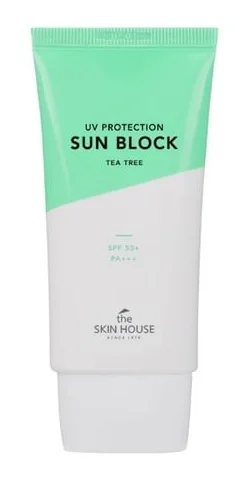


Product Saved