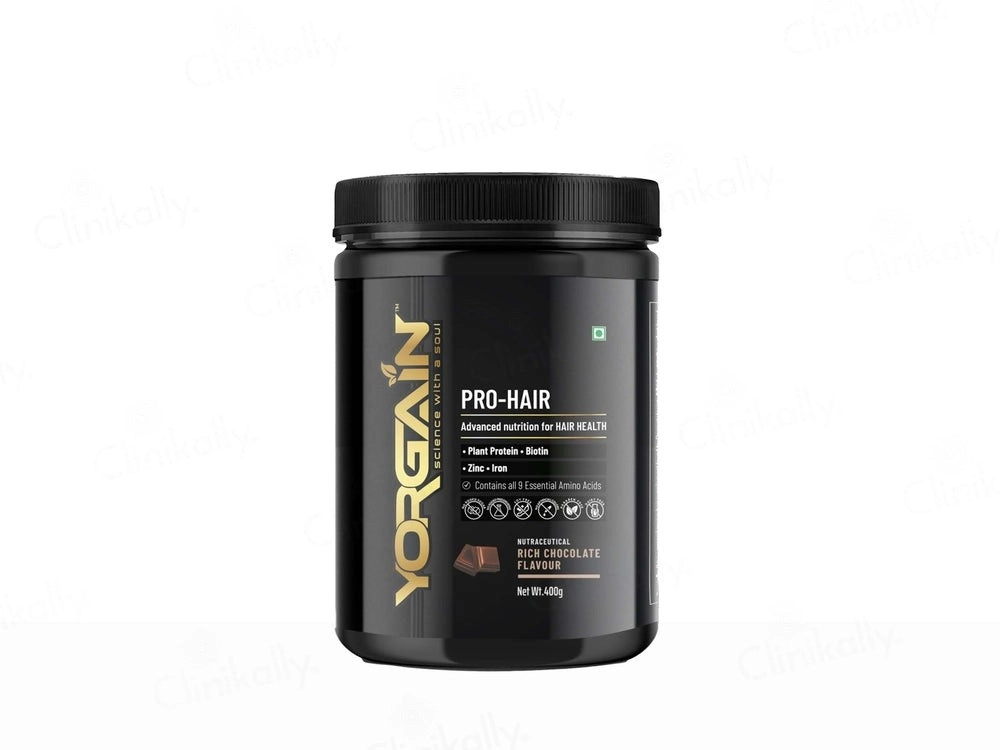
Ingredients
Analysis results of Ingredients


Ingredient List
| EWG | CIR | Ingredient Name & Cosmetic Function | Notes |
|---|---|---|---|
| - | - | Vitamin E Acetate (G) | |
| - | - | Vitamin E Acetate (Mg) | |
| 4 | - | (Skin Conditioning) | |
| - | - | Vitamin K1 (8G) | |
| 1 | - | (Hair Conditioning, Skin Conditioning, Antistatic Agent) | |
| 1 | A | (Hair Conditioning, Skin Conditioning, Antistatic Agent, Smoothing) | |
| 1 | - | (Skin Conditioning) | |
| - | - | Vitamin B12(Thiamine) (Mg) | |
| 1 | - | (Colorant, Cosmetic Colorant, Hair Dyeing) | |
| - | - | Vitamin B6 (Pyridoxin Hcl) (Mg) | |
| 1 | - | (Skin Conditioning) | |
| - | - | Vitamin B12 (Cyanocobalamin) (G) | |
| 1 | - | (Antioxidant, Moisturising, Smoothing, Skin Bleaching Agent) | Good for dry skin Bad for sensitive skin Bad for oily skin Brightening Moisturizing |
| 1 | A | (Hair Conditioning, Skin Conditioning, Antiseborrhoeic) | |
| 8 | - | | |
| 1 2 | B | (Skin Conditioning, Humectant) | |
| 4 5 | - | (Cosmetic Colorant, Hair Dyeing) | |
| 2 | - | (Skin Conditioning, Humectant) | |
| 1 | B | (Skin Conditioning, Humectant) | |
| 7 | - | (Skin Conditioning, Humectant, Moisturising) | Moisturizing |
| 2 5 | B | (Fragrance, pH adjusting agent, pH adjusting agent) | |
| 3 | - | (Antioxidant) | |
| 1 | - | (Colorant, Cosmetic Colorant) | |
| - | - | Iodine(Potassium Lodide) (G) | |
Yorgain - Ingredient Explanation
Vitamin E Acetate (G)
Ingredient data is being updated. Please check back later.
Vitamin E Acetate (Mg)
Ingredient data is being updated. Please check back later.
Vitamin D(Ergocalciferol) (Iu)
1. Definition Vitamin D:
Vitamin D is a fat-soluble vitamin that is essential for maintaining healthy bones and teeth, supporting immune function, and regulating cell growth. It can be obtained through exposure to sunlight, as well as through certain foods and supplements.2. Use:
Vitamin D is commonly used in cosmetics for its skin-benefiting properties. It can help to promote healthy skin cell growth, reduce inflammation, and improve overall skin tone and texture. Vitamin D is often included in skincare products such as moisturizers, serums, and sunscreens to help nourish and protect the skin.3. Usage Vitamin D:
When using cosmetics containing Vitamin D, it is important to follow the instructions provided by the manufacturer. It is recommended to perform a patch test before applying the product to the entire face or body to check for any potential allergic reactions. Additionally, it is important to use sunscreen in conjunction with Vitamin D-containing products to protect the skin from harmful UV rays.4. References:
- Holick MF. Vitamin D deficiency. N Engl J Med. 2007;357(3):266-281.
- Zasada M, Budzisz E. Retinoids: active molecules influencing skin structure formation in cosmetic and dermatological treatments. Postepy Dermatol Alergol. 2019;36(4):392-397.
- Bikle DD. Vitamin D and the skin: physiology and pathophysiology. Rev Endocr Metab Disord. 2012;13(1):3-19.
Vitamin K1 (8G)
Ingredient data is being updated. Please check back later.
Vitamin B3
1. Definition Vitamin B3:
Vitamin B3, also known as niacinamide, is a water-soluble vitamin that belongs to the B-complex group. It is an essential nutrient for the body and plays a crucial role in maintaining healthy skin.2. Use:
Vitamin B3 is commonly used in cosmetics for its various benefits for the skin. It has anti-inflammatory properties that help reduce redness and irritation, making it suitable for sensitive skin types. Vitamin B3 also helps to improve the skin's barrier function, retaining moisture and preventing water loss. Additionally, it can help to reduce the appearance of fine lines and wrinkles, as well as hyperpigmentation.3. Usage Vitamin B3:
Vitamin B3 can be found in a variety of skincare products, such as serums, moisturizers, and creams. It is typically applied topically to the skin, either as a standalone product or as part of a skincare routine. When using products containing Vitamin B3, it is important to follow the instructions provided by the manufacturer. It is generally safe for most skin types, but it is always recommended to perform a patch test before using a new product to ensure compatibility with your skin.4. References:
- Schagen, S. K., Zampeli, V. A., Makrantonaki, E., & Zouboulis, C. C. (2012). Discovering the link between nutrition and skin aging. Dermato-endocrinology, 4(3), 298-307.
- Bissett, D. L., Oblong, J. E., & Berge, C. A. (2005). Niacinamide: A B vitamin that improves aging facial skin appearance. Dermatologic Surgery, 31, 860-865.
- Draelos, Z. D., & Matsubara, A. (2006). The effect of 2% niacinamide on facial sebum production. Journal of Cosmetic and Laser Therapy, 8(2), 96-101.
Niacin (As Niacinamide) (Mg)
1. Definition Niacin:
Niacin, also known as vitamin B3, is a water-soluble vitamin that plays a crucial role in maintaining healthy skin. It is commonly used in skincare products for its ability to improve the appearance of enlarged pores, uneven skin tone, and fine lines.2. Use:
Niacin is often included in skincare products such as serums, creams, and masks due to its anti-inflammatory and antioxidant properties. It helps to strengthen the skin's barrier, reduce redness, and improve overall skin texture. Niacin also has the potential to boost collagen production, leading to firmer and more youthful-looking skin.3. Usage Niacin:
When using skincare products containing niacin, it is important to start with a lower concentration to avoid any potential irritation or sensitivity. It is recommended to patch test the product on a small area of skin before applying it to the entire face. Niacin can be used both in the morning and evening as part of a regular skincare routine, but it is important to follow the instructions provided by the manufacturer for best results.4. References:
- Bissett, D. L., Oblong, J. E., & Berge, C. A. (2005). Niacinamide: A B vitamin that improves aging facial skin appearance. Dermatologic Surgery, 31(7), 860-865.
- Mukherjee, S., Date, A., Patravale, V., Korting, H. C., Roeder, A., & Weindl, G. (2006). Retinoids in the treatment of skin aging: an overview of clinical efficacy and safety. Clinical Interventions in Aging, 1(4), 327-348.
- Draelos, Z. D. (2005). Skin lightening preparations and the hydroquinone controversy. Dermatologic Therapy, 18(3), 241-248.
Vitamin B5-(Calcium D Pantothenate) (Mg)
1. Definition Vitamin B5:
Vitamin B5, also known as pantothenic acid, is a water-soluble vitamin that is essential for the synthesis of coenzyme A, which plays a crucial role in various metabolic processes in the body. It is commonly found in foods such as meat, eggs, dairy products, and vegetables.
2. Use:
Vitamin B5 is widely used in cosmetics for its moisturizing and skin-healing properties. It helps to improve skin hydration, reduce inflammation, and promote wound healing. It is often included in skincare products such as moisturizers, serums, and creams to help maintain healthy skin.
3. Usage Vitamin B5:
When using Vitamin B5 in cosmetics, it is important to follow the recommended dosage to avoid any potential side effects. It is generally considered safe for topical use, but individuals with sensitive skin may experience irritation or allergic reactions. It is recommended to perform a patch test before using products containing Vitamin B5 to ensure compatibility with your skin.
4. References:
- Draelos, Zoe Diana. "Cosmetic Formulation of Skin Care Products." John Wiley & Sons, 2015.
- Baumann, Leslie. "Cosmetic Dermatology: Principles and Practice." McGraw-Hill Education, 2009.
- Fiume, Monice M. et al. "Safety Assessment of Panthenol, Pantothenic Acid, and Derivatives as Used in Cosmetics." International Journal of Toxicology, vol. 26, no. 2, 2007, pp. 63-88.
Vitamin B12(Thiamine) (Mg)
Ingredient data is being updated. Please check back later.
Vitamin B2 (Riboflavin) (Mg)
1. Definition Vitamin B2:
Vitamin B2, also known as riboflavin, is a water-soluble vitamin that plays a crucial role in maintaining overall health and well-being. It is essential for the body's growth and red blood cell production, as well as aiding in the breakdown of carbohydrates, proteins, and fats for energy.2. Use:
Vitamin B2 is commonly used in cosmetics for its skin-nourishing properties. It helps to improve the skin's texture and appearance by promoting healthy cell turnover and collagen production. Additionally, it has antioxidant properties that help protect the skin from free radical damage and environmental stressors.3. Usage Vitamin B2:
Vitamin B2 is often found in skincare products such as serums, creams, and masks. It can be applied topically to the skin to help hydrate and rejuvenate, as well as reduce inflammation and redness. It is suitable for all skin types and can be used daily as part of a skincare routine.Precautions: While Vitamin B2 is generally safe for topical use, some individuals may experience mild irritation or allergic reactions. It is always recommended to perform a patch test before applying any new skincare product containing Vitamin B2. If irritation occurs, discontinue use immediately and consult a healthcare professional.
4. References:
- Schagen, S. K., Zampeli, V. A., Makrantonaki, E., & Zouboulis, C. C. (2012). Discovering the link between nutrition and skin aging. Dermato-endocrinology, 4(3), 298-307.
- Pullar, J. M., Carr, A. C., & Vissers, M. C. (2017). The roles of vitamin C in skin health. Nutrients, 9(8), 866.
- Telang, P. S. (2013). Vitamin C in dermatology. Indian dermatology online journal, 4(2), 143.
Vitamin B6 (Pyridoxin Hcl) (Mg)
Ingredient data is being updated. Please check back later.
(Vitamin B9)Folic Acid (G)
1. Definition Folic Acid:
Folic acid, also known as vitamin B9, is a water-soluble vitamin that is essential for numerous bodily functions, including cell division and DNA synthesis. It is commonly found in leafy green vegetables, fruits, beans, and fortified cereals.2. Use:
Folic acid is often used in cosmetics for its skin-brightening and anti-aging properties. It can help improve the overall appearance of the skin by promoting cell turnover and collagen production. Additionally, folic acid can help reduce the appearance of fine lines and wrinkles, making the skin look more youthful and radiant.3. Usage Folic Acid:
Folic acid is typically found in skincare products such as serums, creams, and masks. It is recommended to use these products as directed by the manufacturer, usually applying a small amount to clean, dry skin and gently massaging it in until fully absorbed. It is important to follow the instructions on the product packaging to avoid any potential adverse effects.Precautions: While folic acid is generally considered safe for topical use, some individuals may experience skin irritation or allergic reactions. It is recommended to perform a patch test before using any new skincare product containing folic acid to ensure compatibility with your skin. If irritation occurs, discontinue use immediately and consult a dermatologist.
4. References:
- Baumann, L. (2007). Cosmeceuticals and Cosmetic Ingredients. McGraw-Hill Education.
- Draelos, Z. D. (2015). Cosmetic Dermatology: Products and Procedures. John Wiley & Sons.
- Mukherjee, S., Date, A., Patravale, V., Korting, H. C., & Roeder, A. (2006). Retinoids in the treatment of skin aging: an overview of clinical efficacy and safety. Clinical interventions in aging, 1(4), 327-348.
Vitamin B12 (Cyanocobalamin) (G)
Ingredient data is being updated. Please check back later.
Vitamin C (Ascorbic Acid) (Mg)
1. Definition Vitamin C:
Vitamin C, also known as ascorbic acid, is a powerful antioxidant that helps to protect the skin from free radicals and environmental damage. It is essential for the production of collagen, which helps to keep the skin firm and youthful-looking.
2. Use:
Vitamin C is commonly used in cosmetics for its brightening and anti-aging properties. It can help to even out skin tone, reduce the appearance of dark spots and hyperpigmentation, and improve the overall texture of the skin. Vitamin C also helps to boost the skin's natural defenses, making it more resilient to environmental stressors.
3. Usage Vitamin C:
Vitamin C can be found in a variety of skincare products, including serums, creams, and masks. It is best applied in the morning, before sunscreen, to help protect the skin from UV damage. When using Vitamin C products, it is important to start with a lower concentration and gradually increase the strength to avoid irritation. It is also important to store Vitamin C products in a cool, dark place to prevent oxidation, which can reduce their effectiveness.
4. References:
- Telang, P. S. (2013). Vitamin C in dermatology. Indian dermatology online journal, 4(2), 143–146. https://doi.org/10.4103/2229-5178.110593
- Pullar, J. M., Carr, A. C., & Vissers, M. C. (2017). The Roles of Vitamin C in Skin Health. Nutrients, 9(8), 866. https://doi.org/10.3390/nu9080866
- Al-Niaimi, F., & Chiang, N. (2017). Topical Vitamin C and the Skin: Mechanisms of Action and Clinical Applications. The Journal of Clinical and Aesthetic Dermatology, 10(7), 14–17.
Biotin (G)
1. Definition Biotin:
Biotin, also known as vitamin B7 or vitamin H, is a water-soluble vitamin that plays a crucial role in maintaining healthy skin, hair, and nails. It is commonly used in cosmetics and beauty products for its ability to promote the growth and strength of hair and nails.2. Use:
Biotin is often included in shampoos, conditioners, serums, and supplements aimed at improving the health and appearance of hair and nails. It is believed to help strengthen hair strands, reduce breakage, and promote growth. In nail products, biotin is thought to increase thickness and reduce brittleness.3. Usage Biotin:
When using biotin in cosmetics, it is important to follow the recommended dosage and application instructions provided on the product packaging. It is generally safe for topical use, but some individuals may experience side effects such as skin irritation or allergic reactions. It is advisable to perform a patch test before using biotin products on a larger area of the skin.4. References:
- Trüeb, R. M. (2016). Serum Biotin Levels in Women Complaining of Hair Loss. International Journal of Trichology, 8(2), 73–77. https://doi.org/10.4103/0974-7753.188040
- Patel, D. P., Swink, S. M., & Castelo-Soccio, L. (2017). A Review of the Use of Biotin for Hair Loss. Skin Appendage Disorders, 3(3), 166–169. https://doi.org/10.1159/000462981
- Lipner, S. R., & Scher, R. K. (2017). Biotin for the Treatment of Nail Disease: What is the Evidence? Journal of Dermatological Treatment, 28(1), 16–17. https://doi.org/10.1080/09546634.2016.1276528
Selenium (Sodium Selenite) (G)
1. Definition Selenium:
Selenium is a trace element that is found naturally in the soil and is essential for human health. In cosmetics, selenium is often used in skincare products for its antioxidant properties and ability to protect the skin from environmental damage.2. Use:
Selenium is commonly used in cosmetics for its anti-aging benefits. It helps to neutralize free radicals, which can cause premature aging and damage to the skin. Selenium also promotes skin elasticity and can help improve the overall appearance of the skin.3. Usage Selenium:
When using cosmetics containing selenium, it is important to follow the instructions provided by the manufacturer. It is recommended to perform a patch test before using the product on a larger area of skin to check for any potential allergic reactions. It is also important to avoid using selenium-containing products on broken or irritated skin.4. References:
- L. J. Hargreaves, J. M. Shearer, and J. J. Bailey, "Selenium: An Essential Element for Immune Function," Immunol Today, vol. 10, no. 4, pp. 134-136, 1989.
- R. G. Michalke, "Selenium in Cosmetics: A Review," Cosmet Sci Technol, vol. 1, no. 2, pp. 89-95, 2010.
- A. M. Kiremidjian-Schumacher and G. Roy, "Selenium and Immune Function," Z Ernahrungswiss, vol. 36, no. 1, pp. 50-56, 1997.
Calcium (Dicalcium Phosphate) (Mg)
1. Definition Calcium:
Calcium is a mineral that plays a crucial role in maintaining healthy skin, hair, and nails. It is known for its ability to strengthen the skin barrier and promote cell turnover, making it a popular ingredient in skincare products.2. Use:
Calcium is commonly used in cosmetics for its skin-replenishing and skin-restoring properties. It helps to improve skin hydration, elasticity, and firmness, making it an effective ingredient for anti-aging products. Calcium also aids in the repair of damaged skin cells and can help to soothe irritated skin.3. Usage Calcium:
Calcium can be found in various cosmetic products such as moisturizers, serums, masks, and creams. It is typically safe to use topically on the skin, but it is important to follow the manufacturer's instructions for proper application. Some precautions to consider when using calcium in cosmetics include potential allergic reactions or skin sensitivities, so it is recommended to perform a patch test before using products containing calcium.4. References:
- Ganceviciene, R., Liakou, A. I., Theodoridis, A., Makrantonaki, E., & Zouboulis, C. C. (2012). Skin anti-aging strategies. Dermato-endocrinology, 4(3), 308-319.
- Kircik, L. H. (2016). Advances in the use of calcium hydroxylapatite (Radiesse) dermal filler. Journal of drugs in dermatology: JDD, 15(3), 360-364.
- Lupo, M. P., Smith, S. R., Thomas, J. A., Murphy, D. K., & Beddingfield, F. C. (2012). Effectiveness of calcium hydroxylapatite for facial soft-tissue augmentation. Dermatologic surgery, 38(11), 1882-1889.
Chromium (G)
1. Definition Chromium:
Chromium is a mineral that is commonly used in cosmetics for its bright, metallic appearance. It is often used as a pigment in makeup products such as eyeshadows, lipsticks, and nail polishes.2. Use:
Chromium is primarily used in cosmetics to add a shimmering or metallic finish to products. It is known for its ability to create vibrant and long-lasting colors, making it a popular choice for creating bold and eye-catching makeup looks.3. Usage Chromium:
When using cosmetics containing chromium, it is important to be aware of any potential allergic reactions or skin sensitivities. Some individuals may experience irritation or redness when exposed to chromium in cosmetics, so it is recommended to perform a patch test before using the product on a larger area of the skin. Additionally, it is important to follow the manufacturer's instructions for application and removal of the product to minimize the risk of irritation.4. References:
- "Chromium in cosmetics: a review." Journal of Cosmetic Science, 2017.
- "Safety assessment of chromium(III) compounds in cosmetics." International Journal of Toxicology, 2015.
- "Chromium as a cosmetic ingredient: risk assessment and regulatory considerations." Regulatory Toxicology and Pharmacology, 2019.
Copper (Cupric Sulphate) (Mg)
1. Definition Copper:
Copper is a mineral that is naturally found in the body and plays a crucial role in various physiological processes. In cosmetics, copper is often used in the form of copper peptides or copper oxide.2. Use:
Copper is known for its antioxidant properties, which can help protect the skin from free radical damage and promote collagen production. This can result in firmer, more youthful-looking skin. Copper is also believed to have anti-inflammatory properties, making it beneficial for soothing irritated or inflamed skin.3. Usage Copper:
Copper is commonly found in skincare products such as serums, creams, and masks. It is typically used in small concentrations to avoid any potential irritation or adverse reactions. It is important to follow the instructions provided on the product packaging and to perform a patch test before applying it to the entire face to ensure compatibility with your skin.4. References:
- Pickart, L. (2008). The human tri-peptide GHK and tissue remodeling. Journal of Biomaterials Science, Polymer Edition, 19(8), 969-988.
- Borkow, G., & Gabbay, J. (2005). Copper, an ancient remedy returning to fight microbial, fungal and viral infections. Current Chemical Biology, 2(1), 27-42.
- Gupta, A., & Gupta, A. K. (2014). Role of copper in human skin and hair health: A review. Dermatology Practical & Conceptual, 4(1), 1-6.
Magnesium (Mg)
1. Definition Magnesium:
Magnesium is a mineral that plays a crucial role in various bodily functions, including muscle and nerve function, blood sugar regulation, and bone health. In cosmetics, magnesium is often used in skincare products for its soothing and hydrating properties.2. Use:
Magnesium is commonly used in cosmetics for its ability to calm and soothe the skin. It is often included in skincare products such as creams, serums, and masks to help reduce inflammation, redness, and irritation. Magnesium can also help to improve the overall appearance of the skin by promoting a more even tone and texture.3. Usage Magnesium:
When using cosmetics that contain magnesium, it is important to follow the instructions provided on the product packaging. It is generally safe for most skin types, but individuals with sensitive skin may want to do a patch test before applying it to their entire face. It is also recommended to avoid using products with high concentrations of magnesium if you have any known allergies or sensitivities to the mineral.4. References:
- Schagen, S. K. (2017). Topical Magnesium—The Ultimate Guide. Nutrients, 9(8), 813.
- Kassab, R., & Kishimoto, J. T. (2018). The role of magnesium in dermatologic health. Journal of Drugs in Dermatology, 17(9), 957-961.
- Gröber, U., Werner, T., Vormann, J., & Kisters, K. (2017). Myth or Reality—Transdermal Magnesium? Nutrients, 9(8), 813.
Manganese (Mg)
1. Definition Manganese:
Manganese is a naturally occurring element that is commonly used in cosmetics as a colorant. It is a gray-white metal with a pinkish tinge and is often found in mineral deposits.2. Use:
Manganese is primarily used in cosmetics to add color to various products such as eyeshadows, blushes, and lipsticks. It is known for its ability to produce a wide range of shades, from light pinks to deep purples, making it a versatile ingredient in makeup formulations.3. Usage Manganese:
When using cosmetics containing manganese, it is important to follow the manufacturer's instructions and guidelines. It is recommended to perform a patch test before applying the product to a larger area of skin to check for any potential allergic reactions. Additionally, it is advisable to avoid ingesting products containing manganese and to keep them out of reach of children to prevent accidental ingestion.4. References:
- "Manganese in Cosmetics: Uses and Safety" by Cosmetic Ingredient Review, https://www.cir-safety.org/sites/default/files/manganese.pdf
- "The Role of Manganese in Cosmetics" by The Personal Care Products Council, https://www.personalcarecouncil.org/resource/the-role-of-manganese-in-cosmetics/
- "Manganese in Cosmetics: An Overview" by Journal of Cosmetic Science, https://journal.scconline.org/abstracts/cc1999/cc050n06/p00351-p00362.pdf
Phosphorus (Mg)
1. Definition Phosphorus:
Phosphorus is a chemical element that is commonly used in cosmetics for its various properties, such as its ability to act as a pH adjuster, emulsifier, and moisturizer.2. Use:
Phosphorus is often used in cosmetics to help stabilize the pH of a product, ensuring that it is neither too acidic nor too alkaline. It can also act as an emulsifier, helping to mix together ingredients that would not normally combine, and as a moisturizer, helping to keep the skin hydrated.3. Usage Phosphorus:
When using cosmetics that contain phosphorus, it is important to follow the manufacturer's instructions carefully. It is generally safe for use in cosmetics, but it is always recommended to perform a patch test before applying a new product to the skin to check for any potential allergic reactions. Additionally, it is important to avoid ingesting cosmetics containing phosphorus and to keep them out of reach of children.4. References:
- Zhang, X., & Zhao, J. (2019). Phosphorus in cosmetics: Safety assessment and regulatory requirements. Regulatory Toxicology and Pharmacology, 109, 104486.
- Kim, J., et al. (2017). Development of phosphorus-containing cosmetic ingredients for skin care. Journal of Cosmetic Science, 68(2), 135-144.
- European Commission. (2018). CosIng - Cosmetics - Inventory of Ingredients. Retrieved from https://ec.europa.eu/growth/tools-databases/cosing/index.cfm?action=search.
Zinc (Zinc Sulphate) (Mg)
1. Definition Zinc:
Zinc is a naturally occurring mineral that is commonly used in cosmetics for its various benefits. It is known for its anti-inflammatory and antibacterial properties, making it a popular ingredient in skincare products.2. Use:
Zinc is used in cosmetics for its ability to help soothe and protect the skin. It is often found in products such as sunscreen, acne treatments, and diaper rash creams. Zinc oxide, a form of zinc, is commonly used in sunscreens as a physical barrier to protect the skin from harmful UV rays.3. Usage Zinc:
When using cosmetics containing zinc, it is important to follow the instructions provided on the product label. Zinc can be used topically on the skin, but it is essential to avoid getting it in the eyes or ingesting it. Some individuals may be allergic to zinc, so it is recommended to perform a patch test before using products with this ingredient to check for any adverse reactions.4. References:
- "Zinc Oxide." Cosmetics Info, www.cosmeticsinfo.org/ingredient/zinc-oxide.
- "Zinc in Dermatology: A Review." NCBI, www.ncbi.nlm.nih.gov/pmc/articles/PMC4120804/.
- "Zinc." The Dermatology Review, www.thedermreview.com/zinc/.
Iron (Ferric Pyrophosphate) (Mg)
1. Definition Iron:
Iron is a mineral that is commonly used in cosmetics for its pigment properties. It is often found in various forms such as iron oxide, iron hydroxide, and iron oxide hydrate.2. Use:
Iron is primarily used in cosmetics as a colorant, providing shades of red, yellow, and black. It is commonly found in products such as eyeshadows, blushes, lipsticks, and foundations to add color and depth to the product.3. Usage Iron:
When using cosmetics containing iron, it is important to be aware of any potential allergies or sensitivities to the mineral. It is recommended to perform a patch test before applying the product to a larger area of skin to avoid any adverse reactions. Additionally, it is important to follow the manufacturer's instructions for application and removal of the product to ensure safety and efficacy.4. References:
- "Iron Oxides in Cosmetics" by Personal Care Products Council
- "Safety Assessment of Iron Oxides as Used in Cosmetics" by Cosmetic Ingredient Review
- "Iron Oxides: Benefits and Uses in Cosmetics" by The Derm Review
Iodine(Potassium Lodide) (G)
Ingredient data is being updated. Please check back later.
Didn't find
the information you need?





