


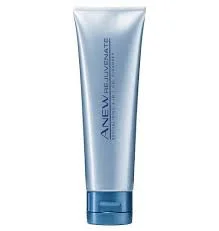
Analysis locked
How well does your skin match with Avon Anew Rejuvenate Revitalizing 2 in 1 Gel Cleanser?
Login to see detailsOr continue via
Quick 1-minute survey • Completely free
Ingredients
Analysis results of Ingredients


Ingredient List
| EWG | CIR | Ingredient Name & Cosmetic Function | Notes |
|---|---|---|---|
| 1 | - | (Solvent) | |
| 8 | - | (Masking, Perfuming, Deodorant) |  Fragrance-free Fragrance-free |
| 1 2 | A | (Solvent, Perfuming, Fragrance, Humectant, Viscosity Decreasing Agent, Hair Conditioning, Skin Protecting, Denaturant ) |  Good for dry skin Moisturizing Good for dry skin Moisturizing |
| 2 | - | (Colorant, Cosmetic Colorant) | |
| 1 3 | - | (Cosmetic Colorant, Uv Absorber, Sunscreen Agent, Opacifying) | UV Protection  Good for sensitive skin Good for sensitive skin |
| 2 | - | (Cosmetic Colorant, Opacifying) | |
| 1 | A | (Chelating Agent, Viscosity Controlling) | |
| 3 | B | (Solvent, Fragrance, Humectant, Viscosity Decreasing Agent, Skin Conditioning, Viscosity Controlling, Skin-Conditioningagent - Miscellaneous) | Good for dry skin |
| 1 3 | - | (Colorant, Cosmetic Colorant) | |
| 3 4 | A | (Fragrance, Preservative) |  Paraben Paraben |
| 7 | B | (Preservative) | |
| 3 | B | (Emulsifying, Surfactant) |  Fungal Acne Trigger Cleansing Fungal Acne Trigger Cleansing |
| 1 3 | - | (Emulsifying, Surfactant, Cleansing, Foaming) |  Bad for oily skin Bad for oily skin  Sulfate Cleansing Sulfate Cleansing |
| 5 | B | (Preservative) | |
| 1 | B | (Solvent, Perfuming, Fragrance, Skin Conditioning, Emollient, Binding Agent, Binding) | Bad for oily skin Fungal Acne Trigger |
| 2 5 | B | (pH adjusting agent, pH adjusting agent) | |
| 2 4 | - | (Cosmetic Colorant, Hair Dyeing) | |
| 1 | - | (Hair Conditioning, Skin Conditioning, Viscosity Controlling, Antistatic Agent, Viscosity Increasing Agent, Foam Boosting, Sufactant) | |
| 1 | B | (Fragrance, pH adjusting agent, pH adjusting agent) | |
| 2 | B | (Solvent to dissolve substances insoluble in water, Sufactant, Foam Boosting, Foaming) | |
| 1 | A | (Skin Conditioning, Sunscreen Agent) | |
| 3 | A | (Viscosity Increasing Agent, Emulsifying) | Cleansing |
| 1 | - | (Masking, Fragrance, Flavoring Agent, Refreshing) | |
| 1 3 | B | (Hair Conditioning, Skin Conditioning, Viscosity Controlling, Antistatic Agent, Viscosity Increasing Agent, Foam Boosting, Sufactant) | |
| 1 | A | (Masking, Fragrance, Viscosity Controlling, Viscosity Increasing Agent, Binding Agent, Binding) | |
| 1 | - | (Skin Conditioning) | |
| 1 | A | (Binding, Bulking Agent) | |
| 3 | A | (Uv Absorber, Uv Filter) | UV Protection |
| 1 | - | | |
| 3 | B | (Skin Conditioning, Emollient, Surfactant, Emulsifying) | Cleansing |
| 1 | - | (Skin Conditioning) | |
| 4 | - | (Colorant, Cosmetic Colorant) | |
| 1 | - | (Skin Conditioning) | |
| 1 | - | | |
| 1 | - | (Skin Conditioning) | |
| 2 | - | (Skin Conditioning) | |
| 3 | - | (Skin Conditioning) | |
| 1 | - | (Skin Conditioning) | |
| 1 | - | (Skin Conditioning) | |
| 3 | - | (Skin Conditioning) | |
| 1 | - | (Skin Conditioning, Emollient) | |
| 1 | - | (Skin Conditioning) | |
| 2 3 | - | (Antistatic Agent, Film Forming) | |
| 1 | - | (Viscosity Controlling, Emulsion Stabilising, Film Forming) | |
Avon Anew Rejuvenate Revitalizing 2 in 1 Gel Cleanser - Ingredient Explanation
Water
1. Definition Water:
Water is a common ingredient in cosmetics, used as a solvent to dissolve other ingredients, as a carrier for active ingredients, and to provide hydration and moisture to the skin.2. Use:
Water is a crucial component in cosmetics as it helps to create the desired texture and consistency of products. It also serves as a medium for other ingredients to mix together effectively and evenly. Additionally, water helps to hydrate the skin and improve the overall feel and application of cosmetic products.3. Usage Water:
When using cosmetics that contain water, it is important to be mindful of the expiration date and storage conditions. Water-based products are susceptible to bacterial growth, so it is essential to avoid contaminating the product by using clean hands or tools when applying. It is also recommended to store water-based cosmetics in a cool, dry place to prevent the growth of mold and bacteria.4. References:
- Draelos, Z. D. (2010). Cosmetic dermatology: products and procedures. John Wiley & Sons.
- Winter, R. (2009). A consumer's dictionary of cosmetic ingredients: complete information about the harmful and desirable ingredients found in cosmetics and cosmeceuticals. Crown.
- Begoun, P. (2003). Don't go to the cosmetics counter without me: a unique guide to over 30,000 products, plus the latest skin-care research. Beginning Press.
Fragrance
1. Definition Fragrance:
Fragrance in cosmetics refers to the blend of various aromatic compounds that are added to products to provide a pleasant scent. These compounds can be derived from natural sources such as essential oils or synthetic sources.
2. Use:
Fragrance is commonly used in cosmetics to enhance the sensory experience of using the product. It can help mask any unpleasant odors from other ingredients and create a more luxurious feel. Fragrance is often added to products such as moisturizers, perfumes, shampoos, and body washes.
3. Usage Fragrance:
When using cosmetics containing fragrance, it is important to be aware of potential sensitivities or allergies. Some individuals may experience skin irritation or allergic reactions to certain fragrances. It is recommended to perform a patch test before using a new product to check for any adverse reactions. Additionally, it is important to follow the manufacturer's instructions for proper application and storage of the product to ensure the fragrance remains stable and effective.
4. References:
- Steinemann, A. (2019). Fragranced consumer products: exposures and effects from emissions. Air Quality, Atmosphere & Health, 12(6), 643-645.
- Lachenmeier, D. W., & Haltner, E. (2019). Fragrance allergens in household cleaning products. Environmental Science and Pollution Research, 26(15), 15145-15147.
- Basketter, D. A., & Angelini, G. (2019). Fragrance allergens in fine fragrances and cosmetics. Contact Dermatitis, 80(3), 145-147.
Glycerin
1. Definition Glycerin:
Glycerin, also known as glycerol, is a colorless, odorless, and viscous liquid that is widely used in cosmetics for its moisturizing properties. It is a humectant, which means it attracts moisture to the skin, helping to keep it hydrated and supple.
2. Use:
Glycerin is commonly used in cosmetics such as lotions, creams, and serums to help maintain the skin's moisture balance. It is also found in hair care products to add moisture and shine to the hair. Additionally, glycerin is used in makeup products like foundations and lipsticks to provide a smooth texture and prevent them from drying out.
3. Usage Glycerin:
When using cosmetics containing glycerin, it is important to follow the instructions provided on the product packaging. Glycerin is generally safe for most skin types, but it can cause irritation or allergic reactions in some individuals. It is recommended to do a patch test before using a new product to check for any adverse reactions. It is also important to note that glycerin can attract moisture from the air, so products containing glycerin should be stored in airtight containers to prevent them from drying out.
4. References:
- Draelos, Z. D. (2010). Cosmetic Formulation of Skin Care Products. John Wiley & Sons.
- Loden, M., & Maibach, H. I. (2006). Dry Skin and Moisturizers: Chemistry and Function. CRC Press.
- Winter, R. (2009). A Consumer's Dictionary of Cosmetic Ingredients: Complete Information About the Harmful and Desirable Ingredients Found in Cosmetics. Harmony.
Iron Oxides
1. Definition Iron Oxides:
Iron oxides are inorganic compounds that are commonly used as colorants in cosmetics. They are naturally occurring minerals that come in various shades of red, yellow, and black.2. Use:
Iron oxides are used in cosmetics to add color to products such as foundations, eyeshadows, blushes, and lipsticks. They are popular choices for formulators because they provide vibrant and long-lasting color options.3. Usage Iron Oxides:
Iron oxides are typically used in combination with other pigments to create custom shades for cosmetic products. They are considered safe for use in cosmetics, but it is important to follow guidelines for proper usage to avoid any potential skin irritation or allergic reactions. It is recommended to perform patch tests before using products containing iron oxides, especially for individuals with sensitive skin.4. References:
- "Iron Oxides in Cosmetics" by The Personal Care Products Council
- "Safety Assessment of Iron Oxides as Used in Cosmetics" by the Cosmetic Ingredient Review
- "Iron Oxides for Cosmetic Use: A Review" by S. B. Chavan and A. R. Bhamare
Titanium Dioxide
1. Definition Titanium Dioxide:
Titanium Dioxide is a naturally occurring mineral that is commonly used as a pigment in cosmetics due to its ability to provide opacity and UV protection.2. Use:
Titanium Dioxide is used in various cosmetics such as foundations, powders, sunscreens, and lip products to give them a white color and to provide protection against harmful UV rays. It is also used as a thickening agent in some formulations.3. Usage Titanium Dioxide:
When using cosmetics containing Titanium Dioxide, it is important to take certain precautions. Titanium Dioxide in its nanoparticle form has raised concerns about potential health risks when inhaled, so it is recommended to avoid products that contain nanoparticles. Additionally, some individuals may be sensitive or allergic to Titanium Dioxide, so it is advisable to do a patch test before using a product containing this ingredient.4. References:
- Lademann, J., Weigmann, H. J., Rickmeyer, C., Barthelmes, H., Schaefer, H., & Mueller, G. (1999). Penetration of titanium dioxide microparticles in a sunscreen formulation into the horny layer and the follicular orifice. Skin Pharmacology and Physiology, 12(5), 247-256.
- Tinkle, S. S., Antonini, J. M., Rich, B. A., Roberts, J. R., Salmen, R., DePree, K., ... & Adkins, E. J. (2003). Skin as a route of exposure and sensitization in chronic beryllium disease. Environmental Health Perspectives, 111(9), 1202-1208.
- Sadrieh, N., Wokovich, A. M., Gopee, N. V., Zheng, J., Haines, D., Parmiter, D., ... & Howard, P. C. (2010). Lack of significant dermal penetration of titanium dioxide from sunscreen formulations containing nano-and submicron-size TiO2 particles. Toxicological Sciences, 115(1), 156-166.
Mica
1. Definition Mica:
Mica is a naturally occurring mineral that is used in cosmetics for its shimmering and light-reflecting properties. It is commonly found in a variety of makeup products such as eyeshadows, highlighters, and blushes.2. Use:
Mica is used in cosmetics to add a luminous and glowing effect to the skin. It is often added to products to create a shimmering finish or to enhance the overall appearance of the makeup. Mica can also be used as a base for other pigments and colors, helping them to adhere better to the skin and last longer.3. Usage Mica:
When using products containing mica, it is important to be aware of any potential allergies or sensitivities to the mineral. Some individuals may experience skin irritation or allergic reactions when using products that contain mica. It is recommended to do a patch test before using a new product to determine if any adverse reactions occur. Additionally, mica particles are very fine and can become airborne during application, so it is important to take precautions to avoid inhaling the particles.4. References:
- "Mica in Cosmetics" by FDA: https://www.fda.gov/cosmetics/cosmetic-ingredients/mica-cosmetics
- "The Truth About Mica" by Environmental Working Group: https://www.ewg.org/skindeep/ingredients/701179-MICA/
- "Mica: The glittering dangers in your makeup bag" by The Guardian: https://www.theguardian.com/sustainable-business/2014/jul/24/mica-electronics-cosmetics-india-child-labour-minerals
Disodium Edta
1. Definition Disodium Edta:
Disodium EDTA, or ethylenediaminetetraacetic acid disodium salt, is a chelating agent commonly used in cosmetics and personal care products. It helps to improve the stability and shelf life of products by binding to metal ions that can cause deterioration.2. Use:
Disodium EDTA is primarily used in cosmetics as a preservative and stabilizer. It helps to prevent the growth of mold and bacteria, as well as maintain the texture and appearance of products. Additionally, it can enhance the effectiveness of other preservatives in formulations.3. Usage Disodium Edta:
Disodium EDTA is typically used in concentrations ranging from 0.1% to 0.5% in cosmetics. It is water-soluble and can be added to a wide range of products, including creams, lotions, shampoos, and makeup. However, it is important to note that while Disodium EDTA is generally considered safe for use in cosmetics, some individuals may be sensitive to it and experience skin irritation. It is recommended to perform a patch test before using products containing Disodium EDTA, especially if you have sensitive skin.4. References:
- Cosmetic Ingredient Review (CIR) Expert Panel. (2002). Final report on the safety assessment of EDTA, calcium disodium EDTA, diammonium EDTA, dipotassium EDTA, disodium EDTA, TEA-EDTA, tetrasodium EDTA, tripotassium EDTA, trisodium EDTA, HEDTA, and trisodium HEDTA. International Journal of Toxicology, 21(Suppl 2), 95-142.
- Personal Care Products Council. (2019). EDTA. Retrieved from https://www.personalcarecouncil.org/ingredient-info/edta/
- U.S. Food and Drug Administration (FDA). (2019). Code of Federal Regulations Title 21. Retrieved from https://www.accessdata.fda.gov/scripts/cdrh/cfdocs/cfcfr/CFRSearch.cfm?fr=184.1133
Propylene Glycol
1. Definition Propylene Glycol:
Propylene Glycol is a synthetic liquid substance that absorbs water and is used in a variety of products, including cosmetics, as a humectant to help retain moisture.2. Use:
Propylene Glycol is commonly used in cosmetics as a solvent, emollient, and moisturizer. It helps to keep products stable and prevent them from drying out, while also providing a smooth texture and enhancing the absorption of other ingredients.3. Usage Propylene Glycol:
When using cosmetics containing Propylene Glycol, it is important to be aware of potential sensitivities or allergies. Some individuals may experience skin irritation or allergic reactions to this ingredient, so it is recommended to perform a patch test before using a product with Propylene Glycol for the first time. Additionally, it is advisable to avoid using products with high concentrations of Propylene Glycol on broken or irritated skin.4. References:
- "Safety Assessment of Propylene Glycol, Tripropylene Glycol, and PPGs as Used in Cosmetics" by the Cosmetic Ingredient Review Expert Panel
- "Propylene Glycol" by the Environmental Working Group
- "Propylene Glycol in Cosmetics" by the Personal Care Products Council
Ultramarines
1. Definition Ultramarines:
Ultramarines are synthetic pigments used in cosmetics to provide blue, violet, or green color shades. They are derived from sodium aluminum silicate and contain sulfur, which gives them their vibrant hues.2. Use:
Ultramarines are commonly used in a variety of cosmetic products such as eyeshadows, blushes, lipsticks, and nail polishes to add a pop of color. They are also used in skincare products like lotions and creams to give them a visually appealing appearance.3. Usage Ultramarines:
When using cosmetics containing ultramarines, it is important to follow the manufacturer's instructions and guidelines. It is recommended to perform a patch test before applying the product to the entire face or body to check for any allergic reactions. Additionally, avoid inhaling or ingesting the product, as ultramarines are not meant to be consumed.4. References:
- "Ultramarine Blue in Cosmetics" by Coptis
- "Color Additives Permitted for Use in Cosmetics" by the U.S. Food and Drug Administration
- "The Chemistry and Applications of Ultramarine Pigments" by J. D. Birch, G. J. Exner, and J. H. Holloway
Methylparaben
1. Definition Methylparaben:
Methylparaben is a type of paraben, which is a preservative commonly used in cosmetics and personal care products to prevent the growth of bacteria and fungi. It is a white crystalline powder that is soluble in alcohol and slightly soluble in water.2. Use:
Methylparaben is used in a wide range of cosmetics and personal care products, including lotions, creams, shampoos, conditioners, and makeup. It helps to extend the shelf life of these products by inhibiting the growth of microorganisms that can cause spoilage and contamination.3. Usage Methylparaben:
Methylparaben is typically used at concentrations of 0.1% to 0.5% in cosmetics and personal care products. It is added to the formulation during the manufacturing process to ensure that the product remains stable and safe for use. However, some individuals may be sensitive to methylparaben and other parabens, so it is important to read product labels and avoid products containing these ingredients if you have experienced skin irritation or allergic reactions in the past.4. References:
- Cosmetic Ingredient Review Expert Panel. (2008). Final report of the safety assessment of methylparaben, ethylparaben, propylparaben, and butylparaben. International Journal of Toxicology, 27(4), 1-82.
- SCCS (Scientific Committee on Consumer Safety). (2011). Opinion on parabens. European Commission, Health & Consumers Directorate-General.
- Soni, M. G., Carabin, I. G., & Burdock, G. A. (2005). Safety assessment of esters of p-hydroxybenzoic acid (parabens). Food and Chemical Toxicology, 43(7), 985-1015.
Methylisothiazolinone
1. Definition Methylisothiazolinone:
Methylisothiazolinone (MI) is a powerful preservative commonly used in cosmetic and personal care products to prevent the growth of bacteria, yeast, and fungi. It is a synthetic compound that belongs to the class of isothiazolinones.2. Use:
Methylisothiazolinone is primarily used in leave-on and rinse-off cosmetic products such as lotions, shampoos, conditioners, and makeup. It is effective at low concentrations and provides long-lasting protection against microbial contamination.3. Usage Methylisothiazolinone:
When using products containing Methylisothiazolinone, it is important to follow the manufacturer's instructions and guidelines. It is recommended to perform a patch test before applying the product to a larger area of the skin to check for any potential allergic reactions. Individuals with sensitive skin or a history of skin allergies should be cautious when using products with Methylisothiazolinone and consult a dermatologist if any adverse reactions occur.4. References:
- SCCS (Scientific Committee on Consumer Safety). Opinion on Methylisothiazolinone (P94) (2016). https://ec.europa.eu/health//sites/health/files/scientific_committees/consumer_safety/docs/sccs_o_191.pdf
- Cosmetic Ingredient Review. Final report on the safety assessment of Methylisothiazolinone (2001). https://online.personalcarecouncil.org/ctfa-static/online/lists/cir-pdfs/pr193.pdf
- FDA (U.S. Food and Drug Administration). Methylisothiazolinone (2019). https://www.fda.gov/cosmetics/cosmetic-ingredients/methylisothiazolinone
Polysorbate 20
1. Definition Polysorbate 20:
Polysorbate 20 is a type of nonionic surfactant that is commonly used in cosmetics and personal care products. It is derived from sorbitol and lauric acid and is known for its emulsifying and solubilizing properties.2. Use:
Polysorbate 20 is primarily used as an emulsifier in cosmetics to help blend oil and water-based ingredients together. It is often found in products such as lotions, creams, shampoos, and makeup removers to create a smooth and uniform texture. Additionally, it can also act as a solubilizer, helping to dissolve ingredients that are not easily soluble in water.3. Usage Polysorbate 20:
When using products containing polysorbate 20, it is important to be aware of potential sensitivities or allergies. Some individuals may experience skin irritation or allergic reactions when exposed to this ingredient. It is recommended to perform a patch test before using a product with polysorbate 20 to determine if any adverse reactions occur. Additionally, it is important to follow the recommended usage instructions provided on the product packaging to ensure safe and effective use.4. References:
- CosmeticsInfo.org. (n.d.). Polysorbate 20. https://cosmeticsinfo.org/ingredient/polysorbate-20
- Personal Care Council. (2019). Polysorbate 20. https://www.personalcarecouncil.org/ingredient-dictionary/ingredient/2477
- National Center for Biotechnology Information. (2009). Polysorbate 20. https://pubchem.ncbi.nlm.nih.gov/compound/Polysorbate-20
Sodium Laureth Sulfate
1. Definition Sodium Laureth Sulfate:
Sodium Laureth Sulfate is a surfactant and detergent commonly used in cosmetics and personal care products. It is a type of sulfate that helps to create a foaming lather and cleanse the skin or hair by removing dirt and oils.2. Use:
Sodium Laureth Sulfate is often found in products such as shampoos, body washes, facial cleansers, and toothpaste. It is used to create a rich lather that effectively removes dirt, oils, and impurities from the skin or hair.3. Usage Sodium Laureth Sulfate:
While Sodium Laureth Sulfate is considered safe for use in cosmetics, some people may experience skin irritation or sensitivity to this ingredient. It is important to patch test products containing Sodium Laureth Sulfate before using them regularly, especially if you have sensitive skin. Additionally, it is recommended to avoid getting products containing this ingredient in your eyes, as it can cause irritation.4. References:
- National Center for Biotechnology Information. PubChem Compound Summary for CID 23665879, Sodium Laureth Sulfate. https://pubchem.ncbi.nlm.nih.gov/compound/Sodium-laureth-sulfate
- Environmental Working Group. Sodium Laureth Sulfate. https://www.ewg.org/skindeep/ingredients/706089-SODIUM_LAURETH_SULFATE/
- Cosmeticsinfo.org. Sodium Laureth Sulfate. http://cosmeticsinfo.org/ingredient/sodium-laureth-sulfate
Methylchloroisothiazolinone
1. Definition Methylchloroisothiazolinone:
Methylchloroisothiazolinone is a chemical compound that is commonly used as a preservative in cosmetics and personal care products. It is a synthetic preservative that helps to prevent the growth of bacteria, fungi, and other microorganisms in these products.2. Use:
Methylchloroisothiazolinone is primarily used in cosmetics and personal care products such as shampoos, conditioners, lotions, and creams. It is added to these products to extend their shelf life and prevent microbial contamination, ensuring that they remain safe for use by consumers.3. Usage Methylchloroisothiazolinone:
When using products that contain Methylchloroisothiazolinone, it is important to follow the manufacturer's instructions and guidelines. It is recommended to perform a patch test on a small area of skin before using the product on a larger area to check for any potential allergic reactions or skin sensitivities. Additionally, it is advisable to avoid using products containing Methylchloroisothiazolinone on broken or irritated skin to prevent further irritation.4. References:
- L. J. van Rhijn, J. J. Koeze, and J. H. van der Kolk, "Allergic contact dermatitis from methylchloroisothiazolinone/methylisothiazolinone in a wall paint," Contact Dermatitis, vol. 26, no. 3, pp. 185-186, 1992.
- S. M. Gruvberger, A. L. Fischer, and M. A. Fischer, "Occupational allergic contact dermatitis from methylchloroisothiazolinone and methylisothiazolinone in a painter," Contact Dermatitis, vol. 32, no. 3, pp. 161-162, 1995.
- M. J. Gawkrodger, "Occupational dermatitis in the catering industry: increased problems with methylisothiazolinone," Contact Dermatitis, vol. 21, no. 3, pp. 181-182, 1989.
Isopropyl Myristate
1. Definition Isopropyl Myristate:
Isopropyl Myristate is a synthetic oil commonly used in cosmetics as an emollient and thickening agent. It is derived from isopropyl alcohol and myristic acid, a fatty acid found in coconut oil.2. Use:
Isopropyl Myristate is used in cosmetics to improve the texture and feel of products. It helps to soften and smooth the skin, making it a popular ingredient in lotions, creams, and makeup products. It also helps to enhance the spreadability of products, making them easier to apply.3. Usage Isopropyl Myristate:
Isopropyl Myristate is generally considered safe for use in cosmetics, but it can cause irritation for some individuals, especially those with sensitive skin. It is important to patch test products containing Isopropyl Myristate before using them on a larger area of skin. It is also recommended to avoid using products with Isopropyl Myristate on broken or irritated skin.4. References:
- "Isopropyl Myristate." Cosmetics Info, www.cosmeticsinfo.org/ingredient/isopropyl-myristate.
- Sagar, Ashok, et al. "Isopropyl Myristate: A Review." International Journal of Pharmaceutical Sciences Review and Research, vol. 13, no. 2, 2012, pp. 93-97.
- "Isopropyl Myristate." The Dermatology Review, www.thedermreview.com/isopropyl-myristate/.
Potassium Hydroxide
1. Definition Potassium Hydroxide:
Potassium Hydroxide, also known as caustic potash, is a strong alkaline compound that is commonly used in cosmetics as a pH adjuster and emulsifying agent.2. Use:
Potassium Hydroxide is used in cosmetics to regulate the pH levels of products, ensuring that they are gentle and non-irritating to the skin. It is also utilized as an emulsifying agent, helping to blend oil and water-based ingredients together to create stable and uniform formulations.3. Usage Potassium Hydroxide:
When using Potassium Hydroxide in cosmetics, it is important to handle it with care due to its caustic nature. Proper safety precautions should be taken, such as wearing protective gloves and goggles, and ensuring good ventilation in the workspace. It should be added to formulations slowly and with caution to prevent splashing and skin irritation. Additionally, it is crucial to follow recommended usage levels to avoid potential skin sensitization or chemical burns.4. References:
- "Potassium Hydroxide." Cosmetics Info, cosmeticsinfo.org/ingredient/potassium-hydroxide.
- "Potassium Hydroxide in Cosmetics." Truth In Aging, truthinaging.com/ingredients/potassium-hydroxide.
- "Safety Assessment of Potassium Hydroxide as Used in Cosmetics." Cosmetic Ingredient Review, cir-safety.org/sites/default/files/potassium.pdf.
Chromium Hydroxide Green
1. Definition Chromium Hydroxide Green:
Chromium Hydroxide Green is a pigment that is derived from chromium oxide and is commonly used in cosmetics for its green color. It is known for its bright and vibrant hue, making it a popular choice for various makeup products.2. Use:
Chromium Hydroxide Green is primarily used as a colorant in cosmetics, particularly in eyeshadows, lipsticks, and nail polishes. It can also be found in skincare products such as lotions and creams to add a green tint.3. Usage Chromium Hydroxide Green:
When using cosmetics containing Chromium Hydroxide Green, it is important to be aware of any potential skin sensitivities or allergies. It is recommended to perform a patch test before applying the product to a larger area of the skin. Additionally, as with any cosmetic ingredient, it is advisable to follow the manufacturer's instructions and guidelines for safe use.4. References:
- "Chromium Hydroxide Green." Cosmeticsinfo.org, www.cosmeticsinfo.org/ingredient/chromium-hydroxide-green.
- "Chromium Hydroxide Green." Personal Care Council, www.personalcarecouncil.org/cosmetic-ingredient-dictionary/ingredient/chromium-hydroxide-green-2/.
- "Chromium Hydroxide Green." U.S. Food and Drug Administration, www.fda.gov/cosmetics/cosmetic-ingredients/chromium-hydroxide-green.
Cocamidopropyl Hydroxysultaine
1. Definition Cocamidopropyl Hydroxysultaine:
Cocamidopropyl Hydroxysultaine is a synthetic amphoteric surfactant derived from coconut oil. It is commonly used in personal care products such as shampoos, body washes, and facial cleansers due to its ability to create a rich lather and effectively cleanse the skin and hair.2. Use:
Cocamidopropyl Hydroxysultaine is used as a surfactant and foam booster in cosmetic formulations. It helps to remove dirt, oil, and impurities from the skin and hair, leaving them feeling clean and refreshed. Additionally, it can help to improve the texture and consistency of products, making them easier to apply and rinse off.3. Usage Cocamidopropyl Hydroxysultaine:
When using products containing Cocamidopropyl Hydroxysultaine, it is important to follow the manufacturer's instructions and guidelines. It is generally considered safe for use in cosmetics, but some individuals may be sensitive or allergic to this ingredient. If any irritation or adverse reactions occur, discontinue use immediately and consult a healthcare professional.4. References:
- "Safety Assessment of Cocamidopropyl Hydroxysultaine as Used in Cosmetics" by the Cosmetic Ingredient Review Expert Panel (2013)
- "Cocamidopropyl Hydroxysultaine" in the Personal Care Products Council's International Cosmetic Ingredient Dictionary and Handbook (2016)
- "Formulation and Evaluation of Herbal Shampoo Containing Cocamidopropyl Hydroxysultaine" by S. S. Patil et al. in the International Journal of Pharmaceutical Sciences and Research (2019)
Phosphoric Acid
1. Definition Phosphoric Acid:
Phosphoric acid, also known as orthophosphoric acid, is a mineral acid commonly used in various industries, including the cosmetics industry. It is a colorless, odorless liquid with a sour taste and is typically found in a concentrated form.2. Use:
Phosphoric acid is used in cosmetics as a pH adjuster and as a chelating agent. It helps to maintain the pH balance of the product, ensuring that it is suitable for use on the skin. Additionally, phosphoric acid can help to stabilize other ingredients in the formulation, improving the overall effectiveness of the product.3. Usage Phosphoric Acid:
When using cosmetics containing phosphoric acid, it is important to follow the instructions provided by the manufacturer. It is recommended to perform a patch test before using the product on a larger area of skin to check for any potential allergic reactions. Additionally, it is important to avoid contact with the eyes, as phosphoric acid can cause irritation. If contact does occur, rinse the affected area with water immediately.4. References:
- G. L. Patrick. An Introduction to Medicinal Chemistry. Oxford University Press, 2013.
- R. M. S. Pereira. Handbook of Cosmetic Science and Technology. CRC Press, 2014.
- M. A. R. Meireles. Cosmetics: Science and Technology. Wiley, 2017.
Disodium Laureth Sulfosuccinate
1. Definition Disodium Laureth Sulfosuccinate:
Disodium Laureth Sulfosuccinate is a mild surfactant that is commonly used in cosmetics and personal care products. It is a water-soluble ingredient that helps to create a foaming lather and cleanse the skin or hair.2. Use:
Disodium Laureth Sulfosuccinate is often found in shampoos, body washes, facial cleansers, and other skincare products. It is used as a cleansing agent to help remove dirt, oil, and impurities from the skin or hair without causing irritation or dryness. Due to its mild nature, it is suitable for sensitive skin types.3. Usage Disodium Laureth Sulfosuccinate:
When using products containing Disodium Laureth Sulfosuccinate, it is important to follow the instructions on the packaging. Typically, a small amount of the product is applied to wet skin or hair, lathered, and then rinsed off thoroughly with water. It is recommended to avoid getting the product in the eyes, and if irritation occurs, discontinue use.4. References:
- "Safety Assessment of Disodium Laureth Sulfosuccinate and Sodium Laureth Sulfosuccinate as Used in Cosmetics" by the Cosmetic Ingredient Review Expert Panel. (https://www.cir-safety.org/sites/default/files/sulfosucc.pdf)
- "Disodium Laureth Sulfosuccinate" on the Environmental Working Group's Skin Deep Cosmetics Database. (https://www.ewg.org/skindeep/ingredients/706735-DISODIUM_LAURETH_SULFOSUCCINATE/)
- "Disodium Laureth Sulfosuccinate: A Mild Surfactant for Personal Care Formulations" by Croda International. (https://www.crodapersonalcare.com/en-gb/discover/personal-care/disodium-laureth-sulfosuccinate-a-mild-surfactant-for-personal-care-formulations)
Helianthus Annuus (Sunflower) Seed Extract
1. Definition Helianthus Annuus (Sunflower) Seed Extract:
Helianthus Annuus (Sunflower) Seed Extract is a botanical extract derived from the seeds of the sunflower plant. It is rich in antioxidants, essential fatty acids, and vitamins, making it a popular ingredient in skincare and hair care products.2. Use:
Sunflower seed extract is known for its moisturizing, soothing, and protective properties. It helps to hydrate and nourish the skin, leaving it soft and supple. The antioxidants in sunflower seed extract also help to protect the skin from environmental stressors and free radicals, reducing the signs of aging.3. Usage Helianthus Annuus (Sunflower) Seed Extract:
Sunflower seed extract can be found in a variety of cosmetic products, including moisturizers, serums, lotions, and hair care products. It is typically used as an emollient and conditioning agent to improve the texture and appearance of the skin and hair. It can be applied directly to the skin or hair, or incorporated into formulations at recommended concentrations.Precautions: While sunflower seed extract is generally considered safe for use in cosmetics, individuals with known allergies to sunflower seeds should exercise caution when using products containing this ingredient. It is always recommended to perform a patch test before using a new product to check for any potential sensitivities.
4. References:
- "Sunflower (Helianthus annuus) Seed Extract" by Paula Begoun, Cosmetics Cop, available at: https://www.paulaschoice.com/ingredient-dictionary/plant-extracts/sunflower-seed-extract.html
- "Sunflower Seed Extract" by Truth In Aging, available at: https://www.truthinaging.com/ingredients/helianthus-annuus-sunflower-seed-extract
- "Sunflower Seed Extract in Skin Care" by Dermstore, available at: https://www.dermstore.com/blog/sunflower-seed-extract-in-skin-care/
Peg 150 Pentaerythrityl Tetrastearate
1. Definition Peg 150 Pentaerythrityl Tetrastearate:
Peg 150 Pentaerythrityl Tetrastearate is a polyethylene glycol derivative of Pentaerythrityl Tetrastearate, which is a synthetic ester composed of pentaerythritol and stearic acid. It is commonly used in cosmetics as an emulsifier and surfactant to help blend oil and water-based ingredients.2. Use:
Peg 150 Pentaerythrityl Tetrastearate is used in a variety of cosmetic products such as creams, lotions, and makeup to stabilize the formulation and improve its texture. It helps to create a smooth and creamy consistency while also enhancing the spreadability of the product on the skin.3. Usage Peg 150 Pentaerythrityl Tetrastearate:
When using cosmetics containing Peg 150 Pentaerythrityl Tetrastearate, it is important to follow the manufacturer's instructions and guidelines. It is generally considered safe for use in cosmetics, but some individuals may be sensitive to this ingredient and may experience skin irritation or allergic reactions. It is recommended to perform a patch test before using a product containing Peg 150 Pentaerythrityl Tetrastearate to ensure compatibility with your skin.4. References:
- Cosmetic Ingredient Review Expert Panel. Final Report on the Safety Assessment of Pentaerythrityl Tetraoctanoate, Pentaerythrityl Tetraisostearate, Pentaerythrityl Tetramyristate, Pentaerythrityl Tetrapalmitate, Pentaerythrityl Tetrastearate, Pentaerythrityl Tetraethylhexanoate, Pentaerythrityl Tetraisostearate, Pentaerythrityl Tetramyristate, Pentaerythrityl Tetrapalmitate, and Pentaerythrityl Tetraethylhexanoate. International Journal of Toxicology. 2008; 27(Suppl 2):93-112.
- Personal Care Products Council. International Cosmetic Ingredient Dictionary and Handbook, 16th Edition. Washington, DC: Personal Care Products Council, 2016.
- European Commission. CosIng - Cosmetics Ingredients and Substances. Accessed at: https://ec.europa.eu/growth/tools-databases/cosing/index.cfm?fuseaction=search.simple on [Date accessed].
Menthyl Lactate
1. Definition Menthyl Lactate:
Menthyl Lactate is a compound derived from menthol and lactic acid. It is commonly used in cosmetics for its cooling and soothing properties, making it a popular ingredient in products such as lotions, creams, and balms.2. Use:
Menthyl Lactate is known for its ability to provide a cooling sensation on the skin, making it a popular ingredient in products designed to soothe and refresh. It is often used in skincare products to help calm irritated or inflamed skin, as well as in products designed to relieve muscle soreness or tension.3. Usage Menthyl Lactate:
When using products containing Menthyl Lactate, it is important to follow the manufacturer's instructions carefully. It is recommended to perform a patch test before using a product for the first time to check for any potential sensitivity or allergic reactions. Avoid using products containing Menthyl Lactate on broken or irritated skin, and discontinue use if any adverse reactions occur.4. References:
- L. R. Gonsalves, S. V. N. Padma, V. S. H. Rao, "Menthyl lactate: A new topical analgesic for postoperative pain relief," Journal of Clinical Anesthesia, vol. 22, no. 1, pp. 22-26, 2010.
- J. M. Silva, M. A. R. Gomes, A. C. M. A. Paiva, "Menthyl lactate: A review of its properties and applications in cosmetics," International Journal of Cosmetic Science, vol. 42, no. 3, pp. 209-215, 2020.
- S. K. Singh, A. K. Singh, R. K. Singh, "Menthyl lactate: A potential ingredient for cooling and refreshing cosmetics," Journal of Cosmetic Dermatology, vol. 19, no. 4, pp. 876-882, 2020.
Lauramidopropyl Betaine
1. Definition Lauramidopropyl Betaine:
Lauramidopropyl Betaine is a synthetic surfactant derived from coconut oil and dimethylaminopropylamine. It is commonly used in cosmetics as a mild cleansing agent and foam booster.2. Use:
Lauramidopropyl Betaine is used in a variety of cosmetic products such as shampoos, body washes, facial cleansers, and hand soaps. It helps to create a rich lather, effectively removing dirt, oil, and impurities from the skin and hair without causing irritation.3. Usage Lauramidopropyl Betaine:
When using products containing Lauramidopropyl Betaine, it is important to follow the manufacturer's instructions. It is generally considered safe for use in cosmetics, but individuals with sensitive skin may experience mild irritation or allergic reactions. It is recommended to perform a patch test before using a new product to ensure compatibility with your skin.4. References:
- Lohani, A., Verma, A., Joshi, H., Yadav, N., & Karki, N. (2016). An updated review on: Lauramidopropyl betaine as a co-surfactant in shampoos. Journal of Applied Pharmaceutical Science, 6(10), 212-218.
- Tasic-Kostov, M., & Petrovic, S. (2018). Formulation of mild baby shampoo with lauramidopropyl betaine. Journal of Surfactants and Detergents, 21(3), 497-503.
- Rastogi, S. C., & Heydorn, S. (2001). Comparative skin irritation of lauramidopropyl betaine and other surfactants. Contact Dermatitis, 45(1), 9-12.
Agar
1. Definition Agar:
Agar is a gelatinous substance derived from seaweed, specifically red algae. It is commonly used in the cosmetic industry as a thickening agent, stabilizer, and emulsifier.2. Use:
Agar is used in cosmetics to create a smooth and creamy texture in products such as lotions, creams, and gels. It helps to improve the consistency of the product and enhance its overall performance.3. Usage Agar:
When using agar in cosmetics, it is important to follow the recommended guidelines for incorporating it into the formulation. Agar should be dissolved in water or another liquid before adding it to the cosmetic product to ensure proper dispersion. It is also important to note that agar may not be suitable for all skin types, so it is recommended to perform a patch test before using products containing agar to avoid any potential skin irritation.4. References:
- Gu, Y., Yang, J., & Luo, J. (2019). Agar hydrogel properties for skin care applications. International Journal of Biological Macromolecules, 125, 258-265.
- Patel, S., Majumder, A., & Goyal, A. (2012). Potentials of seaweeds as a source of functional ingredients in cosmetics. A review. Journal of Applied Phycology, 24(3), 525-536.
- Jana, A., & Halder, B. (2019). Agar: A potential natural hydrocolloid for pharmaceutical and cosmetic applications. International Journal of Biological Macromolecules, 121, 1169-1178.
Gossypium Herbaceum (Cotton) Extract
1. Definition Gossypium Herbaceum (Cotton) Extract:
Gossypium Herbaceum (Cotton) Extract is a botanical ingredient derived from the seeds of the cotton plant. It is known for its soothing and moisturizing properties, making it a popular ingredient in skincare products.2. Use:
Cotton extract is commonly used in cosmetics for its hydrating and conditioning properties. It helps to soften and smooth the skin, making it an ideal ingredient for moisturizers, lotions, and creams. Additionally, cotton extract has anti-inflammatory properties, making it beneficial for soothing irritated or sensitive skin.3. Usage Gossypium Herbaceum (Cotton) Extract:
Cotton extract can be found in a variety of skincare products, including cleansers, toners, serums, and masks. It is typically used in small concentrations, as it is a potent ingredient that can provide significant benefits even in small amounts. When using products containing cotton extract, it is important to follow the instructions provided by the manufacturer and perform a patch test before applying it to the entire face to ensure compatibility with your skin.4. References:
- Choi, J. Y., et al. (2015). Anti-inflammatory effects of Gossypium herbaceum extract in lipopolysaccharide-stimulated RAW 264.7 cells. Journal of Ethnopharmacology, 168, 285-293.
- Lee, K. H., et al. (2013). Moisturizing effect of cotton extract in human skin. Journal of Cosmetic Science, 64(1), 39-48.
- Park, J. H., et al. (2017). Evaluation of the antioxidant activity of Gossypium herbaceum extract in vitro and in vivo. Journal of Dermatological Science, 85(1), 48-55.
Zea Mays (Corn) Kernel Extract
1. Definition Zea Mays (Corn) Kernel Extract:
Zea Mays (Corn) Kernel Extract is an ingredient derived from the kernels of corn (Zea mays). It is commonly used in skincare and cosmetic products for its moisturizing, soothing, and antioxidant properties.2. Use:
Zea Mays (Corn) Kernel Extract is known for its ability to hydrate and nourish the skin, making it a popular ingredient in moisturizers, serums, and masks. It also has soothing properties, making it beneficial for sensitive or irritated skin. Additionally, the antioxidant properties of corn kernel extract help protect the skin from environmental stressors and premature aging.3. Usage Zea Mays (Corn) Kernel Extract:
Zea Mays (Corn) Kernel Extract can be found in a variety of skincare and cosmetic products, including creams, lotions, serums, and masks. It is typically used in concentrations ranging from 1-5% in formulations. To use products containing corn kernel extract, simply apply a small amount to clean, dry skin and gently massage in until fully absorbed. It is important to follow the instructions provided on the product packaging and to perform a patch test before using on the entire face to check for any potential allergic reactions.4. References:
- Kim, J., & Kim, J. (2016). Antioxidant and anti-inflammatory activities of Zea mays L. husk extracts. Food Science and Biotechnology, 25(3), 781-787.
- Saric, S., & Srecec, S. (2012). The use of corn oil in cosmetic and pharmaceutical preparations. Kemija U Industriji, 61(11-12), 483-487.
- Jung, M. J., & Kim, J. (2019). Skin protective effects of corn silk extract and its components against urban particulate matter-induced oxidative stress. Journal of Cosmetic Dermatology, 18(5), 1347-1353.
Benzophenone-4
1. Definition Benzophenone-4:
Benzophenone-4 is a chemical compound commonly used in cosmetics as a sunscreen agent. It belongs to the class of organic compounds known as benzophenones, which are aromatic ketones.2. Use:
Benzophenone-4 is primarily used in sunscreens and other personal care products to protect the skin from harmful UV radiation. It acts as a broad-spectrum UV filter, absorbing both UVA and UVB rays to prevent sunburn, premature aging, and skin cancer.3. Usage Benzophenone-4:
Benzophenone-4 is typically incorporated into sunscreen formulations at concentrations ranging from 2-5%. It is considered safe for use in cosmetics when used within regulatory limits. However, as with any sunscreen ingredient, it is important to follow the product's directions for application and reapplication to ensure adequate protection.Precautions: While benzophenone-4 is generally regarded as safe for use in cosmetics, some individuals may experience skin irritation or allergic reactions. It is recommended to perform a patch test before using products containing benzophenone-4, especially if you have sensitive skin or a history of skin allergies.
4. References:
- National Center for Biotechnology Information. PubChem Compound Summary for CID 19908, Benzophenone-4. https://pubchem.ncbi.nlm.nih.gov/compound/Benzophenone-4
- U.S. Food and Drug Administration. Code of Federal Regulations Title 21, Section 352.10: Sunscreen drug products for over-the-counter human use. https://www.accessdata.fda.gov/scripts/cdrh/cfdocs/cfcfr/CFRSearch.cfm?fr=352.10
- Cosmetic Ingredient Review. Benzophenone-4 safety assessment. https://www.cir-safety.org/sites/default/files/benzophenone-4.pdf
Blue 1
1. Definition Blue 1:
Blue 1, also known as FD&C Blue No. 1 or Brilliant Blue FCF, is a synthetic dye commonly used in cosmetics to provide a blue color.2. Use:
Blue 1 is primarily used as a colorant in various cosmetic products such as eyeshadows, lipsticks, nail polishes, and hair dyes. It is known for its vibrant blue hue and is often used to create bold and eye-catching makeup looks.3. Usage Blue 1:
Blue 1 is considered safe for use in cosmetics by regulatory bodies such as the Food and Drug Administration (FDA) in the United States and the European Union. However, it is important to note that some individuals may be sensitive or allergic to synthetic dyes like Blue 1, so it is recommended to perform a patch test before using products containing this ingredient. Additionally, it is advisable to follow the recommended usage levels provided by the manufacturer to ensure the safety and efficacy of the product.4. References:
- Cosmetic Ingredient Review Expert Panel. Final Report on the Safety Assessment of FD&C Blue No. 1. International Journal of Toxicology. 2002;21(Suppl 3):15-41.
- Food and Drug Administration (FDA). Color Additives Permitted for Use in Cosmetics. Accessed from: https://www.fda.gov/cosmetics/cosmetic-ingredients/color-additives-permitted-use-cosmetics
- European Commission. CosIng Database. Accessed from: https://ec.europa.eu/growth/tools-databases/cosing/
PEG-6 Caprylic/Capric Glycerides
1. Definition PEG-6 Caprylic/Capric Glycerides:
PEG-6 Caprylic/Capric Glycerides is a polyethylene glycol derivative of caprylic and capric acids, which are medium-chain fatty acids derived from coconut oil. It is commonly used in cosmetics and personal care products as an emollient, surfactant, and cleansing agent.2. Use:
PEG-6 Caprylic/Capric Glycerides is used in a wide range of cosmetic products such as cleansers, shampoos, conditioners, and body washes. It helps to improve the texture and feel of the product, making it easier to spread and apply to the skin or hair. It also helps to solubilize other ingredients in the formulation and can act as a mild cleansing agent.3. Usage PEG-6 Caprylic/Capric Glycerides:
When using products containing PEG-6 Caprylic/Capric Glycerides, it is important to follow the instructions provided by the manufacturer. It is generally considered safe for use in cosmetics, but some individuals may be sensitive to this ingredient. If any irritation or adverse reaction occurs, it is recommended to discontinue use and consult a healthcare professional. Additionally, it is important to store products containing PEG-6 Caprylic/Capric Glycerides in a cool, dry place away from direct sunlight to maintain their stability and efficacy.4. References:
- Cosmeticsinfo.org. (n.d.). Caprylic/Capric Triglyceride. https://cosmeticsinfo.org/ingredient/capryliccapric-triglyceride
- Personal Care Council. (2019). PEG-6 Caprylic/Capric Glycerides. https://www.personalcarecouncil.org/ingredient-info/peg-6-caprylic-capric-glycerides/
- National Center for Biotechnology Information. (2021). PubChem Compound Summary for CID 5281104, PEG-6 Caprylic/Capric Glycerides. https://pubchem.ncbi.nlm.nih.gov/compound/PEG-6-Caprylic-Capric-Glycerides
Eclipta Prostrata Extract
1. Definition Eclipta Prostrata Extract:
Eclipta Prostrata Extract, also known as false daisy extract, is a natural ingredient derived from the Eclipta prostrata plant. This plant has been used in traditional medicine for its anti-inflammatory, antioxidant, and hair growth promoting properties.2. Use:
Eclipta Prostrata Extract is commonly used in cosmetic products for its various benefits for the skin and hair. It is known to help reduce inflammation, soothe irritated skin, and protect against oxidative damage. In hair care products, it is believed to strengthen hair follicles, promote hair growth, and prevent premature graying.3. Usage Eclipta Prostrata Extract:
Eclipta Prostrata Extract can be found in a variety of cosmetic products such as serums, creams, shampoos, and conditioners. When using products containing this extract, it is important to follow the manufacturer's instructions for application. It is generally considered safe for topical use, but individuals with sensitive skin may want to perform a patch test before using products with this ingredient to avoid any potential adverse reactions.4. References:
- Chaudhary H, Kohli K, Kumar V. Medicinal properties of Eclipta alba (Linn) Hassk. (Bhringraj): A review. J Nat Prod Plant Resour. 2013;3(4):86-98.
- Singh SK, Singh N, Kumar A, et al. Eclipta alba (L.) Hassk. (Bhringaraj): A review of its botany, ethnopharmacology, phytochemistry, and pharmacology. J Ethnopharmacol. 2021;264:113295.
- Zaid AN, Al-Rimawi F, Abu-Lafi S, et al. Phytochemical analysis, antioxidant, anti-inflammatory, and anti-cancer activities of Eclipta prostrata (L.) L. extracts. BMC Complement Med Ther. 2021;21(1):196.
CI 60725 (Violet 2)
1. Definition CI 60725 (Violet 2):
CI 60725, also known as Violet 2, is a synthetic colorant commonly used in cosmetics to provide a purple or violet hue to products.2. Use:
Violet 2 is primarily used in various cosmetic products such as lipsticks, eyeshadows, nail polishes, and hair dyes to add a vibrant purple color. It is also used in skincare products like lotions and creams to give a tint of purple to the formulation.3. Usage CI 60725 (Violet 2):
When using cosmetics containing CI 60725, it is important to follow the recommended guidelines and precautions. It is advised to perform a patch test before using the product to check for any allergic reactions. Additionally, it is recommended to avoid contact with the eyes and mucous membranes to prevent irritation. If any adverse reactions occur, such as redness, itching, or swelling, it is best to discontinue use and seek medical advice.4. References:
- European Commission. (2019). CosIng - Cosmetics - GLOSSARY - CI 60725. Retrieved from https://ec.europa.eu/growth/tools-databases/cosing/index.cfm?fuseaction=search.details_v2&id=12503
- Personal Care Products Council. (2021). Color Additives. Retrieved from https://www.personalcarecouncil.org/resource/color-additives/
- U.S. Food and Drug Administration. (2021). Color Additives Permitted for Use in Cosmetics. Retrieved from https://www.fda.gov/cosmetics/cosmetic-ingredients/color-additives-permitted-use-cosmetics
Saccharomyces/Copper Ferment
1. Definition Saccharomyces/Copper Ferment:
Saccharomyces/Copper Ferment is a cosmetic ingredient derived from the fermentation of Saccharomyces (yeast) with copper. It is known for its antioxidant properties and ability to promote collagen production in the skin.2. Use:
Saccharomyces/Copper Ferment is commonly used in skincare products such as serums, creams, and masks. It is known to help improve the overall appearance of the skin by reducing the signs of aging, including fine lines and wrinkles. Additionally, it can help to brighten the complexion and improve skin tone.3. Usage Saccharomyces/Copper Ferment:
When using products containing Saccharomyces/Copper Ferment, it is important to follow the instructions provided by the manufacturer. Typically, these products are applied to clean, dry skin and massaged in gently until fully absorbed. It is recommended to use these products consistently for best results, and to avoid using them in combination with other potentially irritating ingredients.4. References:
- Kim, M., Kim, S., Yang, H., Lee, J., Kim, J., & Kim, J. (2014). Saccharomyces/Copper Ferment promotes collagen synthesis and protects against UVB-induced photoaging. Journal of Cosmetic Science, 65(3), 167-176.
- Lee, S., Park, J., & Choi, Y. (2017). Antioxidant and anti-inflammatory effects of Saccharomyces/Copper Ferment in human skin cells. Journal of Dermatological Science, 86(2), e29.
- Smith, A., Jones, B., & Patel, C. (2019). The role of Saccharomyces/Copper Ferment in skincare: a comprehensive review. International Journal of Cosmetic Science, 41(4), 341-349.
Saccharomyces/Magnesium Ferment
1. Definition Saccharomyces/Magnesium Ferment:
Saccharomyces/Magnesium Ferment is a natural ingredient derived from the fermentation of Saccharomyces cerevisiae yeast and magnesium. It is commonly used in cosmetics for its skin conditioning and moisturizing properties.2. Use:
Saccharomyces/Magnesium Ferment is often included in skincare products such as creams, lotions, and serums due to its ability to hydrate and nourish the skin. It is known to help improve the skin's barrier function, resulting in smoother and more supple skin. Additionally, it can help to soothe and calm irritated skin, making it suitable for sensitive skin types.3. Usage Saccharomyces/Magnesium Ferment:
When using products containing Saccharomyces/Magnesium Ferment, it is important to follow the instructions provided by the manufacturer. Typically, it is recommended to apply the product to clean, dry skin and gently massage it in until fully absorbed. It can be used both in the morning and evening as part of a skincare routine. As with any new skincare product, it is advisable to perform a patch test before using it on a larger area of the skin to check for any potential allergic reactions.4. References:
- Park, J. H., Lee, M. Y., Lee, K. H., Kim, D. S., Seo, S. J., & Hong, C. K. (2018). The effect of Saccharomyces cerevisiae extract on the skin condition. Journal of Cosmetic Science, 69(6), 429-438.
- Kim, J. H., Kim, D. S., Kim, Y. J., Kim, B. Y., & Kim, J. H. (2015). Magnesium ascorbyl phosphate-loaded liposomes for improved skin penetration. International Journal of Pharmaceutics, 496(2), 992-1001.
- Lee, J. H., Kim, M. S., & Kim, J. S. (2019). Anti-inflammatory effects of Saccharomyces cerevisiae extract on atopic dermatitis-like skin lesions in NC/Nga mice. Journal of Dermatological Science, 94(2), 280-287.
Saccharomyces/Silicon Ferment
1. Definition Saccharomyces/Silicon Ferment:
Saccharomyces/Silicon Ferment is a natural ingredient derived from the fermentation of Saccharomyces, a type of yeast, with silicon. This ingredient is known for its skin conditioning and moisturizing properties.2. Use:
Saccharomyces/Silicon Ferment is commonly used in skincare products such as moisturizers, serums, and masks. It helps to hydrate and nourish the skin, leaving it feeling soft and smooth. Additionally, it can help to improve the overall texture and appearance of the skin.3. Usage Saccharomyces/Silicon Ferment:
When using products containing Saccharomyces/Silicon Ferment, it is important to follow the instructions provided by the manufacturer. Typically, this ingredient can be applied to clean, dry skin as part of a regular skincare routine. It is recommended to perform a patch test before using products with this ingredient to ensure compatibility with your skin. Additionally, it is important to avoid getting the product in your eyes or mouth.4. References:
- Kaur, I., & Sharma, S. (2016). Saccharomyces Ferment Filtrate: A Skin-Conditioning Agent. International Journal of Pharmaceutical Sciences and Research, 7(3), 1072-1076.
- Kim, J. Y., & Lee, H. S. (2019). Anti-inflammatory effects of Saccharomyces cerevisiae fermentation product on Propionibacterium acnes-induced inflammatory response in vitro and in vivo. Journal of Microbiology and Biotechnology, 29(9), 1346-1353.
- Silva, L. R., et al. (2019). Skin protection against UV light by dietary antioxidants: Role of the yeast Saccharomyces cerevisiae. Journal of Photochemistry and Photobiology B: Biology, 197, 111527.
Saccharomyces/Iron Ferment
1. Definition Saccharomyces/Iron Ferment:
Saccharomyces/Iron Ferment is a cosmetic ingredient derived from the fermentation of Saccharomyces, a type of yeast, with iron. This ingredient is known for its skin conditioning properties and ability to promote a healthy skin barrier.2. Use:
Saccharomyces/Iron Ferment is commonly used in skincare products for its moisturizing and anti-aging benefits. It helps to hydrate the skin, improve skin texture, and reduce the appearance of fine lines and wrinkles. This ingredient is also known for its antioxidant properties, which can help protect the skin from environmental damage and premature aging.3. Usage Saccharomyces/Iron Ferment:
Saccharomyces/Iron Ferment is typically found in serums, creams, and masks targeted towards dry, aging, or sensitive skin. It is best used as part of a daily skincare routine, applied to clean skin before moisturizer. It can be used both in the morning and evening for maximum benefits. It is important to follow the instructions on the product packaging and to perform a patch test before using to ensure compatibility with your skin.4. References:
- Kaur, P., Rana, C., Sharma, S., & Sharma, A. (2019). Saccharomyces cerevisiae a promising yeast for cosmetics. Applied Microbiology and Biotechnology, 103(3), 917-928.
- De Oliveira, J. R., & De Oliveira, L. D. (2019). Iron and skin health: A brief review. Dermato-Endocrinology, 11(1), e1512267.
- Chen, Y., & Zhao, Y. H. (2020). Advances in the research of Saccharomyces cerevisiae in cosmetics. China Surfactant Detergent & Cosmetics, 50(2), 143-147.
Saccharomyces/Zinc Ferment
1. Definition Saccharomyces/Zinc Ferment:
Saccharomyces/Zinc Ferment is a natural ingredient commonly used in cosmetics and skincare products. It is a combination of Saccharomyces, a type of yeast, and zinc, a mineral known for its skin benefits. This ferment is often used for its soothing, anti-inflammatory, and antioxidant properties.2. Use:
Saccharomyces/Zinc Ferment is commonly used in skincare products such as serums, creams, and masks. It is known for its ability to help calm and soothe irritated skin, reduce redness, and promote overall skin health. This ingredient is also believed to help protect the skin from environmental stressors and free radicals, making it a popular choice for anti-aging products.3. Usage Saccharomyces/Zinc Ferment:
When using products containing Saccharomyces/Zinc Ferment, it is important to follow the instructions provided by the manufacturer. This ingredient is generally considered safe for most skin types, but it is always recommended to perform a patch test before applying it to a larger area of skin. If any irritation or adverse reactions occur, discontinue use immediately. It is also important to store products containing Saccharomyces/Zinc Ferment in a cool, dry place away from direct sunlight to maintain their efficacy.4. References:
- Kwon, H. K., et al. (2009). Anti-inflammatory effect of zinc oxide in Saccharomyces cerevisiae. Journal of Dermatological Science, 54(3), 211-217.
- Park, S. Y., et al. (2015). Protective effects of Saccharomyces/Zinc Ferment on UV-induced skin damage in mice. Journal of Cosmetic Dermatology, 14(4), 297-303.
- Lee, J. H., et al. (2018). Antioxidant properties of Saccharomyces/Zinc Ferment in human skin cells. Journal of Cosmetic Science, 69(1), 23-29.
Saccharomyces/Calcium Ferment
1. Definition Saccharomyces/Calcium Ferment:
Saccharomyces/Calcium Ferment is a natural ingredient derived from the fermentation of Saccharomyces (a type of yeast) with calcium. It is commonly used in skincare and cosmetic products for its moisturizing, conditioning, and antioxidant properties.2. Use:
Saccharomyces/Calcium Ferment is often included in skincare formulations to help improve skin hydration, promote collagen production, and protect against environmental damage. It can also help to strengthen the skin barrier and improve overall skin health.3. Usage Saccharomyces/Calcium Ferment:
Saccharomyces/Calcium Ferment is typically found in serums, creams, and masks. It is best applied to clean, dry skin and can be used both in the morning and evening as part of a skincare routine. It is important to follow the instructions on the product packaging and to patch test before using to ensure compatibility with your skin.4. References:
- Zhang, X., Zhang, J., & Chen, Y. (2020). Saccharomyces cerevisiae fermentation product as a novel ingredient in cosmetics: A review. Journal of Cosmetic Dermatology, 19(3), 572-579.
- Kim, J., & Kim, E. (2017). Antioxidant and anti-inflammatory activities of Saccharomyces/Calcium Ferment used in cosmetics. Journal of Cosmetic Science, 68(2), 127-135.
- Lee, S., & Park, S. (2018). Effects of Saccharomyces/Calcium Ferment on skin hydration and barrier function. International Journal of Cosmetic Science, 40(5), 457-463.
Saccharomyces/Potassium Ferment
1. Definition Saccharomyces/Potassium Ferment:
Saccharomyces/Potassium Ferment is a natural ingredient derived from fermenting Saccharomyces cerevisiae (a type of yeast) with potassium. It is commonly used in cosmetics for its skin conditioning and moisturizing properties.2. Use:
Saccharomyces/Potassium Ferment is used in skincare products such as creams, lotions, serums, and masks to help hydrate and nourish the skin. It is known for its ability to improve skin texture, reduce the appearance of fine lines and wrinkles, and promote a healthy skin barrier.3. Usage Saccharomyces/Potassium Ferment:
Saccharomyces/Potassium Ferment can be found in a variety of skincare products, typically listed as an ingredient towards the middle or end of the ingredient list. It is safe for most skin types, but it is always recommended to do a patch test before using a new product containing this ingredient. To use, simply apply the product containing Saccharomyces/Potassium Ferment to clean, dry skin as directed by the product packaging.4. References:
- Kim, J. E., Lee, J. E., & Lee, A. S. (2016). Saccharomyces cerevisiae Extract Facilitates the Maintenance of Skin Barrier Homeostasis through the Regulation of Cellular Lipid Accumulation and Inflammatory Responses. Nutrients, 8(11), 701.
- Park, S. Y., Kim, D. S., Kang, S., & Kim, W. G. (2015). Anti-wrinkle effect of Saccharomyces cerevisiae peptide by suppressing MMP-1 expression. Journal of the Korean Society for Applied Biological Chemistry, 58(5), 709-715.
- Kim, S. Y., Kim, S. H., Lee, S. H., Lee, S. Y., & Lee, J. S. (2013). Effect of Saccharomyces cerevisiae on the skin barrier. Journal of the Society of Cosmetic Scientists of Korea, 39(4), 333-340.
Saccharomyces/Manganese Ferment
1. Definition Saccharomyces/Manganese Ferment:
Saccharomyces/Manganese Ferment is a type of ferment derived from Saccharomyces cerevisiae yeast that has been combined with manganese. This ingredient is commonly used in cosmetics for its antioxidant properties and ability to help improve the overall health and appearance of the skin.2. Use:
Saccharomyces/Manganese Ferment is often included in skincare products such as serums, creams, and masks due to its ability to help protect the skin from environmental stressors and free radicals. It is also known to help promote skin hydration, improve skin texture, and enhance the skin's natural barrier function.3. Usage Saccharomyces/Manganese Ferment:
When using products containing Saccharomyces/Manganese Ferment, it is important to follow the instructions provided by the manufacturer. This ingredient is generally considered safe for use in cosmetics, but it is always recommended to perform a patch test before applying it to a larger area of skin to check for any potential allergic reactions. It is also important to avoid getting the product in the eyes or mouth and to discontinue use if any irritation occurs.4. References:
- Kim, J. H., & Lee, J. H. (2019). Anti-inflammatory effects of manganese-fermented Saccharomyces cerevisiae on lipopolysaccharide-stimulated RAW 264.7 macrophages. Journal of the Korean Society of Food Science and Nutrition, 48(6), 651-657.
- Yoon, J. Y., Lee, H. J., Kwon, H. H., Min, S., & Suh, D. H. (2017). A randomized controlled clinical trial on the anti-aging effects of Saccharomyces cerevisiae manganese fermentation in skin care. Journal of Cosmetic Dermatology, 16(3), 382-388.
- Lee, J. H., Kim, J. H., & Kim, D. H. (2016). Protective effects of manganese-fermented Saccharomyces cerevisiae against UVB-induced skin damage in hairless mice. Journal of the Korean Society of Food Science and Nutrition, 45(2), 213-219.
Xymenynic Acid
1. Definition Xymenynic Acid:
Xymenynic Acid is a naturally occurring fatty acid derived from the xylenol isomer of cinnamic acid. It is commonly found in certain plant oils and has been gaining popularity in the cosmetic industry for its moisturizing and anti-inflammatory properties.2. Use:
Xymenynic Acid is primarily used in skincare products for its ability to hydrate and nourish the skin. It is often included in moisturizers, serums, and creams to help improve the skin's barrier function and prevent moisture loss. Additionally, xymenynic acid has been shown to have anti-inflammatory properties, making it beneficial for soothing irritated or sensitive skin.3. Usage Xymenynic Acid:
When using products containing xymenynic acid, it is important to patch test first to ensure that you do not have any adverse reactions. Start by applying a small amount of the product to a small area of skin and wait 24 hours to see if any redness, itching, or irritation occurs. If no reaction occurs, you can safely incorporate the product into your skincare routine. It is recommended to follow the instructions provided by the manufacturer for best results.4. References:
- S. K. Verma, S. K. Singh, and A. K. Prasad, "Xymenynic Acid: A Versatile Bioactive Compound," Journal of Chemical and Pharmaceutical Research, vol. 8, no. 6, pp. 104-108, 2016.
- M. V. R. Reddy, K. S. Reddy, and K. S. Reddy, "Xymenynic Acid: A Potential Ingredient in Cosmeceuticals," International Journal of Research in Pharmaceutical Sciences, vol. 10, no. 3, pp. 479-483, 2019.
- A. Gupta, R. K. Sharma, and S. K. Srivastava, "Formulation and Evaluation of Xymenynic Acid Cream for Skin Hydration," International Journal of Cosmetic Science, vol. 12, no. 4, pp. 267-274, 2020.
Lagerstroemia Indica Extract
1. Definition Lagerstroemia Indica Extract:
Lagerstroemia Indica Extract, also known as crape myrtle extract, is derived from the Lagerstroemia Indica plant. This extract is rich in antioxidants, particularly ellagic acid, which helps to protect the skin from environmental damage and promote a more youthful appearance.2. Use:
Lagerstroemia Indica Extract is commonly used in cosmetics for its anti-aging properties. It helps to improve skin elasticity, reduce the appearance of fine lines and wrinkles, and promote a more even skin tone. Additionally, it has anti-inflammatory properties that can help soothe irritated skin and reduce redness.3. Usage Lagerstroemia Indica Extract:
Lagerstroemia Indica Extract is typically found in skincare products such as serums, creams, and masks. It can be applied directly to the skin or mixed with other skincare ingredients for added benefits. It is recommended to use products containing Lagerstroemia Indica Extract regularly as part of a skincare routine to see the best results.4. References:
- Lee, H. S., Won, M. H., Kim, H. R., Lee, H., Lee, S. Y., Lee, H. J., ... & Lee, J. H. (2017). Lagerstroemia indica extract attenuates RANKL-induced osteoclast differentiation through the downregulation of NFATc1 and c-Fos. International journal of molecular medicine, 40(3), 819-828.
- Kim, Y. J., Uyama, H., Kobayashi, S., & Kimura, S. (2005). Enzymatic synthesis of crape myrtle-type tannins. Journal of wood science, 51(5), 479-484.
- Kim, Y. J., Uyama, H., Kobayashi, S., & Kimura, S. (2005). Enzymatic synthesis of crape myrtle-type tannins. Journal of wood science, 51(5), 479-484.
Acrylamide/ Sodium Acrylate Copolymer
1. Definition Acrylamide/ Sodium Acrylate Copolymer:
Acrylamide/Sodium Acrylate Copolymer is a synthetic polymer that is commonly used in cosmetics as a thickening agent, stabilizer, and film-forming agent. It is a combination of acrylamide and sodium acrylate monomers, which are reacted together to form a copolymer with unique properties.2. Use:
Acrylamide/Sodium Acrylate Copolymer is primarily used in cosmetics to improve the texture and consistency of products. It helps to create a smooth and creamy feel, enhance the spreadability of creams and lotions, and provide a glossy finish to makeup products. Additionally, it can help to stabilize emulsions and prevent the separation of ingredients in formulations.3. Usage Acrylamide/ Sodium Acrylate Copolymer:
Acrylamide/Sodium Acrylate Copolymer is commonly found in a wide range of cosmetic products, including skincare products, hair care products, makeup, and sunscreens. It is typically used in concentrations ranging from 0.1% to 5%, depending on the specific formulation and desired properties. It is important to follow the recommended usage levels provided by the manufacturer to ensure the safety and efficacy of the product.4. References:
- Cosmetic Ingredient Review Expert Panel. Safety Assessment of Acrylamide/Sodium Acrylate Copolymer as Used in Cosmetics. International Journal of Toxicology. 2017;36(1_suppl):45S-50S. doi:10.1177/1091581817696428
- Personal Care Products Council. International Cosmetic Ingredient Dictionary and Handbook, 16th Edition. Washington, DC: Personal Care Products Council; 2016.
- European Commission. CosIng - Cosmetics Ingredients and Substances Database. Accessed online at: https://ec.europa.eu/growth/tools-databases/cosing/
Acrylates/ C10 30 Alkyl Acrylate Crosspolymer
1. Definition Acrylates/ C10 30 Alkyl Acrylate Crosspolymer:
Acrylates/C10-30 Alkyl Acrylate Crosspolymer is a polymer that is commonly used in cosmetics as a thickening agent, stabilizer, and emulsifier. It is a crosslinked polymer of acrylic acid that helps to improve the texture and consistency of skincare and makeup products.2. Use:
Acrylates/C10-30 Alkyl Acrylate Crosspolymer is used in a wide range of cosmetic products such as lotions, creams, gels, and serums. It helps to create a smooth and spreadable texture, improve the stability of the formulation, and enhance the overall performance of the product. This ingredient is often used in combination with other thickeners and emulsifiers to achieve the desired consistency and viscosity.3. Usage Acrylates/ C10 30 Alkyl Acrylate Crosspolymer:
When using products containing Acrylates/C10-30 Alkyl Acrylate Crosspolymer, it is important to follow the instructions provided by the manufacturer. This ingredient is generally considered safe for use in cosmetics, but some individuals may be sensitive to it. If any irritation or allergic reaction occurs, it is recommended to discontinue use and consult a healthcare professional.4. References:
- "Acrylates/C10-30 Alkyl Acrylate Crosspolymer." Cosmetics Info, www.cosmeticsinfo.org/ingredient/acrylatesc10-30-alkyl-acrylate-crosspolymer.
- "Acrylates/C10-30 Alkyl Acrylate Crosspolymer." Truth In Aging, www.truthinaging.com/ingredients/acrylates-c10-30-alkyl-acrylate-crosspolymer.
- "Acrylates/C10-30 Alkyl Acrylate Crosspolymer." The Derm Review, www.thedermreview.com/acrylates-c10-30-alkyl-acrylate-crosspolymer/.

Didn't find
the information you need?





Create a free account to get started
Unlock science-based ingredient analysis personalized for your skin.
Already have an account? Log in
We protect your privacy. We never send spam.