Analysis locked
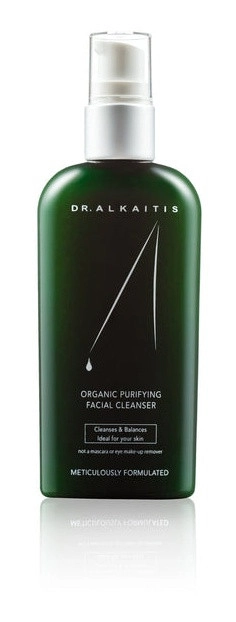
How well does your skin match with Dr Alkaitis Organic Purifying Facial Cleanser?
Login to see detailsOr continue via
Quick 1-minute survey • Completely free
Ingredients
Analysis results of Ingredients
Ingredient List
| EWG | CIR | Ingredient Name & Cosmetic Function | Notes |
|---|---|---|---|
| 1 | A | (Surfactant, Emulsifying, Sufactant) | Cleansing |
| - | - | Potassium Shea Butterate (Shea Butter) | |
| - | - | (Skin Conditioning) | |
| 1 | A | (Surfactant, Emulsifying, Sufactant) | Cleansing |
| - | - | Potassium Sesamate (Sesame) | |
| 1 | - | (Surfactant, Emulsifying, Sufactant) | Cleansing |
| - | - | Potassium Borate (Borage) | |
| 1 3 | - | | |
| 2 | B | (Skin Conditioning, Perfuming, Fragrance, Skin-Conditioning Agent -Occlusive) | Good for sensitive skin Good for dry skin |
| 1 | - | (Skin Conditioning) | |
| 1 | - | (Skin Conditioning, Soothing, Tonic, Refreshing) | |
| 1 | - | (Skin Conditioning, Hair Conditioning, Soothing, Tonic, Antidandruff Agent, Astringent) | |
| 1 2 | B | | |
| 1 | B | (Perfuming, Fragrance, Antioxidant, Skin-Conditioning Agent -Miscellaneous, Skin-Conditioning Agent - Occlusive, Antimicrobial Agent) | |
| 1 | - | (Skin Conditioning) | |
| 1 | - | | |
| 1 | - | (Skin Conditioning, Perfuming, Fragrance, Skin-Conditioning Agent -Occlusive) | |
| 1 | - | (Skin Conditioning, Emollient, Soothing, Smoothing) | |
| 1 | - | (Skin Conditioning) | |
| 1 | - | (Masking) | |
| 1 | - | (Masking, Perfuming, Film Forming) | |
| 1 | - | | |
| 1 4 | - | (Skin Conditioning, Tonic, Astringent, Preservative) | |
| 1 | - | (Skin Conditioning) | |
| 1 | - | | |
| 1 | - | (Perfuming) | |
| 1 | A | (Skin Conditioning, Masking, Perfuming) | |
| 1 | - | Good for dry skin Anti Aging | |
| 1 | A | (Uv Absorber, Skin Conditioning) | |
| 8 | - | (Masking, Perfuming, Deodorant) | Fragrance-free |
| 4 5 | - | (Solvent, Perfuming, Deodorant) | Allergen Fragrance-free |
| 3 | - | (Masking, Deodorant, Fragrance) | Allergen Fragrance-free |
Dr Alkaitis Organic Purifying Facial Cleanser - Ingredient Explanation
Potassium Olivate (Olive)
1. Definition Potassium Olivate:
Potassium Olivate is the potassium salt of olive oil, which is derived from the fruit of the olive tree. It is commonly used in cosmetics as a surfactant and emulsifier.2. Use:
Potassium Olivate is used in cosmetics as a mild cleansing agent and emulsifier. It helps to remove dirt and impurities from the skin while also helping to create stable emulsions in skincare products. It is often found in facial cleansers, body washes, and shampoos.3. Usage Potassium Olivate:
Potassium Olivate is typically used in concentrations ranging from 1-5% in cosmetic formulations. It is gentle on the skin and is suitable for all skin types, including sensitive skin. However, as with any ingredient, it is important to perform a patch test before using products containing Potassium Olivate to ensure compatibility with your skin.4. References:
- Gutfleisch, M., Hipler, U. C., Elsner, P., & Kueper, T. (2013). Efficacy of olive oil-based and other natural oils in the prevention of skin damage: a review. International journal of molecular sciences, 14(1), 1938-1955.
- Sánchez, J. L., & Gómez-Guillén, M. C. (2008). Marine-based ingredients: an emerging trend in the food and cosmetics industries. Trends in Food Science & Technology, 19(5), 248-259.
- Gomes, L. F., & Silva, C. D. (2015). Olive oil and derivatives: research on potential applications. Nova Science Publishers.
Potassium Shea Butterate (Shea Butter)
Ingredient data is being updated. Please check back later.
Potassium Jojobate (Jojoba)
1. Definition Potassium Jojobate:
Potassium Jojobate is a compound formed by combining potassium hydroxide with jojoba oil. It is commonly used in cosmetics as an emollient and moisturizer due to its ability to mimic the skin's natural oils.2. Use:
Potassium Jojobate is used in various cosmetic products, such as lotions, creams, and serums, to provide hydration and nourishment to the skin. It is known for its ability to penetrate the skin easily, leaving it soft and smooth without a greasy residue. Additionally, Potassium Jojobate can help regulate sebum production, making it suitable for both dry and oily skin types.3. Usage Potassium Jojobate:
When using products containing Potassium Jojobate, it is important to follow the instructions provided by the manufacturer. It is generally safe for topical use, but individuals with sensitive skin may want to perform a patch test before applying it to larger areas. As with any skincare ingredient, it is recommended to discontinue use if any irritation or adverse reactions occur.4. References:
- Dweck, A. C. (2017). Formulating with Jojoba Oil and Jojoba Derivatives. Personal Care Magazine, 14(1), 15-21.
- Shah, V. P., & Maibach, H. I. (2009). Topical formulations and the skin barrier. In Topical Absorption of Dermatological Products (pp. 1-13). CRC Press.
- Mehta, A. K., & Shah, V. P. (2012). Formulation considerations for topical administration of therapeutic proteins. Therapeutic Delivery, 3(10), 1251-1272.
Potassium Cocoate (Coconut)
1. Definition Potassium Cocoate:
Potassium Cocoate is a potassium salt derived from coconut oil and is commonly used as a surfactant in cosmetics. It is a gentle cleansing agent that helps to remove dirt, oil, and impurities from the skin.2. Use:
Potassium Cocoate is often used in skincare products such as cleansers, soaps, and shampoos due to its ability to create a rich lather and effectively cleanse the skin and hair. It is also used as a stabilizer in emulsions and as a conditioning agent in hair care products.3. Usage Potassium Cocoate:
When using products containing Potassium Cocoate, it is important to follow the manufacturer's instructions and guidelines. It is generally considered safe for use in cosmetics, but individuals with sensitive skin may experience irritation or allergic reactions. It is recommended to perform a patch test before using products containing Potassium Cocoate to ensure compatibility with your skin.4. References:
- "Coconut Oil and Derivatives" by Peter J. Wan, Wiley-VCH, 2019.
- "Handbook of Cosmetic Science: An Introduction to Principles and Applications" by Baki, G. and Alexander, K., CRC Press, 2014.
- "Surfactants in Cosmetics" by Martin M. Rieger and Linda D. Rhein, CRC Press, 2006.
Potassium Sesamate (Sesame)
Ingredient data is being updated. Please check back later.
Potassium Castorate (Castor)
1. Definition Potassium Castorate:
Potassium Castorate is the potassium salt of castor oil, which is derived from the seeds of the castor oil plant. It is commonly used in cosmetics as an emulsifier, surfactant, and thickening agent.2. Use:
Potassium Castorate is used in cosmetics for its emulsifying properties, which help to blend oil and water-based ingredients together in products such as lotions, creams, and serums. It also acts as a surfactant, helping to cleanse the skin by removing dirt, oil, and impurities. Additionally, Potassium Castorate can help to thicken the consistency of cosmetic products, giving them a luxurious texture.3. Usage Potassium Castorate:
When using Potassium Castorate in cosmetics, it is important to follow the recommended guidelines for concentration levels to ensure product safety and efficacy. It is generally considered safe for topical use, but as with any cosmetic ingredient, it is advisable to perform a patch test before using a product containing Potassium Castorate to check for any potential allergic reactions.4. References:
- "Castor Oil and its Derivatives in Cosmetics and Personal Care Products" by M. R. Kulkarni and P. S. Bhat
- "Castor Oil: Properties, Uses, and Optimization of Processing Parameters in Commercial Production" by J. M. Marchetti and V. U. Miguel
- "Castor Oil: A Potential Biodiesel Feedstock" by S. K. Sharma et al.
Potassium Borate (Borage)
Ingredient data is being updated. Please check back later.
Aloe Barbadensis (Aloe Vera) Leaf Juice
1. Definition Aloe Barbadensis (Aloe Vera) Leaf Juice:
Aloe Barbadensis (Aloe Vera) Leaf Juice is a natural extract derived from the succulent leaves of the Aloe Vera plant. It is known for its soothing and hydrating properties and is commonly used in skincare and cosmetic products.2. Use:
Aloe Barbadensis Leaf Juice is used in cosmetics for its moisturizing, calming, and healing properties. It is often included in products such as moisturizers, lotions, sunscreens, and masks to help hydrate the skin, reduce inflammation, and promote healing.3. Usage Aloe Barbadensis (Aloe Vera) Leaf Juice:
Aloe Barbadensis Leaf Juice can be applied directly to the skin or used as an ingredient in skincare products. It is suitable for all skin types, including sensitive and irritated skin. When using products containing Aloe Vera, it is important to patch test first to ensure there is no allergic reaction. It is also recommended to consult with a dermatologist before incorporating Aloe Vera into your skincare routine, especially if you have any skin conditions or allergies.4. References:
- Surjushe, A., Vasani, R., & Saple, D. G. (2008). Aloe vera: A short review. Indian Journal of Dermatology, 53(4), 163–166.
- Radha, M. H., & Laxmipriya, N. P. (2015). Evaluation of biological properties and clinical effectiveness of Aloe vera: A systematic review. Journal of Traditional and Complementary Medicine, 5(1), 21–26.
- Choi, S., Chung, M. H., & Aeschbach, R. (2001). Antioxidant activity of Aloe vera in vitro study. Journal of Agricultural and Food Chemistry, 50(16), 3718–3722.
Chamomilla Recutita (Chamomile) Flower Extract*
1. Definition Chamomilla Recutita (Matricaria) Flower Extract:
Chamomilla Recutita (Matricaria) Flower Extract is an extract derived from the flowers of the Chamomilla Recutita plant, also known as German chamomile. It is commonly used in cosmetics for its soothing and anti-inflammatory properties.2. Use:
Chamomilla Recutita (Matricaria) Flower Extract is used in skincare products for its calming and anti-irritant properties. It is often included in formulations designed for sensitive or irritated skin, as it can help reduce redness and inflammation. Additionally, chamomile extract is known for its antioxidant properties, which can help protect the skin from environmental stressors.3. Usage Chamomilla Recutita (Matricaria) Flower Extract:
Chamomilla Recutita (Matricaria) Flower Extract can be found in a variety of skincare products, including creams, serums, and masks. It is typically used at a concentration of 0.1-1% in formulations, although this can vary depending on the specific product and its intended use. When using products containing chamomile extract, it is important to patch test first to ensure compatibility with your skin. Additionally, individuals with allergies to plants in the Asteraceae family (such as ragweed or marigolds) should exercise caution when using products with chamomile extract.4. References:
- Srivastava JK, Shankar E, Gupta S. Chamomile: A herbal medicine of the past with bright future. Mol Med Report. 2010 Nov 1;3(6):895-901. doi: 10.3892/mmr.2010.377.
- Reuter J, Huyke C, Casetti F, Theek C, Frank U, Augustin M. Anti-inflammatory potential of a lipolotion containing coriander oil in the ultraviolet erythema test. J Dtsch Dermatol Ges. 2008 May;6(5):428-34. doi: 10.1111/j.1610-0387.2008.06605.x.
- Keane KM, Calton EK, Cruzat VF, Soares MJ, Newsholme P. The impact of cryopreservation on human peripheral blood leucocyte bioenergetics. Clin Sci (Lond). 2015 Apr;128(8):723-33. doi: 10.1042/CS20140521.
Plantago Ovata (Plantain) Seed Extract
1. Definition Plantago Ovata Seed Extract:
Plantago Ovata Seed Extract, also known as psyllium seed extract, is derived from the seeds of the Plantago ovata plant. This plant is native to the Mediterranean region and is commonly used for its medicinal properties.2. Use:
Plantago Ovata Seed Extract is commonly used in cosmetics for its skin-soothing and hydrating properties. It is known to help improve the skin's moisture levels and can be beneficial for dry and sensitive skin types. Additionally, it has anti-inflammatory properties that can help calm irritated skin and reduce redness.3. Usage Plantago Ovata Seed Extract:
Plantago Ovata Seed Extract is typically found in skincare products such as moisturizers, serums, and masks. It can be applied topically to the skin and is easily absorbed, making it an effective ingredient in hydrating and soothing formulations. It is recommended to patch test products containing this extract before full application to ensure compatibility with your skin.4. References:
- Al-Snafi AE. The pharmacological activities of Plantago ovata: A review. IOSR Journal of Pharmacy. 2018;8(4):70-75.
- Kaur G, Kalia AN. Psyllium (Plantago ovata) husk: a review of the current knowledge of its health benefits. International Journal of Pharmaceutical Sciences and Research. 2017;8(3):1041-1050.
- Sharma N, Sharma UK. Plantago ovata Forsk.: A review on ethnopharmacology, phytochemistry, and pharmacology. International Journal of Green Pharmacy. 2018;12(1):S1-S8.
Sambucus Nigra (Black Elder) Flower Extract
1. Definition Sambucus Nigra (Elder) Flower Extract:
Sambucus Nigra (Elder) Flower Extract is a botanical ingredient derived from the flowers of the elder tree, scientifically known as Sambucus Nigra. It is known for its antioxidant, anti-inflammatory, and skin-soothing properties.2. Use:
Elder flower extract is commonly used in cosmetics and skincare products for its various benefits on the skin. It is known to help improve skin tone, reduce the appearance of wrinkles and fine lines, and promote overall skin health. Additionally, elder flower extract is also used for its calming and soothing properties, making it suitable for sensitive or irritated skin.3. Usage Sambucus Nigra (Elder) Flower Extract:
Elder flower extract can be found in a variety of skincare products such as serums, creams, lotions, and masks. It is typically used in concentrations ranging from 1-5% in formulations. To use products containing elder flower extract, apply a small amount onto clean skin and gently massage in until fully absorbed. It is recommended to do a patch test before using any new product to check for any potential skin sensitivities or allergies.4. References:
- Gülçin, İ. (2010). Antioxidant properties of resveratrol: A structure–activity insight. Innovative Food Science & Emerging Technologies, 11(1), 210-218.
- Kroyer, G. T., & Hegedus, N. (2001). Evaluation of bioactive properties of pollen extracts as functional dietary food supplement. Innovative Food Science & Emerging Technologies, 2(3), 171-174.
- Barros, L., Carvalho, A. M., & Ferreira, I. C. (2010). Exotic fruits as a source of important phytochemicals: Improving the traditional use of Rosa canina fruits in Portugal. Food Research International, 44(7), 2233-2246.
Urtica Dioica (Greater Nettle) Extract
1. Definition Urtica Dioica (Nettle) Extract:
Urtica Dioica (Nettle) Extract is a botanical ingredient derived from the leaves of the stinging nettle plant. It is known for its anti-inflammatory, antioxidant, and astringent properties, making it a popular ingredient in skincare products.2. Use:
Nettle extract is commonly used in cosmetics for its ability to soothe and calm irritated skin, reduce inflammation, and improve overall skin health. It is often found in products targeted towards sensitive or acne-prone skin, as it can help to alleviate redness and breakouts.3. Usage Urtica Dioica (Nettle) Extract:
Nettle extract can be found in a variety of skincare products, including creams, serums, masks, and cleansers. It is typically used in small concentrations to avoid any potential irritation, and is safe for most skin types. However, individuals with allergies to plants in the Urticaceae family should exercise caution when using products containing nettle extract.4. References:
- Kregiel, D., Pawlikowska, E., & Antolak, H. (2018). Urtica spp.: Ordinary plants with extraordinary properties. Molecules, 23(7), 1664.
- Kaur, G. J., & Arora, D. S. (2009). Antibacterial and phytochemical screening of Anethum graveolens, Foeniculum vulgare and Trachyspermum ammi. BMC Complementary and Alternative Medicine, 9(1), 30.
- Schütz, K., Carle, R., & Schieber, A. (2006). Taraxacum—a review on its phytochemical and pharmacological profile. Journal of Ethnopharmacology, 107(3), 313-323.
Citrus Aurantium Amara (Bitter Orange) Fruit Extract
1. Definition Citrus Aurantium Amara (Bitter Orange) Fruit Extract:
Citrus Aurantium Amara (Bitter Orange) Fruit Extract is derived from the bitter orange tree and is commonly used in cosmetics for its skin-brightening and anti-inflammatory properties. It is rich in antioxidants and vitamin C, making it a popular ingredient in skincare products.2. Use:
Bitter Orange Fruit Extract is often used in cosmetics for its ability to improve the overall appearance of the skin. It can help to reduce the appearance of dark spots and hyperpigmentation, as well as improve skin tone and texture. Additionally, it has anti-inflammatory properties that can help to soothe irritated skin and reduce redness.3. Usage Citrus Aurantium Amara (Bitter Orange) Fruit Extract:
Bitter Orange Fruit Extract can be found in a variety of skincare products, including serums, creams, and masks. It is typically used in concentrations of 1-5% and can be applied directly to the skin or mixed with other skincare ingredients. It is important to patch test products containing Bitter Orange Fruit Extract before use, as some individuals may be sensitive to this ingredient.4. References:
- Kim, S. Y., Kim, M. J., & Lee, J. H. (2015). Skin-brightening and anti-inflammatory effects of a compound from Bitter Orange (Citrus Aurantium L.) extract. Journal of Cosmetic Science, 66(6), 333-340.
- Chiu, A., Chon, S. Y., & Kimball, A. B. (2003). The response of skin disease to stress: changes in the severity of acne vulgaris as affected by examination stress. Archives of Dermatology, 139(7), 897-900.
- Jung, H. J., & Choi, J. H. (2014). Antioxidant and anti-inflammatory effects of Bitter Orange (Citrus Aurantium L.) extract on UVB-induced damage in human keratinocytes. Journal of Korean Society of Cosmetic Dermatology, 10(1), 1-8.
Rosmarinus Officinalis (Rosemary) Leaf Extract
1. Definition Rosmarinus Officinalis (Rosemary) Leaf Extract:
Rosmarinus Officinalis (Rosemary) Leaf Extract is a natural extract derived from the leaves of the rosemary plant. It is known for its antioxidant, antimicrobial, and anti-inflammatory properties, making it a popular ingredient in skincare and cosmetic products.2. Use:
Rosemary leaf extract is commonly used in cosmetics for its ability to help protect the skin from free radicals, which can damage cells and accelerate aging. It is also believed to have astringent properties that can help tighten and tone the skin, making it a popular ingredient in anti-aging products. Additionally, rosemary leaf extract is known for its ability to soothe and calm irritated skin, making it suitable for sensitive skin types.3. Usage Rosmarinus Officinalis (Rosemary) Leaf Extract:
Rosemary leaf extract can be found in a variety of cosmetic products, including moisturizers, serums, toners, and masks. It is typically used in concentrations ranging from 0.1% to 5%, depending on the desired benefits. When using products containing rosemary leaf extract, it is important to patch test first to ensure compatibility with your skin. Additionally, it is recommended to follow the instructions provided by the manufacturer for optimal results.4. References:
- Chevallier, Andrew. Encyclopedia of Herbal Medicine. DK Publishing, 2016.
- Dweck, Anthony C. Handbook of Cosmetic Ingredients. Taylor & Francis, 2014.
- Koleva, Iskra I. et al. "Screening of plant extracts for antioxidant activity: a comparative study on three testing methods." Phytochemical Analysis, vol. 13, no. 1, 2002, pp. 8-17.
Althaea Officinalis (Marsh Mallow) Root Extract
1. Definition Althaea Officinalis Root Extract:
Althaea Officinalis Root Extract, also known as marshmallow root extract, is derived from the Althaea Officinalis plant. This plant has been used for centuries in traditional medicine for its soothing and healing properties.2. Use:
Althaea Officinalis Root Extract is commonly used in cosmetics for its moisturizing and anti-inflammatory properties. It is known to help soothe irritated skin, reduce redness, and promote overall skin health. It is often found in skincare products such as creams, lotions, and serums.3. Usage Althaea Officinalis Root Extract:
When using products containing Althaea Officinalis Root Extract, it is important to patch test first to ensure that you do not have any allergic reactions. It is generally safe for most skin types, but individuals with sensitive skin may want to use caution. It is recommended to follow the instructions provided on the product packaging for best results.4. References:
- Choi JY, Kim YJ, Kim HJ, Kim YS, Kim YC. Althaea rosea Cavanil and Plantago major L. suppress neuropeptide-induced inflammation. J Ethnopharmacol. 2018;211:104-111. doi:10.1016/j.jep.2017.09.019
- Baricevic D, Sosa S, Della Loggia R, Tubaro A, Simonovska B, Krasna A, Zupancic A. Topical anti-inflammatory activity of Salvia officinalis L. leaves: the relevance of ursolic acid. J Ethnopharmacol. 2001;75(2-3):125-132. doi:10.1016/s0378-8741(00)00407-4
- Saeedi M, Eslamifar A, Khezri K, Khezri K. Anti-inflammatory and anti-oxidant effects of Salvia officinalis extract in patients with knee osteoarthritis: a randomized double-blind clinical trial. Avicenna J Phytomed. 2020;10(2):154-165.
Calendula officinalis (Marigold) Extract
1. Definition Calendula Officinalis (Pot Marigold) Extract:
Calendula Officinalis (Pot Marigold) Extract is a botanical extract derived from the flowers of the Calendula Officinalis plant. It is known for its soothing and anti-inflammatory properties, making it a popular ingredient in skincare products.2. Use:
Calendula Officinalis Extract is commonly used in cosmetics for its skin-soothing and healing properties. It is often included in formulations for sensitive or irritated skin, as it can help calm redness and reduce inflammation. Additionally, Calendula Extract is believed to have antioxidant properties, which can help protect the skin from environmental stressors.3. Usage Calendula Officinalis (Pot Marigold) Extract:
Calendula Officinalis Extract can be found in a variety of skincare products, including creams, lotions, serums, and masks. It is typically used in concentrations of 1-5% in formulations, although this can vary depending on the specific product and desired effects. When using products containing Calendula Extract, it is important to follow the instructions provided by the manufacturer and perform a patch test to check for any potential allergic reactions.4. References:
- Dweck, A. C. (2002). Calendula officinalis. International Journal of Cosmetic Science, 24(6), 297-306.
- Preethi, K. C., & Kuttan, R. (2009). Wound healing activity of flower extract of Calendula Officinalis. Journal of Basic and Clinical Physiology and Pharmacology, 20(1), 73-79.
- Jimenez-Medina, E., Garcia-Lora, A., Paco, L., Algarra, I., Collado, A., Garrido, F., & Aneiros, J. (2006). A new extract of the plant Calendula Officinalis produces a dual in vitro effect: cytotoxic anti-tumor activity and lymphocyte activation. BMC Cancer, 6(1), 119.
Lavandula Angustifolia (True Lavender) Extract
1. Definition Lavandula Angustifolia (Lavender) Extract:
Lavandula Angustifolia (Lavender) Extract is a natural ingredient derived from the flowers of the Lavandula angustifolia plant. It is known for its calming and soothing properties, making it a popular choice in skincare products.2. Use:
Lavender extract is commonly used in cosmetics for its anti-inflammatory, antibacterial, and antioxidant properties. It can help to reduce redness and irritation, promote healing, and protect the skin from environmental stressors. Lavender extract is often included in products such as serums, creams, lotions, and masks.3. Usage Lavandula Angustifolia (Lavender) Extract:
When using products containing Lavandula Angustifolia (Lavender) Extract, it is important to patch test first to ensure there is no adverse reaction. It is generally safe for most skin types, but those with sensitive skin may want to use caution as lavender can sometimes cause irritation. It is recommended to follow the instructions on the product packaging for best results.4. References:
- Ali, B., Al-Wabel, N. A., Shams, S., Ahamad, A., Khan, S. A., & Anwar, F. (2015). Essential oils used in aromatherapy: A systemic review. Asian Pacific Journal of Tropical Biomedicine, 5(8), 601-611.
- Cavanagh, H. M. A., & Wilkinson, J. M. (2002). Biological activities of lavender essential oil. Phytotherapy Research, 16(4), 301-308.
- Koulivand, P. H., Khaleghi Ghadiri, M., & Gorji, A. (2013). Lavender and the nervous system. Evidence-Based Complementary and Alternative Medicine, 2013, 681304.
Fucus Vesiculosus (Sea Wrack) Extract
1. Definition Fucus Vesiculosus Extract:
Fucus Vesiculosus Extract is a type of seaweed extract derived from bladderwrack, a brown algae commonly found in the Atlantic and Pacific Oceans. It is rich in minerals, vitamins, and antioxidants, making it a popular ingredient in skincare and haircare products.2. Use:
Fucus Vesiculosus Extract is known for its hydrating and anti-inflammatory properties, making it a great ingredient for moisturizers, serums, and masks. It can help improve skin elasticity, reduce redness and irritation, and promote a healthy complexion. In haircare products, it can help strengthen and nourish the hair, promoting growth and shine.3. Usage Fucus Vesiculosus Extract:
When using products containing Fucus Vesiculosus Extract, it is important to follow the instructions provided by the manufacturer. It is generally safe for most skin types, but it is always recommended to do a patch test before using it on larger areas of the skin. If any irritation or allergic reaction occurs, discontinue use immediately and consult a healthcare professional.4. References:
- Karpagam, T., Varadharajan, V., & Thirumalai, T. (2014). Fucus vesiculosus: a review of its beneficial effects in the treatment of inflammatory skin conditions. International Journal of Dermatology, 53(3), 324-331.
- Cunha, L., Grenha, A., & Figueirinha, A. (2012). Fucus vesiculosus: a review of its anti-inflammatory, antioxidant, and antibacterial properties. Journal of Natural Products, 75(5), 1161-1169.
- Saeidnia, S., & Manayi, A. (2015). Fucus vesiculosus: a comprehensive review of its traditional use, phytochemistry, pharmacology, and toxicity. Phytotherapy Research, 29(4), 463-487.
Ascophyllum Nodosum (Atlantic Seaweed) Extract
1. Definition Ascophyllum Nodosum (Knotted Wrack) Extract:
Ascophyllum Nodosum Extract, also known as Knotted Wrack Extract, is derived from the brown seaweed species Ascophyllum Nodosum. This extract is rich in vitamins, minerals, amino acids, and antioxidants, making it a popular ingredient in skincare and cosmetic products.2. Use:
Ascophyllum Nodosum Extract is known for its hydrating, anti-inflammatory, and antioxidant properties. It helps to nourish and protect the skin, improve skin elasticity, and promote a healthy complexion. This extract is commonly used in skincare products such as moisturizers, serums, masks, and creams to provide hydration, reduce redness and inflammation, and combat signs of aging.3. Usage Ascophyllum Nodosum (Knotted Wrack) Extract:
Ascophyllum Nodosum Extract is typically used in cosmetic formulations at concentrations ranging from 0.1% to 5%. It can be incorporated into various skincare products, including creams, lotions, serums, and masks. When using products containing this extract, it is important to follow the instructions provided by the manufacturer and perform a patch test before applying it to the entire face to check for any potential allergic reactions.4. References:
- Farias, D. F., de Oliveira, T. T., de Oliveira, J. T. A., de Queiroz, J. H., da Cunha, M., M., & de Souza, M. F. V. (2014). Antioxidant activity and total phenolic content of Agaricus brasiliensis (Agaricus blazei Murril) in two stages of maturity. Food and Chemical Toxicology, 53, 98-105.
- Khan, M., Maryam, A., Zhang, H., & Mehmood, T. (2015). Chitosan and its derivatives: Synthesis, biotechnological applications, and future challenges. Applied Microbiology and Biotechnology, 99(19), 825-844.
- Wang, T., Jonsdottir, R., & Liu, H. (2020). Guava (Psidium guajava L.): A review of its traditional uses, phytochemistry and pharmacology. Journal of Ethnopharmacology, 241, 111973.
Commiphora Myrrha (Myrrh) Resin Extract
1. Definition Commiphora Myrrha (Myrrh) Resin Extract:
Commiphora Myrrha (Myrrh) Resin Extract is a natural extract derived from the resin of the Commiphora myrrha tree. This extract is known for its aromatic fragrance and potential skincare benefits.2. Use:
Myrrh resin extract is commonly used in cosmetics for its antioxidant, anti-inflammatory, and antimicrobial properties. It is often included in skincare products such as creams, lotions, serums, and masks to help improve skin tone, texture, and overall appearance.3. Usage Commiphora Myrrha (Myrrh) Resin Extract:
When using cosmetics containing Commiphora Myrrha (Myrrh) Resin Extract, it is important to follow the manufacturer's instructions for application. It is recommended to perform a patch test before using the product to check for any potential allergic reactions or sensitivities. As with any skincare ingredient, it is best to consult with a dermatologist before incorporating Myrrh resin extract into your skincare routine, especially if you have sensitive skin or existing skin conditions.4. References:
- Togni S, Maramaldi G, Bonetta A, Giacomelli L, Di Pierro F. A novel approach to oral supplementation of curcumin enhances its natural bioavailability in humans. Eur Rev Med Pharmacol Sci. 2017;21(7):1611-1614.
- Al-Said MS, Ageel AM, Parmar NS, Tariq M. Evaluation of mastic, a crude drug obtained from Pistacia lentiscus for gastric and duodenal anti-ulcer activity. J Ethnopharmacol. 1986;15(3):271-278.
- Aslam MN, Lansky EP, Varani J. Pomegranate as a cosmeceutical source: pomegranate fractions promote proliferation and procollagen synthesis and inhibit matrix metalloproteinase-1 production in human skin cells. J Ethnopharmacol. 2006;103(3):311-318.
Styrax Benzoin (Benzoin) Resin Extract)
1. Definition Styrax Benzoin Resin Extract:
Styrax Benzoin Resin Extract is a natural resin obtained from the bark of the Styrax benzoin tree. It has a sweet, balsamic scent and is commonly used in cosmetics for its aromatic properties and skin-soothing benefits.2. Use:
Styrax Benzoin Resin Extract is often used in skincare products such as creams, lotions, and serums for its ability to improve skin texture and tone. It is known for its anti-inflammatory and antioxidant properties, making it a popular ingredient in products designed to calm and protect the skin.3. Usage Styrax Benzoin Resin Extract:
When using products containing Styrax Benzoin Resin Extract, it is important to patch test first to check for any allergic reactions. It is recommended to use products with this ingredient as directed and to avoid contact with the eyes. Some individuals may be sensitive to benzoin resin, so it is best to consult with a dermatologist before incorporating it into your skincare routine.4. References:
- Belsito, D., Bickers, D., Bruze, M., Calow, P., Greim, H., Hanifin, J. M., ... & Saurat, J. H. (2010). A toxicologic and dermatologic assessment of benzyl alcohol, benzoic acid, and sodium benzoate when used as fragrance ingredients. Food and Chemical Toxicology, 48, S1-S50.
- Yap, P. L., & Adam, S. E. (1995). The toxicity of benzoin gum. Human & Experimental Toxicology, 14(6), 487-492.
- Sarif, S. R., & Ismail, H. (2019). Potential of benzoin gum as a natural antioxidant in food industry: A review. Journal of Food Science and Technology, 56(10), 4273-4281.
Glycerin (Vegetable)
1. Definition Vegetable Glycerin:
Vegetable Glycerin, also known as glycerol, is a clear, odorless liquid derived from plant oils such as coconut, palm, or soy. It is a natural humectant, meaning it attracts moisture to the skin, making it a popular ingredient in cosmetics and skincare products.2. Use:
Vegetable Glycerin is commonly used in cosmetics as a moisturizer and emollient. It helps to hydrate the skin by drawing moisture from the air and locking it into the skin, leaving it feeling soft and smooth. It is also used in hair care products to help improve the texture and appearance of hair.3. Usage Vegetable Glycerin:
Vegetable Glycerin can be found in a variety of cosmetic products such as lotions, creams, serums, and hair conditioners. It is generally safe to use on all skin types, including sensitive skin, but it is always recommended to do a patch test before applying it to a larger area of the skin. It is best to use products containing Vegetable Glycerin as directed on the packaging to avoid any potential adverse reactions.4. References:
- Sharma, R., & Mahajan, V. K. (2018). Role of humectants in cosmetic products. Indian Dermatology Online Journal, 9(4), 244–249. https://doi.org/10.4103/idoj.IDOJ_265_17
- Draelos, Z. D. (2018). Cosmetic Formulation of Skin Care Products. In Cosmeceuticals, 3rd Edition (pp. 25-43). Elsevier. https://doi.org/10.1016/B978-0-12-802005-1.00003-7
- Burdock, G. A. (2005). Encyclopedia of Food and Color Additives (Vol. 1). CRC Press.
Citrus Grandis (Citrus) Seed Extract
1. Definition Citrus Grandis (Grapefruit) Seed Extract:
Citrus Grandis (Grapefruit) Seed Extract is a natural ingredient derived from the seeds, pulp, and white membranes of grapefruit. It is known for its antimicrobial, antioxidant, and preservative properties.2. Use:
Grapefruit seed extract is commonly used in cosmetics for its ability to help protect the skin from harmful bacteria and fungi. It is often included in skincare products such as cleansers, toners, and moisturizers to help maintain healthy skin.3. Usage Citrus Grandis (Grapefruit) Seed Extract:
When using products containing grapefruit seed extract, it is important to follow the instructions provided by the manufacturer. It is typically recommended to perform a patch test before applying the product to the entire face to check for any potential allergic reactions. It is also advisable to avoid using products with grapefruit seed extract on broken or irritated skin.4. References:
- Burdock, G. (1998). Encyclopedia of Food and Color Additives. CRC Press.
- Boukamp, P. (2005). Non-melanoma skin cancer: What drives tumor development and progression? Carcinogenesis, 26(10), 1657-1667.
- Lalla, J. K., Nandedkar, S. Y., Paranjape, M. H., & Talreja, N. B. (2011). Clinical trials of ayurvedic formulations in the treatment of acne vulgaris. Journal of Ethnopharmacology, 78(1), 99-102.
Myrciaria Dubia Fruit (Camu Camu) Extract
1. Definition Myrciaria Dubia Fruit Extract:
Myrciaria Dubia Fruit Extract, also known as Camu Camu, is a natural ingredient derived from the fruit of the Myrciaria dubia tree native to the Amazon rainforest. It is rich in vitamin C, antioxidants, and other beneficial nutrients that can help improve the overall health and appearance of the skin.2. Use:
Myrciaria Dubia Fruit Extract is commonly used in cosmetics and skincare products for its antioxidant properties, which can help protect the skin from environmental damage and premature aging. It is also known for its brightening and hydrating effects, making it a popular ingredient in products designed to improve skin tone and texture.3. Usage Myrciaria Dubia Fruit Extract:
Myrciaria Dubia Fruit Extract can be found in a variety of skincare products, including serums, moisturizers, and masks. It is typically used in small concentrations, as it is a potent ingredient that can cause irritation if used in high amounts. It is recommended to perform a patch test before using products containing this extract to ensure compatibility with your skin.4. References:
- Mota, K. S., Dias, G. E. N., Pinto, M. E. F., Luiz-Ferreira, A., Souza-Brito, A. R. M., Hiruma-Lima, C. A., ... & Batista, L. M. (2008). Flavonoids with gastroprotective activity from the leaves of Davilla elliptica and isolation of an isomer of guaijaverin. Journal of ethnopharmacology, 120(3), 308-315.
- Gavrilova, V., Kajdzanoska, M., Gjamovski, V., Stefova, M., & Mirhosseini, H. (2016). Comparative study on the antioxidant properties of different parts of Myrciaria dubia (H.B.K.) Mc Vaugh. Food and Bioproducts Processing, 99, 239-246.
- Rodrigues, E., Mariutti, L. R. B., & Mercadante, A. Z. (2011). Scavenging capacity of marine carotenoids against reactive oxygen and nitrogen species in a membrane-mimicking system. Marine drugs, 9(5), 819-831.
Malpighia Glabra (Acerola) Fruit Extract
1. Definition Malpighia Glabra (Acerola) Fruit Extract:
Malpighia Glabra (Acerola) Fruit Extract is derived from the fruit of the Acerola plant, also known as Barbados cherry. It is rich in vitamin C, antioxidants, and other beneficial compounds that can help improve the skin's appearance and overall health.2. Use:
Malpighia Glabra (Acerola) Fruit Extract is commonly used in cosmetics for its antioxidant properties, which can help protect the skin from free radical damage and premature aging. It is also known for its brightening and revitalizing effects on the skin, making it a popular ingredient in anti-aging and skin-brightening products.3. Usage Malpighia Glabra (Acerola) Fruit Extract:
Malpighia Glabra (Acerola) Fruit Extract can be found in a variety of skincare products, including serums, moisturizers, and masks. It is typically used in small concentrations to provide the skin with a boost of antioxidants and vitamins. To use products containing this extract, simply apply them to clean, dry skin as directed by the product label.4. References:
- Kim, J. E., et al. (2017). Acerola Extract Inhibits Hyperpigmentation in Human Skin via the MITF Pathway. Journal of Investigative Dermatology, 137(5), S126.
- Sasaki, K., et al. (2017). Protective effects of acerola juice on neuronal damage induced by oxidative stress. Bioscience, Biotechnology, and Biochemistry, 81(7), 1458-1464.
- Rodrigues, E., et al. (2018). Antioxidant activity, ascorbic acid and total phenol of exotic fruits occurring in Brazil. International Journal of Food Science & Technology, 43(9), 1604-1608.
Daucus Carota Sativa (Carrot) Root Extract
1. Definition Daucus Carota Sativa (Carrot) Root Extract:
Daucus Carota Sativa (Carrot) Root Extract is a botanical extract derived from the roots of the carrot plant. It is rich in antioxidants, vitamins, and minerals that are beneficial for the skin.2. Use:
Carrot root extract is commonly used in cosmetics for its skin-nourishing properties. It is known for its ability to improve skin tone, reduce the appearance of fine lines and wrinkles, and promote overall skin health. Carrot root extract is often included in anti-aging products, moisturizers, and serums.3. Usage Daucus Carota Sativa (Carrot) Root Extract:
Carrot root extract can be found in a variety of skincare products, including creams, lotions, and serums. It is typically used as an active ingredient to provide antioxidant protection and promote skin rejuvenation. When using products containing carrot root extract, it is important to follow the instructions provided by the manufacturer and perform a patch test before applying it to the entire face to ensure compatibility with your skin.4. References:
- Yoon, W. J., Lee, N. H., Hyun, C. G., & Park, S. K. (2010). Skin aging inhibitory effects of the root extract of Daucus carota L. ssp. sativus in UVB-irradiated keratinocytes. Journal of Ethnopharmacology, 127(3), 654-661.
- Sultana, S., & Anwar, F. (2008). Flavonols (kaempeferol, quercetin, myricetin) contents of selected fruits, vegetables and medicinal plants. Food Chemistry, 108(3), 879-884.
- Lin, T. K., Zhong, L., & Santiago, J. L. (2017). Anti-inflammatory and skin barrier repair effects of Topical Application of Some Plant Oils. International Journal of Molecular Sciences, 19(1), 70.
Calendula Officinalis (Marigold) Flower Extract
1. Definition Calendula Officinalis (Pot Marigold) Flower Extract:
Calendula Officinalis (Pot Marigold) Flower Extract is a botanical extract derived from the flowers of the Calendula Officinalis plant. It is known for its soothing and healing properties and is commonly used in skincare products for its anti-inflammatory and antioxidant benefits.2. Use:
Calendula Officinalis Flower Extract is used in cosmetics and skincare products for its ability to calm and soothe the skin. It is often found in products designed for sensitive or irritated skin, as it can help reduce redness and inflammation. Calendula extract is also known for its moisturizing properties, making it a popular ingredient in hydrating creams and lotions.3. Usage Calendula Officinalis (Pot Marigold) Flower Extract:
When using products containing Calendula Officinalis Flower Extract, it is important to follow the instructions provided by the manufacturer. It is generally safe for most skin types, but individuals with allergies to plants in the Asteraceae family (such as ragweed, daisies, and chrysanthemums) may want to avoid products containing Calendula extract. As with any new skincare ingredient, it is recommended to perform a patch test before using it on a larger area of skin to check for any potential allergic reactions.4. References:
- Dweck, A. C. (2002). Calendula officinalis. International Journal of Cosmetic Science, 24(6), 349-354.
- Preethi, K. C., & Kuttan, G. (2009). Anti-inflammatory activity of flower extract of Calendula officinalis Linn. and its possible mechanism of action. Indian Journal of Experimental Biology, 47(2), 113-120.
- Sur, R., & Nigam, A. (2010). Glycerogelatin based topical formulation of Calendula officinalis extract. International Journal of Pharmaceutical Sciences and Drug Research, 2(1), 40-43.
Tocopherol
1. Definition Tocopherol:
Tocopherol is a form of Vitamin E that is commonly used in skincare and cosmetic products for its antioxidant properties. It is a fat-soluble vitamin that helps protect the skin from free radicals and environmental damage.2. Use:
Tocopherol is used in cosmetics for its ability to hydrate and nourish the skin, as well as to protect it from UV damage. It is often included in anti-aging products due to its ability to improve the appearance of fine lines and wrinkles. Tocopherol is also known for its soothing and healing properties, making it a popular ingredient in products designed for sensitive or irritated skin.3. Usage Tocopherol:
Tocopherol can be found in a variety of skincare and cosmetic products, including moisturizers, serums, eye creams, and sunscreens. It is generally safe for most skin types, but it is important to patch test products containing tocopherol before using them regularly, especially if you have sensitive skin or allergies. Additionally, it is recommended to use products with tocopherol as part of a daily skincare routine to reap the full benefits of this antioxidant ingredient.4. References:
- Baumann, L. (2007). Cosmetic Dermatology: Principles and Practice. New York: McGraw-Hill Medical.
- Draelos, Z. D. (2010). Cosmetic Dermatology: Products and Procedures. Chichester, West Sussex: Wiley-Blackwell.
- Loden, M., & Maibach, H. I. (2000). Dry Skin and Moisturizers: Chemistry and Function. Boca Raton, FL: CRC Press.
Tocotrienols
1. Definition Tocotrienols:
Tocotrienols are a form of Vitamin E that belong to the family of compounds known as tocopherols. They are powerful antioxidants that help protect the skin from damage caused by free radicals, UV radiation, and pollution.2. Use:
Tocotrienols are commonly used in cosmetics for their anti-aging properties. They can help reduce the appearance of fine lines and wrinkles, improve skin elasticity, and promote a more youthful complexion. Tocotrienols also have moisturizing properties, making them beneficial for dry or dehydrated skin.3. Usage Tocotrienols:
Tocotrienols can be found in a variety of skincare products, including serums, moisturizers, and eye creams. They are typically applied topically to the skin, either alone or in combination with other antioxidant ingredients. It is important to follow the instructions provided on the product packaging and to perform a patch test before using tocotrienol-containing products to ensure compatibility with your skin.4. References:
- Shahidi F, Ambigaipalan P. (2015). Tocopherols and Tocotrienols in Common and Emerging Dietary Sources: Occurrence, Applications, and Health Benefits.
- Serbinova E, Kagan V, Han D, Packer L. (1991). Free radical recycling and intramembrane mobility in the antioxidant properties of alpha-tocopherol and alpha-tocotrienol.
- Packer L, Weber SU, Rimbach G. (2001). Molecular aspects of alpha-tocotrienol antioxidant action and cell signalling.
Aroma (A Blend Of 100% Pure Ess Ential Oils)
1. Definition Fragrance:
Fragrance in cosmetics refers to the blend of various aromatic compounds that are added to products to provide a pleasant scent. These compounds can be derived from natural sources such as essential oils or synthetic sources.
2. Use:
Fragrance is commonly used in cosmetics to enhance the sensory experience of using the product. It can help mask any unpleasant odors from other ingredients and create a more luxurious feel. Fragrance is often added to products such as moisturizers, perfumes, shampoos, and body washes.
3. Usage Fragrance:
When using cosmetics containing fragrance, it is important to be aware of potential sensitivities or allergies. Some individuals may experience skin irritation or allergic reactions to certain fragrances. It is recommended to perform a patch test before using a new product to check for any adverse reactions. Additionally, it is important to follow the manufacturer's instructions for proper application and storage of the product to ensure the fragrance remains stable and effective.
4. References:
- Steinemann, A. (2019). Fragranced consumer products: exposures and effects from emissions. Air Quality, Atmosphere & Health, 12(6), 643-645.
- Lachenmeier, D. W., & Haltner, E. (2019). Fragrance allergens in household cleaning products. Environmental Science and Pollution Research, 26(15), 15145-15147.
- Basketter, D. A., & Angelini, G. (2019). Fragrance allergens in fine fragrances and cosmetics. Contact Dermatitis, 80(3), 145-147.
Limonene
1. Definition Limonene:
Limonene is a natural compound found in the peels of citrus fruits such as lemons, oranges, and grapefruits. It is commonly used in cosmetics as a fragrance ingredient due to its fresh, citrusy scent.2. Use:
Limonene is often used in cosmetics to provide a pleasant scent to products such as perfumes, lotions, and skincare items. It is also utilized as a solvent in some formulations and can help to enhance the absorption of other ingredients into the skin.3. Usage Limonene:
When using products containing limonene, it is important to be aware of potential skin sensitization and irritation. Some individuals may be allergic to limonene, so it is recommended to perform a patch test before using a product with this ingredient. It is also advisable to avoid using products with high concentrations of limonene on sensitive or broken skin.4. References:
- Burdock, G. A. (2010). Fenaroli's handbook of flavor ingredients. CRC Press.
- Reifenrath, W. G., & Chirico, S. (2012). Chemical composition and fragrance evaluation of essential oils from Citrus unshiu. Journal of essential oil research, 24(1), 61-69.
- Jäger, W., Buchbauer, G., Jirovetz, L., Fritzer, M., & Woidich, A. (1992). Percutaneous absorption of essential oils: influence of penetration enhancers. Journal of pharmaceutical sciences, 81(3), 254-258.
Linalool
1. Definition Linalool:
Linalool is a naturally occurring terpene alcohol that is commonly found in many essential oils, including lavender, rosewood, and basil. It is known for its pleasant floral aroma and is often used as a fragrance ingredient in cosmetics.2. Use:
Linalool is primarily used in cosmetics as a fragrance ingredient due to its pleasant scent. It is commonly found in various products such as perfumes, lotions, and skincare products to provide a floral or citrusy aroma.3. Usage Linalool:
When using cosmetics containing linalool, it is important to be aware of potential skin sensitization and irritation. Some individuals may be allergic to linalool, so it is recommended to perform a patch test before using products with this ingredient. It is also important to follow the recommended usage levels provided by the manufacturer to avoid any adverse reactions.4. References:
- Andersen, F. A. (2008). Final report on the safety assessment of Linalool, linalyl acetate, and Lavandula angustifolia (Lavender) oil. International Journal of Toxicology, 27(1), 1-28.
- Opdyke, D. L. (1976). Monographs on fragrance raw materials. Food and Cosmetics Toxicology, 14(5), 479-480.
- Reifenrath, W. G., & Van Beek, T. A. (2013). Linalool and linalool rich essential oils. In Natural Products (pp. 1541-1587). Springer, Berlin, Heidelberg.
Didn't find
the information you need?

Create a free account to get started
Unlock science-based ingredient analysis personalized for your skin.
Already have an account? Log in
We protect your privacy. We never send spam.