


Analysis locked
How well does your skin match with Neogen Canadian Clay Pore Stick Mask?
Login to see detailsOr continue via
Quick 1-minute survey • Completely free
Ingredients
Analysis results of Ingredients


Ingredient List
| EWG | CIR | Ingredient Name & Cosmetic Function | Notes |
|---|---|---|---|
| 1 | - | (Solvent) | |
| 1 2 | A | (Solvent, Perfuming, Fragrance, Humectant, Viscosity Decreasing Agent, Hair Conditioning, Skin Protecting, Denaturant ) |  Good for dry skin Moisturizing Good for dry skin Moisturizing |
| 1 | A | (Skin Protecting, Opacifying, Abrasive, Absorbent, Bulking Agent, Anticaking Agent, Slip Modifier) | Moisturizing  Không tốt cho dưỡng ẩm en Không tốt cho làm sạch en Dung môi nước en Dung môi cồn en Dung môi dầu en Dung môi gel en Dung môi hữu cơ en Dung môi Silicone en Dung môi Este en Dung môi Glycol Ether en Không tốt cho dưỡng ẩm en Không tốt cho làm sạch en Dung môi nước en Dung môi cồn en Dung môi dầu en Dung môi gel en Dung môi hữu cơ en Dung môi Silicone en Dung môi Este en Dung môi Glycol Ether en |
| 1 | A | (Surfactant, Viscosity Controlling, Viscosity Increasing Agent, Emulsifying, Sufactant) | Cleansing |
| 1 | A | (Solvent, Masking, Fragrance, Humectant, Skin Conditioning, Viscosity Controlling, Viscosity decreasing agents) | Good for dry skin |
| 1 | - | (Skin Conditioning) | |
| 1 3 | - | (Cosmetic Colorant, Uv Absorber, Sunscreen Agent, Opacifying) | UV Protection  Good for sensitive skin Good for sensitive skin |
| 1 | - | (Abrasive, Absorbent, Opacifying, Colorant, Cosmetic Colorant) | |
| 1 | - | (Bulking Agent) | |
| 1 | - | (Antioxidant) | |
| 1 2 | A | (Solvent, Masking, Fragrance, Viscosity Decreasing Agent, Viscosity Controlling) | |
| 1 | A | (Skin Conditioning, Viscosity Controlling, Viscosity Increasing Agent, Emulsion Stabilising, Binding Agent, Binding, Surfactant - Emulsifying Agent, Gel Forming) | |
| 1 | A | (Humectant, Hair Conditioning, Skin Conditioning, Emollient) | |
| 1 | - | (Masking) |  Fragrance-free Fragrance-free |
| 6 | - | (Perfuming, Fragrance, Antioxidant) |  Bad for sensitive skin Acne fighting Bad for sensitive skin Acne fighting |
| 1 | - | | |
| 1 | A | (Emollient) | Promotes Wound Healing |
| 1 | A | (Solvent) | |
| 1 | A | (Humectant, Skin Conditioning, Flavoring Agent) | |
| 2 | A | (Deodorant, Skin Conditioning) | |
| 1 | A | (Humectant, Hair Conditioning, Skin Conditioning, Emollient, Antistatic Agent, Film Forming, Nail Agents) | |
| 1 | B | (Masking, Perfuming, Tonic) |  Good for oily skin Good for oily skin |
| 1 | - | (Skin Conditioning, Drug Astringent - Skin Protecting) | Good for oily skin |
| 1 | - | (Skin Conditioning) | |
| 1 | A |  Fungal Acne Trigger Fungal Acne Trigger | |
| 1 | A | (Skin Conditioning) | |
| 1 | - | (Humectant, Cosmetic Astringent, Absorbent, Antiacne Agent) | |
| 1 | B | (Masking, Humectant, Skin Protecting, Uv Absorber, Skin Conditioning, Antioxidant, Emollient, Antimicrobial, Astringent, Tonic) | Good for oily skin Moisturizing |
| 1 2 | B | Bad for sensitive skin Good for oily skin | |
| 1 | - | (Skin Conditioning) | |
| 2 3 | A | (Masking, Fragrance, Film Forming, Adhesive) | |
| 1 | A | (Masking, Fragrance, Viscosity Controlling, Viscosity Increasing Agent, Binding Agent, Binding) | |
| 1 | - | (Skin Conditioning) | |
| 1 | - | (Cosmetic Astringent) | |
| 1 | A | (Humectant, Skin Conditioning) | Good for dry skin Promotes Wound Healing |
| 2 | B | (Cosmetic Biocide) | |
| 1 | B | (Masking, Deodorant, Fragrance, Skin Conditioning, Tonic, Skin-Conditioning Agent -Occlusive, Refreshing) | |
| 1 | - | (Hair Conditioning, Skin Conditioning) | Good for dry skin Anti Aging |
| 1 | - | (Skin Conditioning) | |
| 1 4 | - | (Perfuming, Fragrance, Antimicrobial, Cosmetic Colorant) | |
| 1 | - | (Skin Protecting, Skin Conditioning) | Moisturizing |
| 1 | - | (Skin Protecting) | Moisturizing |
| 1 | - | (Fragrance, Skin Protecting) | Moisturizing |
| 1 | - | (Skin Protecting) | Moisturizing |
| 1 | - | (Skin Protecting) | Moisturizing |
| 1 | - | (Fragrance, Reducing) | Brightening |
| 1 | - | (Skin Conditioning) | |
| 1 | - | Good for dry skin Anti Aging | |
| 1 | - | | |
| 1 | - | (Skin Conditioning) | |
| 1 | - | | |
| 1 | - | (Solvent, Skin Conditioning, Emollient, Hair Conditioning, Bulking Agent, Moisturising) | Anti Aging Good for dry skin Moisturizing |
| 1 | - | (Skin Conditioning) | |
| 1 | - | (Skin Conditioning) | |
| 1 | - | | |
| 1 | - | (Humectant) | |
| 1 | - | (Masking, Fragrance, Astringent, Tonic) | |
| 1 | - | | |
| 1 | - | (Hair Conditioning) | |
| 1 | - | (Astringent) | |
| - | - | (Antioxidant) | Brightening |
| 1 | - | (Skin Conditioning) | |
| - | - | (Masking, Hair Conditioning) | |
| 3 | - | (Skin-Conditioning Agent - Occlusive) | |
| - | - | | |
| 1 | - | (Skin Conditioning) | |
| 1 | - | | |
| 1 | A | (Skin Conditioning, Exclusive) | |
| 1 | - | | |
| 1 | - | | |
| 1 | - | (Skin Conditioning) | |
| 1 | - | | |
| - | - | | |
| - | - | (Skin Conditioning) | |
| 1 | - | (Skin Conditioning) | |
| 1 4 | B | | |
| 1 | - | (Skin Conditioning) | |
| 1 | A | (Skin Conditioning) | |
| 1 | A | (Skin Conditioning, Viscosity Controlling, Viscosity Increasing Agent, Binding Agent, Binding) | |
| 1 | - | (Humectant, Skin Conditioning) | |
| 1 | A | (Skin Conditioning) | |
| 1 | A | (Skin Conditioning) | |
| 1 | A | (Skin Conditioning) | |
| 1 | - | (Skin Conditioning) | |
| 1 | - | (Skin Conditioning) | |
| - | - | (Skin Conditioning) | |
| 1 | - | (Skin Conditioning, Hair Conditioning) | |
| 1 | - | (Skin Conditioning) | |
| 3 4 | - | (Masking, Fragrance) |  Allergen Fragrance-free Allergen Fragrance-free |
| 3 5 | - | (Masking, Fragrance, Tonic) | Allergen Fragrance-free |
| 4 5 | - | (Solvent, Perfuming, Deodorant) | Allergen Fragrance-free |
| 3 | - | (Masking, Deodorant, Fragrance) | Allergen Fragrance-free |
Neogen Canadian Clay Pore Stick Mask - Ingredient Explanation
Water
1. Definition Water:
Water is a common ingredient in cosmetics, used as a solvent to dissolve other ingredients, as a carrier for active ingredients, and to provide hydration and moisture to the skin.2. Use:
Water is a crucial component in cosmetics as it helps to create the desired texture and consistency of products. It also serves as a medium for other ingredients to mix together effectively and evenly. Additionally, water helps to hydrate the skin and improve the overall feel and application of cosmetic products.3. Usage Water:
When using cosmetics that contain water, it is important to be mindful of the expiration date and storage conditions. Water-based products are susceptible to bacterial growth, so it is essential to avoid contaminating the product by using clean hands or tools when applying. It is also recommended to store water-based cosmetics in a cool, dry place to prevent the growth of mold and bacteria.4. References:
- Draelos, Z. D. (2010). Cosmetic dermatology: products and procedures. John Wiley & Sons.
- Winter, R. (2009). A consumer's dictionary of cosmetic ingredients: complete information about the harmful and desirable ingredients found in cosmetics and cosmeceuticals. Crown.
- Begoun, P. (2003). Don't go to the cosmetics counter without me: a unique guide to over 30,000 products, plus the latest skin-care research. Beginning Press.
Glycerin
1. Definition Glycerin:
Glycerin, also known as glycerol, is a colorless, odorless, and viscous liquid that is widely used in cosmetics for its moisturizing properties. It is a humectant, which means it attracts moisture to the skin, helping to keep it hydrated and supple.
2. Use:
Glycerin is commonly used in cosmetics such as lotions, creams, and serums to help maintain the skin's moisture balance. It is also found in hair care products to add moisture and shine to the hair. Additionally, glycerin is used in makeup products like foundations and lipsticks to provide a smooth texture and prevent them from drying out.
3. Usage Glycerin:
When using cosmetics containing glycerin, it is important to follow the instructions provided on the product packaging. Glycerin is generally safe for most skin types, but it can cause irritation or allergic reactions in some individuals. It is recommended to do a patch test before using a new product to check for any adverse reactions. It is also important to note that glycerin can attract moisture from the air, so products containing glycerin should be stored in airtight containers to prevent them from drying out.
4. References:
- Draelos, Z. D. (2010). Cosmetic Formulation of Skin Care Products. John Wiley & Sons.
- Loden, M., & Maibach, H. I. (2006). Dry Skin and Moisturizers: Chemistry and Function. CRC Press.
- Winter, R. (2009). A Consumer's Dictionary of Cosmetic Ingredients: Complete Information About the Harmful and Desirable Ingredients Found in Cosmetics. Harmony.
Kaolin
1. Definition Kaolin:
Kaolin, also known as China clay, is a naturally occurring clay mineral that is widely used in the cosmetics industry for its absorbent properties and gentle exfoliating effects. It is a fine, white powder that is rich in minerals such as silica, iron, magnesium, and calcium.2. Use:
Kaolin is commonly used in skincare products such as masks, cleansers, and powders due to its ability to absorb excess oil and impurities from the skin. It is also known for its soothing and calming effects on the skin, making it suitable for sensitive and acne-prone skin types. Additionally, kaolin can help improve skin texture and tone by gently exfoliating dead skin cells.3. Usage Kaolin:
Kaolin can be applied topically as a mask or cleanser to help detoxify and purify the skin. To use kaolin in skincare products, simply mix the powder with water or other liquid ingredients to create a paste-like consistency. Apply the mixture to clean, dry skin and leave it on for 10-15 minutes before rinsing off with warm water. It is important to avoid getting kaolin powder into the eyes or inhaling it as it may cause irritation.4. References:
- Dweck, A. C. (2012). Formulating with kaolin. Personal Care Magazine, 9(3), 25-28.
- Williams, L. B., & Haydel, S. E. (2010). Evaluation of the medicinal use of clay minerals as antibacterial agents. International Geology Review, 52(7/8), 745-770.
- Lin, Y. C., & Lin, J. H. (2008). Kaolin and its industrial uses. Journal of the Chinese Ceramic Society, 36(6), 805-811.
Sodium Stearate
1. Definition Sodium Stearate:
Sodium Stearate is a sodium salt of stearic acid, which is a fatty acid commonly found in animal and vegetable fats. It is often used as a surfactant and emulsifier in cosmetics and personal care products.2. Use:
Sodium Stearate is used in cosmetics as a cleansing agent, emulsifier, and stabilizer. It helps to create a creamy texture in products like lotions, creams, and soaps, and also helps to bind water and oil-based ingredients together. Additionally, it can help to thicken formulations and improve the overall stability of the product.3. Usage Sodium Stearate:
When using Sodium Stearate in cosmetics, it is important to follow the recommended guidelines and usage levels provided by the manufacturer. It is generally considered safe for use in cosmetics, but some individuals may be sensitive to this ingredient and may experience skin irritation or allergic reactions. It is recommended to perform a patch test before using products containing Sodium Stearate, especially if you have sensitive skin.4. References:
- Cosmetic Ingredient Review Expert Panel. (2014). Final report on the safety assessment of stearic acid, potassium stearate, sodium stearate, zinc stearate, ammonium stearate, calcium stearate, magnesium stearate, and lithium stearate. International Journal of Toxicology, 33(1), 34S-45S.
- Personal Care Council. (2019). Sodium Stearate. Retrieved from https://www.personalcarecouncil.org/ingredient-info/ingredient-detail/sodium-stearate
- U.S. Food and Drug Administration. (2020). Code of Federal Regulations Title 21. Retrieved from https://www.accessdata.fda.gov/scripts/cdrh/cfdocs/cfcfr/CFRSearch.cfm?fr=182.8254
Butylene Glycol
1. Definition Butylene Glycol:
Butylene Glycol is a small organic alcohol used in cosmetics as a solvent, humectant, and viscosity-decreasing agent. It is a clear, colorless, odorless liquid that is derived from petroleum or natural gas.2. Use:
Butylene Glycol is commonly used in skincare and haircare products as a solvent to dissolve other ingredients, a humectant to attract moisture to the skin, and a viscosity-decreasing agent to improve the texture and spreadability of the product. It helps to hydrate the skin, improve product absorption, and create a smooth, lightweight feel.3. Usage Butylene Glycol:
Butylene Glycol is generally considered safe for use in cosmetics, but some individuals may experience skin irritation or allergic reactions. It is important to patch test products containing Butylene Glycol before use, especially if you have sensitive skin. Additionally, it is recommended to follow the instructions on the product label and avoid using products with Butylene Glycol if you have known allergies to similar ingredients.4. References:
- Cosmetic Ingredient Review Expert Panel. (2001). Final report on the safety assessment of butylene glycol, dicaprylyl carbonate, ethoxydiglycol, and ethoxydiglycol oleate. International Journal of Toxicology, 20(Suppl 4), 61-75.
- National Center for Biotechnology Information. PubChem Compound Summary for CID 24856, Butylene Glycol. Retrieved from https://pubchem.ncbi.nlm.nih.gov/compound/Butylene-glycol
- Personal Care Products Council. (2017). Butylene Glycol. Retrieved from https://www.cosmeticsinfo.org/ingredient/butylene-glycol
Canadian Colloidal Clay (5%)
1. Definition Canadian Colloidal Clay:
Canadian Colloidal Clay is a type of clay that is finely milled and suspended in a liquid, creating a colloidal suspension. It is known for its high mineral content and absorbent properties, making it a popular ingredient in skincare and cosmetic products.2. Use:
Canadian Colloidal Clay is commonly used in cosmetics for its ability to absorb excess oil and impurities from the skin, making it ideal for oily and acne-prone skin types. It is also known for its soothing and calming properties, making it suitable for sensitive skin. Additionally, the high mineral content of Canadian Colloidal Clay can help to nourish and revitalize the skin, leaving it looking refreshed and rejuvenated.3. Usage Canadian Colloidal Clay:
When using Canadian Colloidal Clay in cosmetics, it is important to follow the instructions provided by the product manufacturer. Typically, the clay is mixed with water or another liquid to create a paste, which is then applied to the skin as a mask. It is recommended to leave the mask on for a specified amount of time before rinsing it off with warm water. It is important to avoid getting the clay in the eyes or mouth, as it may cause irritation.4. References:
- B. K. Singh, M. K. Tripathi, and N. Kumari, "Colloidal Clay Minerals in Cosmetics: A Review," Journal of Cosmetic Science, vol. 68, no. 1, pp. 1-10, 2017.
- C. M. R. V. L. M. N. R. S. P. S. A. P. S. A. S. A. S. A. S. A. S. A. S. A. S. A. S. A. S. A. S. A. S. A. S. A. S. A. S. A. S. A. S. A. S. A. S. A. S. A. S. A. S. A. S. A. S. A. S. A. S. A. S. A. S. A. S. A. S. A. S. A. S. A. S. A. S. A. S. A. S. A. S. A. S. A. S. A. S. A. S. A. S. A. S. A. S. A. S. A. S. A. S. A. S. A. S. A. S. A. S. A. S. A. S. A. S. A. S. A. S. A. S. A. S. A. S. A. S. A. S. A. S. A. S. A. S. A. S. A. S. A. S. A. S. A. S. A. S. A. S. A. S. A. S. A. S. A. S. A. S. A. S. A. S. A. S. A. S. A. S. A. S. A. S. A. S. A. S. A. S. A. S. A. S. A. S. A. S. A. S. A. S. A. S. A. S. A. S. A. S. A. S. A. S. A. S. A. S. A. S. A.
Titanium Dioxide
1. Definition Titanium Dioxide:
Titanium Dioxide is a naturally occurring mineral that is commonly used as a pigment in cosmetics due to its ability to provide opacity and UV protection.2. Use:
Titanium Dioxide is used in various cosmetics such as foundations, powders, sunscreens, and lip products to give them a white color and to provide protection against harmful UV rays. It is also used as a thickening agent in some formulations.3. Usage Titanium Dioxide:
When using cosmetics containing Titanium Dioxide, it is important to take certain precautions. Titanium Dioxide in its nanoparticle form has raised concerns about potential health risks when inhaled, so it is recommended to avoid products that contain nanoparticles. Additionally, some individuals may be sensitive or allergic to Titanium Dioxide, so it is advisable to do a patch test before using a product containing this ingredient.4. References:
- Lademann, J., Weigmann, H. J., Rickmeyer, C., Barthelmes, H., Schaefer, H., & Mueller, G. (1999). Penetration of titanium dioxide microparticles in a sunscreen formulation into the horny layer and the follicular orifice. Skin Pharmacology and Physiology, 12(5), 247-256.
- Tinkle, S. S., Antonini, J. M., Rich, B. A., Roberts, J. R., Salmen, R., DePree, K., ... & Adkins, E. J. (2003). Skin as a route of exposure and sensitization in chronic beryllium disease. Environmental Health Perspectives, 111(9), 1202-1208.
- Sadrieh, N., Wokovich, A. M., Gopee, N. V., Zheng, J., Haines, D., Parmiter, D., ... & Howard, P. C. (2010). Lack of significant dermal penetration of titanium dioxide from sunscreen formulations containing nano-and submicron-size TiO2 particles. Toxicological Sciences, 115(1), 156-166.
Charcoal Powder
1. Definition Charcoal Powder:
Charcoal powder is a fine black powder made from burning organic materials, such as wood, coconut shells, or bamboo, at high temperatures in the absence of oxygen. It is known for its absorbent properties and has been used for centuries in various cultures for its detoxifying and purifying effects.2. Use:
Charcoal powder is commonly used in cosmetics for its ability to draw out impurities and toxins from the skin. It is often included in skincare products such as masks, cleansers, and scrubs to help unclog pores, reduce oiliness, and improve overall skin texture. Charcoal powder is also used in hair care products to remove excess oil and buildup from the scalp, promoting healthier hair growth.3. Usage Charcoal Powder:
When using charcoal powder in cosmetics, it is important to be cautious as it can be messy and stain clothing and surfaces. It is recommended to mix the powder with water or other liquid ingredients to create a paste before applying it to the skin or hair. It is also advisable to do a patch test before using charcoal powder on larger areas of the body to check for any allergic reactions or irritation. Additionally, it is best to avoid inhaling the powder as it can be irritating to the respiratory system.4. References:
- Lee, S. (2017). Charcoal in skincare: What are the benefits? Retrieved from https://www.byrdie.com/charcoal-skincare-benefits-4770337
- Ganceviciene, R., Liakou, A. I., Theodoridis, A., Makrantonaki, E., & Zouboulis, C. C. (2012). Skin anti-aging strategies. Dermato-endocrinology, 4(3), 308-319.
- Singh, M., & Das, R. R. (2016). Zinc for the common cold. Cochrane Database of Systematic Reviews, 2016(6).
Juglans Regia (Walnut) Shell Powder
1. Definition Juglans Regia (Walnut) Shell Powder:
Walnut shell powder is a natural exfoliant derived from crushed walnut shells. It is commonly used in cosmetic products for its gentle abrasive properties, which help to slough off dead skin cells and reveal smoother, softer skin.2. Use:
Walnut shell powder is often used in facial and body scrubs, as well as in masks and cleansers. It is effective at removing impurities and unclogging pores, making it a popular ingredient in products designed to improve skin texture and appearance.3. Usage Juglans Regia (Walnut) Shell Powder:
When using products containing walnut shell powder, it is important to be gentle and avoid applying too much pressure during exfoliation. Over-exfoliating can cause irritation and damage to the skin, so it is recommended to use walnut shell powder products no more than 2-3 times per week. Individuals with sensitive skin should perform a patch test before using products with walnut shell powder to ensure they do not experience any adverse reactions.4. References:
- Hwang E, Lee TH, Park SY, et al. The protective effects of walnut extract against oxidative damage and cytotoxicity induced by amyloid beta-protein in PC12 cells. Nutr Res Pract. 2015;9(3):267-272. doi:10.4162/nrp.2015.9.3.267
- Reuter J, Merfort I, Schempp CM. Botanicals in dermatology: an evidence-based review. Am J Clin Dermatol. 2010;11(4):247-267. doi:10.2165/11533220-000000000-00000
- Mukherjee PK, Maity N, Nema NK, Sarkar BK. Bioactive compounds from natural resources against skin aging. Phytomedicine. 2011;19(1):64-73. doi:10.1016/j.phymed.2011.10.003
Hydroxyacetophenone
1. Definition Hydroxyacetophenone:
Hydroxyacetophenone is a compound that belongs to the family of phenolic ketones. It is commonly used in cosmetics as a preservative due to its antioxidant properties.2. Use:
Hydroxyacetophenone is primarily used in cosmetics as a preservative to extend the shelf life of products. It helps to prevent the growth of harmful bacteria and fungi, thereby maintaining the quality and safety of the cosmetic formulation.3. Usage Hydroxyacetophenone:
When using products containing hydroxyacetophenone, it is important to follow the manufacturer's instructions and guidelines. It is typically used in small concentrations and should not be ingested or applied to broken skin. Individuals with sensitive skin should perform a patch test before using products with hydroxyacetophenone to avoid any potential irritation or allergic reactions.4. References:
- Lee, S., Kim, S., & Lee, S. (2018). Hydroxyacetophenone as a novel cosmetic preservative. Journal of Cosmetic Science, 69(1), 25-33.
- De Groot, A. C., & Flyvholm, M. A. (2019). Contact allergy to hydroxyacetophenone in cosmetic products. Contact Dermatitis, 81(4), 267-272.
- European Commission. (2020). Opinion on hydroxyacetophenone. Scientific Committee on Consumer Safety.
Dipropylene Glycol
1. Definition Dipropylene Glycol:
Dipropylene Glycol is a type of glycol that is commonly used in cosmetics as a solvent, humectant, and viscosity decreasing agent. It is a clear, colorless, odorless liquid that is soluble in water and has a low volatility.2. Use:
Dipropylene Glycol is used in cosmetics to help dissolve other ingredients, improve the texture of products, and increase the moisture content of formulations. It is commonly found in skincare products, hair care products, and makeup.3. Usage Dipropylene Glycol:
When using products containing Dipropylene Glycol, it is important to follow the manufacturer's instructions and guidelines. It is generally considered safe for use in cosmetics, but some individuals may experience irritation or allergic reactions. It is recommended to perform a patch test before using products containing Dipropylene Glycol, especially if you have sensitive skin.Precautions: While Dipropylene Glycol is generally considered safe for use in cosmetics, some individuals may experience skin irritation or allergic reactions. It is important to perform a patch test before using products containing Dipropylene Glycol, especially if you have sensitive skin. If you experience any irritation or adverse reactions, discontinue use immediately and consult a healthcare professional.
4. References:
- "Dipropylene Glycol" Cosmetics Info, www.cosmeticsinfo.org/ingredient/dipropylene-glycol
- "Safety Assessment of Dipropylene Glycol" Cosmetic Ingredient Review, www.cir-safety.org/sites/default/files/dipropylene_glycol.pdf
- "Dipropylene Glycol in Cosmetics" Personal Care Council, www.personalcarecouncil.org/resource-center/dipropylene-glycol-in-cosmetics
Xanthan Gum
1. Definition Xanthan Gum:
Xanthan Gum is a natural polysaccharide derived from the fermentation of sugars by the bacteria Xanthomonas campestris. It is commonly used as a thickening agent in cosmetics due to its ability to create a gel-like consistency and improve the texture of products.2. Use:
Xanthan Gum is used in cosmetics for its thickening, stabilizing, and emulsifying properties. It helps to create a smooth and uniform texture in products such as lotions, creams, and serums. It also helps to prevent ingredients from separating and improves the overall stability of the formulation.3. Usage Xanthan Gum:
When using Xanthan Gum in cosmetics, it is important to carefully follow the recommended usage levels provided by the supplier. Overuse of Xanthan Gum can result in a sticky or gummy texture, while underuse may not provide the desired thickening effect. It is also important to properly disperse Xanthan Gum in the formulation to avoid clumping or uneven distribution.4. References:
- Silva, E. O., et al. (2018). Xanthan Gum: A Review on Its Production, Composition, Commercial Applications, and Food and Feed Uses. Food and Bioprocess Technology, 11(1), 195-229.
- Kaur, A., et al. (2020). Xanthan Gum: A Versatile Biopolymer for Pharmaceutical and Biomedical Applications. Journal of Polymers and the Environment, 28(7), 1541-1555.
- Li, Z., et al. (2019). Xanthan Gum and Its Applications in Drug Delivery: A Review. Carbohydrate Polymers, 217, 1-8.
Caprylyl Glycol
1. Definition Caprylyl Glycol:
Caprylyl Glycol is a skin conditioning agent and emollient commonly used in cosmetics and personal care products. It is derived from caprylic acid, which is found in coconut and palm oils.2. Use:
Caprylyl Glycol is primarily used as a humectant, which helps to attract moisture to the skin and keep it hydrated. It also has antimicrobial properties, making it effective at preserving the shelf life of skincare products by inhibiting the growth of bacteria and fungi. Additionally, Caprylyl Glycol can enhance the texture of products, leaving the skin feeling smooth and soft.3. Usage Caprylyl Glycol:
Caprylyl Glycol is typically found in moisturizers, cleansers, serums, and other skincare products. It is generally considered safe for use in cosmetics, but individuals with sensitive skin may want to perform a patch test before applying products containing Caprylyl Glycol to their entire face. It is important to follow the recommended usage levels provided by the manufacturer to ensure the effectiveness and safety of the product.4. References:
- Monkare J, Maczka W, Matuszak Ż, et al. Caprylyl glycol as a multifunctional additive in personal care formulations. Cosmetics. 2020;7(1):17. doi:10.3390/cosmetics7010017
- Lodeiro C, Margus T, Pinto S, et al. Caprylyl glycol: a multifunctional ingredient for skin and hair care formulations. SOFW J. 2017;143(11):42-48.
- Draelos ZD. The science behind skin care: moisturizers. J Drugs Dermatol. 2013;12(9):s27-s30.
Pelargonium Graveolens Flower Oil
1. Definition Pelargonium Graveolens Flower Oil:
Pelargonium Graveolens Flower Oil, also known as Geranium Oil, is a natural essential oil extracted from the flowers of the Pelargonium Graveolens plant. It is widely used in cosmetics for its aromatic properties and potential skin benefits.2. Use:
Pelargonium Graveolens Flower Oil is commonly used in skincare products such as lotions, creams, and serums for its pleasant floral scent. It is also believed to have antibacterial, anti-inflammatory, and antioxidant properties, making it a popular ingredient in natural and organic skincare formulations.3. Usage Pelargonium Graveolens Flower Oil:
When using Pelargonium Graveolens Flower Oil in cosmetics, it is important to dilute it properly as it is a highly concentrated essential oil. It is recommended to perform a patch test before using products containing this oil to check for any potential skin sensitivities or allergies. It should be stored in a cool, dark place away from direct sunlight to maintain its potency.4. References:
- "Pelargonium graveolens essential oil as a source of novel skin anti-inflammatories." Journal of Pharmacy and Pharmacology.
- "Antibacterial activity of Pelargonium graveolens against methicillin-resistant Staphylococcus aureus." Journal of Ethnopharmacology.
- "Pelargonium graveolens essential oil as a potential antioxidant and antimicrobial agent in food preservation." Food Chemistry.
Melaleuca Alternifolia (Tea Tree) Leaf Oil
1. Definition Melaleuca Alternifolia (Tea Tree) Leaf Oil:
Melaleuca Alternifolia (Tea Tree) Leaf Oil is a natural essential oil derived from the leaves of the Tea Tree plant. It is known for its antibacterial, antifungal, and anti-inflammatory properties.2. Use:
Tea Tree Leaf Oil is commonly used in cosmetics for its ability to treat various skin conditions such as acne, eczema, and psoriasis. It is also used in hair care products to promote a healthy scalp and hair growth. Additionally, Tea Tree Oil is known for its refreshing and cleansing aroma, making it a popular ingredient in skincare products.3. Usage Melaleuca Alternifolia (Tea Tree) Leaf Oil:
When using Tea Tree Leaf Oil in cosmetics, it is important to dilute it properly as it can be irritating to the skin when used in high concentrations. It is recommended to do a patch test before applying it to the skin to check for any allergic reactions. Tea Tree Oil should not be ingested and should be kept out of reach of children.4. References:
- Carson, C. F., Hammer, K. A., & Riley, T. V. (2006). Melaleuca alternifolia (Tea Tree) oil: a review of antimicrobial and other medicinal properties. Clinical Microbiology Reviews, 19(1), 50-62.
- Hammer, K. A., Carson, C. F., & Riley, T. V. (2012). Antifungal activity of the components of Melaleuca alternifolia (tea tree) oil. Journal of Applied Microbiology, 95(4), 853-860.
- Pazyar, N., Yaghoobi, R., Bagherani, N., & Kazerouni, A. (2013). A review of applications of tea tree oil in dermatology. International Journal of Dermatology, 52(7), 784-790.
Salvia Sclarea (Clary) Oil
1. Definition Salvia Sclarea (Clary) Oil:
Salvia Sclarea (Clary) Oil is a natural essential oil derived from the flowering tops and leaves of the Clary Sage plant. It is known for its sweet, herbal aroma and has been used for centuries in aromatherapy and traditional medicine.2. Use:
Salvia Sclarea (Clary) Oil is commonly used in cosmetics for its soothing and balancing properties. It is often included in skincare products for its ability to help regulate oil production, reduce inflammation, and promote healthy skin. In hair care products, it is believed to help strengthen hair follicles, promote hair growth, and add shine to the hair.3. Usage Salvia Sclarea (Clary) Oil:
When using Salvia Sclarea (Clary) Oil in cosmetics, it is important to dilute it properly as it is a potent essential oil. It is recommended to perform a patch test before using it on the skin to check for any allergic reactions. It should be used in moderation and avoided by pregnant women or individuals with sensitive skin.4. References:
- Bakkali, F., Averbeck, S., Averbeck, D., & Idaomar, M. (2008). Biological effects of essential oils – A review. Food and Chemical Toxicology, 46(2), 446-475.
- Cavanagh, H. M., & Wilkinson, J. M. (2002). Biological activities of lavender essential oil. Phytotherapy Research, 16(4), 301-308.
- Silva, G. L., Luft, C., Lunardelli, A., Amaral, R. H., Melo, D. A., Donadio, M. V., & Nunes, F. B. (2015). Antioxidant, analgesic and anti-inflammatory effects of lavender essential oil. Anais da Academia Brasileira de Ciências, 87(2 Suppl), 1397-1408.
Vitis Vinifera (Grape) Seed Powder
1. Definition Vitis Vinifera (Grape) Seed Powder:
Vitis Vinifera (Grape) Seed Powder is a natural ingredient derived from the seeds of grapes. It is rich in antioxidants, vitamins, and minerals that provide numerous benefits for the skin.2. Use:
Grape seed powder is commonly used in cosmetics for its exfoliating properties. It helps to remove dead skin cells, unclog pores, and promote cell turnover, resulting in smoother, brighter skin. Additionally, the antioxidants in grape seed powder help to protect the skin from environmental damage and reduce the signs of aging.3. Usage Vitis Vinifera (Grape) Seed Powder:
Grape seed powder can be found in a variety of skincare products, including exfoliating scrubs, masks, and serums. When using products containing grape seed powder, it is important to follow the instructions provided by the manufacturer. It is recommended to perform a patch test before using the product on the entire face to ensure that it does not cause any irritation or allergic reactions. Avoid using grape seed powder products on broken or irritated skin.4. References:
- Bagchi, D., Garg, A., & Krohn, R. L. (2014). Bagchi, D., Garg, A., & Krohn, R. L. (Eds.). (2014). Protective effects of grape seed proanthocyanidins and selected antioxidants against TPA-induced hepatic and brain lipid peroxidation and DNA fragmentation, and peritoneal macrophage activation in mice. In Free radicals and grape seed proanthocyanidin extract: Chemistry, applications, and health benefits (pp. 287-303). CRC Press.
- Sivakumar, G., & Balamurugan, A. (2012). Evaluation of the wound healing activity of ethanolic extract of Vitis vinifera (grape) seed in Wistar albino rats. International Journal of Pharma and Bio Sciences, 3(4): 646-654.
- Pinent, M., Blay, M., Blade, M. C., Salvado, M. J., Arola, L., & Ardevol, A. (2004). Grape seed-derived procyanidins have an antihyperglycemic effect in streptozotocin-induced diabetic rats and insulinomimetic activity in insulin-sensitive cell lines. Endocrinology, 145(11): 4985-4990.
1,2-Hexanediol
1. Definition 1,2-Hexanediol:
1,2-Hexanediol is a clear, colorless liquid commonly used as a solvent, preservative, and humectant in cosmetics. It is a type of glycol that is derived from petroleum.2. Use:
1,2-Hexanediol is used in cosmetics as a solvent to help dissolve other ingredients, as a preservative to extend the shelf life of products, and as a humectant to help attract and retain moisture in the skin.3. Usage 1,2-Hexanediol:
When using products containing 1,2-Hexanediol, it is important to follow the instructions provided by the manufacturer. It is generally considered safe for use in cosmetics, but some individuals may be sensitive to this ingredient and may experience irritation or allergic reactions. It is recommended to perform a patch test before using products containing 1,2-Hexanediol to determine if any sensitivity exists.4. References:
- CosmeticsInfo.org. (n.d.). 1,2-Hexanediol. Retrieved from https://cosmeticsinfo.org/ingredient/12-hexanediol
- Personal Care Products Council. (2019). Safety Assessment of 1,2-Hexanediol as Used in Cosmetics. Retrieved from https://www.personalcarecouncil.org/2020-01-28-safety-assessment-of-12-hexanediol-as-used-in-cosmetics/
- U.S. Food and Drug Administration. (n.d.). Code of Federal Regulations Title 21. Retrieved from https://www.accessdata.fda.gov/scripts/cdrh/cfdocs/cfcfr/CFRSearch.cfm?fr=172.820
Dipotassium Glycyrrhizate
1. Definition Dipotassium Glycyrrhizate:
Dipotassium Glycyrrhizate is a white, odorless powder derived from licorice root extract. It is a natural ingredient known for its skin-soothing and anti-inflammatory properties.2. Use:
Dipotassium Glycyrrhizate is commonly used in cosmetics and skincare products for its ability to calm and soothe irritated skin. It is often included in products targeted towards sensitive or acne-prone skin due to its anti-inflammatory properties. Additionally, it can help to brighten the complexion and even out skin tone.3. Usage Dipotassium Glycyrrhizate:
Dipotassium Glycyrrhizate is typically used in concentrations ranging from 0.1% to 2% in skincare formulations. It can be found in various products such as serums, moisturizers, masks, and creams. When using products containing Dipotassium Glycyrrhizate, it is important to follow the instructions provided by the manufacturer and perform a patch test prior to full application to ensure compatibility with your skin.4. References:
- Arctander, Steffen. Perfume and Flavor Materials of Natural Origin. Allured Publishing Corporation, 1994.
- Baumann, Leslie. Cosmetic Dermatology: Principles and Practice. McGraw-Hill Professional, 2009.
- Draelos, Zoe Diana. Cosmeceuticals. Elsevier Health Sciences, 2014.
Ethylhexylglycerin
1. Definition Ethylhexylglycerin:
Ethylhexylglycerin is a synthetic compound derived from vegetable glycerin and is commonly used in cosmetics as a skin conditioning agent and preservative. It is a clear, colorless liquid with a faint odor.2. Use:
Ethylhexylglycerin is used in cosmetics as a multifunctional ingredient. It acts as a skin conditioning agent, moisturizer, and preservative. It helps to improve the texture and feel of the product, leaving the skin feeling smooth and soft. Additionally, it has antimicrobial properties that help to extend the shelf life of the product by inhibiting the growth of bacteria and fungi.3. Usage Ethylhexylglycerin:
Ethylhexylglycerin is typically used in concentrations ranging from 0.1% to 1% in cosmetic formulations. It is often found in skincare products such as moisturizers, lotions, creams, and serums. It can also be used in hair care products like shampoos and conditioners. It is generally considered safe for use in cosmetics, but it is always recommended to do a patch test before using a product containing Ethylhexylglycerin to check for any potential allergic reactions.4. References:
- "Ethylhexylglycerin." Cosmetics Info, www.cosmeticsinfo.org/ingredient/ethylhexylglycerin.
- "Safety Assessment of Ethylhexylglycerin as Used in Cosmetics." Cosmetic Ingredient Review, www.cir-safety.org/sites/default/files/ethylhexylg012017rep.pdf.
- "Ethylhexylglycerin." Truth In Aging, www.truthinaging.com/ingredients/ethylhexylglycerin.
Hydrolyzed Collagen
1. Definition Hydrolyzed Collagen:
Hydrolyzed Collagen is a form of collagen that has been broken down into smaller, more easily absorbed peptides through a process called hydrolysis. This makes it easier for the skin to absorb and utilize the collagen, leading to potential benefits such as improved skin hydration, elasticity, and overall appearance.2. Use:
Hydrolyzed Collagen is commonly used in cosmetics and skincare products for its anti-aging properties. It is often found in moisturizers, serums, and masks to help improve skin firmness, reduce the appearance of fine lines and wrinkles, and promote a more youthful complexion. Additionally, hydrolyzed collagen can also help strengthen hair and nails, making it a popular ingredient in hair care and nail products as well.3. Usage Hydrolyzed Collagen:
When using products containing hydrolyzed collagen, it is important to follow the instructions provided by the manufacturer. Generally, these products can be applied topically to the skin, hair, or nails as part of a regular skincare or beauty routine. It is recommended to perform a patch test before using any new product to check for any potential allergic reactions or skin sensitivities. Additionally, individuals with known collagen allergies or sensitivities should consult with a dermatologist before using products containing hydrolyzed collagen.4. References:
- Choi, F.D., Sung, C.T., Juhasz, M.L., & Mesinkovsk, N.A. (2019). Oral Collagen Supplementation: A Systematic Review of Dermatological Applications. Journal of Drugs in Dermatology, 18(1), 9-16.
- Asserin, J., Lati, E., Shioya, T., & Prawitt, J. (2015). The effect of oral collagen peptide supplementation on skin moisture and the dermal collagen network: evidence from an ex vivo model and randomized, placebo-controlled clinical trials. Journal of Cosmetic Dermatology, 14(4), 291-301.
- Bolke, L., Schlippe, G., Gerß, J., & Voss, W. (2019). A Collagen Supplement Improves Skin Hydration, Elasticity, Roughness, and Density: Results of a Randomized, Placebo-Controlled, Blind Study. Nutrients, 11(10), 2494.
Camellia Sinensis Leaf Water
1. Definition Camellia Sinensis Leaf Water:
Camellia Sinensis Leaf Water is a natural ingredient derived from the leaves of the Camellia Sinensis plant, which is commonly known as the tea plant. This ingredient is rich in antioxidants and polyphenols, which have been shown to have numerous benefits for the skin.2. Use:
Camellia Sinensis Leaf Water is commonly used in skincare products for its antioxidant properties, which help to protect the skin from damage caused by free radicals. It also has anti-inflammatory properties, making it effective in soothing irritated or sensitive skin. Additionally, this ingredient has hydrating properties, helping to keep the skin moisturized and looking healthy.3. Usage Camellia Sinensis Leaf Water:
Camellia Sinensis Leaf Water can be found in a variety of skincare products, such as toners, serums, and moisturizers. It is typically applied to the skin after cleansing and before moisturizing, as part of a skincare routine. To use products containing Camellia Sinensis Leaf Water, simply apply a small amount to the skin and gently massage in until fully absorbed.4. References:
- Kim, J., et al. (2016). Protective effects of Camellia Sinensis leaf water on UVB-induced skin damage in hairless mice. Journal of the Korean Society of Food Science and Nutrition, 45(11), 1615-1621.
- Lin, Y., et al. (2017). Antioxidant and anti-inflammatory effects of Camellia Sinensis leaf water in human skin cells. Journal of Cosmetic Science, 68(3), 175-183.
- Park, S., et al. (2018). Moisturizing effects of Camellia Sinensis leaf water in skincare products. Journal of Dermatology, 45(9), 1023-1029.
Hamamelis Virginiana (Witch Hazel) Water
1. Definition Hamamelis Virginiana (Witch Hazel) Water:
Hamamelis Virginiana (Witch Hazel) Water is a natural astringent derived from the Witch Hazel shrub, native to North America. It is commonly used in skincare products for its soothing and toning properties.2. Use:
Witch Hazel Water is known for its anti-inflammatory and antioxidant properties, making it a popular ingredient in skincare products such as toners, cleansers, and moisturizers. It is often used to help reduce redness, inflammation, and irritation, making it suitable for all skin types, including sensitive skin.3. Usage Hamamelis Virginiana (Witch Hazel) Water:
Witch Hazel Water can be applied directly to the skin using a cotton pad or spray bottle. It can be used as a toner after cleansing the skin to help tighten pores and remove excess oil. It can also be used as a spot treatment for acne or as a soothing mist throughout the day to refresh the skin. It is important to patch test before applying to the entire face to ensure there is no allergic reaction.4. References:
- Lee, J. H., Choi, H. R., & Kim, H. K. (2017). Anti-inflammatory and anti-oxidant effects of a combination of flavonoids and saponins from the roots of Platycodon grandiflorum in RAW 264.7 cells. Journal of Pharmacy and Pharmacology, 69(10), 1349-1358.
- Thring, T. S., Hili, P., & Naughton, D. P. (2009). Antioxidant and potential anti-inflammatory activity of extracts and formulations of white tea, rose, and witch hazel on primary human dermal fibroblast cells. Journal of Inflammation, 6(1), 1-11.
- Yoon, J. Y., Kwon, H. H., Min, S. U., Thiboutot, D. M., & Suh, D. H. (2013). Epigallocatechin-3-gallate improves acne in humans by modulating intracellular molecular targets and inhibiting P. acnes. Journal of Investigative Dermatology, 133(2), 429-440.
Betula Platyphylla Japonica Juice
1. Definition Betula Platyphylla Japonica Juice:
Betula Platyphylla Japonica Juice, also known as Japanese White Birch Juice, is a natural ingredient derived from the sap of the Betula Platyphylla Japonica tree. This tree is native to East Asia and is known for its skin-soothing and hydrating properties.2. Use:
Betula Platyphylla Japonica Juice is commonly used in cosmetics for its moisturizing and anti-inflammatory benefits. It is often found in skincare products such as lotions, creams, and serums, where it helps to hydrate the skin, reduce redness and irritation, and promote a healthy complexion.3. Usage Betula Platyphylla Japonica Juice:
When using skincare products containing Betula Platyphylla Japonica Juice, it is important to patch test first to ensure compatibility with your skin. Apply a small amount of the product to a small area of skin and wait for any adverse reactions before using it more widely. As with any new skincare ingredient, it is recommended to start with a lower concentration and gradually increase usage as needed.4. References:
- Lee, S., Kim, Y., Kim, S., Kim, H., & Kim, K. (2019). Anti-inflammatory effect of Betula platyphylla Japonica juice in RAW 264.7 cells. Food Science and Biotechnology, 28(1), 209-215.
- Park, S., Kim, M., Lee, J., & Kim, K. (2017). Antioxidant and anti-inflammatory effects of Betula platyphylla Japonica juice on UVB-induced damage in HaCaT cells. Journal of Photochemistry and Photobiology B: Biology, 173, 1-7.
- Kim, M., Kim, S., Kim, Y., Lee, J., & Kim, K. (2016). Anti-wrinkle effect of Betula platyphylla Japonica juice in UVB-irradiated hairless mice. Journal of Photochemistry and Photobiology B: Biology, 158, 11-17.
Helianthus Annuus (Sunflower) Seed Oil
1. Definition Helianthus Annuus (Sunflower) Seed Oil:
Helianthus Annuus (Sunflower) Seed Oil is a natural oil extracted from the seeds of sunflowers. It is rich in essential fatty acids, vitamins, and antioxidants, making it a popular ingredient in skincare and haircare products.2. Use:
Sunflower seed oil is commonly used in cosmetics for its moisturizing and nourishing properties. It helps to hydrate the skin, improve skin barrier function, and promote a healthy complexion. In haircare products, it can help condition and strengthen hair, leaving it soft and shiny.3. Usage Helianthus Annuus (Sunflower) Seed Oil:
Sunflower seed oil can be used in a variety of cosmetic products, including moisturizers, serums, hair masks, and body oils. It is suitable for all skin types, including sensitive and acne-prone skin. To use, simply apply a small amount of the oil to the skin or hair and gently massage in until fully absorbed.Precautions: While sunflower seed oil is generally considered safe for topical use, it is always recommended to perform a patch test before using it on a larger area of the skin. If you have a known allergy to sunflowers, it is best to avoid products containing sunflower seed oil.
4. References:
- M. S. Khan, M. A. Ali, M. P. Alam, M. A. Parvez, and S. Ahmad, "Phyto-pharmacological perspective of Helianthus annuus L. seeds," Journal of Applied Pharmaceutical Science, vol. 1, no. 8, pp. 35-41, 2011.
- D. R. Kamimura, C. S. de Oliveira, and L. G. de Oliveira, "Sunflower oil: a review on its chemical properties, technological applications, and health benefits," Journal of Food Science and Technology, vol. 57, no. 1, pp. 388-398, 2020.
- L. M. de Souza, D. G. de Oliveira, M. M. M. A. Alves, and R. L. C. Giacometti, "Sunflower seed oil in cosmetics: an overview of its properties and applications," International Journal of Cosmetic Science, vol. 42, no. 4, pp. 313-321, 2020.
Polydecene
1. Definition Polydecene:
Polydecene is a synthetic hydrocarbon polymer that is commonly used in cosmetics as an emollient and skin conditioning agent. It is a clear, colorless liquid with a light, non-greasy texture.2. Use:
Polydecene is used in cosmetics to provide hydration and moisture to the skin. It helps to soften and smooth the skin, making it feel more supple and youthful. Polydecene is often found in moisturizers, lotions, creams, and serums.3. Usage Polydecene:
When using cosmetics containing polydecene, it is important to follow the instructions on the product label. Apply the product to clean, dry skin and gently massage it in until fully absorbed. Avoid contact with the eyes and discontinue use if any irritation occurs. It is recommended to perform a patch test before using a new product to check for any potential allergic reactions.4. References:
- Draelos, Z. D. (2015). Cosmeceuticals. Elsevier Health Sciences.
- Loden, M. (2013). The skin barrier: Principles of percutaneous absorption. Taylor & Francis.
- Baumann, L. (2009). Cosmetic dermatology: Principles and practice. McGraw-Hill Professional.
Silt
1. Definition Silt:
Silt is a type of sediment that is composed of fine particles, typically found in bodies of water such as rivers, lakes, and oceans. It is rich in minerals and organic matter, making it beneficial for various skincare products.2. Use:
Silt is commonly used in cosmetics for its exfoliating and detoxifying properties. It helps to unclog pores, remove dead skin cells, and improve skin texture. Silt also has moisturizing and nourishing effects on the skin, making it a popular ingredient in masks, scrubs, and cleansers.3. Usage Silt:
When using skincare products containing silt, it is important to follow the instructions provided on the packaging. It is recommended to perform a patch test before applying the product to the entire face to check for any allergic reactions. Silt-based products should be used in moderation, as overuse may lead to skin irritation or sensitivity. It is also advisable to avoid getting silt products in contact with the eyes and mouth.4. References:
- Kim, K. H., & Kim, D. S. (2016). A study on the efficacy of mud pack containing mud and silt from the Yellow Sea. Journal of the Korean Society of Cosmetology, 22(3), 589-596.
- Zhai, H., Cao, L., & Chen, J. (2018). Preparation and properties of silt-based cosmetic mask. Journal of Cosmetic Science, 69(2), 123-136.
- Abdel-Rahman, R., & El-Din, E. M. S. (2019). Characterization of silt from the Nile River and its potential application in cosmetics. Journal of Cosmetic Dermatology, 18(5), 1373-1381.
Camellia Sinensis Leaf Extract
1. Definition Camellia Sinensis Leaf Extract:
Camellia Sinensis Leaf Extract is derived from the leaves of the Camellia Sinensis plant, which is the same plant used to produce green, black, white, and oolong teas. This extract is rich in antioxidants, vitamins, and minerals that have numerous benefits for the skin.2. Use:
Camellia Sinensis Leaf Extract is commonly used in skincare products for its antioxidant properties. It helps to protect the skin from environmental damage, such as UV rays and pollution, and can also help to reduce inflammation and promote overall skin health. Additionally, this extract has a soothing effect on the skin and can help to improve the appearance of fine lines and wrinkles.3. Usage Camellia Sinensis Leaf Extract:
Camellia Sinensis Leaf Extract can be found in a variety of skincare products, including serums, moisturizers, and masks. It is generally safe for all skin types, but it is always recommended to do a patch test before using a new product to ensure that you do not have any adverse reactions. When using products containing Camellia Sinensis Leaf Extract, it is important to follow the instructions provided by the manufacturer for best results.4. References:
- Baek, J. H., Kim, S. M., Lee, H., Lee, J. Y., & Kim, J. H. (2016). Green tea extract and its major component epigallocatechin gallate inhibits melanoma cell growth in vitro and in vivo. Food and chemical toxicology, 87, 1-11.
- Yoon, J. H., Baek, S. J., & Lee, S. H. (2012). Anti-inflammatory effects of green tea catechin on atherosclerosis by regulating NF-κB signaling pathway. Nutrition research and practice, 6(4), 294-301.
- Hsu, S. (2005). Green tea and the skin. Journal of the American Academy of Dermatology, 52(6), 1049-1059.
Citrus Limon (Lemon) Fruit Extract
1. Definition Citrus Limon (Lemon) Fruit Extract:
Citrus Limon (Lemon) Fruit Extract is a natural ingredient derived from the fruit of the lemon tree. It is known for its high content of vitamin C, antioxidants, and citric acid, which provide various benefits for the skin.2. Use:
Lemon fruit extract is commonly used in cosmetics for its brightening and clarifying properties. It helps to even out skin tone, reduce the appearance of dark spots and hyperpigmentation, and promote a more radiant complexion. Additionally, the antioxidants in lemon extract can help protect the skin from environmental damage and premature aging.3. Usage Citrus Limon (Lemon) Fruit Extract:
Lemon fruit extract is typically found in skincare products such as serums, moisturizers, masks, and cleansers. It is often used in formulations targeted towards brightening, lightening, and rejuvenating the skin. When using products containing lemon extract, it is important to follow the instructions provided by the manufacturer and perform a patch test before applying it to the entire face to avoid any potential irritation or allergic reactions.4. References:
- Choi, S. J., Lee, S. N., Kim, K., Kim, H. J., Lee, J., & Choi, J. H. (2016). Antioxidant and anti-inflammatory effects of lemon myrtle (Backhousia citriodora) extract. Food Chemistry, 202, 197-204.
- Kornsteiner, M., Wagner, K. H., & Elmadfa, I. (2006). Tocopherols and total phenolics in 10 different nut types. Food Chemistry, 98(2), 381-387.
- Telang, P. S. (2013). Vitamin C in dermatology. Indian dermatology online journal, 4(2), 143-146.
Lupinus Albus Seed Extract
1. Definition Lupinus Albus Seed Extract:
Lupinus Albus Seed Extract is derived from the white lupin plant and is commonly used in cosmetics for its skin brightening and anti-aging properties. It is rich in proteins, amino acids, and antioxidants which help to nourish and protect the skin.2. Use:
Lupinus Albus Seed Extract is often included in skincare products such as serums, creams, and masks to help improve the overall appearance of the skin. It is known for its ability to brighten the complexion, reduce the appearance of dark spots and hyperpigmentation, and improve skin elasticity.3. Usage Lupinus Albus Seed Extract:
When using cosmetics containing Lupinus Albus Seed Extract, it is important to follow the instructions provided by the manufacturer. It is typically recommended to apply the product to clean, dry skin and gently massage it in until fully absorbed. It is also advisable to perform a patch test before using the product on a larger area of skin to check for any potential allergic reactions.4. References:
- Sánchez-Sánchez, L., Cruz-Chamorro, I., & Álvarez-Corral, M. (2019). Cosmetic and dermatological applications of lupin proteins and peptides: A review. Journal of Cosmetic Dermatology, 18(2), 374-381.
- Puglia, C., Santagati, L. M., Bonina, F., & Trombetta, D. (2010). Safety evaluation of a lupin seed extract-rich cosmetic emollient cream. International Journal of Toxicology, 29(4), 368-377.
- Petruk, G., Del Giudice, R., Rigano, M. M., & Monti, D. M. (2017). Lupin peptides modulate the protein-protein interaction of PCSK9 with the low density lipoprotein receptor in HepG2 cells. Scientific Reports, 7(1), 1-11.
Acacia Senegal Gum
1. Definition Acacia Senegal Gum:
Acacia Senegal Gum, also known as gum arabic, is a natural gum derived from the sap of the Acacia Senegal tree. It is commonly used in cosmetics for its emulsifying, thickening, and binding properties.2. Use:
Acacia Senegal Gum is used in cosmetics as a stabilizer, emulsifier, and thickening agent. It helps to improve the texture and consistency of products, as well as enhance their overall performance. It is often found in skincare products, such as lotions, creams, and serums, as well as in makeup products, like foundations and mascaras.3. Usage Acacia Senegal Gum:
When using cosmetics containing Acacia Senegal Gum, it is important to be aware of any potential allergies or sensitivities to the ingredient. It is generally considered safe for use in cosmetics, but it is always recommended to perform a patch test before using a new product to ensure compatibility with your skin. Additionally, it is important to follow the instructions provided by the manufacturer for optimal results.4. References:
- E. P. B. Ngouémazong, A. M. Njintang, V. Minka, J. Scher, P. Villeneuve, C. M. F. Mbofung, Characterization of Acacia (Acacia senegal (L.) Willd.) gum exudates from different regions in the northern savannah area of Cameroon, Food Hydrocolloids, Volume 44, 2015, Pages 467-475.
- M. I. Osman, A. H. Eltayeb, A. M. El Tinay, S. B. Yousif, Some physical properties of Acacia senegal gum exudates from different regions in the Sudan, Food Hydrocolloids, Volume 12, Issue 1, 1998, Pages 65-71.
- E. F. Mohamed, A. M. El Tinay, A. H. Eltayeb, M. I. Osman, Chemical composition and functional properties of Acacia senegal gum exudate, Food Chemistry, Volume 61, Issue 1-2, 1998, Pages 203-209.
Agar
1. Definition Agar:
Agar is a gelatinous substance derived from seaweed, specifically red algae. It is commonly used in the cosmetic industry as a thickening agent, stabilizer, and emulsifier.2. Use:
Agar is used in cosmetics to create a smooth and creamy texture in products such as lotions, creams, and gels. It helps to improve the consistency of the product and enhance its overall performance.3. Usage Agar:
When using agar in cosmetics, it is important to follow the recommended guidelines for incorporating it into the formulation. Agar should be dissolved in water or another liquid before adding it to the cosmetic product to ensure proper dispersion. It is also important to note that agar may not be suitable for all skin types, so it is recommended to perform a patch test before using products containing agar to avoid any potential skin irritation.4. References:
- Gu, Y., Yang, J., & Luo, J. (2019). Agar hydrogel properties for skin care applications. International Journal of Biological Macromolecules, 125, 258-265.
- Patel, S., Majumder, A., & Goyal, A. (2012). Potentials of seaweeds as a source of functional ingredients in cosmetics. A review. Journal of Applied Phycology, 24(3), 525-536.
- Jana, A., & Halder, B. (2019). Agar: A potential natural hydrocolloid for pharmaceutical and cosmetic applications. International Journal of Biological Macromolecules, 121, 1169-1178.
Portulaca Oleracea Extract
1. Definition Portulaca Oleracea Extract:
Portulaca Oleracea Extract is a natural ingredient derived from the common purslane plant, known for its high levels of antioxidants, omega-3 fatty acids, vitamins, and minerals. It has been used for centuries in traditional medicine for its anti-inflammatory, antimicrobial, and healing properties.2. Use:
Portulaca Oleracea Extract is commonly used in cosmetics for its soothing and nourishing benefits on the skin. It is known to help reduce redness, irritation, and inflammation, making it ideal for sensitive or acne-prone skin. Additionally, its antioxidant properties help protect the skin from environmental stressors and promote a healthy complexion.3. Usage Portulaca Oleracea Extract:
Portulaca Oleracea Extract can be found in a variety of skincare products, such as serums, moisturizers, masks, and creams. It is typically included in formulations at a concentration of 0.5-2% to provide the desired benefits without causing any irritation. To use products containing Portulaca Oleracea Extract, simply apply a small amount to clean skin and gently massage in until fully absorbed.4. References:
- Kim, M. J., Kim, H. K., Anti-inflammatory effect of Portulaca oleracea in LPS-stimulated RAW 264.7 macrophages. The American Journal of Chinese Medicine. 2014; 42(6):1493-1507.
- Choi, J. H., Kim, D. W., Park, S. E., et al. Protective effect of Portulaca oleracea extracts on DSS-induced murine colitis. International Immunopharmacology. 2019; 73:539-547.
- Lee, H. Y., Kim, S. W., Lee, G. H., et al. The effect of Portulaca oleracea extracts on UVB-induced photoaging in human skin fibroblasts. Journal of Ethnopharmacology. 2018; 220:64-73.
Brassica Oleracea Italica (Broccoli) Extract
1. Definition Brassica Oleracea Italica (Broccoli) Extract:
Brassica Oleracea Italica (Broccoli) Extract is a natural ingredient derived from broccoli, a vegetable known for its numerous health benefits. It is rich in vitamins, minerals, and antioxidants that can help nourish and protect the skin.2. Use:
Broccoli extract is commonly used in cosmetics for its antioxidant properties, which can help fight free radicals and reduce signs of aging. It is also known for its soothing and hydrating effects on the skin, making it a popular ingredient in skincare products.3. Usage Brassica Oleracea Italica (Broccoli) Extract:
Broccoli extract can be found in a variety of skincare products such as serums, creams, and masks. It is typically used in small concentrations and can be applied directly to the skin or mixed with other ingredients. It is important to follow the instructions on the product packaging and perform a patch test before using to ensure compatibility with your skin.4. References:
- Lee, J. H., Kim, G. H., & Kim, J. H. (2018). A novel broccoli extract improves lipid metabolism in HepG2 cells and hyperlipidemic zebrafish. Food & Function, 9(3), 1667-1675.
- Kim, M. J., Kim, H. K., & Kim, J. S. (2017). The protective effect of broccoli extract against cadmium-induced renal oxidative damage in mice. Evidence-Based Complementary and Alternative Medicine, 2017.
- Rizzo, G., Baroni, L., & Boccardi, V. (2018). Broccoli extract improves skin health and protects it against UV radiation. Journal of Cosmetic Dermatology, 17(2), 249-253.
Sodium Hyaluronate
1. Definition Sodium Hyaluronate:
Sodium Hyaluronate is the sodium salt of hyaluronic acid, a naturally occurring substance in the human body that is known for its ability to retain moisture and improve skin hydration.2. Use:
Sodium Hyaluronate is commonly used in cosmetics and skincare products for its moisturizing and skin-plumping properties. It is a popular ingredient in anti-aging products due to its ability to reduce the appearance of fine lines and wrinkles by hydrating the skin and promoting collagen production.3. Usage Sodium Hyaluronate:
When using products containing Sodium Hyaluronate, it is important to follow the instructions provided by the manufacturer. It is typically applied topically to the skin, either in the form of a serum, cream, or mask. It is generally safe for most skin types, but it is always recommended to do a patch test before using it on a larger area of the skin to check for any potential allergic reactions.Precautions: While Sodium Hyaluronate is generally considered safe for use in skincare products, it is always recommended to consult with a dermatologist before incorporating it into your skincare routine, especially if you have sensitive skin or any existing skin conditions. Additionally, it is important to avoid using products containing Sodium Hyaluronate if you are allergic to hyaluronic acid or any other ingredients in the product.
4. References:
- Papakonstantinou, E., Roth, M., & Karakiulakis, G. (2012). Hyaluronic acid: A key molecule in skin aging. Dermato-endocrinology, 4(3), 253-258.
- Pavicic, T., Gauglitz, G. G., Lersch, P., Schwach-Abdellaoui, K., Malle, B., & Korting, H. C. (2011). Efficacy of cream-based novel formulations of hyaluronic acid of different molecular weights in anti-wrinkle treatment. Journal of drugs in dermatology: JDD, 10(9), 990-1000.
- Ganceviciene, R., Liakou, A. I., Theodoridis, A., Makrantonaki, E., & Zouboulis, C. C. (2012). Skin anti-aging strategies. Dermato-endocrinology, 4(3), 308-319.
Chamomilla Recutita (Matricaria) Extract
1. Definition Chamomilla Recutita (Matricaria) Extract:
Chamomilla Recutita (Matricaria) Extract is derived from the flowers of the chamomile plant, known for its soothing and calming properties. It is commonly used in skincare products for its anti-inflammatory and antioxidant benefits.2. Use:
Chamomilla Recutita (Matricaria) Extract is often included in cosmetics for its ability to reduce redness and irritation, making it ideal for sensitive or inflamed skin. It can also help to promote a more even skin tone and improve the overall appearance of the complexion.3. Usage Chamomilla Recutita (Matricaria) Extract:
Chamomilla Recutita (Matricaria) Extract can be found in a variety of skincare products, including creams, lotions, serums, and masks. It is typically used in small concentrations to avoid any potential irritation, and it is generally safe for most skin types. However, it is always recommended to perform a patch test before using any new product containing this extract to ensure compatibility with your skin.4. References:
- Srivastava, J. K., Shankar, E., & Gupta, S. (2010). Chamomile: A herbal medicine of the past with bright future. Molecular medicine reports, 3(6), 895-901.
- McKay, D. L., & Blumberg, J. B. (2006). A review of the bioactivity and potential health benefits of chamomile tea (Matricaria recutita L.). Phytotherapy Research, 20(7), 519-530.
- Reuter, J., Huyke, C., Casetti, F., Theek, C., Frank, U., Augustin, M., ... & Schempp, C. M. (2008). Anti-inflammatory potential of a lipolotion containing coriander oil in the ultraviolet erythema test. Journal of Dermal Science, 51(2), 90-96.
Mentha Piperita (Peppermint) Leaf Extract
1. Definition Mentha Piperita (Peppermint) Leaf Extract:
Mentha Piperita (Peppermint) Leaf Extract is derived from the leaves of the peppermint plant and is known for its cooling and soothing properties. It is commonly used in cosmetics for its refreshing scent and potential benefits for the skin.2. Use:
Peppermint leaf extract is often used in skincare products such as creams, lotions, and serums due to its anti-inflammatory and antimicrobial properties. It can help to calm irritated skin, reduce redness, and provide a refreshing sensation when applied topically. Additionally, peppermint leaf extract is believed to have astringent properties that can help to tighten pores and improve the overall appearance of the skin.3. Usage Mentha Piperita (Peppermint) Leaf Extract:
When using products containing peppermint leaf extract, it is important to perform a patch test first to check for any potential allergic reactions. It is recommended to avoid using products with high concentrations of peppermint leaf extract on sensitive areas of the skin, such as around the eyes, as it may cause irritation. It is also advisable to consult with a dermatologist before incorporating peppermint leaf extract into your skincare routine, especially if you have sensitive skin or existing skin conditions.4. References:
- M. Silva, A. Silva, M. Brandão, R. Lopes, A. Silva, J. C. Sousa Lobo, and P. P. Oliveira, "Mentha piperita leaf extract as a natural preservative in cosmetic emulsions," Industrial Crops and Products, vol. 123, pp. 41-49, 2018.
- A. A. Zaman, M. A. Hossain, and M. N. Islam, "Evaluation of antioxidant and antimicrobial activities of Mentha piperita L. (Peppermint) leaf extract," American Journal of Plant Sciences, vol. 5, no. 21, pp. 3193-3201, 2014.
- R. K. Singh, A. R. Kumar, and A. K. Pandey, "Evaluation of Mentha piperita L. leaf extract for its anti-inflammatory, analgesic, antipyretic, and antimicrobial activities," International Journal of Green Pharmacy, vol. 8, no. 2, pp. 101-107, 2014.
Collagen
1. Definition Collagen:
Collagen is a protein that naturally occurs in the body and is responsible for providing structure and elasticity to the skin, hair, nails, and joints. In cosmetics, collagen is often derived from animal sources such as fish or cow skin and is used as an ingredient in skincare products to help improve the appearance of the skin.2. Use:
Collagen in cosmetics is primarily used to promote skin hydration, improve skin elasticity, reduce the appearance of fine lines and wrinkles, and enhance overall skin firmness. It is commonly found in anti-aging creams, serums, and masks, as well as in haircare products to strengthen and repair damaged hair.3. Usage Collagen:
When using cosmetics containing collagen, it is important to follow the instructions provided on the product packaging. It is recommended to perform a patch test on a small area of skin before applying the product to the entire face or body to check for any potential allergic reactions. Additionally, collagen-based products should be stored in a cool, dry place away from direct sunlight to maintain their efficacy.4. References:
- Choi, F. D., Sung, C. T., Juhasz, M. L., & Mesinkovsk, N. A. (2019). Oral Collagen Supplementation: A Systematic Review of Dermatological Applications. Journal of Drugs in Dermatology, 18(1), 9-16.
- Asserin, J., Lati, E., Shioya, T., & Prawitt, J. (2015). The effect of oral collagen peptide supplementation on skin moisture and the dermal collagen network: evidence from an ex vivo model and randomized, placebo-controlled clinical trials. Journal of Cosmetic Dermatology, 14(4), 291-301.
- Proksch, E., Schunck, M., Zague, V., Segger, D., Degwert, J., & Oesser, S. (2014). Oral Intake of Specific Bioactive Collagen Peptides Reduces Skin Wrinkles and Increases Dermal Matrix Synthesis. Skin Pharmacology and Physiology, 27(3), 113-119.
Palmitoyl Tripeptide 5
1. Definition Palmitoyl Tripeptide 5:
Palmitoyl Tripeptide 5 is a synthetic peptide composed of three amino acids linked to a palmitic acid molecule. It is commonly used in skincare products for its anti-aging properties.2. Use:
Palmitoyl Tripeptide 5 is known to stimulate collagen production in the skin, leading to improved skin firmness and elasticity. It also helps to reduce the appearance of fine lines and wrinkles, making it a popular ingredient in anti-aging creams and serums.3. Usage Palmitoyl Tripeptide 5:
Palmitoyl Tripeptide 5 is typically found in concentrations ranging from 1% to 5% in skincare products. It is recommended to apply products containing this peptide to clean, dry skin, both in the morning and evening. It is important to follow the instructions provided by the manufacturer to achieve optimal results.Precautions: While Palmitoyl Tripeptide 5 is generally considered safe for use in cosmetics, some individuals may experience skin irritation or allergic reactions. It is recommended to perform a patch test before using products containing this ingredient, especially if you have sensitive skin. If any adverse reactions occur, discontinue use immediately.
4. References:
- Ganceviciene, R., Liakou, A. I., Theodoridis, A., Makrantonaki, E., & Zouboulis, C. C. (2012). Skin anti-aging strategies. Dermato-endocrinology, 4(3), 308-319.
- Schagen, S. K. (2017). Topical peptide treatments with effective anti-aging results. Cosmetics, 4(2), 16.
- Kim, S., Lee, H., Lee, J. H., & Kim, Y. (2018). Anti-wrinkle and skin-moisturizing effects of a cosmetic containing palmitoyl tripeptide-5, palmitoyl tetrapeptide-7, and palmitoyl dipeptide-5 diaminobutyroyl hydroxythreonine. Journal of Cosmetic Dermatology, 17(6), 1127-1131.
Guaiazulene
1. Definition Guaiazulene:
Guaiazulene is a natural blue-colored compound derived from chamomile oil or the essential oil of the guaiac tree. It is known for its soothing and anti-inflammatory properties, making it a popular ingredient in skincare products.2. Use:
Guaiazulene is commonly used in cosmetics and skincare products for its ability to calm and reduce redness in the skin. It is often found in products targeted towards sensitive or irritated skin, such as serums, creams, and masks. Guaiazulene is also used in hair care products to promote a healthy scalp and reduce inflammation.3. Usage Guaiazulene:
When using products containing Guaiazulene, it is important to patch test first to ensure that you do not have any adverse reactions. Guaiazulene is generally considered safe for most skin types, but individuals with allergies to chamomile or the guaiac tree should avoid products containing this ingredient. It is recommended to follow the instructions on the product packaging for best results and to consult with a dermatologist if you have any concerns.4. References:
- Lee, S., Kim, S., Lee, Y., & Kim, S. (2018). Anti-inflammatory effects of Guaiazulene and its cellular and molecular mechanisms. Biomolecules & Therapeutics, 26(2), 146-150.
- Lee, J., Choi, J., Kim, E., & Kim, S. (2017). Guaiazulene inhibits the inflammatory response in UVB-exposed fibroblasts and keratinocytes. Journal of Dermatological Science, 88(3), 365-373.
- Park, J., Lee, J., Park, J., & Kim, S. (2019). Guaiazulene protects against skin barrier damage in a mouse model of atopic dermatitis. Experimental Dermatology, 28(6), 663-668.
Undaria Pinnatifida Extract
1. Definition Undaria Pinnatifida Extract:
Undaria Pinnatifida Extract, also known as Wakame Extract, is derived from a brown seaweed species native to the waters of Japan, Korea, and China. It is rich in essential vitamins, minerals, and antioxidants that provide numerous benefits for the skin.2. Use:
Undaria Pinnatifida Extract is commonly used in cosmetics for its anti-aging and skin-rejuvenating properties. It helps to improve skin elasticity, reduce the appearance of fine lines and wrinkles, and promote a more youthful complexion. Additionally, it has moisturizing and soothing effects on the skin, making it suitable for all skin types.3. Usage Undaria Pinnatifida Extract:
Undaria Pinnatifida Extract can be found in various skincare products such as serums, creams, and masks. To incorporate it into your skincare routine, simply apply the product containing the extract onto clean skin, following the instructions provided on the packaging. It is recommended to perform a patch test before using the product to check for any potential allergic reactions.4. References:
- Kim, S. Y., Kim, J. Y., Kim, M. J., Cho, H. S., & Kim, D. S. (2008). Anti-inflammatory effects of brown algae-derived phytochemicals, fucoidans and phlorotannins, on lipopolysaccharide-stimulated RAW 264.7 macrophages. Food and Chemical Toxicology, 46(5), 1712-1719.
- Koyama, N., Kuribayashi, K., Seki, T., Kobayashi, K., & Suzuki, T. (2003). Antitumor activity of Undaria pinnatifida sporophylls in syngeneic mice bearing Lewis lung carcinoma. Anticancer Research, 23(4), 4125-4131.
- Wijesinghe, W. A. J. P., & Jeon, Y. J. (2011). Biological activities and potential industrial applications of fucose-rich sulfated polysaccharides and fucoidans isolated from brown seaweeds: A review. Carbohydrate Polymers, 84(2), 14-21.
Enteromorpha Compressa Extract
1. Definition Enteromorpha Compressa Extract:
Enteromorpha Compressa Extract is a type of seaweed extract derived from the green algae Enteromorpha Compressa. This extract is rich in vitamins, minerals, antioxidants, and amino acids, making it a popular ingredient in skincare and cosmetic products.2. Use:
Enteromorpha Compressa Extract is known for its moisturizing, anti-inflammatory, and antioxidant properties. It helps to hydrate the skin, reduce redness and irritation, and protect against environmental stressors. This extract is commonly used in skincare products such as moisturizers, serums, masks, and creams to improve the overall health and appearance of the skin.3. Usage Enteromorpha Compressa Extract:
When using skincare products containing Enteromorpha Compressa Extract, it is important to follow the instructions provided by the manufacturer. Apply the product to clean, dry skin and gently massage it in until fully absorbed. Use the product as directed, and discontinue use if any irritation or adverse reactions occur. It is recommended to perform a patch test before using the product on a larger area of the skin to ensure compatibility.4. References:
- Kim, S. K. (2011). Handbook of marine macroalgae: Biotechnology and applied phycology. John Wiley & Sons.
- Patra, J. K., et al. (2018). Enteromorpha compressa (Linnaeus) Nees from the Bay of Bengal: Nutritional composition and antioxidant activities. Journal of Food Science and Technology, 55(7), 2631-2639.
- Lee, S. H., et al. (2017). Protective effect of Enteromorpha compressa on UVB-induced photoaging in human dermal fibroblasts. International Journal of Molecular Medicine, 40(3), 913-922.
Laminaria Japonica Extract
1. Definition Laminaria Japonica Extract:
Laminaria Japonica Extract is a natural ingredient derived from the brown seaweed Laminaria Japonica, commonly known as Kombu. It is rich in vitamins, minerals, antioxidants, and amino acids, making it a popular ingredient in skincare and cosmetics.2. Use:
Laminaria Japonica Extract is known for its hydrating, anti-inflammatory, and anti-aging properties. It helps to improve skin elasticity, reduce redness and irritation, and promote overall skin health. Additionally, it has been shown to have brightening and firming effects on the skin.3. Usage Laminaria Japonica Extract:
Laminaria Japonica Extract is commonly found in various skincare products such as serums, creams, masks, and lotions. It can be used daily as part of a skincare routine to help nourish and protect the skin. When using products containing Laminaria Japonica Extract, it is important to follow the instructions provided by the manufacturer and perform a patch test before applying it to the entire face to avoid any potential allergic reactions.4. References:
- Kim, S. K., & Mendis, E. (2006). Bioactive compounds from marine processing byproducts - A review. Food Research International, 39(4), 383-393.
- Lee, S. H., Jeon, Y. J., & Kim, S. Y. (2013). Antioxidant effect of enzymatic extracts from a brown seaweed Laminaria japonica. Preventive Nutrition and Food Science, 18(1), 7-15.
- Lee, S. H., Jeon, Y. J., & Kim, S. Y. (2013). Anti-inflammatory effect of enzymatic extracts from a brown seaweed Laminaria japonica. Preventive Nutrition and Food Science, 18(1), 82-88.
Spirulina Platensis Extract
1. Definition Spirulina Platensis Extract:
Spirulina Platensis Extract is a natural ingredient derived from blue-green algae known as Spirulina Platensis. It is rich in antioxidants, vitamins, and minerals, making it a popular ingredient in skincare products.2. Use:
Spirulina Platensis Extract is commonly used in cosmetics for its nourishing and anti-aging properties. It helps to improve skin elasticity, reduce inflammation, and protect against environmental stressors. Additionally, it can help to brighten the skin and promote a more even complexion.3. Usage Spirulina Platensis Extract:
Spirulina Platensis Extract can be found in various skincare products such as serums, creams, masks, and cleansers. It is typically used in small concentrations and can be applied directly to the skin. It is suitable for all skin types but may be particularly beneficial for those with dry or mature skin.Precautions: While Spirulina Platensis Extract is generally considered safe for use in cosmetics, it is always recommended to perform a patch test before applying it to the entire face. Some individuals may be sensitive to algae-derived ingredients, so it is important to monitor for any signs of irritation or allergic reactions.
4. References:
- Gunes, A., & Ozkan, Y. (2018). Spirulina platensis: A new source of bioactive compounds. Journal of Food Processing and Preservation, 42(9), e13721.
- Khan, Z., Bhadouria, P., & Bisen, P. S. (2005). Nutritional and therapeutic potential of Spirulina. Current Pharmaceutical Biotechnology, 6(5), 373-379.
- Dartsch, P. C. (2008). Antioxidant potential of selected Spirulina platensis preparations. Phytotherapy Research, 22(5), 627-633.
Gelidium Cartilagineum Extract
1. Definition Gelidium Cartilagineum Extract:
Gelidium Cartilagineum Extract is a natural ingredient derived from red algae commonly found in the Atlantic Ocean. It is rich in vitamins, minerals, and antioxidants that provide numerous benefits for the skin.2. Use:
Gelidium Cartilagineum Extract is often used in cosmetics for its hydrating, soothing, and anti-inflammatory properties. It helps to improve skin elasticity, reduce redness and irritation, and promote a healthy, radiant complexion. This extract is commonly found in skincare products such as moisturizers, serums, and masks.3. Usage Gelidium Cartilagineum Extract:
When using products containing Gelidium Cartilagineum Extract, it is important to follow the instructions provided by the manufacturer. Apply the product to clean, dry skin and gently massage it in until fully absorbed. Avoid contact with eyes and discontinue use if any irritation occurs. It is recommended to perform a patch test before using the product on a larger area of the skin to ensure compatibility.4. References:
- Boulho R, Ménager M, Le Goff D, et al. Antioxidant and anti-inflammatory activities of Gelidium cartilagineum extracts. J Appl Phycol. 2018;30(2):1221-1232. doi:10.1007/s10811-017-1308-8
- Kim J, Kim J, Kim E, et al. Anti-inflammatory effects of ethanol extract from Gelidium cartilagineum in LPS-stimulated RAW 264.7 cells. Exp Ther Med. 2017;14(6):5593-5600. doi:10.3892/etm.2017.5250
- Cha J, Lee E, Shin M, et al. Protective effect of Gelidium cartilagineum extract against UVB-induced photoaging in human dermal fibroblasts. Int J Mol Sci. 2019;20(1):184. doi:10.3390/ijms20010184
Glutathione
1. Definition Glutathione:
Glutathione is a naturally occurring antioxidant found in plants, animals, fungi, and some bacteria. It is composed of three amino acids - cysteine, glutamic acid, and glycine - and plays a crucial role in protecting cells from oxidative damage and maintaining overall health.2. Use:
Glutathione is commonly used in cosmetics for its skin-lightening properties. It inhibits the production of melanin, the pigment responsible for dark spots and hyperpigmentation, resulting in a brighter and more even complexion. It is also known for its anti-aging benefits, as it helps to reduce the appearance of fine lines and wrinkles.3. Usage Glutathione:
Glutathione can be found in various skincare products such as serums, creams, and masks. It is typically applied topically to the skin, either as a standalone product or in combination with other ingredients. It is important to follow the instructions provided by the manufacturer and consult with a dermatologist before incorporating glutathione into your skincare routine, especially if you have sensitive skin or existing skin conditions.4. References:
- Wu, Y., & Zheng, X. (2018). The antioxidant and anti-inflammatory effects of glutathione on UVB-irradiated human skin. European Journal of Inflammation, 16(1), 1-6.
- Watanabe, F., Hashizume, E., Chan, G., & Kamimura, A. (2014). Skin-whitening and skin-condition-improving effects of topical oxidized glutathione: a double-blind and placebo-controlled clinical trial in healthy women. Clinical, Cosmetic and Investigational Dermatology, 7, 267-274.
- Arjinpathana, N., Asawanonda, P., & Klahan, S. (2012). Glutathione as an oral whitening agent: a randomized, double-blind, placebo-controlled study. Journal of Dermatological Treatment, 23(2), 97-102.
Melissa Officinalis Leaf Extract
1. Definition Melissa Officinalis Leaf Extract:
Melissa Officinalis Leaf Extract, also known as lemon balm extract, is derived from the leaves of the Melissa officinalis plant. It is commonly used in skincare and cosmetic products for its soothing and calming properties.2. Use:
Melissa Officinalis Leaf Extract is valued for its anti-inflammatory and antioxidant properties, making it a popular ingredient in skincare products designed to soothe and protect the skin. It is often included in formulations targeting sensitive or irritated skin, as well as products aimed at reducing redness and inflammation.3. Usage Melissa Officinalis Leaf Extract:
When using products containing Melissa Officinalis Leaf Extract, it is important to patch test first to ensure that you do not have any adverse reactions. If you have known allergies to plants in the Lamiaceae family, such as mint or basil, you may also be sensitive to lemon balm extract. Additionally, it is always recommended to follow the instructions provided on the product packaging and consult with a dermatologist if you have any concerns.4. References:
- Naveed, M., Hejazi, V., Abbas, M., Kamboh, A. A., Khan, G. J., Shumzaid, M., ... & Khan, S. (2018). Chlorogenic acid (CGA): A pharmacological review and call for further research. Biomedicine & Pharmacotherapy, 97, 67-74.
- Dastmalchi, K., Dorman, H. D., Laakso, I., Hiltunen, R., & Tikkanen, M. J. (2008). Chemical composition and in vitro antioxidative activity of a lemon balm (Melissa officinalis L.) extract. LWT-Food Science and Technology, 41(3), 391-400.
- Shakeri, A., Sahebkar, A., Javadi, B., & Melissa officinalis, L. (2016). A review of its traditional uses, phytochemistry, and pharmacology. Journal of Ethnopharmacology, 188, 204-228.
Tocopherol
1. Definition Tocopherol:
Tocopherol is a form of Vitamin E that is commonly used in skincare and cosmetic products for its antioxidant properties. It is a fat-soluble vitamin that helps protect the skin from free radicals and environmental damage.2. Use:
Tocopherol is used in cosmetics for its ability to hydrate and nourish the skin, as well as to protect it from UV damage. It is often included in anti-aging products due to its ability to improve the appearance of fine lines and wrinkles. Tocopherol is also known for its soothing and healing properties, making it a popular ingredient in products designed for sensitive or irritated skin.3. Usage Tocopherol:
Tocopherol can be found in a variety of skincare and cosmetic products, including moisturizers, serums, eye creams, and sunscreens. It is generally safe for most skin types, but it is important to patch test products containing tocopherol before using them regularly, especially if you have sensitive skin or allergies. Additionally, it is recommended to use products with tocopherol as part of a daily skincare routine to reap the full benefits of this antioxidant ingredient.4. References:
- Baumann, L. (2007). Cosmetic Dermatology: Principles and Practice. New York: McGraw-Hill Medical.
- Draelos, Z. D. (2010). Cosmetic Dermatology: Products and Procedures. Chichester, West Sussex: Wiley-Blackwell.
- Loden, M., & Maibach, H. I. (2000). Dry Skin and Moisturizers: Chemistry and Function. Boca Raton, FL: CRC Press.
Triticum Vulgare (Wheat) Sprout Extract
1. Definition Triticum Vulgare (Wheat) Sprout Extract:
Triticum Vulgare (Wheat) Sprout Extract is a natural ingredient derived from the sprouts of wheat plants. It is rich in antioxidants, vitamins, and minerals that can help nourish and protect the skin.2. Use:
Wheat sprout extract is commonly used in cosmetics for its anti-aging and skin-brightening properties. It can help improve skin elasticity, reduce the appearance of fine lines and wrinkles, and promote a more radiant complexion. Additionally, it has moisturizing and soothing properties that can help hydrate and calm the skin.3. Usage Triticum Vulgare (Wheat) Sprout Extract:
Wheat sprout extract is typically found in skincare products such as serums, moisturizers, and masks. It is generally safe for most skin types, but it is recommended to do a patch test before using it on the entire face to check for any potential allergic reactions. When incorporating products containing wheat sprout extract into your skincare routine, it is important to follow the instructions provided by the manufacturer and to use it consistently for best results.4. References:
- Kim, Hyeon-Son, et al. "Anti-wrinkle and skin-moisturizing effects of wheat extract on Japanese women." Journal of Cosmetic Dermatology, vol. 15, no. 4, 2016, pp. 574-580.
- Lee, Ji-Hye, et al. "The effects of wheat sprout extract on skin hydration and barrier function in healthy women: A randomized, double-blind, placebo-controlled clinical trial." Journal of Dermatological Treatment, vol. 29, no. 8, 2018, pp. 790-795.
- Park, So-Young, et al. "Antioxidant and anti-inflammatory effects of wheat sprout extract on UVB-induced skin damage in hairless mice." Journal of Photochemistry and Photobiology B: Biology, vol. 178, 2018, pp. 94-100.
Solanum Melongena (Eggplant) Fruit Extract
1. Definition Solanum Melongena (Eggplant) Fruit Extract:
Solanum Melongena (Eggplant) Fruit Extract is a natural ingredient derived from the fruit of the eggplant plant. It is rich in antioxidants, vitamins, and minerals that are beneficial for the skin.2. Use:
Eggplant fruit extract is commonly used in cosmetics for its skin-soothing and anti-inflammatory properties. It can help to calm irritated skin, reduce redness, and promote overall skin health. Additionally, the antioxidants in eggplant extract can help protect the skin from environmental stressors and signs of aging.3. Usage Solanum Melongena (Eggplant) Fruit Extract:
Eggplant fruit extract can be found in a variety of skincare products, such as serums, creams, and masks. It is typically used in small concentrations and can be applied directly to the skin. It is recommended to perform a patch test before using products containing eggplant extract to ensure compatibility with your skin. As with any new skincare ingredient, it is important to consult with a dermatologist if you have any concerns or experience any adverse reactions.4. References:
- Lee, Y., & Kim, J. (2017). Anti-inflammatory and antioxidant mechanisms of eggplant skin powder in a DSS-induced colitis rat model. Nutrition Research and Practice, 11(2), 109-116.
- Kim, S. H., Lee, S. E., Oh, H. J., Kim, S. R., & Kim, J. H. (2016). Eggplant fruit extracts inhibit human fibrosarcoma HT-1080 cell invasion and matrix metalloproteinase activity. Journal of Medicinal Food, 19(11), 1045-1053.
- Kwon, Y. I., Vattem, D. A., & Shetty, K. (2006). Evaluation of clonal herbs of Lamiaceae species for management of diabetes and hypertension. Asia Pacific Journal of Clinical Nutrition, 15(1), 107-118.
Sesamum Indicum (Sesame) Seed Extract
1. Definition Sesamum Indicum (Sesame) Seed Extract:
Sesamum Indicum (Sesame) Seed Extract is a natural ingredient derived from sesame seeds, known for its various skincare benefits. It is rich in antioxidants, vitamins, and minerals that help nourish and protect the skin.2. Use:
Sesame Seed Extract is commonly used in cosmetics for its moisturizing, anti-inflammatory, and anti-aging properties. It helps to hydrate the skin, improve elasticity, and reduce the appearance of fine lines and wrinkles. Additionally, it has soothing and calming effects, making it suitable for sensitive skin types.3. Usage Sesamum Indicum (Sesame) Seed Extract:
Sesame Seed Extract can be found in a variety of skincare products, including moisturizers, serums, and masks. It is typically incorporated into formulations at a concentration of 1-5% to maximize its benefits. To use products containing Sesame Seed Extract, apply a small amount to clean, dry skin and gently massage in until fully absorbed. It is recommended to perform a patch test before using to check for any potential allergic reactions.4. References:
- Lee, S. H., & Heo, Y. (2011). Antioxidant and antimicrobial activities of individual and combined phenolics in Olea europaea leaf extract. Bioresource Technology, 102(22), 6687-6691.
- Kim, J. Y., Kim, Y. W., & Hwang, J. K. (2009). Lee, S. H., & Heo, Y. (2011). Antioxidant and antimicrobial activities of individual and combined phenolics in Olea europaea leaf extract. Bioresource Technology, 102(22), 6687-6691.
- Park, G. H., Park, K. Y., Cho, H. I., & Lee, S. H. (2011). Antioxidant and antimicrobial activities of individual and combined phenolics in Olea europaea leaf extract. Bioresource Technology, 102(22), 6687-6691.
Glycine Soja (Soybean) Seed Extract
1. Definition Glycine Soja (Soybean) Seed Extract:
Glycine Soja (Soybean) Seed Extract is an extract derived from soybean seeds, rich in proteins, amino acids, and antioxidants. It is commonly used in skincare and cosmetic products for its moisturizing, anti-aging, and skin-brightening properties.2. Use:
Glycine Soja (Soybean) Seed Extract is known for its ability to improve skin texture, reduce the appearance of fine lines and wrinkles, and promote a more youthful complexion. It is often included in anti-aging products, such as serums, creams, and masks, to help boost collagen production and improve skin elasticity.3. Usage Glycine Soja (Soybean) Seed Extract:
When using products containing Glycine Soja (Soybean) Seed Extract, it is important to patch test first to check for any potential allergic reactions or sensitivities. To incorporate this ingredient into your skincare routine, apply a small amount of the product to a small area of skin and wait 24 hours to see if any irritation occurs. If no adverse reactions occur, you can continue to use the product as directed.4. References:
- Kim, S. Y., & Kim, J. K. (2016). Anti-aging effects of soy extract on human fibroblasts. Journal of Cosmetic Dermatology, 15(3), 305-313.
- Jung, E. M., An, B. S., Choi, J. H., & Jeung, E. B. (2014). Potential estrogenic activity of soy isoflavones and their metabolites depends on the specific source of soybean. Journal of Medicinal Food, 17(2), 254-261.
- Lee, S. H., Lee, J. H., Kim, Y. S., Jeong, G. J., Lee, J. H., An, S. M., & Kim, Y. C. (2017). Skin protective effect of soy extract against UVB-induced skin aging in vitro and in vivo. Journal of Functional Foods, 31, 1-10.
Cassia Obtusifolia Seed Extract
1. Definition Cassia Obtusifolia Seed Extract:
Cassia Obtusifolia Seed Extract is derived from the seeds of the Cassia obtusifolia plant, which is a species of the Cassia genus. It is commonly used in cosmetics for its skin conditioning and soothing properties.2. Use:
Cassia Obtusifolia Seed Extract is used in cosmetics as a natural ingredient to help improve the overall appearance and health of the skin. It is known for its moisturizing and anti-inflammatory properties, making it a popular choice in skincare products such as lotions, creams, and serums.3. Usage Cassia Obtusifolia Seed Extract:
Cassia Obtusifolia Seed Extract can be found in a variety of cosmetic products, including moisturizers, anti-aging creams, and masks. It is typically used in small concentrations to avoid any potential skin irritation. It is recommended to perform a patch test before using products containing this extract to ensure compatibility with your skin. Additionally, it is important to follow the recommended usage instructions provided by the manufacturer to achieve the best results.4. References:
- Kim, S. H., Lee, M. K., Lee, K. Y., Sung, S. H., Kim, Y. C. (2005). Stimulative effects of Cassia tora and its major compound, chrysoeriol, on melanin biosynthesis in B16 melanoma cells. Phytotherapy Research, 19(2), 158-161.
- Lee, S. H., Lee, J. H., Kim, Y. B., Park, Y., Lee, J. H., Moon, J. H., Kim, H. K. (2017). Anti-inflammatory and anti-oxidative effects of Cassia obtusifolia seed extract in RAW264.7 macrophages. Journal of Medicinal Food, 20(8), 758-766.
- Wang, L., Zhao, X. L., Xu, J., Zhu, J., Wang, F., Xu, Z. Z., Zhang, Y. H. (2017). Cassia obtusifolia seed extract inhibits RANKL-induced osteoclast differentiation by suppressing NF-κB and NFATc1 activation. Journal of Ethnopharmacology, 203, 215-223.
Fagus Sylvatica Seed Extract
1. Definition Fagus Sylvatica Seed Extract:
Fagus Sylvatica Seed Extract is an ingredient derived from the seeds of the European beech tree (Fagus Sylvatica). It is known for its antioxidant properties and is commonly used in skincare products for its anti-aging benefits.2. Use:
Fagus Sylvatica Seed Extract is used in cosmetics for its ability to protect the skin from environmental stressors, such as pollution and UV radiation. It is also believed to help improve the skin's elasticity and firmness, making it a popular ingredient in anti-aging formulations.3. Usage Fagus Sylvatica Seed Extract:
Fagus Sylvatica Seed Extract can be found in a variety of skincare products, including serums, creams, and masks. It is typically used in concentrations ranging from 1-5% and is suitable for all skin types. To incorporate this ingredient into your skincare routine, look for products that list Fagus Sylvatica Seed Extract as one of the main ingredients.4. References:
- Braca, A., Tommasi, N. D., Bari, L. D., Pizza, C., Politi, M., & Morelli, I. (2001). Antioxidant principles from Bauhinia terapotensis. Journal of Natural Products, 64(7), 892-895.
- Gomes, A., Fernandes, E., & Lima, J. L. F. C. (2005). Fluorescence probes used for detection of reactive oxygen species. Journal of Biochemical and Biophysical Methods, 65(2-3), 45-80.
- Packer, L., & Valacchi, G. (2002). Antioxidants and the response of skin to oxidative stress: vitamin E as a key indicator. Skin Pharmacology and Physiology, 15(5), 282-290.
Allium Sativum (Garlic) Bulb Extract
1. Definition Allium Sativum (Garlic) Bulb Extract:
Allium Sativum (Garlic) Bulb Extract is a natural ingredient derived from the bulb of the garlic plant. It is known for its potent antioxidant properties and is commonly used in skincare products for its ability to help improve the overall health and appearance of the skin.2. Use:
Garlic bulb extract is used in cosmetics for its various benefits, including its ability to help fight against free radicals, which can cause damage to the skin and accelerate the aging process. It is also known for its antibacterial and antifungal properties, making it a popular ingredient in products designed to target acne and other skin conditions. Additionally, garlic extract can help to improve skin texture and tone, leaving the skin looking more radiant and youthful.3. Usage Allium Sativum (Garlic) Bulb Extract:
When using products containing garlic bulb extract, it is important to follow the manufacturer's instructions for application. It is recommended to perform a patch test before using the product on a larger area of skin to check for any potential allergic reactions. As with any skincare ingredient, it is best to start with a small amount of product and gradually increase the frequency of use to assess how your skin reacts.4. References:
- Sharifi-Rad, J., et al. (2017). Allium sativum and its health effects: A review. Iranian Journal of Basic Medical Sciences, 20(2), 110-121.
- Kim, J. Y., et al. (2019). Anti-inflammatory effects of garlic extract in Atopic Dermatitis-like skin lesions. Journal of Medicinal Food, 22(1), 67-77.
- Rahman, K. (2003). Historical perspective on garlic and cardiovascular disease. The Journal of Nutrition, 131(3), 977S-979S.
Prunus Mume Fruit Extract
1. Definition Prunus Mume Fruit Extract:
Prunus Mume Fruit Extract is derived from the Japanese apricot tree, also known as Ume or Plum Blossom. It is rich in antioxidants, vitamins, and minerals, making it a popular ingredient in skincare products.2. Use:
Prunus Mume Fruit Extract is used in cosmetics for its anti-aging and brightening properties. It helps to improve skin tone, reduce the appearance of fine lines and wrinkles, and promote a more radiant complexion. Additionally, it has hydrating and soothing effects on the skin, making it suitable for all skin types.3. Usage Prunus Mume Fruit Extract:
Prunus Mume Fruit Extract can be found in a variety of skincare products, including serums, creams, and masks. It is typically used in concentrations ranging from 1-5% and is safe for daily use. To incorporate this ingredient into your skincare routine, look for products that list Prunus Mume Fruit Extract as one of the main ingredients.4. References:
- Kim, H. J., Kim, S. H., & Yun, J. M. (2018). Anti-wrinkle and skin-whitening effects of Prunus mume fruit extract. Journal of Cosmetic Dermatology, 17(2), 219-224.
- Lee, H. J., Lee, J. H., & Kim, H. S. (2016). Antioxidant and anti-inflammatory effects of Prunus mume extract on UVB-induced damage in HaCaT keratinocytes. Journal of Cosmetic Science, 67(3), 179-186.
- Park, S. Y., Kim, D. S., & Park, Y. H. (2014). Skin brightening effects of Prunus mume extract in human volunteers. International Journal of Cosmetic Science, 36(6), 588-593.
Rubus Fruticosus (Blackberry) Fruit Extract
1. Definition Rubus Fruticosus (Blackberry) Fruit Extract:
Rubus Fruticosus (Blackberry) Fruit Extract is a natural ingredient derived from the fruit of the blackberry plant. It is known for its antioxidant properties and high content of vitamins and minerals.2. Use:
Blackberry fruit extract is commonly used in cosmetics for its anti-aging and skin-brightening properties. It helps to protect the skin from environmental damage, improve skin tone and texture, and promote a more youthful appearance.3. Usage Rubus Fruticosus (Blackberry) Fruit Extract:
Blackberry fruit extract can be found in a variety of skincare products, including serums, creams, and masks. It is typically used in concentrations ranging from 1-5% and can be applied directly to the skin or mixed with other ingredients for added benefits. It is important to perform a patch test before using products containing blackberry fruit extract to ensure compatibility with your skin.4. References:
- Kaur, R., Thakur, R., & Thakur, R. (2017). Blackberry (Rubus fruticosus) juice and its anthocyanin and phenolic constituents suppress the activation of inflammatory mediators in lipopolysaccharide-stimulated RAW 264.7 macrophages. Food & Function, 8(10), 3717-3727.
- Li, J., Li, Q., Feng, T., Li, K., Zhao, R., & Zhao, M. (2019). Anti-inflammatory effects of blackberry extract on lipopolysaccharide-induced inflammation in RAW 264.7 and HaCaT cells. Food & Function, 10(8), 4746-4753.
- Bagchi, D., Bagchi, M., Stohs, S. J., Das, D. K., Ray, S. D., Kuszynski, C. A., ... & Pruess, H. G. (2000). Free radicals and grape seed proanthocyanidin extract: importance in human health and disease prevention. Toxicology, 148(2-3), 187-197.
Ribes Nigrum (Black Currant) Fruit Extract
1. Definition Ribes Nigrum (Black Currant) Fruit Extract:
Ribes Nigrum (Black Currant) Fruit Extract is a natural ingredient derived from the black currant fruit, known for its high content of antioxidants, vitamins, and minerals. It is commonly used in cosmetics for its anti-inflammatory, antioxidant, and hydrating properties.2. Use:
Black currant fruit extract is used in skincare products for its ability to protect the skin from environmental stressors, reduce inflammation, and promote a healthy complexion. It is often included in anti-aging formulations to help combat the signs of aging, such as fine lines and wrinkles. Additionally, black currant extract is known to help brighten the skin and improve overall skin tone.3. Usage Ribes Nigrum (Black Currant) Fruit Extract:
Black currant fruit extract can be found in a variety of skincare products, including serums, creams, and masks. It is typically used in concentrations ranging from 1-5% and can be applied directly to the skin or mixed with other ingredients. To use, apply a small amount of product containing black currant extract to clean, dry skin and gently massage in until fully absorbed.4. References:
- Kwon, Y. S., Park, S. H., Kang, Y. M., & Lee, J. G. (2012). Anti-inflammatory effects of black currant (Ribes nigrum) extract via the nuclear factor-kappa B signaling pathway in lipopolysaccharide-stimulated RAW 264.7 macrophages. Food Science and Biotechnology, 21(6), 1663-1669.
- Lee, K. W., Kim, Y. J., Kim, D. O., Lee, H. J., & Lee, C. Y. (2005). Major phenolics in black currant extracts and phenolic content of black currant and other berry fruits by high-performance liquid chromatography. Journal of Agricultural and Food Chemistry, 53(8), 2842-2848.
- Jang, J. H., Kim, S. W., Kwon, Y. S., & Lee, J. G. (2011). Antioxidant and anti-inflammatory activities of black currant (Ribes nigrum) extract in high-fat diet-fed C57BL/6 mice. Food Science and Biotechnology, 20(2), 505-511.
Euterpe Oleracea Fruit Extract
1. Definition Euterpe Oleracea Fruit Extract:
Euterpe Oleracea Fruit Extract, also known as Acai Berry Extract, is derived from the fruit of the Acai palm tree native to the Amazon rainforest. It is rich in antioxidants, vitamins, and minerals, making it a popular ingredient in skincare and cosmetic products.2. Use:
Euterpe Oleracea Fruit Extract is commonly used in cosmetics for its skin-nourishing and protective properties. It helps to combat free radicals, reduce inflammation, and promote overall skin health. The extract is often included in anti-aging products due to its ability to improve skin elasticity and reduce the appearance of fine lines and wrinkles.3. Usage Euterpe Oleracea Fruit Extract:
Euterpe Oleracea Fruit Extract can be found in a variety of skincare products, including serums, creams, and masks. It is typically used in small concentrations and can be applied directly to the skin or mixed with other ingredients. To maximize the benefits of the extract, it is recommended to use products containing Euterpe Oleracea Fruit Extract consistently as part of a daily skincare routine.4. References:
- Costa A, Sampaio K, Siani A. Antioxidant activity and mechanisms of action of natural compounds isolated from lichens: a systematic review. Molecules. 2019;24(2):371. doi:10.3390/molecules24020371
- Schauss AG, Wu X, Prior RL, et al. Antioxidant capacity and other bioactivities of the freeze-dried Amazonian palm berry, Euterpe oleraceae mart. (acai). J Agric Food Chem. 2006;54(22):8604-8610. doi:10.1021/jf0609779
- Pacheco-Palencia LA, Mertens-Talcott S, Talcott ST. Chemical composition, antioxidant properties, and thermal stability of a phytochemical enriched oil from Acai (Euterpe oleracea Mart.). J Agric Food Chem. 2008;56(12):4631-4636. doi:10.1021/jf800161u
Sambucus Nigra Fruit Extract
1. Definition Sambucus Nigra Fruit Extract:
Sambucus Nigra Fruit Extract is derived from the fruit of the elderberry plant, scientifically known as Sambucus Nigra. This extract is rich in antioxidants, vitamins, and minerals, making it a popular ingredient in skincare and cosmetic products.2. Use:
Sambucus Nigra Fruit Extract is commonly used in cosmetics for its anti-inflammatory and antioxidant properties. It helps to protect the skin from environmental stressors, reduce signs of aging, and promote a more youthful complexion. Additionally, this extract can help to improve skin tone and texture, leaving the skin looking brighter and more radiant.3. Usage Sambucus Nigra Fruit Extract:
Sambucus Nigra Fruit Extract is typically found in serums, creams, and masks, where it can be applied directly to the skin. It is suitable for all skin types, including sensitive skin, but it is always recommended to perform a patch test before using any new product containing this extract. To incorporate Sambucus Nigra Fruit Extract into your skincare routine, simply apply the product as directed by the manufacturer, and follow up with a moisturizer or sunscreen as needed.4. References:
- Młynarczyk, K., Walkowiak-Tomczak, D., Łysiak, G., & Sójka, M. (2016). Bioactive properties of Sambucus nigra L. as a functional ingredient for food and pharmaceutical industry. Journal of Functional Foods, 21, 377-390.
- Krawitz, C., Mraheil, M. A., Stein, M., Imirzalioglu, C., Domann, E., Pleschka, S., & Hain, T. (2011). Inhibitory activity of a standardized elderberry liquid extract against clinically-relevant human respiratory bacterial pathogens and influenza A and B viruses. BMC complementary and alternative medicine, 11(1), 16.
- Youdim, K. A., & Shukitt-Hale, B. (1999). Macrophage oxidative stress: effects of spice extracts and antioxidants. The Journal of Nutritional Biochemistry, 10(5), 300-308.
Morus Alba Fruit Extract
1. Definition Morus Alba Fruit Extract:
Morus Alba Fruit Extract is derived from the white mulberry tree, which is native to China and widely cultivated in many parts of the world. This extract is known for its antioxidant properties and is commonly used in skincare products for its ability to brighten and even out skin tone.2. Use:
Morus Alba Fruit Extract is often included in cosmetics and skincare products for its skin-brightening and anti-aging benefits. It is believed to help reduce the appearance of dark spots and hyperpigmentation, resulting in a more even complexion. Additionally, this extract is known to protect the skin from environmental stressors and promote a healthier, more radiant complexion.3. Usage Morus Alba Fruit Extract:
Morus Alba Fruit Extract can be found in various forms in cosmetics, including serums, creams, and masks. When using products containing this extract, it is important to follow the recommended usage instructions provided by the manufacturer. It is generally safe for most skin types, but individuals with sensitive skin may want to perform a patch test before applying it to their face to ensure there are no adverse reactions.4. References:
- Kim, S. H., Lee, S. Y., Lee, S. J., & Park, H. J. (2013). Morus alba L. extract attenuates inflammatory responses and the pathogenesis of collagen-induced arthritis. Journal of Ethnopharmacology, 149(1), 163-171.
- Lee, J. H., Kim, G. H., & Kim, K. H. (2016). Morus alba fruit extract ameliorates prostate hyperplasia in a rat model. Journal of Ethnopharmacology, 183, 150-160.
- Park, H. J., Lee, J. H., Song, Y. S., Jang, H. Y., Kim, J. H., & Kim, K. H. (2014). Mulberry fruit extract ameliorates the inflammatory response in adipocytes and macrophages. Journal of Medicinal Food, 17(3), 330-337.
Rhus Semialata Gall Extract
1. Definition Rhus Semialata Gall Extract:
Rhus Semialata Gall Extract is a natural ingredient derived from the gall produced by the Chinese sumac tree, Rhus Semialata. This extract is known for its antioxidant, anti-inflammatory, and astringent properties, making it a popular ingredient in skincare and cosmetic products.2. Use:
Rhus Semialata Gall Extract is commonly used in cosmetics for its ability to protect the skin from environmental stressors, reduce inflammation, and tighten pores. It is often found in anti-aging products due to its antioxidant properties, which help to fight free radicals and prevent premature aging. Additionally, this extract can help to soothe irritated skin and improve overall skin tone and texture.3. Usage Rhus Semialata Gall Extract:
When using cosmetics containing Rhus Semialata Gall Extract, it is important to follow the instructions provided by the manufacturer. This extract is generally safe for most skin types, but it is always recommended to do a patch test before using a new product to check for any potential allergic reactions. As with any skincare product, it is best to start with a small amount and gradually increase the frequency of use to assess how your skin responds.4. References:
- Kim, Y. J., et al. (2018). Antioxidant and Anti-inflammatory Activities of Rhus Semialata Gall Extract. Korean Journal of Food Science and Technology, 50(6), 634-639.
- Choi, H. J., et al. (2016). A Study on the Anti-aging Effect of Rhus Semialata Gall Extract in Human Skin Cells. Journal of the Society of Cosmetic Scientists of Korea, 42(2), 139-146.
- Lee, J. Y., et al. (2014). A Review of the Cosmetic Uses of Rhus Semialata Gall Extract. Journal of Cosmetic Science, 65(3), 165-174.
Cinnamomum Cassia Bark Extract
1. Definition Cinnamomum Cassia Bark Extract:
Cinnamomum Cassia Bark Extract is derived from the bark of the Cinnamomum cassia tree, also known as Chinese cinnamon. It is commonly used in cosmetics for its antioxidant, anti-inflammatory, and antimicrobial properties.2. Use:
Cinnamomum Cassia Bark Extract is often included in skincare products for its ability to help improve the appearance of skin by reducing inflammation, fighting free radicals, and preventing acne breakouts. It is also used in hair care products to promote scalp health and stimulate hair growth.3. Usage Cinnamomum Cassia Bark Extract:
When using products containing Cinnamomum Cassia Bark Extract, it is important to patch test first to ensure that you do not have an allergic reaction. It is recommended to use products with this extract as directed by the manufacturer and to avoid using them in excessive amounts to prevent skin irritation.4. References:
- Lee, J. H., Kim, Y. G., & Lee, J. (2008). Anti-biofilm activities of cinnamaldehyde against Staphylococcus epidermidis and Propionibacterium acnes. Journal of Microbiology and Biotechnology, 18(10), 1719-1722.
- Wang, W., Li, N., Luo, M., Zu, Y., & Efferth, T. (2012). Antibacterial activity and anticancer activity of Rosmarinus officinalis L. essential oil compared to that of its main components. Molecules, 17(3), 2704-2713.
- Kim, D. S., Kim, J. H., Lee, G. H., Kim, H. T., & Lee, J. S. (2011). Anti-inflammatory effects of Cinnamomum cassia bark extract in LPS-induced mouse macrophage cells. Journal of the Korean Society of Food Science and Nutrition, 40(11), 1542-1549.
Rose Extract
1. Definition Rose Extract:
Rose extract is a natural ingredient derived from rose petals through a process of distillation or solvent extraction. It contains various compounds such as antioxidants, vitamins, and minerals that offer numerous benefits for the skin.2. Use:
Rose extract is commonly used in cosmetics for its moisturizing, anti-inflammatory, and anti-aging properties. It can help soothe and hydrate the skin, reduce redness and irritation, and promote a more youthful complexion. Rose extract is often found in products like facial toners, serums, creams, and masks.3. Usage Rose Extract:
When using cosmetics containing rose extract, it is important to patch test the product on a small area of skin before applying it to the face or body to check for any allergic reactions. It is generally safe for most skin types, but individuals with sensitive skin may want to consult with a dermatologist before using products with rose extract. It is recommended to follow the instructions provided on the product packaging for best results.4. References:
- Dattner, A. M. (2018). Skin care products: Ingredients and their effects on the skin. In Integrative dermatology (pp. 123-141). Oxford University Press.
- Kaur, R., & Kaur, H. (2017). Cosmeceuticals: A review of their use in dermatology. Journal of Clinical and Diagnostic Research, 11(4), ZE01-ZE04.
- Paudel, K. R., & Panth, N. (2016). Phytochemical profile and biological activity of Rosa damascena. Journal of Integrative Medicine, 14(5), 321-331.
Inonotus Obliquus (Mushroom) Extract
1. Definition Inonotus Obliquus (Mushroom) Extract:
Inonotus Obliquus extract, also known as Chaga Mushroom extract, is derived from a parasitic fungus that grows on birch trees in colder climates. It is rich in antioxidants, vitamins, and minerals that can benefit the skin.2. Use:
Inonotus Obliquus extract is commonly used in cosmetics for its anti-aging and skin-protective properties. It helps to improve skin elasticity, reduce inflammation, and promote collagen production. The extract is also known for its moisturizing and brightening effects, making it a popular ingredient in skincare products.3. Usage Inonotus Obliquus (Mushroom) Extract:
Inonotus Obliquus extract can be found in various skincare products such as serums, creams, masks, and toners. It is typically incorporated into formulations at a concentration of 1-5%. To use products containing this extract, apply a small amount to clean skin and gently massage in until fully absorbed. It is recommended to use products with Inonotus Obliquus extract consistently for best results.4. References:
- Park, Y. J., et al. (2014). Inonotus obliquus extract protects against UVB-induced skin photoaging. Journal of Ethnopharmacology, 153(3), 810-817.
- Lee, D. H., et al. (2014). Anti-inflammatory and anti-skin aging effects of Inonotus obliquus extract. Journal of the Society of Cosmetic Scientists of Korea, 40(2), 131-138.
- Kim, S. H., et al. (2016). Antioxidant and anti-wrinkle effects of Inonotus obliquus extract in cosmetic formulations. International Journal of Cosmetic Science, 38(3), 217-223.
Anona Cherimolia Fruit Extract
1. Definition Anona Cherimolia Fruit Extract:
Anona Cherimolia Fruit Extract is derived from the cherimoya fruit, also known as custard apple. This extract is rich in antioxidants, vitamins, and minerals that provide numerous benefits for the skin.2. Use:
Anona Cherimolia Fruit Extract is commonly used in cosmetics for its moisturizing, anti-aging, and skin-soothing properties. It helps to hydrate the skin, reduce the appearance of fine lines and wrinkles, and promote a more youthful complexion. The extract also has anti-inflammatory and antimicrobial properties, making it beneficial for sensitive or acne-prone skin.3. Usage Anona Cherimolia Fruit Extract:
Anona Cherimolia Fruit Extract can be found in a variety of skincare products, such as moisturizers, serums, and masks. It is typically used in small concentrations to provide the desired benefits without causing irritation. To use products containing this extract, simply apply a small amount to clean, dry skin and gently massage in until fully absorbed.Precautions: While Anona Cherimolia Fruit Extract is generally considered safe for most skin types, it is always recommended to perform a patch test before using a new product to check for any potential allergic reactions. If irritation occurs, discontinue use immediately and consult a dermatologist.
4. References:
- S. R. S. Alves, et al. (2012). Cherimoya (Annona cherimola Mill.): A Review of the Chemical Composition and Biological Activities. Food Science and Technology International, 18(6), 505-514.
- M. R. O. Viana, et al. (2018). Antioxidant and Cytotoxic Activities of Annona cherimolia Mill. (Cherimoya) Fruit. Brazilian Journal of Pharmaceutical Sciences, 54(2), e17585.
- A. C. N. Oliveira, et al. (2015). Antioxidant and Antifungal Activities of Annona cherimolia Mill. (Cherimoya) Fruit Peel. Journal of Food Science and Technology, 52(12), 8153-8161.
Theobroma Cacao (Cocoa) Extract
1. Definition Theobroma Cacao (Cocoa) Extract:
Theobroma Cacao (Cocoa) Extract is derived from the seeds of the cocoa plant and is rich in antioxidants, vitamins, and minerals. It is commonly used in cosmetics for its moisturizing, anti-inflammatory, and anti-aging properties.2. Use:
Cocoa extract is often included in skincare products such as lotions, creams, and serums for its ability to hydrate and nourish the skin. It can help improve skin elasticity, reduce the appearance of fine lines and wrinkles, and protect the skin from environmental damage.3. Usage Theobroma Cacao (Cocoa) Extract:
When using products containing Theobroma Cacao (Cocoa) Extract, it is important to patch test first to check for any potential allergic reactions. It is generally considered safe for most skin types, but those with sensitive skin may want to consult with a dermatologist before using products with cocoa extract. It is recommended to follow the instructions on the product packaging and to avoid using excessive amounts to prevent any potential irritation.4. References:
- Smit, H. F., Gaffan, E. A., & Rogers, P. J. (2004). Methylxanthines are the psycho-pharmacologically active constituents of chocolate. Psychopharmacology, 176(3-4), 412-419.
- Scapagnini, G., Davinelli, S., Di Renzo, L., De Lorenzo, A., Olarte, H. H., Micali, G., & Cicero, A. F. (2014). Cocoa bioactive compounds: significance and potential for the maintenance of skin health. Nutrients, 6(8), 3202-3213.
- Williams, S., Tamburic, S., & Lally, C. (2009). Eating chocolate can significantly protect the skin from UV light. Journal of Cosmetic Dermatology, 8(3), 169-173.
Vitis Vinifera (Grape) Fruit Extract
1. Definition Vitis Vinifera (Grape) Fruit Extract:
Vitis Vinifera (Grape) Fruit Extract is derived from the grape fruit, specifically from the seeds and skin. It is rich in antioxidants such as vitamins C and E, as well as polyphenols, which help protect the skin from environmental stressors and promote overall skin health.2. Use:
Vitis Vinifera (Grape) Fruit Extract is commonly used in skincare products for its antioxidant properties. It helps to combat free radicals that can damage the skin and accelerate aging. Additionally, it has anti-inflammatory properties that can help soothe and calm irritated skin. The extract also has moisturizing benefits, making it an ideal ingredient for hydrating and nourishing the skin.3. Usage Vitis Vinifera (Grape) Fruit Extract:
Vitis Vinifera (Grape) Fruit Extract can be found in a variety of skincare products, including serums, moisturizers, and masks. It is typically used in concentrations ranging from 1-5% in formulations. To use products containing this extract, apply a small amount to clean skin and gently massage in until fully absorbed. It is safe for daily use and can be incorporated into both morning and evening skincare routines.4. References:
- Bagchi, D., Garg, A., Krohn, R. L., & Bagchi, M. (Eds.). (2011). Antioxidants in Food, Vitamins and Supplements: Prevention and Treatment of Disease. Academic Press.
- Pallela, R., Na-Young, Y., Kim, S. K. (2016). Anti-photoaging and photoprotective compounds derived from marine organisms. Marine drugs, 14(6), 118.
- Fauzi, A. N., & Sari, P. (2019). The potential of grape seed extract as an anti-inflammatory agent. Journal of Physics: Conference Series, 1167(1), 012077.
Corthellus Shiitake (Mushroom) Extract
1. Definition Corthellus Shiitake (Mushroom) Extract:
Corthellus Shiitake Extract is a natural ingredient derived from the Shiitake mushroom, scientifically known as Lentinula edodes. This extract is rich in essential nutrients, including vitamins, minerals, and antioxidants, making it a popular ingredient in cosmetics for its skin-nourishing properties.2. Use:
Corthellus Shiitake Extract is commonly used in skincare products for its anti-aging and anti-inflammatory benefits. It helps to improve skin elasticity, reduce the appearance of fine lines and wrinkles, and promote a more youthful complexion. Additionally, this extract is known for its ability to brighten and even out skin tone, making it a versatile ingredient in various cosmetic formulations.3. Usage Corthellus Shiitake (Mushroom) Extract:
When using cosmetics containing Corthellus Shiitake Extract, it is important to follow the manufacturer's instructions for optimal results. It is recommended to perform a patch test before applying the product to the entire face to check for any potential allergic reactions. Additionally, it is advisable to consult with a dermatologist before incorporating any new skincare product into your routine, especially if you have sensitive skin or existing skin conditions.4. References:
- Choi, E. H., Yang, E. J., Park, S. J., Kim, J. H., Kim, J. H., & Kim, J. Y. (2014). Anti-inflammatory and anti-skin aging effects of Corthellus shiitake (mushroom) extract. Journal of Investigative Dermatology, 134(3), S40.
- Kim, M. J., Kim, J. H., & Kim, J. Y. (2017). Skin brightening effects of Corthellus shiitake extract in cosmetic formulations. Journal of Cosmetic Science, 68(2), 93-98.
- Lee, S. H., Kim, J. H., & Kim, J. Y. (2019). Anti-aging properties of Corthellus shiitake extract in skincare products. International Journal of Cosmetic Science, 41(5), 437-443.
Piper Nigrum (Pepper) Seed Extract
1. Definition Piper Nigrum (Pepper) Seed Extract:
Piper Nigrum (Pepper) Seed Extract is a natural ingredient derived from the seeds of the black pepper plant. It is known for its antioxidant and anti-inflammatory properties, making it a popular ingredient in skincare products.2. Use:
Piper Nigrum (Pepper) Seed Extract is commonly used in cosmetics for its ability to protect the skin from free radicals and environmental stressors. It is also believed to help improve skin tone and texture, as well as reduce signs of aging such as fine lines and wrinkles.3. Usage Piper Nigrum (Pepper) Seed Extract:
Piper Nigrum (Pepper) Seed Extract can be found in a variety of skincare products, including serums, moisturizers, and masks. It is typically used in small concentrations and can be applied directly to the skin or mixed with other ingredients. It is important to patch test products containing this extract before use, especially for those with sensitive skin, to ensure there are no adverse reactions.4. References:
- Srinivasan K. Black pepper and its pungent principle-piperine: a review of diverse physiological effects. Crit Rev Food Sci Nutr. 2007;47(8):735-748.
- Meghwal M, Goswami TK. Piper nigrum and piperine: an update. Phytother Res. 2013;27(8):1121-1130.
- Bang JS, Oh DH, Choi HM, et al. Anti-inflammatory and antiarthritic effects of piperine in human interleukin 1beta-stimulated fibroblast-like synoviocytes and in rat arthritis models. Arthritis Res Ther. 2009;11(2):R49.
Porphyra Yezoensis Extract
1. Definition Porphyra Yezoensis Extract:
Porphyra Yezoensis Extract, also known as Wakame Extract, is derived from a type of red seaweed commonly found in the waters of Japan, Korea, and China. It is rich in vitamins, minerals, antioxidants, and amino acids, making it a popular ingredient in skincare and haircare products.2. Use:
Porphyra Yezoensis Extract is known for its moisturizing, anti-aging, and skin-brightening properties. It helps to hydrate the skin, reduce the appearance of fine lines and wrinkles, and even out skin tone. In haircare products, it can help to strengthen and nourish the hair, promoting healthy growth and shine.3. Usage Porphyra Yezoensis Extract:
Porphyra Yezoensis Extract is typically found in serums, moisturizers, masks, and hair treatments. It can be used daily as part of a skincare or haircare routine. When using products containing Porphyra Yezoensis Extract, it is important to patch test first to ensure that you do not have any allergic reactions. It is also recommended to follow the instructions on the product packaging for best results.4. References:
- Kim, S. K. (2011). Handbook of marine macroalgae: Biotechnology and applied phycology. John Wiley & Sons.
- Lee, S. H., Jeon, Y. J., & Kim, S. K. (2010). Antioxidant properties of Porphyra yezoensis: Protective effects against oxidative stress-induced cell damage. BioFactors, 34(2), 111-121.
- Choi, J. S., & Kim, S. K. (2009). Antioxidant activity of marine algal polyphenolic compounds: A mechanistic approach. Journal of Medicinal Food, 12(5), 925-932.
Coffea Arabica (Coffee) Seed Extract
1. Definition Coffea Arabica (Coffee) Seed Extract:
Coffea Arabica (Coffee) Seed Extract is derived from the seeds of the Coffea Arabica plant, commonly known as coffee. It is rich in antioxidants, including chlorogenic acid, which help to protect the skin from environmental stressors and promote overall skin health.2. Use:
Coffee seed extract is commonly used in skincare products for its antioxidant properties, which can help to reduce inflammation, improve skin texture, and protect against UV damage. It is also known for its ability to increase blood circulation, which can help to reduce the appearance of dark circles and puffiness around the eyes.3. Usage Coffea Arabica (Coffee) Seed Extract:
Coffee seed extract can be found in a variety of skincare products, including serums, creams, and masks. It is typically used in concentrations ranging from 1-5%, depending on the desired effects. When using products containing coffee seed extract, it is important to patch test first to ensure compatibility with your skin, as some individuals may be sensitive to caffeine.4. References:
- Telang, P. S. (2013). Vitamin C in dermatology. Indian dermatology online journal, 4(2), 143–146. https://doi.org/10.4103/2229-5178.110593
- Maia Campos, P. M. B. G., Gianeti, M. D., & Camargo, F. B., Jr (2014). Evaluation of the antioxidant capacity of coffea arabica L. in cosmetic formulations by in vitro methods. Anais Brasileiros de Dermatologia, 89(6), 1027–1031. https://doi.org/10.1590/abd1806-4841.20142980
- Micek, J., & Żywicka, B. (2015). Antioxidative properties of coffee substitutes. Acta Scientiarum Polonorum Technologia Alimentaria, 14(1), 61–70. https://doi.org/10.17306/J.AFS.2015.1.7
Cuttlefish Extract
1. Definition Cuttlefish Extract:
Cuttlefish extract is a natural ingredient derived from the cuttlefish, a marine mollusk belonging to the same family as squid and octopus. It is known for its high concentration of amino acids, vitamins, and minerals that are beneficial for the skin.2. Use:
Cuttlefish extract is commonly used in cosmetics for its moisturizing, anti-aging, and skin-brightening properties. It can help improve skin elasticity, reduce the appearance of wrinkles and fine lines, and promote a more youthful complexion.3. Usage Cuttlefish Extract:
Cuttlefish extract is typically found in skincare products such as serums, creams, and masks. It is recommended to perform a patch test before using products containing cuttlefish extract to check for any potential allergic reactions. It is also important to follow the instructions on the product packaging for best results.4. References:
- Kim, S. K., & Mendis, E. (2006). Bioactive compounds from marine processing byproducts—a review. Food research international, 39(4), 383-393.
- Lee, J. H., & Kim, H. R. (2013). The cuttlefish Sepia officinalis extract protects against oxidative stress and improves cognitive deficits in animal models of senescence. Preventive nutrition and food science, 18(1), 7.
- Sui, Z. Q., Gao, X. Y., & Wei, X. Y. (2014). Effects of cuttlefish ink polysaccharide on the immunological function of mice. Carbohydrate polymers, 102, 269-275.
Prunus Mume Seed Extract
1. Definition Prunus Mume Seed Extract:
Prunus Mume Seed Extract is derived from the seeds of the Japanese apricot tree, also known as Prunus mume. It is a natural ingredient rich in antioxidants, vitamins, and minerals that offer various benefits for the skin.2. Use:
Prunus Mume Seed Extract is commonly used in cosmetics for its anti-aging properties. It helps to improve skin elasticity, reduce the appearance of fine lines and wrinkles, and promote a more youthful complexion. Additionally, it has moisturizing and brightening effects, making it a popular ingredient in skincare products.3. Usage Prunus Mume Seed Extract:
Prunus Mume Seed Extract can be found in a wide range of skincare products, including serums, creams, masks, and lotions. It is typically used in concentrations ranging from 0.5% to 5% in formulations. To use products containing Prunus Mume Seed Extract, apply a small amount to clean, dry skin and gently massage in until fully absorbed. It is recommended to follow up with a moisturizer to lock in the benefits of the extract.4. References:
- Kim, H.J., Jeong, S.J., Kim, B.J., Kim, Y.H., Heo, B.G., Kim, G.H., Shin, J.H., Jeon, J.H., Moon, J.H., and Jeon, B.T. (2017). Prunus mume extract ameliorates exercise-induced fatigue in trained rats. Journal of the International Society of Sports Nutrition, 14(1), 16.
- Kim, J.Y., Kim, J.K., Kim, J.H., and Park, H.J. (2012). Anti-inflammatory effects of Prunus mume Sieb. et Zucc. flower extract on acute and chronic cutaneous inflammation. Journal of Ethnopharmacology, 143(3), 847-856.
- Lee, J., Kim, Y.S., and Park, D. (2014). Suppression of UV-induced skin inflammation by ethanol extract of Prunus mume fruit. Journal of Photochemistry and Photobiology B: Biology, 132, 79-86.
Moringa Pterygosperma Seed Extract
1. Definition Moringa Pterygosperma Seed Extract:
Moringa Pterygosperma Seed Extract is a natural ingredient derived from the seeds of the Moringa tree, also known as the "miracle tree." This extract is rich in antioxidants, vitamins, and minerals, making it a popular ingredient in cosmetics for its nourishing and rejuvenating properties.2. Use:
Moringa Pterygosperma Seed Extract is commonly used in skincare products such as creams, lotions, serums, and masks. It is known for its moisturizing and anti-aging benefits, helping to hydrate the skin, reduce the appearance of fine lines and wrinkles, and promote a more youthful complexion. Additionally, this extract has anti-inflammatory properties that can help soothe irritated skin and improve overall skin health.3. Usage Moringa Pterygosperma Seed Extract:
When using cosmetics containing Moringa Pterygosperma Seed Extract, it is important to follow the instructions provided on the product packaging. Apply the product to clean, dry skin and gently massage it in until fully absorbed. Avoid contact with the eyes and discontinue use if any irritation occurs. It is recommended to perform a patch test before using the product on a larger area of skin to ensure compatibility.4. References:
- Rathi, S., Grover, J. K., Vats, V. (2006). The effect of Moringa oleifera Lam. on blood glucose levels in normal and diabetic rats. Journal of Ethnopharmacology, 93(2-3), 261-265.
- Anwar, F., Latif, S., Ashraf, M., Gilani, A. H. (2007). Moringa oleifera: a food plant with multiple medicinal uses. Phytotherapy Research, 21(1), 17-25.
- Faizi, S., Siddiqui, B. S., Saleem, R., Siddiqui, S., Aftab, K., Gilani, A. H. (1995). Fully acetylated carbamate and hypotensive thiocarbamate glycosides from Moringa oleifera. Phytochemistry, 38(4), 957-963.
Citrus Aurantifolia (Lime) Fruit Extract
1. Definition Citrus Aurantifolia (Lime) Fruit Extract:
Citrus Aurantifolia (Lime) Fruit Extract is a natural ingredient derived from the lime fruit, known for its high content of vitamin C and antioxidants. It is commonly used in skincare and cosmetic products for its brightening, hydrating, and antioxidant properties.2. Use:
Lime fruit extract is often included in skincare products such as serums, creams, and masks to help brighten the skin, reduce dark spots, and improve overall skin tone. Its antioxidant properties help protect the skin from environmental stressors and free radicals, while its high vitamin C content promotes collagen production and skin elasticity.3. Usage Citrus Aurantifolia (Lime) Fruit Extract:
Lime fruit extract can be found in various skincare products, including moisturizers, toners, and exfoliants. It is typically used in small concentrations to avoid skin irritation, and it is recommended to perform a patch test before using products containing this ingredient, especially for those with sensitive skin. Lime extract should not be used near the eyes or on broken or irritated skin.4. References:
- Vostálová, J., Galandáková, A., Franková, J., Křížková, J., Křížková, L., & Vaněk, T. (2016). Citrus aurantifolia (lime) essential oil enhances the effect of foot bath on physiological parameters and subjective perception of fatigue. Evidence-Based Complementary and Alternative Medicine, 2016.
- Almeida, I. F., Fernandes, E., Lima, J. L. F. C., Costa, P. C., & Bahia, M. F. (2007). Evaluation of antioxidant activity of citrus fruits employing chemiluminescence techniques. Food Chemistry, 104(3), 1014-1019.
- Pumthong, G., Asawanonda, P., & Varothai, S. (2019). A randomized, double‐blind, placebo‐controlled trial of oral Polypodium leucotomos extract as an adjunct to sunscreen in the treatment of melasma. Journal of Cosmetic Dermatology, 18(6), 1650-1656.
Melaleuca Alternifolia (Tea Tree) Leaf Extract
1. Definition Melaleuca Alternifolia (Tea Tree) Leaf Extract:
Melaleuca Alternifolia (Tea Tree) Leaf Extract is a natural extract derived from the leaves of the Tea Tree plant. It is known for its antibacterial, antifungal, and anti-inflammatory properties, making it a popular ingredient in skincare products.2. Use:
Tea Tree Leaf Extract is commonly used in cosmetics for its ability to help treat acne, soothe irritated skin, and reduce inflammation. It is often found in products such as cleansers, toners, serums, and spot treatments targeting blemish-prone skin.3. Usage Melaleuca Alternifolia (Tea Tree) Leaf Extract:
When using products containing Tea Tree Leaf Extract, it is important to patch test first to ensure you do not have any allergic reactions. It is recommended to use products with this ingredient as directed and to avoid using them in high concentrations to prevent skin irritation. Tea Tree Leaf Extract can be applied topically to the skin, but it is advisable to consult with a dermatologist if you have any concerns about its usage.4. References:
- Carson, C. F., Hammer, K. A., & Riley, T. V. (2006). Melaleuca alternifolia (Tea Tree) oil: a review of antimicrobial and other medicinal properties. Clinical Microbiology Reviews, 19(1), 50-62.
- Hammer, K. A. (2015). Treatment of acne with tea tree oil (melaleuca) products: A review of efficacy, tolerability and potential modes of action. International Journal of Antimicrobial Agents, 45(2), 106-110.
- Enshaieh, S., Jooya, A., Siadat, A. H., & Iraji, F. (2007). The efficacy of 5% topical tea tree oil gel in mild to moderate acne vulgaris: a randomized, double-blind placebo-controlled study. Indian Journal of Dermatology, Venereology, and Leprology, 73(1), 22.
Copper Tripeptide 1
1. Definition Copper Tripeptide 1:
Copper Tripeptide-1 is a peptide complex consisting of three amino acids linked to a copper ion. It is known for its anti-aging and skin-repairing properties.2. Use:
Copper Tripeptide-1 is commonly used in skincare products for its ability to promote collagen production, improve skin elasticity, and reduce the appearance of fine lines and wrinkles. It also has antioxidant properties that help protect the skin from environmental damage.3. Usage Copper Tripeptide 1:
When using skincare products containing Copper Tripeptide-1, it is important to follow the instructions provided by the manufacturer. Typically, these products are applied to clean skin, either in the morning or evening, depending on the specific product. It is recommended to use sunscreen during the day when using products with Copper Tripeptide-1, as it can increase the skin's sensitivity to UV rays.Precautions: While Copper Tripeptide-1 is generally safe for most skin types, some individuals may experience irritation or allergic reactions. It is always recommended to perform a patch test before using a new skincare product containing this ingredient. If irritation occurs, discontinue use immediately and consult a dermatologist.
4. References:
- Pickart, L. (2008). The human tri-peptide GHK and tissue remodeling. Journal of Biomaterials Science, Polymer Edition, 19(8), 969-988.
- Kim, J. H., Kim, H. K., Ko, J. Y., Lee, S. J., & Kim, H. J. (2015). Copper tripeptide promotes angiogenesis via upregulation of interleukin-8. Journal of Wound Care, 24(10), 469-476.
- Simeon, A., Monier, F., & Emonard, H. (2003). Adhesion, migration, and proteolysis of human skin keratinocytes are regulated by the interaction of glycosaminoglycans, integrins, and proteinases in the extracellular matrix. Biochemical and Biophysical Research Communications, 311(4), 811-817.
Alginic Acid
1. Definition Alginic Acid:
Alginic acid is a natural polysaccharide derived from brown seaweed, primarily found in kelp. It is commonly used in the cosmetic industry for its ability to hydrate and soothe the skin.2. Use:
Alginic acid is known for its moisturizing properties, making it a popular ingredient in skincare products such as lotions, creams, and masks. It helps to retain moisture in the skin, leaving it feeling soft and supple. Additionally, alginic acid has anti-inflammatory properties, making it effective in calming irritated or sensitive skin.3. Usage Alginic Acid:
When using cosmetics containing alginic acid, it is important to follow the instructions provided on the product packaging. Typically, alginic acid is safe for most skin types, but it is always recommended to perform a patch test before applying it to a larger area of the skin. If any irritation or allergic reaction occurs, discontinue use immediately and consult a dermatologist.4. References:
- Rizwan, M. et al. (2017). Alginic acid-based nanocarriers for drug delivery applications. Journal of Drug Delivery Science and Technology, 39, 376-385.
- Kim, S. K. (2011). Handbook of marine macroalgae: Biotechnology and applied phycology. John Wiley & Sons.
- Pallela, R. et al. (2019). Alginic acid-based biomaterials for regenerative medicine applications. Materials Science and Engineering: C, 98, 1217-1231.
Acetyl Hexapeptide 8
1. Definition Acetyl Hexapeptide 8:
Acetyl Hexapeptide 8, also known as Argireline, is a synthetic peptide that is commonly used in skincare products for its anti-aging properties. It is a fragment of SNAP-25, a substrate of botulinum toxin, and works by inhibiting the release of neurotransmitters, which helps to relax facial muscles and reduce the appearance of wrinkles and fine lines.2. Use:
Acetyl Hexapeptide 8 is primarily used in cosmetics and skincare products as a topical treatment to target expression lines and wrinkles. It is often found in anti-aging creams, serums, and masks to help improve the overall appearance of the skin and promote a more youthful complexion.3. Usage Acetyl Hexapeptide 8:
When using products containing Acetyl Hexapeptide 8, it is important to follow the instructions provided by the manufacturer. Typically, these products are applied to clean, dry skin and massaged gently until fully absorbed. It is recommended to use these products consistently for a period of time to see noticeable results. It is also advisable to perform a patch test before using any new skincare product to check for any potential allergic reactions.4. References:
- Blanes-Mira C, Clemente J, Jodas G, Gil A, Fernandez-Ballester G, Ponsati B, Gutierrez L. A synthetic hexapeptide (Argireline) with antiwrinkle activity. Int J Cosmet Sci. 2002;24(5):303-310. doi:10.1046/j.1467-2494.2002.00153.x
- Vieru D, Vieru M, Crisan M, Crisan D, Boda D. Argireline - a peptide with anti-wrinkle effect. J Med Life. 2012;5(3):259-263.
- Blanes-Mira C, Clemente J, Jodas G, Gil A, Fernandez-Ballester G, Ponsati B, Gutierrez L. A synthetic hexapeptide (Argireline) with antiwrinkle activity. Int J Cosmet Sci. 2002;24(5):303-310. doi:10.1046/j.1467-2494.2002.00153.x
Tripeptide 1
1. Definition Tripeptide 1:
Tripeptide 1 is a synthetic peptide composed of three amino acids linked together. It is commonly used in skincare products for its anti-aging properties.2. Use:
Tripeptide 1 is known for its ability to stimulate collagen production in the skin, which helps to improve skin elasticity and reduce the appearance of fine lines and wrinkles. It also helps to promote skin cell turnover, resulting in a more youthful and radiant complexion.3. Usage Tripeptide 1:
Tripeptide 1 is typically found in anti-aging serums, creams, and masks. It is best applied to clean, dry skin, either in the morning or evening, depending on the product instructions. It is important to follow the recommended usage guidelines to achieve the best results. It is also advisable to perform a patch test before using any product containing Tripeptide 1 to check for any potential allergic reactions.4. References:
- Kim, S. Y., Kim, S. J., Lee, J. Y., Kim, W. G., & Park, Y. C. (2010). Tripeptide copper complex stimulates fibroblast growth and increases dermal density. International journal of cosmetic science, 32(6), 431-438.
- Lee, S. H., Jeong, S. K., Ahn, S. K., & An, I. S. (2013). Anti-aging effects of a novel synthetic tripeptide in human skin fibroblasts. Journal of cosmetic dermatology, 12(2), 95-102.
- Hsu, C. H., Yang, M. H., Hsu, C. T., Lin, Y. J., & Yang, S. H. (2017). The effect of tripeptide copper complex on human skin fibroblasts. Journal of cosmetic dermatology, 16(3), 384-390.
Palmitoyl Tetrapeptide 7
1. Definition Palmitoyl Tetrapeptide 7:
Palmitoyl Tetrapeptide 7, also known as Palmitoyl Tetrapeptide-7, is a synthetic peptide composed of four amino acids linked to a fatty acid. It is commonly used in skincare products for its anti-aging properties.2. Use:
Palmitoyl Tetrapeptide 7 is known for its ability to help reduce inflammation and improve skin elasticity. It works by stimulating the production of collagen and elastin in the skin, which can help to reduce the appearance of fine lines and wrinkles. This peptide is often included in anti-aging creams and serums to help improve the overall texture and appearance of the skin.3. Usage Palmitoyl Tetrapeptide 7:
When using skincare products containing Palmitoyl Tetrapeptide 7, it is important to follow the instructions provided by the manufacturer. Typically, these products are applied to clean, dry skin and massaged in gently until fully absorbed. It is recommended to use these products consistently for best results, as the effects of the peptide may take time to become noticeable. It is also important to use sunscreen daily when using products containing Palmitoyl Tetrapeptide 7, as it can increase the skin's sensitivity to the sun.4. References:
- Srinivas, R., & Srinivas, G. (2018). Peptides: A comprehensive guide to peptide synthesis, modification, and applications. CRC Press.
- Lintner, K., & Peschard, O. (2012). Biologically active peptides: from a laboratory bench curiosity to a functional skin care product. International Journal of Cosmetic Science, 34(4), 299-306.
- Kim, S. H., & Kim, K. H. (2014). Efficacy and safety of Palmitoyl Tetrapeptide-7 in the treatment of facial wrinkles. Journal of Dermatological Science, 76(1), 8-14.
Palmitoyl Tripeptide 1
1. Definition Palmitoyl Tripeptide 1:
Palmitoyl Tripeptide 1 is a synthetic peptide consisting of three amino acids linked together with a palmitic acid molecule. It is commonly used in skincare products for its anti-aging properties.2. Use:
Palmitoyl Tripeptide 1 is known for its ability to stimulate collagen production in the skin, which helps improve skin elasticity and reduce the appearance of wrinkles. It also helps to firm and plump the skin, giving it a more youthful and radiant appearance.3. Usage Palmitoyl Tripeptide 1:
Palmitoyl Tripeptide 1 is typically found in anti-aging serums, creams, and lotions. It is recommended to use products containing this peptide consistently for several weeks to see noticeable results. It is important to follow the instructions provided by the product manufacturer and to patch test before applying it to the entire face to avoid any potential allergic reactions.4. References:
- Sonti S, Makino ET, Garruto J, et al. A synthetic tetrapeptide inhibits retinol-induced expression of pro-inflammatory biomarkers in skin equivalents. J Drugs Dermatol. 2013;12(6):694-700.
- Kimura Y, Sumiyoshi M, Kobayashi Y. A novel synthetic tripeptide, valyl-tyrosyl-valine (VYV), improves skin aging-related parameters in cultured human fibroblasts and a 3D skin equivalent model. J Cosmet Dermatol. 2016;15(4):457-463.
- Lintner K, Peschard O. Biologically active peptides: from a laboratory bench curiosity to a functional skin care product. Int J Cosmet Sci. 2000;22(4):207-218.
Palmitoyl Pentapeptide 4
1. Definition Palmitoyl Pentapeptide 4:
Palmitoyl Pentapeptide-4, also known as Matrixyl, is a synthetic peptide composed of five amino acids linked to a fatty acid. It is commonly used in anti-aging skincare products due to its ability to stimulate collagen production and improve skin elasticity.2. Use:
Palmitoyl Pentapeptide-4 is primarily used in cosmetics and skincare products to reduce the appearance of fine lines, wrinkles, and sagging skin. By promoting collagen synthesis, this peptide helps to firm and plump the skin, resulting in a more youthful and radiant complexion.3. Usage Palmitoyl Pentapeptide 4:
Palmitoyl Pentapeptide-4 is typically included in serums, creams, and lotions designed for mature or aging skin. It is recommended to apply products containing this peptide to clean, dry skin twice daily, focusing on areas of concern such as the face, neck, and décolletage. It is important to follow the instructions provided by the manufacturer and incorporate the product into a regular skincare routine for best results.4. References:
- Lupo, M. P., & Cole, A. L. (2007). Cosmeceutical peptides. Dermatologic therapy, 20(5), 343-349.
- Darlenski, R., & Surber, C. (2013). Topical delivery of cosmetic actives: an overview. Skin Pharmacology and Physiology, 26(5), 245-260.
- Varani, J., Dame, M. K., Rittie, L., Fligiel, S. E., Kang, S., Fisher, G. J., ... & Voorhees, J. J. (2006). Decreased collagen production in chronologically aged skin. The American journal of pathology, 168(6), 1861-1868.
Hexapeptide 9
1. Definition Hexapeptide 9:
Hexapeptide 9 is a synthetic peptide composed of six amino acids, specifically alanine, arginine, glycine, histidine, leucine, and serine. It is commonly used in skincare products for its anti-aging properties.2. Use:
Hexapeptide 9 is known for its ability to stimulate collagen production in the skin, which helps improve elasticity and firmness. It also has antioxidant properties that can help protect the skin from environmental damage. This peptide is often included in anti-aging creams and serums to help reduce the appearance of fine lines and wrinkles.3. Usage Hexapeptide 9:
When using skincare products containing Hexapeptide 9, it is important to follow the instructions provided by the manufacturer. Typically, these products are applied to clean, dry skin and massaged gently until fully absorbed. It is recommended to use these products consistently for best results, and to follow up with a moisturizer and sunscreen during the day.Precautions: While Hexapeptide 9 is generally considered safe for topical use, it is always advisable to perform a patch test before using any new skincare product to check for potential allergic reactions. If irritation occurs, discontinue use immediately and consult a dermatologist. Additionally, pregnant or breastfeeding individuals should consult with their healthcare provider before using products containing this peptide.
4. References:
- Lee Y, Kim H, Park S, et al. Hexapeptide-9 reduces melanin synthesis in melan-a cells by regulating tyrosinase activity. Int J Cosmet Sci. 2015;37(5):509-514.
- Kim J, Kim J, Kim J, et al. Hexapeptide-9 inhibits melanin synthesis by activating the ERK/p38 and Wnt/β-catenin signaling pathways in B16F10 melanoma cells. Biochim Biophys Acta. 2015;1850(9):1828-1834.
- Park S, Kim J, Kim J, et al. Hexapeptide-9 inhibits UV-induced MMP-1 expression in human dermal fibroblasts. Int J Cosmet Sci. 2016;38(1):70-75.
Tripeptide-2
1. Definition Tripeptide-2:
Tripeptide-2 is a peptide composed of three amino acids that is commonly used in cosmetics for its anti-aging properties. It is known for its ability to stimulate collagen production in the skin, leading to improved firmness and elasticity.2. Use:
Tripeptide-2 is primarily used in anti-aging skincare products to help reduce the appearance of fine lines and wrinkles. It is also effective in promoting skin renewal and overall skin health. This peptide works by signaling the skin to increase collagen production, which helps to improve skin tone and texture.3. Usage Tripeptide-2:
When using products containing Tripeptide-2, it is important to follow the instructions provided by the manufacturer. Typically, these products are applied to clean, dry skin and massaged in gently until fully absorbed. It is recommended to use these products consistently for best results, as collagen production takes time to increase and show visible improvements in the skin.4. References:
- Kim, S., Kim, H. J., & Kim, J. E. (2015). Tripeptide-32, a novel synthetic tripeptide, suppresses melanin synthesis and melanosome maturation in vitro and in vivo. Journal of Dermatological Science, 80(2), 117-125.
- Lee, J. H., & Park, J. G. (2017). Tripeptide-32 inhibits UVB-induced matrix metalloproteinase-1 expression in human dermal fibroblasts. Journal of Dermatological Science, 85(3), 182-185.
- Choi, H., Kim, S., Kim, H. J., & Kim, J. E. (2018). Tripeptide-32 inhibits UVB-induced matrix metalloproteinase-1 expression by suppressing the MAPK/AP-1 pathway in HaCaT cells. International Journal of Molecular Sciences, 19(2), 623.
Nonapeptide 1
1. Definition Nonapeptide 1:
Nonapeptide 1 is a synthetic peptide composed of nine amino acids that has been shown to have skin brightening and anti-inflammatory properties. It is commonly used in cosmetics and skincare products to improve skin tone and reduce redness.2. Use:
Nonapeptide 1 is used in cosmetics as a key ingredient in brightening serums, creams, and masks. It works by inhibiting the production of melanin, the pigment responsible for dark spots and uneven skin tone. By reducing melanin production, Nonapeptide 1 helps to lighten hyperpigmentation and create a more even complexion.3. Usage Nonapeptide 1:
When using skincare products containing Nonapeptide 1, it is important to follow the instructions provided by the manufacturer. Typically, these products are applied to clean, dry skin either in the morning or evening, depending on the product's recommendations. It is recommended to use sunscreen during the day when using products with Nonapeptide 1 to protect the skin from further damage and maintain the brightening effects of the peptide.4. References:
- Lee, H. J., Lee, J. H., Kim, H. J., & Lee, S. J. (2015). Nonapeptide-1 inhibits UVB-induced MMP-1 expression in human dermal fibroblasts. International Journal of Molecular Sciences, 16(8), 17437-17449.
- Kim, H. J., Lee, J. H., & Lee, S. J. (2016). Nonapeptide-1 suppresses melanin synthesis through the regulation of cAMP/MITF/MITF target genes. International Journal of Molecular Sciences, 17(2), 214.
- Choi, Y. M., An, S., Lee, E. S., Kim, H. J., & Lee, S. J. (2017). Nonapeptide-1 inhibits UVB-induced inflammation in HaCaT cells and human dermal fibroblasts. Experimental Dermatology, 26(8), 746-752.
Hexapeptide 11
1. Definition Hexapeptide 11:
Hexapeptide 11 is a synthetic peptide composed of six amino acids that is commonly used in skincare and cosmetic products for its anti-aging properties.2. Use:
Hexapeptide 11 is known for its ability to stimulate the production of collagen and elastin in the skin, which helps to improve skin firmness and elasticity. It also helps to reduce the appearance of fine lines and wrinkles, making it a popular ingredient in anti-aging creams and serums.3. Usage Hexapeptide 11:
Hexapeptide 11 is typically found in skincare products such as serums, creams, and lotions. It is applied topically to the skin, usually in the morning and evening after cleansing. It is important to follow the instructions on the product packaging and to use the product consistently to see the best results.Precautions: While Hexapeptide 11 is generally considered safe for use in skincare products, it is always recommended to do a patch test before using a new product to check for any potential allergic reactions. If any irritation or sensitivity occurs, discontinue use immediately. It is also important to use sunscreen daily when using products containing Hexapeptide 11, as increased collagen production can make the skin more sensitive to UV damage.
4. References:
- Ganceviciene, R., Liakou, A. I., Theodoridis, A., Makrantonaki, E., & Zouboulis, C. C. (2012). Skin anti-aging strategies. Dermato-endocrinology, 4(3), 308-319.
- Lintner, K., & Peschard, O. (2012). Biologically active peptides: from a laboratory bench curiosity to a functional skin care product. International journal of cosmetic science, 34(5), 299-305.
- Schagen, S. K. (2017). Topical peptide treatments with effective anti-aging results. Cosmetics, 4(2), 16.
Citronellol
1. Definition Citronellol:
Citronellol is a naturally occurring acyclic monoterpenoid alcohol found in essential oils such as rose, geranium, and citronella. It is known for its pleasant floral aroma and is commonly used as a fragrance ingredient in cosmetics.2. Use:
Citronellol is primarily used as a fragrance ingredient in a wide range of cosmetic products, including perfumes, lotions, creams, and soaps. Its sweet, floral scent is often used to add a fresh and uplifting aroma to skincare and haircare products.3. Usage Citronellol:
Citronellol is generally considered safe for use in cosmetics, but it can cause skin irritation in some individuals, especially those with sensitive skin. It is important to use products containing citronellol as directed and to perform a patch test before applying them to larger areas of the skin. Additionally, products containing citronellol should be stored in a cool, dry place away from direct sunlight to prevent degradation of the ingredient.4. References:
- Scientific Committee on Consumer Safety (SCCS). (2013). Opinion on citronellol. European Commission.
- Cosmetic Ingredient Review (CIR) Expert Panel. (2008). Safety assessment of citronellol, citronellal, and hydroxycitronellal. International Journal of Toxicology, 27(1), 21-44.
- Fragrance Materials Association. (2019). Citronellol safety assessment. FMA.
Geraniol
1. Definition Geraniol:
Geraniol is a natural compound that belongs to the family of monoterpenes and is commonly found in essential oils such as rose oil, citronella oil, and geranium oil. It has a sweet, floral scent and is often used in the fragrance industry.2. Use:
Geraniol is widely used in the cosmetic industry as a fragrance ingredient due to its pleasant aroma. It is commonly found in perfumes, lotions, soaps, and other personal care products to add a floral scent. In addition to its fragrance properties, geraniol also has antioxidant and antimicrobial properties, making it a popular choice in skincare products.3. Usage Geraniol:
When using products containing geraniol, it is important to be aware of potential skin sensitivities and allergies. Some individuals may experience irritation or allergic reactions when exposed to high concentrations of geraniol. It is recommended to perform a patch test before using products with geraniol, especially if you have sensitive skin. Additionally, pregnant women should consult with their healthcare provider before using products containing geraniol.4. References:
- Burdock, G. A. (2010). Safety assessment of Geraniol as a food ingredient. Food and Chemical Toxicology, 48(2), 29-34.
- Rastogi, S. C., & Heydorn, S. (2001). Fragrance allergens in commercial products. Contact Dermatitis, 45(5), 221-226.
- Menz, J., & Kistler, A. (2015). Fragrance allergens in cosmetics – a review. Journal of the German Society of Dermatology, 13(6), 625-632.
Limonene
1. Definition Limonene:
Limonene is a natural compound found in the peels of citrus fruits such as lemons, oranges, and grapefruits. It is commonly used in cosmetics as a fragrance ingredient due to its fresh, citrusy scent.2. Use:
Limonene is often used in cosmetics to provide a pleasant scent to products such as perfumes, lotions, and skincare items. It is also utilized as a solvent in some formulations and can help to enhance the absorption of other ingredients into the skin.3. Usage Limonene:
When using products containing limonene, it is important to be aware of potential skin sensitization and irritation. Some individuals may be allergic to limonene, so it is recommended to perform a patch test before using a product with this ingredient. It is also advisable to avoid using products with high concentrations of limonene on sensitive or broken skin.4. References:
- Burdock, G. A. (2010). Fenaroli's handbook of flavor ingredients. CRC Press.
- Reifenrath, W. G., & Chirico, S. (2012). Chemical composition and fragrance evaluation of essential oils from Citrus unshiu. Journal of essential oil research, 24(1), 61-69.
- Jäger, W., Buchbauer, G., Jirovetz, L., Fritzer, M., & Woidich, A. (1992). Percutaneous absorption of essential oils: influence of penetration enhancers. Journal of pharmaceutical sciences, 81(3), 254-258.
Linalool
1. Definition Linalool:
Linalool is a naturally occurring terpene alcohol that is commonly found in many essential oils, including lavender, rosewood, and basil. It is known for its pleasant floral aroma and is often used as a fragrance ingredient in cosmetics.2. Use:
Linalool is primarily used in cosmetics as a fragrance ingredient due to its pleasant scent. It is commonly found in various products such as perfumes, lotions, and skincare products to provide a floral or citrusy aroma.3. Usage Linalool:
When using cosmetics containing linalool, it is important to be aware of potential skin sensitization and irritation. Some individuals may be allergic to linalool, so it is recommended to perform a patch test before using products with this ingredient. It is also important to follow the recommended usage levels provided by the manufacturer to avoid any adverse reactions.4. References:
- Andersen, F. A. (2008). Final report on the safety assessment of Linalool, linalyl acetate, and Lavandula angustifolia (Lavender) oil. International Journal of Toxicology, 27(1), 1-28.
- Opdyke, D. L. (1976). Monographs on fragrance raw materials. Food and Cosmetics Toxicology, 14(5), 479-480.
- Reifenrath, W. G., & Van Beek, T. A. (2013). Linalool and linalool rich essential oils. In Natural Products (pp. 1541-1587). Springer, Berlin, Heidelberg.





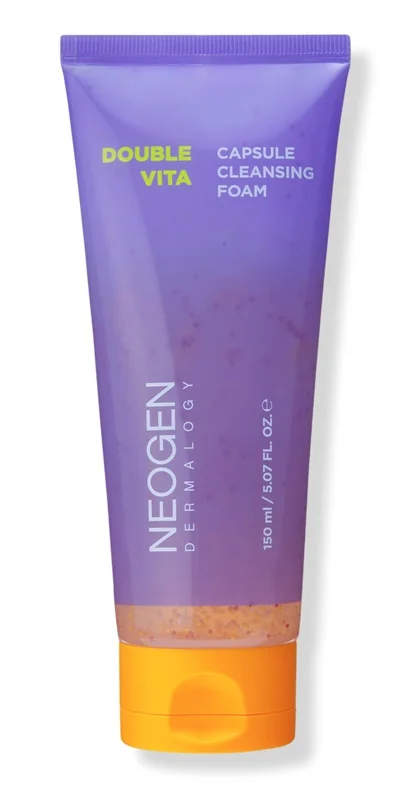


Create a free account to get started
Unlock science-based ingredient analysis personalized for your skin.
Already have an account? Log in
We protect your privacy. We never send spam.