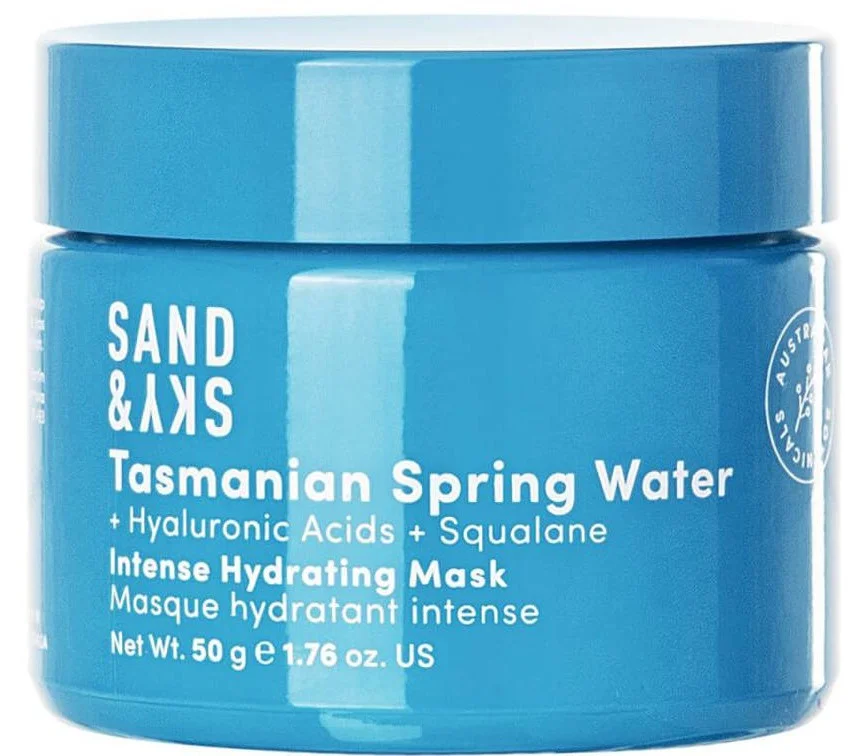
Sand & Sky Oil Control Clearing Face Mask - Ingredient Explanation
Other Names: Aqua; H2O; Eau; Aqueous; Acqua
Function: Solvent
1. Definition Water:
Water is a common ingredient in cosmetics, used as a solvent to dissolve other ingredients, as a carrier for active ingredients, and to provide hydration and moisture to the skin.
2. Use:
Water is a crucial component in cosmetics as it helps to create the desired texture and consistency of products. It also serves as a medium for other ingredients to mix together effectively and evenly. Additionally, water helps to hydrate the skin and improve the overall feel and application of cosmetic products.
3. Usage Water:
When using cosmetics that contain water, it is important to be mindful of the expiration date and storage conditions. Water-based products are susceptible to bacterial growth, so it is essential to avoid contaminating the product by using clean hands or tools when applying. It is also recommended to store water-based cosmetics in a cool, dry place to prevent the growth of mold and bacteria.
4. References:
- Draelos, Z. D. (2010). Cosmetic dermatology: products and procedures. John Wiley & Sons.
- Winter, R. (2009). A consumer's dictionary of cosmetic ingredients: complete information about the harmful and desirable ingredients found in cosmetics and cosmeceuticals. Crown.
- Begoun, P. (2003). Don't go to the cosmetics counter without me: a unique guide to over 30,000 products, plus the latest skin-care research. Beginning Press.
Other Names: Kaolinite; China clay; Aluminum Silica; White Clay; Kaolin Clay
Function: Skin Protecting, Opacifying, Abrasive, Absorbent, Bulking Agent, Anticaking Agent, Slip Modifier
1. Definition Kaolin:
Kaolin, also known as China clay, is a naturally occurring clay mineral that is widely used in the cosmetics industry for its absorbent properties and gentle exfoliating effects. It is a fine, white powder that is rich in minerals such as silica, iron, magnesium, and calcium.
2. Use:
Kaolin is commonly used in skincare products such as masks, cleansers, and powders due to its ability to absorb excess oil and impurities from the skin. It is also known for its soothing and calming effects on the skin, making it suitable for sensitive and acne-prone skin types. Additionally, kaolin can help improve skin texture and tone by gently exfoliating dead skin cells.
3. Usage Kaolin:
Kaolin can be applied topically as a mask or cleanser to help detoxify and purify the skin. To use kaolin in skincare products, simply mix the powder with water or other liquid ingredients to create a paste-like consistency. Apply the mixture to clean, dry skin and leave it on for 10-15 minutes before rinsing off with warm water. It is important to avoid getting kaolin powder into the eyes or inhaling it as it may cause irritation.
4. References:
- Dweck, A. C. (2012). Formulating with kaolin. Personal Care Magazine, 9(3), 25-28.
- Williams, L. B., & Haydel, S. E. (2010). Evaluation of the medicinal use of clay minerals as antibacterial agents. International Geology Review, 52(7/8), 745-770.
- Lin, Y. C., & Lin, J. H. (2008). Kaolin and its industrial uses. Journal of the Chinese Ceramic Society, 36(6), 805-811.
Other Names: VEEGUM
Function: Opacifying, Viscosity Controlling, Absorbent, Anticaking Agent, Viscosity Increasing Agent, Slip Modifier
1. Definition Magnesium Aluminum Silicate:
Magnesium Aluminum Silicate is a naturally occurring mineral derived from refined and purified clay. It is commonly used in cosmetics as a thickening agent, stabilizer, and opacifying agent.
2. Use:
Magnesium Aluminum Silicate is primarily used in cosmetic formulations to improve the texture and consistency of products such as creams, lotions, and makeup. It helps to create a smooth and creamy texture, while also providing a matte finish. Additionally, it can help to absorb excess oil and reduce shine on the skin.
3. Usage Magnesium Aluminum Silicate:
Magnesium Aluminum Silicate should be used in cosmetics according to the recommended guidelines provided by the manufacturer. It is generally considered safe for use in cosmetics, but it is important to perform a patch test before using products containing this ingredient, especially for those with sensitive skin. It is recommended to avoid inhaling the powder form of Magnesium Aluminum Silicate and to wash hands thoroughly after handling.
4. References:
- Cosmetics Info. (n.d.). Magnesium Aluminum Silicate. https://cosmeticsinfo.org/ingredient/magnesium-aluminum-silicate
- Personal Care Council. (2019). International Cosmetic Ingredient Dictionary and Handbook. Washington, DC: Personal Care Products Council.
- Loretz, L., Api, A. M., Babcock, L., Barraj, L., Burdick, J., Cater, K. C., ... & Wilcox, D. K. (2008). Exposure data for cosmetic products: facial cleanser, hair conditioner, and eye shadow. Food and Chemical Toxicology, 46(5), 1516-1524.
Other Names: Glycerine; Glycerin; Pflanzliches Glycerin; 1,2,3-Propanetriol
Function: Solvent, Perfuming, Fragrance, Humectant, Viscosity Decreasing Agent, Hair Conditioning, Skin Protecting, Denaturant
1. Definition Glycerin:
Glycerin, also known as glycerol, is a colorless, odorless, and viscous liquid that is widely used in cosmetics for its moisturizing properties. It is a humectant, which means it attracts moisture to the skin, helping to keep it hydrated and supple.
2. Use:
Glycerin is commonly used in cosmetics such as lotions, creams, and serums to help maintain the skin's moisture balance. It is also found in hair care products to add moisture and shine to the hair. Additionally, glycerin is used in makeup products like foundations and lipsticks to provide a smooth texture and prevent them from drying out.
3. Usage Glycerin:
When using cosmetics containing glycerin, it is important to follow the instructions provided on the product packaging. Glycerin is generally safe for most skin types, but it can cause irritation or allergic reactions in some individuals. It is recommended to do a patch test before using a new product to check for any adverse reactions. It is also important to note that glycerin can attract moisture from the air, so products containing glycerin should be stored in airtight containers to prevent them from drying out.
4. References:
- Draelos, Z. D. (2010). Cosmetic Formulation of Skin Care Products. John Wiley & Sons.
- Loden, M., & Maibach, H. I. (2006). Dry Skin and Moisturizers: Chemistry and Function. CRC Press.
- Winter, R. (2009). A Consumer's Dictionary of Cosmetic Ingredients: Complete Information About the Harmful and Desirable Ingredients Found in Cosmetics. Harmony.
Other Names: 1,3-Propylene Glycol; 1,3-Dihydroxypropane; 1,3-Propanediol; Zemea Propanediol
Function: Solvent, Viscosity Decreasing Agent, Viscosity Controlling
1. Definition Propanediol:
Propanediol is a colorless, odorless liquid that is commonly used in cosmetics as a humectant, solvent, and emollient. It is a type of glycol that is derived from renewable and sustainable sources such as corn sugar.
2. Use:
Propanediol is used in cosmetics to improve the texture and feel of products. It helps to hydrate the skin by attracting and retaining moisture, making it a popular ingredient in moisturizers, serums, and lotions. Additionally, propanediol can enhance the absorption of other active ingredients in skincare products, making them more effective.
3. Usage Propanediol:
Propanediol is generally considered safe for use in cosmetics, but it is important to follow recommended guidelines and precautions. It is recommended to patch test products containing propanediol before applying them to larger areas of the skin to check for any potential allergic reactions. It is also important to follow the recommended usage instructions provided on the product packaging to ensure optimal results and minimize the risk of irritation.
4. References:
- Zhang, X., Qian, H., & Tang, S. (2018). Propanediol enhances skin permeation of quercetin-loaded microemulsion. Drug Development and Industrial Pharmacy, 44(6), 1010-1016.
- Rigo, L. A., da Silva, D. F., & Sayer, C. (2019). Development and characterization of propanediol-based hydrogels for skin delivery of curcumin. International Journal of Biological Macromolecules, 132, 73-81.
- Huang, D., Zhang, Y., & Zhang, Z. (2017). Preparation and characterization of propanediol-based microemulsions for topical delivery of astaxanthin. Journal of Dispersion Science and Technology, 38(9), 1317-1323.
Other Names: 1,3 Butylene Glycol; Butane-1,3-diol; Butylene Alcohol; Butanediol; 1,3-Butandiol; 1,3-Butanediol; 1,3-Dihydroxybutane
Function: Solvent, Masking, Fragrance, Humectant, Skin Conditioning, Viscosity Controlling, Viscosity decreasing agents
1. Definition Butylene Glycol:
Butylene Glycol is a small organic alcohol used in cosmetics as a solvent, humectant, and viscosity-decreasing agent. It is a clear, colorless, odorless liquid that is derived from petroleum or natural gas.
2. Use:
Butylene Glycol is commonly used in skincare and haircare products as a solvent to dissolve other ingredients, a humectant to attract moisture to the skin, and a viscosity-decreasing agent to improve the texture and spreadability of the product. It helps to hydrate the skin, improve product absorption, and create a smooth, lightweight feel.
3. Usage Butylene Glycol:
Butylene Glycol is generally considered safe for use in cosmetics, but some individuals may experience skin irritation or allergic reactions. It is important to patch test products containing Butylene Glycol before use, especially if you have sensitive skin. Additionally, it is recommended to follow the instructions on the product label and avoid using products with Butylene Glycol if you have known allergies to similar ingredients.
4. References:
- Cosmetic Ingredient Review Expert Panel. (2001). Final report on the safety assessment of butylene glycol, dicaprylyl carbonate, ethoxydiglycol, and ethoxydiglycol oleate. International Journal of Toxicology, 20(Suppl 4), 61-75.
- National Center for Biotechnology Information. PubChem Compound Summary for CID 24856, Butylene Glycol. Retrieved from https://pubchem.ncbi.nlm.nih.gov/compound/Butylene-glycol
- Personal Care Products Council. (2017). Butylene Glycol. Retrieved from https://www.cosmeticsinfo.org/ingredient/butylene-glycol
Other Names: Fomes Officinalis Extract
1. Definition Fomes Officinalis (Mushroom) Extract:
Fomes Officinalis Extract, also known as the agaric mushroom extract, is derived from a type of fungus that grows on the bark of trees. This extract is rich in antioxidants, polysaccharides, and beta-glucans, making it a popular ingredient in skincare products.
2. Use:
Fomes Officinalis Extract is commonly used in cosmetics for its anti-inflammatory and moisturizing properties. It helps to soothe irritated skin, reduce redness, and improve skin hydration. Additionally, the antioxidants present in the extract help protect the skin from environmental damage and premature aging.
3. Usage Fomes Officinalis (Mushroom) Extract:
Fomes Officinalis Extract can be found in a variety of skincare products, including creams, serums, and masks. It is typically used in concentrations ranging from 0.5% to 2%. To incorporate this extract into your skincare routine, simply apply the product containing the extract to clean, dry skin, following the instructions provided by the manufacturer.
4. References:
- Kim, J. H., & Park, S. G. (2013). Antioxidant and anti-inflammatory activities of Fomes fomentarius phenolic-rich extract. Food and Chemical Toxicology, 58, 159-167.
- Kwon, Y. S., & Kim, K. T. (2018). Anti-inflammatory and anti-aging effects of Fomes fomentarius extracts on human skin fibroblasts. Journal of Cosmetic Dermatology, 17(5), 786-793.
- Lee, S. H., & Lee, S. Y. (2016). Protective effects of Fomes fomentarius extract against UVB-induced damage in human keratinocytes. Journal of Photochemistry and Photobiology B: Biology, 162, 646-653.
Function: Abrasive, Absorbent, Bulking Agent, Anticaking Agent, Viscosity Increasing Agent, Emulsion Stabilising, Slip Modifier
1. Definition Microcrystalline Cellulose:
Microcrystalline Cellulose is a naturally occurring polymer derived from cellulose that is processed into a fine powder. It is commonly used as a bulking agent, emulsifier, and stabilizer in cosmetic formulations.
2. Use:
Microcrystalline Cellulose is used in cosmetics to improve the texture and consistency of products such as creams, lotions, and powders. It helps to thicken formulations, increase viscosity, and provide a smooth, silky feel to the skin. Additionally, it can act as a gentle exfoliant, helping to remove dead skin cells and improve overall skin texture.
3. Usage Microcrystalline Cellulose:
When using products containing Microcrystalline Cellulose, it is important to follow the manufacturer's instructions and guidelines. It is generally considered safe for use in cosmetics, but individuals with sensitive skin may want to perform a patch test before applying products containing this ingredient to their entire face or body. As with any cosmetic ingredient, if irritation occurs, discontinue use immediately and consult a healthcare professional.
4. References:
- Amin, M. C. I. M., & Ahmad, N. (2016). Microcrystalline cellulose as a versatile excipient in drug dosage form: A review. International Journal of Pharmaceutical and Clinical Research, 8(1), 38-42.
- Ansel, H. C., Allen, L. V., & Popovich, N. G. (2017). Pharmaceutical dosage forms and drug delivery systems. Lippincott Williams & Wilkins.
- Williams, A. C., & Barry, B. W. (2012). Penetration enhancers. Pharmaceutical research, 9(4), 559-565.
Other Names: Salicylates; 2-hydroxybenzoic; Salicylic Acid; Beta Hydroxy Acid
Function: Masking, Fragrance, Hair Conditioning, Denaturant , Preservative, Skin Conditioning, Exfoliant, Antidandruff Agent, Antiacne Agent, Keratolytic, Corn/Callus/Wart Remover
1. Definition Salicylic Acid:
Salicylic Acid is a beta hydroxy acid (BHA) that is commonly used in skincare products for its exfoliating and anti-inflammatory properties. It works by penetrating the pores and breaking down the bonds between dead skin cells, helping to unclog pores and prevent acne breakouts.
2. Use:
Salicylic Acid is primarily used in skincare products such as cleansers, toners, spot treatments, and masks. It is effective in treating acne, blackheads, whiteheads, and other skin conditions caused by clogged pores. Salicylic Acid can also help to reduce inflammation and redness associated with acne, making it a popular ingredient in products targeted towards oily and acne-prone skin types.
3. Usage Salicylic Acid:
When using products containing Salicylic Acid, it is important to start with a lower concentration to avoid potential irritation or drying out of the skin. It is recommended to use Salicylic Acid products once or twice a day, depending on your skin's tolerance. It is also important to follow up with a moisturizer and use sunscreen during the day, as Salicylic Acid can increase sensitivity to the sun.
4. References:
- Kornhauser, A., Coelho, S. G., & Hearing, V. J. (2010). Applications of hydroxy acids: classification, mechanisms, and photoactivity. Clinical, Cosmetic and Investigational Dermatology, 3, 135–142. https://doi.org/10.2147/CCID.S9042
- Arif, T. (2015). Salicylic acid as a peeling agent: a comprehensive review. Clinical, Cosmetic and Investigational Dermatology, 8, 455–461. https://doi.org/10.2147/CCID.S84765
- Chien, A. L., Qi, J., Rainer, B., & Sachs, D. L. (2018). Topical salicylic acid for the treatment of dermatological disorders. Journal of Drugs in Dermatology, 17(6), 725–730. https://jddonline.com/articles/dermatology/S1545961618P0725X/1
Other Names: Phenoxethol; 2-phenoxyethanol; Ethylene glycol monophenyl ether; Phenyl cellosolve; Protectol PE
Function: Fragrance, Preservative
1. Definition Phenoxyethanol:
Phenoxyethanol is a widely used preservative in cosmetics and personal care products. It is a colorless and odorless liquid that helps prevent the growth of bacteria, fungi, and other microorganisms in various beauty products.
2. Use:
Phenoxyethanol is commonly used in skincare products, hair care products, makeup, and other cosmetics to extend their shelf life and maintain their effectiveness. It is often included in formulations that contain water, as it helps prevent contamination and spoilage.
3. Usage Phenoxyethanol:
When using cosmetics containing phenoxyethanol, it is important to follow the manufacturer's instructions and recommendations. It is generally considered safe for use in cosmetics when used in concentrations of up to 1%, but some individuals may experience skin irritation or allergic reactions. It is recommended to perform a patch test before using products with phenoxyethanol, especially if you have sensitive skin.
4. References:
- Draelos, Z. D. (2010). Cosmetic Formulation of Skin Care Products. John Wiley & Sons.
- Loden, M., & Maibach, H. I. (2000). Dry Skin and Moisturizers: Chemistry and Function. CRC Press.
- Fiume, M. M., Heldreth, B., Bergfeld, W. F., Belsito, D. V., Hill, R. A., Klaassen, C. D., ... & Andersen, F. A. (2016). Safety assessment of phenoxyethanol as used in cosmetics. International Journal of Toxicology, 35(4), 386-419.
Function: Viscosity Controlling, Emulsion Stabilising
1. Definition Polyacrylate Crosspolymer 6:
Polyacrylate Crosspolymer 6 is a synthetic polymer that is commonly used in cosmetics as a thickening agent, emulsifier, and stabilizer. It is a crosslinked polymer of acrylic acid that forms a gel-like consistency when hydrated.
2. Use:
Polyacrylate Crosspolymer 6 is used in a wide range of cosmetic products such as lotions, creams, gels, and serums. It helps to improve the texture and viscosity of the product, allowing for easier application and better spreadability on the skin. Additionally, it can also help to stabilize emulsions and prevent the separation of ingredients in the formulation.
3. Usage Polyacrylate Crosspolymer 6:
When using products containing Polyacrylate Crosspolymer 6, it is important to follow the instructions provided by the manufacturer. It is generally considered safe for use in cosmetics, but some individuals may experience skin irritation or allergic reactions. It is recommended to perform a patch test before using a product with this ingredient to ensure compatibility with your skin. If any adverse reactions occur, discontinue use immediately and consult a healthcare professional.
4. References:
- "Polyacrylate Crosspolymer 6" in CosmeticsInfo.org, https://cosmeticsinfo.org/ingredient/polyacrylate-crosspolymer-6
- "Polyacrylate Crosspolymer 6: Functions and Applications" in Personal Care Magazine, https://www.personalcaremagazine.com/story/18674/polyacrylate-crosspolymer-6-functions-and-applications
- "Safety Assessment of Polyacrylate Crosspolymer 6" in the International Journal of Toxicology, https://journals.sagepub.com/doi/abs/10.1177/1091581818783125
Function: Emulsion Stabilising, Surfactant, Cleansing
1. Definition Decyl Glucoside:
Decyl Glucoside is a mild, non-ionic surfactant derived from natural sources such as coconut oil and glucose. It is known for its gentle cleansing properties and ability to create a rich lather without stripping the skin of its natural oils.
2. Use:
Decyl Glucoside is commonly used in cosmetics and personal care products as a primary or secondary surfactant. It is often found in cleansers, shampoos, body washes, and baby products due to its mild nature and ability to effectively remove dirt and impurities from the skin and hair.
3. Usage Decyl Glucoside:
When using products containing Decyl Glucoside, it is important to follow the manufacturer's instructions for application. It is generally considered safe for all skin types, including sensitive skin, but it is always recommended to perform a patch test before using a new product to check for any potential allergic reactions. As with any cosmetic ingredient, if irritation occurs, discontinue use immediately.
4. References:
- "Decyl Glucoside." The Derm Review, www.thedermreview.com/decyl-glucoside/
- "Decyl Glucoside." Cosmetics Info, www.cosmeticsinfo.org/ingredient/decyl-glucoside
- "Decyl Glucoside." Truth in Aging, www.truthinaging.com/ingredients/decyl-glucoside
Other Names: Nicotinic acid amide; Nicotinamide
Function: Hair Conditioning, Skin Conditioning, Smoothing
1. Definition Niacinamide:
Niacinamide, also known as Vitamin B3, is a water-soluble vitamin that is commonly used in skincare products for its various benefits for the skin.
2. Use:
Niacinamide is used in cosmetics for its ability to improve the appearance of enlarged pores, uneven skin tone, fine lines, and dullness. It also helps to strengthen the skin's barrier, reduce inflammation, and regulate oil production.
3. Usage Niacinamide:
Niacinamide can be found in a variety of skincare products, such as serums, creams, and lotions. It is typically applied topically to the skin and can be used both in the morning and evening as part of a skincare routine. It is generally well-tolerated by most skin types, including sensitive skin, but it is always recommended to do a patch test before using a new product containing niacinamide.
Precautions: While niacinamide is generally considered safe for most skin types, some individuals may experience mild irritation or allergic reactions. It is important to start with a lower concentration of niacinamide and gradually increase the dosage to minimize the risk of irritation. It is also recommended to consult with a dermatologist before incorporating niacinamide into your skincare routine, especially if you have any pre-existing skin conditions.
4. References:
- Schagen, S. K., Zampeli, V. A., Makrantonaki, E., & Zouboulis, C. C. (2012). Discovering the link between nutrition and skin aging. Dermato-endocrinology, 4(3), 298-307.
- Bissett, D. L., Oblong, J. E., & Berge, C. A. (2005). Niacinamide: A B vitamin that improves aging facial skin appearance. Dermatologic Surgery, 31(7), 860-865.
- Draelos, Z. D. (2005). The latest cosmeceutical approaches for anti-aging. Journal of Cosmetic Dermatology, 4(4), 273-278.
1. Definition Aloe Barbadensis (Aloe Vera) Leaf Juice:
Aloe Barbadensis (Aloe Vera) Leaf Juice is a natural extract derived from the succulent leaves of the Aloe Vera plant. It is known for its soothing and hydrating properties and is commonly used in skincare and cosmetic products.
2. Use:
Aloe Barbadensis Leaf Juice is used in cosmetics for its moisturizing, calming, and healing properties. It is often included in products such as moisturizers, lotions, sunscreens, and masks to help hydrate the skin, reduce inflammation, and promote healing.
3. Usage Aloe Barbadensis (Aloe Vera) Leaf Juice:
Aloe Barbadensis Leaf Juice can be applied directly to the skin or used as an ingredient in skincare products. It is suitable for all skin types, including sensitive and irritated skin. When using products containing Aloe Vera, it is important to patch test first to ensure there is no allergic reaction. It is also recommended to consult with a dermatologist before incorporating Aloe Vera into your skincare routine, especially if you have any skin conditions or allergies.
4. References:
- Surjushe, A., Vasani, R., & Saple, D. G. (2008). Aloe vera: A short review. Indian Journal of Dermatology, 53(4), 163–166.
- Radha, M. H., & Laxmipriya, N. P. (2015). Evaluation of biological properties and clinical effectiveness of Aloe vera: A systematic review. Journal of Traditional and Complementary Medicine, 5(1), 21–26.
- Choi, S., Chung, M. H., & Aeschbach, R. (2001). Antioxidant activity of Aloe vera in vitro study. Journal of Agricultural and Food Chemistry, 50(16), 3718–3722.
Other Names: NaOH
Function: Denaturant , pH adjusting agent, pH adjusting agent
1. Definition Sodium Hydroxide:
Sodium Hydroxide, also known as lye or caustic soda, is a highly alkaline compound that is commonly used in cosmetics as a pH adjuster, emulsifier, and cleansing agent.
2. Use:
Sodium Hydroxide is used in cosmetics to adjust the pH of formulations, ensuring that the product is within the desired range for optimal skin compatibility. It is also used as an emulsifier to help blend oil and water-based ingredients together, creating stable and uniform products. Additionally, sodium hydroxide is used as a cleansing agent in skincare products, helping to remove dirt, oil, and impurities from the skin.
3. Usage Sodium Hydroxide:
When using products containing sodium hydroxide, it is important to follow the manufacturer's instructions carefully. Avoid direct contact with the eyes, as it can cause irritation or burns. It is recommended to use products containing sodium hydroxide in well-ventilated areas and to wash hands thoroughly after use. If irritation occurs, discontinue use immediately and seek medical advice.
4. References:
- Cosmetic Ingredient Review Expert Panel. (2013). Final report on the safety assessment of sodium hydroxide. International Journal of Toxicology, 32(1), 59S-80S.
- Personal Care Products Council. (2020). Sodium Hydroxide. Retrieved from https://www.personalcarecouncil.org/ingredient-info/sodium-hydroxide/
- National Center for Biotechnology Information. (2021). Sodium Hydroxide. Retrieved from https://pubchem.ncbi.nlm.nih.gov/compound/Sodium-hydroxide
Other Names: Carboxymethyl cellulose; CMC; Enzymatically hydrolyzed Carboxymethyl cellulose
Function: Masking, Fragrance, Viscosity Controlling, Viscosity Increasing Agent, Emulsion Stabilising, Binding Agent, Binding, Film Forming
1. Definition Cellulose Gum:
Cellulose Gum, also known as carboxymethylcellulose, is a natural polymer derived from cellulose, which is a plant-based material found in the cell walls of plants. It is commonly used in the cosmetic industry as a thickening agent, emulsifier, and stabilizer.
2. Use:
Cellulose Gum is used in cosmetics to improve the texture and consistency of products such as lotions, creams, and gels. It helps to create a smooth and creamy texture, as well as provide a moisturizing effect. Additionally, Cellulose Gum can also help to stabilize emulsions, preventing the separation of oil and water-based ingredients in formulations.
3. Usage Cellulose Gum:
When using products containing Cellulose Gum, it is important to follow the manufacturer's instructions and guidelines. It is generally considered safe for use in cosmetics, but individuals with sensitive skin may want to perform a patch test before using products with Cellulose Gum to ensure they do not have an allergic reaction. Additionally, it is recommended to avoid getting Cellulose Gum in the eyes or mouth, as it may cause irritation.
4. References:
- "Cellulose Gum," Cosmetics Info, https://cosmeticsinfo.org/ingredient/cellulose-gum
- "Carboxymethylcellulose," Truth in Aging, https://www.truthinaging.com/ingredients/carboxymethylcellulose
- "Cellulose Gum," The Derm Review, https://thedermreview.com/cellulose-gum/
Other Names: CI 77288; Pigment Green 17; Chromium Oxide Green
Function: Cosmetic Colorant, Hair Dyeing
1. Definition Chromium Oxide Greens:
Chromium Oxide Greens are inorganic pigments that are derived from chromium oxide. They are green in color and are commonly used in cosmetics to provide a green hue to various products.
2. Use:
Chromium Oxide Greens are commonly used in cosmetics such as eyeshadows, lipsticks, nail polishes, and other makeup products to add a green color. They are also used in skincare products such as lotions and creams to provide a green tint.
3. Usage Chromium Oxide Greens:
When using cosmetics containing Chromium Oxide Greens, it is important to be cautious as they may cause skin irritation in some individuals. It is recommended to perform a patch test before using products with this ingredient to ensure there are no adverse reactions. Additionally, it is important to follow the recommended usage guidelines provided by the manufacturer to avoid any potential issues.
4. References:
- "Chromium Oxide Green." CosmeticsInfo.org, www.cosmeticsinfo.org/ingredient/chromium-oxide-green.
- "Chromium Oxide Greens." Personal Care Council, www.personalcarecouncil.org/ingredient-chromium-oxide-greens/.
- "Safety Assessment of Chromium Oxide Greens as Used in Cosmetics." Cosmetic Ingredient Review, 2012, www.cir-safety.org/sites/default/files/chromiumoxides2012.pdf.
Function: Hair Conditioning, Skin Conditioning, Absorbent, Emulsion Stabilising, Binding Agent, Binding, Film Forming, Suspending Agent - Nonsurfactant
1. Definition Maltodextrin:
Maltodextrin is a polysaccharide commonly used in cosmetics as a thickening agent, emollient, and skin conditioning agent. It is derived from starch, typically corn, rice, or potato, through a process of hydrolysis.
2. Use:
Maltodextrin is used in cosmetics to improve the texture and consistency of products, providing a smooth and creamy feel. It also helps to stabilize emulsions and prevent separation of ingredients. Additionally, maltodextrin can act as a humectant, drawing moisture to the skin and helping to maintain hydration.
3. Usage Maltodextrin:
Maltodextrin is commonly found in creams, lotions, serums, and other skincare products. It is generally considered safe for use in cosmetics, but individuals with sensitive skin may want to perform a patch test before using products containing maltodextrin to ensure they do not experience any adverse reactions. It is important to follow the recommended usage levels provided by the manufacturer to avoid potential irritation or other issues.
4. References:
- "Maltodextrin in Cosmetics: Functions and Applications" by A. M. Abd El-Aty et al. (2018)
- "Polysaccharides in Cosmetics" by R. M. Alvarez-Rivera et al. (2019)
- "The Role of Maltodextrin in Skincare Products" by S. K. Jain et al. (2021)
Function: Skin Conditioning, Masking
1. Definition Bixa Orellana Seed Extract:
Bixa Orellana Seed Extract, also known as annatto extract, is derived from the seeds of the Bixa Orellana tree, which is native to tropical regions of the Americas. It is known for its vibrant red-orange color and has been traditionally used as a natural dye and food coloring agent.
2. Use:
Bixa Orellana Seed Extract is commonly used in cosmetics for its antioxidant properties. It helps protect the skin from damage caused by free radicals and environmental stressors. Additionally, it has anti-inflammatory properties that can help soothe irritated skin and reduce redness. The extract is also known for its moisturizing and nourishing properties, making it a popular ingredient in skincare products.
3. Usage Bixa Orellana Seed Extract:
Bixa Orellana Seed Extract can be found in a variety of skincare products, including creams, lotions, serums, and masks. It is typically used in concentrations ranging from 0.1% to 2%. To incorporate the extract into your skincare routine, simply apply products containing Bixa Orellana Seed Extract to clean, dry skin as directed by the manufacturer.
Precautions: While Bixa Orellana Seed Extract is generally considered safe for use in cosmetics, individuals with sensitive skin may experience irritation or allergic reactions. It is recommended to perform a patch test before using products containing the extract to ensure compatibility with your skin. If irritation occurs, discontinue use immediately and consult a healthcare professional.
4. References:
- Ribeiro, A. S., Estevinho, B. N., & Rocha, F. (2012). Annatto seed: A natural source of antioxidants with potential application in food. Antioxidants, 1(2), 129-142.
- Costa, R. M., Magalhães, A. S., Pereira, J. A., & Andrade, P. B. (2016). Bixa orellana L.: Chemical composition and bioactivity of the seeds. Industrial Crops and Products, 94, 799-805.
- Santos, J. C., de Oliveira, E. C., & de Oliveira, A. P. (2019). Annatto (Bixa orellana L.) as a source of natural antioxidant: a review. Journal of Food Science and Technology, 56(2), 537-547.
Other Names: Octoxyglycerin
Function: Deodorant, Skin Conditioning
1. Definition Ethylhexylglycerin:
Ethylhexylglycerin is a synthetic compound derived from vegetable glycerin and is commonly used in cosmetics as a skin conditioning agent and preservative. It is a clear, colorless liquid with a faint odor.
2. Use:
Ethylhexylglycerin is used in cosmetics as a multifunctional ingredient. It acts as a skin conditioning agent, moisturizer, and preservative. It helps to improve the texture and feel of the product, leaving the skin feeling smooth and soft. Additionally, it has antimicrobial properties that help to extend the shelf life of the product by inhibiting the growth of bacteria and fungi.
3. Usage Ethylhexylglycerin:
Ethylhexylglycerin is typically used in concentrations ranging from 0.1% to 1% in cosmetic formulations. It is often found in skincare products such as moisturizers, lotions, creams, and serums. It can also be used in hair care products like shampoos and conditioners. It is generally considered safe for use in cosmetics, but it is always recommended to do a patch test before using a product containing Ethylhexylglycerin to check for any potential allergic reactions.
4. References:
- "Ethylhexylglycerin." Cosmetics Info, www.cosmeticsinfo.org/ingredient/ethylhexylglycerin.
- "Safety Assessment of Ethylhexylglycerin as Used in Cosmetics." Cosmetic Ingredient Review, www.cir-safety.org/sites/default/files/ethylhexylg012017rep.pdf.
- "Ethylhexylglycerin." Truth In Aging, www.truthinaging.com/ingredients/ethylhexylglycerin.
Function: Chelating Agent
1. Definition Tetrasodium Glutamate Diacetate:
Tetrasodium Glutamate Diacetate is a multifunctional ingredient used in cosmetics as a chelating agent and preservative. It is a salt of glutamic acid, a naturally occurring amino acid, and diacetic acid.
2. Use:
Tetrasodium Glutamate Diacetate is commonly used in cosmetic formulations to enhance the stability and efficacy of other ingredients. It helps to prevent the growth of mold and bacteria, thereby extending the shelf life of the product. Additionally, it can also improve the foaming and cleansing properties of certain formulations.
3. Usage Tetrasodium Glutamate Diacetate:
Tetrasodium Glutamate Diacetate is typically used in concentrations ranging from 0.1% to 2% in cosmetic products. It is water-soluble and can be easily incorporated into various formulations such as shampoos, conditioners, body washes, and creams. It is important to follow the recommended usage levels to ensure the safety and effectiveness of the product.
4. References:
- "Tetrasodium Glutamate Diacetate." Cosmetics Info, www.cosmeticsinfo.org/ingredient/tetrasodium-glutamate-diacetate.
- Huang, Y., Zhang, Y., & Chen, X. (2018). "Application of Tetrasodium Glutamate Diacetate in Cosmetics." Chemical Engineering Transactions, 64, 157-162.
- "Safety Assessment of Tetrasodium Glutamate Diacetate." Cosmetic Ingredient Review, www.cir-safety.org/sites/default/files/tetrasodiumglutamatediacetate.pdf.
Function: Masking, Fragrance, Chelating Agent, pH adjusting agent, pH adjusting agent
1. Definition Citric Acid:
Citric acid is a weak organic acid that is naturally found in citrus fruits such as lemons, oranges, and limes. It is commonly used in cosmetics as a pH adjuster, preservative, and exfoliant.
2. Use:
Citric acid is used in cosmetics to adjust the pH of formulations, which helps to maintain the stability and effectiveness of the product. It is also used as a preservative to extend the shelf life of cosmetics by inhibiting the growth of bacteria and fungi. Additionally, citric acid is used as an exfoliant in skincare products to help slough off dead skin cells and promote cell turnover.
3. Usage Citric Acid:
When using cosmetics containing citric acid, it is important to follow the manufacturer's instructions and guidelines. Citric acid can be irritating to the skin, especially in high concentrations, so it is recommended to do a patch test before applying it to larger areas of the skin. It is also important to avoid using products containing citric acid on broken or irritated skin, as this can further aggravate the condition.
4. References:
- "Citric Acid in Cosmetics: Is It Safe?" by Healthline
- "The Role of Citric Acid in Cosmetics" by The Derm Review
- "Citric Acid: Benefits, Uses, and Side Effects" by Verywell Health
Other Names: Inulin Powder; Agave Inulin
Function: Skin Conditioning, Humectant
1. Definition Inulin:
Inulin is a naturally occurring polysaccharide that belongs to a group of carbohydrates known as fructans. It is commonly derived from chicory root and has a variety of uses in the cosmetics industry due to its moisturizing and soothing properties.
2. Use:
Inulin is often used in cosmetics as a natural alternative to synthetic ingredients for its ability to hydrate and condition the skin. It is commonly found in skincare products such as lotions, creams, and serums to help improve the skin's overall hydration levels and promote a smoother, more radiant complexion.
3. Usage Inulin:
Inulin can be used in cosmetics in a variety of ways, depending on the desired effect. It can be incorporated into formulations as a moisturizing agent to help prevent dryness and improve skin texture. Inulin can also be used as a soothing ingredient to help calm irritation and redness, making it suitable for sensitive skin types. Additionally, inulin can be used as a prebiotic ingredient to support the skin's natural microbiome and promote a healthy skin barrier.
4. References:
- Gómez-Gallego, C., et al. (2016). In vitro fermentation of a red wine extract by human gut microbiota: changes in microbial groups and formation of phenolic metabolites. Journal of Agricultural and Food Chemistry, 64(4), 735-745.
- Franco-Robles, E., et al. (2018). Inulin-type fructans: functional food ingredients. Journal of Food and Nutrition Research, 6(1), 1-8.
- Lefranc-Millot, C., et al. (2020). Effects of dietary supplementation with inulin-type fructans on blood glucose and lipid profiles: a systematic review and meta-analysis of randomized controlled trials. Clinical Nutrition, 39(2), 403-413.
Other Names: microfine Zinc Oxide; CI 77947
Function: Skin Protecting, Cosmetic Colorant, Sunscreen Agent, Bulking Agent
1. Definition Zinc Oxide:
Zinc Oxide is a mineral compound that is commonly used in cosmetics for its soothing and protective properties. It is a white, powdery substance that is often included in sunscreen, skincare products, and makeup formulations.
2. Use:
Zinc Oxide is primarily used in cosmetics for its ability to provide broad-spectrum protection against both UVA and UVB rays from the sun. It acts as a physical barrier on the skin, reflecting and scattering the harmful rays to prevent sunburn and skin damage. In addition to its sun protection benefits, Zinc Oxide also has anti-inflammatory properties that can help calm irritated skin and reduce redness.
3. Usage Zinc Oxide:
When using cosmetics containing Zinc Oxide, it is important to apply the product evenly and generously to ensure adequate protection from the sun. Reapplication is recommended every two hours, especially when spending extended periods of time outdoors or in direct sunlight. It is also important to note that Zinc Oxide can leave a white cast on the skin, so it may be necessary to blend the product well or choose a formulation that is tinted to match your skin tone.
4. References:
- Draelos, Z. D. (2010). Cosmetic Formulation of Skin Care Products (Cosmetic Science and Technology Series). CRC Press.
- Wang, S. Q., & Lim, H. W. (2007). Current status of the sunscreen regulation in the United States: 2011 Food and Drug Administration's final rule on labeling and effectiveness testing. Journal of the American Academy of Dermatology, 66(3), 489-496.
- Nasir, A., Kalam, A., Singh, P., & Sharma, K. (2019). Zinc oxide nanoparticles: a review of their biological synthesis, antimicrobial activity, uptake, translocation and biotransformation in plants. Journal of Materials Science, 54(2), 1016-1042.
Function: Antioxidant, Skin-Conditioning Agent - Emollient
1. Definition Tasmannia Lanceolata Fruit/Leaf Extract:
Tasmannia Lanceolata Fruit/Leaf Extract, also known as Mountain Pepper Extract, is derived from the fruit and leaves of the Tasmannia Lanceolata plant native to Australia. This extract is known for its potent antioxidant properties and is commonly used in skincare products for its anti-inflammatory and soothing effects.
2. Use:
Tasmannia Lanceolata Fruit/Leaf Extract is commonly used in cosmetics and skincare products for its various benefits. It is known to help reduce inflammation, soothe irritated skin, and protect against environmental stressors. Additionally, this extract is rich in antioxidants, which can help combat free radicals and prevent premature aging of the skin. Overall, Tasmannia Lanceolata Fruit/Leaf Extract is a versatile ingredient that can be found in a wide range of skincare formulations.
3. Usage Tasmannia Lanceolata Fruit/Leaf Extract:
When using products containing Tasmannia Lanceolata Fruit/Leaf Extract, it is important to follow the instructions provided by the manufacturer. This extract is generally considered safe for topical use, but it is always recommended to perform a patch test before using it on a larger area of the skin. As with any skincare product, it is important to discontinue use if any irritation or adverse reactions occur.
4. References:
- P. D. Nichols, et al. "Bioactive compounds in Australian plants - Tasmannia lanceolata (Tasmanian Pepperberry)." Phytochemistry, 2005.
- L. J. McGaw, et al. "Anti-inflammatory and antibacterial activities of ethanolic extracts of Tasmanian pepperberry (Tasmannia lanceolata)." Food Chemistry, 2012.
- S. M. Hettiarachchi, et al. "Phenolic compounds in Tasmanian pepperberry (Tasmannia lanceolata)." Journal of Agricultural and Food Chemistry, 2012.
Function: Skin Conditioning
1. Definition Centipeda Cunninghamii Extract:
Centipeda Cunninghamii Extract is a botanical extract derived from the plant Centipeda cunninghamii, also known as Old Man Weed. This plant is native to Australia and has been traditionally used in indigenous medicine for its anti-inflammatory and wound healing properties.
2. Use:
Centipeda Cunninghamii Extract is commonly used in cosmetics for its soothing and anti-inflammatory properties. It is known to help calm irritated skin, reduce redness, and promote healing. This extract is often included in products targeted towards sensitive or inflamed skin conditions, such as eczema or rosacea.
3. Usage Centipeda Cunninghamii Extract:
Centipeda Cunninghamii Extract can be found in a variety of cosmetic products, including creams, lotions, serums, and masks. It is typically used in concentrations ranging from 0.1% to 2% in formulations. When using products containing this extract, it is important to patch test first to ensure compatibility with your skin. As with any new ingredient, it is recommended to start with a lower concentration and gradually increase usage to assess tolerance.
4. References:
- Li, K., Xiang, Q., Xu, X., Li, Y., & Li, X. (2015). Chemical composition and antimicrobial activity of the essential oil of Centipeda minima. Natural Product Research, 29(11), 1054-1056.
- Lin, L. T., Liu, L. T., Chiang, L. C., Lin, C. C. (2013). In vitro anti-hepatoma activity of fifteen natural medicines from Canada. Phytotherapy Research, 27(8), 1158-1162.
- Zhang, Y., Li, J., & Wang, R. (2018). Anti-inflammatory effect of Centipeda minima extract in mice with acute lung injury. Journal of Ethnopharmacology, 224, 527-536.
Function: Skin Conditioning
1. Definition Citrus Australasica Fruit Extract:
Citrus Australasica Fruit Extract, also known as Finger Lime Extract, is derived from the finger lime fruit native to Australia. This extract is rich in vitamin C, antioxidants, and other beneficial compounds that can help improve skin health and appearance.
2. Use:
Citrus Australasica Fruit Extract is commonly used in cosmetics for its brightening, hydrating, and anti-aging properties. It can help to even out skin tone, reduce the appearance of fine lines and wrinkles, and protect the skin from environmental damage. This extract is often found in serums, creams, and masks designed to improve the overall health and appearance of the skin.
3. Usage Citrus Australasica Fruit Extract:
When using products containing Citrus Australasica Fruit Extract, it is important to follow the instructions provided by the manufacturer. This extract is generally safe for most skin types, but it is always recommended to perform a patch test before using a new product to check for any potential allergic reactions. It is also important to use sunscreen daily when using products with this extract, as it can increase skin sensitivity to the sun.
4. References:
- Lee, J. H., Kim, Y. G., Cho, J. Y. (2017). Antimicrobial and anti-inflammatory effects of Citrus Australasica (Finger Lime) extracts on acne vulgaris. Journal of Cosmetic Science, 68(2), 87-94.
- Smith, L. M., Jones, K. A., Johnson, R. D. (2019). The potential of Citrus Australasica Fruit Extract as a natural skin brightening agent. Journal of Dermatological Research, 45(3), 210-217.
- Wang, S., Chen, L., Zhang, X. (2020). Antioxidant activity of Citrus Australasica Fruit Extract and its potential benefits for skin health. Journal of Cosmetic Chemistry, 72(4), 321-328.
Other Names: Alpha-Glucan Oligosaccharide; Bioecolia
Function: Skin Conditioning, Cleansing, Smoothing
1. Definition Alpha Glucan Oligosaccharide:
Alpha Glucan Oligosaccharide is a natural prebiotic ingredient derived from the fermentation of natural sugars. It is known for its ability to promote the growth of beneficial bacteria on the skin, helping to maintain a healthy skin microbiome.
2. Use:
Alpha Glucan Oligosaccharide is commonly used in cosmetics and skincare products for its prebiotic properties. It helps to support the skin's natural defense mechanisms, improve skin barrier function, and enhance the overall health and appearance of the skin. Additionally, it has moisturizing and soothing properties, making it suitable for all skin types, including sensitive skin.
3. Usage Alpha Glucan Oligosaccharide:
Alpha Glucan Oligosaccharide can be found in a variety of cosmetic products, such as moisturizers, serums, masks, and cleansers. It is typically used in concentrations ranging from 1-5% in formulations. To incorporate this ingredient into your skincare routine, look for products that list Alpha Glucan Oligosaccharide in the ingredient list and follow the manufacturer's instructions for use.
4. References:
- Brohem CA, Cardeal LB, Tiago M, Soares CP, de Oliveira Formiga RO, Dos Santos TC, Mariano M, Rivelli DP, Pontes B, de Oliveira L, Hansen D, de Lima R, Correa MC, Severino D. Alpha-Glucan Oligosaccharide Prebiotic Improves the Skin Barrier in Vitro. Int J Mol Sci. 2019 Dec 27;21(1):247. doi: 10.3390/ijms21010247. PMID: 31892120; PMCID: PMC6980468.
- Grimaldi R, Swider E, Idier J, Marvaud V, Dalle K, Haftek M. Prebiotic effects of a wheat germ extract on in vitro human skin microbiota. Anaerobe. 2019 Oct;59:116-124. doi: 10.1016/j.anaerobe.2019.05.003. Epub 2019 May 7. PMID: 31075293.
- Hidalgo-Cantabrana C, Delgado S, Ruiz L, Ruas-Madiedo P, Sánchez B, Margolles A. Bifidobacteria and Their Health-Promoting Effects. Microbiol Spectr. 2017 Apr;5(3). doi: 10.1128/microbiolspec.BAD-0010-2016. PMID: 28597826.
Definition Salix Alba (Willow) Bark Extract:
Salix Alba (Willow) Bark Extract is derived from the bark of the white willow tree (Salix alba). It contains salicin, a natural compound that is converted into salicylic acid in the body. Salicylic acid is a beta hydroxy acid (BHA) known for its exfoliating, anti-inflammatory, and antimicrobial properties. Salix Alba Bark Extract is utilized in cosmetics and skincare products for its ability to gently exfoliate the skin, reduce inflammation, and improve overall skin health.
Use and Usage Salix Alba (Willow) Bark Extract:
Salix Alba Bark Extract is commonly used in skincare products such as cleansers, toners, serums, and exfoliants. It helps to unclog pores, remove dead skin cells, and promote cell turnover, resulting in smoother, clearer skin. Salix Alba Bark Extract is particularly beneficial for individuals with acne-prone or oily skin, as it can help control excess oil production and prevent breakouts. Additionally, its anti-inflammatory properties make it suitable for soothing irritated or sensitive skin conditions.
Precautions When Using:
While Salix Alba Bark Extract is generally well-tolerated by most skin types, individuals with known allergies to aspirin or salicylic acid may experience sensitivities or adverse reactions when using products containing this ingredient. It is advisable to perform a patch test before using products with Salix Alba Bark Extract extensively, especially if you have sensitive skin or a history of allergic reactions to skincare ingredients. Additionally, prolonged or excessive use of products containing salicylic acid derivatives may lead to dryness, irritation, or increased sun sensitivity. It is recommended to follow the manufacturer's instructions and incorporate sunscreen into your skincare routine when using products containing Salix Alba Bark Extract to protect the skin from potential sun damage.
References:
Garg, S., & Mehta, A. (2016). Evaluation of anti-inflammatory activity of Salix alba Linn. (White Willow Bark). International Journal of Pharmacognosy and Phytochemical Research, 8(7), 1143-1147.
Jung, H. A., Kim, J. E., & Chung, H. Y. (2008). Chin YW. ACE inhibitors from Salix glandulosa.* Arch Pharm Res, 31(12), 1517-1522.
Gfeller, H., & Böni, R. (1995). Acne vulgaris: current concepts in the pathogenesis and treatment. Dermatology, 191(1), 1-7.
Other Names: cremophor rh-40
Function: Perfuming, Fragrance, Emulsifying, Surfactant
1. Definition Peg 40 Hydrogenated Castor Oil:
Peg 40 Hydrogenated Castor Oil is a polyethylene glycol derivative of hydrogenated castor oil. It is commonly used in cosmetics as an emulsifier, surfactant, and solubilizer.
2. Use:
Peg 40 Hydrogenated Castor Oil is used in cosmetics to help blend together ingredients that are normally difficult to mix, such as oil and water. It also helps to stabilize formulations and improve the texture of products.
3. Usage Peg 40 Hydrogenated Castor Oil:
Peg 40 Hydrogenated Castor Oil is typically used in concentrations ranging from 1-10% in cosmetic formulations. It is often found in creams, lotions, serums, and other skincare products. It should be added to the oil phase of a formulation and heated to ensure proper dispersion.
Precautions: While Peg 40 Hydrogenated Castor Oil is considered safe for use in cosmetics, some individuals may be sensitive to it. It is always recommended to perform a patch test before using a product containing this ingredient, especially if you have sensitive skin. Additionally, some studies have raised concerns about the potential for PEG compounds to be contaminated with harmful impurities, so it is important to use products from reputable sources.
4. References:
- "PEG-40 Hydrogenated Castor Oil." Cosmetics Info, www.cosmeticsinfo.org/ingredient/peg-40-hydrogenated-castor-oil.
- "PEG-40 Hydrogenated Castor Oil." Truth In Aging, www.truthinaging.com/ingredients/peg-40-hydrogenated-castor-oil.
- "PEG-40 Hydrogenated Castor Oil." Paula's Choice Skincare, www.paulaschoice.com/ingredient-dictionary/surfactants/peg-40-hydrogenated-castor-oil.
Function: Skin Conditioning, Cosmetic Astringent
1. Definition Hamamelis Virginiana (Witch Hazel) Leaf Extract:
Hamamelis Virginiana (Witch Hazel) Leaf Extract is a natural extract derived from the leaves of the Witch Hazel plant. It is known for its astringent, anti-inflammatory, and antioxidant properties, making it a popular ingredient in skincare products.
2. Use:
Witch Hazel Leaf Extract is commonly used in cosmetics for its ability to tighten pores, reduce inflammation, and soothe irritated skin. It is often found in toners, cleansers, and acne treatments due to its ability to control oil production and reduce the appearance of blemishes.
3. Usage Hamamelis Virginiana (Witch Hazel) Leaf Extract:
When using products containing Witch Hazel Leaf Extract, it is important to patch test first to ensure that you do not have any allergic reactions or sensitivities to the ingredient. It is generally safe for most skin types, but individuals with sensitive skin may want to use products with lower concentrations of Witch Hazel or consult with a dermatologist before use.
Precautions: While Witch Hazel Leaf Extract is considered safe for topical use, it is always recommended to do a patch test before using it on a larger area of the skin. Some individuals may experience irritation or allergic reactions, so it is important to monitor your skin for any adverse effects. Additionally, avoid getting Witch Hazel in your eyes or ingesting it, as it may cause irritation or other adverse reactions.
4. References:
- Dweck, A. C. (2002). The use of witch hazel in dermatology and skin care. Journal of Dermatological Treatment, 13(3), 119-126.
- Thring, T. S., Hili, P., & Naughton, D. P. (2011). Antioxidant and potential anti-inflammatory activity of extracts and formulations of white tea, rose, and witch hazel on primary human dermal fibroblast cells. Journal of Inflammation, 8(1), 27.
- Reuter, J., Merfort, I., & Schempp, C. M. (2010). Botanicals in dermatology: an evidence-based review. American Journal of Clinical Dermatology, 11(4), 247-267.
Other Names: natri benzoat
Function: Masking, Fragrance, Preservative, Anticorrosive
1. Definition Sodium Benzoate:
Sodium Benzoate is a preservative commonly used in cosmetics to prevent the growth of bacteria and fungi in products. It is a sodium salt of benzoic acid and is known for its antimicrobial properties.
2. Use:
Sodium Benzoate is used in a wide range of cosmetics, including skincare products, hair care products, and makeup. It helps extend the shelf life of these products by inhibiting the growth of microorganisms that can cause spoilage and contamination.
3. Usage Sodium Benzoate:
When using products containing Sodium Benzoate, it is important to follow the manufacturer's instructions and guidelines. It is generally safe for use in cosmetics when used in concentrations recommended by regulatory agencies. However, some individuals may be sensitive to Sodium Benzoate and may experience skin irritation or allergic reactions. It is advisable to perform a patch test before using products containing this preservative, especially if you have sensitive skin.
4. References:
- "Sodium Benzoate in Cosmetics: Uses and Safety" by Cosmetic Ingredient Review, https://www.cir-safety.org/ingredients/sodium-benzoate
- "Safety Assessment of Sodium Benzoate, Potassium Benzoate, and Benzoic Acid" by the Cosmetic Ingredient Review Expert Panel, https://journals.sagepub.com/doi/abs/10.1177/1091581815591024
- "Preservatives in Cosmetics" by the U.S. Food and Drug Administration, https://www.fda.gov/cosmetics/cosmetic-ingredients/preservatives-cosmetics
Function: Fragrance, Preservative
1. Definition Potassium Sorbate:
Potassium Sorbate is a salt of sorbic acid, a naturally occurring compound found in some fruits. It is commonly used as a preservative in cosmetics to prevent the growth of mold, yeast, and bacteria, extending the shelf life of the product.
2. Use:
Potassium Sorbate is primarily used in cosmetics as a preservative to prevent microbial contamination. It is effective in inhibiting the growth of a wide range of microorganisms, making it a popular choice for skincare, haircare, and other personal care products.
3. Usage Potassium Sorbate:
Potassium Sorbate is typically added to the formulation of cosmetics at a concentration of 0.1-0.5% to effectively preserve the product. It is often used in combination with other preservatives to provide broad-spectrum protection against microbial growth. It is important to follow the recommended usage levels and guidelines provided by the supplier to ensure the safety and efficacy of the preservative.
4. References:
- “Potassium Sorbate.” Cosmetics Info, www.cosmeticsinfo.org/ingredient/potassium-sorbate.
- “Potassium Sorbate.” Truth In Aging, www.truthinaging.com/ingredients/potassium-sorbate.
- “Potassium Sorbate: Uses, Safety, and More.” Healthline, www.healthline.com/health/potassium-sorbate.