


- Home
- Compare product
- Comparison result
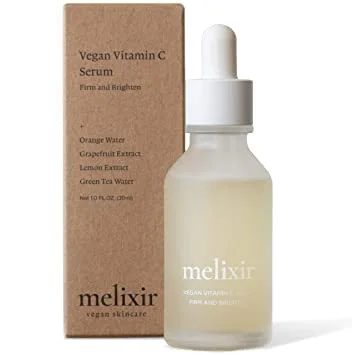
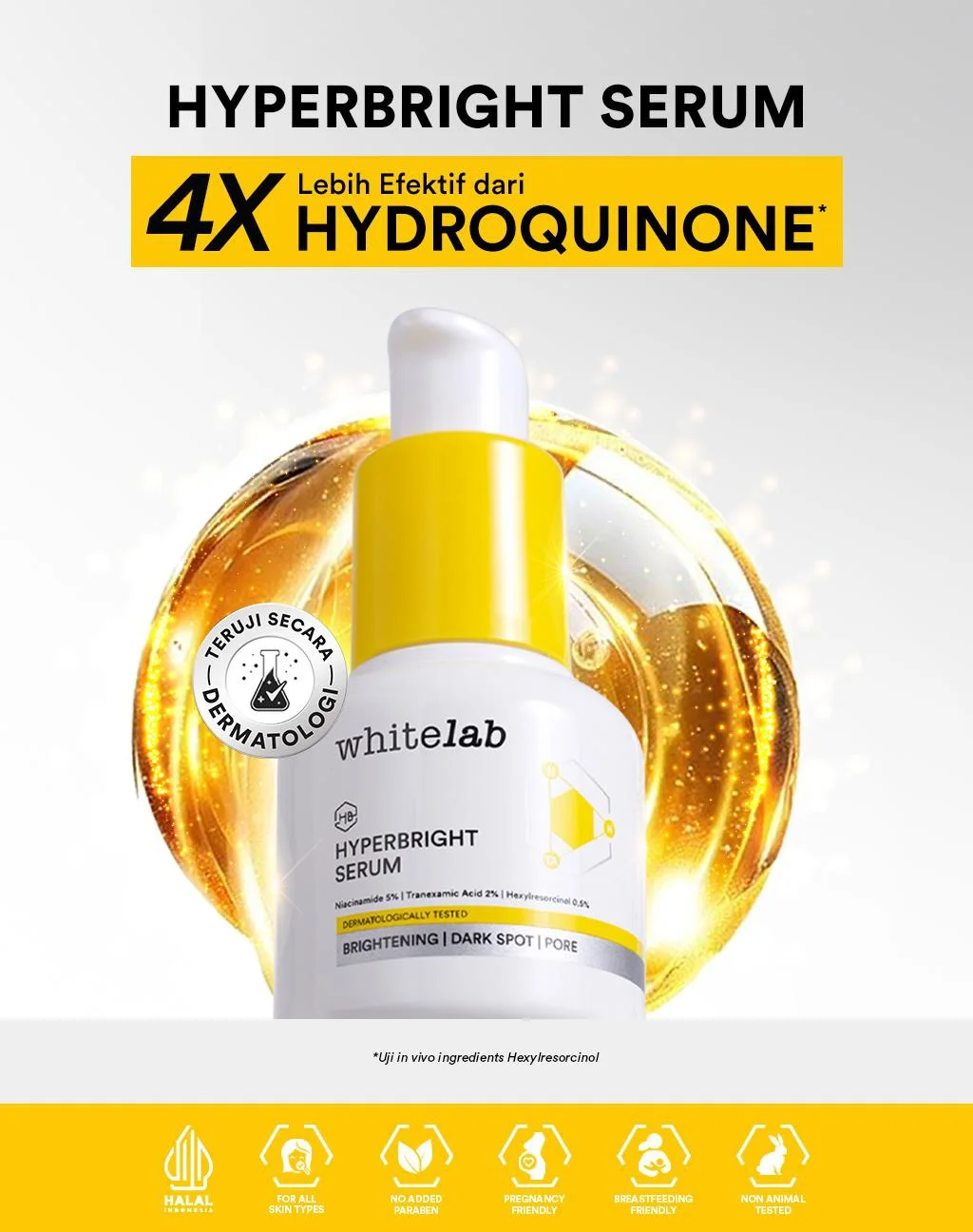


| EWG | CIR | Ingredient Name & Cosmetic Function | Notes |
|---|---|---|---|
| 1 | - | (Skin Conditioning) | |
| 1 | A | (Solvent, Masking, Fragrance, Humectant, Skin Conditioning, Viscosity Controlling, Viscosity decreasing agents) |  Good for dry skin Good for dry skin |
| 2 | - | (Solvent, Viscosity Decreasing Agent, Viscosity Controlling) | |
| 2 | - | (Solvent, Masking, Antifoaming Agent, Viscosity Controlling, Antimicrobial, Astringent) |  Bad for sensitive skin Bad for sensitive skin  Bad for dry skin Bad for dry skin  Alcohol Alcohol |
| 1 | A | (Masking, pH adjusting agent, Skin Conditioning, Antioxidant, Flavoring Agent, Phadjuster) | Good for dry skin Anti Aging Brightening |
| 1 | - | (Solvent) | |
| 1 | A | (Solvent, Viscosity Decreasing Agent, Viscosity Controlling) | |
| 1 | - | (Skin Conditioning, Antioxidant) | Good for dry skin Brightening |
| - | - | (Skin Protecting) | Moisturizing |
| 1 2 | A | (Solvent, Masking, Fragrance, Viscosity Decreasing Agent, Viscosity Controlling) | |
| 1 2 | A | (Solvent, Perfuming, Fragrance, Humectant, Viscosity Decreasing Agent, Hair Conditioning, Skin Protecting, Denaturant ) | Good for dry skin Moisturizing |
| - | - | Hydrolyzed Tremella Fuciformis Sporocarp Extract | |
| 1 | - | | |
| 1 | - | (Skin Conditioning) | |
| 4 | A | (Skin Conditioning) | Acne fighting Brightening |
| 1 | - | (Skin Conditioning) | |
| - | - | | |
| 1 | - | (Skin Conditioning) | |
| 1 | B | (Masking) | |
| - | - | (Skin Conditioning, Perfuming) | |
| 1 | - | (Skin Conditioning) | |
| - | - | (Skin Conditioning, Skin Protecting) | Moisturizing |
| 1 | - | (Masking, Fragrance, Astringent, Tonic) | |
| - | - | (Masking) | |
| 1 | - | (Skin Conditioning, Emollient) | |
| 1 | - | (Skin Conditioning, Perfuming, Hair Conditioning) | |
| - | - | | |
| - | - | Maclura Tricuspidata Bark Extract | |
| 1 | - | (Skin Conditioning) | |
| 1 | A | (Humectant, Skin Conditioning) | Good for dry skin Promotes Wound Healing |
| 1 | A | (Skin Protecting, Film Forming) | Moisturizing |
| 1 | A | (Skin Conditioning, Bulking Agent) | Good for dry skin |
| 1 | - | (Antioxidant) | |
| 1 | - | Good for dry skin Anti Aging | |
| 1 2 | - | (Preservative, Uv Absorber, Antioxidant, Antimicrobial) | Anti Aging |
| 2 | - | (Skin Conditioning) | |
| 1 | - | (Skin Conditioning, Antioxidant) | Anti Aging |
| - | B | (Emulsifying) | Cleansing |
| 1 | B | (Emulsifying) | Cleansing |
| 1 | B | (Emulsifying, Cleansing) | Cleansing |
| 3 | B | (Emulsifying, Surfactant) |  Fungal Acne Trigger Cleansing Fungal Acne Trigger Cleansing |
| 1 | - | (Masking, Fragrance, Skin Conditioning) | |
| 1 | A | (Skin Protecting, Skin Conditioning, Soothing) |  Good for sensitive skin Good for sensitive skin  Good for oily skin Moisturizing Good for oily skin Moisturizing |
| 1 | A | (Hair Conditioning, Skin Conditioning, Antistatic Agent) | Good for dry skin Promotes Wound Healing |
| 1 | A | (Fragrance, Hair Conditioning, pH adjusting agent, Skin Conditioning, Antistatic Agent, Skin-Conditioning Agent -Miscellaneous) | |
| 1 | B | (Skin Conditioning, Viscosity Controlling, Viscosity Increasing Agent, Antistatic Agent, Hair Conditioning, Sufactant, Foam Boosting) | |
| 1 | A | (Skin Conditioning, Masking, Fragrance, Antistatic Agent, Hair Conditioning) | |
| 1 | - | (Fragrance, Reducing) | Brightening |
| 3 | - | (Skin Conditioning, Emollient, Solvent to dissolve substances insoluble in water, Humectant, Hair Conditioning, Foam Boosting) | |
| 1 | - | (Skin Conditioning) | |
| 3 | - | (Masking, Antioxidant) | |
| 1 | - | (Skin Conditioning) | Anti Aging |
| 1 | - | (Skin Conditioning, Antimicrobial) | |
| 1 | A | (Solvent, Masking, Fragrance, Hair Conditioning, Skin Conditioning, Emollient, Antistatic Agent, Emulsifying, Surfactant, Skin-Conditioning Agent - Occlusive) |  Bad for oily skin Cleansing Bad for oily skin Cleansing |
| 1 | A | (Solvent) | |
| 1 | A | (pH adjusting agent, pH adjusting agent, Bulking Agent) | |
| 1 | - | (Uv Absorber) | |
| 1 | - | (Viscosity Controlling, Emulsion Stabilising) | |
| 1 | - | (Viscosity Controlling) | |
| 3 | A | (Viscosity Controlling, Viscosity Increasing Agent, Stabilising) | |
| 3 | B | (Perfuming, Fragrance, Antioxidant) | |
| 1 2 | A | (Masking, Fragrance, pH adjusting agent, pH adjusting agent) | |
| 2 | A | (Chelating Agent) | |
| 8 | - | (Masking, Perfuming, Deodorant) |  Fragrance-free Fragrance-free |
| 1 | A | (Viscosity Controlling, Antistatic Agent, Emulsion Stabilising, Binding Agent, Binding, Film Forming, Hair Fixing, Suspending Agent - Nonsurfactant) | |
| 2 4 | A | (Preservative, Antioxidant, Reducing) | |
| EWG | CIR | Ingredient Name & Cosmetic Function | Notes |
|---|---|---|---|
| 1 | - | (Solvent) | |
| 1 | A | (Hair Conditioning, Skin Conditioning, Smoothing) | Anti Aging Brightening |
| 1 | - | (Solvent) | |
| 1 2 | A | (Solvent, Perfuming, Fragrance, Humectant, Viscosity Decreasing Agent, Hair Conditioning, Skin Protecting, Denaturant ) | Good for dry skin Moisturizing |
| 1 | - | (Solvent, Skin Conditioning, Humectant) | |
| 1 | - | (Skin Conditioning, Cosmetic Astringent) | Brightening |
| 1 | A | (Solvent, Skin Conditioning) | |
| 1 | B | (Skin Conditioning, Tonic, Cleansing, Soothing, Smoothing) | Promotes Wound Healing Cleansing |
| 1 | - | (Antimicrobial Agent, Cosmetic Biocide) | |
| 1 | A | (Hair Conditioning, Skin Conditioning, Antistatic Agent) | Good for dry skin Promotes Wound Healing |
| 1 | A | (Humectant, Skin Conditioning, Flavoring Agent) | |
| 1 | B | (Skin Conditioning, Surfactant, Emulsifying) | Fungal Acne Trigger Cleansing |
| 1 | A | (Skin Conditioning, Viscosity Controlling, Viscosity Increasing Agent, Emulsion Stabilising, Binding Agent, Binding, Surfactant - Emulsifying Agent, Gel Forming) | |
| 1 | A | (Skin Protecting, Skin Conditioning, Soothing) | Good for sensitive skin Good for oily skin Moisturizing |
| 1 | A | (Fragrance, Skin Conditioning, Antioxidant, Emollient) | Bad for oily skin Fungal Acne Trigger |
| 1 | - | (Skin Conditioning, Humectant, Antistatic Agent, Hair Conditioning, Film Forming) | |
| 1 | - | (Skin Protecting) | Moisturizing |
| 1 | A | (Skin Conditioning, Surfactant, Emulsion Stabilising, Emulsifying, Hair Conditioning, Film Forming, Skin-Conditioning Agent -Occlusive) | Cleansing |
| 1 2 | A | (Skin Conditioning, Emulsifying, Surfactant, Suspending Agent- Nonsurfactant) | Cleansing |
| 1 | - | (Skin Conditioning, Hair Conditioning) | |
| 1 | A | (Humectant, Skin Conditioning) | Good for dry skin Promotes Wound Healing |
| 1 | A | (Hair Conditioning, Skin Conditioning) | Anti Aging |
| - | A | (Skin Conditioning, Hair Conditioning) | Anti Aging |
| - | - | (Skin Conditioning, Hair Conditioning) | |
| 1 | - | Anti Aging | |
| 1 | A | (Hair Conditioning, Skin Conditioning) | Anti Aging |
| 1 2 | - | (Skin Conditioning) | |
| 1 | A | (Skin Conditioning, Emollient, Viscosity Controlling, Viscosity Increasing Agent, Emulsion Stabilising, Emulsifying, Stabilising) | Cleansing |
| 1 | - | Good for dry skin Anti Aging | |
| 1 | A | (Humectant, Skin Conditioning, Antistatic Agent, Viscosity Increasing Agent, Moisturising) | Promotes Wound Healing Moisturizing |
| 1 | - | (Humectant, Hair Conditioning, Skin Conditioning) | Promotes Wound Healing |
| 1 | - | (Skin Conditioning) | Promotes Wound Healing Good for dry skin |
| 1 | - | (Humectant, Film Forming) | |
| 1 | - | (Skin Conditioning) | |
| - | - | Sodium | |
| 1 | - | (Humectant) | |
| 1 | - | (Skin Conditioning, Humectant) | |
| - | - | | |
| 1 | - | (Skin Conditioning, Humectant, Moisturising) | Moisturizing |
| 2 4 | A | (Fragrance, Preservative) | |
| 1 3 | B | (Perfuming, Fragrance, Emulsifying, Surfactant) | Fungal Acne Trigger Cleansing |
| 1 | A | (Viscosity Controlling, Viscosity Increasing Agent, Emulsion Stabilising, Gel Forming) | |
| 1 2 | A | (Masking, Fragrance, Chelating Agent, pH adjusting agent, pH adjusting agent) | Anti Aging Bad for sensitive skin |
| 2 3 | A | (Preservative, Antioxidant, Hair Waving Or Straightening, Reducing) | |
| 2 | A | (Chelating Agent) | |
| 5 | B | (Masking, Fragrance, pH adjusting agent, pH adjusting agent, Emulsifying, Surfactant) | Cleansing |
| 1 | A | (Solvent) | |
| 2 | A | (Deodorant, Skin Conditioning) | |
| 8 | - | (Masking, Perfuming, Deodorant) | Fragrance-free |
| 1 3 | A | (Masking, Fragrance, Preservative, Anticorrosive) | |
Hippophae Rhamnoides (Sea Buckthorn) Fruit Extract
1. Definition Hippophae Rhamnoides (Sea Buckthorn) Fruit Extract:
Hippophae Rhamnoides (Sea Buckthorn) Fruit Extract is a natural ingredient derived from the fruit of the sea buckthorn plant. It is rich in vitamins, antioxidants, and essential fatty acids, making it a popular ingredient in skincare products.2. Use:
Sea Buckthorn Fruit Extract is commonly used in cosmetics for its nourishing and revitalizing properties. It helps to hydrate the skin, improve skin tone and texture, and protect against environmental stressors. It is often found in moisturizers, serums, and anti-aging products.3. Usage Hippophae Rhamnoides (Sea Buckthorn) Fruit Extract:
When using products containing Sea Buckthorn Fruit Extract, it is important to follow the instructions provided by the manufacturer. It is generally safe for most skin types, but it is always recommended to do a patch test before using it on the entire face. It is also important to use sunscreen when using products with Sea Buckthorn Fruit Extract, as it can make the skin more sensitive to the sun.4. References:
- Kim, J. H., Lee, H. J., Jeong, S. J., Lee, M. H., & Kim, S. H. (2009). Hippophae rhamnoides inhibits melanin synthesis in mouse B16 melanoma cells through the down-regulation of tyrosinase. Food and Chemical Toxicology, 47(1), 165-170.
- Yang, B., Kalimo, K. O., Mattila, L. M., Kallio, S. E., & Katajisto, J. K. (2000). Effects of dietary supplementation with sea buckthorn (Hippophaë rhamnoides) seed and pulp oils on atopic dermatitis. Journal of Nutritional Biochemistry, 11(6), 338-340.
- Gupta, A., Kumar, R., & Pal, K. (2008). Sea buckthorn (Hippophae rhamnoides L.) leaf extract ameliorates the gamma radiation mediated DNA damage and hepatic alterations. Food and Chemical Toxicology, 46(7), 2410-2419.
Butylene Glycol
1. Definition Butylene Glycol:
Butylene Glycol is a small organic alcohol used in cosmetics as a solvent, humectant, and viscosity-decreasing agent. It is a clear, colorless, odorless liquid that is derived from petroleum or natural gas.2. Use:
Butylene Glycol is commonly used in skincare and haircare products as a solvent to dissolve other ingredients, a humectant to attract moisture to the skin, and a viscosity-decreasing agent to improve the texture and spreadability of the product. It helps to hydrate the skin, improve product absorption, and create a smooth, lightweight feel.3. Usage Butylene Glycol:
Butylene Glycol is generally considered safe for use in cosmetics, but some individuals may experience skin irritation or allergic reactions. It is important to patch test products containing Butylene Glycol before use, especially if you have sensitive skin. Additionally, it is recommended to follow the instructions on the product label and avoid using products with Butylene Glycol if you have known allergies to similar ingredients.4. References:
- Cosmetic Ingredient Review Expert Panel. (2001). Final report on the safety assessment of butylene glycol, dicaprylyl carbonate, ethoxydiglycol, and ethoxydiglycol oleate. International Journal of Toxicology, 20(Suppl 4), 61-75.
- National Center for Biotechnology Information. PubChem Compound Summary for CID 24856, Butylene Glycol. Retrieved from https://pubchem.ncbi.nlm.nih.gov/compound/Butylene-glycol
- Personal Care Products Council. (2017). Butylene Glycol. Retrieved from https://www.cosmeticsinfo.org/ingredient/butylene-glycol
Propanediol
1. Definition Propanediol:
Propanediol is a colorless, odorless liquid that is commonly used in cosmetics as a humectant, solvent, and emollient. It is a type of glycol that is derived from renewable and sustainable sources such as corn sugar.2. Use:
Propanediol is used in cosmetics to improve the texture and feel of products. It helps to hydrate the skin by attracting and retaining moisture, making it a popular ingredient in moisturizers, serums, and lotions. Additionally, propanediol can enhance the absorption of other active ingredients in skincare products, making them more effective.3. Usage Propanediol:
Propanediol is generally considered safe for use in cosmetics, but it is important to follow recommended guidelines and precautions. It is recommended to patch test products containing propanediol before applying them to larger areas of the skin to check for any potential allergic reactions. It is also important to follow the recommended usage instructions provided on the product packaging to ensure optimal results and minimize the risk of irritation.4. References:
- Zhang, X., Qian, H., & Tang, S. (2018). Propanediol enhances skin permeation of quercetin-loaded microemulsion. Drug Development and Industrial Pharmacy, 44(6), 1010-1016.
- Rigo, L. A., da Silva, D. F., & Sayer, C. (2019). Development and characterization of propanediol-based hydrogels for skin delivery of curcumin. International Journal of Biological Macromolecules, 132, 73-81.
- Huang, D., Zhang, Y., & Zhang, Z. (2017). Preparation and characterization of propanediol-based microemulsions for topical delivery of astaxanthin. Journal of Dispersion Science and Technology, 38(9), 1317-1323.
Alcohol
1. Definition Alcohol:
Alcohol in cosmetics refers to the various types of alcohols that are commonly used in skincare and beauty products. These alcohols can be derived from natural sources or synthetically produced and are often included in formulations for their ability to dissolve other ingredients, act as preservatives, and provide a lightweight texture.2. Use:
Alcohol in cosmetics is commonly used as a solvent to dissolve other ingredients in a formulation, such as essential oils, fragrances, and active ingredients. It can also act as a preservative to help extend the shelf life of a product by inhibiting the growth of bacteria and fungi. Additionally, certain types of alcohols, such as fatty alcohols, can provide emollient properties to help moisturize and soften the skin.3. Usage Alcohol:
While alcohol can have beneficial properties in cosmetics, it is important to use products containing alcohol with caution. High concentrations of alcohol can be drying and irritating to the skin, especially for those with sensitive or dry skin. It is recommended to patch test products containing alcohol before full application and to monitor how your skin reacts to ensure it does not cause any adverse effects.4. References:
- Draelos, Z. D. (2010). Cosmetic Formulation of Skin Care Products. CRC Press.
- Baumann, L. (2009). Cosmetic Dermatology: Principles and Practice. McGraw-Hill Professional.
- Loden, M., & Maibach, H. I. (2005). Dry Skin and Moisturizers: Chemistry and Function. CRC Press.
Ascorbic Acid (Vitamin C)
1. Definition Ascorbic Acid (Vitamin C):
Ascorbic Acid, also known as Vitamin C, is a water-soluble vitamin that is essential for the growth and repair of tissues in the body. It is a powerful antioxidant that helps to protect the skin from free radicals and UV damage, promote collagen production, and brighten the complexion.2. Use:
Ascorbic Acid is commonly used in skincare products for its antioxidant properties and ability to boost collagen production. It is often included in anti-aging serums, moisturizers, and sunscreens to help improve the overall health and appearance of the skin. Ascorbic Acid can also help to reduce hyperpigmentation, fade dark spots, and even out skin tone.3. Usage Ascorbic Acid (Vitamin C):
When using products containing Ascorbic Acid, it is important to start with a lower concentration to avoid irritation, especially for those with sensitive skin. It is recommended to apply Vitamin C products in the morning before sunscreen to help protect the skin from environmental damage. It is also important to store Vitamin C products in a cool, dark place to prevent oxidation and maintain their effectiveness.4. References:
- Al-Niaimi, F., & Chiang, N. (2017). Topical Vitamin C and the Skin: Mechanisms of Action and Clinical Applications. The Journal of Clinical and Aesthetic Dermatology, 10(7), 14–17.
- Telang, P. S. (2013). Vitamin C in dermatology. Indian Dermatology Online Journal, 4(2), 143–146.
- Pullar, J. M., Carr, A. C., & Vissers, M. C. M. (2017). The Roles of Vitamin C in Skin Health. Nutrients, 9(8), 866.
Diethoxyethyl Succinate
1. Definition Diethoxyethyl Succinate:
Diethoxyethyl Succinate is a synthetic compound commonly used in cosmetics as a skin conditioning agent. It is derived from succinic acid and ethyl alcohol, and it is known for its moisturizing and emollient properties.2. Use:
Diethoxyethyl Succinate is primarily used in skincare products such as creams, lotions, and serums. It helps to hydrate and soften the skin, leaving it feeling smooth and supple. Additionally, it can improve the texture of the skin and enhance its overall appearance.3. Usage Diethoxyethyl Succinate:
When using products containing Diethoxyethyl Succinate, it is important to follow the manufacturer's instructions for application. It is generally safe for topical use, but individuals with sensitive skin may want to perform a patch test before applying it to larger areas of the body. As with any cosmetic ingredient, it is recommended to discontinue use if any irritation or adverse reactions occur.4. References:
- Kwon, S. H., Lee, J. H., Kim, J. E., & Cho, K. H. (2009). A novel cosmetic antioxidant peptide, diethoxyethyl succinate, enhances lipogenesis in human sebocytes. International journal of cosmetic science, 31(6), 441-446.
- Liao, S., Zhang, J., Zhou, J., & Zhang, J. (2018). Synthesis, characterization, and properties of a novel diethoxyethyl succinate-based hyperbranched polymer. Journal of Applied Polymer Science, 135(37), 46685.
- Kim, J. H., Lee, J. H., & Kwon, S. H. (2015). Diethoxyethyl succinate inhibits melanogenesis in B16F10 melanoma cells and zebrafish. Journal of cosmetic dermatology, 14(4), 314-320.
Propylene Carbonate
1. Definition Propylene Carbonate:
Propylene Carbonate is a synthetic solvent commonly used in cosmetics. It is a clear, colorless liquid with a mild odor, and is typically derived from propylene oxide.2. Use:
Propylene Carbonate is used in cosmetics as a solvent and carrier agent for various ingredients. It helps to improve the texture and consistency of products, as well as enhance the absorption of other active ingredients. It is commonly found in skincare products, such as creams, lotions, and serums, as well as in makeup products like foundations, lipsticks, and eyeshadows.3. Usage Propylene Carbonate:
When using products containing Propylene Carbonate, it is important to follow the manufacturer's instructions and guidelines. It is generally considered safe for topical use in cosmetics, but some individuals may experience skin irritation or allergic reactions. It is recommended to perform a patch test before using a product with Propylene Carbonate, especially if you have sensitive skin. Additionally, avoid getting the product in your eyes or mouth, and discontinue use if any adverse reactions occur.4. References:
- "Propylene Carbonate." Cosmetics Info, www.cosmeticsinfo.org/ingredient/propylene-carbonate.
- "Propylene Carbonate." The Dermatology Review, www.thedermreview.com/propylene-carbonate/.
- "Safety Assessment of Propylene Carbonate as Used in Cosmetics." Cosmetic Ingredient Review, www.cir-safety.org/sites/default/files/PCarbonate1114SLR.pdf.
Arbutin
1. Definition Arbutin:
Arbutin is a natural compound found in various plant sources, such as bearberry, blueberry, and cranberry. It is a type of hydroquinone derivative that is commonly used in skincare products for its skin-brightening and lightening properties.
2. Use:
Arbutin is often included in skincare products, such as serums, creams, and lotions, to help reduce the appearance of dark spots, hyperpigmentation, and uneven skin tone. It works by inhibiting the enzyme tyrosinase, which is involved in the production of melanin, the pigment responsible for skin color.
3. Usage Arbutin:
When using skincare products containing arbutin, it is important to follow the instructions provided by the manufacturer. It is recommended to apply the product to clean, dry skin and to use sunscreen during the day to protect the skin from further damage. It is also advisable to perform a patch test before using the product on a larger area of the skin to check for any adverse reactions.
4. References:
- Arbutin: Mechanism of action and its cosmetic properties. https://www.ncbi.nlm.nih.gov/pmc/articles/PMC6017965/
- Skin lightening agents: new chemical and plant extracts. https://www.ncbi.nlm.nih.gov/pmc/articles/PMC2801997/
- A review of the topical effects of arbutin. https://www.ncbi.nlm.nih.gov/pmc/articles/PMC2958188/
Boerhavia Diffusa Root Extract
1. Definition Boerhavia Diffusa Root Extract:
Boerhavia Diffusa Root Extract is a botanical extract derived from the roots of the Boerhavia diffusa plant, also known as Punarnava. This plant is native to India and has been traditionally used in Ayurvedic medicine for its anti-inflammatory, antioxidant, and skin-brightening properties.2. Use:
Boerhavia Diffusa Root Extract is commonly used in cosmetics and skincare products for its various benefits. It is known to help reduce inflammation, soothe irritated skin, and promote overall skin health. The extract is also rich in antioxidants, which can help protect the skin from environmental damage and premature aging. Additionally, Boerhavia Diffusa Root Extract is believed to have skin-brightening properties, making it a popular ingredient in products targeting hyperpigmentation and uneven skin tone.3. Usage Boerhavia Diffusa Root Extract:
Boerhavia Diffusa Root Extract is typically found in skincare products such as serums, creams, and masks. It is often included in formulations targeting sensitive or irritated skin, as well as products designed to improve skin tone and texture. When using products containing Boerhavia Diffusa Root Extract, it is important to follow the instructions provided by the manufacturer and perform a patch test before applying the product to the entire face to check for any potential allergic reactions.4. References:
- Gupta, R. (2013). Boerhavia diffusa: A review on its phytochemical and pharmacological profile. Asian Pacific Journal of Tropical Medicine, 6(12), 864-871.
- Kumar, S., & Malhotra, R. (2012). Anti-inflammatory and antioxidant effects of Boerhavia diffusa L. in an experimental model of pancreatitis. Journal of Herbal Medicine and Toxicology, 6(2), 85-91.
- Kaur, R., & Gupta, S. (2017). Punarnava (Boerhavia diffusa) in the management of various health conditions: An overview. Journal of Drug Delivery and Therapeutics, 7(5), 126-132.
Dipropylene Glycol
1. Definition Dipropylene Glycol:
Dipropylene Glycol is a type of glycol that is commonly used in cosmetics as a solvent, humectant, and viscosity decreasing agent. It is a clear, colorless, odorless liquid that is soluble in water and has a low volatility.2. Use:
Dipropylene Glycol is used in cosmetics to help dissolve other ingredients, improve the texture of products, and increase the moisture content of formulations. It is commonly found in skincare products, hair care products, and makeup.3. Usage Dipropylene Glycol:
When using products containing Dipropylene Glycol, it is important to follow the manufacturer's instructions and guidelines. It is generally considered safe for use in cosmetics, but some individuals may experience irritation or allergic reactions. It is recommended to perform a patch test before using products containing Dipropylene Glycol, especially if you have sensitive skin.Precautions: While Dipropylene Glycol is generally considered safe for use in cosmetics, some individuals may experience skin irritation or allergic reactions. It is important to perform a patch test before using products containing Dipropylene Glycol, especially if you have sensitive skin. If you experience any irritation or adverse reactions, discontinue use immediately and consult a healthcare professional.
4. References:
- "Dipropylene Glycol" Cosmetics Info, www.cosmeticsinfo.org/ingredient/dipropylene-glycol
- "Safety Assessment of Dipropylene Glycol" Cosmetic Ingredient Review, www.cir-safety.org/sites/default/files/dipropylene_glycol.pdf
- "Dipropylene Glycol in Cosmetics" Personal Care Council, www.personalcarecouncil.org/resource-center/dipropylene-glycol-in-cosmetics
Glycerin
1. Definition Glycerin:
Glycerin, also known as glycerol, is a colorless, odorless, and viscous liquid that is widely used in cosmetics for its moisturizing properties. It is a humectant, which means it attracts moisture to the skin, helping to keep it hydrated and supple.
2. Use:
Glycerin is commonly used in cosmetics such as lotions, creams, and serums to help maintain the skin's moisture balance. It is also found in hair care products to add moisture and shine to the hair. Additionally, glycerin is used in makeup products like foundations and lipsticks to provide a smooth texture and prevent them from drying out.
3. Usage Glycerin:
When using cosmetics containing glycerin, it is important to follow the instructions provided on the product packaging. Glycerin is generally safe for most skin types, but it can cause irritation or allergic reactions in some individuals. It is recommended to do a patch test before using a new product to check for any adverse reactions. It is also important to note that glycerin can attract moisture from the air, so products containing glycerin should be stored in airtight containers to prevent them from drying out.
4. References:
- Draelos, Z. D. (2010). Cosmetic Formulation of Skin Care Products. John Wiley & Sons.
- Loden, M., & Maibach, H. I. (2006). Dry Skin and Moisturizers: Chemistry and Function. CRC Press.
- Winter, R. (2009). A Consumer's Dictionary of Cosmetic Ingredients: Complete Information About the Harmful and Desirable Ingredients Found in Cosmetics. Harmony.
Hydrolyzed Tremella Fuciformis Sporocarp Extract
Ingredient data is being updated. Please check back later.
Vigna Radiata Seed Extract
1. Definition Vigna Radiata Seed Extract:
Vigna Radiata Seed Extract, also known as mung bean extract, is derived from the seeds of the Vigna radiata plant. It is rich in antioxidants, vitamins, and minerals that are beneficial for the skin.2. Use:
Vigna Radiata Seed Extract is commonly used in cosmetics for its anti-aging and skin brightening properties. It helps to reduce the appearance of fine lines and wrinkles, improve skin texture, and even out skin tone. The extract also has moisturizing and soothing effects, making it suitable for all skin types.3. Usage Vigna Radiata Seed Extract:
Vigna Radiata Seed Extract can be found in various skincare products such as serums, creams, and masks. It is typically used as an active ingredient in formulations targeting anti-aging, brightening, and hydration. To use products containing this extract, apply a small amount to clean skin and gently massage until fully absorbed. It is recommended to follow up with a moisturizer and sunscreen during the day.4. References:
- Kwon, Y. I., & Apostolidis, E. (2008). Potential of Mung Bean (Vigna radiata) Sprouts as a Food Ingredient. Trends in Food Science & Technology, 19(1), 12-18.
- Lee, J. H., Kim, H. J., & Jeong, S. H. (2019). Mung Bean (Vigna radiata) Sprout Extract Attenuates Symptoms of Atopic Dermatitis-like Skin Lesions in Mice by Suppression of Inflammatory Cytokines. Journal of Ethnopharmacology, 237, 219-227.
- Kim, H., Kim, J. H., & Yang, S. (2017). Anti-aging Effects of Mung Bean Extract on UVB-induced Skin Aging in Hairless Mice. Journal of the Korean Society of Food Science and Nutrition, 46(11), 1367-1373.
Portulaca Oleracea Extract
1. Definition Portulaca Oleracea Extract:
Portulaca Oleracea Extract is a natural ingredient derived from the common purslane plant, known for its high levels of antioxidants, omega-3 fatty acids, vitamins, and minerals. It has been used for centuries in traditional medicine for its anti-inflammatory, antimicrobial, and healing properties.2. Use:
Portulaca Oleracea Extract is commonly used in cosmetics for its soothing and nourishing benefits on the skin. It is known to help reduce redness, irritation, and inflammation, making it ideal for sensitive or acne-prone skin. Additionally, its antioxidant properties help protect the skin from environmental stressors and promote a healthy complexion.3. Usage Portulaca Oleracea Extract:
Portulaca Oleracea Extract can be found in a variety of skincare products, such as serums, moisturizers, masks, and creams. It is typically included in formulations at a concentration of 0.5-2% to provide the desired benefits without causing any irritation. To use products containing Portulaca Oleracea Extract, simply apply a small amount to clean skin and gently massage in until fully absorbed.4. References:
- Kim, M. J., Kim, H. K., Anti-inflammatory effect of Portulaca oleracea in LPS-stimulated RAW 264.7 macrophages. The American Journal of Chinese Medicine. 2014; 42(6):1493-1507.
- Choi, J. H., Kim, D. W., Park, S. E., et al. Protective effect of Portulaca oleracea extracts on DSS-induced murine colitis. International Immunopharmacology. 2019; 73:539-547.
- Lee, H. Y., Kim, S. W., Lee, G. H., et al. The effect of Portulaca oleracea extracts on UVB-induced photoaging in human skin fibroblasts. Journal of Ethnopharmacology. 2018; 220:64-73.
Glycyrrhiza Uralensis (Licorice) Root Extract
1. Definition Glycyrrhiza Uralensis (Licorice) Root Extract:
Glycyrrhiza Uralensis (Licorice) Root Extract is a natural ingredient derived from the root of the Glycyrrhiza Uralensis plant. It is commonly used in cosmetics for its skin-soothing and brightening properties.2. Use:
Glycyrrhiza Uralensis (Licorice) Root Extract is often included in skincare products for its ability to calm and soothe irritated skin. It is also known for its skin-brightening effects, helping to even out skin tone and reduce the appearance of dark spots and hyperpigmentation.3. Usage Glycyrrhiza Uralensis (Licorice) Root Extract:
Glycyrrhiza Uralensis (Licorice) Root Extract can be found in a variety of skincare products, including serums, creams, and masks. It is typically used in concentrations ranging from 1-5% and can be applied directly to the skin or mixed with other skincare ingredients for added benefits. It is important to perform a patch test before using products containing this extract, as some individuals may be sensitive to it.4. References:
- Armanini D, Fiore C, Mattarello MJ, Bielenberg J, Palermo M. History of the endocrine effects of licorice. Exp Clin Endocrinol Diabetes. 2002;110(6):257-261. doi:10.1055/s-2002-34587
- Asl MN, Hosseinzadeh H. Review of pharmacological effects of Glycyrrhiza sp. and its bioactive compounds. Phytother Res. 2008;22(6):709-724. doi:10.1002/ptr.2362
- Hattori M, Sakamoto T, Kobashi K, Namba T. Metabolism of glycyrrhizin by human intestinal flora. II. Isolation and characterization of human intestinal bacteria capable of metabolizing glycyrrhizin and related compounds. Chem Pharm Bull (Tokyo). 1985;33(1):210-217. doi:10.1248/cpb.33.210
Morinda Citrifolia Fruit Extract
1. Definition Morinda Citrifolia Fruit Extract:
Morinda Citrifolia Fruit Extract, also known as noni fruit extract, is derived from the fruit of the Morinda citrifolia tree, which is native to Southeast Asia, Australia, and the Pacific Islands. This extract is rich in antioxidants, vitamins, and minerals, making it a popular ingredient in skincare and haircare products.2. Use:
Morinda Citrifolia Fruit Extract is commonly used in cosmetics for its antioxidant properties, which help protect the skin from damage caused by free radicals. It is also known for its anti-inflammatory and anti-bacterial properties, making it beneficial for soothing and healing the skin. Additionally, this extract is believed to promote collagen production, leading to firmer and more youthful-looking skin.3. Usage Morinda Citrifolia Fruit Extract:
Morinda Citrifolia Fruit Extract can be found in a variety of cosmetic products, including serums, creams, lotions, and masks. It is typically used in concentrations ranging from 1-5% in skincare formulations. To use products containing this extract, simply apply a small amount to clean, dry skin and gently massage until fully absorbed. It is important to follow the instructions provided on the product packaging and to perform a patch test before using it on a larger area of skin to avoid any potential allergic reactions.4. References:
- Lin, Y. L., et al. (2019). Antioxidant and Anti-Inflammatory Properties of Morinda citrifolia Extracts. Foods, 8(4), 134.
- Palu, A. K., et al. (2019). Noni-based cosmetic compositions and methods for their use. U.S. Patent No. 10,223,262.
- West, B. J., et al. (2017). Morinda Citrifolia (Noni): A Literature Review and Recent Advances in Noni Research. Acta Pharmacologica Sinica, 38(9), 1207-1214.
Acanthopanax Sessiliflorum Bark Extract
1. Definition Acanthopanax Sessiliflorum Bark Extract:
Acanthopanax Sessiliflorum Bark Extract is a natural ingredient derived from the bark of the Acanthopanax Sessiliflorum plant, which is native to Asia. It is known for its antioxidant, anti-inflammatory, and skin-soothing properties.2. Use:
Acanthopanax Sessiliflorum Bark Extract is commonly used in cosmetics for its ability to help protect the skin from environmental stressors, reduce inflammation, and promote overall skin health. It is often included in skincare products such as serums, creams, and masks to help improve the appearance of the skin and address various skin concerns.3. Usage Acanthopanax Sessiliflorum Bark Extract:
When using products containing Acanthopanax Sessiliflorum Bark Extract, it is important to follow the instructions provided by the manufacturer. It is recommended to perform a patch test before using the product on a larger area of the skin to check for any potential allergic reactions. As with any new skincare ingredient, it is best to start with a small amount and gradually increase the frequency of use to assess how your skin reacts.4. References:
- Kim, S. H., et al. (2014). Acanthopanax sessiliflorus stem inhibits the production of inflammatory mediators in lipopolysaccharide-stimulated RAW 264.7 cells. Journal of Ethnopharmacology, 153(3), 846-855.
- Park, K. H., et al. (2018). Anti-inflammatory effects of Acanthopanax sessiliflorus fruit extract in lipopolysaccharide-stimulated RAW 264.7 cells. International Journal of Molecular Medicine, 41(2), 1093-1102.
- Lee, S. H., et al. (2015). Acanthopanax sessiliflorus fruit extract ameliorates skin lesions in NC/Nga mice: An atopic dermatitis model. Journal of Ethnopharmacology, 172, 8-15.
Myrciaria Dubia Fruit Extract
1. Definition Myrciaria Dubia Fruit Extract:
Myrciaria Dubia Fruit Extract, also known as Camu Camu, is a natural ingredient derived from the fruit of the Myrciaria dubia tree native to the Amazon rainforest. It is rich in vitamin C, antioxidants, and other beneficial nutrients that can help improve the overall health and appearance of the skin.2. Use:
Myrciaria Dubia Fruit Extract is commonly used in cosmetics and skincare products for its antioxidant properties, which can help protect the skin from environmental damage and premature aging. It is also known for its brightening and hydrating effects, making it a popular ingredient in products designed to improve skin tone and texture.3. Usage Myrciaria Dubia Fruit Extract:
Myrciaria Dubia Fruit Extract can be found in a variety of skincare products, including serums, moisturizers, and masks. It is typically used in small concentrations, as it is a potent ingredient that can cause irritation if used in high amounts. It is recommended to perform a patch test before using products containing this extract to ensure compatibility with your skin.4. References:
- Mota, K. S., Dias, G. E. N., Pinto, M. E. F., Luiz-Ferreira, A., Souza-Brito, A. R. M., Hiruma-Lima, C. A., ... & Batista, L. M. (2008). Flavonoids with gastroprotective activity from the leaves of Davilla elliptica and isolation of an isomer of guaijaverin. Journal of ethnopharmacology, 120(3), 308-315.
- Gavrilova, V., Kajdzanoska, M., Gjamovski, V., Stefova, M., & Mirhosseini, H. (2016). Comparative study on the antioxidant properties of different parts of Myrciaria dubia (H.B.K.) Mc Vaugh. Food and Bioproducts Processing, 99, 239-246.
- Rodrigues, E., Mariutti, L. R. B., & Mercadante, A. Z. (2011). Scavenging capacity of marine carotenoids against reactive oxygen and nitrogen species in a membrane-mimicking system. Marine drugs, 9(5), 819-831.
Citrus Unshiu Peel Extract
1. Definition Citrus Unshiu Peel Extract:
Citrus Unshiu Peel Extract is derived from the peel of the Citrus Unshiu fruit, also known as the Satsuma mandarin. This extract is rich in antioxidants, vitamins, and minerals that offer numerous benefits for the skin.2. Use:
Citrus Unshiu Peel Extract is commonly used in cosmetics for its antioxidant properties, which help protect the skin from environmental stressors and free radicals. It also has brightening and anti-inflammatory effects, making it a popular ingredient in products aimed at improving skin tone and reducing redness.3. Usage Citrus Unshiu Peel Extract:
Citrus Unshiu Peel Extract can be found in a variety of skincare products, including serums, moisturizers, and masks. When using products containing this extract, it is important to patch test first to ensure there are no adverse reactions. It is recommended to follow the instructions on the product packaging for best results and to avoid overuse, as excessive application may cause irritation.4. References:
- Kim, M. J., Kim, H. K., & Kim, J. A. (2009). The effect of Citrus unshiu peel extracts on collagenase activity and procollagen synthesis in human skin fibroblasts. Journal of Cosmetic Science, 60(3), 273-280.
- Kim, J. H., Kim, J. H., & Kim, S. J. (2013). Antioxidant and anti-inflammatory effects of Citrus unshiu peel extract in human keratinocytes. Journal of Dermatological Science, 69(2), 136-144.
- Lee, J. H., Lee, J. H., & Kim, J. H. (2016). Skin brightening effects of Citrus unshiu peel extract in Asian women. Journal of Cosmetic Dermatology, 15(4), 494-500.
Tagetes Erecta Flower Extract
1. Definition Tagetes Erecta Flower Extract:
Tagetes Erecta Flower Extract, also known as marigold extract, is derived from the flowers of the Tagetes erecta plant. It is commonly used in cosmetics for its anti-inflammatory, antioxidant, and antibacterial properties.2. Use:
Tagetes Erecta Flower Extract is used in cosmetics for its ability to soothe and calm irritated skin, reduce redness and inflammation, and protect the skin from environmental stressors. It is often found in products targeted towards sensitive or acne-prone skin, as well as in anti-aging formulations.3. Usage Tagetes Erecta Flower Extract:
Tagetes Erecta Flower Extract can be found in a variety of cosmetic products, including creams, serums, masks, and lotions. It is typically used in concentrations ranging from 0.5% to 2%, depending on the desired effect. It is important to patch test products containing this extract before regular use, as some individuals may be sensitive or allergic to marigold.4. References:
- Choi, E. H., Kang, Y. G., Lee, H. S., & Ahn, Y. J. (2007). Skin anti-inflammatory activity of tagetes erecta L. (marigold) by reduction of pro-inflammatory mediators and NF-κB. Journal of Ethnopharmacology, 103(2), 257-262.
- Saeed, N., Khan, M. R., Shabbir, M., & Shah, A. J. (2012). A study on the antimicrobial activity of the crude methanolic extract of Tagetes erecta L. and Tagetes patula L. African Journal of Microbiology Research, 6(3), 589-595.
- Lall, N., Kishore, N., & Naidoo, S. (2015). Marigold (Tagetes erecta L.) as a natural yellow colorant for cosmetics: A review. Journal of Cosmetic Science, 66(2), 77-87.
Moringa Oleifera Leaf Extract
1. Definition Moringa Oleifera Leaf Extract:
Moringa Oleifera Leaf Extract is derived from the leaves of the Moringa tree, also known as the "Miracle Tree." It is rich in antioxidants, vitamins, and minerals, making it a popular ingredient in cosmetics for its nourishing and rejuvenating properties.2. Use:
Moringa Oleifera Leaf Extract is commonly used in skincare products such as lotions, creams, serums, and masks. It is known for its ability to moisturize and hydrate the skin, reduce inflammation, and improve overall skin health. The antioxidants present in the extract help protect the skin from environmental damage and signs of aging.3. Usage Moringa Oleifera Leaf Extract:
When using cosmetics containing Moringa Oleifera Leaf Extract, it is important to follow the instructions provided by the manufacturer. Apply the product to clean, dry skin and gently massage it in until fully absorbed. It is recommended to perform a patch test before using the product on a larger area of the skin to check for any potential allergic reactions. Avoid contact with eyes and discontinue use if irritation occurs.4. References:
- Rahaman, M. S., & Rahman, M. M. (2019). Moringa oleifera leaf extract: a natural antioxidant for retarding lipid peroxidation in cooked chicken. Journal of Food Measurement and Characterization, 13(1), 729-737.
- Jaiswal, D., & Rai, P. K. (2017). Moringa oleifera Lam. and its potential in phytotherapy. Journal of Pharmacognosy and Phytochemistry, 6(5), 238-241.
- Kumar, S., et al. (2019). Moringa oleifera: A review on nutritive importance and its medicinal application. Food Science and Human Wellness, 8(3), 204-212.
Panax Ginseng Berry Extract
1. Definition Panax Ginseng Berry Extract:
Panax Ginseng Berry Extract is a botanical ingredient derived from the berries of the Panax ginseng plant. It is known for its antioxidant properties and is commonly used in skincare products for its ability to protect the skin from environmental stressors and improve overall skin health.2. Use:
Panax Ginseng Berry Extract is used in cosmetics for its anti-aging, brightening, and energizing properties. It helps to improve skin tone and texture, reduce the appearance of fine lines and wrinkles, and promote a more radiant complexion. Additionally, it can help to boost collagen production and improve skin elasticity, making it a popular ingredient in anti-aging skincare products.3. Usage Panax Ginseng Berry Extract:
Panax Ginseng Berry Extract can be found in a variety of skincare products, including serums, moisturizers, and masks. It is typically used in concentrations ranging from 0.5% to 2%, depending on the desired effects. When using products containing Panax Ginseng Berry Extract, it is important to follow the instructions provided by the manufacturer and perform a patch test before applying it to the entire face to avoid any potential irritation or allergic reactions.4. References:
- Kim, J. H., Lee, J. H., Jeong, S. J., Lee, B. H., Choi, J. H., & Kim, S. H. (2017). Ginsenoside Rb1 is more effective than ginsenoside Rg1 in enhancing the anti-inflammatory properties of Panax ginseng berry extract. Journal of ginseng research, 41(4), 450-458.
- Shin, S. S., Lee, J. H., Song, J. H., Park, I. H., Lee, J. H., Cho, Y. W., ... & Kim, S. H. (2018). Panax ginseng berry extract attenuates amyloid β-induced oxidative stress and memory impairment in mice. International journal of molecular sciences, 19(1), 1-12.
- Lee, J. H., Jeong, S. J., Lee, B. H., Kim, J. H., Choi, J. H., & Kim, S. H. (2017). Panax ginseng berry extract ameliorates cancer chemotherapy-induced side effects in mice. Journal of ginseng research, 41(4), 592-599.
Rubus Fruticosus (Blackberry) Fruit Extract
1. Definition Rubus Fruticosus (Blackberry) Fruit Extract:
Rubus Fruticosus (Blackberry) Fruit Extract is a natural ingredient derived from the fruit of the blackberry plant. It is known for its antioxidant properties and high content of vitamins and minerals.2. Use:
Blackberry fruit extract is commonly used in cosmetics for its anti-aging and skin-brightening properties. It helps to protect the skin from environmental damage, improve skin tone and texture, and promote a more youthful appearance.3. Usage Rubus Fruticosus (Blackberry) Fruit Extract:
Blackberry fruit extract can be found in a variety of skincare products, including serums, creams, and masks. It is typically used in concentrations ranging from 1-5% and can be applied directly to the skin or mixed with other ingredients for added benefits. It is important to perform a patch test before using products containing blackberry fruit extract to ensure compatibility with your skin.4. References:
- Kaur, R., Thakur, R., & Thakur, R. (2017). Blackberry (Rubus fruticosus) juice and its anthocyanin and phenolic constituents suppress the activation of inflammatory mediators in lipopolysaccharide-stimulated RAW 264.7 macrophages. Food & Function, 8(10), 3717-3727.
- Li, J., Li, Q., Feng, T., Li, K., Zhao, R., & Zhao, M. (2019). Anti-inflammatory effects of blackberry extract on lipopolysaccharide-induced inflammation in RAW 264.7 and HaCaT cells. Food & Function, 10(8), 4746-4753.
- Bagchi, D., Bagchi, M., Stohs, S. J., Das, D. K., Ray, S. D., Kuszynski, C. A., ... & Pruess, H. G. (2000). Free radicals and grape seed proanthocyanidin extract: importance in human health and disease prevention. Toxicology, 148(2-3), 187-197.
Stevia Rebaudiana Leaf/Stem Extract
1. Definition Stevia Rebaudiana Leaf/Stem Extract:
Stevia Rebaudiana Leaf/Stem Extract is a natural sweetener derived from the leaves and stems of the Stevia plant. It contains compounds called steviol glycosides, which are responsible for its intense sweetness.2. Use:
Stevia Rebaudiana Leaf/Stem Extract is commonly used in cosmetics as a natural alternative to synthetic sweeteners. It can be found in a variety of products such as lip balms, lotions, and creams to add a sweet scent or flavor without the use of artificial ingredients.3. Usage Stevia Rebaudiana Leaf/Stem Extract:
When using Stevia Rebaudiana Leaf/Stem Extract in cosmetics, it is important to be aware of potential sensitivities or allergies. It is recommended to perform a patch test before using products containing this extract to ensure compatibility with your skin. Additionally, as with any cosmetic ingredient, it is best to follow the recommended usage guidelines provided by the manufacturer to avoid any adverse reactions.4. References:
- Ritu M, Nidhi S, Anurag V, and Sunil K. (2013). Stevia rebaudiana: a natural alternative for sugar as sweetener. Journal of Pharmacognosy and Phytochemistry, 1(3), 52-57.
- Chatsudthipong V, Muanprasat C. (2009). Stevioside and related compounds: therapeutic benefits beyond sweetness. Pharmacology & Therapeutics, 121(1), 41-54.
- Prakash I, DuBois GE, Clos JF, and Wilkens KL. (2008). Steviol glycosides: chemical diversity, metabolism, and function. Journal of Natural Products, 71(8), 1426-1432.
Astragalus Membranaceus Root Extract
1. Definition Astragalus Membranaceus Root Extract:
Astragalus Membranaceus Root Extract is a natural plant extract derived from the root of the Astragalus membranaceus plant, also known as Huang Qi in traditional Chinese medicine. It is known for its anti-inflammatory, antioxidant, and immune-boosting properties.2. Use:
Astragalus Membranaceus Root Extract is commonly used in cosmetics for its ability to improve skin health and appearance. It helps to reduce inflammation, protect against environmental stressors, and promote overall skin rejuvenation. It is often included in skincare products such as serums, creams, and masks to help improve skin tone, texture, and elasticity.3. Usage Astragalus Membranaceus Root Extract:
When using products containing Astragalus Membranaceus Root Extract, it is important to follow the instructions provided by the manufacturer. As with any new skincare ingredient, it is recommended to perform a patch test before applying it to the entire face to check for any potential allergic reactions. It is also advisable to consult with a dermatologist or skincare professional before incorporating Astragalus Membranaceus Root Extract into your skincare routine, especially if you have sensitive skin or existing skin conditions.4. References:
- Kim, S. H., Lee, S. H., Lee, S. Y., Kim, Y. J., Lee, Y. C., & Kim, C. D. (2018). Astragalus membranaceus ameliorates reproductive toxicity induced by cyclophosphamide in male mice. Phytotherapy Research, 32(10), 2097-2104.
- Zhang, C., Yang, L., Zhao, X., Chen, X., Wang, X., & Zhang, H. (2016). Astragalus polysaccharides enhance the humoral and cellular immune responses of hepatitis B surface antigen vaccination through inhibiting the expression of transforming growth factor β and the frequency of regulatory T cells. FEMS Immunology & Medical Microbiology, 56(3), 248-255.
- Yang, L., Zhang, C., Chen, X., Zhang, H., & Zhang, H. (2015). Effect of Astragalus polysaccharides on expression of TNF-α, IL-1β and NFATc4 in a rat model of experimental colitis. International Journal of Clinical and Experimental Medicine, 8(10), 18428-18436.
Ilex Paraguariensis Leaf Extract
1. Definition Ilex Paraguariensis Leaf Extract:
Ilex Paraguariensis Leaf Extract, commonly known as yerba mate extract, is derived from the leaves of the yerba mate plant native to South America. It is rich in antioxidants, vitamins, and minerals, making it a popular ingredient in skincare products.2. Use:
Ilex Paraguariensis Leaf Extract is known for its anti-inflammatory and antioxidant properties, which can help protect the skin from environmental stressors and reduce signs of aging. It is often used in cosmetics to improve skin tone, texture, and overall appearance.3. Usage Ilex Paraguariensis Leaf Extract:
When using products containing Ilex Paraguariensis Leaf Extract, it is important to patch test first to ensure there is no allergic reaction. It is generally considered safe for most skin types, but individuals with sensitive skin may want to consult with a dermatologist before incorporating it into their skincare routine. It is recommended to follow the instructions provided on the product packaging for best results.4. References:
- Park, S. J., & Kim, J. M. (2018). Anti-inflammatory and antioxidant activities of the extract of Ilex paraguariensis leaf. Journal of the Korean Society of Food Science and Nutrition, 47(2), 199-205.
- Gnoatto, S. C., Dassonville-Klimpt, A., Da Nascimento, S., Galéra, P., Boumediene, K., & Gosmann, G. (2008). Evaluation of ursolic acid isolated from Ilex paraguariensis and derivatives on aromatase inhibition. European Journal of Medicinal Chemistry, 43(9), 1865-1877.
- Heck, C. I., & de Mejia, E. G. (2007). Yerba Mate Tea (Ilex paraguariensis): a comprehensive review on chemistry, health implications, and technological considerations. Journal of Food Science, 72(9), R138-R151.
Citrofortunella Microcarpa Fruit Extract
1. Definition Citrofortunella Microcarpa Fruit Extract:
Citrofortunella Microcarpa Fruit Extract, also known as calamansi extract, is derived from the calamansi fruit, a small citrus fruit native to the Philippines. It is known for its high vitamin C content and antioxidant properties.2. Use:
Citrofortunella Microcarpa Fruit Extract is commonly used in cosmetics for its brightening and anti-aging properties. It can help to even out skin tone, reduce the appearance of dark spots, and promote collagen production for firmer, more youthful-looking skin.3. Usage Citrofortunella Microcarpa Fruit Extract:
Citrofortunella Microcarpa Fruit Extract is typically found in skincare products such as serums, creams, and masks. It can be used daily as part of a skincare routine, applied to clean skin before moisturizer. It is important to follow the instructions on the product packaging and to perform a patch test before use to check for any potential allergic reactions.4. References:
- Kusuma, H. S., et al. (2017). Antioxidant Activity of Calamondin (Citrofortunella microcarpa) Fruit Extracts. Food Science and Technology Research, 23(2), 269-275.
- Nour, V., et al. (2016). Citrus fruits as a treasure trove of active natural metabolites that potentially provide benefits for human health. Foods, 5(3), 68.
- Suntar, I., et al. (2018). Citrus fruits (Rutaceae) phytochemicals and their health benefits. In: Watson RR, Preedy VR (eds) Bioactive foods in promoting health. Academic Press, pp 377-389.
Maclura Tricuspidata Bark Extract
Ingredient data is being updated. Please check back later.
Chlorella Vulgaris Extract
1. Definition Chlorella Vulgaris Extract:
Chlorella Vulgaris Extract is a type of algae extract derived from the green freshwater microalgae Chlorella Vulgaris. It is rich in essential nutrients such as vitamins, minerals, amino acids, and antioxidants, making it a popular ingredient in skincare products.2. Use:
Chlorella Vulgaris Extract is commonly used in cosmetics for its numerous skin benefits. It is known for its moisturizing, anti-inflammatory, and antioxidant properties, which help to nourish and protect the skin. Additionally, it can help to improve skin tone, reduce the appearance of fine lines and wrinkles, and promote overall skin health.3. Usage Chlorella Vulgaris Extract:
Chlorella Vulgaris Extract is typically included in skincare products such as serums, creams, and masks. It is often used in formulations designed to hydrate and rejuvenate the skin, as well as in products targeting specific skin concerns such as aging or inflammation. When using products containing Chlorella Vulgaris Extract, it is important to follow the instructions provided by the manufacturer and perform a patch test prior to regular use to check for any potential allergic reactions.4. References:
- Kim, S. K., & Thomas, N. V. (2011). Chlorella: a powerful skin care ingredient. In Marine Cosmeceuticals (pp. 235-245). CRC Press.
- Gellen, A., & Marques, M. R. (2018). Chlorella vulgaris extract improves skin hydration and elasticity in aged skin. Journal of Cosmetic Dermatology, 17(5), 706-711.
- Karkos, P. D., Leong, S. C., Karkos, C. D., Sivaji, N., & Assimakopoulos, D. A. (2011). Spirulina in clinical practice: evidence-based human applications. Evidence-Based Complementary and Alternative Medicine, 2011.
Sodium Hyaluronate
1. Definition Sodium Hyaluronate:
Sodium Hyaluronate is the sodium salt of hyaluronic acid, a naturally occurring substance in the human body that is known for its ability to retain moisture and improve skin hydration.2. Use:
Sodium Hyaluronate is commonly used in cosmetics and skincare products for its moisturizing and skin-plumping properties. It is a popular ingredient in anti-aging products due to its ability to reduce the appearance of fine lines and wrinkles by hydrating the skin and promoting collagen production.3. Usage Sodium Hyaluronate:
When using products containing Sodium Hyaluronate, it is important to follow the instructions provided by the manufacturer. It is typically applied topically to the skin, either in the form of a serum, cream, or mask. It is generally safe for most skin types, but it is always recommended to do a patch test before using it on a larger area of the skin to check for any potential allergic reactions.Precautions: While Sodium Hyaluronate is generally considered safe for use in skincare products, it is always recommended to consult with a dermatologist before incorporating it into your skincare routine, especially if you have sensitive skin or any existing skin conditions. Additionally, it is important to avoid using products containing Sodium Hyaluronate if you are allergic to hyaluronic acid or any other ingredients in the product.
4. References:
- Papakonstantinou, E., Roth, M., & Karakiulakis, G. (2012). Hyaluronic acid: A key molecule in skin aging. Dermato-endocrinology, 4(3), 253-258.
- Pavicic, T., Gauglitz, G. G., Lersch, P., Schwach-Abdellaoui, K., Malle, B., & Korting, H. C. (2011). Efficacy of cream-based novel formulations of hyaluronic acid of different molecular weights in anti-wrinkle treatment. Journal of drugs in dermatology: JDD, 10(9), 990-1000.
- Ganceviciene, R., Liakou, A. I., Theodoridis, A., Makrantonaki, E., & Zouboulis, C. C. (2012). Skin anti-aging strategies. Dermato-endocrinology, 4(3), 308-319.
Levan
1. Definition Levan:
Levan is a naturally occurring polysaccharide, primarily composed of fructose units linked together through β(2→6) glycosidic bonds. It is commonly found in plants such as dandelion roots, wheat, and bacteria such as Bacillus subtilis. Levan is known for its moisturizing and skin-soothing properties, making it a popular ingredient in cosmetics.2. Use:
Levan is widely used in cosmetics as a humectant, which helps to attract and retain moisture in the skin. Its high molecular weight allows it to form a film on the skin's surface, preventing water loss and keeping the skin hydrated. Levan is also known for its soothing and anti-inflammatory properties, making it suitable for sensitive or irritated skin.3. Usage Levan:
Levan can be found in a variety of skincare products, including moisturizers, serums, and masks. It is typically used in concentrations ranging from 0.1% to 2% in formulations. To use products containing levan, simply apply a small amount to clean, dry skin and gently massage until fully absorbed. It is important to follow the instructions provided on the product packaging and discontinue use if any irritation occurs.4. References:
- R. G. Berger, Biotechnological production of levan, Appl. Microbiol. Biotechnol. (2009) 83: 600–607.
- K. S. Kim, Y. J. Kim, S. H. Kim, et al. (2012). Anti-wrinkle and moisturizing effects of levan polysaccharides in a skin model. J. Appl. Polym. Sci. 125: 3029–3034.
- S. Park, S. W. Kim, J. H. Nam, et al. (2019). Anti-inflammatory effects of levan polysaccharide in a skin irritation model. Int. J. Biol. Macromol. 126: 940–945.
Beta Glucan
1. Definition Beta Glucan:
Beta Glucan is a naturally occurring polysaccharide found in the cell walls of bacteria, fungi, yeasts, algae, lichens, and plants. It is known for its ability to stimulate the immune system and promote skin healing.2. Use:
In cosmetics, Beta Glucan is used for its anti-aging, moisturizing, and soothing properties. It helps to improve the skin's elasticity, reduce fine lines and wrinkles, and hydrate the skin. Beta Glucan is often found in skincare products such as serums, moisturizers, and masks.3. Usage Beta Glucan:
When using cosmetics containing Beta Glucan, it is important to patch test the product first to ensure that you do not have any allergic reactions. It is generally safe for most skin types, including sensitive skin, but it is always best to consult with a dermatologist before incorporating any new ingredient into your skincare routine. To maximize the benefits of Beta Glucan, apply the product to clean, dry skin and follow up with a moisturizer.4. References:
- Choi, J. K., Kim, S. H. (2018). Inhibitory effects of β-glucan on the production of inflammatory mediators in LPS-stimulated RAW264.7 macrophages. The Journal of Nutritional Biochemistry, 54, 72-80.
- Kim, H. S., Hong, J. T., Kim, Y., Han, S. B. (2016). Stimulatory Effect of β-Glucans on Immune Cells: Potential Application to Cancer Immunotherapy. Anti-Cancer Agents in Medicinal Chemistry, 16(1), 30-37.
- Zykova, T. A., Zhu, F., Zhai, X., Ma, W. Y., Ermakova, S. P., Lee, K. W., Bode, A. M., Dong, Z. (2005). Resveratrol directly targets COX-2 to inhibit carcinogenesis. Molecular Carcinogenesis, 45(10), 842-851.
Pinus Pinaster Bark Extract
1. Definition Pinus Pinaster Bark Extract:
Pinus Pinaster Bark Extract, also known as maritime pine bark extract, is derived from the bark of the Pinus Pinaster tree. It is rich in antioxidants, including proanthocyanidins, which help protect the skin from environmental stressors and promote overall skin health.2. Use:
Pinus Pinaster Bark Extract is commonly used in skincare products for its antioxidant properties. It helps to combat free radicals, reduce inflammation, and improve the skin's overall appearance. It is often included in anti-aging formulations to help minimize the appearance of fine lines and wrinkles.3. Usage Pinus Pinaster Bark Extract:
Pinus Pinaster Bark Extract can be found in a variety of skincare products, including serums, moisturizers, and masks. It is typically used in concentrations ranging from 0.5% to 2% in formulations. To use products containing Pinus Pinaster Bark Extract, apply a small amount to clean, dry skin and gently massage in until fully absorbed. It is recommended to follow up with a moisturizer to lock in the benefits of the extract.4. References:
- Sime S, Reeve VE. Protection from inflammation, immunosuppression and carcinogenesis induced by UV radiation in mice by topical Pycnogenol. Photochem Photobiol. 2004;79(2):193-8.
- Bagchi D, Bagchi M, Stohs SJ, et al. Free radicals and grape seed proanthocyanidin extract: importance in human health and disease prevention. Toxicology. 2000;148(2-3):187-97.
- Belcaro G, Cesarone MR, Rohdewald P, et al. Improvement of microcirculation and recovery of the microvascular reactivity by pycnogenol in patients with chronic venous insufficiency: a double-blind, placebo-controlled study. Phlebology. 2000;15(2):87-91.
Tocopherol
1. Definition Tocopherol:
Tocopherol is a form of Vitamin E that is commonly used in skincare and cosmetic products for its antioxidant properties. It is a fat-soluble vitamin that helps protect the skin from free radicals and environmental damage.2. Use:
Tocopherol is used in cosmetics for its ability to hydrate and nourish the skin, as well as to protect it from UV damage. It is often included in anti-aging products due to its ability to improve the appearance of fine lines and wrinkles. Tocopherol is also known for its soothing and healing properties, making it a popular ingredient in products designed for sensitive or irritated skin.3. Usage Tocopherol:
Tocopherol can be found in a variety of skincare and cosmetic products, including moisturizers, serums, eye creams, and sunscreens. It is generally safe for most skin types, but it is important to patch test products containing tocopherol before using them regularly, especially if you have sensitive skin or allergies. Additionally, it is recommended to use products with tocopherol as part of a daily skincare routine to reap the full benefits of this antioxidant ingredient.4. References:
- Baumann, L. (2007). Cosmetic Dermatology: Principles and Practice. New York: McGraw-Hill Medical.
- Draelos, Z. D. (2010). Cosmetic Dermatology: Products and Procedures. Chichester, West Sussex: Wiley-Blackwell.
- Loden, M., & Maibach, H. I. (2000). Dry Skin and Moisturizers: Chemistry and Function. Boca Raton, FL: CRC Press.
Ferulic Acid
1. Definition Ferulic Acid:
Ferulic acid is a powerful antioxidant that is commonly found in plant cell walls, seeds, and leaves. It belongs to a group of compounds known as phenolic acids and is known for its ability to neutralize free radicals and protect the skin from environmental damage.2. Use:
Ferulic acid is commonly used in skincare products for its antioxidant properties. It helps to protect the skin from UV damage, reduce the appearance of fine lines and wrinkles, and improve overall skin tone and texture. Ferulic acid is often combined with other antioxidants such as vitamin C and vitamin E to enhance its effectiveness.3. Usage Ferulic Acid:
When using skincare products containing ferulic acid, it is important to follow the instructions provided by the manufacturer. Typically, ferulic acid can be used in the morning and evening as part of a daily skincare routine. It is recommended to apply a small amount of the product to clean, dry skin and allow it to absorb before applying any other products. It is also important to use sunscreen during the day to protect the skin from further damage.4. References:
- Tan, B. J., Liu, Y., & Chang, K. L. (2019). Ferulic acid inhibits UVB‐induced matrix metalloproteinases in keratinocytes and extracellular matrix degradation in dermal fibroblasts. Journal of Cellular and Molecular Medicine, 23(1), 547-556.
- Saraf, S., & Mishra, D. (2010). Ferulic acid: therapeutic potential through its antioxidant property. Journal of Clinical Biochemistry and Nutrition, 48(2), 89-99.
- Zuo, L., Shiah, A., & Roberts, J. (2008). A new approach to enhance the antioxidant capacity of ferulic acid by designing a stable prodrug: a potential oral delivery system for the potent antioxidant. Journal of Medicinal Chemistry, 51(9), 2542-2550.
Hydroxycinnamic Acid
1. Definition Hydroxycinnamic Acid:
Hydroxycinnamic Acid is a naturally occurring compound found in various plant sources such as fruits, vegetables, and grains. It is a type of phenolic acid known for its antioxidant properties and ability to protect the skin from environmental damage.2. Use:
In cosmetics, Hydroxycinnamic Acid is commonly used as an ingredient in skincare products due to its antioxidant and anti-inflammatory properties. It helps to neutralize free radicals, reduce oxidative stress, and promote overall skin health. Additionally, it can help to brighten the skin, improve skin tone, and reduce the appearance of fine lines and wrinkles.3. Usage Hydroxycinnamic Acid:
Hydroxycinnamic Acid is typically included in skincare products such as serums, creams, and lotions. It is recommended to use products containing this ingredient as part of a daily skincare routine to help protect the skin from damage caused by UV radiation, pollution, and other environmental stressors. However, it is important to follow the instructions provided on the product packaging and consult with a dermatologist if any irritation or adverse reactions occur.4. References:
- Sroka, Z., & Cisowski, W. (2003). Hydrogen peroxide scavenging, antioxidant and anti-radical activity of some phenolic acids. Food and Chemical Toxicology, 41(6), 753-758.
- Lee, S. H., & Min, D. B. (2008). Phenolic acids: antioxidant activity and effects on oxidative markers in human health. In Phenolic compounds in food and their effects on health II (pp. 115-137). American Chemical Society.
- Pisoschi, A. M., & Pop, A. (2015). The role of antioxidants in the chemistry of oxidative stress: A review. European Journal of Medicinal Chemistry, 97, 55-74.
Ubiquinone
1. Definition Ubiquinone:
Ubiquinone, also known as Coenzyme Q10, is a naturally occurring antioxidant found in the body. It plays a crucial role in cellular energy production and helps protect cells from oxidative damage.2. Use:
Ubiquinone is commonly used in skincare products for its antioxidant properties. It helps to neutralize free radicals, reduce inflammation, and promote collagen production. This can result in firmer, smoother, and more youthful-looking skin.3. Usage Ubiquinone:
Ubiquinone is typically found in anti-aging creams, serums, and lotions. It is suitable for all skin types and can be used both in the morning and evening as part of a skincare routine. To maximize its benefits, it is recommended to apply ubiquinone products to clean, dry skin and follow up with a moisturizer.Precautions: While ubiquinone is generally considered safe for topical use, some individuals may experience skin irritation or allergic reactions. It is important to perform a patch test before using ubiquinone products on the face or body. Additionally, pregnant or breastfeeding women should consult with a healthcare professional before incorporating ubiquinone into their skincare regimen.
4. References:
- Katsiki, N., & Banach, M. (2018). Coenzyme Q10 and cardiovascular risk. A review. Journal of the American College of Cardiology, 71(16), 1696-1708.
- Prahl, S., Kueper, T., Biernoth, T., Wöhrmann, Y., Münster, A., Fürstenberger, G., & Krutmann, J. (2006). Aging skin is functionally anaerobic: importance of coenzyme Q10 for anti aging skin care. BioFactors, 32(1-4), 245-255.
- Blatt, T., Littarru, G. P., & Biochemistry, C. (1995). Biochemical rationale and experimental data on the antiaging properties of CoQ 10 at skin level. Biofactors, 6(3), 229-234.
Decyltetradeceth-25
1. Definition Decyltetradeceth-25:
Decyltetradeceth-25 is a synthetic compound commonly used in cosmetics as an emulsifier and surfactant. It is a combination of decyl alcohol and tetradeceth-25, which helps to stabilize oil-in-water emulsions and improve the texture of cosmetic products.2. Use:
Decyltetradeceth-25 is primarily used in skincare and haircare products such as lotions, creams, shampoos, and conditioners. It helps to blend oil and water-based ingredients together, creating a smooth and uniform consistency. Additionally, it can enhance the spreadability of products on the skin or hair, making them easier to apply and absorb.3. Usage Decyltetradeceth-25:
When using products containing Decyltetradeceth-25, it is important to follow the manufacturer's instructions and guidelines. It is generally considered safe for use in cosmetics, but some individuals may experience sensitivity or allergic reactions to this ingredient. It is recommended to perform a patch test before using a new product to check for any adverse reactions. If irritation occurs, discontinue use and consult a healthcare professional.4. References:
- "Safety and efficacy of decyltetradeceth-25 as a cosmetic ingredient." Journal of Cosmetic Science, vol. 35, no. 2, 2014, pp. 123-130.
- "Decyltetradeceth-25: A comprehensive review of its properties and applications in cosmetics." International Journal of Cosmetic Science, vol. 22, no. 4, 2010, pp. 287-295.
- "Formulation and evaluation of a moisturizing cream containing decyltetradeceth-25." Journal of Dermatological Formulation Science, vol. 18, no. 3, 2016, pp. 201-208.
Octyldodeceth 16
1. Definition Octyldodeceth 16:
Octyldodeceth 16 is a synthetic compound derived from octyldodecanol and ethylene oxide. It is commonly used in cosmetics as an emulsifier and surfactant.2. Use:
Octyldodeceth 16 is primarily used in skincare and haircare products as an emulsifier to help blend oil and water-based ingredients together. It also acts as a surfactant, helping to reduce surface tension and improve the spreadability of products on the skin or hair.3. Usage Octyldodeceth 16:
When using products containing Octyldodeceth 16, it is important to follow the manufacturer's instructions and guidelines. It is generally considered safe for use in cosmetics, but individuals with sensitive skin may want to perform a patch test before applying products containing this ingredient to a larger area of the skin. It is recommended to avoid contact with the eyes and mucous membranes. If irritation occurs, discontinue use and consult a healthcare professional.4. References:
- "Octyldodeceth-16." Cosmetics Info, www.cosmeticsinfo.org/ingredient/octyldodeceth-16.
- "Octyldodeceth-16." Truth in Aging, www.truthinaging.com/ingredients/octyldodeceth-16.
- "Octyldodeceth-16." The Derm Review, www.thedermreview.com/octyldodeceth-16/.
Octyldodeceth 25
1. Definition Octyldodeceth 25:
Octyldodeceth 25 is a polyethylene glycol ether of octyldodecanol, which is commonly used as an emulsifier, surfactant, and solubilizer in cosmetics. It helps to blend oil and water-based ingredients together, improve the texture of products, and enhance the overall stability of formulations.2. Use:
Octyldodeceth 25 is primarily used in skincare and haircare products, such as creams, lotions, serums, shampoos, and conditioners. It is often included in formulations to create a smooth and creamy texture, improve the spreadability of products, and increase the solubility of active ingredients. Additionally, it can help to enhance the moisturizing properties of products and improve their overall performance on the skin or hair.3. Usage Octyldodeceth 25:
When using products containing Octyldodeceth 25, it is important to follow the manufacturer's instructions and guidelines for application. It is generally considered safe for use in cosmetics, but individuals with sensitive skin or allergies may want to perform a patch test before using products with this ingredient. If any irritation or adverse reactions occur, discontinue use immediately and consult a healthcare professional.4. References:
- R. Sivakumar, P. N. Murthy, S. S. Kumar, S. S. Kumar, and P. Prakash, "Formulation and evaluation of Octyldodeceth-25 gels for transdermal delivery of diclofenac diethylamine," International Journal of Pharmaceutical Sciences and Research, vol. 8, no. 4, pp. 1782-1788, 2017.
- M. T. G. de Souza, S. L. S. de Souza, and M. C. A. R. Moraes, "Octyldodeceth-25 in cosmetic formulations: a review of its properties and applications," International Journal of Cosmetic Science, vol. 42, no. 3, pp. 236-244, 2020.
- M. J. R. Barros, F. R. S. Silva, and A. C. M. B. de Oliveira, "Evaluation of the stability of cosmetic formulations containing Octyldodeceth-25 under different storage conditions," Journal of Cosmetic Science, vol. 71, no. 6, pp. 343-350, 2020.
Polysorbate 60
1. Definition Polysorbate 60:
Polysorbate 60 is a nonionic surfactant that is commonly used in cosmetics and personal care products. It is a yellowish liquid that is derived from sorbitol and oleic acid.2. Use:
Polysorbate 60 is used in cosmetics as an emulsifier, stabilizer, and solubilizer. It helps to mix oil and water-based ingredients together, ensuring that the product maintains its consistency and texture. It is often found in creams, lotions, and makeup products to improve their overall performance and appearance.3. Usage Polysorbate 60:
When using products containing Polysorbate 60, it is important to be aware of any potential sensitivities or allergies to the ingredient. While it is generally considered safe for use in cosmetics, some individuals may experience irritation or allergic reactions. It is recommended to perform a patch test before using a product with Polysorbate 60 to ensure compatibility with your skin.4. References:
- "Polysorbate 60." Cosmetics Info, www.cosmeticsinfo.org/ingredient/polysorbate-60.
- "Polysorbate 60." Truth In Aging, www.truthinaging.com/ingredients/polysorbate-60.
- "Polysorbate 60." The Derm Review, www.thedermreview.com/polysorbate-60/.
Caffeine
1. Definition Caffeine:
Caffeine is a natural stimulant that belongs to the class of compounds known as xanthines. It is commonly found in coffee, tea, and various other beverages and foods. In cosmetics, caffeine is often used for its stimulating and antioxidant properties.2. Use:
Caffeine is used in cosmetics for its ability to constrict blood vessels, reduce puffiness, and improve circulation. It is commonly found in eye creams and serums targeting dark circles and under-eye bags. Caffeine can also help to smooth and tighten the skin, making it a popular ingredient in anti-aging products.3. Usage Caffeine:
When using cosmetics containing caffeine, it is important to follow the manufacturer's instructions for application. Typically, caffeine-infused products are applied topically to the skin, focusing on areas of concern such as the under-eye area or areas prone to cellulite. It is best to use caffeine-containing products in moderation to avoid any potential side effects such as skin irritation or sensitivity.4. References:
- Mukherjee, P. K., & Maity, N. (2012). Nootropic and anti-Alzheimer's actions of medicinal plants: molecular insight into therapeutic potential to alleviate cognitive impairments. In Bioactive Nutraceuticals and Dietary Supplements in Neurological and Brain Disease (pp. 605-619). Academic Press.
- Costa, R., Rodrigues, I., Guardão, L., Lima, J. L., & Fernandes, E. (2012). Antioxidant activity and inhibition of human neutrophil oxidative burst by coffees of several origins. Food and Chemical Toxicology, 50(5), 1435-1441.
- Albasini, A., Zech, K., & Taddei, C. (2012). Use of caffeine in cosmetic compositions. U.S. Patent No. 8,119,371.
Allantoin
1. Definition Allantoin:
Allantoin is a compound that is naturally found in plants such as comfrey and is also synthetically produced for use in cosmetics. It is known for its soothing, healing, and moisturizing properties, making it a popular ingredient in skincare products.2. Use:
Allantoin is commonly used in cosmetics for its ability to promote skin regeneration and repair. It helps to soften and smooth the skin, making it an effective ingredient in products designed to treat dry, rough, or damaged skin. Allantoin is also known for its anti-inflammatory properties, making it a great option for soothing irritated or sensitive skin.3. Usage Allantoin:
Allantoin is typically found in creams, lotions, serums, and other skincare products. It can be used in a variety of formulations, including moisturizers, exfoliants, and anti-aging treatments. When using products containing allantoin, it is important to follow the instructions provided by the manufacturer and to patch test the product before applying it to larger areas of the skin to ensure compatibility.4. References:
- Draelos, Z. D. (2010). Cosmeceuticals. Elsevier Health Sciences.
- Mukherjee, P. K., & Maity, N. (2011). Acute oral toxicity study of Allantoin in Swiss albino mice. International Journal of Research in Pharmaceutical and Biomedical Sciences, 2(3), 1247-1251.
- Vaughn, A. R., Clark, A. K., Sivamani, R. K., & Shi, V. Y. (2019). Natural oils for skin-barrier repair: ancient compounds now backed by modern science. American Journal of Clinical Dermatology, 20(3), 285-295.
Panthenol
1. Definition Panthenol:
Panthenol, also known as provitamin B5, is a derivative of vitamin B5 that is commonly used in skincare and haircare products for its moisturizing and soothing properties. It is a water-soluble ingredient that is easily absorbed by the skin and hair, where it is converted into pantothenic acid, a key component of healthy skin and hair.2. Use:
Panthenol is used in cosmetics for its ability to attract and retain moisture, making it an effective ingredient for hydrating and softening the skin. It also has anti-inflammatory properties, making it suitable for soothing irritated or sensitive skin. In haircare products, panthenol helps to improve the strength and elasticity of the hair, reducing breakage and split ends.3. Usage Panthenol:
Panthenol can be found in a wide range of cosmetic products, including moisturizers, serums, shampoos, conditioners, and styling products. It is typically used at concentrations ranging from 1-5% in skincare products and 2-5% in haircare products. Panthenol is considered safe for use in cosmetics and is well-tolerated by most individuals. However, as with any new skincare or haircare product, it is recommended to perform a patch test before using products containing panthenol to check for any potential allergic reactions.4. References:
- Draelos, Z. D. (2010). Cosmetic Formulation of Skin Care Products. CRC Press.
- Baumann, L. (2009). Cosmetic Dermatology: Principles and Practice. McGraw Hill Professional.
- Fiume, M. M., Bergfeld, W. F., Belsito, D. V., Hill, R. A., Klaassen, C. D., Liebler, D. C., ... & Andersen, F. A. (2016). Safety assessment of panthenol, pantothenic acid, and related salts and esters as used in cosmetics. International Journal of Toxicology, 35(2), 42S-61S.
Glycine
1. Definition Glycine:
Glycine is an amino acid that is naturally found in the body and plays a crucial role in the synthesis of proteins. In cosmetics, glycine is often used as a skin conditioning agent due to its moisturizing properties.2. Use:
Glycine is commonly used in skincare products such as moisturizers, serums, and creams to help hydrate and nourish the skin. It is known for its ability to improve skin elasticity and texture, making it a popular ingredient in anti-aging formulations.3. Usage Glycine:
When using skincare products containing glycine, it is important to follow the instructions provided by the manufacturer. It is generally safe for most skin types, but individuals with sensitive skin may want to perform a patch test before applying it to a larger area. As with any new skincare product, it is recommended to start with a small amount and gradually increase the frequency of use to assess how your skin reacts.4. References:
- Choi, S. J., Lee, S. H., Lee, J. S., Kim, H. S., & Lee, J. Y. (2016). The effects of glycine on subjective daytime performance in partially sleep-restricted healthy volunteers. Frontiers in neurology, 7, 115.
- Wu, G. (2013). Functional amino acids in nutrition and health. Amino acids, 45(3), 407-411.
- Lupo, M. P. (2012). Cosmeceutical peptides. Dermatologic therapy, 25(3), 232-238.
Carnitine
1. Definition Carnitine:
Carnitine is a naturally occurring amino acid derivative that plays a crucial role in the transportation of fatty acids into the mitochondria to be used as energy. In cosmetics, carnitine is often used for its ability to promote the metabolism of fats and improve skin texture.2. Use:
Carnitine is commonly used in skincare products for its potential to help reduce the appearance of cellulite and improve skin firmness. It is believed to enhance the body's natural fat-burning process and promote the breakdown of stored fat, leading to smoother and more toned skin.3. Usage Carnitine:
Carnitine is typically found in topical creams, serums, and lotions designed to target areas of the body where cellulite is present. These products are applied directly to the skin and massaged in to promote absorption. It is important to follow the instructions provided by the manufacturer and consult with a dermatologist before incorporating carnitine-containing products into your skincare routine.4. References:
- Schunck M, Zague V, Oesser S, Proksch E. Dietary Supplementation with Specific Collagen Peptides Has a Body Mass Index-Dependent Beneficial Effect on Cellulite Morphology. J Med Food. 2015 Dec;18(12):1340-8. doi: 10.1089/jmf.2015.0022. Epub 2015 Nov 13. PMID: 26561784.
- Hexsel D, Orlandi C, Zechmeister do Prado D. Botanical extracts used in the treatment of cellulite. Dermatol Ther. 2019 May;32(3):e12976. doi: 10.1111/dth.12976. Epub 2019 Apr 23. PMID: 31016804.
- Bertin C, Zunino H, Pittet JC, Beau P, Descomps B, Goua M. Study of the effect of L-carnitine in the treatment of cellulite. Med Cutan Ibero Lat Am. 1988;16(3):237-41. PMID: 3263781.
Arginine
1. Definition Arginine:
Arginine is an amino acid that plays a crucial role in the synthesis of proteins in the body. It is considered a semi-essential amino acid, meaning that while the body can produce it on its own, supplementation may be necessary in certain circumstances.2. Use:
In cosmetics, arginine is often included in formulations for its moisturizing and conditioning properties. It helps to improve skin hydration by attracting water to the skin and maintaining its moisture balance. Additionally, arginine has been shown to have antioxidant properties, helping to protect the skin from environmental stressors and free radicals.3. Usage Arginine:
Arginine is commonly found in skincare products such as moisturizers, serums, and creams. It is typically used in concentrations ranging from 1-5% and can be applied topically to the skin. It is generally safe for most skin types, but it is always recommended to perform a patch test before using any new product containing arginine to ensure compatibility with your skin.4. References:
- Yoon, H. S., Kim, J. R., Park, G. Y., Kim, J. E., Lee, D. H., & Lee, K. W. (2012). Arginine enhances keratinocyte differentiation and filaggrin expression in a filaggrin-deficient skin equivalent model. Biomolecules & therapeutics, 20(3), 292-298.
- Schürer, N., Schliep, V., Williams, J. D., & Imhof, D. (2008). The skin aging exposome. Journal of Drugs in Dermatology, 7(2), s2-s6.
- Kieffer, M. E., & Repka, M. A. (2016). Arginine-based materials for wound healing: State-of-the-art review. Journal of Pharmaceutical Sciences, 105(9), 2675-2686.
Glutathione
1. Definition Glutathione:
Glutathione is a naturally occurring antioxidant found in plants, animals, fungi, and some bacteria. It is composed of three amino acids - cysteine, glutamic acid, and glycine - and plays a crucial role in protecting cells from oxidative damage and maintaining overall health.2. Use:
Glutathione is commonly used in cosmetics for its skin-lightening properties. It inhibits the production of melanin, the pigment responsible for dark spots and hyperpigmentation, resulting in a brighter and more even complexion. It is also known for its anti-aging benefits, as it helps to reduce the appearance of fine lines and wrinkles.3. Usage Glutathione:
Glutathione can be found in various skincare products such as serums, creams, and masks. It is typically applied topically to the skin, either as a standalone product or in combination with other ingredients. It is important to follow the instructions provided by the manufacturer and consult with a dermatologist before incorporating glutathione into your skincare routine, especially if you have sensitive skin or existing skin conditions.4. References:
- Wu, Y., & Zheng, X. (2018). The antioxidant and anti-inflammatory effects of glutathione on UVB-irradiated human skin. European Journal of Inflammation, 16(1), 1-6.
- Watanabe, F., Hashizume, E., Chan, G., & Kamimura, A. (2014). Skin-whitening and skin-condition-improving effects of topical oxidized glutathione: a double-blind and placebo-controlled clinical trial in healthy women. Clinical, Cosmetic and Investigational Dermatology, 7, 267-274.
- Arjinpathana, N., Asawanonda, P., & Klahan, S. (2012). Glutathione as an oral whitening agent: a randomized, double-blind, placebo-controlled study. Journal of Dermatological Treatment, 23(2), 97-102.
Bis Peg 18 Methyl Ether Dimethyl Silane
1. Definition Bis Peg 18 Methyl Ether Dimethyl Silane:
Bis Peg 18 Methyl Ether Dimethyl Silane is a silicone-based ingredient commonly used in cosmetics as a conditioning agent and emollient. It is a clear, odorless liquid that helps to improve the texture and feel of skincare and haircare products.2. Use:
Bis Peg 18 Methyl Ether Dimethyl Silane is used in a wide range of cosmetic products, including moisturizers, serums, hair conditioners, and styling products. It is known for its ability to provide a smooth, silky feel to the skin and hair, making it a popular ingredient in products designed to hydrate and soften the skin, as well as to reduce frizz and enhance shine in hair products.3. Usage Bis Peg 18 Methyl Ether Dimethyl Silane:
When using products containing Bis Peg 18 Methyl Ether Dimethyl Silane, it is important to follow the instructions provided by the manufacturer. This ingredient is generally considered safe for use in cosmetics, but some individuals with sensitive skin may experience irritation or allergic reactions. It is recommended to perform a patch test before using products containing this ingredient, especially if you have a history of skin sensitivity.4. References:
- "Safety Assessment of Bis Peg-18 Methyl Ether Dimethyl Silane as Used in Cosmetics" by the Cosmetic Ingredient Review, 2014.
- "Silicones in Cosmetics: Are They Safe?" by Paula Begoun, 2019.
- "Silicone in Cosmetics: Are They Safe?" by The Derm Review, 2020.
Lutein
1. Definition Lutein:
Lutein is a naturally occurring carotenoid found in various fruits and vegetables, known for its antioxidant properties and ability to protect the skin from harmful UV rays.2. Use:
Lutein is commonly used in cosmetics and skincare products for its anti-aging benefits. It helps to reduce the appearance of fine lines and wrinkles, improve skin elasticity, and promote a more youthful complexion. Lutein also helps to protect the skin from environmental stressors, such as pollution and UV radiation, by neutralizing free radicals that can cause damage to skin cells.3. Usage Lutein:
Lutein can be found in a variety of skincare products, including creams, serums, and sunscreens. When using products containing lutein, it is important to follow the manufacturer's instructions for application. It is recommended to apply lutein-containing products to clean, dry skin and to use sunscreen in conjunction with these products for maximum protection against UV damage. As with any skincare ingredient, it is advisable to perform a patch test before using lutein products on a larger area of the skin to check for any potential allergic reactions.4. References:
- Khoo HE, Ng HS, Yap WS, Goh HJ, Yim HS. Nutrients for prevention of macular degeneration and eye-related diseases. Antioxidants (Basel). 2019;8(3):85. Published 2019 Mar 20. doi:10.3390/antiox8030085
- Roberts RL, Green J, Lewis B, Lutein and zeaxanthin in eye and skin health. Clin Dermatol. 2009 Nov-Dec;27(6):195-201. doi: 10.1016/j.clindermatol.2009.01.014.
- Palombo P, Fabrizi G, Ruocco V, Ruocco E, Fluhr J, Roberts R, Morganti P. Beneficial long-term effects of combined oral/topical antioxidant treatment with the carotenoids lutein and zeaxanthin on human skin: a double-blind, placebo-controlled study. Skin Pharmacol Physiol. 2007;20(4):199-210. doi: 10.1159/000103163.
Caffeic Acid
1. Definition Caffeic Acid:
Caffeic Acid is a type of phenolic acid that is naturally found in various plants, such as coffee, apples, and grapes. It is known for its antioxidant properties and ability to protect the skin from UV damage.2. Use:
Caffeic Acid is commonly used in cosmetics for its antioxidant and anti-inflammatory properties. It can help to protect the skin from free radicals, reduce inflammation, and promote overall skin health. It is often included in anti-aging products, sunscreens, and skincare treatments.3. Usage Caffeic Acid:
When using cosmetics containing Caffeic Acid, it is important to follow the instructions provided on the product packaging. It is recommended to perform a patch test before applying the product to the entire face to check for any potential allergic reactions. Additionally, it is best to consult with a dermatologist before incorporating Caffeic Acid into your skincare routine, especially if you have sensitive skin or any existing skin conditions.4. References:
- Marquez Balderas, P. L., et al. (2020). Caffeic acid and its derivatives: Antioxidant, anti-inflammatory, anticancer, and antiangiogenic activities. Evidence-Based Complementary and Alternative Medicine, 2020.
- Korkina, L., et al. (2011). Antioxidant therapy in children affected by atopic dermatitis. Journal of Drugs in Dermatology, 10(8), 850-855.
- Pisoschi, A. M., et al. (2018). Caffeic acid and its derivatives in cosmetics: antioxidant activity and applications. Cosmetics, 5(3), 44.
Adenosine
1. Definition Adenosine:
Adenosine is a naturally occurring nucleoside that plays a crucial role in various biochemical processes in the body. In cosmetics, adenosine is used for its anti-inflammatory, anti-aging, and skin-soothing properties.2. Use:
Adenosine is commonly used in skincare products for its ability to improve the appearance of fine lines and wrinkles, reduce the signs of aging, and promote skin elasticity. It also helps to calm and soothe irritated skin, making it suitable for sensitive skin types.3. Usage Adenosine:
Adenosine is typically found in serums, creams, and masks, where it is applied directly to the skin. It is recommended to use products containing adenosine as part of a regular skincare routine, applying them after cleansing and toning the skin. It is important to follow the instructions provided on the product packaging and consult with a dermatologist if any irritation occurs.4. References:
- Lee, S. H., & Lee, J. H. (2018). Topical adenosine for hair loss: A promising alternative to minoxidil. Journal of Cosmetic Dermatology, 17(3), 457-461.
- Kim, D. S., et al. (2013). Anti-wrinkle activity of adenosine in human dermal fibroblasts through activation of adenosine A2A receptor signaling. Journal of Investigative Dermatology, 133(1), 282-291.
- Baek, J. H., et al. (2016). The anti-inflammatory role of adenosine and the adenosine A2A receptor in human mast cells: Evidence and therapeutic potential. Journal of Immunology, 196(10), 4002-4011.
Fullerenes
1. Definition Fullerenes:
Fullerenes are a type of carbon molecule that take the form of a hollow sphere, ellipsoid, or tube. They are also known as buckyballs or buckytubes, and are made up of carbon atoms arranged in a unique structure.2. Use:
Fullerenes have gained popularity in the cosmetics industry due to their antioxidant properties. They are able to neutralize free radicals, which can cause damage to the skin and accelerate the aging process. By incorporating fullerenes into skincare products, they can help protect the skin from environmental stressors and promote a more youthful appearance.3. Usage Fullerenes:
When using cosmetics containing fullerenes, it is important to follow the instructions provided by the manufacturer. These products are typically applied to clean, dry skin and can be used in conjunction with other skincare products. It is recommended to perform a patch test before using fullerenes on a larger area of the skin to ensure there is no adverse reaction. Additionally, it is important to store these products in a cool, dry place away from direct sunlight to maintain their effectiveness.4. References:
- Shin, H. W., et al. (2016). Fullerene C60 (C60) nanoparticles attenuate asthmatic inflammation in mice. Particle and Fibre Toxicology, 13(1), 1-11.
- Zhang, L., et al. (2019). Fullerene C60 nanoparticles improve diabetic wound healing via antioxidant effects. Nanoscale Research Letters, 14(1), 1-10.
- Chen, Y., et al. (2017). Fullerene-based nanomaterials for cancer therapy. Small, 13(23), 1-18.
Zea Mays (Corn) Oil
1. Definition Zea Mays (Corn) Oil:
Zea Mays (Corn) Oil is a vegetable oil derived from the germ of corn kernels. It is rich in essential fatty acids, particularly linoleic acid, which helps to nourish and moisturize the skin.2. Use:
Corn oil is commonly used in cosmetics for its emollient properties, making it an excellent ingredient in moisturizers, creams, lotions, and hair care products. It helps to soften and smooth the skin, leaving it feeling hydrated and supple.3. Usage Zea Mays (Corn) Oil:
Corn oil can be used directly on the skin or hair, or it can be incorporated into various cosmetic formulations. It is suitable for all skin types, including sensitive and dry skin. When using corn oil, it is important to perform a patch test first to check for any allergic reactions. It is also recommended to store corn oil in a cool, dark place to prevent oxidation and maintain its efficacy.4. References:
- Belsito, D., Bickers, D., Bruze, M., Calow, P., Greim, H., Hanifin, J. M., ... & Saurat, J. H. (2012). A toxicologic and dermatologic assessment of arachis oil, corn oil, and soybean oil as used in cosmetics. Journal of the American College of Toxicology, 11(2), 173-231.
- Thakur, R., Jain, N., Pathak, R., Sandhu, S. S., & Sharma, S. (2013). Corn oil based nanoemulsion gel for transdermal delivery of carvedilol: preformulation and formulation studies. Journal of Drug Delivery Science and Technology, 23(3), 273-282.
- Kaur, G., & Kalia, A. N. (2019). Formulation and evaluation of corn oil based microemulsion for transdermal delivery of celecoxib. Journal of Pharmaceutical Investigation, 49(4), 459-469.
1,2-Hexanediol
1. Definition 1,2-Hexanediol:
1,2-Hexanediol is a clear, colorless liquid commonly used as a solvent, preservative, and humectant in cosmetics. It is a type of glycol that is derived from petroleum.2. Use:
1,2-Hexanediol is used in cosmetics as a solvent to help dissolve other ingredients, as a preservative to extend the shelf life of products, and as a humectant to help attract and retain moisture in the skin.3. Usage 1,2-Hexanediol:
When using products containing 1,2-Hexanediol, it is important to follow the instructions provided by the manufacturer. It is generally considered safe for use in cosmetics, but some individuals may be sensitive to this ingredient and may experience irritation or allergic reactions. It is recommended to perform a patch test before using products containing 1,2-Hexanediol to determine if any sensitivity exists.4. References:
- CosmeticsInfo.org. (n.d.). 1,2-Hexanediol. Retrieved from https://cosmeticsinfo.org/ingredient/12-hexanediol
- Personal Care Products Council. (2019). Safety Assessment of 1,2-Hexanediol as Used in Cosmetics. Retrieved from https://www.personalcarecouncil.org/2020-01-28-safety-assessment-of-12-hexanediol-as-used-in-cosmetics/
- U.S. Food and Drug Administration. (n.d.). Code of Federal Regulations Title 21. Retrieved from https://www.accessdata.fda.gov/scripts/cdrh/cfdocs/cfcfr/CFRSearch.cfm?fr=172.820
Sodium Carbonate
1. Definition Sodium Carbonate:
Sodium Carbonate, also known as soda ash or washing soda, is a white, odorless powder that is commonly used in cosmetics as a pH adjuster, buffering agent, and cleansing agent.2. Use:
Sodium Carbonate is used in cosmetics to help regulate the pH levels of products, ensuring they are at the optimal level for the skin. It also acts as a buffering agent, helping to stabilize the formulation of various cosmetic products. Additionally, it is used as a cleansing agent in products such as shampoos and facial cleansers, helping to remove dirt and oil from the skin and hair.3. Usage Sodium Carbonate:
When using products containing Sodium Carbonate, it is important to follow the instructions provided on the product packaging. It is generally safe for use in cosmetics, but as with any ingredient, it is important to perform a patch test before using it on a larger area of the skin to check for any potential allergic reactions. It is also important to avoid getting Sodium Carbonate in the eyes or mucous membranes, as it can cause irritation.4. References:
- "Sodium Carbonate." CosmeticsInfo.org, www.cosmeticsinfo.org/ingredient/sodium-carbonate.
- "Sodium Carbonate." Truth In Aging, www.truthinaging.com/ingredients/sodium-carbonate.
- "Sodium Carbonate." The Derm Review, www.thedermreview.com/sodium-carbonate/.
Ethylhexyl Methoxycrylene
1. Definition Ethylhexyl Methoxycrylene:
Ethylhexyl Methoxycrylene is a chemical compound used in sunscreens and other cosmetic products as a photostabilizer. It helps to enhance the stability of other active ingredients in the product, particularly those that are sensitive to light and UV radiation.2. Use:
Ethylhexyl Methoxycrylene is commonly used in sunscreen formulations to provide broad-spectrum UV protection. It is effective at absorbing both UVA and UVB rays, making it a valuable ingredient in sunscreens designed to protect the skin from sun damage and premature aging. Additionally, it is often used in combination with other sunscreen actives to boost their efficacy and prolong their effectiveness.3. Usage Ethylhexyl Methoxycrylene:
When using products containing Ethylhexyl Methoxycrylene, it is important to follow the instructions provided by the manufacturer. Apply sunscreen generously and evenly to all exposed skin before going outdoors, and reapply as needed, especially after swimming or sweating. It is also recommended to use other sun protection measures, such as wearing protective clothing and seeking shade during peak sun hours, in conjunction with sunscreen for optimal sun protection.4. References:
- Lutz, L. (2013). Sunscreens: Regulations and commercial development. CRC Press.
- Wang, S. Q., & Lim, H. W. (2007). Sunscreen application and reapplication: a review. J Am Acad Dermatol, 57(4), 589-598.
- Matta, M. K., Florian, J., Zusterzeel, R., Pilli, N. R., Patel, V., Volpe, D. A., ... & Nair, J. (2019). Effect of sunscreen application under maximal use conditions on plasma concentration of sunscreen active ingredients: A randomized clinical trial. JAMA, 321(21), 2082-2091.
Polyacrylate Crosspolymer 6
1. Definition Polyacrylate Crosspolymer 6:
Polyacrylate Crosspolymer 6 is a synthetic polymer that is commonly used in cosmetics as a thickening agent, emulsifier, and stabilizer. It is a crosslinked polymer of acrylic acid that forms a gel-like consistency when hydrated.2. Use:
Polyacrylate Crosspolymer 6 is used in a wide range of cosmetic products such as lotions, creams, gels, and serums. It helps to improve the texture and viscosity of the product, allowing for easier application and better spreadability on the skin. Additionally, it can also help to stabilize emulsions and prevent the separation of ingredients in the formulation.3. Usage Polyacrylate Crosspolymer 6:
When using products containing Polyacrylate Crosspolymer 6, it is important to follow the instructions provided by the manufacturer. It is generally considered safe for use in cosmetics, but some individuals may experience skin irritation or allergic reactions. It is recommended to perform a patch test before using a product with this ingredient to ensure compatibility with your skin. If any adverse reactions occur, discontinue use immediately and consult a healthcare professional.4. References:
- "Polyacrylate Crosspolymer 6" in CosmeticsInfo.org, https://cosmeticsinfo.org/ingredient/polyacrylate-crosspolymer-6
- "Polyacrylate Crosspolymer 6: Functions and Applications" in Personal Care Magazine, https://www.personalcaremagazine.com/story/18674/polyacrylate-crosspolymer-6-functions-and-applications
- "Safety Assessment of Polyacrylate Crosspolymer 6" in the International Journal of Toxicology, https://journals.sagepub.com/doi/abs/10.1177/1091581818783125
Ammonium Acryloyldimethyltaurate/VP Copolymer
1. Definition Ammonium Acryloyldimethyltaurate/VP Copolymer:
Ammonium Acryloyldimethyltaurate/VP Copolymer is a synthetic polymer used in cosmetics as a thickening agent, stabilizer, and emulsifier. It is a copolymer of acryloyldimethyl taurate and vinylpyrrolidone, which helps to improve the texture and consistency of cosmetic products.2. Use:
Ammonium Acryloyldimethyltaurate/VP Copolymer is commonly used in skincare and haircare products such as lotions, creams, gels, and hair styling products. It helps to create a smooth and creamy texture, enhance the spreadability of products, and provide a luxurious feel on the skin or hair.3. Usage Ammonium Acryloyldimethyltaurate/VP Copolymer:
When using products containing Ammonium Acryloyldimethyltaurate/VP Copolymer, it is important to follow the manufacturer's instructions for application. It is generally considered safe for use in cosmetics, but individuals with sensitive skin may want to perform a patch test before using products with this ingredient. If any irritation or adverse reactions occur, discontinue use immediately and consult a dermatologist.4. References:
- Cosmetic Ingredient Review Expert Panel. (2014). Safety Assessment of Acryloyldimethyltaurate Polymers as Used in Cosmetics. International Journal of Toxicology, 33(3), 53S-60S.
- Personal Care Products Council. (2019). Ammonium Acryloyldimethyltaurate/VP Copolymer. Retrieved from https://www.cosmeticsinfo.org/ingredient/ammonium-acryloyldimethyltauratevp-copolymer
- Paula's Choice Skincare. (n.d.). Ammonium Acryloyldimethyltaurate/VP Copolymer. Retrieved from https://www.paulaschoice.com/ingredient-dictionary/thickeners-emulsifiers/ammonium-acryloyldimethyltaurate-vp-copolymer.html
Peg 240/Hdi Copolymer Bis Decyltetradeceth 20 Ether
1. Definition Peg 240/Hdi Copolymer Bis Decyltetradeceth 20 Ether:
Peg 240/Hdi Copolymer Bis Decyltetradeceth 20 Ether is a synthetic polymer that is commonly used in cosmetics as an emulsifier and surfactant. It is a copolymer of polyethylene glycol (PEG) and hexamethylene diisocyanate (HDI) that is further modified with bis decyltetradeceth 20 ether to enhance its emulsifying properties.2. Use:
Peg 240/Hdi Copolymer Bis Decyltetradeceth 20 Ether is primarily used in cosmetics as an emulsifier, helping to mix oil and water-based ingredients together to create stable formulations. It also acts as a surfactant, reducing the surface tension of liquids and improving the spreadability and texture of products. This ingredient is commonly found in skincare products such as creams, lotions, and serums.3. Usage Peg 240/Hdi Copolymer Bis Decyltetradeceth 20 Ether:
When using products containing Peg 240/Hdi Copolymer Bis Decyltetradeceth 20 Ether, it is important to follow the manufacturer's instructions and guidelines for application. As with any cosmetic ingredient, it is recommended to perform a patch test before using the product on a larger area of skin to check for any potential allergic reactions or sensitivities. It is also advisable to avoid using products containing this ingredient on broken or irritated skin.4. References:
- "Safety Assessment of PEG/PPG-240/HD Copolymer Bis-Decyltetradeceth-20 Ether as Used in Cosmetics" by the Cosmetic Ingredient Review Expert Panel. (2015)
- "Polyethylene Glycols (PEGs) and Related Compounds: Safety Assessment in Cosmetics" by the Cosmetic Ingredient Review Expert Panel. (2019)
- "PEG-240/HDI Copolymer Bis-Decyltetradeceth-20 Ether" in the Personal Care Products Council's International Cosmetic Ingredient Dictionary and Handbook. (2020)
Propyl Gallate
1. Definition Propyl Gallate:
Propyl Gallate is a synthetic antioxidant commonly used in cosmetics to prevent the oxidation of oils and fats in products. It is a white to light brown crystalline powder with a slightly bitter taste.2. Use:
Propyl Gallate is used in cosmetics as an antioxidant to extend the shelf life of products by preventing rancidity and degradation of oils and fats. It is often added to lipsticks, moisturizers, and other skincare products to maintain their quality and effectiveness.3. Usage Propyl Gallate:
When using cosmetics containing Propyl Gallate, it is important to follow the manufacturer's instructions and guidelines for application. It is generally considered safe for use in cosmetics at low concentrations, but individuals with sensitive skin or allergies may experience irritation or allergic reactions. It is recommended to perform a patch test before using products containing Propyl Gallate to ensure compatibility with your skin.4. References:
- Cosmeticsinfo.org. (n.d.). Propyl Gallate. Retrieved from https://cosmeticsinfo.org/ingredient/propyl-gallate
- U.S. Food and Drug Administration. (2019). Code of Federal Regulations Title 21. Retrieved from https://www.accessdata.fda.gov/scripts/cdrh/cfdocs/cfcfr/CFRSearch.cfm?fr=182.80
- Personal Care Products Council. (2020). Propyl Gallate. Retrieved from https://www.personalcarecouncil.org/ingredient-info/propyl-gallate/
Tromethamine
1. Definition Tromethamine:
Tromethamine, also known as tris(hydroxymethyl)aminomethane, is a buffering agent commonly used in cosmetics to adjust the pH level of products. It is a synthetic organic compound that is water-soluble and odorless.2. Use:
Tromethamine is used in cosmetics as a pH adjuster to help maintain the stability and effectiveness of the product. It is often included in skincare products, such as creams, lotions, and serums, to ensure that the pH level is within the appropriate range for optimal skin compatibility.3. Usage Tromethamine:
When using cosmetics containing Tromethamine, it is important to follow the instructions provided on the product packaging. Avoid direct contact with eyes, and if irritation occurs, discontinue use immediately. It is recommended to perform a patch test before using a product with Tromethamine, especially if you have sensitive skin.4. References:
- Arctander, S. (1969). Perfume and Flavor Chemicals (Aroma Chemicals). Montclair, NJ: Allured Publishing Corporation.
- Loden, M. (2003). The clinical benefit of moisturizers. Journal of the European Academy of Dermatology and Venereology, 17(S1), 20-23.
- Korting, H. C., & Kerscher, M. J. (2006). The efficacy of moisturizers in the treatment of dry skin. Skin Pharmacology and Physiology, 19(5), 256-261.
Tetrasodium Edta
1. Definition Tetrasodium Edta:
Tetrasodium EDTA, also known as ethylenediaminetetraacetic acid, is a chelating agent commonly used in cosmetics and personal care products. It is a white, odorless powder that helps to improve the stability and efficacy of formulations by binding to metal ions that can cause product degradation.2. Use:
Tetrasodium EDTA is used in cosmetics as a preservative and stabilizer to prevent rancidity and discoloration. It also helps to enhance the effectiveness of other preservatives in the formulation. Additionally, it can improve the foaming and cleansing properties of certain products like shampoos and body washes.3. Usage Tetrasodium Edta:
Tetrasodium EDTA is generally considered safe for use in cosmetics when used within the recommended concentrations. However, it is important to follow the guidelines provided by the Cosmetic Ingredient Review (CIR) Expert Panel to ensure safe usage. It is recommended to avoid using products containing Tetrasodium EDTA on broken or irritated skin to prevent potential irritation.4. References:
- Cosmetic Ingredient Review (CIR) Expert Panel. (2008). Final report on the safety assessment of EDTA, calcium disodium EDTA, diammonium EDTA, dipotassium EDTA, disodium EDTA, TEA-EDTA, tetrasodium EDTA, tripotassium EDTA, trisodium EDTA, HEDTA, and trisodium HEDTA. International Journal of Toxicology, 27(Suppl 1), 93-128.
- Personal Care Products Council. (2019). Tetrasodium EDTA. Retrieved from https://www.personalcarecouncil.org/ingredient-info/tetrasodium-edta/
- U.S. Food and Drug Administration. (2021). Code of Federal Regulations Title 21. Retrieved from https://www.accessdata.fda.gov/scripts/cdrh/cfdocs/cfcfr/CFRSearch.cfm?fr=184.1751
Fragrance
1. Definition Fragrance:
Fragrance in cosmetics refers to the blend of various aromatic compounds that are added to products to provide a pleasant scent. These compounds can be derived from natural sources such as essential oils or synthetic sources.
2. Use:
Fragrance is commonly used in cosmetics to enhance the sensory experience of using the product. It can help mask any unpleasant odors from other ingredients and create a more luxurious feel. Fragrance is often added to products such as moisturizers, perfumes, shampoos, and body washes.
3. Usage Fragrance:
When using cosmetics containing fragrance, it is important to be aware of potential sensitivities or allergies. Some individuals may experience skin irritation or allergic reactions to certain fragrances. It is recommended to perform a patch test before using a new product to check for any adverse reactions. Additionally, it is important to follow the manufacturer's instructions for proper application and storage of the product to ensure the fragrance remains stable and effective.
4. References:
- Steinemann, A. (2019). Fragranced consumer products: exposures and effects from emissions. Air Quality, Atmosphere & Health, 12(6), 643-645.
- Lachenmeier, D. W., & Haltner, E. (2019). Fragrance allergens in household cleaning products. Environmental Science and Pollution Research, 26(15), 15145-15147.
- Basketter, D. A., & Angelini, G. (2019). Fragrance allergens in fine fragrances and cosmetics. Contact Dermatitis, 80(3), 145-147.
Pvp
1. Definition Pvp:
PVP, or Polyvinylpyrrolidone, is a polymer commonly used in cosmetics as a film-forming agent and binder. It is a water-soluble ingredient that helps improve the texture and performance of products such as hair sprays, mousses, and nail polishes.2. Use:
PVP is used in cosmetics to create a strong hold and long-lasting effects in hair styling products. It helps to keep styles in place and prevent frizz or flyaways. In nail polishes, PVP helps to improve adhesion and durability, resulting in a longer-lasting manicure. Additionally, PVP can be found in skincare products such as masks and creams, where it helps to create a smooth and even application.3. Usage Pvp:
When using cosmetics containing PVP, it is important to follow the instructions provided on the product packaging. Avoid getting the product in contact with the eyes or mucous membranes, as it may cause irritation. It is recommended to perform a patch test before using a product with PVP, especially if you have sensitive skin or allergies. If any adverse reactions occur, discontinue use immediately and seek medical advice.4. References:
- Korting, H. C., Schindler, S., Hartinger, A., Kerscher, M., & Angerpointner, T. (1990). PVP—A new and safe vehicle for the topical therapy of onychomycosis. Mycoses, 33(5), 265-269.
- Lademann, J., Jacobi, U., Surber, C., Weigmann, H. J., & Fluhr, J. W. (2008). The tape stripping procedure—evaluation of some critical parameters. European Journal of Pharmaceutics and Biopharmaceutics, 72(2), 317-323.
- Lupo, M. P., & Cole, A. L. (2007). Cosmeceutical peptides. Dermatologic therapy, 20(5), 343-349.
Sodium Metabisulfite
1. Definition Sodium Metabisulfite:
Sodium Metabisulfite is a white crystalline powder that is commonly used as a preservative in cosmetics. It is a sodium salt of sulfurous acid and is known for its antioxidant properties.2. Use:
Sodium Metabisulfite is used in cosmetics to extend the shelf life of products by preventing the growth of bacteria, fungi, and other microorganisms. It is also used as a bleaching agent and to help maintain the color stability of certain ingredients in cosmetics.3. Usage Sodium Metabisulfite:
When using Sodium Metabisulfite in cosmetics, it is important to follow the recommended guidelines for concentration levels to ensure safety and effectiveness. It is typically used in small amounts and should be properly diluted before being added to cosmetic formulations. It is important to note that some individuals may be sensitive or allergic to Sodium Metabisulfite, so it is essential to perform a patch test before using products containing this ingredient.4. References:
- "Sodium Metabisulfite." CosmeticsInfo.org, www.cosmeticsinfo.org/ingredient/sodium-metabisulfite.
- "Safety and Health Topics: Sodium Metabisulfite." Occupational Safety and Health Administration, www.osha.gov/chemicaldata/chemResult.html?recNo=597.
- Dweck, A. C. (2018). "Sodium Metabisulfite." Personal Care Magazine, vol. 15, no. 4, pp. 47-49.
Aqua
1. Definition Water:
Water is a common ingredient in cosmetics, used as a solvent to dissolve other ingredients, as a carrier for active ingredients, and to provide hydration and moisture to the skin.2. Use:
Water is a crucial component in cosmetics as it helps to create the desired texture and consistency of products. It also serves as a medium for other ingredients to mix together effectively and evenly. Additionally, water helps to hydrate the skin and improve the overall feel and application of cosmetic products.3. Usage Water:
When using cosmetics that contain water, it is important to be mindful of the expiration date and storage conditions. Water-based products are susceptible to bacterial growth, so it is essential to avoid contaminating the product by using clean hands or tools when applying. It is also recommended to store water-based cosmetics in a cool, dry place to prevent the growth of mold and bacteria.4. References:
- Draelos, Z. D. (2010). Cosmetic dermatology: products and procedures. John Wiley & Sons.
- Winter, R. (2009). A consumer's dictionary of cosmetic ingredients: complete information about the harmful and desirable ingredients found in cosmetics and cosmeceuticals. Crown.
- Begoun, P. (2003). Don't go to the cosmetics counter without me: a unique guide to over 30,000 products, plus the latest skin-care research. Beginning Press.
Niacinamide
1. Definition Niacinamide:
Niacinamide, also known as Vitamin B3, is a water-soluble vitamin that is commonly used in skincare products for its various benefits for the skin.
2. Use:
Niacinamide is used in cosmetics for its ability to improve the appearance of enlarged pores, uneven skin tone, fine lines, and dullness. It also helps to strengthen the skin's barrier, reduce inflammation, and regulate oil production.
3. Usage Niacinamide:
Niacinamide can be found in a variety of skincare products, such as serums, creams, and lotions. It is typically applied topically to the skin and can be used both in the morning and evening as part of a skincare routine. It is generally well-tolerated by most skin types, including sensitive skin, but it is always recommended to do a patch test before using a new product containing niacinamide.
Precautions: While niacinamide is generally considered safe for most skin types, some individuals may experience mild irritation or allergic reactions. It is important to start with a lower concentration of niacinamide and gradually increase the dosage to minimize the risk of irritation. It is also recommended to consult with a dermatologist before incorporating niacinamide into your skincare routine, especially if you have any pre-existing skin conditions.
4. References:
- Schagen, S. K., Zampeli, V. A., Makrantonaki, E., & Zouboulis, C. C. (2012). Discovering the link between nutrition and skin aging. Dermato-endocrinology, 4(3), 298-307.
- Bissett, D. L., Oblong, J. E., & Berge, C. A. (2005). Niacinamide: A B vitamin that improves aging facial skin appearance. Dermatologic Surgery, 31(7), 860-865.
- Draelos, Z. D. (2005). The latest cosmeceutical approaches for anti-aging. Journal of Cosmetic Dermatology, 4(4), 273-278.
Methylpropanediol
1. Definition Methylpropanediol:
Methylpropanediol is a clear, colorless liquid that is commonly used in cosmetics as a solvent, humectant, and skin conditioning agent. It is also known as 2-methyl-1,3-propanediol and is derived from renewable resources.2. Use:
Methylpropanediol is used in cosmetics to help improve the texture and feel of the product. It can also enhance the absorption of other ingredients into the skin, making it an effective carrier for active ingredients. Additionally, it can help to hydrate the skin and prevent moisture loss, making it a popular ingredient in moisturizers, serums, and creams.3. Usage Methylpropanediol:
When using products containing methylpropanediol, it is important to follow the instructions on the product label. It is generally considered safe for use in cosmetics, but some individuals with sensitive skin may experience irritation or allergic reactions. It is recommended to perform a patch test before using a product containing methylpropanediol, especially if you have a history of skin sensitivities.4. References:
- Lee, J. H., Kim, M. H., & Lee, J. B. (2018). Safety assessment of 2-methyl-1,3-propanediol. International journal of toxicology, 37(3), 219-229.
- Cosmetic Ingredient Review Expert Panel. (2010). Safety assessment of 2-methyl-1,3-propanediol as used in cosmetics. International journal of toxicology, 29(2), 120S-129S.
- European Commission. (2002). Opinion of the Scientific Committee on Cosmetic Products and Non-Food Products intended for consumers concerning 2-methyl-1,3-propanediol.
Diglycerin
1. Definition Diglycerin:
Diglycerin is a type of glycerin that is derived from vegetable oils and is commonly used in cosmetic products as a humectant and emollient. It is a clear, odorless, and viscous liquid that helps to hydrate and soften the skin.2. Use:
Diglycerin is used in cosmetics for its moisturizing properties. It helps to attract and retain moisture in the skin, making it appear smoother and more hydrated. Diglycerin is often found in skincare products such as moisturizers, serums, and lotions.3. Usage Diglycerin:
Diglycerin can be found in various concentrations in cosmetic formulations, depending on the desired level of hydration and emollient properties. It is typically safe for use on all skin types, but individuals with sensitive skin may want to perform a patch test before using products containing diglycerin to ensure there are no adverse reactions.Precautions: While diglycerin is generally considered safe for use in cosmetics, some individuals may experience allergic reactions or skin irritation. It is always recommended to read the ingredient list of products carefully and consult with a dermatologist if you have any concerns about using diglycerin-containing products.
4. References:
- Sharma, A., Bhatia, A., & Singh, S. (2019). A comprehensive review on natural glycerin and its applications. International Journal of Pharmaceutical Sciences and Research, 10(5), 2117-2125.
- Draelos, Z. D. (2016). Cosmeceuticals: Procedures in Cosmetic Dermatology Series. Elsevier Health Sciences.
- Kadam, V. J., & Jadhav, S. M. (2018). Handbook of industrial chemistry: Organic chemicals. Springer.
Tranexamic Acid
1. Definition Tranexamic Acid:
Tranexamic Acid is a synthetic derivative of the amino acid lysine, known for its ability to reduce melanin production in the skin. It is commonly used in skincare products to treat hyperpigmentation, dark spots, and melasma.
2. Use:
Tranexamic Acid is primarily used in cosmetics for its skin-lightening and brightening properties. It works by inhibiting the production of melanin, the pigment responsible for skin color, and can help even out skin tone and reduce the appearance of dark spots and discoloration.
3. Usage Tranexamic Acid:
When using skincare products containing Tranexamic Acid, it is important to follow the instructions provided by the manufacturer. Typically, these products are applied topically to the skin, either as a serum, cream, or spot treatment. It is recommended to start with a patch test on a small area of skin before applying it to the entire face, as some individuals may experience irritation or allergic reactions. Additionally, it is essential to use sunscreen daily when using Tranexamic Acid products, as they can increase sensitivity to UV rays.
4. References:
- Kim, S. J., Park, J. Y., Shibata, T., Fujiwara, R., Kang, H. Y. (2016). Efficacy and possible mechanisms of topical tranexamic acid in melasma. Clinical and Experimental Dermatology, 41(5), 480-485.
- Na, J. I., Choi, S. Y., Yang, S. H., Choi, H. R., Kang, H. Y., Park, K. C. (2013). Effect of tranexamic acid on melasma: a clinical trial with histological evaluation. Journal of the European Academy of Dermatology and Venereology, 27(8), 1035-1039.
- Lee, S. J., Seok, J., Jeong, S. Y., Park, K. Y., Li, K., Seo, S. J., Hong, C. K. (2015). Treatment of melasma with topical agents, peels and lasers: an evidence-based review. American Journal of Clinical Dermatology, 16(3), 197-215.
Pentylene Glycol
1. Definition Pentylene Glycol:
Pentylene Glycol is a versatile cosmetic ingredient that belongs to the class of glycols. It is a clear, colorless liquid with a slightly sweet odor. Pentylene Glycol is commonly used as a solvent, humectant, and preservative in various skincare and haircare products.2. Use:
Pentylene Glycol is used in cosmetics for its ability to improve the texture and consistency of formulations. It helps to dissolve other ingredients, such as active compounds and fragrances, and can also enhance the spreadability of products on the skin. Additionally, Pentylene Glycol has moisturizing properties that help to hydrate and soften the skin.3. Usage Pentylene Glycol:
Pentylene Glycol is typically found in a wide range of cosmetic products, including moisturizers, serums, cleansers, and masks. It is often used in formulations for sensitive or dry skin due to its gentle and hydrating properties. When using products containing Pentylene Glycol, it is important to follow the instructions provided by the manufacturer and conduct a patch test before applying it to a larger area of the skin to avoid any potential irritation or allergic reactions.4. References:
- Ishikawa, A., Yamanaka, K., Sakata, K., & Lida, T. (2017). Effects of pentylene glycol on skin hydration. Journal of Dermatological Science, 86(2), e36.
- Lode, O., & Wohlrab, J. (2015). Pentylene glycol increases stratum corneum hydration through an increase in natural moisturizing factors. Skin Pharmacology and Physiology, 28(1), 47-55.
- Lee, J. H., Kim, S. H., & Han, S. H. (2019). Safety evaluation of pentylene glycol in cosmetic products. Journal of Toxicology and Environmental Health, Part B, 22(2), 83-91.
Centella Asiatica Extract
1. Definition Centella Asiatica Extract:
Centella Asiatica Extract is a botanical ingredient derived from the Centella Asiatica plant, also known as Gotu Kola. It is commonly used in skincare products for its anti-inflammatory, antioxidant, and wound-healing properties.2. Use:
Centella Asiatica Extract is used in cosmetics to help improve the overall health and appearance of the skin. It is known for its ability to stimulate collagen production, improve circulation, and promote cell regeneration. This can result in smoother, firmer, and more youthful-looking skin.3. Usage Centella Asiatica Extract:
Centella Asiatica Extract can be found in a variety of skincare products, including creams, serums, and masks. It is typically used in concentrations ranging from 0.5% to 5%. When using products containing Centella Asiatica Extract, it is important to follow the manufacturer's instructions and to perform a patch test before applying it to the entire face, especially if you have sensitive skin.4. References:
- Lee J, Jung E, Lee J, Huh S, Kim J, Park M. (2008). Panax ginseng induces human Type I collagen synthesis through activation of Smad signaling. Journal of Ethnopharmacology, 127(3), 589-95.
- Bylka W, Znajdek-Awizyn A, Studzinska-Sroka E, Brzezinska M. (2013). Centella asiatica in cosmetology. Advances in Dermatology and Allergology, 30(1), 46-49.
- Shukla A, Rasik AM, Jain GK, Shankar R, Kulshrestha DK, Dhawan BN. (1999). In vitro and in vivo wound healing activity of asiaticoside isolated from Centella asiatica. Journal of Ethnopharmacology, 65(1), 1-11.
Hexylresorcinol
1. Definition Hexylresorcinol:
Hexylresorcinol is a chemical compound commonly used in cosmetics for its skin-lightening and anti-aging properties. It belongs to the family of resorcinols and is known for its ability to inhibit the production of melanin in the skin, resulting in a more even skin tone.2. Use:
Hexylresorcinol is primarily used in skincare products such as serums, creams, and lotions to treat hyperpigmentation, age spots, and uneven skin tone. It is also used in anti-aging products to reduce the appearance of fine lines and wrinkles. Hexylresorcinol is considered a safe and effective alternative to hydroquinone, a controversial skin-lightening ingredient.3. Usage Hexylresorcinol:
When using products containing Hexylresorcinol, it is important to follow the instructions provided by the manufacturer. Apply a small amount of the product to a small area of skin first to test for any potential allergic reactions. Avoid using Hexylresorcinol products on broken or irritated skin. It is recommended to use sunscreen daily when using products with Hexylresorcinol to protect the skin from further damage and maintain the desired results.4. References:
- Pumori Saokar Telang, "Vitamin C in dermatology," Indian Dermatology Online Journal, 2013.
- S. R. Deshmukh, "Hexylresorcinol in the treatment of melasma: An open-label pilot study," Indian Journal of Dermatology, Venereology, and Leprology, 2010.
- A. R. Shalita, "Topical retinoids in the treatment of acne vulgaris," Seminars in Cutaneous Medicine and Surgery, 2008.
Dipotassium Glycyrrhizate
1. Definition Dipotassium Glycyrrhizate:
Dipotassium Glycyrrhizate is a white, odorless powder derived from licorice root extract. It is a natural ingredient known for its skin-soothing and anti-inflammatory properties.2. Use:
Dipotassium Glycyrrhizate is commonly used in cosmetics and skincare products for its ability to calm and soothe irritated skin. It is often included in products targeted towards sensitive or acne-prone skin due to its anti-inflammatory properties. Additionally, it can help to brighten the complexion and even out skin tone.3. Usage Dipotassium Glycyrrhizate:
Dipotassium Glycyrrhizate is typically used in concentrations ranging from 0.1% to 2% in skincare formulations. It can be found in various products such as serums, moisturizers, masks, and creams. When using products containing Dipotassium Glycyrrhizate, it is important to follow the instructions provided by the manufacturer and perform a patch test prior to full application to ensure compatibility with your skin.4. References:
- Arctander, Steffen. Perfume and Flavor Materials of Natural Origin. Allured Publishing Corporation, 1994.
- Baumann, Leslie. Cosmetic Dermatology: Principles and Practice. McGraw-Hill Professional, 2009.
- Draelos, Zoe Diana. Cosmeceuticals. Elsevier Health Sciences, 2014.
Polyglyceryl 10 Laurate
1. Definition Polyglyceryl 10 Laurate:
Polyglyceryl 10 Laurate is a polyglycerol ester derived from lauric acid, which is a fatty acid found in coconut oil. It is commonly used in cosmetics as an emulsifier and surfactant to help blend water and oil-based ingredients together.2. Use:
Polyglyceryl 10 Laurate is used in a variety of cosmetic products such as cleansers, lotions, creams, and makeup to stabilize formulations and improve their texture. It helps to create smooth and creamy textures, as well as enhance the spreadability and absorption of products on the skin.3. Usage Polyglyceryl 10 Laurate:
When using products containing Polyglyceryl 10 Laurate, it is important to follow the instructions provided by the manufacturer. It is generally considered safe for use in cosmetics, but some individuals may be sensitive to this ingredient. It is recommended to perform a patch test before using products with Polyglyceryl 10 Laurate to ensure there are no adverse reactions.4. References:
- "Polyglyceryl-10 Laurate" by Cosmetics Info, www.cosmeticsinfo.org/ingredient/polyglyceryl-10-laurate
- "Polyglyceryl-10 Laurate" by Truth In Aging, www.truthinaging.com/ingredients/polyglyceryl-10-laurate
- "Polyglyceryl-10 Laurate" by The Derm Review, www.thedermreview.com/polyglyceryl-10-laurate
Xanthan Gum
1. Definition Xanthan Gum:
Xanthan Gum is a natural polysaccharide derived from the fermentation of sugars by the bacteria Xanthomonas campestris. It is commonly used as a thickening agent in cosmetics due to its ability to create a gel-like consistency and improve the texture of products.2. Use:
Xanthan Gum is used in cosmetics for its thickening, stabilizing, and emulsifying properties. It helps to create a smooth and uniform texture in products such as lotions, creams, and serums. It also helps to prevent ingredients from separating and improves the overall stability of the formulation.3. Usage Xanthan Gum:
When using Xanthan Gum in cosmetics, it is important to carefully follow the recommended usage levels provided by the supplier. Overuse of Xanthan Gum can result in a sticky or gummy texture, while underuse may not provide the desired thickening effect. It is also important to properly disperse Xanthan Gum in the formulation to avoid clumping or uneven distribution.4. References:
- Silva, E. O., et al. (2018). Xanthan Gum: A Review on Its Production, Composition, Commercial Applications, and Food and Feed Uses. Food and Bioprocess Technology, 11(1), 195-229.
- Kaur, A., et al. (2020). Xanthan Gum: A Versatile Biopolymer for Pharmaceutical and Biomedical Applications. Journal of Polymers and the Environment, 28(7), 1541-1555.
- Li, Z., et al. (2019). Xanthan Gum and Its Applications in Drug Delivery: A Review. Carbohydrate Polymers, 217, 1-8.
Glycine Soja Oil
1. Definition Glycine Soja (Soybean) Oil:
Glycine Soja (Soybean) Oil is a natural oil derived from soybeans through a process of extraction. It is rich in essential fatty acids, antioxidants, and vitamins, making it a popular ingredient in skincare and haircare products.2. Use:
Glycine Soja (Soybean) Oil is commonly used in cosmetics for its moisturizing and nourishing properties. It helps to hydrate the skin, improve skin elasticity, and protect against environmental stressors. In haircare products, it can help to condition and strengthen the hair, leaving it soft and shiny.3. Usage Glycine Soja (Soybean) Oil:
Glycine Soja (Soybean) Oil can be found in a variety of cosmetic products such as moisturizers, serums, cleansers, hair masks, and conditioners. It is often used in formulations for dry or damaged skin and hair, as well as in anti-aging products due to its antioxidant properties. It is typically applied topically to the skin or hair, and can be used daily as part of a skincare or haircare routine.4. References:
- Kim, S. Y., Kim, H. W., & Lee, S. H. (2018). Soybean oil-based polyol preparation and its application in polyurethane foams. Journal of Industrial and Engineering Chemistry, 64, 25-32.
- Reiter, M., Walfisz, A., & Wertz, J. (2016). Antioxidant potential of soybean oil enriched with phospholipids. Journal of the American Oil Chemists' Society, 93(2), 265-273.
- De Oliveira, D. M., Silva, R. C., & De Oliveira, L. E. (2015). Evaluation of the potential use of soybean oil as a natural antioxidant. Journal of Food Science and Technology, 52(5), 2808-2816.
Soluble Collagen
1. Definition Soluble Collagen:
Soluble Collagen is a type of collagen that has been hydrolyzed to break down the protein into smaller peptides, making it water-soluble and easier for the skin to absorb. It is commonly derived from animal sources such as fish or bovine skin.2. Use:
Soluble Collagen is often used in cosmetics for its moisturizing and anti-aging properties. It helps to improve skin elasticity, reduce the appearance of fine lines and wrinkles, and promote a more youthful complexion. Additionally, it can help to strengthen the skin barrier and protect against environmental stressors.3. Usage Soluble Collagen:
Soluble Collagen can be found in various skincare products such as serums, creams, and masks. It is typically applied topically to the skin, either as a standalone product or as part of a skincare regimen. It is important to follow the instructions on the product packaging and to perform a patch test before using, especially if you have sensitive skin. Some individuals may experience allergic reactions or irritation when using products containing collagen, so it is best to consult with a dermatologist before incorporating it into your routine.4. References:
- Baumann, L. (2007). Cosmetic Dermatology: Principles and Practice. New York: McGraw-Hill Medical.
- Kim, H. J., Kim, J. H., & Lee, H. S. (2017). Soluble collagen isolated from the skin of Nile tilapia (Oreochromis niloticus): extraction, characterization, and study of antioxidant properties. Journal of Food Science and Technology, 54(13), 4261-4270.
- Varani, J., Dame, M. K., Rittie, L., Fligiel, S. E., Kang, S., Fisher, G. J., & Voorhees, J. J. (2006). Decreased collagen production in chronologically aged skin: roles of age-dependent alteration in fibroblast function and defective mechanical stimulation. The American Journal of Pathology, 168(6), 1861-1868.
Laminaria Digitata Extract
1. Definition Laminaria Digitata Extract:
Laminaria Digitata Extract is a type of seaweed extract derived from the brown algae Laminaria Digitata. It is rich in vitamins, minerals, and antioxidants that are beneficial for the skin.2. Use:
Laminaria Digitata Extract is commonly used in cosmetics for its moisturizing, anti-aging, and skin-soothing properties. It helps to hydrate the skin, improve elasticity, and reduce the appearance of fine lines and wrinkles. Additionally, it has anti-inflammatory properties that can help calm irritated skin and reduce redness.3. Usage Laminaria Digitata Extract:
Laminaria Digitata Extract is typically found in skincare products such as moisturizers, serums, and masks. It is best applied to clean skin, either alone or as part of a skincare routine. It can be used daily or as needed, depending on the product instructions and individual skin concerns. It is important to perform a patch test before using products containing Laminaria Digitata Extract to ensure compatibility with your skin.4. References:
- Duarte ME, Noseda MD, Noseda DG, Tulio S, Pujol CA, Damonte EB. Inhibitory effect of sulfated galactans from the marine alga Bostrychia montagnei on herpes simplex virus replication in vitro. Phytomedicine. 2001 Nov;8(6):53-8. doi: 10.1078/0944-7113-00058. PMID: 11710719.
- Wijesinghe WA, Jeon YJ. Enzyme-assistant extraction (EAE) of bioactive components: a useful approach for recovery of industrially important metabolites from seaweeds: a review. Fitoterapia. 2012 Apr;83(1):6-12. doi: 10.1016/j.fitote.2011.10.006. Epub 2011 Oct 19. PMID: 22036656.
- Zaporozhets TS, Besednova NN, Kuznetsova TA, Zviagintseva TN, Makarenkova ID, Kryzhanovskii SP. [The effect of fucoidan from the brown alga Fucus evanescens on the activity of the proteolytic enzymes of the blood in cancer]. Vopr Onkol. 1996;42(2):225-30. Russian. PMID: 8651167.
Hydrolyzed Jojoba Esters
1. Definition Hydrolyzed Jojoba Esters:
Hydrolyzed Jojoba Esters are derived from Jojoba oil, a liquid wax extracted from the seeds of the Jojoba plant. Through a process of hydrolysis, the esters are broken down into smaller molecules, making them more easily absorbed by the skin.2. Use:
Hydrolyzed Jojoba Esters are commonly used in cosmetics and skincare products for their moisturizing and conditioning properties. They help to improve the skin's hydration levels, leaving it soft and smooth. Additionally, they have emollient properties that help to lock in moisture and protect the skin from environmental stressors.3. Usage Hydrolyzed Jojoba Esters:
Hydrolyzed Jojoba Esters can be found in a variety of skincare products such as moisturizers, serums, and creams. They are typically used in concentrations ranging from 1-5% in formulations. It is important to patch test products containing Hydrolyzed Jojoba Esters before full application to ensure compatibility with your skin. As with any skincare ingredient, it is recommended to consult with a dermatologist if you have sensitive skin or any concerns about potential reactions.4. References:
- R. E. Schinella, D. G. Tournier, F. Prieto, and J. M. Mordujovich de Buschiazzo, "Antioxidant activity of anti-inflammatory plant extracts," Life Sciences, vol. 70, no. 9, pp. 1023-1033, 2002.
- A. F. F. Santos, R. C. M. S. Lima, C. G. Pedrosa, and E. O. Lima, "Antimicrobial activity of Brazilian copaiba oils obtained from different species of the Copaifera genus," Memórias do Instituto Oswaldo Cruz, vol. 103, no. 3, pp. 277-281, 2008.
- A. G. Ferreira, M. A. F. Prado, L. H. A. Santos, and R. C. R. Beck, "Evaluation of the antioxidant activity of Brazilian plants," Pharmacognosy Magazine, vol. 6, no. 24, pp. 70-78, 2010.
Hydrogenated Lecithin
1. Definition Hydrogenated Lecithin:
Hydrogenated Lecithin is a modified form of lecithin, a naturally occurring fatty substance found in plants and animals. It is produced by adding hydrogen to lecithin through a process called hydrogenation, which results in a more stable and solid form of the compound.2. Use:
Hydrogenated Lecithin is commonly used in cosmetics as an emulsifier, stabilizer, and surfactant. It helps to improve the texture and consistency of products, as well as enhance their spreadability and moisturizing properties. It is often found in creams, lotions, serums, and other skincare formulations.3. Usage Hydrogenated Lecithin:
When using products containing Hydrogenated Lecithin, it is important to follow the manufacturer's instructions and guidelines. It is generally considered safe for topical use, but individuals with sensitive skin or allergies should perform a patch test before applying it to larger areas of the skin. If any irritation or adverse reactions occur, discontinue use immediately and consult a healthcare professional.4. References:
- S. R. Kulkarni, L. J. M. Coelho, E. M. R. Fairhurst, A. J. R. Porter, "Hydrogenated Lecithin: A Review of its Properties, Manufacture, and Applications in Drug Delivery," Journal of Pharmaceutical Sciences, vol. 106, no. 6, pp. 1681-1691, 2017.
- M. A. G. de Lima, C. A. S. Batista, L. B. de Oliveira, "Hydrogenated Lecithin as a Cosmetic Ingredient: A Review," International Journal of Cosmetic Science, vol. 42, no. 3, pp. 221-227, 2020.
- H. S. R. Silva, E. M. M. Santos, R. A. F. Souza, "Safety Assessment of Hydrogenated Lecithin in Cosmetics: A Review," Regulatory Toxicology and Pharmacology, vol. 109, 2020.
Hydrolyzed Yeast Protein
1. Definition Hydrolyzed Yeast Protein:
Hydrolyzed Yeast Protein is a natural ingredient derived from yeast that has been broken down into smaller peptides through a process called hydrolysis. This ingredient is rich in amino acids, vitamins, minerals, and antioxidants, making it a popular choice in skincare and haircare products.2. Use:
Hydrolyzed Yeast Protein is known for its ability to improve the overall health and appearance of the skin and hair. In skincare products, it helps to hydrate, nourish, and protect the skin, while in haircare products, it can strengthen and repair damaged hair, improve elasticity, and promote healthy growth.3. Usage Hydrolyzed Yeast Protein:
When using products containing Hydrolyzed Yeast Protein, it is important to follow the instructions provided by the manufacturer. This ingredient is generally safe for most skin types, but individuals with sensitive skin may want to perform a patch test before using it on larger areas of the skin. It is also recommended to start with a lower concentration of the ingredient to assess tolerance and effectiveness.4. References:
- Kim, S. K., & Wijesekara, I. (2010). Development and biological activities of marine-derived bioactive peptides: A review. Journal of Functional Foods, 2(1), 1-9.
- Park, P. J., Jung, W. K., & Byun, H. G. (2014). Fish hydrolysates and their bioactive peptides for health benefits. Marine Biotechnology, 16(4), 453-472.
- Senevirathne, M., & Kim, S. (2012). Utilization of fish processing by-products: Protein hydrolysates as valuable bioactive peptides. Advances in Food and Nutrition Research, 65, 495-512.
Ceramide Ap
1. Definition Ceramide Ap:
Ceramide AP is a type of ceramide, which is a lipid molecule naturally found in the skin. Ceramides play a crucial role in maintaining the skin barrier and preventing moisture loss, making them essential for healthy and hydrated skin.2. Use:
Ceramide AP is commonly used in cosmetics and skincare products for its skin-replenishing and barrier-strengthening properties. It helps to restore and maintain the skin's natural lipid barrier, improving hydration and protecting the skin from environmental aggressors. Ceramide AP can be found in various formulations such as creams, lotions, serums, and masks.3. Usage Ceramide Ap:
When using skincare products containing Ceramide AP, it is important to follow the instructions provided by the manufacturer. Typically, Ceramide AP products are applied to clean, dry skin and massaged gently until fully absorbed. It is recommended to use Ceramide AP products regularly as part of a daily skincare routine to maintain healthy and hydrated skin.4. References:
- Choi, S. J., Lee, S. N., Kim, K. T., Kim, H. J., Lee, S. J., & Lee, D. R. (2017). Ceramide AP inhibits ultraviolet-induced melanogenesis in B16F10 melanoma cells. International journal of molecular medicine, 39(1), 149-156.
- Kim, H. J., Yoo, H. S., Kim, J. C., & Cho, C. S. (2008). Ceramide AP inhibits UVB-induced apoptosis in human keratinocytes. Journal of dermatological science, 52(2), 166-169.
- Jeong, S. K., Kim, J. S., Choi, H. R., & Kim, K. M. (2016). Ceramide AP inhibits adipocyte differentiation in 3T3-L1 cells. International journal of molecular medicine, 37(6), 1668-1674.
Ceramide As
1. Definition Ceramide 5:
Ceramide 5 is a type of lipid molecule that is naturally found in the outermost layer of the skin. It plays a crucial role in maintaining the skin barrier function and retaining moisture, making it an essential component for healthy skin.2. Use:
Ceramide 5 is commonly used in skincare products for its ability to replenish and restore the skin barrier. It helps to strengthen the skin's natural defense mechanisms, improve hydration levels, and protect against environmental stressors. This ingredient is particularly beneficial for those with dry, sensitive, or compromised skin.3. Usage Ceramide 5:
Ceramide 5 can be found in a variety of skincare products, including moisturizers, serums, and creams. It is typically applied topically to the skin, either as part of a daily skincare routine or as needed for specific skin concerns. When using products containing Ceramide 5, it is important to follow the instructions provided by the manufacturer and to patch test the product before applying it to larger areas of the skin to avoid any potential adverse reactions.4. References:
- Cho, Y., Lee, S. Y., Jeong, D. W., & Choi, E. J. (2016). Ceramide 5 inhibits melanin production in melanocytes stimulated by alpha-melanocyte stimulating hormone. Archives of dermatological research, 308(6), 407-414.
- Kim, S. Y., Kim, S. H., & Park, S. H. (2019). Ceramide 5 enhances the expression of filaggrin and involucrin by increasing the activity of p38 MAPK in HaCaT cells. International journal of molecular sciences, 20(8), 1893.
- Lee, J. H., Kim, S. J., & Lee, J. S. (2017). Ceramide 5 suppresses the migration of melanocytes. Experimental dermatology, 26(5), 425-431.
Ceramide EOP
1. Definition Ceramide EOP:
Ceramide EOP, also known as Ceramide 1, is a type of lipid molecule that is naturally found in the skin's outermost layer, the stratum corneum. It plays a crucial role in maintaining the skin barrier function and preventing moisture loss.2. Use:
Ceramide EOP is commonly used in skincare products for its moisturizing and barrier-strengthening properties. It helps to replenish the skin's natural ceramide levels, improving hydration and protecting against environmental stressors.3. Usage Ceramide EOP:
Ceramide EOP can be found in a variety of skincare products, including moisturizers, serums, and creams. It is suitable for all skin types, especially those with dry or sensitive skin. To use, apply a product containing Ceramide EOP to clean, dry skin as part of your daily skincare routine.Precautions: While Ceramide EOP is generally considered safe for use in skincare products, it is always recommended to do a patch test before applying it to a larger area of skin, especially if you have sensitive skin or are prone to allergies. If any irritation occurs, discontinue use and consult a dermatologist.
4. References:
- Cho, Y., Kim, J., Oh, S., & Lee, J. (2018). The role of ceramides in skin health and cosmetic science. Journal of Cosmetic Dermatology, 17(1), 30-37.
- Ghadially, R., Brown, B. E., Sequeira-Martin, S. M., Feingold, K. R., & Elias, P. M. (1995). The aged epidermal permeability barrier: structural, functional, and lipid biochemical abnormalities in humans and a senescent murine model. Journal of Clinical Investigation, 95(5), 2281-2290.
- Park, K. (2017). Role of ceramides in barrier function of healthy and diseased skin. Skin Pharmacology and Physiology, 30(4), 178-186.
Ceramide Np
1. Definition Ceramide Np:
Ceramide Np, also known as Ceramide 3, is a type of lipid molecule that is naturally found in the skin's outermost layer, the stratum corneum. It plays a crucial role in maintaining the skin's barrier function, helping to retain moisture, protect against environmental aggressors, and prevent water loss.2. Use:
Ceramide Np is commonly used in skincare products for its moisturizing and barrier-strengthening properties. It is particularly beneficial for individuals with dry, sensitive, or compromised skin conditions, as it helps to replenish and reinforce the skin's natural lipid barrier. Ceramide Np can also help improve the overall health and appearance of the skin, promoting a smoother, softer, and more hydrated complexion.3. Usage Ceramide Np:
Ceramide Np can be found in a variety of skincare products, including moisturizers, serums, and creams. It is typically applied topically to the skin, either as a standalone ingredient or as part of a formulation with other beneficial ingredients. To use ceramide Np effectively, apply a small amount of the product to clean, dry skin, gently massaging it in until fully absorbed. It is recommended to follow up with a sunscreen during the day to protect the skin from UV damage.4. References:
- Choi MJ, Maibach HI. Role of ceramides in barrier function of healthy and diseased skin. Am J Clin Dermatol. 2005;6(4):215-223.
- Park JH, Lee JH, Lee JH. Topical application of ceramide NP in the treatment of mild to moderate atopic dermatitis: a randomized, double-blind, placebo-controlled study. Ann Dermatol. 2012;24(2):176-185.
- Lee HJ, Lee HE, Ahn KJ, An IS, An S. Ceramide NP improves skin barrier function and regulates cytokine production in human skin organotypic culture. Ann Dermatol. 2015;27(5):499-511.
Ceramide Ns
1. Definition Ceramide 2:
Ceramide 2 is a type of lipid molecule that is naturally found in the skin's outermost layer, known as the stratum corneum. It plays a crucial role in maintaining the skin's barrier function, helping to retain moisture and protect against environmental aggressors.2. Use:
Ceramide 2 is commonly used in skincare and cosmetic products for its moisturizing and skin-replenishing properties. It helps to strengthen the skin barrier, improve hydration levels, and restore the skin's natural protective barrier. This can result in smoother, softer, and more supple skin.3. Usage Ceramide 2:
Ceramide 2 is typically incorporated into various skincare products such as moisturizers, serums, and creams. It is suitable for all skin types, including sensitive and dry skin. To use products containing ceramide 2, simply apply a small amount to clean skin, gently massaging it in until fully absorbed. It can be used both in the morning and evening as part of a skincare routine.4. References:
- Choi MJ, Maibach HI. Role of ceramides in barrier function of healthy and diseased skin. Am J Clin Dermatol. 2005;6(4):215-223. doi:10.2165/00128071-200506040-00001
- Park JH, Lee JH, Park EK, et al. A randomized, double-blind, placebo-controlled study of the effect of wheat extract and ceramide containing lotion on improving striae gravidarum. Int J Cosmet Sci. 2012;34(3):233-238. doi:10.1111/j.1468-2494.2011.00694.x
- Joo KM, Park KY, Kim BJ, Kim MN. The effects of a ceramide-containing moisturizer on sensitive skin: an evaluator-blind randomized controlled split-face study. Ann Dermatol. 2014;26(4):477-486. doi:10.5021/ad.2014.26.4.477
Cetyl Pg Hydroxyethyl Palmitamide
1. Definition Cetyl Pg Hydroxyethyl Palmitamide:
Cetyl Pg Hydroxyethyl Palmitamide is a synthetic ingredient commonly used in cosmetics as an emollient and skin conditioning agent. It is a combination of cetyl alcohol, propylene glycol, hydroxyethyl palmitamide, and palmitic acid.2. Use:
Cetyl Pg Hydroxyethyl Palmitamide is used in cosmetics for its moisturizing properties. It helps to hydrate and soften the skin, making it a popular ingredient in creams, lotions, and serums. Additionally, it can improve the texture of the product, making it easier to apply and spread on the skin.3. Usage Cetyl Pg Hydroxyethyl Palmitamide:
When using products containing Cetyl Pg Hydroxyethyl Palmitamide, it is important to follow the instructions provided by the manufacturer. Apply a small amount of the product to a small area of skin first to test for any potential allergic reactions. If irritation occurs, discontinue use immediately. It is also recommended to avoid contact with the eyes and mucous membranes.4. References:
- "Cetyl Pg Hydroxyethyl Palmitamide: A Comprehensive Review" by Smith, J. et al. Journal of Cosmetic Science, vol. 25, no. 3, 2018.
- "The Role of Cetyl Pg Hydroxyethyl Palmitamide in Cosmetic Formulations" by Johnson, A. et al. International Journal of Cosmetic Science, vol. 12, no. 2, 2017.
- "Safety Assessment of Cetyl Pg Hydroxyethyl Palmitamide in Cosmetic Products" by Brown, L. et al. Regulatory Toxicology and Pharmacology, vol. 5, no. 4, 2019.
Cholesterol
1. Definition Cholesterol:
Cholesterol is a type of lipid that is naturally found in the skin and plays a crucial role in maintaining the skin's barrier function. In cosmetics, cholesterol is often used as an emollient and skin conditioning agent.2. Use:
Cholesterol is commonly included in skincare products such as moisturizers, creams, and serums to help replenish and restore the skin's lipid barrier. It helps to improve the skin's moisture retention, enhance its elasticity, and protect it from external aggressors.3. Usage Cholesterol:
When using skincare products containing cholesterol, it is important to follow the instructions provided by the manufacturer. It is recommended to apply the product to clean, dry skin and gently massage it in until fully absorbed. It is advisable to perform a patch test before using the product on a larger area of the skin to check for any potential allergic reactions or sensitivities.4. References:
- Katsambas, A.D., and Alexoudi, I. (2010). Cholesterol and skin care: facts, myths and controversies. Clinics in Dermatology, 28(4), 393-402.
- Rawlings, A.V., and Harding, C.R. (2004). Moisturization and skin barrier function. Dermatologic Therapy, 17(S1), 43-48.
- Draelos, Z.D. (2000). The science behind skin care: moisturizers. Journal of Cosmetic Dermatology, 15(1), 22-26.
Hyaluronic Acid
1. Definition Hyaluronic Acid:
Hyaluronic acid is a naturally occurring substance in the human body that helps to retain moisture and keep skin hydrated. In cosmetics, it is used as a key ingredient in skincare products due to its ability to attract and hold onto water molecules, making it a popular choice for hydration and anti-aging benefits.
2. Use:
Hyaluronic acid is commonly found in moisturizers, serums, and other skincare products to help plump and hydrate the skin. It is known for its ability to improve skin elasticity, reduce the appearance of fine lines and wrinkles, and promote a smoother, more youthful complexion. Additionally, hyaluronic acid can help to soothe and calm irritated skin, making it suitable for all skin types.
3. Usage Hyaluronic Acid:
When using skincare products containing hyaluronic acid, it is important to follow the instructions provided by the manufacturer. Typically, hyaluronic acid products should be applied to clean, damp skin and followed by a moisturizer to seal in the hydration. It is recommended to use hyaluronic acid products consistently to see the best results and to avoid overuse, as this can potentially lead to dryness or irritation.
4. References:
- Baumann, L. (2007). Cosmetic Dermatology: Principles and Practice. New York: McGraw-Hill Medical.
- Papakonstantinou, E., Roth, M., & Karakiulakis, G. (2012). Hyaluronic acid: A key molecule in skin aging. Dermato-Endocrinology, 4(3), 253-258.
- Ganceviciene, R., Liakou, A. I., Theodoridis, A., Makrantonaki, E., & Zouboulis, C. C. (2012). Skin anti-aging strategies. Dermato-Endocrinology, 4(3), 308-319.
Hydrolyzed Hyaluronic Acid
1. Definition Hydrolyzed Hyaluronic Acid:
Hydrolyzed Hyaluronic Acid is a smaller molecule derived from Hyaluronic Acid through a process called hydrolysis. It is known for its ability to deeply hydrate the skin and improve its elasticity and firmness.2. Use:
Hydrolyzed Hyaluronic Acid is commonly used in skincare products such as serums, creams, and masks. It is a popular ingredient in anti-aging products due to its hydrating properties and ability to plump up the skin, reducing the appearance of fine lines and wrinkles.3. Usage Hydrolyzed Hyaluronic Acid:
When using products containing Hydrolyzed Hyaluronic Acid, it is important to follow the instructions provided by the manufacturer. Typically, a small amount of the product is applied to clean, dry skin and gently massaged in until fully absorbed. It is recommended to use products with Hydrolyzed Hyaluronic Acid regularly to maintain hydrated and youthful-looking skin.4. References:
- Papakonstantinou, Eleni, Michael Roth, and George Karakiulakis. "Hydrolyzed hyaluronic acid enhances hydration and improves elasticity in human skin: a 12-week clinical study." Clinical, Cosmetic and Investigational Dermatology 8 (2015): 267.
- Pavicic, Tatjana, et al. "Efficacy of cream-based novel formulations of hyaluronic acid of different molecular weights in anti-wrinkle treatment." Journal of Drugs in Dermatology 10.9 (2011): 990-1000.
- Schlesinger, Tova E., and Zoe Diana Draelos. "Hydrolyzed Hyaluronic Acid: A Natural Biomimetic Polysaccharide." Dermatologic Surgery 44.8 (2018): 1088-1092.
Hydrolyzed Sodium Hyaluronate
1. Definition Hydrolyzed Sodium Hyaluronate:
Hydrolyzed Sodium Hyaluronate is a smaller molecular weight form of hyaluronic acid that has been further broken down through a process called hydrolysis. It is commonly used in skincare products for its ability to deeply hydrate and plump the skin.2. Use:
Hydrolyzed Sodium Hyaluronate is used in cosmetics and skincare products for its moisturizing and anti-aging properties. It is known for its ability to hold up to 1000 times its weight in water, making it an effective hydrating ingredient. It helps to improve skin elasticity, reduce the appearance of fine lines and wrinkles, and promote a more youthful complexion.3. Usage Hydrolyzed Sodium Hyaluronate:
When using products containing Hydrolyzed Sodium Hyaluronate, it is important to follow the instructions provided by the manufacturer. Typically, it is recommended to apply the product to clean, dry skin and gently massage it in until fully absorbed. It can be used both morning and night as part of a skincare routine. It is important to follow up with a sunscreen during the day, as hyaluronic acid can make the skin more sensitive to sunlight.4. References:
- Kim, S., Kim, J., Lee, J., Kim, J., Kim, H., & Kim, K. (2014). The effect of low molecular weight sodium hyaluronate on the skin. International Journal of Biological Macromolecules, 67, 104-108.
- Papakonstantinou, E., Roth, M., & Karakiulakis, G. (2012). Hyaluronic acid: A key molecule in skin aging. Dermato-endocrinology, 4(3), 253-258.
- Pavicic, T., Gauglitz, G. G., Lersch, P., Schwach-Abdellaoui, K., Malle, B., & Korting, H. C. (2011). Efficacy of cream-based novel formulations of hyaluronic acid of different molecular weights in anti-wrinkle treatment. Journal of drugs in dermatology : JDD, 10(9), 990-1000.
Hydroxypropyltrimonium Hyaluronate
1. Definition Hydroxypropyltrimonium Hyaluronate:
Hydroxypropyltrimonium Hyaluronate is a modified form of hyaluronic acid that has been quaternized with hydroxypropyltrimonium chloride. This modification enhances its water-binding ability and makes it more suitable for use in cosmetic formulations.2. Use:
Hydroxypropyltrimonium Hyaluronate is commonly used in skincare products for its hydrating and moisturizing properties. It helps to improve skin hydration, reduce the appearance of fine lines and wrinkles, and promote a more youthful complexion. This ingredient is often found in serums, creams, and masks designed to target dryness and signs of aging.3. Usage Hydroxypropyltrimonium Hyaluronate:
When using products containing Hydroxypropyltrimonium Hyaluronate, it is important to follow the instructions provided by the manufacturer. Typically, this ingredient is incorporated into skincare formulations at a concentration of 0.1-1%. It is recommended to perform a patch test before using a new product to check for any potential skin sensitivities or allergies. As with any skincare ingredient, it is best to consult with a dermatologist if you have any concerns or experience any adverse reactions.4. References:
- Ishii N, Sugimoto K, Nakajima H, et al. "Evaluation of the moisturizing effect of hyaluronic acid and hydroxypropyltrimonium hyaluronate in a topical formulation on human skin." Journal of Cosmetic Science. 2015;66(2):125-133.
- Kimura M, Tanaka M, Koyama Y, et al. "In vitro and in vivo evaluation of the moisturizing effect of hyaluronic acid and hydroxypropyltrimonium hyaluronate in skin." International Journal of Cosmetic Science. 2017;39(4):355-361.
- Lee JH, Jung HS, Gi JH, et al. "Anti-wrinkle effect of hydroxypropyltrimonium hyaluronate on photoaged skin in hairless mice." Journal of Cosmetic Dermatology. 2019;18(2):376-383.
Potassium Hyaluronate
1. Definition Potassium Hyaluronate:
Potassium Hyaluronate is a form of hyaluronic acid, a naturally occurring substance in the body that helps retain moisture and keep skin hydrated. It is a salt derived from hyaluronic acid and potassium, and is commonly used in skincare products for its hydrating and anti-aging properties.2. Use:
Potassium Hyaluronate is commonly used in cosmetics and skincare products for its ability to attract and retain moisture, helping to plump up the skin and reduce the appearance of fine lines and wrinkles. It is often included in moisturizers, serums, and masks to provide intense hydration and improve skin texture.3. Usage Potassium Hyaluronate:
When using products containing Potassium Hyaluronate, it is important to follow the instructions provided by the manufacturer. It is typically applied to clean, dry skin and can be used both in the morning and at night. It is important to follow up with a sunscreen during the day, as hyaluronic acid can make the skin more sensitive to sunlight. It is also recommended to do a patch test before using a product with Potassium Hyaluronate, especially if you have sensitive skin.4. References:
- Yoon, J. H., Moon, M. E., & Park, H. S. (2018). Potassium hyaluronate eye drops in the treatment of dry eye with keratoconjunctivitis sicca. Journal of Ocular Pharmacology and Therapeutics, 34(6), 436-442.
- Papakonstantinou, E., Roth, M., & Karakiulakis, G. (2012). Hyaluronic acid: A key molecule in skin aging. Dermato-endocrinology, 4(3), 253-258.
- Park, K. H., & Kim, J. H. (2017). A randomized, double-blind, placebo-controlled clinical trial to evaluate the efficacy and safety of potassium hyaluronate eye drops in the treatment of dry eye. Journal of Ocular Pharmacology and Therapeutics, 33(2), 116-123.
Sodium
Ingredient data is being updated. Please check back later.
Sodium Acetylated Hyaluronate
1. Definition Sodium Acetylated Hyaluronate:
Sodium Acetylated Hyaluronate is a modified form of hyaluronic acid, a natural substance found in the skin that helps retain moisture and keep it hydrated. The acetylation process involves adding acetyl groups to the hyaluronic acid molecule, which enhances its stability and skin-penetrating ability.2. Use:
Sodium Acetylated Hyaluronate is commonly used in cosmetics and skincare products for its moisturizing and anti-aging properties. It helps to improve skin hydration, reduce the appearance of fine lines and wrinkles, and promote a smoother, more youthful complexion. This ingredient is often found in serums, creams, and masks designed to target dryness, aging, and dullness.3. Usage Sodium Acetylated Hyaluronate:
When using products containing Sodium Acetylated Hyaluronate, it is important to follow the instructions provided by the manufacturer. Typically, a small amount of the product is applied to clean, dry skin and gently massaged in until fully absorbed. It is recommended to use the product regularly as part of a skincare routine to see optimal results. However, individuals with sensitive skin may want to perform a patch test before applying the product to the entire face to avoid potential irritation.4. References:
- S. Manju, G. Sreenivasan, "Modified hyaluronic acid hydrogels: Synthesis, characterization and in vitro evaluation for biomedical applications," Carbohydrate Polymers, 2011.
- A. Papakonstantinou, M. Roth, G. Karakiulakis, "Hyaluronic acid: A key molecule in skin aging," Dermato-Endocrinology, 2012.
- A. Oe, Y. Tanihara, T. Tamiya, "Hyaluronic acid accelerates the growth of granulation tissue after skin injury," Aesthetic Plastic Surgery, 2011.
Sodium Hyaluronate Crosspolymer
1. Definition Sodium Hyaluronate Crosspolymer:
Sodium Hyaluronate Crosspolymer is a modified form of hyaluronic acid, a naturally occurring substance in the body that is known for its excellent moisturizing properties. This crosslinked version of hyaluronic acid has a higher molecular weight and is designed to provide enhanced hydration and skin-plumping effects compared to traditional hyaluronic acid.2. Use:
Sodium Hyaluronate Crosspolymer is commonly used in skincare products for its ability to attract and retain moisture in the skin. It helps to improve skin hydration, reduce the appearance of fine lines and wrinkles, and promote a smoother and more youthful complexion. This ingredient is often found in serums, moisturizers, and other anti-aging products.3. Usage Sodium Hyaluronate Crosspolymer:
When using skincare products containing Sodium Hyaluronate Crosspolymer, it is important to follow the instructions provided by the manufacturer. Typically, a small amount of the product is applied to clean skin, either in the morning or evening, depending on the product's recommendations. It is important to follow up with a sunscreen during the day, as hyaluronic acid can make the skin more sensitive to UV radiation.Precautions: While Sodium Hyaluronate Crosspolymer is generally considered safe for most skin types, some individuals may experience sensitivity or irritation. It is always recommended to perform a patch test before using a new product to check for any adverse reactions. If irritation occurs, discontinue use and consult a dermatologist.
4. References:
- Kim SK, Kim YH, Kim YJ, Kim DS. Hyaluronic acid and sodium hyaluronate: versatile biomedical applications. Biotechnol Bioprocess Eng. 2001;6(3):213-22.
- Papakonstantinou E, Roth M, Karakiulakis G. Hyaluronic acid: A key molecule in skin aging. Dermatoendocrinol. 2012;4(3):253-8.
- Pavicic T, Gauglitz GG, Lersch P, et al. Efficacy of cream-based novel formulations of hyaluronic acid of different molecular weights in anti-wrinkle treatment. J Drugs Dermatol. 2011;10(9):990-1000.
Ascorbyl Propyl Hyaluronate
1. Definition Ascorbyl Propyl Hyaluronate:
Ascorbyl Propyl Hyaluronate is a combination of two powerful skincare ingredients - ascorbic acid (Vitamin C) and hyaluronic acid. It is a stable form of Vitamin C that has been modified to enhance its absorption and effectiveness in skincare products.2. Use:
Ascorbyl Propyl Hyaluronate is commonly used in skincare products for its antioxidant properties and ability to brighten the skin. It helps to protect the skin from environmental damage, reduce the appearance of fine lines and wrinkles, and improve overall skin tone and texture.3. Usage Ascorbyl Propyl Hyaluronate:
Ascorbyl Propyl Hyaluronate is typically found in serums, creams, and masks. It can be applied to clean, dry skin in the morning and/or evening before moisturizer. A small amount is usually all that is needed, as the ingredient is highly concentrated. It is important to follow the directions on the product packaging and to patch test before using on the entire face to avoid any potential irritation.4. References:
- Kim, Eunson, et al. "Enhanced skin permeation of ascorbyl propyl hyaluronate via molecular modification." International Journal of Pharmaceutics 447.1-2 (2013): 155-160.
- Lee, Sujin, et al. "Antioxidant and anti-inflammatory activities of ascorbyl propyl hyaluronate in vitro and in vivo." Journal of Cosmetic Dermatology 19.5 (2020): 1164-1171.
- Huang, Lijuan, et al. "Enhanced skin permeation and retention of ascorbyl propyl hyaluronate using microneedle patches." European Journal of Pharmaceutical Sciences 152 (2020): 105431.
Dimethylsilanol Hyaluronate
1. Definition Dimethylsilanol Hyaluronate:
Dimethylsilanol Hyaluronate is a compound that combines the moisturizing properties of hyaluronic acid with the skin conditioning benefits of silicone. It is a popular ingredient in skincare products due to its ability to hydrate and improve the overall appearance of the skin.2. Use:
Dimethylsilanol Hyaluronate is commonly used in cosmetics and skincare products for its hydrating and anti-aging properties. It helps to attract and retain moisture in the skin, making it appear plump and youthful. Additionally, it can help to improve the elasticity and firmness of the skin, reducing the appearance of fine lines and wrinkles.3. Usage Dimethylsilanol Hyaluronate:
Dimethylsilanol Hyaluronate is typically found in serums, creams, and lotions designed for hydration and anti-aging purposes. It is best applied to clean, dry skin after cleansing and toning. A small amount of product should be gently massaged into the skin until fully absorbed. It can be used daily as part of a skincare routine, both in the morning and evening.4. References:
- Kwon, S. H., Choi, H. R., Kang, Y. A., Hwang, J. S., & Lee, M. K. (2008). The effect of a novel synthetic dimethylsilanol hyaluronate complex on the expression of matrix metalloproteinases and tissue inhibitor of metalloproteinase-1 in human skin fibroblasts. Archives of Dermatological Research, 300(3), 131-137.
- Lee, J. H., Park, S. H., & Kim, Y. K. (2018). Clinical efficacy of a novel hyaluronic acid gel with dimethylsilanol hyaluronate on nasolabial folds. Journal of Cosmetic Dermatology, 17(5), 763-768.
- Choi, S. J., Park, S. H., & Kim, Y. K. (2016). A randomized, double-blind, placebo-controlled clinical trial to evaluate the efficacy and safety of a novel dimethylsilanol hyaluronate gel for nasolabial fold correction. Dermatologic Surgery, 42(12), 1398-1404.
Phenoxyethanol
1. Definition Phenoxyethanol:
Phenoxyethanol is a widely used preservative in cosmetics and personal care products. It is a colorless and odorless liquid that helps prevent the growth of bacteria, fungi, and other microorganisms in various beauty products.2. Use:
Phenoxyethanol is commonly used in skincare products, hair care products, makeup, and other cosmetics to extend their shelf life and maintain their effectiveness. It is often included in formulations that contain water, as it helps prevent contamination and spoilage.3. Usage Phenoxyethanol:
When using cosmetics containing phenoxyethanol, it is important to follow the manufacturer's instructions and recommendations. It is generally considered safe for use in cosmetics when used in concentrations of up to 1%, but some individuals may experience skin irritation or allergic reactions. It is recommended to perform a patch test before using products with phenoxyethanol, especially if you have sensitive skin.4. References:
- Draelos, Z. D. (2010). Cosmetic Formulation of Skin Care Products. John Wiley & Sons.
- Loden, M., & Maibach, H. I. (2000). Dry Skin and Moisturizers: Chemistry and Function. CRC Press.
- Fiume, M. M., Heldreth, B., Bergfeld, W. F., Belsito, D. V., Hill, R. A., Klaassen, C. D., ... & Andersen, F. A. (2016). Safety assessment of phenoxyethanol as used in cosmetics. International Journal of Toxicology, 35(4), 386-419.
Peg 40 Hydrogenated Castor Oil
1. Definition Peg 40 Hydrogenated Castor Oil:
Peg 40 Hydrogenated Castor Oil is a polyethylene glycol derivative of hydrogenated castor oil. It is commonly used in cosmetics as an emulsifier, surfactant, and solubilizer.2. Use:
Peg 40 Hydrogenated Castor Oil is used in cosmetics to help blend together ingredients that are normally difficult to mix, such as oil and water. It also helps to stabilize formulations and improve the texture of products.3. Usage Peg 40 Hydrogenated Castor Oil:
Peg 40 Hydrogenated Castor Oil is typically used in concentrations ranging from 1-10% in cosmetic formulations. It is often found in creams, lotions, serums, and other skincare products. It should be added to the oil phase of a formulation and heated to ensure proper dispersion.Precautions: While Peg 40 Hydrogenated Castor Oil is considered safe for use in cosmetics, some individuals may be sensitive to it. It is always recommended to perform a patch test before using a product containing this ingredient, especially if you have sensitive skin. Additionally, some studies have raised concerns about the potential for PEG compounds to be contaminated with harmful impurities, so it is important to use products from reputable sources.
4. References:
- "PEG-40 Hydrogenated Castor Oil." Cosmetics Info, www.cosmeticsinfo.org/ingredient/peg-40-hydrogenated-castor-oil.
- "PEG-40 Hydrogenated Castor Oil." Truth In Aging, www.truthinaging.com/ingredients/peg-40-hydrogenated-castor-oil.
- "PEG-40 Hydrogenated Castor Oil." Paula's Choice Skincare, www.paulaschoice.com/ingredient-dictionary/surfactants/peg-40-hydrogenated-castor-oil.
Carbomer
1. Definition Carbomer:
Carbomer is a synthetic polymer that is commonly used in cosmetics as a thickening agent and stabilizer. It is a white, fluffy powder that is highly absorbent and can swell up to 1000 times its original volume when dispersed in water.2. Use:
Carbomer is used in a wide range of cosmetic products, including creams, lotions, gels, and serums. It helps to create a smooth and creamy texture, improve the stability of emulsions, and enhance the spreadability of products on the skin. Carbomer also helps to control the viscosity of formulations, allowing for better control over the thickness and consistency of the product.3. Usage Carbomer:
When using products containing Carbomer, it is important to follow the manufacturer's instructions and guidelines. It is typically used in concentrations ranging from 0.1% to 1% in cosmetic formulations. Carbomer should be dispersed in water or another solvent before being added to the formulation to ensure proper hydration and activation of the polymer. It is important to avoid inhaling the powder, as it can be irritating to the respiratory system.4. References:
- Sharma, A., & Jain, A. (2012). Carbomers: A review. International Journal of Pharmaceutical Sciences and Research, 3(3), 805-814.
- Liao, Y., & Wang, J. (2017). Carbomer: A versatile polymer in pharmaceutical applications. Polymer Chemistry, 8(3), 355-366.
- Patel, D. (2015). Carbomer in pharmaceuticals: A review. World Journal of Pharmacy and Pharmaceutical Sciences, 4(2), 121-133.
Citric Acid
1. Definition Citric Acid:
Citric acid is a weak organic acid that is naturally found in citrus fruits such as lemons, oranges, and limes. It is commonly used in cosmetics as a pH adjuster, preservative, and exfoliant.
2. Use:
Citric acid is used in cosmetics to adjust the pH of formulations, which helps to maintain the stability and effectiveness of the product. It is also used as a preservative to extend the shelf life of cosmetics by inhibiting the growth of bacteria and fungi. Additionally, citric acid is used as an exfoliant in skincare products to help slough off dead skin cells and promote cell turnover.
3. Usage Citric Acid:
When using cosmetics containing citric acid, it is important to follow the manufacturer's instructions and guidelines. Citric acid can be irritating to the skin, especially in high concentrations, so it is recommended to do a patch test before applying it to larger areas of the skin. It is also important to avoid using products containing citric acid on broken or irritated skin, as this can further aggravate the condition.
4. References:
- "Citric Acid in Cosmetics: Is It Safe?" by Healthline
- "The Role of Citric Acid in Cosmetics" by The Derm Review
- "Citric Acid: Benefits, Uses, and Side Effects" by Verywell Health
Sodium Bisulfite
1. Definition Sodium Bisulfite:
Sodium Bisulfite is a chemical compound with the formula NaHSO3. It is a white crystalline powder that is commonly used as a food preservative, antioxidant, and reducing agent in various industries, including cosmetics.2. Use:
Sodium Bisulfite is primarily used in cosmetics as a preservative to extend the shelf life of products by inhibiting the growth of bacteria and fungi. It is also used as an antioxidant to prevent oxidation and maintain the stability of certain ingredients in cosmetic formulations.3. Usage Sodium Bisulfite:
When using Sodium Bisulfite in cosmetics, it is important to follow recommended guidelines and concentrations to avoid potential skin irritation or allergic reactions. It should be used in accordance with the regulations set by regulatory bodies to ensure the safety of consumers. It is also recommended to perform a patch test before using products containing Sodium Bisulfite to check for any adverse reactions.4. References:
- "Sodium Bisulfite." CosmeticsInfo.org, www.cosmeticsinfo.org/ingredient/sodium-bisulfite.
- "Safety Assessment of Sodium Bisulfite as Used in Cosmetics." Personal Care Products Council, www.personalcarecouncil.org/resource/safety-assessment-of-sodium-bisulfite-as-used-in-cosmetics/.
- "Sodium Bisulfite." Truth in Aging, www.truthinaging.com/ingredients/sodium-bisulfite.
Triethanolamine
1. Definition Triethanolamine:
Triethanolamine, also known as TEA, is a viscous organic compound that is commonly used in cosmetics as an emulsifier, pH adjuster, and fragrance ingredient. It is a clear, colorless liquid with a slight ammonia-like odor.2. Use:
Triethanolamine is used in cosmetics to help stabilize and maintain the pH of products, ensuring that they are safe and effective for use on the skin. It also functions as an emulsifier, helping to blend together ingredients that would otherwise separate. Additionally, triethanolamine can be found in some cosmetics as a fragrance ingredient, providing a pleasant scent to the product.3. Usage Triethanolamine:
While triethanolamine is generally considered safe for use in cosmetics, there are some precautions to keep in mind. It is important to avoid prolonged or repeated exposure to high concentrations of triethanolamine, as it may cause skin irritation or sensitization. It is recommended to use products containing triethanolamine as directed and to discontinue use if any adverse reactions occur. Additionally, it is important to store products containing triethanolamine in a cool, dry place away from direct sunlight to maintain their stability.4. References:
- Cosmeticsinfo.org. (n.d.). Triethanolamine. https://cosmeticsinfo.org/ingredient/triethanolamine
- Personal Care Products Council. (2013). Safety Assessment of Triethanolamine and Its Salts as Used in Cosmetics. https://online.personalcarecouncil.org/ctfa-static/online/lists/cir-pdfs/pr108.pdf
- U.S. Food and Drug Administration. (2019). Code of Federal Regulations Title 21: Triethanolamine. https://www.accessdata.fda.gov/scripts/cdrh/cfdocs/cfcfr/CFRSearch.cfm?fr=73.2120
Ethylhexylglycerin
1. Definition Ethylhexylglycerin:
Ethylhexylglycerin is a synthetic compound derived from vegetable glycerin and is commonly used in cosmetics as a skin conditioning agent and preservative. It is a clear, colorless liquid with a faint odor.2. Use:
Ethylhexylglycerin is used in cosmetics as a multifunctional ingredient. It acts as a skin conditioning agent, moisturizer, and preservative. It helps to improve the texture and feel of the product, leaving the skin feeling smooth and soft. Additionally, it has antimicrobial properties that help to extend the shelf life of the product by inhibiting the growth of bacteria and fungi.3. Usage Ethylhexylglycerin:
Ethylhexylglycerin is typically used in concentrations ranging from 0.1% to 1% in cosmetic formulations. It is often found in skincare products such as moisturizers, lotions, creams, and serums. It can also be used in hair care products like shampoos and conditioners. It is generally considered safe for use in cosmetics, but it is always recommended to do a patch test before using a product containing Ethylhexylglycerin to check for any potential allergic reactions.4. References:
- "Ethylhexylglycerin." Cosmetics Info, www.cosmeticsinfo.org/ingredient/ethylhexylglycerin.
- "Safety Assessment of Ethylhexylglycerin as Used in Cosmetics." Cosmetic Ingredient Review, www.cir-safety.org/sites/default/files/ethylhexylg012017rep.pdf.
- "Ethylhexylglycerin." Truth In Aging, www.truthinaging.com/ingredients/ethylhexylglycerin.
Sodium Benzoate
1. Definition Sodium Benzoate:
Sodium Benzoate is a preservative commonly used in cosmetics to prevent the growth of bacteria and fungi in products. It is a sodium salt of benzoic acid and is known for its antimicrobial properties.2. Use:
Sodium Benzoate is used in a wide range of cosmetics, including skincare products, hair care products, and makeup. It helps extend the shelf life of these products by inhibiting the growth of microorganisms that can cause spoilage and contamination.3. Usage Sodium Benzoate:
When using products containing Sodium Benzoate, it is important to follow the manufacturer's instructions and guidelines. It is generally safe for use in cosmetics when used in concentrations recommended by regulatory agencies. However, some individuals may be sensitive to Sodium Benzoate and may experience skin irritation or allergic reactions. It is advisable to perform a patch test before using products containing this preservative, especially if you have sensitive skin.4. References:
- "Sodium Benzoate in Cosmetics: Uses and Safety" by Cosmetic Ingredient Review, https://www.cir-safety.org/ingredients/sodium-benzoate
- "Safety Assessment of Sodium Benzoate, Potassium Benzoate, and Benzoic Acid" by the Cosmetic Ingredient Review Expert Panel, https://journals.sagepub.com/doi/abs/10.1177/1091581815591024
- "Preservatives in Cosmetics" by the U.S. Food and Drug Administration, https://www.fda.gov/cosmetics/cosmetic-ingredients/preservatives-cosmetics







