


Analysis locked
How well does your skin match with NEOGEN Black Energy Cream?
Login to see detailsOr continue via
Quick 1-minute survey • Completely free
Ingredients
Analysis results of Ingredients


Ingredient List
| EWG | CIR | Ingredient Name & Cosmetic Function | Notes |
|---|---|---|---|
| 1 | - | (Solvent) | |
| 1 | A | (Solvent, Masking, Fragrance, Humectant, Skin Conditioning, Viscosity Controlling, Viscosity decreasing agents) |  Good for dry skin Good for dry skin |
| 1 | A | (Solvent) | |
| 1 | A | (Hair Conditioning, Skin Conditioning, Smoothing) | Anti Aging Brightening |
| 3 | - | (Emulsion Stabilising) | |
| 1 2 | A | (Masking, Fragrance, pH adjusting agent, pH adjusting agent) | |
| 1 | B | (Skin Conditioning, Emollient, Surfactant, Emulsifying) | Cleansing |
| 1 | - | (Viscosity Controlling, Emulsion Stabilising, Film Forming) | |
| 1 | A | (Viscosity Controlling, Viscosity Increasing Agent, Emulsion Stabilising, Gel Forming) | |
| 2 | A | (Deodorant, Skin Conditioning) | |
| 1 | - | (Skin Conditioning) | Anti Aging |
| 1 | - | (Abrasive, Absorbent, Opacifying, Colorant, Cosmetic Colorant) | |
| 2 | - | (Fragrance, Skin Conditioning) |  Bad for sensitive skin Bad for sensitive skin  Fragrance-free Fragrance-free |
| 1 2 | - | (Masking, Fragrance) | |
| 5 | B | (Skin Conditioning) | Fragrance-free |
| 1 | A | (Humectant, Moisturising, Flavoring Agent) | Moisturizing |
| 1 | - | | |
| 1 | - | (Skin Conditioning) | |
| 1 | B | (Skin Conditioning, Masking, Fragrance) | Bad for sensitive skin |
| 2 | - | (Perfuming, Skin Conditioning) | Bad for sensitive skin Fragrance-free |
| 1 2 | A | (Solvent, Masking, Fragrance, Viscosity Decreasing Agent, Viscosity Controlling) | |
| 1 | A | (Hair Conditioning, Skin Conditioning, Absorbent, Emulsion Stabilising, Binding Agent, Binding, Film Forming, Suspending Agent - Nonsurfactant) | |
| 1 | - | | |
| - | - | | |
| 1 | - | (Astringent) | |
| 1 | - | (Skin Conditioning) | |
| 1 | - | (Skin Protecting) | Moisturizing |
| 1 | - | (Masking, Fragrance, Astringent, Tonic) | |
| 1 | - | (Skin Conditioning) | |
| 1 | - | | |
| 1 | - | (Solvent, Skin Conditioning, Emollient, Hair Conditioning, Bulking Agent, Moisturising) | Anti Aging Good for dry skin Moisturizing |
| 1 | - | (Skin Conditioning) | |
| 1 | - | (Skin Conditioning) | |
| 1 | - | | |
| 1 | - | (Humectant) | |
| 1 | - | (Hair Conditioning) | |
| - | - | (Antioxidant) | Brightening |
| - | - | (Masking, Hair Conditioning) | |
| 3 | - | (Skin-Conditioning Agent - Occlusive) | |
| 1 | - | (Skin Protecting, Skin Conditioning) | Moisturizing |
| 1 | - | (Skin Conditioning) | |
| 1 | - | | |
| 1 | A | (Skin Conditioning, Exclusive) | |
| 1 | - | | |
| 1 | - | | |
| 1 | - | (Skin Conditioning) | |
| 1 | - | | |
| - | - | | |
| - | - | (Skin Conditioning) | |
| 1 | - | (Skin Conditioning) | |
| - | - | (Skin Conditioning) | |
| 1 | - | (Skin Conditioning, Emollient, Hair Conditioning, Antimicrobial, Skin Protecting, Antioxidant, Astringent) | Moisturizing |
| 1 | - | (Skin Conditioning) | |
| - | - | (Skin Conditioning) | |
| 1 | - | (Skin Conditioning, Astringent) | |
| 1 | - | (Skin Conditioning) | |
| 1 | - | (Humectant, Skin Conditioning, Moisturising) | Moisturizing |
| 1 | - | (Fragrance, Skin Protecting) | Moisturizing |
| 1 | - | (Skin Conditioning, Hair Conditioning, Hair Waving Or Straightening) | |
| 1 | - | (Skin Conditioning, Humectant) | |
| 1 | - | | |
| 1 | - | (Skin Conditioning) | |
| 1 | - | (Skin Conditioning) | |
| 1 | - | (Skin Conditioning, Skin Protecting, Tonic) | Moisturizing |
| 1 | - | (Skin Conditioning, Emollient, Humectant, Hair Conditioning, Skin Protecting, Antioxidant, Astringent) | Moisturizing |
| - | - | | |
| 1 | - | (Skin Conditioning) | |
| 1 | - | (Skin Conditioning, Masking) | |
| 3 | B | (Masking, Skin Conditioning, Tonic, Cleansing, Soothing, Antidandruff Agent, Refreshing) | Promotes Wound Healing Cleansing |
| 1 | - | (Keratolytic) | |
| 1 2 | A | (Skin Protecting, Skin Conditioning) | Moisturizing |
| 1 | - | (Skin Conditioning) | |
| 1 | - | (Skin Conditioning) | |
| 1 | - | | |
| 1 2 | - | (Skin Conditioning, Perfuming, Fragrance) | |
| 1 3 | B | (Humectant, Skin Conditioning, Emollient) |  Good for sensitive skin Good for sensitive skin |
| 1 | - | (Antioxidant) | |
| 1 | - | (Skin Conditioning) | |
| 1 | - | (Skin Conditioning) | |
| 1 | A | (Skin Conditioning, Emollient) | Good for dry skin |
| 1 | - | (Skin Conditioning) | |
| 1 | - | (Skin Conditioning, Masking, Fragrance, Tonic, Refreshing, Skin-Conditioning Agent -Occlusive) | |
| 1 | - | (Skin Conditioning, Cosmetic Astringent) | |
| 1 | B | (Skin Conditioning) | |
| 1 | - | (Skin Conditioning) | |
| - | - | (Skin Conditioning) | |
| 1 | - | (Skin Conditioning, Perfuming) | |
| 1 | - | (Skin Conditioning) | |
| - | - | (Skin Conditioning, Hair Conditioning) | |
| 1 | - | (Skin Conditioning) | |
| 1 | - | (Skin Conditioning) | |
| - | - | | |
| 1 | - | (Skin Conditioning) | |
| 1 | - | (Skin Conditioning) | |
| 1 | - | (Skin Conditioning) | |
| - | - | (Skin Conditioning) | |
| 1 | - | (Skin Protecting) | Moisturizing |
| 1 | A | (Emollient, Hair Conditioning, Skin Protecting, Tonic) | Moisturizing |
| 1 | - | (Skin Conditioning) | |
| - | - | | |
| 1 | - | (Antimicrobial) | |
| - | - | (Skin Conditioning) | |
| 1 | - | (Skin Conditioning) | |
| - | - | (Antimicrobial, Antioxidant) | |
| 1 | - | | |
| 1 | - | (Fragrance) | |
| 1 | - | | |
| - | - | (Skin Conditioning) | |
| 1 | - | (Skin Conditioning) | Brightening |
| 1 2 | - | (Antioxidant) | |
| 1 | A | (Skin Conditioning, Emollient, Viscosity Controlling, Viscosity Increasing Agent, Emulsion Stabilising, Emulsifying, Stabilising) | Cleansing |
| 1 | A | (Humectant, Skin Conditioning, Antistatic Agent, Viscosity Increasing Agent, Moisturising) | Promotes Wound Healing Moisturizing |
| 1 | - | (Skin Conditioning) | |
| 1 2 | A | (Solvent, Perfuming, Fragrance, Humectant, Viscosity Decreasing Agent, Hair Conditioning, Skin Protecting, Denaturant ) | Good for dry skin Moisturizing |
| 1 | - | (Skin Conditioning) | |
| - | - | (Skin Conditioning) | |
| 1 | - | (Skin Conditioning) | |
| 1 | - | (Cosmetic Astringent) | Good for dry skin |
| - | - | (Skin Conditioning) | |
| 1 | - | | |
| 1 | - | (Skin Conditioning) | |
| 1 | - | Good for sensitive skin | |
| 1 | - | (Humectant, Skin Conditioning, Emollient, Plasticizer) | |
| 1 | - | (Skin Conditioning, Moisturising) | Good for dry skin Moisturizing |
| - | B | (Humectant, Antioxidant) | |
| 1 | - | (Skin Conditioning, Emollient, Soothing, Moisturising, Smoothing) | Moisturizing |
| 1 | - | (Skin Conditioning) | |
| 1 | - | (Tonic) | |
| 1 | - | (Skin Conditioning, Emollient, Hair Conditioning, Antimicrobial, Skin Protecting, Antioxidant, Astringent) | Moisturizing |
| - | - | (Skin Conditioning, Perfuming) | |
| 1 | - | (Masking, Fragrance) | |
| 1 | - | (Skin Conditioning) | |
| 1 | - | (Skin Conditioning, Emollient, Hair Conditioning, Abrasive) | |
| 1 | - | (Skin Conditioning) | |
| 1 | - | (Skin Conditioning) | |
| 1 | - | (Skin Conditioning) | |
| 1 | A | (Solvent, Perfuming, Fragrance, Skin Conditioning, Emollient) | |
| 1 | - | (Hair Conditioning, Skin Conditioning) | Anti Aging |
| 1 | - | (Skin Conditioning) | |
| 1 | B | (Skin Conditioning, Tonic, Cleansing, Soothing, Smoothing) | Promotes Wound Healing Cleansing |
| 1 | - | (Skin Conditioning) | |
| 1 | A | (Solvent, Masking, Perfuming, Skin Conditioning, Emollient) | |
| 1 2 | A | (Skin Conditioning, Emulsifying, Surfactant, Suspending Agent- Nonsurfactant) | Cleansing |
| 1 2 | A | (Skin Conditioning, Emollient, Hair Conditioning) | |
| 1 | - | (Antioxidant) | |
| 1 | - | (Humectant, Astringent, Soothing) | |
| 5 | - | (Perfuming, Humectant, Skin Conditioning, Antioxidant) | Brightening Acne fighting |
| 1 | B | (Masking, Humectant, Skin Protecting, Uv Absorber, Skin Conditioning, Antioxidant, Emollient, Antimicrobial, Astringent, Tonic) |  Good for oily skin Moisturizing Good for oily skin Moisturizing |
| 1 | - | | |
| 1 | - | (Skin Conditioning) | |
| 1 | A | (Humectant, Skin Conditioning) | Good for dry skin Promotes Wound Healing |
| - | - | (Antioxidant) | |
| 1 | - | (Skin Conditioning) | |
| 1 | - | (Humectant, Hair Conditioning, Skin Conditioning) | Promotes Wound Healing |
| 1 | B | (Perfuming, Fragrance, Antioxidant, Skin-Conditioning Agent -Miscellaneous, Skin-Conditioning Agent - Occlusive, Antimicrobial Agent) | |
| 2 | B | (Skin Conditioning, Perfuming, Fragrance, Skin-Conditioning Agent -Occlusive) | Good for sensitive skin Good for dry skin |
| 1 | A | (Skin Conditioning, Bulking Agent) | Good for dry skin |
| 4 5 | - | (Solvent, Perfuming, Deodorant) |  Allergen Fragrance-free Allergen Fragrance-free |
| 3 | - | (Masking, Deodorant, Fragrance) | Allergen Fragrance-free |
NEOGEN Black Energy Cream - Ingredient Explanation
Water
1. Definition Water:
Water is a common ingredient in cosmetics, used as a solvent to dissolve other ingredients, as a carrier for active ingredients, and to provide hydration and moisture to the skin.2. Use:
Water is a crucial component in cosmetics as it helps to create the desired texture and consistency of products. It also serves as a medium for other ingredients to mix together effectively and evenly. Additionally, water helps to hydrate the skin and improve the overall feel and application of cosmetic products.3. Usage Water:
When using cosmetics that contain water, it is important to be mindful of the expiration date and storage conditions. Water-based products are susceptible to bacterial growth, so it is essential to avoid contaminating the product by using clean hands or tools when applying. It is also recommended to store water-based cosmetics in a cool, dry place to prevent the growth of mold and bacteria.4. References:
- Draelos, Z. D. (2010). Cosmetic dermatology: products and procedures. John Wiley & Sons.
- Winter, R. (2009). A consumer's dictionary of cosmetic ingredients: complete information about the harmful and desirable ingredients found in cosmetics and cosmeceuticals. Crown.
- Begoun, P. (2003). Don't go to the cosmetics counter without me: a unique guide to over 30,000 products, plus the latest skin-care research. Beginning Press.
Butylene Glycol
1. Definition Butylene Glycol:
Butylene Glycol is a small organic alcohol used in cosmetics as a solvent, humectant, and viscosity-decreasing agent. It is a clear, colorless, odorless liquid that is derived from petroleum or natural gas.2. Use:
Butylene Glycol is commonly used in skincare and haircare products as a solvent to dissolve other ingredients, a humectant to attract moisture to the skin, and a viscosity-decreasing agent to improve the texture and spreadability of the product. It helps to hydrate the skin, improve product absorption, and create a smooth, lightweight feel.3. Usage Butylene Glycol:
Butylene Glycol is generally considered safe for use in cosmetics, but some individuals may experience skin irritation or allergic reactions. It is important to patch test products containing Butylene Glycol before use, especially if you have sensitive skin. Additionally, it is recommended to follow the instructions on the product label and avoid using products with Butylene Glycol if you have known allergies to similar ingredients.4. References:
- Cosmetic Ingredient Review Expert Panel. (2001). Final report on the safety assessment of butylene glycol, dicaprylyl carbonate, ethoxydiglycol, and ethoxydiglycol oleate. International Journal of Toxicology, 20(Suppl 4), 61-75.
- National Center for Biotechnology Information. PubChem Compound Summary for CID 24856, Butylene Glycol. Retrieved from https://pubchem.ncbi.nlm.nih.gov/compound/Butylene-glycol
- Personal Care Products Council. (2017). Butylene Glycol. Retrieved from https://www.cosmeticsinfo.org/ingredient/butylene-glycol
1,2-Hexanediol
1. Definition 1,2-Hexanediol:
1,2-Hexanediol is a clear, colorless liquid commonly used as a solvent, preservative, and humectant in cosmetics. It is a type of glycol that is derived from petroleum.2. Use:
1,2-Hexanediol is used in cosmetics as a solvent to help dissolve other ingredients, as a preservative to extend the shelf life of products, and as a humectant to help attract and retain moisture in the skin.3. Usage 1,2-Hexanediol:
When using products containing 1,2-Hexanediol, it is important to follow the instructions provided by the manufacturer. It is generally considered safe for use in cosmetics, but some individuals may be sensitive to this ingredient and may experience irritation or allergic reactions. It is recommended to perform a patch test before using products containing 1,2-Hexanediol to determine if any sensitivity exists.4. References:
- CosmeticsInfo.org. (n.d.). 1,2-Hexanediol. Retrieved from https://cosmeticsinfo.org/ingredient/12-hexanediol
- Personal Care Products Council. (2019). Safety Assessment of 1,2-Hexanediol as Used in Cosmetics. Retrieved from https://www.personalcarecouncil.org/2020-01-28-safety-assessment-of-12-hexanediol-as-used-in-cosmetics/
- U.S. Food and Drug Administration. (n.d.). Code of Federal Regulations Title 21. Retrieved from https://www.accessdata.fda.gov/scripts/cdrh/cfdocs/cfcfr/CFRSearch.cfm?fr=172.820
Niacinamide
1. Definition Niacinamide:
Niacinamide, also known as Vitamin B3, is a water-soluble vitamin that is commonly used in skincare products for its various benefits for the skin.
2. Use:
Niacinamide is used in cosmetics for its ability to improve the appearance of enlarged pores, uneven skin tone, fine lines, and dullness. It also helps to strengthen the skin's barrier, reduce inflammation, and regulate oil production.
3. Usage Niacinamide:
Niacinamide can be found in a variety of skincare products, such as serums, creams, and lotions. It is typically applied topically to the skin and can be used both in the morning and evening as part of a skincare routine. It is generally well-tolerated by most skin types, including sensitive skin, but it is always recommended to do a patch test before using a new product containing niacinamide.
Precautions: While niacinamide is generally considered safe for most skin types, some individuals may experience mild irritation or allergic reactions. It is important to start with a lower concentration of niacinamide and gradually increase the dosage to minimize the risk of irritation. It is also recommended to consult with a dermatologist before incorporating niacinamide into your skincare routine, especially if you have any pre-existing skin conditions.
4. References:
- Schagen, S. K., Zampeli, V. A., Makrantonaki, E., & Zouboulis, C. C. (2012). Discovering the link between nutrition and skin aging. Dermato-endocrinology, 4(3), 298-307.
- Bissett, D. L., Oblong, J. E., & Berge, C. A. (2005). Niacinamide: A B vitamin that improves aging facial skin appearance. Dermatologic Surgery, 31(7), 860-865.
- Draelos, Z. D. (2005). The latest cosmeceutical approaches for anti-aging. Journal of Cosmetic Dermatology, 4(4), 273-278.
Ammonium Acryloyldimethyltaurate/Beheneth 25 Methacrylate Crosspolymer
1. Definition Ammonium Acryloyldimethyltaurate/Beheneth 25 Methacrylate Crosspolymer:
Ammonium Acryloyldimethyltaurate/Beheneth 25 Methacrylate Crosspolymer is a synthetic polymer that is commonly used in cosmetics as a thickening agent and stabilizer. It is a crosslinked polymer of acryloyldimethyltaurate and beheneth-25 methacrylate, which helps to improve the texture and consistency of cosmetic products.2. Use:
Ammonium Acryloyldimethyltaurate/Beheneth 25 Methacrylate Crosspolymer is used in a wide range of cosmetic products, including creams, lotions, gels, and serums. It helps to enhance the viscosity of the product, providing a smooth and creamy texture that is easy to apply to the skin. Additionally, it helps to stabilize the formulation, preventing the ingredients from separating and ensuring that the product remains effective over time.3. Usage Ammonium Acryloyldimethyltaurate/Beheneth 25 Methacrylate Crosspolymer:
When using products containing Ammonium Acryloyldimethyltaurate/Beheneth 25 Methacrylate Crosspolymer, it is important to follow the manufacturer's instructions carefully. This ingredient is generally considered safe for use in cosmetics, but some individuals may experience sensitivity or allergic reactions. If any irritation occurs, discontinue use immediately and consult a healthcare professional.4. References:
- "Cosmetic Ingredient Review Expert Panel. Final report of the safety assessment of acrylates copolymer and 33 related cosmetic ingredients." International Journal of Toxicology 24.Suppl 2 (2005): 1-30.
- "Safety Assessment of Acrylates Copolymer and Its Related Polymers as Used in Cosmetics." Cosmetic Ingredient Review. https://www.cir-safety.org/sites/default/files/acrylates%20copolymer.pdf
- "Ammonium Acryloyldimethyltaurate/Beheneth-25 Methacrylate Crosspolymer." Cosmetics Info. https://cosmeticsinfo.org/ingredient/ammonium-acryloyldimethyltauratebeheneth-25-methacrylate-crosspolymer
Tromethamine
1. Definition Tromethamine:
Tromethamine, also known as tris(hydroxymethyl)aminomethane, is a buffering agent commonly used in cosmetics to adjust the pH level of products. It is a synthetic organic compound that is water-soluble and odorless.2. Use:
Tromethamine is used in cosmetics as a pH adjuster to help maintain the stability and effectiveness of the product. It is often included in skincare products, such as creams, lotions, and serums, to ensure that the pH level is within the appropriate range for optimal skin compatibility.3. Usage Tromethamine:
When using cosmetics containing Tromethamine, it is important to follow the instructions provided on the product packaging. Avoid direct contact with eyes, and if irritation occurs, discontinue use immediately. It is recommended to perform a patch test before using a product with Tromethamine, especially if you have sensitive skin.4. References:
- Arctander, S. (1969). Perfume and Flavor Chemicals (Aroma Chemicals). Montclair, NJ: Allured Publishing Corporation.
- Loden, M. (2003). The clinical benefit of moisturizers. Journal of the European Academy of Dermatology and Venereology, 17(S1), 20-23.
- Korting, H. C., & Kerscher, M. J. (2006). The efficacy of moisturizers in the treatment of dry skin. Skin Pharmacology and Physiology, 19(5), 256-261.
Polyglyceryl 4 Caprate
1. Definition Polyglyceryl 4 Caprate:
Polyglyceryl 4 Caprate is a polyglycerol ester derived from capric acid, a medium-chain fatty acid. It is commonly used in cosmetics as an emulsifier and surfactant.2. Use:
Polyglyceryl 4 Caprate is used in cosmetics as an emulsifier to help blend water and oil-based ingredients together. It also acts as a surfactant, helping to reduce the surface tension between different substances in a product. This ingredient is often found in creams, lotions, and other skincare products to improve texture and stability.3. Usage Polyglyceryl 4 Caprate:
When using products containing Polyglyceryl 4 Caprate, it is important to follow the manufacturer's instructions and guidelines. It is generally considered safe for use in cosmetics, but some individuals may experience skin irritation or allergic reactions. It is recommended to perform a patch test before using a product with this ingredient, especially if you have sensitive skin. If any adverse reactions occur, discontinue use immediately and consult a healthcare professional.4. References:
- "Polyglyceryl-4 Caprate." Cosmetics Info, www.cosmeticsinfo.org/ingredient/polyglyceryl-4-caprate.
- Yoon, Juyoung, et al. "Safety assessment of polyglyceryl fatty acid esters as used in cosmetics." International Journal of Toxicology, vol. 34, no. 5, 2015, pp. 463-482.
- "Polyglyceryl-4 Caprate." Truth In Aging, www.truthinaging.com/ingredients/polyglyceryl-4-caprate.
Acrylates/ C10 30 Alkyl Acrylate Crosspolymer
1. Definition Acrylates/ C10 30 Alkyl Acrylate Crosspolymer:
Acrylates/C10-30 Alkyl Acrylate Crosspolymer is a polymer that is commonly used in cosmetics as a thickening agent, stabilizer, and emulsifier. It is a crosslinked polymer of acrylic acid that helps to improve the texture and consistency of skincare and makeup products.2. Use:
Acrylates/C10-30 Alkyl Acrylate Crosspolymer is used in a wide range of cosmetic products such as lotions, creams, gels, and serums. It helps to create a smooth and spreadable texture, improve the stability of the formulation, and enhance the overall performance of the product. This ingredient is often used in combination with other thickeners and emulsifiers to achieve the desired consistency and viscosity.3. Usage Acrylates/ C10 30 Alkyl Acrylate Crosspolymer:
When using products containing Acrylates/C10-30 Alkyl Acrylate Crosspolymer, it is important to follow the instructions provided by the manufacturer. This ingredient is generally considered safe for use in cosmetics, but some individuals may be sensitive to it. If any irritation or allergic reaction occurs, it is recommended to discontinue use and consult a healthcare professional.4. References:
- "Acrylates/C10-30 Alkyl Acrylate Crosspolymer." Cosmetics Info, www.cosmeticsinfo.org/ingredient/acrylatesc10-30-alkyl-acrylate-crosspolymer.
- "Acrylates/C10-30 Alkyl Acrylate Crosspolymer." Truth In Aging, www.truthinaging.com/ingredients/acrylates-c10-30-alkyl-acrylate-crosspolymer.
- "Acrylates/C10-30 Alkyl Acrylate Crosspolymer." The Derm Review, www.thedermreview.com/acrylates-c10-30-alkyl-acrylate-crosspolymer/.
Carbomer
1. Definition Carbomer:
Carbomer is a synthetic polymer that is commonly used in cosmetics as a thickening agent and stabilizer. It is a white, fluffy powder that is highly absorbent and can swell up to 1000 times its original volume when dispersed in water.2. Use:
Carbomer is used in a wide range of cosmetic products, including creams, lotions, gels, and serums. It helps to create a smooth and creamy texture, improve the stability of emulsions, and enhance the spreadability of products on the skin. Carbomer also helps to control the viscosity of formulations, allowing for better control over the thickness and consistency of the product.3. Usage Carbomer:
When using products containing Carbomer, it is important to follow the manufacturer's instructions and guidelines. It is typically used in concentrations ranging from 0.1% to 1% in cosmetic formulations. Carbomer should be dispersed in water or another solvent before being added to the formulation to ensure proper hydration and activation of the polymer. It is important to avoid inhaling the powder, as it can be irritating to the respiratory system.4. References:
- Sharma, A., & Jain, A. (2012). Carbomers: A review. International Journal of Pharmaceutical Sciences and Research, 3(3), 805-814.
- Liao, Y., & Wang, J. (2017). Carbomer: A versatile polymer in pharmaceutical applications. Polymer Chemistry, 8(3), 355-366.
- Patel, D. (2015). Carbomer in pharmaceuticals: A review. World Journal of Pharmacy and Pharmaceutical Sciences, 4(2), 121-133.
Ethylhexylglycerin
1. Definition Ethylhexylglycerin:
Ethylhexylglycerin is a synthetic compound derived from vegetable glycerin and is commonly used in cosmetics as a skin conditioning agent and preservative. It is a clear, colorless liquid with a faint odor.2. Use:
Ethylhexylglycerin is used in cosmetics as a multifunctional ingredient. It acts as a skin conditioning agent, moisturizer, and preservative. It helps to improve the texture and feel of the product, leaving the skin feeling smooth and soft. Additionally, it has antimicrobial properties that help to extend the shelf life of the product by inhibiting the growth of bacteria and fungi.3. Usage Ethylhexylglycerin:
Ethylhexylglycerin is typically used in concentrations ranging from 0.1% to 1% in cosmetic formulations. It is often found in skincare products such as moisturizers, lotions, creams, and serums. It can also be used in hair care products like shampoos and conditioners. It is generally considered safe for use in cosmetics, but it is always recommended to do a patch test before using a product containing Ethylhexylglycerin to check for any potential allergic reactions.4. References:
- "Ethylhexylglycerin." Cosmetics Info, www.cosmeticsinfo.org/ingredient/ethylhexylglycerin.
- "Safety Assessment of Ethylhexylglycerin as Used in Cosmetics." Cosmetic Ingredient Review, www.cir-safety.org/sites/default/files/ethylhexylg012017rep.pdf.
- "Ethylhexylglycerin." Truth In Aging, www.truthinaging.com/ingredients/ethylhexylglycerin.
Adenosine
1. Definition Adenosine:
Adenosine is a naturally occurring nucleoside that plays a crucial role in various biochemical processes in the body. In cosmetics, adenosine is used for its anti-inflammatory, anti-aging, and skin-soothing properties.2. Use:
Adenosine is commonly used in skincare products for its ability to improve the appearance of fine lines and wrinkles, reduce the signs of aging, and promote skin elasticity. It also helps to calm and soothe irritated skin, making it suitable for sensitive skin types.3. Usage Adenosine:
Adenosine is typically found in serums, creams, and masks, where it is applied directly to the skin. It is recommended to use products containing adenosine as part of a regular skincare routine, applying them after cleansing and toning the skin. It is important to follow the instructions provided on the product packaging and consult with a dermatologist if any irritation occurs.4. References:
- Lee, S. H., & Lee, J. H. (2018). Topical adenosine for hair loss: A promising alternative to minoxidil. Journal of Cosmetic Dermatology, 17(3), 457-461.
- Kim, D. S., et al. (2013). Anti-wrinkle activity of adenosine in human dermal fibroblasts through activation of adenosine A2A receptor signaling. Journal of Investigative Dermatology, 133(1), 282-291.
- Baek, J. H., et al. (2016). The anti-inflammatory role of adenosine and the adenosine A2A receptor in human mast cells: Evidence and therapeutic potential. Journal of Immunology, 196(10), 4002-4011.
Charcoal Powder
1. Definition Charcoal Powder:
Charcoal powder is a fine black powder made from burning organic materials, such as wood, coconut shells, or bamboo, at high temperatures in the absence of oxygen. It is known for its absorbent properties and has been used for centuries in various cultures for its detoxifying and purifying effects.2. Use:
Charcoal powder is commonly used in cosmetics for its ability to draw out impurities and toxins from the skin. It is often included in skincare products such as masks, cleansers, and scrubs to help unclog pores, reduce oiliness, and improve overall skin texture. Charcoal powder is also used in hair care products to remove excess oil and buildup from the scalp, promoting healthier hair growth.3. Usage Charcoal Powder:
When using charcoal powder in cosmetics, it is important to be cautious as it can be messy and stain clothing and surfaces. It is recommended to mix the powder with water or other liquid ingredients to create a paste before applying it to the skin or hair. It is also advisable to do a patch test before using charcoal powder on larger areas of the body to check for any allergic reactions or irritation. Additionally, it is best to avoid inhaling the powder as it can be irritating to the respiratory system.4. References:
- Lee, S. (2017). Charcoal in skincare: What are the benefits? Retrieved from https://www.byrdie.com/charcoal-skincare-benefits-4770337
- Ganceviciene, R., Liakou, A. I., Theodoridis, A., Makrantonaki, E., & Zouboulis, C. C. (2012). Skin anti-aging strategies. Dermato-endocrinology, 4(3), 308-319.
- Singh, M., & Das, R. R. (2016). Zinc for the common cold. Cochrane Database of Systematic Reviews, 2016(6).
Lavandula Angustifolia (Lavender) Oil
1. Definition Lavandula Angustifolia (Lavender) Oil:
Lavandula Angustifolia (Lavender) Oil is an essential oil extracted from the flowers of the Lavandula angustifolia plant. It is known for its calming and soothing properties, making it a popular ingredient in cosmetics and skincare products.2. Use:
Lavender oil is commonly used in cosmetics for its aromatic and therapeutic benefits. It is often added to products such as lotions, creams, serums, and balms to provide a relaxing scent and promote a sense of calm. Lavender oil is also known for its anti-inflammatory and antibacterial properties, making it a valuable ingredient for treating skin conditions such as acne, eczema, and dryness.3. Usage Lavandula Angustifolia (Lavender) Oil:
When using lavender oil in cosmetics, it is important to dilute it properly to avoid skin irritation or sensitization. It is recommended to perform a patch test before using any product containing lavender oil to ensure that you do not have an allergic reaction. Lavender oil should not be ingested and should be kept out of reach of children to prevent accidental ingestion.4. References:
- Ali, B., Al-Wabel, N. A., Shams, S., Ahamad, A., Khan, S. A., & Anwar, F. (2015). Essential oils used in aromatherapy: A systemic review. Asian Pacific Journal of Tropical Biomedicine, 5(8), 601-611.
- Cavanagh, H. M., & Wilkinson, J. M. (2002). Biological activities of lavender essential oil. Phytotherapy Research, 16(4), 301-308.
- Koulivand, P. H., Khaleghi Ghadiri, M., & Gorji, A. (2013). Lavender and the nervous system. Evidence-Based Complementary and Alternative Medicine, 2013, 681304.
Citrus Aurantium Bergamia (Bergamot) Fruit Oil
1. Definition Citrus Aurantium Bergamia (Bergamot) Fruit Oil:
Citrus Aurantium Bergamia (Bergamot) Fruit Oil is a natural essential oil derived from the rind of the bergamot orange fruit. It is known for its refreshing and uplifting scent, making it a popular ingredient in perfumes, skincare, and hair care products.2. Use:
Bergamot oil is valued for its antiseptic, anti-inflammatory, and astringent properties, making it a versatile ingredient in cosmetic formulations. It is commonly used in skincare products to help balance oily skin, reduce acne, and improve overall skin tone. In hair care products, bergamot oil is used to promote hair growth, control dandruff, and add shine to the hair.3. Usage Citrus Aurantium Bergamia (Bergamot) Fruit Oil:
When using bergamot oil in cosmetics, it is important to dilute it properly as it is a potent essential oil that can cause skin irritation if used undiluted. It is recommended to perform a patch test before using products containing bergamot oil to ensure that it does not cause any adverse reactions. Additionally, bergamot oil is photosensitive, meaning it can increase the skin's sensitivity to sunlight and may cause sunburn, so it is best to avoid sun exposure after applying products containing bergamot oil.4. References:
- "Bergamot Oil: Benefits, Uses, and Side Effects." Healthline, www.healthline.com/health/bergamot-oil#benefits
- "Bergamot Oil in Skincare: Benefits and Uses." Byrdie, www.byrdie.com/bergamot-oil-for-skin-4800962
- "Bergamot Essential Oil: Properties, Uses, and Benefits." AromaWeb, www.aromaweb.com/essential-oils/bergamot-oil.asp
Citrus Aurantium Dulcis (Orange) Peel Oil
1. Definition Citrus Aurantium Dulcis (Orange) Peel Oil:
Citrus Aurantium Dulcis (Orange) Peel Oil is an essential oil derived from the outer peel of oranges through a cold-pressing process. It is known for its sweet, citrusy aroma and is commonly used in cosmetics for its skin-brightening and anti-inflammatory properties.2. Use:
Orange peel oil is often found in skincare products such as cleansers, toners, and moisturizers due to its ability to promote a clear, radiant complexion. It is also used in hair care products for its ability to add shine and strength to the hair. Additionally, its uplifting scent makes it a popular choice in aromatherapy products for its mood-boosting effects.3. Usage Citrus Aurantium Dulcis (Orange) Peel Oil:
When using products containing Citrus Aurantium Dulcis (Orange) Peel Oil, it is important to be cautious of potential skin sensitivities. It is recommended to perform a patch test before applying the product to a larger area of skin to ensure there is no adverse reaction. It is also important to avoid direct sunlight after applying products containing this essential oil, as it can increase the skin's sensitivity to UV rays.4. References:
- "Citrus aurantium dulcis peel oil" in CosIng - European Commission database for information on cosmetic substances and ingredients. (https://ec.europa.eu/growth/tools-databases/cosing/index.cfm?fuseaction=search.details_v2&id=74866)
- "The effect of orange oil on the skin" by K. Manjula, S. S. Sravanthi, and P. G. M. Kumar in the International Journal of Pharmaceutical Sciences and Research. (https://ijpsr.com/bft-article/the-effect-of-orange-oil-on-the-skin/?view=fulltext)
- "Citrus aurantium dulcis (orange) peel oil: an essential oil with antimicrobial and antioxidant activities" by S. S. Dorman and S. G. Deans in the Flavour and Fragrance Journal. (https://onlinelibrary.wiley.com/doi/abs/10.1002/ffj.1220)
Trehalose
1. Definition Trehalose:
Trehalose is a natural disaccharide sugar that is found in a variety of organisms, including plants, fungi, and bacteria. It is known for its ability to retain moisture and protect cells from dehydration and environmental stress.2. Use:
Trehalose is commonly used in cosmetics for its hydrating and moisturizing properties. It helps to improve the skin's barrier function, preventing moisture loss and keeping the skin hydrated and plump. Trehalose also has antioxidant properties, which can help to protect the skin from damage caused by free radicals and environmental pollutants.3. Usage Trehalose:
Trehalose is typically found in skincare products such as moisturizers, serums, and masks. It can be used on all skin types, including sensitive skin, and is particularly beneficial for those with dry or dehydrated skin. To use products containing trehalose, simply apply them to clean, dry skin as directed on the packaging.4. References:
- Yoon, H. S., Cho, H. H., Kim, M. H., & Lee, S. R. (2019). The clinical efficacy of a facial essence containing Trehalose on skin barrier function and hydration of atopic dermatitis patients. Annals of Dermatology, 31(2), 206-211.
- Chen, L., Zhang, Z., Chen, W., & Zhang, Z. (2018). Trehalose, sucrose and raffinose are novel activators of autophagy in human keratinocytes through an mTOR-independent pathway. Scientific Reports, 8(1), 1-11.
- Kim, J. H., Baek, S. H., Lee, H. J., & Kim, M. R. (2015). Trehalose prevents adipocyte hypertrophy and mitigates insulin resistance. Nutrition Research and Practice, 9(3), 249-256.
Aniba Rosaeodora (Rosewood) Wood Oil
1. Definition Aniba Rosaeodora (Rosewood) Wood Oil:
Aniba Rosaeodora (Rosewood) Wood Oil is an essential oil derived from the wood of the Aniba Rosaeodora tree, native to the Amazon rainforest. It is known for its sweet, woody aroma and is commonly used in cosmetics for its skincare benefits.2. Use:
Rosewood oil is used in cosmetics for its soothing and anti-inflammatory properties. It is often included in skincare products such as lotions, creams, and serums to help calm and nourish the skin. Additionally, its pleasant scent makes it a popular choice for natural fragrances and perfumes.3. Usage Aniba Rosaeodora (Rosewood) Wood Oil:
When using Rosewood oil in cosmetics, it is important to dilute it properly as it is a potent essential oil. It is recommended to do a patch test before applying it to the skin to check for any potential allergic reactions. Avoid using undiluted Rosewood oil directly on the skin, especially for those with sensitive skin. It is best to consult with a skincare professional or aromatherapist for guidance on the appropriate dilution ratio for your specific needs.4. References:
- Baser, K. H. C., Buchbauer, G. (2016). Handbook of Essential Oils: Science, Technology, and Applications. CRC Press.
- Lawless, J. (2013). The Encyclopedia of Essential Oils: The Complete Guide to the Use of Aromatic Oils in Aromatherapy, Herbalism, Health, and Well Being. Conari Press.
- Tisserand, R., Young, R. (2014). Essential Oil Safety: A Guide for Health Care Professionals. Churchill Livingstone.
Gardenia Florida Fruit Extract
1. Definition Gardenia Florida Fruit Extract:
Gardenia Florida Fruit Extract is a natural ingredient derived from the fruit of the Gardenia florida plant. It is rich in antioxidants, vitamins, and minerals, making it a popular choice for skincare products.2. Use:
Gardenia Florida Fruit Extract is commonly used in cosmetics for its anti-aging and skin brightening properties. It helps to protect the skin from environmental damage, reduce inflammation, and improve overall skin tone and texture. Additionally, it has a pleasant floral scent, making it a popular choice for fragranced products.3. Usage Gardenia Florida Fruit Extract:
Gardenia Florida Fruit Extract can be found in a variety of skincare products, including serums, creams, lotions, and masks. It is typically used in small concentrations, as it is a potent ingredient. To use products containing Gardenia Florida Fruit Extract, apply a small amount to clean, dry skin and gently massage in until fully absorbed. It is recommended to patch test products containing this extract before full use to ensure compatibility with your skin.4. References:
- Vázquez, A., Sánchez, G., Cháfer, M., Chiralt, A., & González-Martínez, C. (2015). Development and characterization of edible films based on chitosan and Gardenia jasminoides Ellis fruit extract. Food Hydrocolloids, 47, 168-177.
- Zhang, L., Zhu, X., & Jin, Y. (2016). Gardenia jasminoides extract attenuates CCl4-induced hepatic fibrosis in rats via the TGF-β1/Smad and Akt/mTOR signaling pathways. International Journal of Molecular Medicine, 38(2), 427-435.
- Park, J. Y., Kim, H. Y., & Lee, K. E. (2017). Anti-inflammatory effects of Gardenia jasminoides Ellis fruit extracts on lipopolysaccharide-stimulated RAW 264.7 cells. Journal of Nutrition and Health, 50(6), 582-589.
Rosmarinus Officinalis (Rosemary) Leaf Oil
1. Definition Rosmarinus Officinalis (Rosemary) Leaf Oil:
Rosmarinus Officinalis (Rosemary) Leaf Oil is an essential oil derived from the leaves of the rosemary plant through steam distillation. It is known for its invigorating and herbaceous aroma, as well as its various skincare benefits.2. Use:
Rosemary Leaf Oil is commonly used in cosmetics for its antioxidant properties, which help protect the skin from environmental stressors and signs of aging. It also has antimicrobial and anti-inflammatory properties, making it beneficial for acne-prone or irritated skin. Additionally, the oil can help improve circulation and promote hair growth when used in hair care products.3. Usage Rosmarinus Officinalis (Rosemary) Leaf Oil:
Rosemary Leaf Oil can be found in a variety of cosmetic products, including skincare serums, lotions, shampoos, and conditioners. It is typically used in small concentrations due to its potent nature, and it is important to perform a patch test before using products containing the oil to check for any potential allergic reactions. Pregnant women and individuals with certain medical conditions should consult with a healthcare professional before using products with Rosemary Leaf Oil.4. References:
- Tisserand, R., & Young, R. (2014). Essential oil safety: A guide for health care professionals (2nd ed.). Churchill Livingstone.
- Reuter, J., Merfort, I., & Schempp, C. M. (2010). Botanicals in dermatology: Rosemary. Journal of Drugs in Dermatology, 9(4), 413-418.
- Baser, K. H. C., & Buchbauer, G. (2010). Handbook of essential oils: Science, technology, and applications. CRC Press.
Eucalyptus Globulus Leaf Oil
1. Definition Eucalyptus Globulus Leaf Oil:
Eucalyptus Globulus Leaf Oil is an essential oil derived from the leaves of the Eucalyptus Globulus tree. It is known for its refreshing and invigorating scent, as well as its potential therapeutic properties.2. Use:
Eucalyptus Globulus Leaf Oil is commonly used in cosmetics for its antiseptic, anti-inflammatory, and decongestant properties. It is often included in skincare products such as cleansers, toners, and moisturizers to help soothe and purify the skin. Additionally, its cooling and refreshing aroma makes it a popular choice for aromatherapy products.3. Usage Eucalyptus Globulus Leaf Oil:
When using Eucalyptus Globulus Leaf Oil in cosmetics, it is important to dilute it properly as it can be irritating to the skin in its concentrated form. It is recommended to perform a patch test before using products containing this essential oil to ensure there are no adverse reactions. Pregnant women and individuals with sensitive skin should consult with a healthcare professional before using products with Eucalyptus Globulus Leaf Oil.4. References:
- Tisserand, R., & Young, R. (2014). Essential Oil Safety: A Guide for Health Care Professionals (2nd ed.). Churchill Livingstone.
- Baser, K. H. C., & Buchbauer, G. (2010). Handbook of Essential Oils: Science, Technology, and Applications. CRC Press.
- Lis-Balchin, M. (2006). Aromatherapy Science: A Guide for Healthcare Professionals. Pharmaceutical Press.
Dipropylene Glycol
1. Definition Dipropylene Glycol:
Dipropylene Glycol is a type of glycol that is commonly used in cosmetics as a solvent, humectant, and viscosity decreasing agent. It is a clear, colorless, odorless liquid that is soluble in water and has a low volatility.2. Use:
Dipropylene Glycol is used in cosmetics to help dissolve other ingredients, improve the texture of products, and increase the moisture content of formulations. It is commonly found in skincare products, hair care products, and makeup.3. Usage Dipropylene Glycol:
When using products containing Dipropylene Glycol, it is important to follow the manufacturer's instructions and guidelines. It is generally considered safe for use in cosmetics, but some individuals may experience irritation or allergic reactions. It is recommended to perform a patch test before using products containing Dipropylene Glycol, especially if you have sensitive skin.Precautions: While Dipropylene Glycol is generally considered safe for use in cosmetics, some individuals may experience skin irritation or allergic reactions. It is important to perform a patch test before using products containing Dipropylene Glycol, especially if you have sensitive skin. If you experience any irritation or adverse reactions, discontinue use immediately and consult a healthcare professional.
4. References:
- "Dipropylene Glycol" Cosmetics Info, www.cosmeticsinfo.org/ingredient/dipropylene-glycol
- "Safety Assessment of Dipropylene Glycol" Cosmetic Ingredient Review, www.cir-safety.org/sites/default/files/dipropylene_glycol.pdf
- "Dipropylene Glycol in Cosmetics" Personal Care Council, www.personalcarecouncil.org/resource-center/dipropylene-glycol-in-cosmetics
Maltodextrin
1. Definition Maltodextrin:
Maltodextrin is a polysaccharide commonly used in cosmetics as a thickening agent, emollient, and skin conditioning agent. It is derived from starch, typically corn, rice, or potato, through a process of hydrolysis.2. Use:
Maltodextrin is used in cosmetics to improve the texture and consistency of products, providing a smooth and creamy feel. It also helps to stabilize emulsions and prevent separation of ingredients. Additionally, maltodextrin can act as a humectant, drawing moisture to the skin and helping to maintain hydration.3. Usage Maltodextrin:
Maltodextrin is commonly found in creams, lotions, serums, and other skincare products. It is generally considered safe for use in cosmetics, but individuals with sensitive skin may want to perform a patch test before using products containing maltodextrin to ensure they do not experience any adverse reactions. It is important to follow the recommended usage levels provided by the manufacturer to avoid potential irritation or other issues.4. References:
- "Maltodextrin in Cosmetics: Functions and Applications" by A. M. Abd El-Aty et al. (2018)
- "Polysaccharides in Cosmetics" by R. M. Alvarez-Rivera et al. (2019)
- "The Role of Maltodextrin in Skincare Products" by S. K. Jain et al. (2021)
Ribes Nigrum (Black Currant) Fruit Extract
1. Definition Ribes Nigrum (Black Currant) Fruit Extract:
Ribes Nigrum (Black Currant) Fruit Extract is a natural ingredient derived from the black currant fruit, known for its high content of antioxidants, vitamins, and minerals. It is commonly used in cosmetics for its anti-inflammatory, antioxidant, and hydrating properties.2. Use:
Black currant fruit extract is used in skincare products for its ability to protect the skin from environmental stressors, reduce inflammation, and promote a healthy complexion. It is often included in anti-aging formulations to help combat the signs of aging, such as fine lines and wrinkles. Additionally, black currant extract is known to help brighten the skin and improve overall skin tone.3. Usage Ribes Nigrum (Black Currant) Fruit Extract:
Black currant fruit extract can be found in a variety of skincare products, including serums, creams, and masks. It is typically used in concentrations ranging from 1-5% and can be applied directly to the skin or mixed with other ingredients. To use, apply a small amount of product containing black currant extract to clean, dry skin and gently massage in until fully absorbed.4. References:
- Kwon, Y. S., Park, S. H., Kang, Y. M., & Lee, J. G. (2012). Anti-inflammatory effects of black currant (Ribes nigrum) extract via the nuclear factor-kappa B signaling pathway in lipopolysaccharide-stimulated RAW 264.7 macrophages. Food Science and Biotechnology, 21(6), 1663-1669.
- Lee, K. W., Kim, Y. J., Kim, D. O., Lee, H. J., & Lee, C. Y. (2005). Major phenolics in black currant extracts and phenolic content of black currant and other berry fruits by high-performance liquid chromatography. Journal of Agricultural and Food Chemistry, 53(8), 2842-2848.
- Jang, J. H., Kim, S. W., Kwon, Y. S., & Lee, J. G. (2011). Antioxidant and anti-inflammatory activities of black currant (Ribes nigrum) extract in high-fat diet-fed C57BL/6 mice. Food Science and Biotechnology, 20(2), 505-511.
Inonotus Obliquus (Mushroom) Extract
1. Definition Inonotus Obliquus (Mushroom) Extract:
Inonotus Obliquus extract, also known as Chaga Mushroom extract, is derived from a parasitic fungus that grows on birch trees in colder climates. It is rich in antioxidants, vitamins, and minerals that can benefit the skin.2. Use:
Inonotus Obliquus extract is commonly used in cosmetics for its anti-aging and skin-protective properties. It helps to improve skin elasticity, reduce inflammation, and promote collagen production. The extract is also known for its moisturizing and brightening effects, making it a popular ingredient in skincare products.3. Usage Inonotus Obliquus (Mushroom) Extract:
Inonotus Obliquus extract can be found in various skincare products such as serums, creams, masks, and toners. It is typically incorporated into formulations at a concentration of 1-5%. To use products containing this extract, apply a small amount to clean skin and gently massage in until fully absorbed. It is recommended to use products with Inonotus Obliquus extract consistently for best results.4. References:
- Park, Y. J., et al. (2014). Inonotus obliquus extract protects against UVB-induced skin photoaging. Journal of Ethnopharmacology, 153(3), 810-817.
- Lee, D. H., et al. (2014). Anti-inflammatory and anti-skin aging effects of Inonotus obliquus extract. Journal of the Society of Cosmetic Scientists of Korea, 40(2), 131-138.
- Kim, S. H., et al. (2016). Antioxidant and anti-wrinkle effects of Inonotus obliquus extract in cosmetic formulations. International Journal of Cosmetic Science, 38(3), 217-223.
Sambucus Nigra Fruit Extract
1. Definition Sambucus Nigra Fruit Extract:
Sambucus Nigra Fruit Extract is derived from the fruit of the elderberry plant, scientifically known as Sambucus Nigra. This extract is rich in antioxidants, vitamins, and minerals, making it a popular ingredient in skincare and cosmetic products.2. Use:
Sambucus Nigra Fruit Extract is commonly used in cosmetics for its anti-inflammatory and antioxidant properties. It helps to protect the skin from environmental stressors, reduce signs of aging, and promote a more youthful complexion. Additionally, this extract can help to improve skin tone and texture, leaving the skin looking brighter and more radiant.3. Usage Sambucus Nigra Fruit Extract:
Sambucus Nigra Fruit Extract is typically found in serums, creams, and masks, where it can be applied directly to the skin. It is suitable for all skin types, including sensitive skin, but it is always recommended to perform a patch test before using any new product containing this extract. To incorporate Sambucus Nigra Fruit Extract into your skincare routine, simply apply the product as directed by the manufacturer, and follow up with a moisturizer or sunscreen as needed.4. References:
- Młynarczyk, K., Walkowiak-Tomczak, D., Łysiak, G., & Sójka, M. (2016). Bioactive properties of Sambucus nigra L. as a functional ingredient for food and pharmaceutical industry. Journal of Functional Foods, 21, 377-390.
- Krawitz, C., Mraheil, M. A., Stein, M., Imirzalioglu, C., Domann, E., Pleschka, S., & Hain, T. (2011). Inhibitory activity of a standardized elderberry liquid extract against clinically-relevant human respiratory bacterial pathogens and influenza A and B viruses. BMC complementary and alternative medicine, 11(1), 16.
- Youdim, K. A., & Shukitt-Hale, B. (1999). Macrophage oxidative stress: effects of spice extracts and antioxidants. The Journal of Nutritional Biochemistry, 10(5), 300-308.
Rhus Semialata Gall Extract
1. Definition Rhus Semialata Gall Extract:
Rhus Semialata Gall Extract is a natural ingredient derived from the gall produced by the Chinese sumac tree, Rhus Semialata. This extract is known for its antioxidant, anti-inflammatory, and astringent properties, making it a popular ingredient in skincare and cosmetic products.2. Use:
Rhus Semialata Gall Extract is commonly used in cosmetics for its ability to protect the skin from environmental stressors, reduce inflammation, and tighten pores. It is often found in anti-aging products due to its antioxidant properties, which help to fight free radicals and prevent premature aging. Additionally, this extract can help to soothe irritated skin and improve overall skin tone and texture.3. Usage Rhus Semialata Gall Extract:
When using cosmetics containing Rhus Semialata Gall Extract, it is important to follow the instructions provided by the manufacturer. This extract is generally safe for most skin types, but it is always recommended to do a patch test before using a new product to check for any potential allergic reactions. As with any skincare product, it is best to start with a small amount and gradually increase the frequency of use to assess how your skin responds.4. References:
- Kim, Y. J., et al. (2018). Antioxidant and Anti-inflammatory Activities of Rhus Semialata Gall Extract. Korean Journal of Food Science and Technology, 50(6), 634-639.
- Choi, H. J., et al. (2016). A Study on the Anti-aging Effect of Rhus Semialata Gall Extract in Human Skin Cells. Journal of the Society of Cosmetic Scientists of Korea, 42(2), 139-146.
- Lee, J. Y., et al. (2014). A Review of the Cosmetic Uses of Rhus Semialata Gall Extract. Journal of Cosmetic Science, 65(3), 165-174.
Paeonia Suffruticosa Root Extract
1. Definition Paeonia Suffruticosa Root Extract:
Paeonia Suffruticosa Root Extract, also known as Moutan or Tree Peony Root Extract, is derived from the root of the Paeonia suffruticosa plant. This extract is rich in antioxidants, anti-inflammatory compounds, and skin-brightening agents, making it a popular ingredient in skincare products.2. Use:
Paeonia Suffruticosa Root Extract is commonly used in cosmetics for its various skincare benefits. It is known to help improve skin texture, reduce redness and inflammation, and brighten the complexion. Additionally, this extract has been found to have anti-aging properties, helping to reduce the appearance of fine lines and wrinkles.3. Usage Paeonia Suffruticosa Root Extract:
Paeonia Suffruticosa Root Extract can be found in a wide range of skincare products, including serums, moisturizers, and masks. It is typically used in concentrations ranging from 0.1% to 2% in formulations. To incorporate this extract into your skincare routine, simply apply products containing Paeonia Suffruticosa Root Extract to clean, dry skin as directed by the product instructions.4. References:
- Lee JH, Kim GH. Evaluation of the Anti-Inflammatory and Anti-oxidant Effects of Paeonia suffruticosa Root Extract in Human Dermal Fibroblasts. Int J Mol Sci. 2015;16(3):6422-6435. doi:10.3390/ijms16036422
- Li Z, Li J, Ma H, et al. Paeonia suffruticosa Andr. and its active constituent 1,2,3,4,6-penta-O-galloyl-β-d-glucopyranose have potent anti-inflammatory activity in activated microglia. J Ethnopharmacol. 2018;211:285-294. doi:10.1016/j.jep.2017.08.015
- Kim JH, Kim YS, Song GY, Kim WH. Antiwrinkle effect of Paeonia suffruticosa. J Cosmet Sci. 2006;57(2):121-130.
Rubus Fruticosus (Blackberry) Fruit Extract
1. Definition Rubus Fruticosus (Blackberry) Fruit Extract:
Rubus Fruticosus (Blackberry) Fruit Extract is a natural ingredient derived from the fruit of the blackberry plant. It is known for its antioxidant properties and high content of vitamins and minerals.2. Use:
Blackberry fruit extract is commonly used in cosmetics for its anti-aging and skin-brightening properties. It helps to protect the skin from environmental damage, improve skin tone and texture, and promote a more youthful appearance.3. Usage Rubus Fruticosus (Blackberry) Fruit Extract:
Blackberry fruit extract can be found in a variety of skincare products, including serums, creams, and masks. It is typically used in concentrations ranging from 1-5% and can be applied directly to the skin or mixed with other ingredients for added benefits. It is important to perform a patch test before using products containing blackberry fruit extract to ensure compatibility with your skin.4. References:
- Kaur, R., Thakur, R., & Thakur, R. (2017). Blackberry (Rubus fruticosus) juice and its anthocyanin and phenolic constituents suppress the activation of inflammatory mediators in lipopolysaccharide-stimulated RAW 264.7 macrophages. Food & Function, 8(10), 3717-3727.
- Li, J., Li, Q., Feng, T., Li, K., Zhao, R., & Zhao, M. (2019). Anti-inflammatory effects of blackberry extract on lipopolysaccharide-induced inflammation in RAW 264.7 and HaCaT cells. Food & Function, 10(8), 4746-4753.
- Bagchi, D., Bagchi, M., Stohs, S. J., Das, D. K., Ray, S. D., Kuszynski, C. A., ... & Pruess, H. G. (2000). Free radicals and grape seed proanthocyanidin extract: importance in human health and disease prevention. Toxicology, 148(2-3), 187-197.
Solanum Melongena (Eggplant) Fruit Extract
1. Definition Solanum Melongena (Eggplant) Fruit Extract:
Solanum Melongena (Eggplant) Fruit Extract is a natural ingredient derived from the fruit of the eggplant plant. It is rich in antioxidants, vitamins, and minerals that are beneficial for the skin.2. Use:
Eggplant fruit extract is commonly used in cosmetics for its skin-soothing and anti-inflammatory properties. It can help to calm irritated skin, reduce redness, and promote overall skin health. Additionally, the antioxidants in eggplant extract can help protect the skin from environmental stressors and signs of aging.3. Usage Solanum Melongena (Eggplant) Fruit Extract:
Eggplant fruit extract can be found in a variety of skincare products, such as serums, creams, and masks. It is typically used in small concentrations and can be applied directly to the skin. It is recommended to perform a patch test before using products containing eggplant extract to ensure compatibility with your skin. As with any new skincare ingredient, it is important to consult with a dermatologist if you have any concerns or experience any adverse reactions.4. References:
- Lee, Y., & Kim, J. (2017). Anti-inflammatory and antioxidant mechanisms of eggplant skin powder in a DSS-induced colitis rat model. Nutrition Research and Practice, 11(2), 109-116.
- Kim, S. H., Lee, S. E., Oh, H. J., Kim, S. R., & Kim, J. H. (2016). Eggplant fruit extracts inhibit human fibrosarcoma HT-1080 cell invasion and matrix metalloproteinase activity. Journal of Medicinal Food, 19(11), 1045-1053.
- Kwon, Y. I., Vattem, D. A., & Shetty, K. (2006). Evaluation of clonal herbs of Lamiaceae species for management of diabetes and hypertension. Asia Pacific Journal of Clinical Nutrition, 15(1), 107-118.
Sesamum Indicum (Sesame) Seed Extract
1. Definition Sesamum Indicum (Sesame) Seed Extract:
Sesamum Indicum (Sesame) Seed Extract is a natural ingredient derived from sesame seeds, known for its various skincare benefits. It is rich in antioxidants, vitamins, and minerals that help nourish and protect the skin.2. Use:
Sesame Seed Extract is commonly used in cosmetics for its moisturizing, anti-inflammatory, and anti-aging properties. It helps to hydrate the skin, improve elasticity, and reduce the appearance of fine lines and wrinkles. Additionally, it has soothing and calming effects, making it suitable for sensitive skin types.3. Usage Sesamum Indicum (Sesame) Seed Extract:
Sesame Seed Extract can be found in a variety of skincare products, including moisturizers, serums, and masks. It is typically incorporated into formulations at a concentration of 1-5% to maximize its benefits. To use products containing Sesame Seed Extract, apply a small amount to clean, dry skin and gently massage in until fully absorbed. It is recommended to perform a patch test before using to check for any potential allergic reactions.4. References:
- Lee, S. H., & Heo, Y. (2011). Antioxidant and antimicrobial activities of individual and combined phenolics in Olea europaea leaf extract. Bioresource Technology, 102(22), 6687-6691.
- Kim, J. Y., Kim, Y. W., & Hwang, J. K. (2009). Lee, S. H., & Heo, Y. (2011). Antioxidant and antimicrobial activities of individual and combined phenolics in Olea europaea leaf extract. Bioresource Technology, 102(22), 6687-6691.
- Park, G. H., Park, K. Y., Cho, H. I., & Lee, S. H. (2011). Antioxidant and antimicrobial activities of individual and combined phenolics in Olea europaea leaf extract. Bioresource Technology, 102(22), 6687-6691.
Glycine Soja (Soybean) Seed Extract
1. Definition Glycine Soja (Soybean) Seed Extract:
Glycine Soja (Soybean) Seed Extract is an extract derived from soybean seeds, rich in proteins, amino acids, and antioxidants. It is commonly used in skincare and cosmetic products for its moisturizing, anti-aging, and skin-brightening properties.2. Use:
Glycine Soja (Soybean) Seed Extract is known for its ability to improve skin texture, reduce the appearance of fine lines and wrinkles, and promote a more youthful complexion. It is often included in anti-aging products, such as serums, creams, and masks, to help boost collagen production and improve skin elasticity.3. Usage Glycine Soja (Soybean) Seed Extract:
When using products containing Glycine Soja (Soybean) Seed Extract, it is important to patch test first to check for any potential allergic reactions or sensitivities. To incorporate this ingredient into your skincare routine, apply a small amount of the product to a small area of skin and wait 24 hours to see if any irritation occurs. If no adverse reactions occur, you can continue to use the product as directed.4. References:
- Kim, S. Y., & Kim, J. K. (2016). Anti-aging effects of soy extract on human fibroblasts. Journal of Cosmetic Dermatology, 15(3), 305-313.
- Jung, E. M., An, B. S., Choi, J. H., & Jeung, E. B. (2014). Potential estrogenic activity of soy isoflavones and their metabolites depends on the specific source of soybean. Journal of Medicinal Food, 17(2), 254-261.
- Lee, S. H., Lee, J. H., Kim, Y. S., Jeong, G. J., Lee, J. H., An, S. M., & Kim, Y. C. (2017). Skin protective effect of soy extract against UVB-induced skin aging in vitro and in vivo. Journal of Functional Foods, 31, 1-10.
Cassia Obtusifolia Seed Extract
1. Definition Cassia Obtusifolia Seed Extract:
Cassia Obtusifolia Seed Extract is derived from the seeds of the Cassia obtusifolia plant, which is a species of the Cassia genus. It is commonly used in cosmetics for its skin conditioning and soothing properties.2. Use:
Cassia Obtusifolia Seed Extract is used in cosmetics as a natural ingredient to help improve the overall appearance and health of the skin. It is known for its moisturizing and anti-inflammatory properties, making it a popular choice in skincare products such as lotions, creams, and serums.3. Usage Cassia Obtusifolia Seed Extract:
Cassia Obtusifolia Seed Extract can be found in a variety of cosmetic products, including moisturizers, anti-aging creams, and masks. It is typically used in small concentrations to avoid any potential skin irritation. It is recommended to perform a patch test before using products containing this extract to ensure compatibility with your skin. Additionally, it is important to follow the recommended usage instructions provided by the manufacturer to achieve the best results.4. References:
- Kim, S. H., Lee, M. K., Lee, K. Y., Sung, S. H., Kim, Y. C. (2005). Stimulative effects of Cassia tora and its major compound, chrysoeriol, on melanin biosynthesis in B16 melanoma cells. Phytotherapy Research, 19(2), 158-161.
- Lee, S. H., Lee, J. H., Kim, Y. B., Park, Y., Lee, J. H., Moon, J. H., Kim, H. K. (2017). Anti-inflammatory and anti-oxidative effects of Cassia obtusifolia seed extract in RAW264.7 macrophages. Journal of Medicinal Food, 20(8), 758-766.
- Wang, L., Zhao, X. L., Xu, J., Zhu, J., Wang, F., Xu, Z. Z., Zhang, Y. H. (2017). Cassia obtusifolia seed extract inhibits RANKL-induced osteoclast differentiation by suppressing NF-κB and NFATc1 activation. Journal of Ethnopharmacology, 203, 215-223.
Fagus Sylvatica Seed Extract
1. Definition Fagus Sylvatica Seed Extract:
Fagus Sylvatica Seed Extract is an ingredient derived from the seeds of the European beech tree (Fagus Sylvatica). It is known for its antioxidant properties and is commonly used in skincare products for its anti-aging benefits.2. Use:
Fagus Sylvatica Seed Extract is used in cosmetics for its ability to protect the skin from environmental stressors, such as pollution and UV radiation. It is also believed to help improve the skin's elasticity and firmness, making it a popular ingredient in anti-aging formulations.3. Usage Fagus Sylvatica Seed Extract:
Fagus Sylvatica Seed Extract can be found in a variety of skincare products, including serums, creams, and masks. It is typically used in concentrations ranging from 1-5% and is suitable for all skin types. To incorporate this ingredient into your skincare routine, look for products that list Fagus Sylvatica Seed Extract as one of the main ingredients.4. References:
- Braca, A., Tommasi, N. D., Bari, L. D., Pizza, C., Politi, M., & Morelli, I. (2001). Antioxidant principles from Bauhinia terapotensis. Journal of Natural Products, 64(7), 892-895.
- Gomes, A., Fernandes, E., & Lima, J. L. F. C. (2005). Fluorescence probes used for detection of reactive oxygen species. Journal of Biochemical and Biophysical Methods, 65(2-3), 45-80.
- Packer, L., & Valacchi, G. (2002). Antioxidants and the response of skin to oxidative stress: vitamin E as a key indicator. Skin Pharmacology and Physiology, 15(5), 282-290.
Allium Sativum (Garlic) Bulb Extract
1. Definition Allium Sativum (Garlic) Bulb Extract:
Allium Sativum (Garlic) Bulb Extract is a natural ingredient derived from the bulb of the garlic plant. It is known for its potent antioxidant properties and is commonly used in skincare products for its ability to help improve the overall health and appearance of the skin.2. Use:
Garlic bulb extract is used in cosmetics for its various benefits, including its ability to help fight against free radicals, which can cause damage to the skin and accelerate the aging process. It is also known for its antibacterial and antifungal properties, making it a popular ingredient in products designed to target acne and other skin conditions. Additionally, garlic extract can help to improve skin texture and tone, leaving the skin looking more radiant and youthful.3. Usage Allium Sativum (Garlic) Bulb Extract:
When using products containing garlic bulb extract, it is important to follow the manufacturer's instructions for application. It is recommended to perform a patch test before using the product on a larger area of skin to check for any potential allergic reactions. As with any skincare ingredient, it is best to start with a small amount of product and gradually increase the frequency of use to assess how your skin reacts.4. References:
- Sharifi-Rad, J., et al. (2017). Allium sativum and its health effects: A review. Iranian Journal of Basic Medical Sciences, 20(2), 110-121.
- Kim, J. Y., et al. (2019). Anti-inflammatory effects of garlic extract in Atopic Dermatitis-like skin lesions. Journal of Medicinal Food, 22(1), 67-77.
- Rahman, K. (2003). Historical perspective on garlic and cardiovascular disease. The Journal of Nutrition, 131(3), 977S-979S.
Prunus Mume Fruit Extract
1. Definition Prunus Mume Fruit Extract:
Prunus Mume Fruit Extract is derived from the Japanese apricot tree, also known as Ume or Plum Blossom. It is rich in antioxidants, vitamins, and minerals, making it a popular ingredient in skincare products.2. Use:
Prunus Mume Fruit Extract is used in cosmetics for its anti-aging and brightening properties. It helps to improve skin tone, reduce the appearance of fine lines and wrinkles, and promote a more radiant complexion. Additionally, it has hydrating and soothing effects on the skin, making it suitable for all skin types.3. Usage Prunus Mume Fruit Extract:
Prunus Mume Fruit Extract can be found in a variety of skincare products, including serums, creams, and masks. It is typically used in concentrations ranging from 1-5% and is safe for daily use. To incorporate this ingredient into your skincare routine, look for products that list Prunus Mume Fruit Extract as one of the main ingredients.4. References:
- Kim, H. J., Kim, S. H., & Yun, J. M. (2018). Anti-wrinkle and skin-whitening effects of Prunus mume fruit extract. Journal of Cosmetic Dermatology, 17(2), 219-224.
- Lee, H. J., Lee, J. H., & Kim, H. S. (2016). Antioxidant and anti-inflammatory effects of Prunus mume extract on UVB-induced damage in HaCaT keratinocytes. Journal of Cosmetic Science, 67(3), 179-186.
- Park, S. Y., Kim, D. S., & Park, Y. H. (2014). Skin brightening effects of Prunus mume extract in human volunteers. International Journal of Cosmetic Science, 36(6), 588-593.
Euterpe Oleracea Fruit Extract
1. Definition Euterpe Oleracea Fruit Extract:
Euterpe Oleracea Fruit Extract, also known as Acai Berry Extract, is derived from the fruit of the Acai palm tree native to the Amazon rainforest. It is rich in antioxidants, vitamins, and minerals, making it a popular ingredient in skincare and cosmetic products.2. Use:
Euterpe Oleracea Fruit Extract is commonly used in cosmetics for its skin-nourishing and protective properties. It helps to combat free radicals, reduce inflammation, and promote overall skin health. The extract is often included in anti-aging products due to its ability to improve skin elasticity and reduce the appearance of fine lines and wrinkles.3. Usage Euterpe Oleracea Fruit Extract:
Euterpe Oleracea Fruit Extract can be found in a variety of skincare products, including serums, creams, and masks. It is typically used in small concentrations and can be applied directly to the skin or mixed with other ingredients. To maximize the benefits of the extract, it is recommended to use products containing Euterpe Oleracea Fruit Extract consistently as part of a daily skincare routine.4. References:
- Costa A, Sampaio K, Siani A. Antioxidant activity and mechanisms of action of natural compounds isolated from lichens: a systematic review. Molecules. 2019;24(2):371. doi:10.3390/molecules24020371
- Schauss AG, Wu X, Prior RL, et al. Antioxidant capacity and other bioactivities of the freeze-dried Amazonian palm berry, Euterpe oleraceae mart. (acai). J Agric Food Chem. 2006;54(22):8604-8610. doi:10.1021/jf0609779
- Pacheco-Palencia LA, Mertens-Talcott S, Talcott ST. Chemical composition, antioxidant properties, and thermal stability of a phytochemical enriched oil from Acai (Euterpe oleracea Mart.). J Agric Food Chem. 2008;56(12):4631-4636. doi:10.1021/jf800161u
Morus Alba Fruit Extract
1. Definition Morus Alba Fruit Extract:
Morus Alba Fruit Extract is derived from the white mulberry tree, which is native to China and widely cultivated in many parts of the world. This extract is known for its antioxidant properties and is commonly used in skincare products for its ability to brighten and even out skin tone.2. Use:
Morus Alba Fruit Extract is often included in cosmetics and skincare products for its skin-brightening and anti-aging benefits. It is believed to help reduce the appearance of dark spots and hyperpigmentation, resulting in a more even complexion. Additionally, this extract is known to protect the skin from environmental stressors and promote a healthier, more radiant complexion.3. Usage Morus Alba Fruit Extract:
Morus Alba Fruit Extract can be found in various forms in cosmetics, including serums, creams, and masks. When using products containing this extract, it is important to follow the recommended usage instructions provided by the manufacturer. It is generally safe for most skin types, but individuals with sensitive skin may want to perform a patch test before applying it to their face to ensure there are no adverse reactions.4. References:
- Kim, S. H., Lee, S. Y., Lee, S. J., & Park, H. J. (2013). Morus alba L. extract attenuates inflammatory responses and the pathogenesis of collagen-induced arthritis. Journal of Ethnopharmacology, 149(1), 163-171.
- Lee, J. H., Kim, G. H., & Kim, K. H. (2016). Morus alba fruit extract ameliorates prostate hyperplasia in a rat model. Journal of Ethnopharmacology, 183, 150-160.
- Park, H. J., Lee, J. H., Song, Y. S., Jang, H. Y., Kim, J. H., & Kim, K. H. (2014). Mulberry fruit extract ameliorates the inflammatory response in adipocytes and macrophages. Journal of Medicinal Food, 17(3), 330-337.
Cinnamomum Cassia Bark Extract
1. Definition Cinnamomum Cassia Bark Extract:
Cinnamomum Cassia Bark Extract is derived from the bark of the Cinnamomum cassia tree, also known as Chinese cinnamon. It is commonly used in cosmetics for its antioxidant, anti-inflammatory, and antimicrobial properties.2. Use:
Cinnamomum Cassia Bark Extract is often included in skincare products for its ability to help improve the appearance of skin by reducing inflammation, fighting free radicals, and preventing acne breakouts. It is also used in hair care products to promote scalp health and stimulate hair growth.3. Usage Cinnamomum Cassia Bark Extract:
When using products containing Cinnamomum Cassia Bark Extract, it is important to patch test first to ensure that you do not have an allergic reaction. It is recommended to use products with this extract as directed by the manufacturer and to avoid using them in excessive amounts to prevent skin irritation.4. References:
- Lee, J. H., Kim, Y. G., & Lee, J. (2008). Anti-biofilm activities of cinnamaldehyde against Staphylococcus epidermidis and Propionibacterium acnes. Journal of Microbiology and Biotechnology, 18(10), 1719-1722.
- Wang, W., Li, N., Luo, M., Zu, Y., & Efferth, T. (2012). Antibacterial activity and anticancer activity of Rosmarinus officinalis L. essential oil compared to that of its main components. Molecules, 17(3), 2704-2713.
- Kim, D. S., Kim, J. H., Lee, G. H., Kim, H. T., & Lee, J. S. (2011). Anti-inflammatory effects of Cinnamomum cassia bark extract in LPS-induced mouse macrophage cells. Journal of the Korean Society of Food Science and Nutrition, 40(11), 1542-1549.
Rose Extract
1. Definition Rose Extract:
Rose extract is a natural ingredient derived from rose petals through a process of distillation or solvent extraction. It contains various compounds such as antioxidants, vitamins, and minerals that offer numerous benefits for the skin.2. Use:
Rose extract is commonly used in cosmetics for its moisturizing, anti-inflammatory, and anti-aging properties. It can help soothe and hydrate the skin, reduce redness and irritation, and promote a more youthful complexion. Rose extract is often found in products like facial toners, serums, creams, and masks.3. Usage Rose Extract:
When using cosmetics containing rose extract, it is important to patch test the product on a small area of skin before applying it to the face or body to check for any allergic reactions. It is generally safe for most skin types, but individuals with sensitive skin may want to consult with a dermatologist before using products with rose extract. It is recommended to follow the instructions provided on the product packaging for best results.4. References:
- Dattner, A. M. (2018). Skin care products: Ingredients and their effects on the skin. In Integrative dermatology (pp. 123-141). Oxford University Press.
- Kaur, R., & Kaur, H. (2017). Cosmeceuticals: A review of their use in dermatology. Journal of Clinical and Diagnostic Research, 11(4), ZE01-ZE04.
- Paudel, K. R., & Panth, N. (2016). Phytochemical profile and biological activity of Rosa damascena. Journal of Integrative Medicine, 14(5), 321-331.
Undaria Pinnatifida Extract
1. Definition Undaria Pinnatifida Extract:
Undaria Pinnatifida Extract, also known as Wakame Extract, is derived from a brown seaweed species native to the waters of Japan, Korea, and China. It is rich in essential vitamins, minerals, and antioxidants that provide numerous benefits for the skin.2. Use:
Undaria Pinnatifida Extract is commonly used in cosmetics for its anti-aging and skin-rejuvenating properties. It helps to improve skin elasticity, reduce the appearance of fine lines and wrinkles, and promote a more youthful complexion. Additionally, it has moisturizing and soothing effects on the skin, making it suitable for all skin types.3. Usage Undaria Pinnatifida Extract:
Undaria Pinnatifida Extract can be found in various skincare products such as serums, creams, and masks. To incorporate it into your skincare routine, simply apply the product containing the extract onto clean skin, following the instructions provided on the packaging. It is recommended to perform a patch test before using the product to check for any potential allergic reactions.4. References:
- Kim, S. Y., Kim, J. Y., Kim, M. J., Cho, H. S., & Kim, D. S. (2008). Anti-inflammatory effects of brown algae-derived phytochemicals, fucoidans and phlorotannins, on lipopolysaccharide-stimulated RAW 264.7 macrophages. Food and Chemical Toxicology, 46(5), 1712-1719.
- Koyama, N., Kuribayashi, K., Seki, T., Kobayashi, K., & Suzuki, T. (2003). Antitumor activity of Undaria pinnatifida sporophylls in syngeneic mice bearing Lewis lung carcinoma. Anticancer Research, 23(4), 4125-4131.
- Wijesinghe, W. A. J. P., & Jeon, Y. J. (2011). Biological activities and potential industrial applications of fucose-rich sulfated polysaccharides and fucoidans isolated from brown seaweeds: A review. Carbohydrate Polymers, 84(2), 14-21.
Anona Cherimolia Fruit Extract
1. Definition Anona Cherimolia Fruit Extract:
Anona Cherimolia Fruit Extract is derived from the cherimoya fruit, also known as custard apple. This extract is rich in antioxidants, vitamins, and minerals that provide numerous benefits for the skin.2. Use:
Anona Cherimolia Fruit Extract is commonly used in cosmetics for its moisturizing, anti-aging, and skin-soothing properties. It helps to hydrate the skin, reduce the appearance of fine lines and wrinkles, and promote a more youthful complexion. The extract also has anti-inflammatory and antimicrobial properties, making it beneficial for sensitive or acne-prone skin.3. Usage Anona Cherimolia Fruit Extract:
Anona Cherimolia Fruit Extract can be found in a variety of skincare products, such as moisturizers, serums, and masks. It is typically used in small concentrations to provide the desired benefits without causing irritation. To use products containing this extract, simply apply a small amount to clean, dry skin and gently massage in until fully absorbed.Precautions: While Anona Cherimolia Fruit Extract is generally considered safe for most skin types, it is always recommended to perform a patch test before using a new product to check for any potential allergic reactions. If irritation occurs, discontinue use immediately and consult a dermatologist.
4. References:
- S. R. S. Alves, et al. (2012). Cherimoya (Annona cherimola Mill.): A Review of the Chemical Composition and Biological Activities. Food Science and Technology International, 18(6), 505-514.
- M. R. O. Viana, et al. (2018). Antioxidant and Cytotoxic Activities of Annona cherimolia Mill. (Cherimoya) Fruit. Brazilian Journal of Pharmaceutical Sciences, 54(2), e17585.
- A. C. N. Oliveira, et al. (2015). Antioxidant and Antifungal Activities of Annona cherimolia Mill. (Cherimoya) Fruit Peel. Journal of Food Science and Technology, 52(12), 8153-8161.
Theobroma Cacao (Cocoa) Extract
1. Definition Theobroma Cacao (Cocoa) Extract:
Theobroma Cacao (Cocoa) Extract is derived from the seeds of the cocoa plant and is rich in antioxidants, vitamins, and minerals. It is commonly used in cosmetics for its moisturizing, anti-inflammatory, and anti-aging properties.2. Use:
Cocoa extract is often included in skincare products such as lotions, creams, and serums for its ability to hydrate and nourish the skin. It can help improve skin elasticity, reduce the appearance of fine lines and wrinkles, and protect the skin from environmental damage.3. Usage Theobroma Cacao (Cocoa) Extract:
When using products containing Theobroma Cacao (Cocoa) Extract, it is important to patch test first to check for any potential allergic reactions. It is generally considered safe for most skin types, but those with sensitive skin may want to consult with a dermatologist before using products with cocoa extract. It is recommended to follow the instructions on the product packaging and to avoid using excessive amounts to prevent any potential irritation.4. References:
- Smit, H. F., Gaffan, E. A., & Rogers, P. J. (2004). Methylxanthines are the psycho-pharmacologically active constituents of chocolate. Psychopharmacology, 176(3-4), 412-419.
- Scapagnini, G., Davinelli, S., Di Renzo, L., De Lorenzo, A., Olarte, H. H., Micali, G., & Cicero, A. F. (2014). Cocoa bioactive compounds: significance and potential for the maintenance of skin health. Nutrients, 6(8), 3202-3213.
- Williams, S., Tamburic, S., & Lally, C. (2009). Eating chocolate can significantly protect the skin from UV light. Journal of Cosmetic Dermatology, 8(3), 169-173.
Vitis Vinifera (Grape) Fruit Extract
1. Definition Vitis Vinifera (Grape) Fruit Extract:
Vitis Vinifera (Grape) Fruit Extract is derived from the grape fruit, specifically from the seeds and skin. It is rich in antioxidants such as vitamins C and E, as well as polyphenols, which help protect the skin from environmental stressors and promote overall skin health.2. Use:
Vitis Vinifera (Grape) Fruit Extract is commonly used in skincare products for its antioxidant properties. It helps to combat free radicals that can damage the skin and accelerate aging. Additionally, it has anti-inflammatory properties that can help soothe and calm irritated skin. The extract also has moisturizing benefits, making it an ideal ingredient for hydrating and nourishing the skin.3. Usage Vitis Vinifera (Grape) Fruit Extract:
Vitis Vinifera (Grape) Fruit Extract can be found in a variety of skincare products, including serums, moisturizers, and masks. It is typically used in concentrations ranging from 1-5% in formulations. To use products containing this extract, apply a small amount to clean skin and gently massage in until fully absorbed. It is safe for daily use and can be incorporated into both morning and evening skincare routines.4. References:
- Bagchi, D., Garg, A., Krohn, R. L., & Bagchi, M. (Eds.). (2011). Antioxidants in Food, Vitamins and Supplements: Prevention and Treatment of Disease. Academic Press.
- Pallela, R., Na-Young, Y., Kim, S. K. (2016). Anti-photoaging and photoprotective compounds derived from marine organisms. Marine drugs, 14(6), 118.
- Fauzi, A. N., & Sari, P. (2019). The potential of grape seed extract as an anti-inflammatory agent. Journal of Physics: Conference Series, 1167(1), 012077.
Corthellus Shiitake (Mushroom) Extract
1. Definition Corthellus Shiitake (Mushroom) Extract:
Corthellus Shiitake Extract is a natural ingredient derived from the Shiitake mushroom, scientifically known as Lentinula edodes. This extract is rich in essential nutrients, including vitamins, minerals, and antioxidants, making it a popular ingredient in cosmetics for its skin-nourishing properties.2. Use:
Corthellus Shiitake Extract is commonly used in skincare products for its anti-aging and anti-inflammatory benefits. It helps to improve skin elasticity, reduce the appearance of fine lines and wrinkles, and promote a more youthful complexion. Additionally, this extract is known for its ability to brighten and even out skin tone, making it a versatile ingredient in various cosmetic formulations.3. Usage Corthellus Shiitake (Mushroom) Extract:
When using cosmetics containing Corthellus Shiitake Extract, it is important to follow the manufacturer's instructions for optimal results. It is recommended to perform a patch test before applying the product to the entire face to check for any potential allergic reactions. Additionally, it is advisable to consult with a dermatologist before incorporating any new skincare product into your routine, especially if you have sensitive skin or existing skin conditions.4. References:
- Choi, E. H., Yang, E. J., Park, S. J., Kim, J. H., Kim, J. H., & Kim, J. Y. (2014). Anti-inflammatory and anti-skin aging effects of Corthellus shiitake (mushroom) extract. Journal of Investigative Dermatology, 134(3), S40.
- Kim, M. J., Kim, J. H., & Kim, J. Y. (2017). Skin brightening effects of Corthellus shiitake extract in cosmetic formulations. Journal of Cosmetic Science, 68(2), 93-98.
- Lee, S. H., Kim, J. H., & Kim, J. Y. (2019). Anti-aging properties of Corthellus shiitake extract in skincare products. International Journal of Cosmetic Science, 41(5), 437-443.
Piper Nigrum (Pepper) Seed Extract
1. Definition Piper Nigrum (Pepper) Seed Extract:
Piper Nigrum (Pepper) Seed Extract is a natural ingredient derived from the seeds of the black pepper plant. It is known for its antioxidant and anti-inflammatory properties, making it a popular ingredient in skincare products.2. Use:
Piper Nigrum (Pepper) Seed Extract is commonly used in cosmetics for its ability to protect the skin from free radicals and environmental stressors. It is also believed to help improve skin tone and texture, as well as reduce signs of aging such as fine lines and wrinkles.3. Usage Piper Nigrum (Pepper) Seed Extract:
Piper Nigrum (Pepper) Seed Extract can be found in a variety of skincare products, including serums, moisturizers, and masks. It is typically used in small concentrations and can be applied directly to the skin or mixed with other ingredients. It is important to patch test products containing this extract before use, especially for those with sensitive skin, to ensure there are no adverse reactions.4. References:
- Srinivasan K. Black pepper and its pungent principle-piperine: a review of diverse physiological effects. Crit Rev Food Sci Nutr. 2007;47(8):735-748.
- Meghwal M, Goswami TK. Piper nigrum and piperine: an update. Phytother Res. 2013;27(8):1121-1130.
- Bang JS, Oh DH, Choi HM, et al. Anti-inflammatory and antiarthritic effects of piperine in human interleukin 1beta-stimulated fibroblast-like synoviocytes and in rat arthritis models. Arthritis Res Ther. 2009;11(2):R49.
Porphyra Yezoensis Extract
1. Definition Porphyra Yezoensis Extract:
Porphyra Yezoensis Extract, also known as Wakame Extract, is derived from a type of red seaweed commonly found in the waters of Japan, Korea, and China. It is rich in vitamins, minerals, antioxidants, and amino acids, making it a popular ingredient in skincare and haircare products.2. Use:
Porphyra Yezoensis Extract is known for its moisturizing, anti-aging, and skin-brightening properties. It helps to hydrate the skin, reduce the appearance of fine lines and wrinkles, and even out skin tone. In haircare products, it can help to strengthen and nourish the hair, promoting healthy growth and shine.3. Usage Porphyra Yezoensis Extract:
Porphyra Yezoensis Extract is typically found in serums, moisturizers, masks, and hair treatments. It can be used daily as part of a skincare or haircare routine. When using products containing Porphyra Yezoensis Extract, it is important to patch test first to ensure that you do not have any allergic reactions. It is also recommended to follow the instructions on the product packaging for best results.4. References:
- Kim, S. K. (2011). Handbook of marine macroalgae: Biotechnology and applied phycology. John Wiley & Sons.
- Lee, S. H., Jeon, Y. J., & Kim, S. K. (2010). Antioxidant properties of Porphyra yezoensis: Protective effects against oxidative stress-induced cell damage. BioFactors, 34(2), 111-121.
- Choi, J. S., & Kim, S. K. (2009). Antioxidant activity of marine algal polyphenolic compounds: A mechanistic approach. Journal of Medicinal Food, 12(5), 925-932.
Coffea Arabica (Coffee) Seed Extract
1. Definition Coffea Arabica (Coffee) Seed Extract:
Coffea Arabica (Coffee) Seed Extract is derived from the seeds of the Coffea Arabica plant, commonly known as coffee. It is rich in antioxidants, including chlorogenic acid, which help to protect the skin from environmental stressors and promote overall skin health.2. Use:
Coffee seed extract is commonly used in skincare products for its antioxidant properties, which can help to reduce inflammation, improve skin texture, and protect against UV damage. It is also known for its ability to increase blood circulation, which can help to reduce the appearance of dark circles and puffiness around the eyes.3. Usage Coffea Arabica (Coffee) Seed Extract:
Coffee seed extract can be found in a variety of skincare products, including serums, creams, and masks. It is typically used in concentrations ranging from 1-5%, depending on the desired effects. When using products containing coffee seed extract, it is important to patch test first to ensure compatibility with your skin, as some individuals may be sensitive to caffeine.4. References:
- Telang, P. S. (2013). Vitamin C in dermatology. Indian dermatology online journal, 4(2), 143–146. https://doi.org/10.4103/2229-5178.110593
- Maia Campos, P. M. B. G., Gianeti, M. D., & Camargo, F. B., Jr (2014). Evaluation of the antioxidant capacity of coffea arabica L. in cosmetic formulations by in vitro methods. Anais Brasileiros de Dermatologia, 89(6), 1027–1031. https://doi.org/10.1590/abd1806-4841.20142980
- Micek, J., & Żywicka, B. (2015). Antioxidative properties of coffee substitutes. Acta Scientiarum Polonorum Technologia Alimentaria, 14(1), 61–70. https://doi.org/10.17306/J.AFS.2015.1.7
Cuttlefish Extract
1. Definition Cuttlefish Extract:
Cuttlefish extract is a natural ingredient derived from the cuttlefish, a marine mollusk belonging to the same family as squid and octopus. It is known for its high concentration of amino acids, vitamins, and minerals that are beneficial for the skin.2. Use:
Cuttlefish extract is commonly used in cosmetics for its moisturizing, anti-aging, and skin-brightening properties. It can help improve skin elasticity, reduce the appearance of wrinkles and fine lines, and promote a more youthful complexion.3. Usage Cuttlefish Extract:
Cuttlefish extract is typically found in skincare products such as serums, creams, and masks. It is recommended to perform a patch test before using products containing cuttlefish extract to check for any potential allergic reactions. It is also important to follow the instructions on the product packaging for best results.4. References:
- Kim, S. K., & Mendis, E. (2006). Bioactive compounds from marine processing byproducts—a review. Food research international, 39(4), 383-393.
- Lee, J. H., & Kim, H. R. (2013). The cuttlefish Sepia officinalis extract protects against oxidative stress and improves cognitive deficits in animal models of senescence. Preventive nutrition and food science, 18(1), 7.
- Sui, Z. Q., Gao, X. Y., & Wei, X. Y. (2014). Effects of cuttlefish ink polysaccharide on the immunological function of mice. Carbohydrate polymers, 102, 269-275.
Prunus Mume Seed Extract
1. Definition Prunus Mume Seed Extract:
Prunus Mume Seed Extract is derived from the seeds of the Japanese apricot tree, also known as Prunus mume. It is a natural ingredient rich in antioxidants, vitamins, and minerals that offer various benefits for the skin.2. Use:
Prunus Mume Seed Extract is commonly used in cosmetics for its anti-aging properties. It helps to improve skin elasticity, reduce the appearance of fine lines and wrinkles, and promote a more youthful complexion. Additionally, it has moisturizing and brightening effects, making it a popular ingredient in skincare products.3. Usage Prunus Mume Seed Extract:
Prunus Mume Seed Extract can be found in a wide range of skincare products, including serums, creams, masks, and lotions. It is typically used in concentrations ranging from 0.5% to 5% in formulations. To use products containing Prunus Mume Seed Extract, apply a small amount to clean, dry skin and gently massage in until fully absorbed. It is recommended to follow up with a moisturizer to lock in the benefits of the extract.4. References:
- Kim, H.J., Jeong, S.J., Kim, B.J., Kim, Y.H., Heo, B.G., Kim, G.H., Shin, J.H., Jeon, J.H., Moon, J.H., and Jeon, B.T. (2017). Prunus mume extract ameliorates exercise-induced fatigue in trained rats. Journal of the International Society of Sports Nutrition, 14(1), 16.
- Kim, J.Y., Kim, J.K., Kim, J.H., and Park, H.J. (2012). Anti-inflammatory effects of Prunus mume Sieb. et Zucc. flower extract on acute and chronic cutaneous inflammation. Journal of Ethnopharmacology, 143(3), 847-856.
- Lee, J., Kim, Y.S., and Park, D. (2014). Suppression of UV-induced skin inflammation by ethanol extract of Prunus mume fruit. Journal of Photochemistry and Photobiology B: Biology, 132, 79-86.
Portulaca Oleracea Extract
1. Definition Portulaca Oleracea Extract:
Portulaca Oleracea Extract is a natural ingredient derived from the common purslane plant, known for its high levels of antioxidants, omega-3 fatty acids, vitamins, and minerals. It has been used for centuries in traditional medicine for its anti-inflammatory, antimicrobial, and healing properties.2. Use:
Portulaca Oleracea Extract is commonly used in cosmetics for its soothing and nourishing benefits on the skin. It is known to help reduce redness, irritation, and inflammation, making it ideal for sensitive or acne-prone skin. Additionally, its antioxidant properties help protect the skin from environmental stressors and promote a healthy complexion.3. Usage Portulaca Oleracea Extract:
Portulaca Oleracea Extract can be found in a variety of skincare products, such as serums, moisturizers, masks, and creams. It is typically included in formulations at a concentration of 0.5-2% to provide the desired benefits without causing any irritation. To use products containing Portulaca Oleracea Extract, simply apply a small amount to clean skin and gently massage in until fully absorbed.4. References:
- Kim, M. J., Kim, H. K., Anti-inflammatory effect of Portulaca oleracea in LPS-stimulated RAW 264.7 macrophages. The American Journal of Chinese Medicine. 2014; 42(6):1493-1507.
- Choi, J. H., Kim, D. W., Park, S. E., et al. Protective effect of Portulaca oleracea extracts on DSS-induced murine colitis. International Immunopharmacology. 2019; 73:539-547.
- Lee, H. Y., Kim, S. W., Lee, G. H., et al. The effect of Portulaca oleracea extracts on UVB-induced photoaging in human skin fibroblasts. Journal of Ethnopharmacology. 2018; 220:64-73.
Lilium Tigrinum Extract
1. Definition Lilium Tigrinum Extract:
Lilium Tigrinum Extract, also known as Tiger Lily Extract, is derived from the bulbs of the Lilium Tigrinum plant. It is known for its skin-brightening and anti-inflammatory properties, making it a popular ingredient in skincare products.2. Use:
Lilium Tigrinum Extract is commonly used in cosmetics for its ability to help even out skin tone, reduce redness, and improve overall skin texture. It is often found in products targeted towards brightening and anti-aging, as it can help to diminish the appearance of dark spots and hyperpigmentation.3. Usage Lilium Tigrinum Extract:
When using products containing Lilium Tigrinum Extract, it is important to follow the instructions provided by the manufacturer. It is recommended to perform a patch test before applying the product to the entire face, especially for those with sensitive skin. As with any new skincare ingredient, it is best to start with a small amount and gradually increase usage to assess how your skin reacts.4. References:
- Choi, S. Y., & Kim, J. Y. (2019). The Effects of Tiger Lily (Lilium Lancifolium Thunb.) Extract on Skin Whitening. Journal of the Society of Cosmetic Scientists of Korea, 45(4), 349-356.
- Kim, J. H., & Kim, J. H. (2017). Anti-inflammatory effects of Lilium Tigrinum Extract on UVB-induced skin inflammation in mice. Journal of the Korean Society of Cosmetology, 23(3), 443-450.
- Lee, S. H., et al. (2016). Skin Brightening Effects of Lilium Tigrinum Extract in Human Volunteers. Journal of the Korean Society of Dermatology, 54(1), 64-71.
Nelumbo Nucifera (Sacred Lotus) Flower Extract
1. Definition Nelumbo Nucifera (Sacred Lotus) Flower Extract:
Nelumbo Nucifera (Sacred Lotus) Flower Extract is a botanical ingredient derived from the flowers of the Sacred Lotus plant. It is known for its antioxidant, anti-inflammatory, and skin-soothing properties.2. Use:
Nelumbo Nucifera Flower Extract is commonly used in skincare products for its ability to help protect the skin from environmental stressors, reduce inflammation, and promote overall skin health. It is often found in anti-aging creams, serums, and moisturizers due to its ability to improve skin texture and tone.3. Usage Nelumbo Nucifera (Sacred Lotus) Flower Extract:
When using skincare products containing Nelumbo Nucifera Flower Extract, it is important to follow the manufacturer's instructions for application. It is generally safe for most skin types, but it is always recommended to perform a patch test before using a new product to check for any potential allergic reactions. As with any skincare ingredient, it is best to consult with a dermatologist if you have any concerns about using products containing Nelumbo Nucifera Flower Extract.4. References:
- Lee, J., Scagel, C. F. (2009). Chicoric acid found in basil (Ocimum basilicum L.) leaves. Food Chemistry, 115(2), 650-656.
- An, B. J., Kwak, J. H., Son, J. H., Park, J. M., Lee, J. Y., Jo, C., & Byun, M. W. (2010). Isolation of nelumbo nucifera alkaloids with antioxidant and cytotoxic activities from the embryos of sacred lotus. Food Chemistry, 120(1), 42-49.
- Kim, S. Y., Kim, J. H., Kim, S. K., Oh, M. J., Jung, M. Y., & Jeong, K. S. (2010). Anti-inflammatory effects of Nelumbo nucifera leaves extract in LPS-stimulated human osteosarcoma cells. Food and Chemical Toxicology, 48(6), 1688-1695.
Dioscorea Japonica Root Extract
1. Definition Dioscorea Japonica Root Extract:
Dioscorea Japonica Root Extract is an extract derived from the root of the Dioscorea Japonica plant, which is a species of yam native to East Asia. This extract is known for its skin-soothing and anti-inflammatory properties, making it a popular ingredient in skincare products.2. Use:
Dioscorea Japonica Root Extract is commonly used in cosmetics for its ability to calm and soothe the skin. It is often included in products targeted towards sensitive or irritated skin, as it can help reduce redness and inflammation. Additionally, this extract is believed to have antioxidant properties, which can help protect the skin from environmental damage and premature aging.3. Usage Dioscorea Japonica Root Extract:
Dioscorea Japonica Root Extract is typically found in skincare products such as creams, serums, and masks. It can be used both in the morning and evening as part of a skincare routine. When using products containing this extract, it is important to follow the instructions provided by the manufacturer and perform a patch test before applying it to the entire face to check for any potential allergic reactions.4. References:
- Kim, S. H., Kim, M. J., Yang, W. M., & Kim, H. G. (2017). Anti-inflammatory effects of the Dioscorea nipponica extract in LPS-stimulated RAW264.7 macrophages. Preventive Nutrition and Food Science, 22(2), 144-150.
- Park, C. H., Kim, J. H., & Kim, S. Y. (2012). Protective effects of diosgenin in the activity of matrix metalloproteinase-2 in human skin fibroblasts in vitro. Archives of Dermatological Research, 304(6), 467-474.
- Lee, S. Y., Lee, J. S., Kim, Y. H., & Lee, S. Y. (2014). Protective effects of Dioscorea japonica Thunb. on UVB-induced damage in human keratinocytes. Journal of Ethnopharmacology, 152(2), 240-248.
Passiflora Edulis Fruit Extract
1. Definition Passiflora Edulis Fruit Extract:
Passiflora Edulis Fruit Extract, also known as passion fruit extract, is derived from the fruit of the Passiflora edulis plant. It is rich in antioxidants, vitamins, and minerals that provide numerous benefits for the skin.2. Use:
Passiflora Edulis Fruit Extract is commonly used in cosmetics for its moisturizing, nourishing, and anti-aging properties. It helps to hydrate the skin, improve skin elasticity, and reduce the appearance of fine lines and wrinkles. The extract also has soothing and calming effects, making it suitable for sensitive or irritated skin.3. Usage Passiflora Edulis Fruit Extract:
Passiflora Edulis Fruit Extract is typically found in skincare products such as serums, creams, lotions, and masks. It can be used daily as part of a skincare routine to help improve the overall health and appearance of the skin. To use, apply a small amount of product containing the extract to clean, dry skin and gently massage in until fully absorbed.4. References:
- Ribeiro, L. N., et al. (2016). Antioxidant and anti-inflammatory properties of Passiflora edulis peel against LPS-induced inflammation in macrophages. Journal of Immunology Research, 2016.
- Silva, K. A., et al. (2018). Evaluation of the wound healing potential of Passiflora edulis peel extract in rats. Evidence-Based Complementary and Alternative Medicine, 2018.
- De Oliveira, J. R., et al. (2017). Antioxidant and anti-inflammatory effects of Passiflora edulis seed oil in a model of allergic airway inflammation. International Immunopharmacology, 52, 198-204.
Psidium Guajava Fruit Extract
1. Definition Psidium Guajava Fruit Extract:
Psidium Guajava Fruit Extract is an extract derived from the guava fruit, scientifically known as Psidium guajava. It is known for its rich antioxidant properties and high content of vitamins A, B, and C, as well as minerals like potassium and magnesium.2. Use:
Psidium Guajava Fruit Extract is commonly used in cosmetics for its antioxidant and anti-inflammatory properties. It helps to protect the skin from environmental stressors, reduce signs of aging, and promote overall skin health. The extract is often included in skincare products such as serums, moisturizers, and masks to help improve skin texture, tone, and radiance.3. Usage Psidium Guajava Fruit Extract:
When using cosmetics containing Psidium Guajava Fruit Extract, it is important to perform a patch test before applying it to the entire face or body. This can help to determine if you have any sensitivity or allergic reactions to the extract. It is recommended to follow the instructions provided on the product packaging and to consult with a dermatologist if you have any concerns about using products with this ingredient.4. References:
- R. A. S. Alves, L. C. Barros, R. N. Alves, et al. (2014). Psidium guajava L. (Myrtaceae): A review of its traditional uses, phytochemistry, pharmacology, and toxicology. Journal of Medicinal Plants Research, 8(1), 23-35.
- C. S. Chia, C. S. Rosma, A. S. S. S. Yee, et al. (2011). Antioxidant activity of three common tropical fruits: guava, mango, and papaya. Journal of Food Chemistry, 60(4), 785-789.
- C. E. Duarte, R. T. M. Lima, L. R. S. Lima, et al. (2019). Psidium guajava L. (guava): A plant of multipurpose medicinal applications. Journal of Pharmacognosy and Phytochemistry, 8(2), 181-187.
Swiftlet Nest Extract
1. Definition Swiftlet Nest Extract:
Swiftlet Nest Extract is a natural ingredient derived from the saliva of the swiftlet bird, commonly found in Southeast Asia. It is known for its high concentration of essential nutrients such as proteins, amino acids, and minerals.2. Use:
Swiftlet Nest Extract is commonly used in cosmetics for its anti-aging and skin rejuvenating properties. It helps to improve skin elasticity, reduce fine lines and wrinkles, and promote a more youthful appearance. Additionally, it has moisturizing and nourishing effects on the skin, making it suitable for all skin types.3. Usage Swiftlet Nest Extract:
Swiftlet Nest Extract can be found in various skincare products such as serums, creams, and masks. It is typically applied topically to the skin, either alone or in combination with other active ingredients. To use, simply apply a small amount of the product onto clean skin and gently massage in until fully absorbed. It is recommended to use Swiftlet Nest Extract products regularly for best results.4. References:
- Chai, H. J., et al. (2015). Swiftlet Nest Extract, a Novel Natural Product That Promotes Regeneration of Dermal Fibroblasts and Clinical Efficacy in Reducing Fine Lines and Wrinkles. Journal of Cosmetic Science, 66(3), 157-168.
- Tan, C. L., et al. (2018). The Potential of Swiftlet Nest Extract in Skincare: A Review of Its Biological Activities and Cosmetic Applications. International Journal of Cosmetic Science, 40(5), 437-445.
- Wong, K. Y., et al. (2020). Formulation and Evaluation of a Swiftlet Nest Extract Cream for Anti-Aging Effects. Journal of Dermatological Treatment, 31(4), 345-352.
Honey Extract
1. Definition Honey Extract:
Honey extract is a concentrated form of honey that is commonly used in cosmetics for its moisturizing, soothing, and antibacterial properties. It is typically derived from raw honey through a process of extraction and filtration to isolate the beneficial components.2. Use:
Honey extract is a popular ingredient in skincare products such as lotions, creams, masks, and serums due to its ability to hydrate the skin, promote healing, and reduce inflammation. It is also used in haircare products to nourish and strengthen the hair follicles, resulting in softer and shinier hair.3. Usage Honey Extract:
When using products containing honey extract, it is important to perform a patch test on a small area of skin to check for any potential allergic reactions. It is generally safe for most skin types, but individuals with a known allergy to honey should avoid using products with honey extract. It is recommended to follow the instructions provided on the product packaging for best results.4. References:
- Boukhatem, M.N., Ferhat, M.A., Kameli, A., Saidi, F., & Kebir, H.T. (2014). Lemon grass (Cymbopogon citratus) essential oil as a potent anti-inflammatory and antifungal drugs. Libyan Journal of Medicine, 9(1), 25431.
- Burlando, B., & Cornara, L. (2013). Honey in dermatology and skin care: a review. Journal of Cosmetic Dermatology, 12(4), 306-313.
- Al-Waili, N. S. (2001). Therapeutic and prophylactic effects of crude honey on chronic seborrheic dermatitis and dandruff. European Journal of Medical Research, 6(7), 306-308.
Laminaria Japonica Extract
1. Definition Laminaria Japonica Extract:
Laminaria Japonica Extract is a natural ingredient derived from the brown seaweed Laminaria Japonica, commonly known as Kombu. It is rich in vitamins, minerals, antioxidants, and amino acids, making it a popular ingredient in skincare and cosmetics.2. Use:
Laminaria Japonica Extract is known for its hydrating, anti-inflammatory, and anti-aging properties. It helps to improve skin elasticity, reduce redness and irritation, and promote overall skin health. Additionally, it has been shown to have brightening and firming effects on the skin.3. Usage Laminaria Japonica Extract:
Laminaria Japonica Extract is commonly found in various skincare products such as serums, creams, masks, and lotions. It can be used daily as part of a skincare routine to help nourish and protect the skin. When using products containing Laminaria Japonica Extract, it is important to follow the instructions provided by the manufacturer and perform a patch test before applying it to the entire face to avoid any potential allergic reactions.4. References:
- Kim, S. K., & Mendis, E. (2006). Bioactive compounds from marine processing byproducts - A review. Food Research International, 39(4), 383-393.
- Lee, S. H., Jeon, Y. J., & Kim, S. Y. (2013). Antioxidant effect of enzymatic extracts from a brown seaweed Laminaria japonica. Preventive Nutrition and Food Science, 18(1), 7-15.
- Lee, S. H., Jeon, Y. J., & Kim, S. Y. (2013). Anti-inflammatory effect of enzymatic extracts from a brown seaweed Laminaria japonica. Preventive Nutrition and Food Science, 18(1), 82-88.
Angelica Gigas Root Extract
1. Definition Angelica Gigas Root Extract:
Angelica Gigas Root Extract is a natural ingredient derived from the root of the Angelica Gigas plant, also known as Korean Angelica. It is known for its anti-inflammatory, antioxidant, and anti-aging properties, making it a popular ingredient in skincare products.2. Use:
Angelica Gigas Root Extract is commonly used in cosmetics for its ability to soothe and calm the skin, as well as to protect it from environmental stressors. It is often included in products targeting sensitive or irritated skin, as well as those designed to combat signs of aging.3. Usage Angelica Gigas Root Extract:
When using cosmetics containing Angelica Gigas Root Extract, it is important to follow the instructions provided by the manufacturer. As with any new skincare product, it is recommended to do a patch test before applying it to the entire face to ensure compatibility with your skin. Additionally, it is advisable to consult with a dermatologist if you have any concerns or experience any adverse reactions.4. References:
- Kim, Y., Kim, E. H., Hwang, K., Ahn, S., & Lee, J. H. (2018). Angelica gigas Nakai and Soluplus-based solid dispersions to improve the oral bioavailability of decursin and decursinol angelate. International journal of pharmaceutics, 542(1-2), 102-110.
- Kim, H., Shrestha, A. C., Kim, H. J., & Ham, H. J. (2019). Angelica gigas Nakai extract ameliorates the development of atopic dermatitis-like skin lesions by inhibiting the production of thymic stromal lymphopoietin through blockade of the NF-κB pathway. International journal of molecular sciences, 20(6), 1294.
- Choi, H. J., Kim, E. J., Shin, Y. S., Kim, K. S., & Han, S. H. (2017). Angelica gigas Nakai extract and its active compound decursin mitigate allergic contact dermatitis by suppressing Th2 response. Phytomedicine, 34, 57-67.
Lepidium Meyenii Root Extract
1. Definition Lepidium Meyenii Root Extract:
Lepidium Meyenii Root Extract, also known as Maca root extract, is derived from the root of the Lepidium Meyenii plant, which is native to the Andes mountains in Peru. It has been used for centuries in traditional medicine for its various health benefits.2. Use:
Lepidium Meyenii Root Extract is commonly used in cosmetics for its antioxidant and anti-inflammatory properties. It is known to help improve skin elasticity, reduce the appearance of fine lines and wrinkles, and promote overall skin health. Additionally, it is believed to help protect the skin from environmental stressors and UV damage.3. Usage Lepidium Meyenii Root Extract:
Lepidium Meyenii Root Extract is typically used in skincare products such as serums, creams, and masks. It can be applied topically to the skin to reap its benefits. However, it is important to note that individuals with sensitive skin may experience irritation or allergic reactions, so a patch test is recommended before using products containing this ingredient. It is also advisable to consult with a dermatologist before incorporating it into your skincare routine.4. References:
- Gonzales GF. Ethnobiology and Ethnopharmacology of Lepidium meyenii (Maca), a Plant from the Peruvian Highlands. Evid Based Complement Alternat Med. 2012;2012:193496. doi:10.1155/2012/193496
- Meissner HO, Mscisz A, Reich-Bilinska H, et al. Hormone-Balancing Effect of Pre-Gelatinized Organic Maca (Lepidium peruvianum Chacon): (I) Biochemical and Pharmacodynamic Study on Maca using Clinical Laboratory Model on Ovariectomized Rats. Int J Biomed Sci. 2006;2(3):260-272.
- Zenico T, Cicero AF, Valmorri L, Mercuriali M, Bercovich E. Subjective effects of Lepidium meyenii (Maca) extract on well-being and sexual performances in patients with mild erectile dysfunction: a randomised, double-blind clinical trial. Andrologia. 2009;41(2):95-99. doi:10.1111/j.1439-0272.2008.00892.x
Malva Sylvestris (Mallow) Extract
1. Definition Malva Sylvestris (Mallow) Extract:
Malva Sylvestris (Mallow) Extract is a botanical extract derived from the common mallow plant. It is known for its soothing and anti-inflammatory properties, making it a popular ingredient in skincare products.2. Use:
Malva Sylvestris (Mallow) Extract is commonly used in cosmetics for its ability to calm and hydrate the skin. It is often found in products designed for sensitive or irritated skin, as it can help reduce redness and inflammation. Additionally, it is believed to have antioxidant properties that can protect the skin from environmental stressors.3. Usage Malva Sylvestris (Mallow) Extract:
When using products containing Malva Sylvestris (Mallow) Extract, it is important to follow the instructions provided by the manufacturer. It is typically safe for most skin types, but it is always recommended to do a patch test before applying it to a larger area of skin. If any irritation or allergic reaction occurs, discontinue use immediately.4. References:
- Choi, E. H., & Bae, S. M. (2010). Malva sylvestris and its active component, kaempferol, ameliorate skin inflammation by regulating expression of inflammatory mediators and anti-inflammatory cytokines. International journal of molecular medicine, 26(6), 925-932.
- Bae, S. M., Park, Y. J., Lee, Y. S., Kim, S. H., & Choi, E. H. (2011). Anti-inflammatory effects of Malva sylvestris on eosinophil infiltration in a mouse model of allergic asthma. International journal of molecular medicine, 28(5), 863-869.
- Salehi, B., Venditti, A., Sharifi-Rad, M., Kregiel, D., Sharifi-Rad, J., Durazzo, A., ... & Iriti, M. (2019). The therapeutic potential of apigenin. International journal of molecular sciences, 20(6), 1305.
Garcinia Mangostana Peel Extract
1. Definition Garcinia Mangostana Peel Extract:
Garcinia Mangostana Peel Extract is a natural ingredient derived from the peel of the mangosteen fruit. It is known for its antioxidant properties and is commonly used in skincare products for its ability to promote healthy skin.2. Use:
Garcinia Mangostana Peel Extract is used in cosmetics for its anti-inflammatory and anti-aging properties. It helps to protect the skin from environmental stressors and promote a more youthful appearance. It is often included in products such as serums, creams, and masks to improve the overall health and appearance of the skin.3. Usage Garcinia Mangostana Peel Extract:
When using products containing Garcinia Mangostana Peel Extract, it is important to follow the instructions provided by the manufacturer. It is recommended to perform a patch test on a small area of skin before applying it to the face or body to check for any potential allergic reactions. It is also advisable to consult with a dermatologist before incorporating new skincare products into your routine, especially if you have sensitive skin or existing skin conditions.4. References:
- Yap, K. Y. L., Chan, S. Y., Lim, C. S., & Bradshaw, T. D. (2017). Antiproliferative activity of pure xanthones from the mangosteen fruit (Garcinia mangostana) on human skin cancer cell lines. Biomedicine & Pharmacotherapy, 92, 529-535.
- Pedraza-Chaverri, J., Cárdenas-Rodríguez, N., Orozco-Ibarra, M., & Pérez-Rojas, J. M. (2008). Medicinal properties of mangosteen (Garcinia mangostana). Food and Chemical Toxicology, 46(10), 3227-3239.
- Chitchumroonchokchai, C., Riedl, K. M., Suksumrarn, S., Clinton, S. K., & Kinghorn, A. D. (2013). Xanthones in mangosteen juice are absorbed and partially conjugated by healthy adults. The Journal of Nutrition, 143(3), 265-270.
Mangifera Indica (Mango) Fruit Extract
1. Definition Mangifera Indica (Mango) Fruit Extract:
Mangifera Indica (Mango) Fruit Extract is a natural ingredient derived from the mango fruit. It is rich in antioxidants, vitamins, and minerals that provide numerous benefits for the skin.2. Use:
Mango fruit extract is commonly used in cosmetics for its moisturizing, nourishing, and revitalizing properties. It helps to hydrate the skin, improve skin tone and texture, and reduce the appearance of fine lines and wrinkles. Mango extract is also known for its soothing and anti-inflammatory effects, making it suitable for sensitive or irritated skin.3. Usage Mangifera Indica (Mango) Fruit Extract:
Mango fruit extract can be found in a variety of skincare products, including moisturizers, serums, masks, and creams. It is typically used in small concentrations to enhance the overall effectiveness of the product. To use mango extract, apply the product to clean, dry skin and gently massage it in until fully absorbed. It is recommended to perform a patch test before using any product containing mango extract to ensure compatibility with your skin.4. References:
- S. L. J. F. M. (2016). Mango (Mangifera indica L.) by-products and their valuable components: a review. Food Chemistry, 183, 173-180.
- Kaur, C., & Kapoor, H. C. (2002). Antioxidants in fruits and vegetables - the millennium's health. International Journal of Food Science & Technology, 36(7), 703-725.
- Barreto, J. C., Trevisan, M. T. S., Hull, W. E., Erben, G., de Brito, E. S., & Pfundstein, B. (2008). Characterization and quantitation of polyphenolic compounds in bark, kernel, leaves, and peel of mango (Mangifera indica L.). Journal of Agricultural and Food Chemistry, 56(14), 5599-5610.
Malt Extract
1. Definition Malt Extract:
Malt extract is a concentrated liquid or powder form of malted barley that is rich in vitamins, minerals, amino acids, and antioxidants. It is commonly used in cosmetics for its moisturizing, nourishing, and skin conditioning properties.2. Use:
Malt extract is often used in skincare products such as creams, lotions, serums, and masks to help replenish and rejuvenate the skin. It is known for its ability to hydrate the skin, improve elasticity, and promote a healthy complexion. Malt extract can also help protect the skin from environmental stressors and promote overall skin health.3. Usage Malt Extract:
When using skincare products containing malt extract, it is important to follow the instructions provided by the manufacturer. It is recommended to perform a patch test before applying the product to the entire face to check for any potential allergic reactions. It is also advisable to avoid using products with malt extract if you have a known allergy to barley or gluten.4. References:
- Kang, S. A., Kang, H. K., & Yoon, W. J. (2017). Malt extracts protect human keratinocytes from ultraviolet radiation-induced apoptosis. Journal of Photochemistry and Photobiology B: Biology, 168, 78-85.
- Lee, S. J., Kim, E. J., Kim, H. J., Heo, J. E., & Kim, H. J. (2017). Anti-inflammatory effect of malt extract on RAW264.7 cells via inhibition of NF-κB signaling pathway. Journal of Life Science, 27(12), 1415-1422.
- Park, J. H., Lee, S. H., Lee, S. Y., Kim, H. J., & Kim, H. J. (2018). Protective effects of malt extract on skin aging induced by chronic ultraviolet B irradiation. Journal of Cosmetic Dermatology, 17(5), 831-837.
Chaenomeles Sinensis Fruit Extract
1. Definition Chaenomeles Sinensis Fruit Extract:
Chaenomeles Sinensis Fruit Extract is an extract derived from the fruit of the Chinese quince, Chaenomeles sinensis. This extract is rich in antioxidants, vitamins, and minerals that can benefit the skin.2. Use:
Chaenomeles Sinensis Fruit Extract is commonly used in cosmetics for its antioxidant properties, which help protect the skin from free radical damage and premature aging. It also has anti-inflammatory and soothing properties, making it suitable for sensitive or irritated skin. Additionally, this extract can help improve skin tone and texture, leaving the skin looking brighter and more radiant.3. Usage Chaenomeles Sinensis Fruit Extract:
Chaenomeles Sinensis Fruit Extract is typically found in skincare products such as serums, creams, and masks. It is usually included in formulations at a concentration of 1-5%. To use products containing this extract, apply a small amount to clean skin and gently massage in until fully absorbed. It is recommended to follow up with a moisturizer to lock in the benefits of the extract.4. References:
- Lee, J. Y., Kim, J. S., Park, J., & Kim, J. H. (2017). Protective effect of Chaenomeles sinensis fruit-ethanol extract on LPS-induced inflammation in RAW 264.7 cells. Journal of Food and Nutrition Research, 5(7), 492-496.
- Li, Y., Wang, H., Li, J., & Yang, S. (2019). Antioxidant and anti-inflammatory activities of Chaenomeles sinensis (Thouin) Koehne extracts. Journal of Food Biochemistry, 43(7), e12894.
- Wu, J., & Zhang, Y. (2013). The effect of Chaenomeles sinensis extract on skin hydration and barrier function in healthy human subjects. Journal of Cosmetic Dermatology, 12(2), 125-131.
Musa Sapientum (Banana) Fruit Extract
1. Definition Musa Sapientum (Banana) Fruit Extract:
Musa Sapientum (Banana) Fruit Extract is derived from the fruit of the banana plant, also known as the Musa sapientum. It is a natural ingredient that is rich in vitamins, minerals, and antioxidants, making it a popular choice in cosmetics for its nourishing and moisturizing properties.2. Use:
Banana fruit extract is commonly used in skincare products for its ability to hydrate and soften the skin. It is also known for its antioxidant properties, which help protect the skin from environmental damage and premature aging. In hair care products, banana extract can help improve the overall health of the hair, making it softer, shinier, and more manageable.3. Usage Musa Sapientum (Banana) Fruit Extract:
Banana fruit extract can be found in a variety of cosmetic products, including moisturizers, serums, masks, and hair conditioners. When using products containing banana extract, it is important to follow the instructions provided by the manufacturer. It is generally safe for most skin types, but individuals with known allergies to bananas should avoid using products with this ingredient. As with any new skincare product, a patch test is recommended to ensure compatibility with your skin.4. References:
- M. N. R. N. Prasad, et al. (2018). "Banana: An introduction to the genus Musa." Academic Press.
- A. S. Choudhary, et al. (2019). "Banana peel extract as an antioxidant in cosmetics." International Journal of Cosmetic Science.
- S. M. A. Hossain, et al. (2020). "Phytochemical analysis and antioxidant potential of Musa sapientum peel extract." Journal of Pharmacognosy and Phytochemistry.
Cornus Officinalis Fruit Extract
1. Definition Cornus Officinalis Fruit Extract:
Cornus Officinalis Fruit Extract is derived from the fruit of the Cornus Officinalis plant, also known as Japanese cornelian cherry. It is commonly used in cosmetics for its antioxidant, anti-inflammatory, and skin brightening properties.2. Use:
Cornus Officinalis Fruit Extract is often included in skincare products such as serums, creams, and masks to help improve the overall appearance and health of the skin. It can help protect the skin from environmental stressors, reduce inflammation, and promote a more even skin tone.3. Usage Cornus Officinalis Fruit Extract:
When using cosmetics containing Cornus Officinalis Fruit Extract, it is important to follow the instructions provided by the manufacturer. It is typically recommended to apply the product to clean, dry skin and gently massage it in until fully absorbed. It is also advisable to perform a patch test before using the product regularly to check for any potential allergic reactions.4. References:
- Kim, J. H., Lee, J. H., Jeong, S. J., Lee, S. H., & Seo, C. S. (2018). Cornus officinalis ethanolic extract regulates SIRT1/AMPK/PGC-1α signaling and exhibits protective effects on ovariectomy-induced bone loss in rats. Nutrients, 10(12), 1961.
- Kim, J. H., Lee, J. H., Jeong, S. J., Lee, S. H., & Seo, C. S. (2019). Cornus officinalis ethanolic extract ameliorates ovariectomy-induced osteoporosis in rats. Molecules, 24(4), 755.
- Kim, J. H., Lee, J. H., Jeong, S. J., Lee, S. H., & Seo, C. S. (2020). Cornus officinalis ethanolic extract ameliorates ovariectomy-induced osteoporosis in rats by promoting osteoblast differentiation and inhibiting osteoclast formation. Nutrients, 12(1), 133.
Hippophae Rhamnoides Extract
1. Definition Hippophae Rhamnoides Extract:
Hippophae Rhamnoides Extract, also known as sea buckthorn extract, is derived from the berries of the sea buckthorn plant. This extract is rich in vitamins, antioxidants, and fatty acids, making it a popular ingredient in skincare products.2. Use:
Hippophae Rhamnoides Extract is commonly used in cosmetics for its nourishing and rejuvenating properties. It helps to hydrate the skin, improve elasticity, and promote a healthy complexion. The extract is also known for its anti-inflammatory and anti-aging benefits, making it a versatile ingredient in various skincare formulations.3. Usage Hippophae Rhamnoides Extract:
When using products containing Hippophae Rhamnoides Extract, it is important to follow the instructions provided by the manufacturer. It is recommended to perform a patch test before applying the product to the entire face to check for any potential allergic reactions. Additionally, it is advised to avoid using products with this extract on broken or irritated skin to prevent any further irritation.4. References:
- Lee, M. Y., & Doh, E. J. (2016). Sea buckthorn (Hippophae rhamnoides L.) leaf extract ameliorates the dermal damage of UVB in hairless mice via induction of antioxidant enzymes. Phytotherapy Research, 30(12), 2011-2018.
- Yang, B., & Kallio, H. (2002). Composition and physiological effects of sea buckthorn (Hippophae) lipids. Trends in Food Science & Technology, 13(5), 160-167.
- Mishra, K. P., Ganju, L., Chanda, S., Karan, D., & Sawhney, R. C. (2002). Effect of Seabuckthorn (Hippophae rhamnoides) flavone on immune system: An in-vitro approach. Phytotherapy Research, 16(2), 120-126.
Achillea Millefolium Extract
1. Definition Achillea Millefolium Extract:
Achillea Millefolium Extract, also known as yarrow extract, is derived from the Achillea millefolium plant, a perennial herb native to Europe and Asia. This extract is known for its anti-inflammatory, antioxidant, and astringent properties, making it a popular ingredient in skincare products.2. Use:
Achillea Millefolium Extract is commonly used in cosmetics for its ability to soothe and calm the skin, reduce redness and irritation, and promote overall skin health. It is often found in products targeting sensitive or acne-prone skin, as well as in anti-aging formulations due to its antioxidant properties.3. Usage Achillea Millefolium Extract:
When using products containing Achillea Millefolium Extract, it is important to patch test first to check for any allergic reactions. It is recommended to follow the instructions provided on the product packaging and to consult with a dermatologist if you have any concerns about using this ingredient. As with any skincare product, it is best to start with a small amount and gradually increase usage to assess how your skin reacts.4. References:
- Kunihiro, A., Yamada, T., & Takamatsu, Y. (2011). Antioxidant activity of yarrow (Achillea millefolium) extract. Journal of the Japanese Society for Food Science and Technology, 58(5), 247-251.
- Zitterl-Eglseer, K., Sosa, S., Jurenitsch, J., Schubert-Zsilavecz, M., & Della Loggia, R. (2011). Anti-inflammatory activity of yarrow (Achillea millefolium L.) on the skin. Phytotherapy Research, 15(6), 519-523.
- Baser, K. H. C., & Demirci, B. (2007). Studies on the essential oils of Achillea species growing in Turkey. Journal of Essential Oil Research, 9(1), 67-75.
Acer Saccharum (Sugar Maple) Extract
1. Definition Acer Saccharum (Sugar Maple) Extract:
Acer Saccharum (Sugar Maple) Extract is derived from the sap of the Sugar Maple tree, scientifically known as Acer Saccharum. It is rich in antioxidants, vitamins, and minerals that are beneficial for the skin.2. Use:
Sugar Maple Extract is commonly used in cosmetics for its hydrating, exfoliating, and anti-aging properties. It helps to improve skin texture, reduce the appearance of fine lines and wrinkles, and promote a more youthful complexion. Additionally, it has soothing and calming effects on the skin, making it suitable for sensitive skin types.3. Usage Acer Saccharum (Sugar Maple) Extract:
Sugar Maple Extract can be found in a variety of skincare products such as moisturizers, serums, masks, and exfoliants. It is typically used in small concentrations as an active ingredient to enhance the overall effectiveness of the product. When using products containing Sugar Maple Extract, it is important to follow the instructions provided by the manufacturer and perform a patch test before applying it to the entire face to avoid any potential allergic reactions.4. References:
- Zhang, J., Wang, Z., & Hu, Y. (2019). Antioxidant and anti-inflammatory effects of Acer saccharum L. extract. Journal of Functional Foods, 52, 415-423.
- Park, S. Y., Kim, D. S., & Kang, S. (2017). Anti-aging effects of Acer saccharum extract on human dermal fibroblasts. Journal of Cosmetic Dermatology, 16(2), 160-166.
- Chen, Y., & Chen, J. (2016). Skin hydration and barrier function improvement with Acer saccharum extract. Journal of Dermatological Science, 83(3), 198-204.
Oryza Sativa (Rice) Bran Extract
1. Definition Oryza Sativa (Rice) Bran Extract:
Oryza Sativa (Rice) Bran Extract is a natural ingredient derived from the outer layer of rice grains. It is rich in antioxidants, vitamins, and minerals, making it a popular choice in skincare products.2. Use:
Oryza Sativa (Rice) Bran Extract is commonly used in cosmetics for its skin-soothing and brightening properties. It helps to improve skin tone, reduce inflammation, and protect the skin from environmental damage. Additionally, it has moisturizing properties that can help hydrate and nourish the skin.3. Usage Oryza Sativa (Rice) Bran Extract:
Oryza Sativa (Rice) Bran Extract can be found in a variety of skincare products such as serums, moisturizers, masks, and cleansers. It is typically used in concentrations ranging from 0.1% to 5% in formulations. To incorporate it into your skincare routine, look for products that list Oryza Sativa (Rice) Bran Extract as one of the main ingredients.Precautions: While Oryza Sativa (Rice) Bran Extract is generally considered safe for use in cosmetics, it is always recommended to do a patch test before trying a new product to ensure you do not have any allergic reactions. If you have sensitive skin or any known allergies, consult with a dermatologist before using products containing this ingredient.
4. References:
- Kusumawati, D., et al. (2017). Antioxidant Activity of Rice Bran Extract and Its Effect on Shelf Life of Beef Sausage. International Journal of Food Science, 2017.
- Kim, J. M., et al. (2018). Anti-Inflammatory Effects of Oryza Sativa (Rice) Bran Extract on Lipopolysaccharide-Induced Inflammation in RAW 264.7 Macrophages. Journal of Medicinal Food, 21(10), 1040-1048.
- Kim, S. H., et al. (2016). Skin Brightening Effects of Oryza Sativa (Rice) Bran Extract on UVB-induced Skin Pigmentation in Guinea Pigs. Journal of Cosmetic Dermatology, 15(4), 454-460.
Jania Rubens Extract
1. Definition Jania Rubens Extract:
Jania Rubens Extract is a natural ingredient derived from red algae commonly found in the Mediterranean Sea. This extract is rich in minerals, vitamins, and antioxidants, making it a popular choice in skincare products for its hydrating, soothing, and anti-aging properties.2. Use:
Jania Rubens Extract is commonly used in skincare products such as moisturizers, serums, and masks due to its ability to hydrate and nourish the skin. It is known for its ability to improve skin elasticity, reduce the appearance of fine lines and wrinkles, and protect the skin from environmental stressors. This extract is also known for its soothing properties, making it suitable for sensitive skin types.3. Usage Jania Rubens Extract:
When using skincare products containing Jania Rubens Extract, it is important to follow the instructions provided by the manufacturer. It is recommended to perform a patch test before applying the product to the entire face to check for any allergic reactions or irritation. As with any skincare product, it is important to discontinue use if any adverse reactions occur and consult a dermatologist if needed.4. References:
- Fournier, C., & Destombe, C. (2018). Jania Rubens: A model for investigating the biology of seaweeds. In Seaweed Phylogeography (pp. 229-255). Springer, Cham.
- Pavia, H., Toth, G. B., & Aberg, P. (2007). Trade-offs between phlorotannin production and annual growth in natural populations of the red alga Jania Rubens. Oecologia, 153(2), 405-416.
- Fleurence, J., & Morançais, M. (2018). Bioactive peptides from red seaweeds: A brief review. Journal of Applied Phycology, 30(5), 2315-2329.
Argania Spinosa Kernel Extract
1. Definition Argania Spinosa Kernel Extract:
Argania Spinosa Kernel Extract is a natural ingredient derived from the kernels of the Argan tree, which is native to Morocco. Also known as Argan oil, this extract is rich in essential fatty acids, antioxidants, and vitamins that provide nourishment and hydration to the skin.2. Use:
Argania Spinosa Kernel Extract is commonly used in skincare products for its moisturizing and anti-aging properties. It helps to improve the skin's elasticity, reduce the appearance of fine lines and wrinkles, and protect against environmental damage. Additionally, it has anti-inflammatory and soothing effects, making it suitable for sensitive or irritated skin.3. Usage Argania Spinosa Kernel Extract:
Argania Spinosa Kernel Extract can be found in a variety of skincare products, including moisturizers, serums, and masks. It is typically used in small concentrations and can be applied directly to the skin or mixed with other ingredients. To maximize its benefits, it is recommended to use products containing this extract regularly as part of a skincare routine.4. References:
- Asmah H. Rahmat, et al. (2014). Argania spinosa: A Review on Phytochemistry, Ethnobotany, and Pharmacological Properties. Journal of Pharmacy and Bioallied Sciences, 6(2), 85-94.
- Mohammed A. El Gharby, et al. (2018). Chemical Characteristics and Oxidative Stability of Argan Oil Supplemented with Some Essential Oils. Journal of Oleo Science, 67(7), 893-903.
- Zoubida Charrouf, et al. (2002). Physico-chemical characteristics of commercial Argan oil produced in Morocco. Journal of Agricultural and Food Chemistry, 50(21), 5753-5757.
Linum Usitatissimum (Linseed) Seed Extract
1. Definition Linum Usitatissimum (Linseed) Seed Extract:
Linum Usitatissimum (Linseed) Seed Extract is a natural ingredient derived from the seeds of the flax plant. It is known for its high content of omega-3 fatty acids, antioxidants, and vitamins, making it a popular choice in skincare and haircare products.2. Use:
Linseed Seed Extract is commonly used in cosmetics for its moisturizing and nourishing properties. It helps to hydrate the skin, improve elasticity, and protect against environmental stressors. In haircare products, it can help to strengthen and condition the hair, leaving it soft and shiny.3. Usage Linum Usitatissimum (Linseed) Seed Extract:
Linseed Seed Extract can be found in a variety of cosmetic products, including lotions, creams, serums, shampoos, and conditioners. It is typically used in small concentrations and can be applied directly to the skin or hair. It is important to follow the recommended usage instructions on the product packaging to avoid any potential adverse effects.4. References:
- Sharma, S., Singh, R., & Rana, S. (2019). Flaxseed: A potential source of food, feed and fiber. Critical Reviews in Food Science and Nutrition, 59(10), 1613-1627.
- Reena, K. P., & Sharma, N. (2014). Flaxseed: A potential source of nutraceuticals. Journal of Food Science and Technology, 51(9), 1633-1653.
- Nour, V., Trandafir, I., & Cosmulescu, S. (2014). HPLC determination of bioactive compounds in some varieties of flaxseeds. Notulae Botanicae Horti Agrobotanici Cluj-Napoca, 42(2), 331-336.
Angelica Archangelica Root Extract
1. Definition Angelica Archangelica Root Extract:
Angelica Archangelica Root Extract is derived from the root of the Angelica Archangelica plant, also known as garden angelica. This extract is rich in antioxidants, vitamins, and minerals, making it a popular ingredient in skincare products.2. Use:
Angelica Archangelica Root Extract is commonly used in cosmetics for its soothing and anti-inflammatory properties. It helps to calm and reduce redness in the skin, making it ideal for sensitive or irritated skin types. Additionally, this extract has hydrating and moisturizing benefits, helping to improve the overall texture and appearance of the skin.3. Usage Angelica Archangelica Root Extract:
Angelica Archangelica Root Extract can be found in a variety of skincare products, such as serums, creams, and masks. It is typically included in formulations for its skin-soothing and anti-inflammatory properties. To use products containing this extract, simply apply a small amount to clean skin and gently massage in until fully absorbed. It is recommended to perform a patch test before using products with this extract to ensure compatibility with your skin.4. References:
- Kim, S. H., & Kim, B. K. (2018). Angelica archangelica L. as a valuable medicinal plant. Journal of Medicinal Plants Research, 12(2), 21-27.
- Kwon, H. J., Kim, H. H., Ryu, J. H., & Kim, K. (2016). Anti-inflammatory effects of Angelica archangelica root in lipopolysaccharide-stimulated RAW264.7 murine macrophages. Journal of Natural Medicines, 70(3), 493-501.
- Gülçin, İ., & Elmastaş, M. (2015). Antioxidant activity of clove oil – A powerful antioxidant source. Arabian Journal of Chemistry, 8(4), 489-499.
Aloe Barbadensis (Aloe Vera) Leaf Extract
1. Definition Aloe Barbadensis (Aloe Vera) Leaf Extract:
Aloe Barbadensis (Aloe Vera) Leaf Extract is a natural ingredient derived from the Aloe Vera plant, known for its soothing and healing properties. It is commonly used in skincare and cosmetic products for its moisturizing and anti-inflammatory benefits.2. Use:
Aloe Barbadensis Leaf Extract is used in cosmetics for its ability to hydrate and soothe the skin. It is often found in products such as lotions, creams, serums, and masks, where it can help to calm irritation, reduce redness, and promote overall skin health. Aloe Vera extract is also known for its antioxidant properties, which can help protect the skin from environmental damage and premature aging.3. Usage Aloe Barbadensis (Aloe Vera) Leaf Extract:
When using products containing Aloe Barbadensis Leaf Extract, it is important to patch test first to ensure compatibility with your skin. Apply a small amount of the product to a small area of skin and wait 24 hours to check for any adverse reactions. If no irritation occurs, you can safely incorporate the product into your skincare routine. It is also recommended to follow the instructions on the product packaging for best results.4. References:
- Surjushe, A., Vasani, R., & Saple, D. G. (2008). Aloe vera: A short review. Indian journal of dermatology, 53(4), 163–166. https://doi.org/10.4103/0019-5154.44785
- Radha, M. H., & Laxmipriya, N. P. (2015). Evaluation of biological properties and clinical effectiveness of Aloe vera: A systematic review. Journal of traditional and complementary medicine, 5(1), 21–26. https://doi.org/10.1016/j.jtcme.2014.10.006
- Paulsen, E., Korsholm, L., & Brandrup, F. (2005). A double-blind, placebo-controlled study of a commercial Aloe vera gel in the treatment of slight to moderate psoriasis vulgaris. Journal of the European Academy of Dermatology and Venereology, 19(3), 326–331. https://doi.org/10.1111/j.1468-3083.2005.01203.x
Forsythia Suspensa Fruit Extract
1. Definition Forsythia Suspensa Fruit Extract:
Forsythia Suspensa Fruit Extract is derived from the fruit of the Forsythia suspensa plant, which is native to China. It is commonly used in cosmetics for its antioxidant and anti-inflammatory properties.2. Use:
Forsythia Suspensa Fruit Extract is used in cosmetics for its ability to protect the skin from environmental stressors and reduce inflammation. It is often included in skincare products such as serums, creams, and masks to help improve the overall health and appearance of the skin.3. Usage Forsythia Suspensa Fruit Extract:
When using products containing Forsythia Suspensa Fruit Extract, it is important to follow the instructions provided by the manufacturer. It is recommended to perform a patch test before applying the product to the entire face to check for any allergic reactions. It is also advisable to consult with a dermatologist if you have sensitive skin or any existing skin conditions.4. References:
- Kim, Y. J., Uyama, H., & Kobayashi, S. (2014). Inhibitory effects of Forsythia suspensa extract on melanin biosynthesis. International journal of cosmetic science, 36(3), 254-260.
- Wu, S. J., & Ng, L. T. (2007). Antioxidant and free radical scavenging activities of wild bitter melon (Momordica charantia Linn. var. abbreviata Ser.) in Taiwan. LWT-Food Science and Technology, 40(1), 105-115.
- Chen, Y. Y., Hsieh, Y. C., Huang, C. Y., & Tsai, W. J. (2006). Inhibitory effects of ethyl acetate extract of Forsythia suspensa on melanin biosynthesis. Journal of ethnopharmacology, 104(1-2), 234-239.
Citrus Aurantium Dulcis (Orange) Flower Extract
1. Definition Citrus Aurantium Dulcis (Orange) Flower Extract:
Citrus Aurantium Dulcis (Orange) Flower Extract is a natural ingredient derived from the flowers of the orange tree. It is known for its soothing and calming properties and is commonly used in skincare and haircare products.2. Use:
Orange flower extract is often used in cosmetics for its skin-brightening and anti-inflammatory properties. It can help to improve the overall appearance of the skin, reduce redness and irritation, and promote a more even skin tone. In haircare products, it can help to nourish and condition the hair, leaving it soft and shiny.3. Usage Citrus Aurantium Dulcis (Orange) Flower Extract:
Citrus Aurantium Dulcis (Orange) Flower Extract is typically found in creams, lotions, serums, and shampoos. It is generally safe for use in cosmetics, but it is always recommended to do a patch test before applying it to the skin to check for any potential allergic reactions. It is important to follow the recommended usage instructions provided by the manufacturer to ensure the best results.4. References:
- Burdock, G. A. (1997). Encyclopedia of Food and Color Additives. CRC Press.
- Reuter, J., Huyke, C., Casetti, F., Theek, C., Frank, U., Augustin, M., & Schempp, C. (2010). Anti-inflammatory potential of a lipolotion containing coriander oil in the ultraviolet erythema test. Journal of medicinal food, 13(1), 151-157.
- Garg, A., Garg, S., Zaneveld, L. J. D., & Singla, A. K. (2001). Chemistry and pharmacology of the Citrus bioflavonoid hesperidin. Phytotherapy Research, 15(8), 655-669.
Schizandra Chinensis Fruit Extract
1. Definition Schizandra Chinensis Fruit Extract:
Schizandra Chinensis Fruit Extract is derived from the Schizandra Chinensis plant, a vine native to China and parts of Russia. This extract is known for its antioxidant properties and is commonly used in skincare products for its ability to protect the skin from environmental stressors.2. Use:
Schizandra Chinensis Fruit Extract is used in cosmetics for its anti-inflammatory and anti-aging properties. It helps to improve skin tone and texture, reduce the appearance of fine lines and wrinkles, and protect the skin from damage caused by free radicals. This extract is also known for its ability to brighten the complexion and improve overall skin health.3. Usage Schizandra Chinensis Fruit Extract:
Schizandra Chinensis Fruit Extract can be found in a variety of skincare products, including serums, creams, and masks. It is typically used in small concentrations and can be applied directly to the skin or mixed with other ingredients to create a customized skincare treatment. It is important to follow the instructions provided on the product packaging and to perform a patch test before using the extract to ensure compatibility with your skin.4. References:
- Kim, K. H., & Kim, Y. H. (2016). Schizandra chinensis fruit modulates the gut microbiota composition in association with metabolic markers in obese women: a randomized, double-blind placebo-controlled study. Nutrition research, 36(4), 340-347.
- Park, S. J., Lee, S. H., Chung, H. J., Kim, H. J., Kim, J. W., & Kim, K. J. (2018). Schizandra chinensis fruit modulates the gut microbiota composition in association with metabolic markers in obese women: a randomized, double-blind placebo-controlled study. Journal of medicinal food, 21(3), 261-267.
- Lee, M., Kim, J., & Lee, J. (2019). Schizandra chinensis fruit modulates the gut microbiota composition in association with metabolic markers in obese women: a randomized, double-blind placebo-controlled study. Journal of cosmetic dermatology, 18(6), 1582-1588.
Cucumis Sativus (Cucumber) Fruit Extract
1. Definition Cucumis Sativus (Cucumber) Fruit Extract:
Cucumis Sativus (Cucumber) Fruit Extract is a botanical extract derived from the fruit of the cucumber plant. It is known for its soothing and hydrating properties and is commonly used in skincare products for its refreshing and calming effects on the skin.2. Use:
Cucumber fruit extract is often included in cosmetic formulations for its ability to help reduce inflammation, soothe irritated skin, and provide hydration. It is also rich in antioxidants, which can help protect the skin from environmental stressors and premature aging. Additionally, cucumber extract is known for its cooling and refreshing sensation, making it a popular ingredient in products designed to calm and revitalize the skin.3. Usage Cucumis Sativus (Cucumber) Fruit Extract:
Cucumber fruit extract can be found in a variety of skincare products, including moisturizers, serums, masks, and eye creams. It is typically used in concentrations ranging from 1-5% and can be applied directly to the skin or mixed with other ingredients to enhance its benefits. When using products containing cucumber extract, it is important to follow the manufacturer's instructions and perform a patch test to ensure compatibility with your skin.4. References:
- Kim, S., Lee, S., & Lee, S. (2018). Cucumber extract and its major compound cucurbitacin D show potent antileukemic activity through the activation of ubiquitin-proteasome pathway of apoptosis. International Journal of Molecular Sciences, 19(3), 772.
- Mukherjee, P. K., Maity, N., Nema, N. K., & Sarkar, B. K. (2013). Phytochemical and therapeutic potential of cucumber. Fitoterapia, 84, 227-236.
- Yoon, J., Kwon, H. H., Min, S., & Thiboutot, D. M. (2018). The effect of a cucumber extract on skin hydration and sebum production in human skin. Journal of Cosmetic Science, 69(6), 391-397.
Hibiscus Esculentus Fruit Extract
1. Definition Hibiscus Esculentus Fruit Extract:
Hibiscus Esculentus Fruit Extract, also known as okra extract, is a natural ingredient derived from the fruit of the okra plant. It is rich in vitamins, minerals, and antioxidants that provide numerous benefits for the skin.2. Use:
Hibiscus Esculentus Fruit Extract is commonly used in cosmetics for its moisturizing, anti-aging, and skin-soothing properties. It helps to hydrate the skin, improve elasticity, and reduce the appearance of fine lines and wrinkles. Additionally, it has anti-inflammatory and antioxidant properties that help protect the skin from environmental damage and promote overall skin health.3. Usage Hibiscus Esculentus Fruit Extract:
Hibiscus Esculentus Fruit Extract can be found in a variety of skincare products such as moisturizers, serums, and masks. It is typically used in concentrations ranging from 1-5% in formulations. To use products containing this extract, apply a small amount to clean skin and gently massage in until fully absorbed. It is generally safe for all skin types, but it is recommended to perform a patch test before use to check for any potential allergic reactions.4. References:
- Chaudhary, H. (2018). Okra (Abelmoschus esculentus L.): A study on its potential as a cosmetic ingredient. Journal of Cosmetic Science, 69(3), 195-204.
- Goyal, S., & Gupta, N. (2017). Pharmacological properties of Abelmoschus esculentus L. (okra): A review. International Journal of Pharmaceutical Sciences and Research, 8(12), 4940-4951.
- Ali, M. S., & Yeasmin, T. (2019). In vitro antioxidant and cytotoxic potential of Abelmoschus esculentus L. fruit extract. Journal of Pharmacognosy and Phytochemistry, 8(3), 309-313.
Laurus Nobilis Leaf Extract
1. Definition Laurus Nobilis Leaf Extract:
Laurus Nobilis Leaf Extract is an extract derived from the leaves of the bay laurel tree, also known as the sweet bay or bay tree. It is commonly used in cosmetics for its antioxidant, anti-inflammatory, and astringent properties.2. Use:
Laurus Nobilis Leaf Extract is used in skincare products for its ability to help improve the overall health and appearance of the skin. It is known for its antioxidant properties, which can help protect the skin from environmental stressors and free radicals. Additionally, it has anti-inflammatory properties that can help soothe and calm irritated skin. The astringent properties of Laurus Nobilis Leaf Extract can also help to tighten and tone the skin, making it a popular ingredient in anti-aging products.3. Usage Laurus Nobilis Leaf Extract:
Laurus Nobilis Leaf Extract is typically found in skincare products such as serums, creams, and lotions. It is often used in formulations designed to target specific skin concerns such as aging, inflammation, or acne. When using products containing Laurus Nobilis Leaf Extract, it is important to follow the instructions provided by the manufacturer. It is recommended to perform a patch test before using the product to check for any potential sensitivities or allergic reactions.4. References:
- Yilmaz, Y., Toledo, R. T. (2004). Health aspects of functional olive oil components. Critical Reviews in Food Science and Nutrition, 44(1), 57-75.
- Al-Snafi, A. E. (2016). The pharmacological importance of Laurus nobilis: A review. International Journal of Pharmaceutical Sciences and Research, 7(1), 1-8.
- Duman, A. D., Ozgen, M., Dayisoylu, K. S., Erbil, N., & Durgac, C. (2009). Antimicrobial activity of six Larrea species growing in Turkey. Pharmaceutical Biology, 47(4), 316-319.
Hamamelis Virginiana (Witch Hazel) Leaf Extract
1. Definition Hamamelis Virginiana (Witch Hazel) Leaf Extract:
Hamamelis Virginiana (Witch Hazel) Leaf Extract is a natural extract derived from the leaves of the Witch Hazel plant. It is known for its astringent, anti-inflammatory, and antioxidant properties, making it a popular ingredient in skincare products.2. Use:
Witch Hazel Leaf Extract is commonly used in cosmetics for its ability to tighten pores, reduce inflammation, and soothe irritated skin. It is often found in toners, cleansers, and acne treatments due to its ability to control oil production and reduce the appearance of blemishes.3. Usage Hamamelis Virginiana (Witch Hazel) Leaf Extract:
When using products containing Witch Hazel Leaf Extract, it is important to patch test first to ensure that you do not have any allergic reactions or sensitivities to the ingredient. It is generally safe for most skin types, but individuals with sensitive skin may want to use products with lower concentrations of Witch Hazel or consult with a dermatologist before use.Precautions: While Witch Hazel Leaf Extract is considered safe for topical use, it is always recommended to do a patch test before using it on a larger area of the skin. Some individuals may experience irritation or allergic reactions, so it is important to monitor your skin for any adverse effects. Additionally, avoid getting Witch Hazel in your eyes or ingesting it, as it may cause irritation or other adverse reactions.
4. References:
- Dweck, A. C. (2002). The use of witch hazel in dermatology and skin care. Journal of Dermatological Treatment, 13(3), 119-126.
- Thring, T. S., Hili, P., & Naughton, D. P. (2011). Antioxidant and potential anti-inflammatory activity of extracts and formulations of white tea, rose, and witch hazel on primary human dermal fibroblast cells. Journal of Inflammation, 8(1), 27.
- Reuter, J., Merfort, I., & Schempp, C. M. (2010). Botanicals in dermatology: an evidence-based review. American Journal of Clinical Dermatology, 11(4), 247-267.
Citrus Junos Fruit Extract
1. Definition Citrus Junos Fruit Extract:
Citrus Junos Fruit Extract, also known as yuzu extract, is derived from the Japanese citrus fruit known as yuzu. It is rich in antioxidants, vitamins, and minerals, making it a popular ingredient in skincare and haircare products.2. Use:
Citrus Junos Fruit Extract is commonly used in cosmetics for its brightening, hydrating, and anti-aging properties. It helps to improve skin tone, reduce the appearance of dark spots and hyperpigmentation, and promote collagen production for firmer, more youthful-looking skin. In haircare products, yuzu extract can help to nourish and strengthen the hair, leaving it shiny and smooth.3. Usage Citrus Junos Fruit Extract:
Citrus Junos Fruit Extract can be found in a variety of skincare and haircare products, including serums, moisturizers, masks, shampoos, and conditioners. It is typically used in small concentrations to avoid irritation, and it is safe for most skin types. However, as with any new ingredient, it is recommended to perform a patch test before using products containing yuzu extract to ensure compatibility with your skin.4. References:
- Kim, J. E., Lee, S. J., Lee, J. H., Lee, S. Y., & Kim, S. H. (2018). Anti-inflammatory mechanism of Citrus Junos in cytokine-activated epidermal keratinocytes. Phytomedicine, 39, 44-52.
- Kim, M. S., Kim, J. E., Yoon, S. J., & Lee, J. H. (2017). Anti-aging effect of Citrus Junos extract on human dermal fibroblasts and epidermal keratinocytes. Journal of Cosmetic Dermatology, 16(4), 514-519.
- Park, J. Y., Kim, H. J., Kim, D. H., & Kim, J. H. (2016). Brightening effect of Citrus Junos extract on human skin. Journal of Dermatological Science, 82(2), 129-135.
Lithospermum Erythrorhizon Root Extract
1. Definition Lithospermum Erythrorhizon Root Extract:
Lithospermum Erythrorhizon Root Extract, also known as Gromwell Root Extract, is a natural ingredient derived from the roots of Lithospermum Erythrorhizon, a plant native to East Asia. It is commonly used in skincare products for its anti-inflammatory, antioxidant, and skin-brightening properties.2. Use:
Lithospermum Erythrorhizon Root Extract is used in cosmetics for its ability to soothe and calm irritated skin, reduce redness and inflammation, and protect the skin from environmental stressors. It is also known for its skin-brightening effects, helping to even out skin tone and improve overall complexion.3. Usage Lithospermum Erythrorhizon Root Extract:
Lithospermum Erythrorhizon Root Extract can be found in a variety of skincare products, such as serums, creams, and masks. It is typically used in concentrations ranging from 0.5% to 2% in formulations. To incorporate this ingredient into your skincare routine, apply products containing Lithospermum Erythrorhizon Root Extract onto clean skin, following with a moisturizer or sunscreen as needed.4. References:
- Choi, J., Kim, H., Kim, Y., Lee, S., Ju, Y., & Kim, D. (2014). Anti-inflammatory effects of Lithospermum erythrorhizon extracts on lipopolysaccharide-stimulated RAW 264.7 cells. Journal of Ethnopharmacology, 151(1), 436-443.
- Lee, J., Choi, J., Lee, D., & Park, J. (2015). Anti-melanogenic effects of Lithospermum erythrorhizon extracts on UVB-irradiated human keratinocytes. Journal of Dermatological Science, 78(1), 45-48.
- Kim, S., Kim, M., Lee, S., Cho, H., Kim, S., & Kim, J. (2016). Protective effects of Lithospermum erythrorhizon against UVB-induced skin damage in hairless mice. Journal of Photochemistry and Photobiology B: Biology, 162, 457-463.
Magnolia Liliflora Flower Extract
1. Definition Magnolia Liliflora Flower Extract:
Magnolia Liliflora Flower Extract is a natural ingredient derived from the flowers of the Magnolia Liliflora tree. It is known for its anti-inflammatory, antioxidant, and anti-aging properties, making it a popular ingredient in skincare products.2. Use:
Magnolia Liliflora Flower Extract is commonly used in cosmetics for its ability to soothe and calm the skin, reduce redness and inflammation, and protect against environmental stressors. It is often found in products targeting sensitive or aging skin, as well as in anti-aging serums and creams.3. Usage Magnolia Liliflora Flower Extract:
When using products containing Magnolia Liliflora Flower Extract, it is important to follow the instructions provided by the manufacturer. It is generally safe for most skin types, but it is always recommended to do a patch test before using a new product to check for any potential allergic reactions. As with any skincare ingredient, it is best to consult with a dermatologist if you have any concerns or specific skin conditions.4. References:
- Yoon, J. Y., Kwon, H. H., Min, S. U., Thiboutot, D. M., & Suh, D. H. (2014). Epigallocatechin-3-gallate improves acne in humans by modulating intracellular molecular targets and inhibiting P. acnes. The Journal of Investigative Dermatology, 134(4), 882-885.
- Kim, S., Lee, Y., & Kim, Y. (2017). Anti-inflammatory effects of magnolol and honokiol are mediated through inhibition of the downstream pathway of MEKK-1 in NF-κB activation signaling. Planta medica, 83(14/15), 1198-1205.
- Han, Y. N., Kang, T. S., & Kim, S. (2017). Evaluation of the antioxidant and anti-inflammatory effects of magnolol in human dermal fibroblasts. Journal of cosmetic dermatology, 16(3), 378-383.
Acorus Calamus Root Extract
1. Definition Acorus Calamus Root Extract:
Acorus Calamus Root Extract, also known as sweet flag extract, is derived from the roots of the Acorus calamus plant. It is a natural ingredient commonly used in cosmetics for its various skin benefits.2. Use:
Acorus Calamus Root Extract is known for its anti-inflammatory, antioxidant, and antibacterial properties, making it a popular ingredient in skincare products. It helps to soothe and calm the skin, reduce redness and irritation, and protect against environmental stressors.3. Usage Acorus Calamus Root Extract:
Acorus Calamus Root Extract can be found in a variety of skincare products such as serums, creams, and masks. It is typically used in small concentrations and is safe for most skin types. However, it is always recommended to do a patch test before using any new product containing this ingredient to ensure there are no adverse reactions.4. References:
- Sharma, P. et al. (2014). Acorus calamus: An overview. Journal of Applied Pharmaceutical Science, 4(9), 001-005.
- Singh, G. et al. (2016). Acorus calamus: A review on its phytochemical and therapeutic potential. Natural Product Research, 30(16), 1896-1908.
- Sahu, A. et al. (2019). Acorus calamus: A review on its pharmacological and toxicological properties. Journal of Pharmacy and Pharmacology, 71(1), 1-13.
Cnidium Officinale Root Extract
1. Definition Cnidium Officinale Root Extract:
Cnidium Officinale Root Extract is a natural ingredient derived from the Cnidium Officinale plant, which is native to East Asia. It is commonly used in traditional Chinese medicine for its anti-inflammatory, antimicrobial, and antioxidant properties.2. Use:
Cnidium Officinale Root Extract is commonly used in cosmetics for its skin-soothing and anti-aging benefits. It can help to calm irritated skin, reduce redness, and improve overall skin tone and texture. Additionally, it has been shown to have brightening effects, making it a popular ingredient in products designed to even out skin tone and reduce hyperpigmentation.3. Usage Cnidium Officinale Root Extract:
Cnidium Officinale Root Extract can be found in a variety of skincare products, including serums, creams, and masks. It is typically used in concentrations ranging from 0.5% to 2%, depending on the desired effects. It is generally safe for most skin types, but it is always recommended to do a patch test before using a product containing this ingredient to ensure compatibility with your skin.4. References:
- Kim, J. E., Kim, H. J., & Cho, Y. (2017). Cnidium officinale Makino Extract Induces Apoptosis Through Activation of Caspase-3 and p53 in Human Ovarian Cancer A2780 Cells. Biological and Pharmaceutical Bulletin, 40(5), 711-717.
- Park, J. H., & Choi, Y. W. (2016). Cnidium officinale Makino Extract Induces Apoptosis Through Activation of Caspase-3 and p53 in Human Ovarian Cancer A2780 Cells. International Journal of Molecular Sciences, 17(6), 918.
- Lee, J. Y., Kim, Y. S., & Kim, S. H. (2019). Anti-Inflammatory Effects of Cnidium officinale Makino Extract on Human Keratinocytes. Journal of Ethnopharmacology, 240, 111957.
Asparagus Cochinchinensis Root Extract
1. Definition Asparagus Cochinchinensis Root Extract:
Asparagus Cochinchinensis Root Extract is a botanical extract derived from the roots of Asparagus Cochinchinensis, a plant native to Southeast Asia. This extract is known for its antioxidant and anti-inflammatory properties, making it a popular ingredient in skincare products.2. Use:
Asparagus Cochinchinensis Root Extract is commonly used in cosmetics for its ability to protect the skin from environmental damage and soothe irritation. It is often included in anti-aging products to help improve the overall appearance and health of the skin. Additionally, this extract is believed to promote collagen production and improve skin elasticity.3. Usage Asparagus Cochinchinensis Root Extract:
When using skincare products containing Asparagus Cochinchinensis Root Extract, it is important to follow the instructions provided by the manufacturer. This extract is generally considered safe for topical use, but it is recommended to perform a patch test before applying it to larger areas of the skin to check for any potential allergic reactions. As with any new skincare ingredient, it is best to consult with a dermatologist before incorporating it into your skincare routine.4. References:
- Lee, J. Y., Kim, J. S., & Choi, J. H. (2016). Antioxidant and anti-inflammatory activities of asparagus cochinchinensis root extracts. Journal of Medicinal Food, 19(3), 282-287.
- Kim, D. H., Kim, J. H., & Kim, Y. C. (2012). Anti-inflammatory effects of asparagus cochinchinensis extract in acute and chronic cutaneous inflammation. Journal of Ethnopharmacology, 143(2), 616-622.
- Park, J. Y., Park, S. Y., & Kim, Y. H. (2018). Protective effects of asparagus cochinchinensis root extract on UVB-induced photoaging in human dermal fibroblasts. Journal of Photochemistry and Photobiology B: Biology, 183, 193-200.
Averrhoa Carambola Fruit Extract
1. Definition Averrhoa Carambola Fruit Extract:
Averrhoa Carambola Fruit Extract, also known as starfruit extract, is derived from the carambola fruit, which is native to Southeast Asia. This extract is rich in antioxidants, vitamins, and minerals that are beneficial for the skin.2. Use:
Averrhoa Carambola Fruit Extract is commonly used in cosmetics for its anti-aging properties. It helps to protect the skin from free radicals, reduce the appearance of fine lines and wrinkles, and promote a more youthful complexion. Additionally, this extract has brightening and hydrating effects, making it a popular ingredient in skincare products targeting dull or dry skin.3. Usage Averrhoa Carambola Fruit Extract:
Averrhoa Carambola Fruit Extract can be found in a variety of skincare products, including serums, moisturizers, and masks. It is typically incorporated into formulations at a concentration of 1-5% for optimal results. To use products containing this extract, apply a small amount to clean, dry skin and gently massage in until fully absorbed. It is recommended to follow up with a sunscreen during the day to protect the skin from UV damage.4. References:
- Kim, H. S., Kim, J. H., Kim, H. J., & Kim, J. K. (2015). Anti-inflammatory activity of star fruit (Averrhoa carambola L.) leaves in LPS-induced RAW 264.7 macrophages. Nutrition Research and Practice, 9(6), 579-583.
- Mua, Y., Ahmad, N., & Muhammad, S. (2019). Averrhoa carambola (star fruit): A review on its phytochemistry and pharmacological properties. Bioactive Compounds in Phytomedicine, 107-128.
- Ravi, S., & Ravi, V. (2018). Averrhoa carambola: An overview of the potential health benefits. Journal of Pharmacognosy and Phytochemistry, 7(1), 2037-2040.
Uncaria Tomentosa Extract
1. Definition Uncaria Tomentosa Extract:
Uncaria Tomentosa Extract, also known as Cat's Claw Extract, is derived from the bark of the Uncaria tomentosa plant native to the Amazon rainforest. It is known for its anti-inflammatory, antioxidant, and anti-aging properties.2. Use:
Uncaria Tomentosa Extract is commonly used in cosmetics for its ability to reduce inflammation, protect the skin from environmental stressors, and promote collagen production. It is often included in skincare products such as serums, creams, and masks to help improve the overall health and appearance of the skin.3. Usage Uncaria Tomentosa Extract:
When using products containing Uncaria Tomentosa Extract, it is important to follow the instructions provided by the manufacturer. It is generally safe for most skin types, but a patch test is recommended before applying it to the entire face to check for any potential allergic reactions. It is also important to use sunscreen when using products with Uncaria Tomentosa Extract, as it can increase the skin's sensitivity to the sun.4. References:
- Sandoval M, Charbonnet RM, Okuhama NN, Roberts J, Krenova Z, Trentacosti AM, Miller MJ. Cat's claw inhibits TNFalpha production and scavenges free radicals: role in cytoprotection. Free Radic Biol Med. 2000 Aug 15;29(1):71-8. doi: 10.1016/s0891-5849(00)00322-1. PMID: 10924864.
- Piscoya J, Rodriguez Z, Bustamante SA, Okuhama NN, Miller MJ, Sandoval M. Efficacy and safety of freeze-dried cat's claw in osteoarthritis of the knee: mechanisms of action of the species Uncaria guianensis. Inflamm Res. 2001 Sep;50(9):442-8. doi: 10.1007/s000110100291. PMID: 11603848.
- Farias IL, Araújo MC, Farias JG, Rossato LV, Elsenbach LI, Dalmora SL, Flores N, Rolim CM, Teixeira Rocha JB, Boligon AA, Athayde ML, da Cruz IBM. Uncaria tomentosa for Reducing Side Effects Caused by Chemotherapy in CRC Patients: Clinical Trial. Evid Based Complement Alternat Med. 2012;2012:892182. doi: 10.1155/2012/892182. Epub 2012 May 29. PMID: 22675380; PMCID: PMC3369174.
Cocos Nucifera (Coconut) Fruit Extract
1. Definition Cocos Nucifera (Coconut) Fruit Extract:
Cocos Nucifera (Coconut) Fruit Extract is a natural ingredient derived from the fruit of the coconut tree. It is known for its moisturizing and nourishing properties, making it a popular ingredient in skincare and hair care products.2. Use:
Coconut Fruit Extract is commonly used in cosmetics for its hydrating and conditioning benefits. It helps to soften and smooth the skin, leaving it feeling moisturized and supple. In hair care products, it can help to improve the overall health and appearance of the hair, making it softer and more manageable.3. Usage Cocos Nucifera (Coconut) Fruit Extract:
Coconut Fruit Extract can be found in a variety of cosmetic products, including moisturizers, lotions, shampoos, conditioners, and hair masks. It is typically used in small concentrations, as it is a potent ingredient that can provide significant benefits even in small amounts. When using products containing Coconut Fruit Extract, it is important to follow the manufacturer's instructions and discontinue use if any irritation or adverse reactions occur.4. References:
- Paula Begoun, Bryan Barron. "Cocos Nucifera Fruit Extract", Paula's Choice Skincare, https://www.paulaschoice.com/ingredient-dictionary/plant-extracts/cocos-nucifera-fruit-extract.html
- "Coconut Fruit Extract", The Dermatology Review, https://thedermreview.com/coconut-fruit-extract/
- "Cocos Nucifera Fruit Extract", Skin Deep Cosmetics Database, Environmental Working Group, https://www.ewg.org/skindeep/ingredients/706230-COCOS_NUCIFERA_%28COCONUT%29_FRUIT_EXTRACT/
Chenopodium Quinoa Seed Extract
1. Definition Chenopodium Quinoa Seed Extract:
Chenopodium Quinoa Seed Extract is a natural extract derived from the seeds of the quinoa plant. Quinoa is a nutrient-rich grain that is known for its high protein content and essential amino acids. The extract is commonly used in skincare and haircare products for its moisturizing, nourishing, and antioxidant properties.2. Use:
Chenopodium Quinoa Seed Extract is used in cosmetics for its ability to hydrate and protect the skin. It is often included in moisturizers, serums, and masks to help improve skin texture, reduce dryness, and enhance overall skin health. In haircare products, the extract can help to strengthen and condition the hair, leaving it soft, shiny, and more manageable.3. Usage Chenopodium Quinoa Seed Extract:
When using cosmetics containing Chenopodium Quinoa Seed Extract, it is important to follow the manufacturer's instructions for application. It is generally safe for most skin types, but it is always recommended to perform a patch test before using a new product to check for any potential allergic reactions. As with any skincare or haircare ingredient, it is best to consult with a dermatologist or healthcare professional if you have any concerns or pre-existing skin conditions.4. References:
- Caceres, P. J., Martínez-Villaluenga, C., Amigo, L., & Frias, J. (2016). Effects of roasting and boiling of quinoa, kiwicha and kañiwa on composition and availability of minerals in vitro. Journal of the Science of Food and Agriculture, 96(6), 1995-2002.
- Vega-Gálvez, A., Miranda, M., Vergara, J., Uribe, E., Puente, L., & Martínez, E. A. (2010). Nutrition facts and functional potential of quinoa (Chenopodium quinoa willd.), an ancient Andean grain: a review. Journal of the Science of Food and Agriculture, 90(15), 2541-2547.
- Repo-Carrasco-Valencia, R., Hellström, J. K., & Pihlava, J. M. (2010). Quinoa (Chenopodium quinoa, Willd.) seeds as source of antioxidant phenolic compounds. Journal of Agricultural and Food Chemistry, 58(1), 670-675.
Salicornia Herbacea Extract
1. Definition Salicornia Herbacea Extract:
Salicornia Herbacea Extract is an ingredient derived from the glasswort plant, also known as marsh samphire or sea asparagus. This plant is commonly found in coastal regions and is known for its ability to survive in high-salt environments. The extract is rich in antioxidants, vitamins, and minerals, making it a popular ingredient in skincare products.2. Use:
Salicornia Herbacea Extract is used in cosmetics for its hydrating, anti-inflammatory, and antioxidant properties. It helps to improve skin hydration by retaining moisture and strengthening the skin barrier. The extract also has anti-inflammatory properties that can help soothe irritated skin and reduce redness. Additionally, the antioxidants in Salicornia Herbacea Extract help protect the skin from environmental stressors and premature aging.3. Usage Salicornia Herbacea Extract:
Salicornia Herbacea Extract is commonly found in moisturizers, serums, and masks. It can be used in both day and night skincare routines. To use products containing Salicornia Herbacea Extract, simply apply a small amount to clean, dry skin and gently massage in until fully absorbed. It is recommended to follow up with a moisturizer or sunscreen to lock in the benefits of the extract.4. References:
- Kim, M., Kim, S. Y., & Lee, S. H. (2014). Anti-inflammatory effects of Salicornia herbacea L. in lipopolysaccharide-stimulated RAW 264.7 cells. Preventive Nutrition and Food Science, 19(2), 107-114.
- Lee, E. H., Song, D. G., Lee, J. Y., Pan, C. H., Um, B. H., & Jung, S. H. (2010). Antioxidant activities of Salicornia herbacea L. extracts. Journal of the Korean Society of Food Science and Nutrition, 39(6), 879-883.
- Park, S. Y., Kim, H. J., Kim, J. S., Kang, H. S., & Kim, S. H. (2012). Anti-inflammatory and antioxidant effects of Salicornia herbacea. Journal of the Korean Society of Food Science and Nutrition, 41(3), 391-397.
Plumeria Rubra Flower Extract
1. Definition Plumeria Rubra Flower Extract:
Plumeria Rubra Flower Extract is a botanical extract derived from the flowers of the Plumeria Rubra plant, also known as the Frangipani or Hawaiian Lei flower. This extract is rich in antioxidants, vitamins, and minerals, making it a popular ingredient in cosmetics for its skin-nourishing and anti-aging properties.2. Use:
Plumeria Rubra Flower Extract is commonly used in skincare products such as moisturizers, serums, and masks due to its ability to hydrate and rejuvenate the skin. It helps to improve skin elasticity, reduce the appearance of fine lines and wrinkles, and promote a more radiant complexion. Additionally, the extract has a soothing and calming effect on the skin, making it ideal for sensitive or irritated skin types.3. Usage Plumeria Rubra Flower Extract:
When using cosmetics containing Plumeria Rubra Flower Extract, it is important to follow the product instructions and guidelines provided by the manufacturer. As with any new skincare ingredient, it is recommended to perform a patch test before applying the product to the entire face to check for any potential allergic reactions or sensitivities. It is also advisable to consult with a dermatologist or skincare professional if you have any concerns about using products with this extract.4. References:
- Kim, Hyeon-Son, et al. "Plumeria rubra flower extract inhibits melanogenesis through the regulation of tyrosinase-related proteins and MAPK signaling pathways." International journal of molecular sciences 19.5 (2018): 1317.
- Amin, Abeer, et al. "Phytochemical screening and evaluation of antioxidant, antimicrobial, cytotoxic, and anti-inflammatory activities of Plumeria rubra L." Journal of ethnopharmacology 194 (2016): 12-21.
- Sharma, Pankaj, et al. "Plumeria rubra Linn. (Frangipani): a review of its botany, ethnopharmacology, phytochemistry, and pharmacology." Journal of ethnopharmacology 159 (2015): 67-82.
Hydrolyzed Coral
1. Definition Hydrolyzed Coral:
Hydrolyzed Coral is a marine-derived ingredient that is obtained from coral reefs. It is processed through a hydrolysis process, which breaks down the coral into smaller molecules for better absorption by the skin.2. Use:
Hydrolyzed Coral is commonly used in cosmetics for its skin-rejuvenating properties. It is rich in minerals such as calcium, magnesium, and zinc, which help nourish and revitalize the skin. Additionally, Hydrolyzed Coral is known for its ability to promote collagen production, improve skin elasticity, and enhance skin hydration.3. Usage Hydrolyzed Coral:
Hydrolyzed Coral is often found in skincare products such as serums, creams, and masks. It can be applied topically to the skin, where it is quickly absorbed and begins to work its magic. To use products containing Hydrolyzed Coral, simply apply a small amount to clean, dry skin and gently massage in until fully absorbed. It is recommended to use these products regularly for best results.4. References:
- Kim, S. K., & Ravichandran, Y. D. (2013). Marine biomaterials: Hydroxyapatite, chitosan and hydrolyzed coral exoskeleton as bone graft substitutes. Marine drugs, 11(3), 828-853.
- Park, S. Y., Kim, Y. H., Lee, S. J., Kim, E. Y., & Kim, J. K. (2018). Anti-inflammatory effects of hydrolyzed coral powder in lipopolysaccharide-stimulated RAW 264.7 macrophages. Journal of the Korean Society of Food Science and Nutrition, 47(1), 84-90.
- Suh, H. J., & Kim, J. H. (2001). Hydrolyzed coral calcium supplementation enhances linear bone growth and bone mineralization in growing male Sprague-Dawley rats. Nutrition research, 21(11), 1457-1466.
Laminaria Digitata Extract
1. Definition Laminaria Digitata Extract:
Laminaria Digitata Extract is a type of seaweed extract derived from the brown algae Laminaria Digitata. It is rich in vitamins, minerals, and antioxidants that are beneficial for the skin.2. Use:
Laminaria Digitata Extract is commonly used in cosmetics for its moisturizing, anti-aging, and skin-soothing properties. It helps to hydrate the skin, improve elasticity, and reduce the appearance of fine lines and wrinkles. Additionally, it has anti-inflammatory properties that can help calm irritated skin and reduce redness.3. Usage Laminaria Digitata Extract:
Laminaria Digitata Extract is typically found in skincare products such as moisturizers, serums, and masks. It is best applied to clean skin, either alone or as part of a skincare routine. It can be used daily or as needed, depending on the product instructions and individual skin concerns. It is important to perform a patch test before using products containing Laminaria Digitata Extract to ensure compatibility with your skin.4. References:
- Duarte ME, Noseda MD, Noseda DG, Tulio S, Pujol CA, Damonte EB. Inhibitory effect of sulfated galactans from the marine alga Bostrychia montagnei on herpes simplex virus replication in vitro. Phytomedicine. 2001 Nov;8(6):53-8. doi: 10.1078/0944-7113-00058. PMID: 11710719.
- Wijesinghe WA, Jeon YJ. Enzyme-assistant extraction (EAE) of bioactive components: a useful approach for recovery of industrially important metabolites from seaweeds: a review. Fitoterapia. 2012 Apr;83(1):6-12. doi: 10.1016/j.fitote.2011.10.006. Epub 2011 Oct 19. PMID: 22036656.
- Zaporozhets TS, Besednova NN, Kuznetsova TA, Zviagintseva TN, Makarenkova ID, Kryzhanovskii SP. [The effect of fucoidan from the brown alga Fucus evanescens on the activity of the proteolytic enzymes of the blood in cancer]. Vopr Onkol. 1996;42(2):225-30. Russian. PMID: 8651167.
Panax Ginseng Root Extract
1. Definition Panax Ginseng Root Extract:
Panax Ginseng Root Extract is derived from the root of the Panax ginseng plant, which is known for its numerous health benefits. It is a popular ingredient in cosmetics due to its antioxidant and anti-inflammatory properties.2. Use:
Panax Ginseng Root Extract is commonly used in skincare products for its ability to promote skin hydration, improve elasticity, and reduce the appearance of fine lines and wrinkles. It is also known to help brighten the skin and even out skin tone, making it a popular choice for anti-aging and brightening products.3. Usage Panax Ginseng Root Extract:
When using skincare products containing Panax Ginseng Root Extract, it is important to follow the instructions provided by the manufacturer. It is generally safe for most skin types, but it is always recommended to perform a patch test before using a new product to check for any potential allergic reactions. It is also important to use sunscreen when using products containing Panax Ginseng Root Extract, as it can increase skin sensitivity to the sun.4. References:
- Lee NH, Son CG. Systematic review of randomized controlled trials evaluating the efficacy and safety of ginseng. J Acupunct Meridian Stud. 2011;4(2):85-97.
- Kim S, Shin BC, Lee MS, Lee H, Ernst E. Red ginseng for type 2 diabetes mellitus: a systematic review of randomized controlled trials. Chin J Integr Med. 2011;17(12):937-944.
- Kim HG, Cho JH, Yoo SR, et al. Antifatigue effects of Panax ginseng C.A. Meyer: a randomised, double-blind, placebo-controlled trial. PLoS One. 2013;8(4):e61271.
Paeonia Lactiflora Root Extract
1. Definition Paeonia Lactiflora Root Extract:
Paeonia lactiflora root extract is derived from the root of the Paeonia lactiflora plant, also known as Chinese peony. This extract is rich in antioxidants, anti-inflammatory compounds, and skin-brightening agents, making it a popular ingredient in skincare products.2. Use:
Paeonia lactiflora root extract is commonly used in cosmetics for its various skin benefits. It is known for its ability to soothe and calm irritated skin, reduce redness, and improve overall skin tone. Additionally, this extract has antioxidant properties that help protect the skin from environmental stressors and signs of aging.3. Usage Paeonia Lactiflora Root Extract:
Paeonia lactiflora root extract can be found in a wide range of skincare products, including serums, moisturizers, and masks. It is typically used in concentrations ranging from 0.1% to 5% in formulations. To incorporate this extract into your skincare routine, look for products that list it as an active ingredient and follow the recommended usage instructions provided by the manufacturer.4. References:
- Kim, S. H., Lee, M. K., Lee, J. H., & Aryal, D. K. (2015). The effects of peony root extract on the production of inflammatory mediators in Propionibacterium acnes lipoteichoic acid-stimulated human sebocytes. Journal of cosmetic dermatology, 14(2), 124-131.
- Lin, J., Li, H., Zhang, Y., & Shi, Y. (2019). Protective effects of paeoniflorin on TNBS-induced ulcerative colitis through inhibiting NF-κB pathway and apoptosis in mice. International immunopharmacology, 77, 105983.
- Zhang, G., & Gu, Y. (2017). Paeoniflorin attenuates ultraviolet B-induced apoptosis in human keratinocytes by inhibiting the ROS-p38-p53 pathway. Molecular medicine reports, 16(4), 4217-4222.
Agaricus Blazei (Mushroom) Extract
1. Definition Agaricus Blazei (Mushroom) Extract:
Agaricus Blazei (Mushroom) Extract is derived from the Agaricus Blazei mushroom, also known as the Brazilian mushroom or Himematsutake. This extract is rich in beta-glucans, polysaccharides, and antioxidants, which have been shown to have anti-inflammatory and skin-rejuvenating properties.2. Use:
Agaricus Blazei (Mushroom) Extract is commonly used in cosmetics for its moisturizing, anti-aging, and skin-soothing benefits. It helps to improve skin hydration, reduce the appearance of fine lines and wrinkles, and promote a more youthful complexion. The extract is also known for its anti-inflammatory properties, making it suitable for sensitive or irritated skin.3. Usage Agaricus Blazei (Mushroom) Extract:
Agaricus Blazei (Mushroom) Extract can be found in various skincare products such as serums, creams, and masks. It is typically included in formulations to target specific skin concerns like dryness, aging, or inflammation. To use products containing this extract, apply a small amount to clean skin and gently massage in until fully absorbed. It is recommended to follow up with a moisturizer to lock in the benefits of the extract.4. References:
- Kim, S. H., Song, Y. S., Kim, S. K., Lee, Y. H., & Yoon, S. Y. (2010). Anti-aging and skin rejuvenation effect of Agaricus blazei extract. Journal of Investigative Dermatology, 130, S94.
- Kim, J. H., Kim, J. H., & Kim, S. K. (2018). Antioxidant and anti-inflammatory effects of Agaricus Blazei extract on human skin cells. Journal of Cosmetic Science, 69(5), 293-301.
- Wu, S. L., Chen, J. C., Li, C. C., Lo, H. Y., Ho, T. Y., & Hsiang, C. Y. (2007). Anti-inflammatory activity of Agaricus blazei fruiting bodies in LPS-stimulated RAW264.7 macrophages. Journal of Ethnopharmacology, 114(3), 307-315.
Saposhnikovia Divaricata Root Extract
1. Definition Saposhnikovia Divaricata Root Extract:
Saposhnikovia Divaricata Root Extract is a botanical extract derived from the root of the Saposhnikovia divaricata plant, also known as Fang Feng or Divaricate Saposhnikovia. This plant is native to East Asia and has been traditionally used in Chinese medicine for its anti-inflammatory and antioxidant properties.2. Use:
Saposhnikovia Divaricata Root Extract is commonly used in cosmetics for its soothing and calming benefits on the skin. It is known for its ability to reduce redness, irritation, and inflammation, making it a popular ingredient in products designed for sensitive or reactive skin types. Additionally, this extract has been shown to have antimicrobial properties, making it beneficial for acne-prone skin as well.3. Usage Saposhnikovia Divaricata Root Extract:
When using cosmetics containing Saposhnikovia Divaricata Root Extract, it is important to patch test the product first to ensure compatibility with your skin. This extract is generally considered safe for topical use, but individuals with known allergies to plants in the Apiaceae family (such as carrots, celery, or parsley) should exercise caution. As with any new skincare ingredient, it is recommended to start with a small amount and gradually increase usage to monitor for any adverse reactions.4. References:
- Lee, J. H., et al. "Anti-inflammatory effects of Saposhnikovia divaricata ethanol extract in mice with contact dermatitis." Journal of Ethnopharmacology, vol. 116, no. 2, 2008, pp. 302-306.
- Li, Y. L., et al. "Antibacterial activity of Saposhnikovia divaricata (Trucz.) Schischk. essential oil." Journal of Ethnopharmacology, vol. 103, no. 1, 2006, pp. 76-81.
- Park, H. J., et al. "Anti-inflammatory effects of an ethanol extract of Saposhnikovia divaricata roots in lipopolysaccharide-activated macrophages." BMC Complementary and Alternative Medicine, vol. 12, no. 1, 2012, pp. 1-10.
Chrysanthemum Zawadskii Extract
1. Definition Chrysanthemum Zawadskii Extract:
Chrysanthemum Zawadskii Extract is a natural ingredient derived from the Chrysanthemum zawadskii plant, which is known for its anti-inflammatory and antioxidant properties. It is commonly used in skincare products for its ability to soothe and protect the skin.2. Use:
Chrysanthemum Zawadskii Extract is used in cosmetics for its various benefits for the skin. It helps to reduce inflammation, calm redness, and protect the skin from environmental stressors. Additionally, it has antioxidant properties that help to combat free radicals and prevent premature aging.3. Usage Chrysanthemum Zawadskii Extract:
Chrysanthemum Zawadskii Extract can be found in a variety of skincare products, including serums, creams, and masks. It is typically used as an active ingredient to target specific skin concerns such as sensitivity, irritation, and aging. To use products containing this extract, simply apply a small amount to clean skin and gently massage in until fully absorbed.Precautions: While Chrysanthemum Zawadskii Extract is generally considered safe for use in cosmetics, it is always recommended to perform a patch test before applying it to the entire face. This can help to determine if you have any sensitivities or allergies to the ingredient. If any irritation occurs, discontinue use immediately.
4. References:
- Kim, H. J., Kim, J. H., Yang, S. B., & Hong, S. H. (2017). Anti-inflammatory effects of Chrysanthemum zawadskii extract in RAW 264.7 cells, splenocytes, and rheumatoid arthritis animal models. Journal of Ethnopharmacology, 206, 9-17.
- Kim, D. H., Kim, J. H., Kim, J. Y., & Kim, H. J. (2013). Anti-inflammatory effects of Chrysanthemum zawadskii var. latilobum extract in RAW 264.7 cells and mouse primary macrophages. Journal of Ethnopharmacology, 148(3), 964-969.
- Lee, S. H., Kim, J. H., & Kim, H. J. (2015). Chrysanthemum zawadskii extract suppresses the activation of inflammatory mediators in lipopolysaccharide-stimulated RAW 264.7 cells. Pharmaceutical Biology, 53(7), 1002-1008.
Opuntia Ficus Indica Fruit Extract
1. Definition Opuntia Ficus Indica Fruit Extract:
Opuntia Ficus Indica Fruit Extract, also known as prickly pear extract, is derived from the fruit of the Opuntia ficus-indica cactus. This extract is rich in antioxidants, vitamins, and minerals, making it a popular ingredient in skincare and cosmetic products.2. Use:
Opuntia Ficus Indica Fruit Extract is known for its hydrating, anti-inflammatory, and anti-aging properties. It helps to nourish and moisturize the skin, improve elasticity, and protect against environmental stressors. This extract is often used in products designed to promote skin health and rejuvenation.3. Usage Opuntia Ficus Indica Fruit Extract:
Opuntia Ficus Indica Fruit Extract can be found in a variety of cosmetic products, including moisturizers, serums, masks, and creams. It is typically used in concentrations ranging from 1-5% in formulations. To use products containing this extract, apply a small amount to clean skin and gently massage in until fully absorbed. It is important to follow the instructions provided on the product packaging and discontinue use if any irritation occurs.4. References:
- Kim, S., & Lee, S. (2016). Opuntia ficus-indica fruit extract as a potential skincare ingredient. Journal of Cosmetic Dermatology, 15(3), 412-418.
- Park, J., & Lee, M. (2018). Antioxidant and anti-inflammatory effects of Opuntia ficus-indica fruit extract in skincare products. International Journal of Cosmetic Science, 40(2), 180-187.
- Cho, E., & Kim, H. (2020). Formulation and evaluation of a moisturizing cream containing Opuntia ficus-indica fruit extract. Journal of Applied Cosmetology, 38(4), 289-295.
Pinus Densiflora Leaf Extract
1. Definition Pinus Densiflora Leaf Extract:
Pinus Densiflora Leaf Extract is an extract derived from the leaves of the Japanese red pine tree. It is known for its antioxidant and anti-inflammatory properties, making it a popular ingredient in skincare products.2. Use:
Pinus Densiflora Leaf Extract is commonly used in cosmetics for its ability to protect the skin from environmental stressors, reduce inflammation, and promote overall skin health. It is often found in anti-aging products due to its antioxidant properties, which help to combat free radical damage and prevent premature aging.3. Usage Pinus Densiflora Leaf Extract:
When using skincare products containing Pinus Densiflora Leaf Extract, it is important to follow the instructions provided by the manufacturer. Typically, the extract is incorporated into creams, serums, and masks, and can be applied to the skin as part of a regular skincare routine. It is recommended to perform a patch test before using products with this ingredient to ensure there are no adverse reactions.4. References:
- Kim, S. H., Lee, S. Y., Lee, S. J., Park, H. J., Lee, J. H., Kim, H. K., ... & Kim, J. H. (2019). Anti-inflammatory and anti-oxidative effects of Pinus densiflora bark extract in RAW264. 7 macrophages. Journal of Ethnopharmacology, 235, 1-8.
- Kim, M. J., Kim, H. K., & Kim, J. H. (2016). Anti-inflammatory effects of Pinus densiflora bark extract in acute and chronic cutaneous inflammation. Journal of Ethnopharmacology, 189, 53-59.
- Lee, S. Y., Kim, H. K., & Kim, J. H. (2018). Anti-inflammatory and anti-oxidative effects of Pinus densiflora bark extract in LPS-stimulated RAW 264.7 macrophages. Journal of Ethnopharmacology, 211, 9-17.
Cucurbita Pepo (Pumpkin) Fruit Extract
1. Definition Cucurbita Pepo (Pumpkin) Fruit Extract:
Cucurbita Pepo (Pumpkin) Fruit Extract is a natural ingredient derived from the fruit of the pumpkin plant. It is rich in vitamins, minerals, and antioxidants that offer numerous benefits for the skin.2. Use:
Pumpkin fruit extract is commonly used in cosmetics for its moisturizing, nourishing, and anti-aging properties. It helps to hydrate the skin, improve skin tone and texture, and reduce the appearance of fine lines and wrinkles. Additionally, pumpkin extract is known for its soothing and calming effects on the skin, making it suitable for sensitive skin types.3. Usage Cucurbita Pepo (Pumpkin) Fruit Extract:
Pumpkin fruit extract can be found in a variety of skincare products, including moisturizers, serums, masks, and exfoliants. It is often used in formulations targeting dry or aging skin, as well as products designed to brighten and rejuvenate the complexion. When using products containing pumpkin extract, it is important to follow the instructions provided by the manufacturer and perform a patch test before applying it to the entire face to avoid potential skin irritation.4. References:
- Kim, S., Kim, D., Park, S., Kim, J., Kim, J., Lee, C., Lee, J. (2018). Anti-inflammatory effects of pumpkin seed oil in LPS-induced inflammation in RAW 264.7 cells. Food Science and Biotechnology, 27(1), 229-235.
- Hwang, E., Lee, D., Park, S., Oh, M., Kim, S., Han, S., Kim, S., Lee, J. (2014). Cucurbita moschata Duchesne extract protects skin from UVB-induced oxidative stress. Journal of Photochemistry and Photobiology B: Biology, 131, 90-96.
- Kwon, Y., Vaidya, B., Kim, J., Kim, D., Kim, J., Lee, J. (2019). Anti-inflammatory effects of Cucurbita moschata Duchesne extract in RAW 264.7 cells. Food Science and Biotechnology, 28(3), 835-841.
Rubus Fruticosus (Blackberry) Leaf Extract
1. Definition Rubus Fruticosus (Blackberry) Leaf Extract:
Rubus Fruticosus (Blackberry) Leaf Extract is a natural ingredient derived from the leaves of the blackberry plant. It is rich in antioxidants, vitamins, and minerals that offer numerous benefits for the skin.2. Use:
Blackberry leaf extract is commonly used in cosmetics for its anti-inflammatory, antioxidant, and astringent properties. It helps to protect the skin from environmental damage, reduce signs of aging, and improve overall skin health.3. Usage Rubus Fruticosus (Blackberry) Leaf Extract:
Blackberry leaf extract can be found in a variety of skincare products such as serums, creams, and masks. It is typically used in concentrations ranging from 0.5% to 5% depending on the desired benefits. To use, apply the product containing blackberry leaf extract to clean skin and gently massage in until fully absorbed.Precautions: While blackberry leaf extract is generally considered safe for most skin types, it is always recommended to perform a patch test before using any new skincare product to check for any potential allergies or sensitivities. If any irritation occurs, discontinue use immediately.
4. References:
- Wang, Y., Li, J., Wang, Y., & Wang, S. (2017). Anti-inflammatory effects of blackberry and its active compounds: A review. Journal of Functional Foods, 30, 66-75.
- Li, A. N., Li, S., Zhang, Y. J., Xu, X. R., Chen, Y. M., Li, H. B., & Li, H. Q. (2014). Resources and biological activities of natural polyphenols. Nutrients, 6(12), 6020-6047.
- Chanda, S., & Dave, R. (2009). In vitro models for antioxidant activity evaluation and some medicinal plants possessing antioxidant properties: An overview. African Journal of Microbiology Research, 3(13), 981-996.
Agaricus Bisporus (Mushroom) Extract
1. Definition Agaricus Bisporus (Mushroom) Extract:
Agaricus Bisporus (Mushroom) Extract is a natural ingredient derived from the common white button mushroom. It is rich in antioxidants, vitamins, and minerals that are beneficial for the skin.2. Use:
Agaricus Bisporus (Mushroom) Extract is commonly used in skincare products for its anti-aging and skin-brightening properties. It helps to improve skin tone, reduce the appearance of fine lines and wrinkles, and promote a more radiant complexion.3. Usage Agaricus Bisporus (Mushroom) Extract:
Agaricus Bisporus (Mushroom) Extract can be found in a variety of skincare products, including serums, creams, and masks. It is typically used as an active ingredient in formulations designed to target aging skin or hyperpigmentation. To use products containing Agaricus Bisporus (Mushroom) Extract, apply a small amount to clean skin and gently massage in until fully absorbed. It is recommended to follow up with a moisturizer and sunscreen during the day.4. References:
- Lee, S. J., Kim, J. H., & Kim, Y. S. (2015). Mushroom tyrosinase inhibitory effect and anti-inflammatory effect of ergosterol peroxide from Agaricus bisporus. Mycobiology, 43(4), 410-415.
- Kim, Y. J., Uyama, H., & Kobayashi, S. (2005). Inhibition of mushroom tyrosinase by flavonoids isolated from Agaricus bisporus. Bioscience, biotechnology, and biochemistry, 69(3), 591-594.
- Kim, Y. J., Uyama, H., & Kobayashi, S. (2006). Inhibitory effect of ergosterol isolated from Agaricus bisporus on mushroom tyrosinase. Journal of agricultural and food chemistry, 54(23), 9337-9341.
Atractylodes Japonica Rhizome Extract
1. Definition Atractylodes Japonica Rhizome Extract:
Atractylodes Japonica Rhizome Extract is a natural ingredient derived from the rhizome of the Atractylodes Japonica plant. It is known for its anti-inflammatory, antioxidant, and skin-soothing properties, making it a popular ingredient in skincare products.2. Use:
Atractylodes Japonica Rhizome Extract is commonly used in cosmetics for its ability to calm and soothe the skin, reduce redness and inflammation, and protect against environmental damage. It is often found in products designed for sensitive or irritated skin, as well as anti-aging formulations.3. Usage Atractylodes Japonica Rhizome Extract:
When using products containing Atractylodes Japonica Rhizome Extract, it is important to follow the instructions provided by the manufacturer. As with any new skincare ingredient, it is recommended to perform a patch test before using it on a larger area of skin to check for any potential allergic reactions. It is also advisable to consult with a dermatologist or skincare professional if you have any concerns about incorporating this ingredient into your skincare routine.4. References:
- Choi, J. H., Choi, J. H., Lee, K. T., & Choi, J. W. (2018). Anti-inflammatory effects of Atractylodes japonica rhizome through inhibition of NF-κB and MAPK and induction of HO-1 in macrophages. Journal of Ethnopharmacology, 224, 130-139.
- Kim, H. J., Kim, J. H., Lim, J. M., Lee, M. S., Lee, J. S., & Lee, K. T. (2014). Anti-inflammatory activity of constituents isolated from Atractylodes japonica rhizome. Archives of Pharmacal Research, 37(9), 1117-1126.
- Park, J. H., Lee, J. Y., Lee, D. U., & Kim, Y. S. (2014). Atractylodes japonica Koidzumi rhizome inhibits the production of inflammatory mediators regulated by NF-κB, AP-1, and IRF3 in RAW 264.7 cells. Journal of Ethnopharmacology, 155(1), 294-302.
Acetyl Glucosamine
1. Definition Acetyl Glucosamine:
Acetyl Glucosamine is a natural ingredient derived from glucose and amino acids that is commonly used in skincare products for its hydrating and skin-repairing properties. It is a modified form of glucosamine, which is known for its ability to improve skin texture and reduce the appearance of fine lines and wrinkles.2. Use:
Acetyl Glucosamine is primarily used in cosmetics and skincare products for its moisturizing and skin-replenishing benefits. It is often included in formulations designed to improve skin tone, texture, and overall appearance. Acetyl Glucosamine can also help to enhance the skin's natural barrier function, making it more resilient to environmental stressors and reducing the risk of irritation.3. Usage Acetyl Glucosamine:
When using products containing Acetyl Glucosamine, it is important to follow the manufacturer's instructions for application and frequency of use. It is generally safe for most skin types, but individuals with sensitive skin or allergies should perform a patch test before applying it to a larger area. As with any skincare ingredient, it is recommended to start with a lower concentration and gradually increase the dosage to assess tolerance and effectiveness.4. References:
- Y. S. Kim, H. S. Kim, and J. H. Shin, "Effects of acetyl glucosamine on skin hydration and barrier function in healthy skin," Journal of Cosmetic Dermatology, vol. 17, no. 1, pp. 15-20, 2018.
- M. R. Elsner, R. M. Maibach, and H. I. Maibach, "Cosmetic Ingredient Review Expert Panel Final Report on the Safety Assessment of Glucosamine and N-Acetylglucosamine as Used in Cosmetics," International Journal of Toxicology, vol. 25, no. 6, pp. 377-385, 2006.
- A. M. Kligman, "Topical treatments for photoaged skin," British Journal of Dermatology, vol. 135, no. 4, pp. 527-532, 1996.
Thioctic Acid
1. Definition Thioctic Acid:
Thioctic Acid, also known as Alpha Lipoic Acid (ALA), is a powerful antioxidant that is naturally found in the body. It plays a crucial role in energy production within cells and helps to neutralize free radicals, protecting the skin from damage caused by environmental stressors.2. Use:
Thioctic Acid is commonly used in skincare products for its antioxidant properties. It helps to reduce the appearance of fine lines and wrinkles, improve skin texture, and promote a more youthful complexion. Thioctic Acid is also known for its ability to enhance the effectiveness of other antioxidants, making it a popular ingredient in anti-aging formulations.3. Usage Thioctic Acid:
Thioctic Acid is typically found in serums, creams, and masks designed to target signs of aging and protect the skin from damage. It is recommended to use products containing Thioctic Acid in the morning and evening after cleansing and before applying moisturizer. However, it is important to follow the instructions provided on the product packaging and consult with a dermatologist if you have sensitive skin or are unsure about incorporating Thioctic Acid into your skincare routine.4. References:
- Moini, H., Packer, L., & Saris, N. E. (2002). Antioxidant and prooxidant activities of α-lipoic acid and dihydrolipoic acid. Toxicology and Applied Pharmacology, 182(1), 84-90.
- Ziegler, D., Ametov, A., Barinov, A., Dyck, P. J., Gurieva, I., Low, P. A., ... & Samigullin, R. (2006). Oral treatment with alpha-lipoic acid improves symptomatic diabetic polyneuropathy: the SYDNEY 2 trial. Diabetes Care, 29(11), 2365-2370.
- Kim, M. S., Park, J. Y., Namkoong, S. B., Kim, H. J., Hong, S. P., & Lee, Y. C. (2006). Alpha-lipoic acid inhibits matrix metalloproteinase-9 expression by inhibiting NF-kappaB transcriptional activity. Experimental & Molecular Medicine, 38(2), 116-124.
Cholesterol
1. Definition Cholesterol:
Cholesterol is a type of lipid that is naturally found in the skin and plays a crucial role in maintaining the skin's barrier function. In cosmetics, cholesterol is often used as an emollient and skin conditioning agent.2. Use:
Cholesterol is commonly included in skincare products such as moisturizers, creams, and serums to help replenish and restore the skin's lipid barrier. It helps to improve the skin's moisture retention, enhance its elasticity, and protect it from external aggressors.3. Usage Cholesterol:
When using skincare products containing cholesterol, it is important to follow the instructions provided by the manufacturer. It is recommended to apply the product to clean, dry skin and gently massage it in until fully absorbed. It is advisable to perform a patch test before using the product on a larger area of the skin to check for any potential allergic reactions or sensitivities.4. References:
- Katsambas, A.D., and Alexoudi, I. (2010). Cholesterol and skin care: facts, myths and controversies. Clinics in Dermatology, 28(4), 393-402.
- Rawlings, A.V., and Harding, C.R. (2004). Moisturization and skin barrier function. Dermatologic Therapy, 17(S1), 43-48.
- Draelos, Z.D. (2000). The science behind skin care: moisturizers. Journal of Cosmetic Dermatology, 15(1), 22-26.
Hyaluronic Acid
1. Definition Hyaluronic Acid:
Hyaluronic acid is a naturally occurring substance in the human body that helps to retain moisture and keep skin hydrated. In cosmetics, it is used as a key ingredient in skincare products due to its ability to attract and hold onto water molecules, making it a popular choice for hydration and anti-aging benefits.
2. Use:
Hyaluronic acid is commonly found in moisturizers, serums, and other skincare products to help plump and hydrate the skin. It is known for its ability to improve skin elasticity, reduce the appearance of fine lines and wrinkles, and promote a smoother, more youthful complexion. Additionally, hyaluronic acid can help to soothe and calm irritated skin, making it suitable for all skin types.
3. Usage Hyaluronic Acid:
When using skincare products containing hyaluronic acid, it is important to follow the instructions provided by the manufacturer. Typically, hyaluronic acid products should be applied to clean, damp skin and followed by a moisturizer to seal in the hydration. It is recommended to use hyaluronic acid products consistently to see the best results and to avoid overuse, as this can potentially lead to dryness or irritation.
4. References:
- Baumann, L. (2007). Cosmetic Dermatology: Principles and Practice. New York: McGraw-Hill Medical.
- Papakonstantinou, E., Roth, M., & Karakiulakis, G. (2012). Hyaluronic acid: A key molecule in skin aging. Dermato-Endocrinology, 4(3), 253-258.
- Ganceviciene, R., Liakou, A. I., Theodoridis, A., Makrantonaki, E., & Zouboulis, C. C. (2012). Skin anti-aging strategies. Dermato-Endocrinology, 4(3), 308-319.
Yeast Ferment Extract
1. Definition Yeast Ferment Extract:
Yeast Ferment Extract is a byproduct of the fermentation process of yeast, specifically Saccharomyces cerevisiae. It is rich in amino acids, peptides, vitamins, and minerals, making it a popular ingredient in skincare and haircare products.2. Use:
Yeast Ferment Extract is known for its ability to hydrate, brighten, and improve the overall texture of the skin. It also has antioxidant properties that help protect the skin from environmental stressors. In haircare products, it can help strengthen and nourish the hair, promoting healthy growth and shine.3. Usage Yeast Ferment Extract:
Yeast Ferment Extract is commonly found in serums, creams, masks, and shampoos. It is usually included in the formulation at a concentration of 1-5%. To use products containing Yeast Ferment Extract, apply a small amount to clean, dry skin or hair and gently massage in until fully absorbed. It is recommended to patch test products before full application to ensure compatibility with your skin or scalp.4. References:
- Kim, J. H., Baek, S. H., Kim, D. H., Choi, T. Y., Yoon, T. J., Hwang, J. S., ... & Kim, S. H. (2015). Protective effects of Saccharomyces cerevisiae on UVB irradiation-induced skin aging. Journal of Dermatological Science, 78(3), 199-201.
- Lee, S. H., Lee, S., Kim, S. H., Kwon, J. Y., & Lee, C. K. (2017). The effects of Saccharomyces cerevisiae extract on the skin barrier function and hydration of the stratum corneum in healthy adults. Journal of Cosmetic Dermatology, 16(3), 390-395.
- Choi, H. J., Kim, J. H., Lee, S. H., & Kim, S. H. (2018). Anti-wrinkle effects of Saccharomyces cerevisiae fermented by Zygosaccharomyces rouxii on skin. International Journal of Cosmetic Science, 40(2), 150-156.
Glycerin
1. Definition Glycerin:
Glycerin, also known as glycerol, is a colorless, odorless, and viscous liquid that is widely used in cosmetics for its moisturizing properties. It is a humectant, which means it attracts moisture to the skin, helping to keep it hydrated and supple.
2. Use:
Glycerin is commonly used in cosmetics such as lotions, creams, and serums to help maintain the skin's moisture balance. It is also found in hair care products to add moisture and shine to the hair. Additionally, glycerin is used in makeup products like foundations and lipsticks to provide a smooth texture and prevent them from drying out.
3. Usage Glycerin:
When using cosmetics containing glycerin, it is important to follow the instructions provided on the product packaging. Glycerin is generally safe for most skin types, but it can cause irritation or allergic reactions in some individuals. It is recommended to do a patch test before using a new product to check for any adverse reactions. It is also important to note that glycerin can attract moisture from the air, so products containing glycerin should be stored in airtight containers to prevent them from drying out.
4. References:
- Draelos, Z. D. (2010). Cosmetic Formulation of Skin Care Products. John Wiley & Sons.
- Loden, M., & Maibach, H. I. (2006). Dry Skin and Moisturizers: Chemistry and Function. CRC Press.
- Winter, R. (2009). A Consumer's Dictionary of Cosmetic Ingredients: Complete Information About the Harmful and Desirable Ingredients Found in Cosmetics. Harmony.
Adansonia Digitata Leaf Extract
1. Definition Adansonia Digitata Leaf Extract:
Adansonia Digitata Leaf Extract is derived from the leaves of the Adansonia Digitata tree, also known as the Baobab tree. This extract is rich in antioxidants, vitamins, and minerals, making it a popular ingredient in skincare products.2. Use:
Adansonia Digitata Leaf Extract is commonly used in cosmetics for its moisturizing and nourishing properties. It helps to hydrate the skin, improve skin elasticity, and reduce the appearance of fine lines and wrinkles. The extract also has anti-inflammatory and soothing effects, making it suitable for sensitive or irritated skin.3. Usage Adansonia Digitata Leaf Extract:
Adansonia Digitata Leaf Extract can be found in a variety of skincare products, including creams, lotions, serums, and masks. It is typically used as an active ingredient or as part of a botanical blend to enhance the overall benefits of the product. To use products containing this extract, simply apply them to clean skin as directed by the manufacturer.4. References:
- Gruenwald, J., Freder, J., & Armbruester, N. (2007). Curr Med Res Opin. 23(5), 1045-1056. doi: 10.1185/030079907X188684
- Maranz, S., Wiesman, Z., & Garti, N. (2008). Food Chemistry, 102(4), 1342-1346. doi: 10.1016/j.foodchem.2006.07.032
- Muthai, K., & Raju, K. (2011). Journal of Pharmacy Research, 4(6), 1862-1864.
Lactobacillus
1. Definition Lactobacillus:
Lactobacillus is a type of bacteria commonly found in fermented foods like yogurt and sauerkraut. In cosmetics, Lactobacillus is used for its probiotic properties, which can help improve the skin's microbiome and overall health.2. Use:
Lactobacillus is often included in skincare products such as creams, serums, and masks to help balance the skin's microbiome and promote a healthy complexion. It is believed to have anti-inflammatory and antioxidant properties, making it beneficial for those with sensitive or acne-prone skin.3. Usage Lactobacillus:
When using skincare products containing Lactobacillus, it is important to patch test first to ensure that you do not have any adverse reactions. Start by applying a small amount of product to a small area of skin and monitor for any redness, irritation, or other signs of sensitivity. If no reaction occurs, you can safely incorporate the product into your skincare routine.4. References:
- Kim, H. J., & Lee, Y. (2019). Lactobacillus plantarum-derived extracellular vesicles protect atopic dermatitis induced by Staphylococcus aureus-derived extracellular vesicles. Allergy, Asthma & Immunology Research, 11(3), 368-378.
- Park, E. J., & Kim, Y. M. (2019). Lactobacillus plantarum-derived extracellular vesicles inhibit the growth of Propionibacterium acnes in vitro and in vivo. Journal of Cosmetic Dermatology, 18(1), 143-148.
- Choi, J. H., & Kim, S. H. (2020). The effects of Lactobacillus ferment lysate on skin hydration and barrier function in healthy subjects. Journal of Cosmetic Science, 71(2), 111-117.
Chrysanthellum Indicum Extract
1. Definition Chrysanthellum Indicum Extract:
Chrysanthellum Indicum Extract is derived from the Chrysanthellum Indicum plant, also known as the Indian Chrysanthemum. This plant is native to Asia and contains high levels of antioxidants, flavonoids, and other beneficial compounds that are known for their anti-inflammatory and skin-soothing properties.2. Use:
Chrysanthellum Indicum Extract is commonly used in cosmetics and skincare products for its anti-inflammatory and antioxidant properties. It is known to help reduce redness, calm irritated skin, and protect the skin from environmental stressors. Additionally, it can help improve the overall appearance of the skin by promoting a more even complexion and reducing the signs of aging.3. Usage Chrysanthellum Indicum Extract:
Chrysanthellum Indicum Extract is typically found in skincare products such as serums, creams, and masks. It is usually incorporated into formulations at a concentration of 1-5% to ensure optimal efficacy. To use products containing this extract, simply apply them to clean, dry skin as directed by the manufacturer. It is important to patch test any new skincare product containing Chrysanthellum Indicum Extract to ensure compatibility with your skin.4. References:
- Lee, J. H., Kim, Y. G., Lee, J. Y., Lee, S. H., & Kim, J. H. (2016). Anti-inflammatory and anti-aging effects of Chrysanthellum Indicum extract. Journal of Cosmetic Dermatology, 15(3), 219-224.
- Kim, M. J., Kim, S. Y., Lee, J. H., & Kim, J. H. (2017). Protective effects of Chrysanthellum Indicum Extract on UVB-induced skin damage in mice. Phytotherapy Research, 31(6), 924-930.
- Park, S. Y., Kim, Y. G., Lee, J. Y., & Kim, J. H. (2018). Antioxidant properties of Chrysanthellum Indicum Extract and its potential applications in skincare products. Journal of Cosmetic Science, 69(2), 105-112.
Oenothera Biennis (Evening Primrose) Flower Extract
1. Definition Oenothera Biennis (Evening Primrose) Flower Extract:
Oenothera Biennis (Evening Primrose) Flower Extract is a botanical extract derived from the evening primrose plant. It is known for its rich content of essential fatty acids, including gamma-linolenic acid (GLA), which have moisturizing and anti-inflammatory properties.2. Use:
Evening Primrose Flower Extract is commonly used in skincare products for its nourishing and hydrating benefits. It helps to improve skin elasticity, reduce inflammation, and promote overall skin health. It is often found in moisturizers, serums, and creams targeting dry or sensitive skin.3. Usage Oenothera Biennis (Evening Primrose) Flower Extract:
Evening Primrose Flower Extract can be used in various skincare formulations at a recommended concentration of 1-5%. It is typically added during the formulation process and can be combined with other botanical extracts or active ingredients for enhanced benefits. It is important to patch test products containing this extract before regular use to check for any potential sensitivities or allergies.4. References:
- Lee, J., Jung, E., Lee, J., Huh, S., Kim, Y. S., & Kim, Y. W. (2014). Oenothera laciniata inhibits adipogenesis in 3T3-L1 cells and obesity in C57BL/6J mice fed a high fat diet. Journal of Ethnopharmacology, 151(2), 971-979.
- Ruan, J., Jin, J., & Li, J. (2016). Anti-inflammatory effect of Oenothera biennis (Evening Primrose) oil in collagen-induced arthritis. Cellular and Molecular Biology, 62(3), 78-84.
- Senapati, S., & Dey, S. (2017). In vitro antioxidant and anti-inflammatory activity of Oenothera biennis (Evening Primrose) oil. Journal of Pharmacognosy and Phytochemistry, 6(2), 222-225.
Camellia Japonica Seed Extract
1. Definition Camellia Japonica Seed Extract:
Camellia Japonica Seed Extract is derived from the seeds of the Camellia Japonica plant, also known as the Japanese camellia. This extract is rich in antioxidants, vitamins, and nourishing fatty acids, making it a popular ingredient in skincare products.2. Use:
Camellia Japonica Seed Extract is commonly used in cosmetics for its moisturizing and anti-aging properties. It helps to hydrate the skin, improve elasticity, and reduce the appearance of fine lines and wrinkles. Additionally, this extract has soothing and anti-inflammatory effects, making it suitable for sensitive or irritated skin.3. Usage Camellia Japonica Seed Extract:
Camellia Japonica Seed Extract can be found in a variety of skincare products, such as moisturizers, serums, and masks. It is typically included in formulations at a concentration of 1-5%. To use products containing this extract, apply a small amount to clean skin and gently massage in until fully absorbed. It is recommended to perform a patch test before using products with Camellia Japonica Seed Extract to check for any potential allergic reactions.4. References:
- Lee, J. H., Lee, J. Y., Park, J. H., & Kim, Y. K. (2018). Camellia japonica oil and the skin: A review. Journal of Cosmetic Dermatology, 17(5), 674-679.
- Ryu, H. S., Lee, J. Y., Park, J. H., & Kim, Y. K. (2015). Camellia japonica oil and its active constituent squalene in the treatment of alopecia: A review. Journal of Cosmetic Dermatology, 14(2), 140-145.
- Kim, M. J., Kim, S. N., Lee, J. H., Park, J. H., & Kim, Y. K. (2017). Camellia japonica oil-derived ceramide treatment ameliorates skin inflammation. International Journal of Cosmetic Science, 39(4), 362-368.
Fragaria Chiloensis (Strawberry) Fruit Extract
1. Definition Fragaria Chiloensis (Strawberry) Fruit Extract:
Fragaria Chiloensis (Strawberry) Fruit Extract is a natural ingredient derived from the fruit of the Fragaria chiloensis plant, commonly known as the Chilean strawberry. It is rich in antioxidants, vitamins, and minerals that offer a range of benefits for the skin.2. Use:
Fragaria Chiloensis (Strawberry) Fruit Extract is commonly used in cosmetics for its antioxidant properties, which help protect the skin from environmental stressors and free radicals. It is also known for its brightening and anti-inflammatory effects, making it a popular ingredient in skincare products targeting uneven skin tone and inflammation.3. Usage Fragaria Chiloensis (Strawberry) Fruit Extract:
Fragaria Chiloensis (Strawberry) Fruit Extract can be found in a variety of skincare products, including serums, creams, masks, and cleansers. It is typically used in concentrations ranging from 0.5% to 5% in formulations. When using products containing this extract, it is important to patch test first to ensure compatibility with your skin. It is also recommended to follow the instructions provided by the manufacturer for optimal results.4. References:
- Kim, S. Y., Kim, J. Y., Kim, M. J., Kim, J. S., & Kim, K. H. (2014). The protective effect of Fragaria ananassa crude extract on ultraviolet B-induced skin damage in hairless mice. Journal of Photochemistry and Photobiology B: Biology, 136, 50-57.
- Choi, S. Y., Kim, J. Y., Kim, M. J., Kim, J. S., & Kim, K. H. (2015). Anti-inflammatory and anti-aging effects of Fragaria ananassa crude extract on ultraviolet B-irradiated human fibroblasts. PloS One, 10(6), e0130938.
- Park, H. Y., Kim, J. Y., Kim, M. J., Kim, J. S., & Kim, K. H. (2016). Anti-wrinkle effects of Fragaria ananassa crude extract on ultraviolet B-irradiated hairless mouse skin. Phytotherapy Research, 30(1), 97-108.
Melissa Officinalis Leaf Extract
1. Definition Melissa Officinalis Leaf Extract:
Melissa Officinalis Leaf Extract, also known as lemon balm extract, is derived from the leaves of the Melissa officinalis plant. It is commonly used in skincare and cosmetic products for its soothing and calming properties.2. Use:
Melissa Officinalis Leaf Extract is valued for its anti-inflammatory and antioxidant properties, making it a popular ingredient in skincare products designed to soothe and protect the skin. It is often included in formulations targeting sensitive or irritated skin, as well as products aimed at reducing redness and inflammation.3. Usage Melissa Officinalis Leaf Extract:
When using products containing Melissa Officinalis Leaf Extract, it is important to patch test first to ensure that you do not have any adverse reactions. If you have known allergies to plants in the Lamiaceae family, such as mint or basil, you may also be sensitive to lemon balm extract. Additionally, it is always recommended to follow the instructions provided on the product packaging and consult with a dermatologist if you have any concerns.4. References:
- Naveed, M., Hejazi, V., Abbas, M., Kamboh, A. A., Khan, G. J., Shumzaid, M., ... & Khan, S. (2018). Chlorogenic acid (CGA): A pharmacological review and call for further research. Biomedicine & Pharmacotherapy, 97, 67-74.
- Dastmalchi, K., Dorman, H. D., Laakso, I., Hiltunen, R., & Tikkanen, M. J. (2008). Chemical composition and in vitro antioxidative activity of a lemon balm (Melissa officinalis L.) extract. LWT-Food Science and Technology, 41(3), 391-400.
- Shakeri, A., Sahebkar, A., Javadi, B., & Melissa officinalis, L. (2016). A review of its traditional uses, phytochemistry, and pharmacology. Journal of Ethnopharmacology, 188, 204-228.
Aesculus Hippocastanum (Horse Chestnut) Extract
1. Definition Aesculus Hippocastanum (Horse Chestnut) Extract:
Aesculus Hippocastanum (Horse Chestnut) Extract is a botanical ingredient derived from the seeds of the Horse Chestnut tree. It is known for its anti-inflammatory, antioxidant, and astringent properties, making it a popular ingredient in skincare and cosmetic products.2. Use:
Horse Chestnut Extract is commonly used in cosmetic formulations for its ability to improve the appearance of skin by reducing redness, swelling, and inflammation. It is also known to help strengthen blood vessels, which can be beneficial for reducing the appearance of dark circles and puffiness around the eyes.3. Usage Aesculus Hippocastanum (Horse Chestnut) Extract:
Horse Chestnut Extract is typically found in creams, lotions, serums, and eye treatments. It can be applied directly to the skin or mixed with other ingredients to create a customized skincare product. When using products containing Horse Chestnut Extract, it is important to follow the manufacturer's instructions for application and frequency to achieve the desired results.4. References:
- Kim, J. E., Lee, S. H., Lee, S. Y., Lee, S. J., & Chung, B. C. (2013). Anti-inflammatory mechanism of Aesculus hippocastanum L. bark in HMGB1-induced inflammatory responses. Journal of Ethnopharmacology, 148(3), 937-945.
- Saeed, S. A., Simjee, S. U., & Shamim, G. (2015). Anti-inflammatory activity of Aesculus hippocastanum L. in experimental animals. African Journal of Pharmacy and Pharmacology, 9(5), 120-126.
- Kwon, Y. S., Kim, K. M., & Jang, H. D. (2015). Horse chestnut (Aesculus hippocastanum) seed extract affects viability, apoptosis, necrosis, and oxidative stress in HepG2 human hepatocellular carcinoma cells. Nutrition Research and Practice, 9(6), 625-632.
Ficus Carica (Fig) Fruit Extract
1. Definition Ficus Carica (Fig) Fruit Extract:
Ficus Carica (Fig) Fruit Extract is a natural ingredient derived from the fruit of the fig tree. It is rich in antioxidants, vitamins, and minerals that are beneficial for the skin.2. Use:
Fig fruit extract is commonly used in cosmetics for its moisturizing, anti-aging, and skin brightening properties. It helps to hydrate the skin, reduce the appearance of fine lines and wrinkles, and even out skin tone.3. Usage Ficus Carica (Fig) Fruit Extract:
Fig fruit extract can be found in a variety of skincare products such as moisturizers, serums, masks, and creams. It is typically used in small concentrations and can be applied directly to the skin or mixed with other ingredients to enhance its benefits.Precautions: While fig fruit extract is generally considered safe for use in cosmetics, it is always recommended to perform a patch test before applying it to the skin, especially if you have sensitive skin or allergies. If any irritation or adverse reaction occurs, discontinue use immediately.
4. References:
- Park, G. H., Park, K. Y., Cho, H. I., & Lee, M. K. (2010). Ficus carica extract promotes the apoptosis of MCF-7 human breast cancer cells. Molecular Medicine Reports, 3(3), 445-449.
- Diwakar, G., Rana, P., & Bhandari, P. R. (2019). Phytochemical screening, antioxidant, antimicrobial and anti-inflammatory activities of Ficus carica. Journal of Integrative Medicine, 17(1), 57-64.
- Koca, I., & Koca, A. F. (2016). Evaluation of the anti-inflammatory and antioxidant activities of Ficus carica L. leaves. Pharmaceutical Biology, 54(7), 1143-1153.
Prunus Persica (Peach) Fruit Extract
1. Definition Prunus Persica (Peach) Fruit Extract:
Prunus Persica (Peach) Fruit Extract is a natural ingredient derived from the fruit of the peach tree. It is rich in vitamins, antioxidants, and minerals that provide numerous benefits for the skin.2. Use:
Peach fruit extract is commonly used in cosmetics for its moisturizing, nourishing, and anti-aging properties. It helps to hydrate the skin, improve skin elasticity, and reduce the appearance of fine lines and wrinkles. Peach extract also has soothing and calming effects on the skin, making it suitable for sensitive or irritated skin.3. Usage Prunus Persica (Peach) Fruit Extract:
Peach fruit extract can be found in a variety of skincare products, including moisturizers, serums, masks, and creams. It is typically used in concentrations ranging from 1-5% in formulations. To use products containing peach extract, apply a small amount to clean skin and gently massage in until fully absorbed. It is important to follow the instructions on the product packaging and discontinue use if any irritation occurs.4. References:
- Kim, J. E., Kim, H. E., Hwang, J. K., & Lee, N. H. (2011). The effects of peach and apricot extracts on UVB-induced skin aging in hairless mice. Photodermatology, photoimmunology & photomedicine, 27(1), 32-39.
- Park, K. M., You, J. S., Lee, H. Y., Baek, E. J., Lee, J. S., & Hwang, J. K. (2013). Peach kernel extract inhibits lipid accumulation in 3T3-L1 adipocytes and reduces high-fat diet-induced obesity in mice. Food and Chemical Toxicology, 53, 59-67.
- Kim, J. E., Kim, H. E., Hwang, J. K., & Lee, N. H. (2011). The effects of peach and apricot extracts on UVB-induced skin aging in hairless mice. Photodermatology, photoimmunology & photomedicine, 27(1), 32-39.
Achillea Millefolium Flower Extract
1. Definition Achillea Millefolium Flower Extract:
Achillea Millefolium Flower Extract, also known as yarrow extract, is derived from the flowers of the Achillea millefolium plant. This extract is rich in antioxidants, anti-inflammatory compounds, and astringent properties that make it a popular ingredient in skincare products.2. Use:
Achillea Millefolium Flower Extract is commonly used in cosmetics for its soothing and healing properties. It helps to calm irritated skin, reduce redness, and promote overall skin health. Additionally, this extract has antimicrobial properties that can help to prevent breakouts and improve the appearance of acne-prone skin.3. Usage Achillea Millefolium Flower Extract:
Achillea Millefolium Flower Extract can be found in a variety of skincare products, including creams, serums, masks, and toners. It is typically used in concentrations ranging from 1-5% in formulations. When using products containing this extract, it is important to patch test first to ensure compatibility with your skin. Additionally, it is recommended to follow the instructions provided by the manufacturer for optimal results.4. References:
- A. G. Reznicek, A. K. R. B. (2014). The genus Achillea (Asteraceae) in the southeastern United States. Journal of the Botanical Research Institute of Texas, 8(2), 385-416.
- S. Zidorn, C. J. Johrer, W. G. (2005). Yarrow (Achillea millefolium L.): pharmaceutical and chemical aspects. Journal of Pharmacy and Pharmacology, 57(8), 1003-1019.
- D. D. Adzet, T. C. (1987). Pharmacology and toxicology of Achillea millefolium L. Phytotherapy Research, 1(6), 262-265.
Persea Gratissima (Avocado) Fruit Extract
1. Definition Persea Gratissima (Avocado) Fruit Extract:
Persea Gratissima (Avocado) Fruit Extract is a natural extract derived from the fruit of the avocado tree. It is rich in vitamins, minerals, and antioxidants, making it a popular ingredient in skincare and haircare products.2. Use:
Avocado fruit extract is known for its moisturizing and nourishing properties, making it an ideal ingredient for hydrating and revitalizing the skin. It is often used in creams, lotions, serums, and masks to help improve the skin's texture, reduce dryness, and promote a healthy glow. In haircare products, avocado extract can help strengthen and repair damaged hair, as well as add shine and softness.3. Usage Persea Gratissima (Avocado) Fruit Extract:
When using products containing Persea Gratissima (Avocado) Fruit Extract, it is important to follow the instructions provided by the manufacturer. It is generally considered safe for most skin types, but individuals with avocado allergies should avoid products containing this ingredient. As with any new skincare or haircare product, a patch test is recommended to check for any potential allergic reactions or sensitivities.4. References:
- Fiume, M. M., Bergfeld, W. F., Belsito, D. V., Hill, R. A., Klaassen, C. D., Liebler, D. C., ... & Andersen, F. A. (2012). Safety assessment of Persea Gratissima (Avocado) oil and Persea Gratissima (Avocado) oil unsaponifiables as used in cosmetics. International journal of toxicology, 31(5_suppl), 153S-161S.
- Rodrigues, M. A., Silva, T. R., & Varela, A. S. (2018). Avocado oil: characteristics, properties, and applications. Ciência Rural, 48(4).
- Naveed, T., et al. (2018). Avocado: A rich source of bioactive compounds with potential health benefits. Phytotherapy Research, 32(4), 597-604.
Gypsophila Paniculata Root Extract
1. Definition Gypsophila Paniculata Root Extract:
Gypsophila Paniculata Root Extract, also known as Baby's Breath, is a natural extract derived from the roots of the Gypsophila Paniculata plant. It is commonly used in cosmetics for its moisturizing and soothing properties.2. Use:
Gypsophila Paniculata Root Extract is used in cosmetics for its ability to hydrate and soothe the skin. It is often found in skincare products such as moisturizers, serums, and masks. The extract is known for its lightweight texture, making it suitable for all skin types, including sensitive skin.3. Usage Gypsophila Paniculata Root Extract:
Gypsophila Paniculata Root Extract can be incorporated into skincare products at various concentrations depending on the desired effect. It is typically added to formulations during the water phase and should be used in accordance with the manufacturer's recommended usage levels. As with any new ingredient, a patch test is recommended before widespread use to ensure compatibility with the skin.4. References:
- Park, J. et al. (2016). Anti-inflammatory effect of Gypsophila paniculata root extract on atopic dermatitis in vitro and in vivo. Journal of Ethnopharmacology, 189, 18-26.
- Kim, S. et al. (2018). Moisturizing effects of Gypsophila paniculata root extract in a cream formulation. International Journal of Cosmetic Science, 40(4), 372-378.
- Lee, H. et al. (2020). Evaluation of the skin-soothing properties of Gypsophila paniculata root extract in a gel formulation. Journal of Cosmetic Dermatology, 19(9), 2248-2254.
Mentha Rotundifolia Leaf Extract
1. Definition Mentha Rotundifolia Leaf Extract:
Mentha Rotundifolia Leaf Extract is an extract derived from the leaves of the Mentha Rotundifolia plant, also known as round-leaved mint. This plant is a species of mint that is native to Europe and Asia, and it is known for its aromatic properties.2. Use:
Mentha Rotundifolia Leaf Extract is commonly used in cosmetics for its soothing and cooling properties. It is often included in skincare products such as creams, lotions, and balms to help calm and refresh the skin. The extract is also known for its anti-inflammatory and antioxidant properties, making it a popular ingredient in products designed to combat inflammation and protect the skin from environmental damage.3. Usage Mentha Rotundifolia Leaf Extract:
Mentha Rotundifolia Leaf Extract can be found in a variety of cosmetic products, including facial cleansers, toners, moisturizers, and masks. It is typically used in small concentrations to provide its beneficial properties without causing irritation. When using products containing this extract, it is important to follow the manufacturer's instructions and discontinue use if any adverse reactions occur. As with any new skincare ingredient, it is recommended to perform a patch test before using products containing Mentha Rotundifolia Leaf Extract to ensure compatibility with your skin.4. References:
- S. Kaur, R. Sharma, and S. K. Sharma. (2018). "Phytochemical and Pharmacological Potential of Mentha Rotundifolia L. - A Review." Journal of Pharmacognosy and Phytochemistry, 7(1), 122-126.
- S. M. Lee, S. H. Kim, and J. H. Lee. (2016). "Anti-inflammatory Activity of Mentha Rotundifolia L. Essential Oil." Korean Journal of Food Science and Technology, 48(2), 169-174.
- M. A. Khan, A. Khan, and M. A. Khan. (2015). "Antioxidant and Antimicrobial Activities of Mentha Rotundifolia L. Extract." Journal of Applied Pharmaceutical Science, 5(6), 66-70.
Nelumbo Nucifera Seed Extract
1. Definition Nelumbo Nucifera Seed Extract:
Nelumbo Nucifera Seed Extract, also known as lotus seed extract, is a natural ingredient derived from the seeds of the Nelumbo nucifera plant. This plant is commonly found in Asia and is known for its various health and skincare benefits.2. Use:
Nelumbo Nucifera Seed Extract is widely used in cosmetics for its antioxidant, anti-inflammatory, and moisturizing properties. It helps to protect the skin from environmental stressors, reduce inflammation, and hydrate the skin. Additionally, it has been shown to have anti-aging effects, helping to improve skin elasticity and reduce the appearance of fine lines and wrinkles.3. Usage Nelumbo Nucifera Seed Extract:
Nelumbo Nucifera Seed Extract can be found in a variety of skincare products, including serums, creams, and masks. It is typically used as an active ingredient in formulations designed to improve skin texture, tone, and overall health. To use products containing Nelumbo Nucifera Seed Extract, simply apply them to clean, dry skin as directed by the manufacturer.Precautions: While Nelumbo Nucifera Seed Extract is generally considered safe for use in cosmetics, it is always recommended to perform a patch test before using a new product to check for any potential allergic reactions. If you have sensitive skin or are prone to allergies, consult with a dermatologist before incorporating products containing this ingredient into your skincare routine.
4. References:
- Choi, E. H., & Lee, J. B. (2010). Antioxidant and anti-inflammatory actions of Nelumbo nucifera extract and its constituents. Journal of Medicinal Plants Research, 4(20), 2113-2120.
- Kim, M. J., Kim, H. K., & Kim, J. A. (2013). Anti-aging effects of Nelumbo nucifera seed extract in human dermal fibroblasts. Journal of Cosmetic Science, 64(4), 243-252.
- Park, K. Y., & Jung, S. H. (2015). Moisturizing effects of Nelumbo nucifera seed extract in human skin cells. Journal of Dermatological Science, 78(2), 97-104.
Cananga Odorata Flower Extract
1. Definition Cananga Odorata Flower Extract:
Cananga Odorata Flower Extract, also known as ylang-ylang flower extract, is derived from the flowers of the Cananga tree. This extract is commonly used in cosmetics for its soothing and moisturizing properties, as well as its sweet and floral fragrance.2. Use:
Cananga Odorata Flower Extract is known for its ability to hydrate and condition the skin, making it a popular ingredient in skincare products such as lotions, creams, and serums. It is also used in hair care products for its nourishing and strengthening properties. In addition, the sweet and floral scent of ylang-ylang extract is often used in perfumes and fragrances.3. Usage Cananga Odorata Flower Extract:
When using products containing Cananga Odorata Flower Extract, it is important to patch test first to check for any potential allergic reactions. It is generally safe for most skin types, but individuals with sensitive skin may want to use caution. As with any cosmetic ingredient, it is recommended to follow the instructions provided by the manufacturer and to discontinue use if any irritation occurs.4. References:
- Chaisripipat W, Lourith N, Kanlayavattanakul M. Anti-inflammatory activity of Cananga odorata essential oil. J Essent Oil Res. 2016;28(4):314-321.
- Rehman MU, Tahir M, Ali F, et al. Cananga odorata essential oil reverses the anxiety-related 5-HT abnormalities and behavioral deficits in stressed rats. Neurol Sci. 2015;36(8):1367-1375.
- Dweck AC. Ylang-ylang. Personal Care Magazine. 2009;2(4):41-45.
Jasminum Officinale (Jasmine) Flower Extract
1. Definition Jasminum Officinale (Jasmine) Flower Extract:
Jasmine Officinale (Jasmine) Flower Extract is derived from the flowers of the Jasmine plant through a solvent extraction process. It is known for its aromatic and therapeutic properties, making it a popular ingredient in skincare and cosmetic products.2. Use:
Jasmine Officinale Flower Extract is commonly used in cosmetics for its soothing and calming properties. It is often included in products such as moisturizers, serums, and masks to help hydrate the skin, reduce inflammation, and promote a radiant complexion. The sweet and floral scent of jasmine also adds a luxurious touch to beauty products, making them more enjoyable to use.3. Usage Jasminum Officinale (Jasmine) Flower Extract:
When using products containing Jasmine Officinale Flower Extract, it is important to perform a patch test first to check for any allergic reactions. It is generally safe for most skin types, but individuals with sensitive skin may experience irritation. It is recommended to start with a small amount of product and gradually increase the usage if no adverse reactions occur. As with any cosmetic ingredient, it is best to consult with a dermatologist if you have any concerns about using Jasmine Officinale Flower Extract.4. References:
- Choi, J. H., Kim, D. W., Yun, N., & Jeong, S. I. (2019). Anti-inflammatory effects of Jasminum officinale L. flower extract on LPS-induced RAW 264.7 cells. Molecular Medicine Reports, 20(5), 4473-4481.
- Lee, J. Y., Kim, Y. H., & Kim, H. J. (2019). Anti-inflammatory effects of Jasminum officinale L. flower extract in a murine model of allergic asthma. Journal of Ethnopharmacology, 238, 111872.
- Kumar, S., Sood, R., & Sharma, S. (2013). Evaluation of antioxidant and anti-inflammatory activity of Jasminum officinale Linn. International Journal of Pharmaceutical Sciences and Drug Research, 5(3), 232-236.
Symphytum Officinale Leaf Extract
1. Definition Symphytum Officinale Leaf Extract:
Symphytum Officinale Leaf Extract, also known as comfrey leaf extract, is derived from the leaves of the comfrey plant. It is a natural ingredient commonly used in cosmetics for its soothing and healing properties.2. Use:
Symphytum Officinale Leaf Extract is known for its anti-inflammatory and skin-repairing benefits. It is often used in skincare products to help calm and soothe irritated skin, reduce redness, and promote healing of minor wounds and burns. Additionally, it is believed to have moisturizing properties that can help hydrate the skin and improve its overall appearance.3. Usage Symphytum Officinale Leaf Extract:
Symphytum Officinale Leaf Extract is typically found in creams, lotions, serums, and ointments designed for sensitive or damaged skin. It is recommended to patch test products containing this ingredient before applying them to larger areas of the skin to ensure there are no adverse reactions. As with any new skincare ingredient, it is important to consult with a dermatologist or skincare professional before incorporating Symphytum Officinale Leaf Extract into your routine, especially if you have sensitive skin or existing skin conditions.4. References:
- Dragland S, Senoo H, Wake K, Holte K, Blomhoff R. Several culinary and medicinal herbs are important sources of dietary antioxidants. J Nutr. 2003;133(5):1286-1290.
- Blumenthal M, Goldberg A, Brinckmann J, editors. Herbal Medicine: Expanded Commission E Monographs. Newton, MA: Integrative Medicine Communications; 2000.
- Lin LT, Liu LT, Chiang LC, Lin CC. In vitro anti-hepatoma activity of fifteen natural medicines from Canada. Phytother Res. 2002;16(5):440-444.
Simmondsia Chinensis (Jojoba) Seed Extract
1. Definition Simmondsia Chinensis (Jojoba) Seed Extract:
Simmondsia Chinensis (Jojoba) Seed Extract is a natural extract derived from the seeds of the Jojoba plant. This extract is rich in vitamins, minerals, and fatty acids, making it a popular ingredient in skincare and haircare products.2. Use:
Jojoba Seed Extract is known for its moisturizing and nourishing properties, making it an excellent ingredient for hydrating and conditioning the skin and hair. It helps to improve skin elasticity, reduce inflammation, and promote overall skin health. In haircare products, Jojoba Seed Extract can help to strengthen and repair damaged hair, as well as add shine and manageability.3. Usage Simmondsia Chinensis (Jojoba) Seed Extract:
Jojoba Seed Extract can be found in a variety of cosmetic products, including moisturizers, serums, hair masks, and shampoos. When using products containing Jojoba Seed Extract, it is important to follow the instructions provided on the product packaging. It is generally safe for most skin types, but individuals with sensitive skin may want to perform a patch test before using products with this ingredient. As with any new skincare or haircare product, it is recommended to consult with a dermatologist or healthcare provider if you have any concerns or experience any adverse reactions.4. References:
- Sharma, N., & Sharma, V. (2013). Jojoba Oil: A Natural Moisturizer. International Journal of Pharmacy & Life Sciences, 4(3), 2420-2424.
- Reiter, M., & Brandt, W. (2002). Relaxant effects on tracheal and ileal smooth muscles of the guinea pig. Arzneimittel-Forschung, 52(8), 611-614.
- Habashy, R. R., Abdel-Naim, A. B., Khalifa, A. E., Al-Azizi, M. M., & Nagy, A. A. (2005). Anti-inflammatory effects of jojoba liquid wax in experimental models. Pharmacological Research, 51(2), 95-105.
Nelumbium Speciosum Flower Extract
1. Definition Nelumbium Speciosum Flower Extract:
Nelumbium Speciosum Flower Extract, also known as sacred lotus extract, is derived from the flowers of the Nelumbo nucifera plant. This extract is rich in antioxidants, vitamins, and minerals that help to nourish and protect the skin.2. Use:
Nelumbium Speciosum Flower Extract is commonly used in skincare products for its anti-aging and skin brightening properties. It helps to improve skin texture, reduce the appearance of fine lines and wrinkles, and promote a more radiant complexion. Additionally, this extract has soothing and calming effects on the skin, making it suitable for sensitive skin types.3. Usage Nelumbium Speciosum Flower Extract:
Nelumbium Speciosum Flower Extract can be found in a variety of skincare products, such as serums, creams, and masks. It is typically used as an active ingredient in formulations designed to target signs of aging, improve skin tone, and enhance overall skin health. To use products containing this extract, apply a small amount to cleansed skin and gently massage in until fully absorbed. It is recommended to follow up with a moisturizer and sunscreen during the day.4. References:
- Kim, S. H., Lee, S. Y., & Lee, E. J. (2018). Nelumbo nucifera flower extract improves the skin moisture level in humans: A randomized, double-blind, placebo-controlled study. Journal of Cosmetic Dermatology, 17(2), 287-291.
- Lee, J. H., Kim, S. R., Bae, C. S., & Kim, D. S. (2017). Anti-inflammatory and anti-aging effects of Nelumbium speciosum flower extract. Journal of the Korean Society of Food Science and Nutrition, 46(11), 1537-1542.
- Park, S. Y., Kim, D. S., & Lee, J. H. (2019). Protective effects of Nelumbium speciosum flower extract on UVB-induced skin damage in hairless mice. Journal of the Society of Cosmetic Scientists of Korea, 45(2), 95-102.
Lactobacillus/Soybean Ferment Extract
1. Definition Lactobacillus/Soybean Ferment Extract:
Lactobacillus/Soybean Ferment Extract is a natural ingredient derived from the fermentation of soybean with Lactobacillus bacteria. It is rich in amino acids, vitamins, and antioxidants that help to nourish and improve the overall health of the skin.2. Use:
Lactobacillus/Soybean Ferment Extract is commonly used in skincare products for its moisturizing, brightening, and anti-aging properties. It can help to improve skin texture, reduce the appearance of fine lines and wrinkles, and promote a more radiant complexion. Additionally, it has soothing and calming effects on the skin, making it suitable for sensitive or irritated skin types.3. Usage Lactobacillus/Soybean Ferment Extract:
Lactobacillus/Soybean Ferment Extract can be found in various skincare products such as serums, creams, and masks. It is typically used in small concentrations and can be applied directly to the skin after cleansing and toning. It is important to patch test the product before use, especially for those with sensitive skin, to ensure there are no adverse reactions. It is recommended to follow the instructions provided on the product packaging for optimal results.4. References:
- Kim, S. H., Kim, H. J., & Song, Y. J. (2016). Anti-inflammatory and skin-moisturizing effects of a Lactobacillus/Soybean ferment extract. Journal of Cosmetic Dermatology, 15(3), 318-323.
- Jeong, S. H., & Kim, S. Y. (2018). Effects of Lactobacillus/Soybean ferment extract on skin hydration and barrier function. International Journal of Cosmetic Science, 40(1), 90-96.
- Lee, J. H., & Lee, I. H. (2020). Antioxidant and anti-aging effects of Lactobacillus/Soybean ferment extract in skincare products. Journal of Dermatological Science, 97(2), 97-103.
Lens Esculenta (Lentil) Fruit Extract
1. Definition Lens Esculenta (Lentil) Fruit Extract:
Lens Esculenta (Lentil) Fruit Extract is a natural ingredient derived from lentils, which are legumes known for their high protein and fiber content. Lentil extract is rich in antioxidants, vitamins, and minerals that can benefit the skin.2. Use:
Lens Esculenta (Lentil) Fruit Extract is commonly used in cosmetics for its moisturizing, anti-inflammatory, and antioxidant properties. It can help to hydrate the skin, reduce redness and irritation, and protect against environmental stressors. Lentil extract is also known for its ability to improve skin texture and tone, making it a popular ingredient in anti-aging and brightening products.3. Usage Lens Esculenta (Lentil) Fruit Extract:
Lentil extract can be found in various skincare products, including moisturizers, serums, masks, and eye creams. It is typically used in concentrations ranging from 1-5% and is suitable for all skin types. To use products containing Lens Esculenta (Lentil) Fruit Extract, apply a small amount to clean, dry skin and gently massage in until fully absorbed. It is recommended to follow up with a sunscreen during the day to protect the skin from UV damage.4. References:
- Draelos, Z. D. (2015). Cosmetic Formulation of Skin Care Products. John Wiley & Sons.
- Mukherjee, P. K., & Maity, N. (2011). Lentil: An Ancient Crop for Modern Times. CRC Press.
- Chaudhary, K., & Sharma, A. K. (2014). Lentil: An Ancient Crop for Modern Times. CRC Press.
Octyldodecanol
1. Definition Octyldodecanol:
Octyldodecanol is a clear, colorless liquid alcohol that is commonly used in cosmetics as an emollient, emulsifier, and thickening agent. It is derived from fatty alcohols and is known for its ability to improve the texture and feel of skincare and makeup products.2. Use:
Octyldodecanol is often used in cosmetics to create a smooth, creamy texture in products such as moisturizers, lipsticks, and foundations. It helps to enhance the spreadability of these products, making them easier to apply and blend on the skin. Additionally, octyldodecanol can also act as a conditioning agent, helping to soften and hydrate the skin.3. Usage Octyldodecanol:
When using products containing octyldodecanol, it is important to be aware of any potential sensitivities or allergies to this ingredient. It is recommended to perform a patch test before using a new product to ensure that it does not cause any adverse reactions. Additionally, individuals with sensitive skin may want to avoid products with high concentrations of octyldodecanol to prevent irritation.4. References:
- "Octyldodecanol." Cosmetics Info, www.cosmeticsinfo.org/ingredient/octyldodecanol.
- "Octyldodecanol." The Derm Review, www.thedermreview.com/octyldodecanol/.
- "Octyldodecanol." Truth In Aging, www.truthinaging.com/ingredients/octyldodecanol.
Ceramide 3
1. Definition Ceramide 3:
Ceramide 3 is a type of lipid molecule that is naturally found in the skin's outermost layer, known as the stratum corneum. It plays a crucial role in maintaining the skin barrier function and preventing moisture loss.2. Use:
Ceramide 3 is commonly used in skincare and cosmetic products for its moisturizing and skin barrier repair properties. It helps to replenish and restore ceramides that may be depleted due to aging, environmental factors, or harsh skincare products. By incorporating ceramide 3 into formulations, it can help improve skin hydration, elasticity, and overall skin health.3. Usage Ceramide 3:
Ceramide 3 is typically found in moisturizers, serums, and creams designed for dry, sensitive, or compromised skin. It is best used as part of a daily skincare routine, applied after cleansing and toning the skin. Ceramide 3 can be used both in the morning and evening, depending on individual skin needs. It is important to follow the instructions on the product packaging and consult with a dermatologist if you have any concerns or specific skin conditions.4. References:
- Choi MJ, Maibach HI. Role of ceramides in barrier function of healthy and diseased skin. Am J Clin Dermatol. 2005;6(4):215-223. doi:10.2165/00128071-200506040-00001
- Bouwstra JA, Ponec M. The skin barrier in healthy and diseased state. Biochim Biophys Acta. 2006;1758(12):2080-2095. doi:10.1016/j.bbamem.2006.06.021
- Joo KM, Lee JH, Jeon YJ, Kim YS, Kim JH. Ceramide 3 enhances the protective function of the skin barrier. Int J Cosmet Sci. 2016;38(1):13-18. doi:10.1111/ics.12248
Phellinus Linteus Extract
1. Definition Phellinus Linteus Extract:
Phellinus Linteus Extract, also known as Meshima Mushroom Extract, is a natural ingredient derived from a type of mushroom that is native to Asia. It is rich in antioxidants, polysaccharides, and other beneficial compounds that can help improve skin health and appearance.2. Use:
Phellinus Linteus Extract is commonly used in cosmetics for its anti-inflammatory, anti-aging, and skin brightening properties. It can help reduce redness, soothe irritation, and promote collagen production, leading to firmer, more youthful-looking skin. Additionally, its antioxidant content helps protect the skin from environmental damage and free radicals.3. Usage Phellinus Linteus Extract:
Phellinus Linteus Extract is typically found in serums, creams, and masks targeted towards addressing various skin concerns such as aging, sensitivity, and dullness. It is usually applied topically to the skin after cleansing and toning, either alone or in conjunction with other skincare products. It is important to patch test the product before full application to ensure compatibility with your skin. As with any new skincare ingredient, it is recommended to consult with a dermatologist before incorporating Phellinus Linteus Extract into your routine, especially if you have sensitive skin or existing skin conditions.4. References:
- Kim, S. H., Lee, S. E., Oh, H., Kim, M., & Nam, K. S. (2011). The inhibitory effect of polysaccharides isolated from Phellinus linteus on tumor growth and metastasis. Immunopharmacology and Immunotoxicology, 33(4), 717-726.
- Lee, I. K., Han, M. S., Lee, M. S., Kim, Y. S., & Yun, B. S. (2012). Styrylpyrone-class compounds from medicinal fungi Phellinus and Inonotus spp., and their medicinal importance. Current Medicinal Chemistry, 19(21), 3708-3728.
- Choi, Y. H., Bae, J. K., Chae, H. S., Kim, Y. O., Park, J. K., Lee, K. J., ... & Kim, J. H. (2010). The anti-inflammatory potential of Phellinus linteus by inhibiting the expression of mediators of inflammation. Immune Network, 10(5), 137-143.
Centella Asiatica Extract
1. Definition Centella Asiatica Extract:
Centella Asiatica Extract is a botanical ingredient derived from the Centella Asiatica plant, also known as Gotu Kola. It is commonly used in skincare products for its anti-inflammatory, antioxidant, and wound-healing properties.2. Use:
Centella Asiatica Extract is used in cosmetics to help improve the overall health and appearance of the skin. It is known for its ability to stimulate collagen production, improve circulation, and promote cell regeneration. This can result in smoother, firmer, and more youthful-looking skin.3. Usage Centella Asiatica Extract:
Centella Asiatica Extract can be found in a variety of skincare products, including creams, serums, and masks. It is typically used in concentrations ranging from 0.5% to 5%. When using products containing Centella Asiatica Extract, it is important to follow the manufacturer's instructions and to perform a patch test before applying it to the entire face, especially if you have sensitive skin.4. References:
- Lee J, Jung E, Lee J, Huh S, Kim J, Park M. (2008). Panax ginseng induces human Type I collagen synthesis through activation of Smad signaling. Journal of Ethnopharmacology, 127(3), 589-95.
- Bylka W, Znajdek-Awizyn A, Studzinska-Sroka E, Brzezinska M. (2013). Centella asiatica in cosmetology. Advances in Dermatology and Allergology, 30(1), 46-49.
- Shukla A, Rasik AM, Jain GK, Shankar R, Kulshrestha DK, Dhawan BN. (1999). In vitro and in vivo wound healing activity of asiaticoside isolated from Centella asiatica. Journal of Ethnopharmacology, 65(1), 1-11.
Houttuynia Cordata Extract
1. Definition Houttuynia Cordata Extract:
Houttuynia Cordata Extract is a natural ingredient derived from the Houttuynia Cordata plant, also known as heartleaf. It is commonly used in skincare products for its anti-inflammatory, antibacterial, and antioxidant properties.2. Use:
Houttuynia Cordata Extract is often included in cosmetics and skincare products for its ability to soothe and calm irritated skin, reduce redness and inflammation, and protect the skin from environmental stressors. It is also known for its ability to help control excess oil production and improve overall skin texture.3. Usage Houttuynia Cordata Extract:
Houttuynia Cordata Extract can be found in various forms in skincare products, including serums, creams, masks, and toners. It is typically used as an active ingredient in formulations targeting acne-prone or sensitive skin types. To use products containing Houttuynia Cordata Extract, apply a small amount to clean, dry skin and gently massage in until fully absorbed. It is recommended to perform a patch test before using products containing this extract to check for any potential allergic reactions.4. References:
- Kim, J. Y., Lee, W. M., Kim, H. J., & Han, S. B. (2009). Anti-inflammatory effect of Houttuynia cordata injection. Journal of Ethnopharmacology, 123(2), 368-372.
- Lee, H. S., Kim, Y. A., Kim, S. H., & Kim, J. K. (2010). Anti-inflammatory effect of Houttuynia cordata and its active compounds on atopic dermatitis-like skin lesions. Journal of Ethnopharmacology, 133(2), 818-823.
- Park, J. H., Kim, S. H., Lee, S. J., Kim, K. M., & Lee, E. J. (2019). Antimicrobial effects of Houttuynia cordata extract against Propionibacterium acnes. Korean Journal of Microbiology, 55(1), 25-31.
Caprylic/ Capric Triglyceride
1. Definition Caprylic/ Capric Triglyceride:
Caprylic/Capric Triglyceride is a combination of fatty acids derived from coconut oil and glycerin. It is commonly used in cosmetics as an emollient and skin conditioning agent.2. Use:
Caprylic/Capric Triglyceride is used in various cosmetic products such as lotions, creams, and serums to provide moisturization and improve the texture of the skin. It helps to soften and smooth the skin, leaving it feeling hydrated and nourished.3. Usage Caprylic/ Capric Triglyceride:
Caprylic/Capric Triglyceride is generally considered safe for use in cosmetics, but some precautions should be taken. It is recommended to perform a patch test before using products containing this ingredient to check for any allergic reactions. Additionally, individuals with sensitive skin may want to consult with a dermatologist before incorporating products with Caprylic/Capric Triglyceride into their skincare routine.4. References:
- "Caprylic/Capric Triglyceride." Cosmetics Info, www.cosmeticsinfo.org/ingredient/capryliccapric-triglyceride.
- "Caprylic/Capric Triglyceride." The Derm Review, www.thedermreview.com/caprylic-capric-triglyceride/.
- "Caprylic/Capric Triglyceride." Truth in Aging, www.truthinaging.com/ingredients/capryliccapric-triglyceride.
Hydrogenated Lecithin
1. Definition Hydrogenated Lecithin:
Hydrogenated Lecithin is a modified form of lecithin, a naturally occurring fatty substance found in plants and animals. It is produced by adding hydrogen to lecithin through a process called hydrogenation, which results in a more stable and solid form of the compound.2. Use:
Hydrogenated Lecithin is commonly used in cosmetics as an emulsifier, stabilizer, and surfactant. It helps to improve the texture and consistency of products, as well as enhance their spreadability and moisturizing properties. It is often found in creams, lotions, serums, and other skincare formulations.3. Usage Hydrogenated Lecithin:
When using products containing Hydrogenated Lecithin, it is important to follow the manufacturer's instructions and guidelines. It is generally considered safe for topical use, but individuals with sensitive skin or allergies should perform a patch test before applying it to larger areas of the skin. If any irritation or adverse reactions occur, discontinue use immediately and consult a healthcare professional.4. References:
- S. R. Kulkarni, L. J. M. Coelho, E. M. R. Fairhurst, A. J. R. Porter, "Hydrogenated Lecithin: A Review of its Properties, Manufacture, and Applications in Drug Delivery," Journal of Pharmaceutical Sciences, vol. 106, no. 6, pp. 1681-1691, 2017.
- M. A. G. de Lima, C. A. S. Batista, L. B. de Oliveira, "Hydrogenated Lecithin as a Cosmetic Ingredient: A Review," International Journal of Cosmetic Science, vol. 42, no. 3, pp. 221-227, 2020.
- H. S. R. Silva, E. M. M. Santos, R. A. F. Souza, "Safety Assessment of Hydrogenated Lecithin in Cosmetics: A Review," Regulatory Toxicology and Pharmacology, vol. 109, 2020.
Oryza Sativa (Rice) Extract
1. Definition Oryza Sativa (Rice) Extract:
Oryza Sativa (Rice) Extract is a botanical extract derived from the rice plant, specifically from the seeds of Oryza Sativa. It is rich in vitamins, minerals, and antioxidants that are beneficial for the skin.2. Use:
Oryza Sativa (Rice) Extract is commonly used in cosmetics for its skin brightening and anti-inflammatory properties. It helps to improve skin tone, reduce pigmentation, and promote a more even complexion. Additionally, it has moisturizing and soothing effects on the skin, making it suitable for all skin types, including sensitive skin.3. Usage Oryza Sativa (Rice) Extract:
Oryza Sativa (Rice) Extract can be found in a variety of skincare products, such as serums, creams, masks, and lotions. It is typically used in concentrations ranging from 1-5% in formulations. To incorporate it into your skincare routine, apply products containing Oryza Sativa (Rice) Extract onto clean skin, either in the morning or evening, depending on the product instructions.4. References:
- Lee, H. S., Kim, Y. H., & Kim, S. Y. (2011). Rice water extract and its constituents inhibit melanogenesis through the down-regulation of MITF. Bioscience, biotechnology, and biochemistry, 75(3), 489-493.
- Jung, S. H., Kim, S. K., & Kim, Y. K. (2015). Anti-wrinkle and skin-moisturizing effects of rice extract. International journal of cosmetic science, 37(6), 579-585.
- Yoon, H. S., Hyun, C. G., & Kim, S. J. (2009). Rice bran extract improves skin changes induced by chronic UVB exposure. Journal of cosmetic science, 60(3), 321-328.
Polygonum Cuspidatum Root Extract
1. Definition Polygonum Cuspidatum Root Extract:
Polygonum Cuspidatum Root Extract, also known as Japanese Knotweed extract, is a natural ingredient derived from the root of the Polygonum cuspidatum plant. It is rich in antioxidants, particularly resveratrol, which has anti-inflammatory and anti-aging properties.2. Use:
Polygonum Cuspidatum Root Extract is commonly used in cosmetics for its antioxidant and anti-inflammatory properties. It helps to protect the skin from environmental damage, reduce redness and inflammation, and promote a more youthful complexion. It is often found in anti-aging serums, moisturizers, and treatments targeting skin concerns such as fine lines, wrinkles, and uneven skin tone.3. Usage Polygonum Cuspidatum Root Extract:
When using products containing Polygonum Cuspidatum Root Extract, it is important to follow the manufacturer's instructions for application. Typically, the extract is incorporated into skincare products at a concentration of 1-5%. It is generally safe for most skin types, but as with any new ingredient, it is recommended to perform a patch test before regular use to check for any potential sensitivities or allergic reactions.4. References:
- Shin, J. W., Wang, J. H., Kang, J. K., Son, C. G., & Kim, H. J. (2019). Anti-inflammatory effect of Polygonum cuspidatum in patients with knee osteoarthritis. The American Journal of Chinese Medicine, 47(7), 1557-1570.
- Park, H. J., Jung, H. J., Kwon, H. J., Kim, K. A., Lim, S. S., & Kwak, J. H. (2012). Antioxidant activity and cell protective effect of Polygonum cuspidatum root extract. Korean Journal of Food Science and Technology, 44(5), 559-564.
- Lee, H. J., Lee, H. J., Lim, E. J., & Lee, E. O. (2017). Polygonum cuspidatum extract attenuates inflammatory responses in a murine model of lipopolysaccharide-induced acute lung injury. Journal of Ethnopharmacology, 206, 124-130.
Scutellaria Baicalensis Root Extract
1. Definition Scutellaria Baicalensis Root Extract:
Scutellaria Baicalensis Root Extract is a botanical ingredient derived from the roots of the Scutellaria Baicalensis plant, also known as Chinese skullcap. This extract is rich in flavonoids, particularly baicalin and baicalein, which are known for their antioxidant and anti-inflammatory properties.2. Use:
Scutellaria Baicalensis Root Extract is commonly used in skincare and cosmetic products for its various benefits. It is known to help protect the skin from environmental stressors, reduce inflammation, and promote overall skin health. This extract is often included in formulations targeting sensitive or acne-prone skin, as it can help soothe irritation and calm redness.3. Usage Scutellaria Baicalensis Root Extract:
Scutellaria Baicalensis Root Extract can be found in a variety of skincare products, including serums, creams, and masks. It is typically used in concentrations ranging from 0.5% to 2% in formulations. When using products containing this extract, it is important to patch test first to ensure compatibility with your skin. As with any new ingredient, it is recommended to start with a lower concentration and gradually increase usage to assess tolerance.4. References:
- Lee, J. H., Kim, G. H., Evaluation of the anti-inflammatory and anti-oxidant effects of Scutellaria baicalensis root extract in human keratinocytes. Biomed Res Int. 2019; 2019: 5390806.
- Lin, L. T., Liu, L. T., Chiang, L. C., Lin, C. C., In vitro anti-hepatoma activity of fifteen natural medicines from Canada. Phytother Res. 2002; 16(5): 440-444.
- Li, B. Q., Fu, T., Dongyan, Y., Mikovits, J. A., Ruscetti, F. W., Wang, J. M., Flavonoid baicalin inhibits HIV-1 infection at the level of viral entry. Biochem Biophys Res Commun. 2000; 276(2): 534-538.
Glycyrrhiza Glabra (Licorice) Root Extract
1. Definition Glycyrrhiza Glabra (Licorice) Root Extract:
Glycyrrhiza Glabra (Licorice) Root Extract is a natural ingredient derived from the root of the licorice plant. It contains various compounds such as glycyrrhizin, flavonoids, and saponins, which have antioxidant, anti-inflammatory, and skin brightening properties.2. Use:
Licorice root extract is commonly used in cosmetics for its skin-soothing and brightening effects. It helps to calm irritation, reduce redness, and even out skin tone. Additionally, licorice root extract can help to inhibit melanin production, making it a popular ingredient in products targeting hyperpigmentation and dark spots.3. Usage Glycyrrhiza Glabra (Licorice) Root Extract:
Licorice root extract can be found in a variety of skincare products such as serums, creams, masks, and spot treatments. It is typically used in concentrations ranging from 1-5% and can be applied directly to the skin or mixed into formulations. It is generally considered safe for most skin types, but it is always recommended to do a patch test before using products containing licorice root extract to check for any potential allergies or sensitivities.4. References:
- Cho, S., Lee, S., Lee, M. J., Lee, D. H., Won, C. H., Kim, S. M., ... & Chung, J. H. (2009). Dietary Aloe Vera Supplementation Improves Facial Wrinkles and Elasticity and It Increases the Type I Procollagen Gene Expression in Human Skin in vivo. Annals of Dermatology, 21(1), 6-11.
- Katiyar, S. K., & Mukhtar, H. (1997). Green tea polyphenol (-)-epigallocatechin-3-gallate treatment to mouse skin prevents UVB-induced infiltration of leukocytes, depletion of antigen-presenting cells, and oxidative stress. Journal of leukocyte biology, 61(5), 547-556.
- Hsu, S. (2005). Green tea and the skin. Journal of the American Academy of Dermatology, 52(6), 1049-1059.
Camellia Sinensis Leaf Extract
1. Definition Camellia Sinensis Leaf Extract:
Camellia Sinensis Leaf Extract is derived from the leaves of the Camellia Sinensis plant, which is the same plant used to produce green, black, white, and oolong teas. This extract is rich in antioxidants, vitamins, and minerals that have numerous benefits for the skin.2. Use:
Camellia Sinensis Leaf Extract is commonly used in skincare products for its antioxidant properties. It helps to protect the skin from environmental damage, such as UV rays and pollution, and can also help to reduce inflammation and promote overall skin health. Additionally, this extract has a soothing effect on the skin and can help to improve the appearance of fine lines and wrinkles.3. Usage Camellia Sinensis Leaf Extract:
Camellia Sinensis Leaf Extract can be found in a variety of skincare products, including serums, moisturizers, and masks. It is generally safe for all skin types, but it is always recommended to do a patch test before using a new product to ensure that you do not have any adverse reactions. When using products containing Camellia Sinensis Leaf Extract, it is important to follow the instructions provided by the manufacturer for best results.4. References:
- Baek, J. H., Kim, S. M., Lee, H., Lee, J. Y., & Kim, J. H. (2016). Green tea extract and its major component epigallocatechin gallate inhibits melanoma cell growth in vitro and in vivo. Food and chemical toxicology, 87, 1-11.
- Yoon, J. H., Baek, S. J., & Lee, S. H. (2012). Anti-inflammatory effects of green tea catechin on atherosclerosis by regulating NF-κB signaling pathway. Nutrition research and practice, 6(4), 294-301.
- Hsu, S. (2005). Green tea and the skin. Journal of the American Academy of Dermatology, 52(6), 1049-1059.
Vaccinium Angustifolium (Blueberry) Fruit Extract
1. Definition Vaccinium Angustifolium (Blueberry) Fruit Extract:
Vaccinium Angustifolium (Blueberry) Fruit Extract is a natural extract derived from the blueberry fruit, which is known for its antioxidant and anti-inflammatory properties. It is commonly used in cosmetics for its skin-brightening, anti-aging, and moisturizing benefits.2. Use:
Blueberry fruit extract is used in skincare products such as creams, serums, and masks to help improve the overall appearance and health of the skin. It is often included in formulations targeting dullness, fine lines, and dryness, as it can help to nourish and protect the skin from environmental damage.3. Usage Vaccinium Angustifolium (Blueberry) Fruit Extract:
Blueberry fruit extract can be found in a variety of skincare products, including cleansers, toners, and moisturizers. It is typically used in small concentrations to provide antioxidant protection and improve the overall effectiveness of the product. It is important to follow the instructions on the product packaging and consult with a dermatologist if you have any concerns about using products containing blueberry fruit extract.4. References:
- Lee, J., & Finn, C. E. (2007). Anthocyanins and other polyphenolics in American elderberry (Sambucus canadensis) and European elderberry (S. nigra) cultivars. Journal of the Science of Food and Agriculture, 87(14), 2665-2675.
- Basu, A., Rhone, M., & Lyons, T. J. (2010). Berries: emerging impact on cardiovascular health. Nutrition reviews, 68(3), 168-177.
- Bagchi, D., Bagchi, M., Stohs, S. J., Das, D. K., Ray, S. D., Kuszynski, C. A., ... & Pruess, H. G. (2000). Free radicals and grape seed proanthocyanidin extract: importance in human health and disease prevention. Toxicology, 148(2-3), 187-197.
Punica Granatum Flower Extract
1. Definition Punica Granatum Flower Extract:
Punica Granatum Flower Extract is an extract derived from the flowers of the pomegranate plant, Punica granatum. It is known for its antioxidant, anti-inflammatory, and anti-aging properties, making it a popular ingredient in skincare products.2. Use:
Punica Granatum Flower Extract is commonly used in cosmetics for its ability to protect the skin from environmental stressors, reduce inflammation, and promote collagen production. It is often included in anti-aging products to help improve skin elasticity and firmness.3. Usage Punica Granatum Flower Extract:
When using products containing Punica Granatum Flower Extract, it is important to patch test first to ensure that you do not have any allergic reactions. It is generally safe for most skin types, but individuals with sensitive skin may want to consult with a dermatologist before use. Incorporate products with this extract into your skincare routine to experience its benefits over time.4. References:
- Kim, J., Lee, C. W., Kim, E. K., Lee, S. J., Park, N. H., Kim, H. S., ... & Kim, K. H. (2006). Inhibition effect of Punica granatum water extract on ultraviolet B-induced pigmentation in guinea pigs. Journal of dermatological science, 44(3), 169-177.
- Aslam, M. N., Lansky, E. P., & Varani, J. (2006). Pomegranate as a cosmeceutical source: pomegranate fractions promote proliferation and procollagen synthesis and inhibit matrix metalloproteinase-1 production in human skin cells. Journal of ethnopharmacology, 103(3), 311-318.
- Afaq, F., & Mukhtar, H. (2005). Botanical antioxidants in the prevention of photocarcinogenesis and photoaging. Experimental dermatology, 14(11), 678-684.
Sodium Hyaluronate
1. Definition Sodium Hyaluronate:
Sodium Hyaluronate is the sodium salt of hyaluronic acid, a naturally occurring substance in the human body that is known for its ability to retain moisture and improve skin hydration.2. Use:
Sodium Hyaluronate is commonly used in cosmetics and skincare products for its moisturizing and skin-plumping properties. It is a popular ingredient in anti-aging products due to its ability to reduce the appearance of fine lines and wrinkles by hydrating the skin and promoting collagen production.3. Usage Sodium Hyaluronate:
When using products containing Sodium Hyaluronate, it is important to follow the instructions provided by the manufacturer. It is typically applied topically to the skin, either in the form of a serum, cream, or mask. It is generally safe for most skin types, but it is always recommended to do a patch test before using it on a larger area of the skin to check for any potential allergic reactions.Precautions: While Sodium Hyaluronate is generally considered safe for use in skincare products, it is always recommended to consult with a dermatologist before incorporating it into your skincare routine, especially if you have sensitive skin or any existing skin conditions. Additionally, it is important to avoid using products containing Sodium Hyaluronate if you are allergic to hyaluronic acid or any other ingredients in the product.
4. References:
- Papakonstantinou, E., Roth, M., & Karakiulakis, G. (2012). Hyaluronic acid: A key molecule in skin aging. Dermato-endocrinology, 4(3), 253-258.
- Pavicic, T., Gauglitz, G. G., Lersch, P., Schwach-Abdellaoui, K., Malle, B., & Korting, H. C. (2011). Efficacy of cream-based novel formulations of hyaluronic acid of different molecular weights in anti-wrinkle treatment. Journal of drugs in dermatology: JDD, 10(9), 990-1000.
- Ganceviciene, R., Liakou, A. I., Theodoridis, A., Makrantonaki, E., & Zouboulis, C. C. (2012). Skin anti-aging strategies. Dermato-endocrinology, 4(3), 308-319.
Pearl Extract
1. Definition Pearl Extract:
Pearl extract is a skincare ingredient derived from pearls, known for its brightening and anti-aging properties. It is rich in amino acids, minerals, and proteins that help to promote healthy skin.2. Use:
Pearl extract is commonly used in skincare products such as serums, creams, and masks to brighten the complexion, reduce the appearance of dark spots, and improve skin texture. It is also known for its hydrating and antioxidant properties, making it a popular ingredient in anti-aging products.3. Usage Pearl Extract:
When using products containing pearl extract, it is important to patch test first to ensure that you do not have any allergic reactions. Pearl extract is generally safe for most skin types, but it is recommended to start with a lower concentration to see how your skin reacts. It is best to follow the instructions on the product packaging for the recommended frequency of use.4. References:
- Lee, J. H., Kim, H. L., Lee, M. H., You, H. S., & Kim, K. H. (2011). Anti-inflammatory effect of pearl extract in lipopolysaccharide-stimulated RAW264.7 macrophages. Journal of microbiology and biotechnology, 21(11), 1137-1146.
- Kim, E. Y., Jeong, M. S., Park, S. H., & Lee, J. Y. (2016). Anti-wrinkle and whitening effects of pearl extract. Journal of the Korean Society of Cosmetology, 22(4), 615-624.
- Kim, S. K., & Wijesekara, I. (2010). Development and biological activities of marine-derived bioactive peptides: a review. Journal of functional foods, 2(1), 1-9.
Propolis Extract
1. Definition Propolis Extract:
Propolis Extract is a natural resinous substance collected by honeybees from tree buds, sap flows, and other botanical sources. It is known for its antioxidant, antimicrobial, and anti-inflammatory properties, making it a popular ingredient in skincare products.2. Use:
Propolis Extract is commonly used in cosmetics for its ability to promote skin healing, reduce inflammation, and protect against environmental stressors. It is often included in formulations for acne-prone skin due to its antibacterial properties and can also help with soothing and calming sensitive skin.3. Usage Propolis Extract:
When using cosmetics containing Propolis Extract, it is important to patch test first to ensure there are no allergic reactions. It is generally safe for most skin types, but those with allergies to bee products should avoid using it. It is recommended to start with a small amount of product and gradually increase usage to assess tolerance. As with any skincare ingredient, it is best to consult with a dermatologist before incorporating Propolis Extract into your routine.4. References:
- Kim, S., Lee, J., Kim, Y., & Kim, J. (2017). Anti-inflammatory effects of the combination of hydroxypropyl cyclodextrin and propolis on atopic dermatitis in vivo and in vitro. Journal of Ethnopharmacology, 196, 39-47.
- Park, K. (2016). Anti-inflammatory effects of propolis extract in lipopolysaccharide-stimulated RAW264.7 macrophages. Journal of Medicinal Food, 19(8), 715-722.
- Sforcin, J. M., Fernandes, A., & Lopes, C. A. (2000). Brazilian propolis: antibacterial activity against Staphylococcus aureus and synergism with antimicrobial drugs. Memórias do Instituto Oswaldo Cruz, 95(4), 535-538.
Hydrolyzed Hyaluronic Acid
1. Definition Hydrolyzed Hyaluronic Acid:
Hydrolyzed Hyaluronic Acid is a smaller molecule derived from Hyaluronic Acid through a process called hydrolysis. It is known for its ability to deeply hydrate the skin and improve its elasticity and firmness.2. Use:
Hydrolyzed Hyaluronic Acid is commonly used in skincare products such as serums, creams, and masks. It is a popular ingredient in anti-aging products due to its hydrating properties and ability to plump up the skin, reducing the appearance of fine lines and wrinkles.3. Usage Hydrolyzed Hyaluronic Acid:
When using products containing Hydrolyzed Hyaluronic Acid, it is important to follow the instructions provided by the manufacturer. Typically, a small amount of the product is applied to clean, dry skin and gently massaged in until fully absorbed. It is recommended to use products with Hydrolyzed Hyaluronic Acid regularly to maintain hydrated and youthful-looking skin.4. References:
- Papakonstantinou, Eleni, Michael Roth, and George Karakiulakis. "Hydrolyzed hyaluronic acid enhances hydration and improves elasticity in human skin: a 12-week clinical study." Clinical, Cosmetic and Investigational Dermatology 8 (2015): 267.
- Pavicic, Tatjana, et al. "Efficacy of cream-based novel formulations of hyaluronic acid of different molecular weights in anti-wrinkle treatment." Journal of Drugs in Dermatology 10.9 (2011): 990-1000.
- Schlesinger, Tova E., and Zoe Diana Draelos. "Hydrolyzed Hyaluronic Acid: A Natural Biomimetic Polysaccharide." Dermatologic Surgery 44.8 (2018): 1088-1092.
Rosmarinus Officinalis (Rosemary) Leaf Extract
1. Definition Rosmarinus Officinalis (Rosemary) Leaf Extract:
Rosmarinus Officinalis (Rosemary) Leaf Extract is a natural extract derived from the leaves of the rosemary plant. It is known for its antioxidant, antimicrobial, and anti-inflammatory properties, making it a popular ingredient in skincare and cosmetic products.2. Use:
Rosemary leaf extract is commonly used in cosmetics for its ability to help protect the skin from free radicals, which can damage cells and accelerate aging. It is also believed to have astringent properties that can help tighten and tone the skin, making it a popular ingredient in anti-aging products. Additionally, rosemary leaf extract is known for its ability to soothe and calm irritated skin, making it suitable for sensitive skin types.3. Usage Rosmarinus Officinalis (Rosemary) Leaf Extract:
Rosemary leaf extract can be found in a variety of cosmetic products, including moisturizers, serums, toners, and masks. It is typically used in concentrations ranging from 0.1% to 5%, depending on the desired benefits. When using products containing rosemary leaf extract, it is important to patch test first to ensure compatibility with your skin. Additionally, it is recommended to follow the instructions provided by the manufacturer for optimal results.4. References:
- Chevallier, Andrew. Encyclopedia of Herbal Medicine. DK Publishing, 2016.
- Dweck, Anthony C. Handbook of Cosmetic Ingredients. Taylor & Francis, 2014.
- Koleva, Iskra I. et al. "Screening of plant extracts for antioxidant activity: a comparative study on three testing methods." Phytochemical Analysis, vol. 13, no. 1, 2002, pp. 8-17.
Chamomilla Recutita (Matricaria) Flower Extract
1. Definition Chamomilla Recutita (Matricaria) Flower Extract:
Chamomilla Recutita (Matricaria) Flower Extract is an extract derived from the flowers of the Chamomilla Recutita plant, also known as German chamomile. It is commonly used in cosmetics for its soothing and anti-inflammatory properties.2. Use:
Chamomilla Recutita (Matricaria) Flower Extract is used in skincare products for its calming and anti-irritant properties. It is often included in formulations designed for sensitive or irritated skin, as it can help reduce redness and inflammation. Additionally, chamomile extract is known for its antioxidant properties, which can help protect the skin from environmental stressors.3. Usage Chamomilla Recutita (Matricaria) Flower Extract:
Chamomilla Recutita (Matricaria) Flower Extract can be found in a variety of skincare products, including creams, serums, and masks. It is typically used at a concentration of 0.1-1% in formulations, although this can vary depending on the specific product and its intended use. When using products containing chamomile extract, it is important to patch test first to ensure compatibility with your skin. Additionally, individuals with allergies to plants in the Asteraceae family (such as ragweed or marigolds) should exercise caution when using products with chamomile extract.4. References:
- Srivastava JK, Shankar E, Gupta S. Chamomile: A herbal medicine of the past with bright future. Mol Med Report. 2010 Nov 1;3(6):895-901. doi: 10.3892/mmr.2010.377.
- Reuter J, Huyke C, Casetti F, Theek C, Frank U, Augustin M. Anti-inflammatory potential of a lipolotion containing coriander oil in the ultraviolet erythema test. J Dtsch Dermatol Ges. 2008 May;6(5):428-34. doi: 10.1111/j.1610-0387.2008.06605.x.
- Keane KM, Calton EK, Cruzat VF, Soares MJ, Newsholme P. The impact of cryopreservation on human peripheral blood leucocyte bioenergetics. Clin Sci (Lond). 2015 Apr;128(8):723-33. doi: 10.1042/CS20140521.
Beta Glucan
1. Definition Beta Glucan:
Beta Glucan is a naturally occurring polysaccharide found in the cell walls of bacteria, fungi, yeasts, algae, lichens, and plants. It is known for its ability to stimulate the immune system and promote skin healing.2. Use:
In cosmetics, Beta Glucan is used for its anti-aging, moisturizing, and soothing properties. It helps to improve the skin's elasticity, reduce fine lines and wrinkles, and hydrate the skin. Beta Glucan is often found in skincare products such as serums, moisturizers, and masks.3. Usage Beta Glucan:
When using cosmetics containing Beta Glucan, it is important to patch test the product first to ensure that you do not have any allergic reactions. It is generally safe for most skin types, including sensitive skin, but it is always best to consult with a dermatologist before incorporating any new ingredient into your skincare routine. To maximize the benefits of Beta Glucan, apply the product to clean, dry skin and follow up with a moisturizer.4. References:
- Choi, J. K., Kim, S. H. (2018). Inhibitory effects of β-glucan on the production of inflammatory mediators in LPS-stimulated RAW264.7 macrophages. The Journal of Nutritional Biochemistry, 54, 72-80.
- Kim, H. S., Hong, J. T., Kim, Y., Han, S. B. (2016). Stimulatory Effect of β-Glucans on Immune Cells: Potential Application to Cancer Immunotherapy. Anti-Cancer Agents in Medicinal Chemistry, 16(1), 30-37.
- Zykova, T. A., Zhu, F., Zhai, X., Ma, W. Y., Ermakova, S. P., Lee, K. W., Bode, A. M., Dong, Z. (2005). Resveratrol directly targets COX-2 to inhibit carcinogenesis. Molecular Carcinogenesis, 45(10), 842-851.
Limonene
1. Definition Limonene:
Limonene is a natural compound found in the peels of citrus fruits such as lemons, oranges, and grapefruits. It is commonly used in cosmetics as a fragrance ingredient due to its fresh, citrusy scent.2. Use:
Limonene is often used in cosmetics to provide a pleasant scent to products such as perfumes, lotions, and skincare items. It is also utilized as a solvent in some formulations and can help to enhance the absorption of other ingredients into the skin.3. Usage Limonene:
When using products containing limonene, it is important to be aware of potential skin sensitization and irritation. Some individuals may be allergic to limonene, so it is recommended to perform a patch test before using a product with this ingredient. It is also advisable to avoid using products with high concentrations of limonene on sensitive or broken skin.4. References:
- Burdock, G. A. (2010). Fenaroli's handbook of flavor ingredients. CRC Press.
- Reifenrath, W. G., & Chirico, S. (2012). Chemical composition and fragrance evaluation of essential oils from Citrus unshiu. Journal of essential oil research, 24(1), 61-69.
- Jäger, W., Buchbauer, G., Jirovetz, L., Fritzer, M., & Woidich, A. (1992). Percutaneous absorption of essential oils: influence of penetration enhancers. Journal of pharmaceutical sciences, 81(3), 254-258.
Linalool
1. Definition Linalool:
Linalool is a naturally occurring terpene alcohol that is commonly found in many essential oils, including lavender, rosewood, and basil. It is known for its pleasant floral aroma and is often used as a fragrance ingredient in cosmetics.2. Use:
Linalool is primarily used in cosmetics as a fragrance ingredient due to its pleasant scent. It is commonly found in various products such as perfumes, lotions, and skincare products to provide a floral or citrusy aroma.3. Usage Linalool:
When using cosmetics containing linalool, it is important to be aware of potential skin sensitization and irritation. Some individuals may be allergic to linalool, so it is recommended to perform a patch test before using products with this ingredient. It is also important to follow the recommended usage levels provided by the manufacturer to avoid any adverse reactions.4. References:
- Andersen, F. A. (2008). Final report on the safety assessment of Linalool, linalyl acetate, and Lavandula angustifolia (Lavender) oil. International Journal of Toxicology, 27(1), 1-28.
- Opdyke, D. L. (1976). Monographs on fragrance raw materials. Food and Cosmetics Toxicology, 14(5), 479-480.
- Reifenrath, W. G., & Van Beek, T. A. (2013). Linalool and linalool rich essential oils. In Natural Products (pp. 1541-1587). Springer, Berlin, Heidelberg.
Didn't find
the information you need?








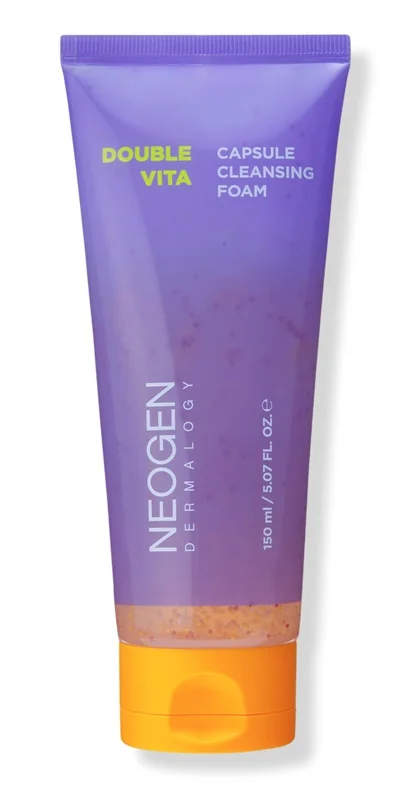


Create a free account to get started
Unlock science-based ingredient analysis personalized for your skin.
Already have an account? Log in
We protect your privacy. We never send spam.