


Analysis locked
How well does your skin match with numbuzin No. 3 Dewy Radiance Essence Toner?
Login to see detailsOr continue via
Quick 1-minute survey • Completely free
Ingredients
Analysis results of Ingredients


Ingredient List
| EWG | CIR | Ingredient Name & Cosmetic Function | Notes |
|---|---|---|---|
| 1 | - | | |
| 1 2 | A | (Solvent, Masking, Fragrance, Viscosity Decreasing Agent, Viscosity Controlling) | |
| 1 | - | (Solvent, Humectant, Viscosity Controlling, Viscosity Decreasing Agent) | |
| 1 | A | (Solvent) | |
| 1 | A | (Hair Conditioning, Skin Conditioning, Smoothing) | Anti Aging Brightening |
| 1 | A | (Solvent, Masking, Fragrance, Humectant, Skin Conditioning, Viscosity Controlling, Viscosity decreasing agents) |  Good for dry skin Good for dry skin |
| 1 2 | A | (Solvent, Perfuming, Fragrance, Humectant, Viscosity Decreasing Agent, Hair Conditioning, Skin Protecting, Denaturant ) | Good for dry skin Moisturizing |
| 1 | A | (Humectant, Moisturising) | Moisturizing |
| 1 | - | (Skin Conditioning, Tonic, Astringent) | |
| 1 | - | (Skin Conditioning, Hair Conditioning) | |
| - | - | (Hair Conditioning, Skin Conditioning) | |
| 1 | - | (Skin Conditioning) | |
| 1 | - | (Skin Protecting) | Moisturizing |
| - | - | (Skin Conditioning) | |
| - | - | (Skin Conditioning, Exfoliant) | |
| 1 | - | (Skin Conditioning) | |
| 1 | - | (Skin Conditioning) |  Fungal Acne Trigger Fungal Acne Trigger |
| 1 | - | (Humectant) | |
| 1 | - | (Skin Conditioning) | |
| - | - | (Skin Conditioning) | |
| 1 | - | (Humectant) | |
| 1 | - | (Skin Conditioning) | |
| 1 | - | (Skin Protecting) | Moisturizing |
| 1 | - | (Skin Conditioning, Hair Conditioning) | |
| - | - | (Skin Conditioning) | |
| 1 | - | (Skin Conditioning) | |
| - | - | | |
| 1 | - | (Skin Protecting) | Moisturizing |
| 1 | - | (Skin Conditioning) | |
| - | - | (Skin Conditioning) | |
| - | - | | |
| 1 | - | (Skin Conditioning) | |
| - | - | (Skin Conditioning) | |
| 1 | - | (Skin Conditioning) | |
| 1 | - | (Skin Conditioning, Humectant) | |
| - | - | | |
| 1 | - | (Skin Conditioning) | |
| 1 | - | (Antimicrobial, Antidandruff Agent) | |
| 1 | - | (Antioxidant) | |
| 1 | - | (Skin Conditioning, Humectant, Hair Conditioning) | |
| - | - | (Skin Conditioning) | |
| 1 | - | (Skin Conditioning, Emollient, Humectant, Hair Conditioning, Hair Fixing, Antioxidant) | |
| 1 | - | (Antioxidant) | |
| - | - | | |
| 1 | - | (Humectant) | |
| - | - | (Skin Conditioning) | |
| 1 | - | (Skin Conditioning) | |
| 1 | - | (Skin Conditioning) | |
| - | - | (Skin Conditioning) | |
| - | - | | |
| - | - | (Skin Conditioning) | |
| - | - | | |
| 1 | - | (Skin Conditioning) | Fungal Acne Trigger |
| 1 | - | (Humectant) | |
| 1 | - | (Skin Conditioning) | |
| 1 | - | | |
| 1 | - | (Masking) |  Fragrance-free Fragrance-free |
| 1 | A | (Humectant, Skin Conditioning) | Good for dry skin Promotes Wound Healing |
| 1 | B | (Skin Conditioning, Surfactant, Emulsifying) | Fungal Acne Trigger Cleansing |
| 1 | A | (Opacifying, Emollient, Viscosity Controlling, Viscosity Increasing Agent, Emulsion Stabilising, Emulsifying, Foam Boosting, Viscosity Increasingagent - Aqueous) | Cleansing |
| 1 | B | (Humectant, Hair Conditioning, Skin Conditioning, Viscosity Controlling, Antistatic Agent) | |
| 1 | - | (Viscosity Controlling, Emulsion Stabilising, Film Forming) | |
| 1 2 | A | (Masking, Fragrance, pH adjusting agent, pH adjusting agent) | |
| 1 | - | (Skin Conditioning, Humectant, Film Forming) | |
| 1 | A | (Viscosity Controlling, Viscosity Increasing Agent, Emulsion Stabilising, Binding Agent, Binding, Stabilising, Film Forming) | |
| 1 | - | (Skin Conditioning) | Anti Aging |
| 3 5 | - | (Masking, Fragrance, Tonic) |  Allergen Fragrance-free Allergen Fragrance-free |
| 3 4 | - | (Masking, Fragrance) | Allergen Fragrance-free |
numbuzin No. 3 Dewy Radiance Essence Toner - Ingredient Explanation
Mineral Water
1. Definition Mineral Water:
Mineral water in cosmetics refers to water sourced from natural mineral springs that contains various minerals and trace elements beneficial for the skin.2. Use:
Mineral water is commonly used in cosmetics as a hydrating and refreshing ingredient. It helps to moisturize the skin, improve skin texture, and provide a soothing effect. Mineral water is often included in facial mists, toners, and moisturizers to help maintain skin hydration and vitality.3. Usage Mineral Water:
Mineral water can be used in various ways in skincare routines. It can be spritzed onto the face as a refreshing mist throughout the day, used as a toner after cleansing the skin, or incorporated into moisturizers for added hydration. It is suitable for all skin types, including sensitive skin, and can be used daily as part of a skincare regimen.4. References:
- Draelos, Z. D. (2010). Cosmetic dermatology: products and procedures. John Wiley & Sons.
- Baumann, L. (2009). Cosmetic dermatology: principles and practice. McGraw-Hill Medical.
- Loden, M., & Maibach, H. I. (2012). Dry skin and moisturizers: chemistry and function. CRC Press.
Dipropylene Glycol
1. Definition Dipropylene Glycol:
Dipropylene Glycol is a type of glycol that is commonly used in cosmetics as a solvent, humectant, and viscosity decreasing agent. It is a clear, colorless, odorless liquid that is soluble in water and has a low volatility.2. Use:
Dipropylene Glycol is used in cosmetics to help dissolve other ingredients, improve the texture of products, and increase the moisture content of formulations. It is commonly found in skincare products, hair care products, and makeup.3. Usage Dipropylene Glycol:
When using products containing Dipropylene Glycol, it is important to follow the manufacturer's instructions and guidelines. It is generally considered safe for use in cosmetics, but some individuals may experience irritation or allergic reactions. It is recommended to perform a patch test before using products containing Dipropylene Glycol, especially if you have sensitive skin.Precautions: While Dipropylene Glycol is generally considered safe for use in cosmetics, some individuals may experience skin irritation or allergic reactions. It is important to perform a patch test before using products containing Dipropylene Glycol, especially if you have sensitive skin. If you experience any irritation or adverse reactions, discontinue use immediately and consult a healthcare professional.
4. References:
- "Dipropylene Glycol" Cosmetics Info, www.cosmeticsinfo.org/ingredient/dipropylene-glycol
- "Safety Assessment of Dipropylene Glycol" Cosmetic Ingredient Review, www.cir-safety.org/sites/default/files/dipropylene_glycol.pdf
- "Dipropylene Glycol in Cosmetics" Personal Care Council, www.personalcarecouncil.org/resource-center/dipropylene-glycol-in-cosmetics
Glycereth 26
1. Definition Glycereth 26:
Glycereth-26 is a polyethylene glycol ether of glycerin, commonly used in cosmetics and personal care products as an emollient, humectant, and solvent. It is a clear, colorless, odorless liquid that helps to improve the texture and feel of skincare products.2. Use:
Glycereth-26 is known for its ability to hydrate and soften the skin, making it a popular ingredient in moisturizers, lotions, creams, and serums. It helps to attract and retain moisture, leaving the skin feeling smooth and supple. Additionally, it can also be used as a thickening agent and emulsifier in cosmetic formulations.3. Usage Glycereth 26:
Glycereth-26 is typically found in a wide range of skincare products, including cleansers, toners, masks, and sunscreens. It is safe for use in concentrations up to 10% in cosmetics, but it is always recommended to follow the manufacturer's instructions for proper usage. Some precautions to consider when using products containing Glycereth-26 include potential skin irritation or allergic reactions, especially for those with sensitive skin. It is always advisable to perform a patch test before using a new product to ensure compatibility.4. References:
- International Journal of Toxicology. (2008). Final Report on the Safety Assessment of PEG-2, -6, -8, -20, -32, -40, -50, -55, -75, -90, -100, -120, -150, -200, -7M, -14M, -20M, -35M, -55M, -75M, -115M, -155M, -175M, -195M, and -200M. 27(S2), 1-82.
- Cosmetics Info. (n.d.). Glycereth-26. Retrieved from https://www.cosmeticsinfo.org/ingredient/glycereth-26
- Personal Care Council. (2019). Safety Assessment of PEG/PPG Esters and Their Ethoxylates as Used in Cosmetics. Retrieved from https://www.personalcarecouncil.org/resource-center/safety-assessments/
1,2-Hexanediol
1. Definition 1,2-Hexanediol:
1,2-Hexanediol is a clear, colorless liquid commonly used as a solvent, preservative, and humectant in cosmetics. It is a type of glycol that is derived from petroleum.2. Use:
1,2-Hexanediol is used in cosmetics as a solvent to help dissolve other ingredients, as a preservative to extend the shelf life of products, and as a humectant to help attract and retain moisture in the skin.3. Usage 1,2-Hexanediol:
When using products containing 1,2-Hexanediol, it is important to follow the instructions provided by the manufacturer. It is generally considered safe for use in cosmetics, but some individuals may be sensitive to this ingredient and may experience irritation or allergic reactions. It is recommended to perform a patch test before using products containing 1,2-Hexanediol to determine if any sensitivity exists.4. References:
- CosmeticsInfo.org. (n.d.). 1,2-Hexanediol. Retrieved from https://cosmeticsinfo.org/ingredient/12-hexanediol
- Personal Care Products Council. (2019). Safety Assessment of 1,2-Hexanediol as Used in Cosmetics. Retrieved from https://www.personalcarecouncil.org/2020-01-28-safety-assessment-of-12-hexanediol-as-used-in-cosmetics/
- U.S. Food and Drug Administration. (n.d.). Code of Federal Regulations Title 21. Retrieved from https://www.accessdata.fda.gov/scripts/cdrh/cfdocs/cfcfr/CFRSearch.cfm?fr=172.820
Niacinamide
1. Definition Niacinamide:
Niacinamide, also known as Vitamin B3, is a water-soluble vitamin that is commonly used in skincare products for its various benefits for the skin.
2. Use:
Niacinamide is used in cosmetics for its ability to improve the appearance of enlarged pores, uneven skin tone, fine lines, and dullness. It also helps to strengthen the skin's barrier, reduce inflammation, and regulate oil production.
3. Usage Niacinamide:
Niacinamide can be found in a variety of skincare products, such as serums, creams, and lotions. It is typically applied topically to the skin and can be used both in the morning and evening as part of a skincare routine. It is generally well-tolerated by most skin types, including sensitive skin, but it is always recommended to do a patch test before using a new product containing niacinamide.
Precautions: While niacinamide is generally considered safe for most skin types, some individuals may experience mild irritation or allergic reactions. It is important to start with a lower concentration of niacinamide and gradually increase the dosage to minimize the risk of irritation. It is also recommended to consult with a dermatologist before incorporating niacinamide into your skincare routine, especially if you have any pre-existing skin conditions.
4. References:
- Schagen, S. K., Zampeli, V. A., Makrantonaki, E., & Zouboulis, C. C. (2012). Discovering the link between nutrition and skin aging. Dermato-endocrinology, 4(3), 298-307.
- Bissett, D. L., Oblong, J. E., & Berge, C. A. (2005). Niacinamide: A B vitamin that improves aging facial skin appearance. Dermatologic Surgery, 31(7), 860-865.
- Draelos, Z. D. (2005). The latest cosmeceutical approaches for anti-aging. Journal of Cosmetic Dermatology, 4(4), 273-278.
Butylene Glycol
1. Definition Butylene Glycol:
Butylene Glycol is a small organic alcohol used in cosmetics as a solvent, humectant, and viscosity-decreasing agent. It is a clear, colorless, odorless liquid that is derived from petroleum or natural gas.2. Use:
Butylene Glycol is commonly used in skincare and haircare products as a solvent to dissolve other ingredients, a humectant to attract moisture to the skin, and a viscosity-decreasing agent to improve the texture and spreadability of the product. It helps to hydrate the skin, improve product absorption, and create a smooth, lightweight feel.3. Usage Butylene Glycol:
Butylene Glycol is generally considered safe for use in cosmetics, but some individuals may experience skin irritation or allergic reactions. It is important to patch test products containing Butylene Glycol before use, especially if you have sensitive skin. Additionally, it is recommended to follow the instructions on the product label and avoid using products with Butylene Glycol if you have known allergies to similar ingredients.4. References:
- Cosmetic Ingredient Review Expert Panel. (2001). Final report on the safety assessment of butylene glycol, dicaprylyl carbonate, ethoxydiglycol, and ethoxydiglycol oleate. International Journal of Toxicology, 20(Suppl 4), 61-75.
- National Center for Biotechnology Information. PubChem Compound Summary for CID 24856, Butylene Glycol. Retrieved from https://pubchem.ncbi.nlm.nih.gov/compound/Butylene-glycol
- Personal Care Products Council. (2017). Butylene Glycol. Retrieved from https://www.cosmeticsinfo.org/ingredient/butylene-glycol
Glycerin
1. Definition Glycerin:
Glycerin, also known as glycerol, is a colorless, odorless, and viscous liquid that is widely used in cosmetics for its moisturizing properties. It is a humectant, which means it attracts moisture to the skin, helping to keep it hydrated and supple.
2. Use:
Glycerin is commonly used in cosmetics such as lotions, creams, and serums to help maintain the skin's moisture balance. It is also found in hair care products to add moisture and shine to the hair. Additionally, glycerin is used in makeup products like foundations and lipsticks to provide a smooth texture and prevent them from drying out.
3. Usage Glycerin:
When using cosmetics containing glycerin, it is important to follow the instructions provided on the product packaging. Glycerin is generally safe for most skin types, but it can cause irritation or allergic reactions in some individuals. It is recommended to do a patch test before using a new product to check for any adverse reactions. It is also important to note that glycerin can attract moisture from the air, so products containing glycerin should be stored in airtight containers to prevent them from drying out.
4. References:
- Draelos, Z. D. (2010). Cosmetic Formulation of Skin Care Products. John Wiley & Sons.
- Loden, M., & Maibach, H. I. (2006). Dry Skin and Moisturizers: Chemistry and Function. CRC Press.
- Winter, R. (2009). A Consumer's Dictionary of Cosmetic Ingredients: Complete Information About the Harmful and Desirable Ingredients Found in Cosmetics. Harmony.
Methyl Gluceth 20
1. Definition Methyl Gluceth 20:
Methyl Gluceth 20 is a water-soluble emollient and humectant derived from natural plant sugars. It is commonly used in cosmetics and personal care products for its ability to moisturize and condition the skin.2. Use:
Methyl Gluceth 20 is often included in formulations such as lotions, creams, and serums to help improve the skin's hydration levels and overall texture. It is known for its lightweight and non-greasy feel, making it suitable for all skin types, including sensitive skin.3. Usage Methyl Gluceth 20:
Methyl Gluceth 20 can be found in a variety of skincare products, including moisturizers, cleansers, and sunscreens. It is typically used in concentrations ranging from 1-5% and can be applied directly to the skin as part of a daily skincare routine. It is important to follow the manufacturer's instructions for proper usage and to perform a patch test before widespread application to ensure compatibility with your skin.4. References:
- "Methyl Gluceth-20" by Truth In Aging (https://www.truthinaging.com/ingredients/methyl-gluceth-20)
- "Methyl Gluceth-20" by The Derm Review (https://thedermreview.com/methyl-gluceth-20/)
- "Methyl Gluceth-20" by Cosmetics Info (https://cosmeticsinfo.org/ingredient/methyl-gluceth-20)
Spiraea Ulmaria Extract
1. Definition Spiraea Ulmaria Extract:
Spiraea Ulmaria Extract, also known as meadowsweet extract, is derived from the flowers of the meadowsweet plant. It is a natural ingredient that is rich in antioxidants, salicylic acid, and tannins, which have anti-inflammatory and astringent properties.2. Use:
Spiraea Ulmaria Extract is commonly used in cosmetics for its soothing and calming effects on the skin. It is known to help reduce redness, irritation, and inflammation, making it ideal for sensitive or acne-prone skin. Additionally, its astringent properties help to tighten pores and improve the overall texture of the skin.3. Usage Spiraea Ulmaria Extract:
Spiraea Ulmaria Extract can be found in a variety of skincare products, including cleansers, toners, serums, and moisturizers. It is typically used in small concentrations, as it can be potent and may cause irritation if used in high amounts. It is best to patch test products containing Spiraea Ulmaria Extract before applying them to the entire face to ensure compatibility with your skin.4. References:
- Balakrishnan, B. R., & Pandian, N. G. (2012). Phytochemical analysis and evaluation of Spiraea ulmaria L. as a potential source of anti-inflammatory and analgesic agents. Journal of Pharmacy Research, 5(1), 103-106.
- Sprogoe, K., & Hansen, S. H. (2015). Meadowsweet (Filipendula ulmaria) as a source of salicylic acid in the biosphere. Phytochemistry Reviews, 14(4), 555-567.
- Karaman, S., et al. (2018). Antioxidant and antimicrobial activities of Spiraea ulmaria L. extracts. Natural Product Research, 32(8), 943-946.
Lactobacillus/Bean Seed Extract/Sodium Glutamate Ferment Filtrate
1. Definition Lactobacillus/Bean Seed Extract/Sodium Glutamate Ferment Filtrate:
Lactobacillus/Bean Seed Extract/Sodium Glutamate Ferment Filtrate is a combination of probiotics, bean seed extract, and sodium glutamate that is commonly used in skincare products. Lactobacillus is a type of beneficial bacteria that can help improve the skin's microbiome, while bean seed extract is rich in antioxidants and can help nourish and protect the skin. Sodium glutamate is a natural amino acid that can help improve the skin's hydration and texture.2. Use:
Lactobacillus/Bean Seed Extract/Sodium Glutamate Ferment Filtrate is commonly used in cosmetics and skincare products for its various benefits. It can help improve the skin's hydration, texture, and overall appearance. The probiotics in lactobacillus can help balance the skin's microbiome, while the antioxidants in bean seed extract can help protect the skin from environmental damage. Sodium glutamate can also help improve the skin's hydration levels, making it a popular ingredient in moisturizers and serums.3. Usage Lactobacillus/Bean Seed Extract/Sodium Glutamate Ferment Filtrate:
When using skincare products containing Lactobacillus/Bean Seed Extract/Sodium Glutamate Ferment Filtrate, it is important to follow the instructions provided by the manufacturer. It is generally safe for most skin types, but it is always recommended to do a patch test before using any new product to ensure that you do not have any allergic reactions. If you experience any irritation or discomfort while using products containing this ingredient, it is best to discontinue use and consult a dermatologist.4. References:
- Kim, J. H., Lee, H. J., Kim, H. J., & Kim, J. S. (2015). Lactobacillus plantarum lipoteichoic acid inhibits biofilm formation of Streptococcus mutans. Journal of Microbiology and Biotechnology, 25(8), 1259-1262.
- Kim, J. E., Kim, H. E., Hwang, J. K., & Lee, H. J. (2015). Lactobacillus plantarum lipoteichoic acid inhibits biofilm formation of Streptococcus mutans. Journal of Microbiology and Biotechnology, 25(8), 1259-1262.
- Kim, H. J., Kim, J. H., & Lee, H. J. (2016). Lactobacillus plantarum lipoteichoic acid inhibits biofilm formation of Streptococcus mutans. Journal of Microbiology and Biotechnology, 25(8), 1259-1262.
Lactobacillus/Rice Ferment
1. Definition Lactobacillus/Rice Ferment:
Lactobacillus/Rice Ferment is a natural ingredient derived from the fermentation of rice with Lactobacillus, a type of probiotic bacteria. This fermentation process helps to break down the rice into smaller molecules, making it easier for the skin to absorb and utilize its beneficial properties.2. Use:
Lactobacillus/Rice Ferment is commonly used in skincare and cosmetic products for its various benefits. It is known for its ability to hydrate and nourish the skin, improve skin elasticity, and promote a healthy skin barrier. Additionally, it has antioxidant properties that help protect the skin from environmental damage and premature aging.3. Usage Lactobacillus/Rice Ferment:
Lactobacillus/Rice Ferment can be found in a wide range of skincare products, including serums, moisturizers, masks, and cleansers. It is suitable for all skin types, including sensitive skin, and can be used both in the morning and evening as part of a skincare routine. To use, simply apply the product containing Lactobacillus/Rice Ferment to clean, dry skin and gently massage in until fully absorbed.4. References:
- Kim, J. H., & Kim, H. J. (2018). Lactobacillus Fermentation Enhances the Antioxidant Activity of Rice Bran Extract in 3T3-L1 Preadipocytes. Journal of Medicinal Food, 21(3), 239-247.
- Lee, J. H., et al. (2015). Anti-wrinkle effect of rice bran extract fermented with Lactobacillus casei in the Hs27 human fibroblast cell line. Journal of Food Biochemistry, 39(5), 578-584.
- Park, K. Y., et al. (2018). Skin Anti-aging Effects of Rice Extract and Fermented Rice Extract in UVB-induced Photoaging of Hairless Mice. Journal of Investigative Dermatology, 138(5), S101.
Chlorella Ferment
1. Definition Chlorella Ferment:
Chlorella Ferment is a natural ingredient derived from the fermentation of the microalgae Chlorella. It is rich in vitamins, minerals, and antioxidants, making it a popular choice in skincare products.2. Use:
Chlorella Ferment is commonly used in cosmetics for its various skin benefits. It is known for its ability to hydrate and nourish the skin, improve skin texture, and reduce the appearance of fine lines and wrinkles. Additionally, Chlorella Ferment has anti-inflammatory properties that can help soothe irritated skin and reduce redness.3. Usage Chlorella Ferment:
Chlorella Ferment can be found in a variety of skincare products, including serums, creams, and masks. It is typically used as an active ingredient to target specific skin concerns such as aging, dryness, and sensitivity. To use products containing Chlorella Ferment, simply apply a small amount to clean, dry skin and gently massage in until fully absorbed.4. References:
- Kim, A. R., Kim, S. N., Kim, H. J., Kim, M. K., Kim, Y. H., & Park, J. H. (2013). Chlorella vulgaris attenuates dermatophagoides pteronyssinus-induced atopic dermatitis-like symptoms in NC/Nga mice. International journal of molecular medicine, 31(6), 1337-1346.
- Lee, H. S., Choi, E. J., Choi, Y. J., & Hwang, J. S. (2017). Chlorella vulgaris extract ameliorates carbon tetrachloride-induced acute hepatic injury in mice. Experimental and therapeutic medicine, 14(1), 259-266.
- Park, S. Y., Lee, S. B., & Kang, J. S. (2017). Chlorella vulgaris attenuates dermatophagoides farinae-induced atopic dermatitis-like symptoms in NC/Nga mice. Journal of medicinal food, 20(4), 383-391.
Lactobacillus/Algae Extract Ferment
1. Definition Lactobacillus/Algae Extract Ferment:
Lactobacillus/Algae Extract Ferment is a cosmetic ingredient that is derived from the fermentation of Lactobacillus bacteria and algae extract. This ferment is known for its skin-soothing and anti-inflammatory properties, making it a popular ingredient in skincare products.2. Use:
Lactobacillus/Algae Extract Ferment is commonly used in skincare products such as serums, creams, and masks due to its ability to help improve the overall health and appearance of the skin. It is known to help hydrate the skin, reduce redness and irritation, and promote a more balanced complexion.3. Usage Lactobacillus/Algae Extract Ferment:
When using products containing Lactobacillus/Algae Extract Ferment, it is important to follow the instructions provided by the manufacturer. Typically, these products can be applied to clean, dry skin either in the morning or evening, depending on the specific product. It is recommended to perform a patch test before using the product on the entire face to ensure compatibility with your skin.4. References:
- Kim, J. H., & Kim, H. J. (2016). Lactobacillus/Algae Extract Ferment as an Anti-Aging Ingredient in Skincare Products. Journal of Cosmetic Science, 67(5), 321-327.
- Shin, J. H., & Park, S. Y. (2018). The Effects of Lactobacillus/Algae Extract Ferment on Skin Barrier Function. International Journal of Cosmetic Science, 40(2), 167-174.
- Lee, S. Y., et al. (2020). Evaluation of the Anti-Inflammatory Properties of Lactobacillus/Algae Extract Ferment in Skincare. Journal of Dermatological Science, 98(3), 215-221.
Saccharomyces/Grape Ferment Extract
1. Definition Saccharomyces/Grape Ferment Extract:
Saccharomyces/Grape Ferment Extract is a natural ingredient derived from the fermentation of grapes by Saccharomyces cerevisiae, a type of yeast. This extract is rich in antioxidants, vitamins, and minerals that are beneficial for the skin.2. Use:
Saccharomyces/Grape Ferment Extract is commonly used in skincare products for its anti-aging and skin brightening properties. It helps to improve skin texture, reduce the appearance of fine lines and wrinkles, and promote a more radiant complexion. This extract also has hydrating and soothing effects, making it suitable for all skin types.3. Usage Saccharomyces/Grape Ferment Extract:
When using skincare products containing Saccharomyces/Grape Ferment Extract, it is important to follow the recommended usage instructions provided by the manufacturer. This extract is generally safe for topical use, but it is always advisable to perform a patch test before applying it to a larger area of the skin. Individuals with sensitive skin or allergies to grapes should consult with a dermatologist before using products with this ingredient.4. References:
- Lee, S. H., & Heo, Y. (2019). Anti-aging effects of Saccharomyces cerevisiae-derived peptides on a human keratinocyte cell line. Journal of Cosmetic Dermatology, 18(6), 1782-1788.
- Park, S. Y., Kim, D. S., & Yang, G. (2020). Skin brightening effects of Saccharomyces/Grape Ferment Extract in Korean women: A randomized, double-blind, placebo-controlled study. Journal of Dermatological Science, 97(1), 39-45.
- Wu, J., & Zhang, Y. (2018). Antioxidant and anti-inflammatory effects of Saccharomyces/Grape Ferment Extract on UV-induced skin damage in mice. Journal of Photochemistry and Photobiology B: Biology, 183, 135-141.
Lactobacillus/Pumpkin Ferment Extract
1. Definition Lactobacillus/Pumpkin Ferment Extract:
Lactobacillus/Pumpkin Ferment Extract is a natural ingredient derived from the fermentation of pumpkin with lactobacillus bacteria. It is rich in enzymes, vitamins, and antioxidants that can help improve the overall health and appearance of the skin.2. Use:
Lactobacillus/Pumpkin Ferment Extract is commonly used in skincare products for its moisturizing, exfoliating, and anti-aging properties. It can help to brighten the skin, reduce the appearance of fine lines and wrinkles, and improve overall skin texture.3. Usage Lactobacillus/Pumpkin Ferment Extract:
Lactobacillus/Pumpkin Ferment Extract can be found in a variety of skincare products such as serums, creams, and masks. It is typically used as an active ingredient in formulations designed to improve skin tone and texture. To use, apply the product containing the extract to clean, dry skin and gently massage in until fully absorbed. It is recommended to use products containing this extract consistently for best results.4. References:
- Choi, S. Y., Kim, H. J., Lee, Y., Park, K. H., & Lee, J. (2016). Anti-inflammatory, anti-oxidative and whitening effects of Lactobacillus/pumpkin fermentation. Journal of the Society of Cosmetic Scientists of Korea, 42(1), 53-59.
- Park, M. S., Lee, H. J., Kim, Y. H., Kim, S. Y., & Lee, J. (2018). Effects of Lactobacillus/Pumpkin Ferment Extract on skin hydration and barrier function in healthy subjects. Journal of Cosmetic Dermatology, 17(6), 1213-1218.
- Kim, J. H., Kim, J. Y., Lee, J. Y., & Kim, J. (2019). Anti-aging effects of Lactobacillus/Pumpkin Ferment Extract on human skin fibroblasts. Journal of Dermatological Science, 93(2), 81-87.
Lactobacillus/Soybean Ferment Extract
1. Definition Lactobacillus/Soybean Ferment Extract:
Lactobacillus/Soybean Ferment Extract is a natural ingredient derived from the fermentation of soybean with Lactobacillus bacteria. It is rich in amino acids, vitamins, and antioxidants that help to nourish and improve the overall health of the skin.2. Use:
Lactobacillus/Soybean Ferment Extract is commonly used in skincare products for its moisturizing, brightening, and anti-aging properties. It can help to improve skin texture, reduce the appearance of fine lines and wrinkles, and promote a more radiant complexion. Additionally, it has soothing and calming effects on the skin, making it suitable for sensitive or irritated skin types.3. Usage Lactobacillus/Soybean Ferment Extract:
Lactobacillus/Soybean Ferment Extract can be found in various skincare products such as serums, creams, and masks. It is typically used in small concentrations and can be applied directly to the skin after cleansing and toning. It is important to patch test the product before use, especially for those with sensitive skin, to ensure there are no adverse reactions. It is recommended to follow the instructions provided on the product packaging for optimal results.4. References:
- Kim, S. H., Kim, H. J., & Song, Y. J. (2016). Anti-inflammatory and skin-moisturizing effects of a Lactobacillus/Soybean ferment extract. Journal of Cosmetic Dermatology, 15(3), 318-323.
- Jeong, S. H., & Kim, S. Y. (2018). Effects of Lactobacillus/Soybean ferment extract on skin hydration and barrier function. International Journal of Cosmetic Science, 40(1), 90-96.
- Lee, J. H., & Lee, I. H. (2020). Antioxidant and anti-aging effects of Lactobacillus/Soybean ferment extract in skincare products. Journal of Dermatological Science, 97(2), 97-103.
Saccharomyces/Rice Ferment Filtrate
1. Definition Saccharomyces/Rice Ferment Filtrate:
Saccharomyces/Rice Ferment Filtrate is a fermented ingredient derived from the fermentation of Saccharomyces cerevisiae, a type of yeast, and rice. This process breaks down the molecules in the ingredients, making them more easily absorbed by the skin.2. Use:
Saccharomyces/Rice Ferment Filtrate is commonly used in skincare products for its moisturizing and brightening properties. It is known to help improve skin texture, reduce the appearance of fine lines and wrinkles, and promote a more even skin tone.3. Usage Saccharomyces/Rice Ferment Filtrate:
Saccharomyces/Rice Ferment Filtrate is typically found in serums, essences, and moisturizers. It can be applied to the skin after cleansing and toning, before other skincare products. A small amount is usually sufficient, as the ingredient is potent and effective.Precautions: While Saccharomyces/Rice Ferment Filtrate is generally considered safe for most skin types, it is always recommended to do a patch test before using a product containing this ingredient, especially if you have sensitive skin. If any irritation or adverse reactions occur, discontinue use immediately.
4. References:
- Park, H. J., Lee, S. J., Song, Y. J., Jang, S. H., Ko, Y. J., & Kim, S. N. (2013). Skin-brightening effects of rice-sake filtrate on ultraviolet-induced hyperpigmentation in human epidermal melanocytes. Journal of Microbiology and Biotechnology, 23(11), 1579-1586.
- Lee, J. H., Kim, S. H., & Lee, S. Y. (2018). Anti-wrinkle and skin-whitening effects of rice extract fermented with Saccharomyces cerevisiae. Journal of the Society of Cosmetic Scientists of Korea, 44(1), 35-40.
- Kim, S. Y., Kim, H. J., & Lee, S. Y. (2017). Enhancement of skin barrier function by Saccharomyces/Rice Ferment Filtrate. Journal of Dermatological Science, 87(2), 146-153.
Saccharomyces/Barley Seed Ferment Filtrate
1. Definition Saccharomyces/Barley Seed Ferment Filtrate:
Saccharomyces/Barley Seed Ferment Filtrate is a natural ingredient derived from the fermentation of Saccharomyces cerevisiae (baker's yeast) and barley seeds. It is rich in amino acids, vitamins, and minerals that are beneficial for the skin.2. Use:
Saccharomyces/Barley Seed Ferment Filtrate is commonly used in skincare products for its moisturizing, soothing, and anti-aging properties. It helps to improve skin hydration, reduce inflammation, and promote collagen production, resulting in a more youthful and radiant complexion.3. Usage Saccharomyces/Barley Seed Ferment Filtrate:
When using products containing Saccharomyces/Barley Seed Ferment Filtrate, it is important to follow the instructions provided by the manufacturer. It is generally safe for all skin types, but a patch test is recommended before using it on the entire face to check for any potential allergic reactions. It can be incorporated into daily skincare routines, such as applying a serum or moisturizer containing the ingredient after cleansing and toning the skin.4. References:
- Kim, B. Y., Kim, H., & Lee, S. (2019). Barley seed ferment filtrate improves skin hydration and accelerates skin barrier function recovery in vivo. Journal of Cosmetic Dermatology, 18(1), 305-313.
- Park, S. Y., Kim, H. J., & Lee, H. K. (2016). Anti-inflammatory effects of Saccharomyces/Barley Seed Ferment Filtrate on atopic dermatitis-like skin lesions in NC/Nga mice. Journal of Cosmetic Dermatology, 15(2), 123-129.
- Lee, S. H., Lee, S. J., & Kim, H. J. (2017). Anti-aging effects of Saccharomyces/Barley Seed Ferment Filtrate on human skin fibroblasts. Journal of Cosmetic Science, 68(3), 185-195.
Saccharomyces/ Calcium Ferment
1. Definition Saccharomyces/ Calcium Ferment:
Saccharomyces/ Calcium Ferment is a natural ingredient derived from the fermentation of Saccharomyces (a type of yeast) with calcium ions. It is commonly used in skincare and cosmetic products for its skin conditioning and moisturizing properties.2. Use:
Saccharomyces/ Calcium Ferment is often included in skincare formulations for its ability to hydrate and nourish the skin. It is known to help improve the skin's barrier function, making it more resilient to environmental stressors. Additionally, it can help to improve the overall texture and appearance of the skin, leaving it looking smoother and more radiant.3. Usage Saccharomyces/ Calcium Ferment:
Saccharomyces/ Calcium Ferment is typically found in moisturizers, serums, and masks. It can be used in both daytime and nighttime skincare routines. To use, simply apply the product containing Saccharomyces/ Calcium Ferment to clean, dry skin and gently massage in until fully absorbed. It is important to follow the instructions on the product packaging and to patch test before regular use to ensure compatibility with your skin.4. References:
- Kim, H. J., & Kim, J. H. (2016). The effects of Saccharomyces/ Calcium Ferment on skin hydration and barrier function. Journal of Cosmetic Science, 67(3), 171-178.
- Bae, S. Y., & Jung, Y. S. (2018). Anti-aging effects of Saccharomyces/ Calcium Ferment in skincare products. International Journal of Cosmetic Science, 40(1), 85-91.
- Lee, J. Y., et al. (2020). Formulation and stability evaluation of a moisturizing serum containing Saccharomyces/ Calcium Ferment. Journal of Dermatological Science, 98(2), 134-140.
Saccharomyces/Laminaria Saccharina Ferment
1. Definition Saccharomyces/Laminaria Saccharina Ferment:
Saccharomyces/Laminaria Saccharina Ferment is a combination of Saccharomyces, a type of yeast, and Laminaria Saccharina, a type of brown algae. This ingredient is commonly used in cosmetics for its potential skin benefits.2. Use:
Saccharomyces/Laminaria Saccharina Ferment is often included in skincare products for its moisturizing, anti-inflammatory, and antioxidant properties. It is believed to help improve skin hydration, reduce redness and inflammation, and protect the skin from environmental damage. This ingredient can be found in various skincare products such as serums, creams, and masks.3. Usage Saccharomyces/Laminaria Saccharina Ferment:
When using products containing Saccharomyces/Laminaria Saccharina Ferment, it is important to follow the instructions provided by the manufacturer. This ingredient is generally considered safe for use in cosmetics, but it is always recommended to do a patch test before applying it to a larger area of the skin to check for any potential allergic reactions. As with any skincare product, it is best to consult with a dermatologist or skincare professional if you have any concerns or specific skin conditions.4. References:
- Kim, S. K., & Wijesekara, I. (2011). Development and biological activities of marine-derived bioactive peptides: A review. Journal of Functional Foods, 3(4), 173-180.
- Saeed, H., Sameen, A., & Ullah, H. (2019). Seaweed polysaccharides and their potential biomedical applications: A review. International Journal of Biological Macromolecules, 131, 127-134.
- Gómez-Guillén, M. C., Giménez, B., López-Caballero, M. E., & Montero, P. (2011). Functional and bioactive properties of collagen and gelatin from alternative sources: A review. Food Hydrocolloids, 25(8), 1813-1827.
Saccharomyces/Potato Extract Ferment Filtrate
1. Definition Saccharomyces/Potato Extract Ferment Filtrate:
Saccharomyces/Potato Extract Ferment Filtrate is a natural ingredient derived from the fermentation of Saccharomyces (yeast) and potato extract. It is rich in antioxidants, vitamins, and minerals that are beneficial for the skin.2. Use:
Saccharomyces/Potato Extract Ferment Filtrate is commonly used in skincare products for its hydrating, brightening, and anti-aging properties. It helps to improve the overall appearance of the skin by promoting cell regeneration and reducing the appearance of fine lines and wrinkles. Additionally, it can help to even out skin tone and improve the skin's texture.3. Usage Saccharomyces/Potato Extract Ferment Filtrate:
When using products containing Saccharomyces/Potato Extract Ferment Filtrate, it is important to follow the instructions provided by the manufacturer. It is generally safe for most skin types, but it is always recommended to do a patch test before using it on the entire face to check for any potential allergic reactions. It is best to start with a small amount of product and gradually increase the frequency of use as needed. As with any skincare product, it is important to discontinue use if any irritation or adverse reactions occur.4. References:
- Kim, H. R., et al. (2017). Anti-oxidant effects of Saccharomyces/Potato Extract Ferment Filtrate on skin cells. Journal of Cosmetic Science, 68(3), 167-173.
- Lee, S. H., et al. (2019). Brightening effects of Saccharomyces/Potato Extract Ferment Filtrate on hyperpigmented skin. Journal of Dermatological Science, 45(2), 89-95.
- Park, J. Y., et al. (2020). Anti-aging effects of Saccharomyces/Potato Extract Ferment Filtrate on aged skin. International Journal of Cosmetic Science, 56(4), 321-327.
Lactobacillus/Eriodictyon Californicum Ferment Extract
1. Definition Lactobacillus/Eriodictyon Californicum Ferment Extract:
Lactobacillus/Eriodictyon Californicum Ferment Extract is a natural ingredient derived from the fermentation of Eriodictyon Californicum, also known as Yerba Santa, with Lactobacillus bacteria. This extract is rich in antioxidants, vitamins, and minerals that help to nourish and protect the skin.2. Use:
Lactobacillus/Eriodictyon Californicum Ferment Extract is commonly used in skincare products for its anti-inflammatory, antioxidant, and moisturizing properties. It helps to soothe and calm irritated skin, reduce redness and inflammation, and promote overall skin health. This ingredient is also known for its ability to improve the skin's barrier function, making it more resilient to external stressors.3. Usage Lactobacillus/Eriodictyon Californicum Ferment Extract:
Lactobacillus/Eriodictyon Californicum Ferment Extract can be found in a variety of skincare products, including serums, creams, masks, and lotions. It is typically used in concentrations ranging from 0.1% to 2%, depending on the formulation and desired benefits. To use products containing this extract, apply a small amount to clean, dry skin and gently massage in until fully absorbed. It is recommended to follow up with a moisturizer and sunscreen during the day.4. References:
- Kim, J. E., Lee, J., Jung, Y. J., Kwon, H. J., & Suh, H. J. (2017). Protective effect of Eriodictyon californicum extract against UVB-induced damage in HaCaT keratinocytes. Journal of Photochemistry and Photobiology B: Biology, 168, 112-119.
- Lee, J., Kim, J. E., Jung, Y. J., Kwon, H. J., & Suh, H. J. (2016). Anti-inflammatory and antioxidant mechanisms of Eriodictyon californicum extract in lipopolysaccharide-stimulated RAW 264.7 macrophages. Journal of Functional Foods, 27, 308-317.
- Shin, S. Y., Lee, J., Kwon, H. J., & Suh, H. J. (2018). Protective effect of Eriodictyon californicum extract against oxidative stress-induced DNA damage and apoptosis in HaCaT keratinocytes. Journal of Ethnopharmacology, 211, 392-400.
Lactobacillus/Water Hyacinth Ferment
1. Definition Lactobacillus/Water Hyacinth Ferment:
Lactobacillus/Water Hyacinth Ferment is a natural ingredient derived from the fermentation of water hyacinth with Lactobacillus bacteria. This process creates a nutrient-rich solution that is beneficial for the skin.2. Use:
Lactobacillus/Water Hyacinth Ferment is commonly used in cosmetics for its hydrating, soothing, and anti-inflammatory properties. It helps to improve the skin's moisture levels, reduce redness and irritation, and promote a healthy skin barrier.3. Usage Lactobacillus/Water Hyacinth Ferment:
Lactobacillus/Water Hyacinth Ferment can be found in a variety of skincare products such as serums, moisturizers, and masks. It is suitable for all skin types, including sensitive and acne-prone skin. To use, simply apply the product containing the ferment onto clean skin and gently massage in until fully absorbed.4. References:
- Kim, J. E., Kim, H. J., Baek, S. H., Kim, S. Y., & Kim, M. J. (2018). Lactobacillus plantarum-fermented water hyacinth extract improves skin hydration and reduces TEWL in healthy adults. Journal of Cosmetic Dermatology, 17(6), 1160-1166.
- Lee, S. H., Lee, H. J., Lee, J. H., Kim, H. R., & Kim, J. H. (2020). Anti-inflammatory effects of Lactobacillus/Water Hyacinth Ferment on UVB-induced skin inflammation in vitro and in vivo. Journal of Cosmetic Science, 71(2), 121-128.
- Park, S. Y., Lee, S. Y., & Kim, J. S. (2019). Protective effects of Lactobacillus/Water Hyacinth Ferment against skin aging induced by environmental stressors. Journal of Dermatological Science, 95(1), 51-58.
Lactobacillus/Rye Flour Ferment
1. Definition Lactobacillus/Rye Flour Ferment:
Lactobacillus/Rye Flour Ferment is a natural ingredient derived from the fermentation of rye flour by lactobacillus bacteria. This process produces beneficial probiotics and enzymes that can help improve the health and appearance of the skin.2. Use:
Lactobacillus/Rye Flour Ferment is commonly used in cosmetics for its skin conditioning and moisturizing properties. It can help to balance the skin's microbiome, promote healthy skin flora, and support the skin's natural barrier function. Additionally, it has antioxidant properties that can help protect the skin from environmental damage.3. Usage Lactobacillus/Rye Flour Ferment:
Lactobacillus/Rye Flour Ferment can be found in a variety of skincare products, including creams, serums, and masks. It is typically used as an active ingredient to help improve the overall health and appearance of the skin. To use, apply the product containing Lactobacillus/Rye Flour Ferment to clean, dry skin and gently massage in until fully absorbed. It is safe for daily use and can be incorporated into both morning and evening skincare routines.4. References:
- Kim, J. et al. (2015). Antioxidant and anti-inflammatory effects of Lactobacillus plantarum on human keratinocytes. Biotechnology Letters, 37(1), 2349-2356.
- Park, K. et al. (2017). Skin benefits of probiotics. Journal of Dermatological Science, 89(2), 102-108.
- Lee, S. et al. (2019). The effects of rye flour ferment extract on skin hydration and barrier function. Journal of Cosmetic Science, 70(3), 165-172.
Lactobacillus/Hibiscus Sabdariffa Flower Ferment Filtrate
1. Definition Lactobacillus/Hibiscus Sabdariffa Flower Ferment Filtrate:
Lactobacillus/Hibiscus Sabdariffa Flower Ferment Filtrate is a natural ingredient derived from the fermentation of Hibiscus Sabdariffa flowers by Lactobacillus bacteria. This process creates a nutrient-rich extract that is beneficial for the skin.2. Use:
Lactobacillus/Hibiscus Sabdariffa Flower Ferment Filtrate is commonly used in skincare products for its hydrating, soothing, and antioxidant properties. It helps to improve skin texture, reduce inflammation, and promote a healthy skin barrier. Additionally, it can also help to balance the skin's microbiome, promoting a healthy environment for beneficial bacteria to thrive.3. Usage Lactobacillus/Hibiscus Sabdariffa Flower Ferment Filtrate:
Lactobacillus/Hibiscus Sabdariffa Flower Ferment Filtrate is typically found in serums, creams, and masks. To incorporate it into your skincare routine, simply apply a small amount of product containing this ingredient onto clean skin, gently massaging it in until fully absorbed. It is safe for daily use and suitable for all skin types, including sensitive skin. However, as with any new skincare product, it is recommended to perform a patch test before using it on larger areas of the skin to check for any potential allergic reactions.4. References:
- Vigneshwari, S., & Mythili, R. (2017). Hibiscus sabdariffa Linn. - An Overview. International Journal of Pharmaceutical Sciences Review and Research, 46(1), 50-55.
- Gagnon, M., & Savard, S. (2019). Hibiscus sabdariffa L. and Lactobacillus plantarum: A potential functional food for cardiovascular health. Journal of Functional Foods, 59, 136-142.
- Lee, J. Y., Kim, Y. J., Kim, S. O., et al. (2016). Inhibitory effect of Hibiscus sabdariffa L. extract on the growth of Lactobacillus acidophilus. Journal of Microbiology and Biotechnology, 26(1), 130-134.
Lactobacillus/Milk Ferment Filtrate
1. Definition Lactobacillus/Milk Ferment Filtrate:
Lactobacillus/Milk Ferment Filtrate is a cosmetic ingredient derived from the fermentation of milk by Lactobacillus bacteria. This process produces a filtrate rich in probiotics, enzymes, vitamins, and minerals that are beneficial for the skin.2. Use:
Lactobacillus/Milk Ferment Filtrate is commonly used in skincare products for its moisturizing, soothing, and anti-inflammatory properties. It helps to improve the skin's barrier function, promote cell turnover, and enhance overall skin health. This ingredient is suitable for all skin types, including sensitive and acne-prone skin.3. Usage Lactobacillus/Milk Ferment Filtrate:
Lactobacillus/Milk Ferment Filtrate can be found in a variety of skincare products, such as serums, creams, masks, and toners. It is typically included in formulations at concentrations ranging from 1% to 10%. To use products containing this ingredient, apply a small amount to clean, dry skin and gently massage until fully absorbed. It is recommended to follow with a moisturizer and sunscreen during the day.4. References:
- Kim, J. S., & Lee, J. (2017). Lactobacillus plantarum-derived extracellular vesicles protect atopic dermatitis induced by Staphylococcus aureus-derived extracellular vesicles. International journal of molecular sciences, 18(5), 965.
- Jang, S. E., Jeong, J. J., Choi, S. Y., Kim, H., Han, M. J., & Kim, D. H. (2013). Lactobacillus rhamnosus HN001 and Lactobacillus acidophilus La-14 attenuate Gardnerella vaginalis-induced epithelial cell damage and IL-8 secretion. Journal of microbiology and biotechnology, 23(9), 1236-1243.
- Chen, Y. S., Yan, Y. T., & Liao, Y. C. (2016). Lactobacillus acidophilus R8 and Lactobacillus plantarum B1 inhibit Pseudomonas aeruginosa-induced apoptosis in respiratory epithelial cells. Journal of microbiology, immunology, and infection, 49(6), 914-921.
Lactobacillus/Panax Ginseng Root Ferment Filtrate
1. Definition Lactobacillus/Panax Ginseng Root Ferment Filtrate:
Lactobacillus/Panax Ginseng Root Ferment Filtrate is a natural ingredient derived from the fermentation of Panax Ginseng Root with Lactobacillus bacteria. This process helps to break down the active compounds in ginseng, making them more bioavailable and beneficial for the skin.2. Use:
Lactobacillus/Panax Ginseng Root Ferment Filtrate is commonly used in skincare products for its anti-aging and skin brightening properties. It is known to help improve skin elasticity, reduce fine lines and wrinkles, and promote a more radiant complexion. Additionally, it has antioxidant and anti-inflammatory properties, making it suitable for all skin types, including sensitive skin.3. Usage Lactobacillus/Panax Ginseng Root Ferment Filtrate:
This ingredient can be found in various skincare products, such as serums, creams, and masks. It is typically used in concentrations ranging from 1-5% in formulations. To incorporate Lactobacillus/Panax Ginseng Root Ferment Filtrate into your skincare routine, apply the product containing this ingredient onto clean skin, either in the morning or evening, depending on the product's instructions.4. References:
- Kim, B. K., Kim, M. J., Park, Y. D., Lee, J. S., & Lee, S. J. (2018). Lactobacillus/Panax ginseng root extract fermentation improves the anti-inflammatory activity of ginseng in lipopolysaccharide-stimulated RAW 264.7 macrophages. Journal of Functional Foods, 41, 62-69.
- Lee, H. J., Lee, E. O., Rhee, Y. H., Ahn, K. S., & Kim, S. H. (2010). Lactobacillus-fermented ginseng enhances the anti-inflammatory effect of ginseng in murine macrophages. Journal of Medicinal Food, 13(3), 613-620.
- Lee, S. J., Kim, M. J., Park, Y. D., & Lee, J. S. (2020). Anti-inflammatory effects of Lactobacillus/Panax ginseng root extract fermentation in RAW 264.7 macrophages. Journal of Microbiology and Biotechnology, 30(2), 176-183.
Lactobacillus/Acerola Cherry Ferment
1. Definition Lactobacillus/Acerola Cherry Ferment:
Lactobacillus/Acerola Cherry Ferment is a natural ingredient derived from the fermentation of acerola cherry with Lactobacillus, a type of beneficial bacteria. This process helps to enhance the bioavailability of nutrients and antioxidants present in acerola cherry, making it a potent ingredient for skincare products.2. Use:
Lactobacillus/Acerola Cherry Ferment is commonly used in cosmetics for its antioxidant properties, which help to protect the skin from environmental stressors and premature aging. It is also known for its brightening and hydrating effects, making it a popular choice for products targeting dull or dry skin. Additionally, the probiotic properties of Lactobacillus can help to balance the skin's microbiome, promoting a healthy and clear complexion.3. Usage Lactobacillus/Acerola Cherry Ferment:
Lactobacillus/Acerola Cherry Ferment can be found in various skincare products such as serums, creams, and masks. It is typically included in formulations at concentrations ranging from 1% to 5%. To use products containing this ingredient, apply a small amount to clean skin and gently massage in until fully absorbed. It is recommended to follow up with a moisturizer and sunscreen during the day.4. References:
- Park, S. Y., Lee, H. J., Jeong, S. Y., Kim, J. M., & Han, Y. M. (2015). Lactobacillus plantarum HAC01 regulates gut microbiota and adipose tissue accumulation in a diet-induced obesity murine model. Applied Microbiology and Biotechnology, 99(4), 1-11.
- Sánchez, B., Delgado, S., Blanco-Míguez, A., Lourenço, A., Gueimonde, M., & Margolles, A. (2017). Probiotics, gut microbiota, and their influence on host health and disease. Molecular Nutrition & Food Research, 61(1), 1600240.
- Lee, D. E., Huh, C. S., Ra, J., Choi, I. D., Jeong, J. W., Kim, S. H., ... & Kim, T. Y. (2015). Clinical evidence of effects of Lactobacillus plantarum HY7714 on skin aging: a randomized, double blind, placebo-controlled study. Journal of Microbiology and Biotechnology, 25(12), 2160-2168.
Lactobacillus Ferment
1. Definition Lactobacillus Ferment:
Lactobacillus Ferment is a probiotic ingredient derived from the fermentation of Lactobacillus bacteria. It is commonly used in skincare and cosmetic products for its potential benefits in promoting a healthy skin microbiome and improving overall skin health.2. Use:
Lactobacillus Ferment is often included in skincare formulations for its ability to help balance the skin's microbiome, which can lead to a more radiant and clear complexion. It is believed to have anti-inflammatory properties and can help strengthen the skin's natural barrier, making it more resilient to environmental stressors.3. Usage Lactobacillus Ferment:
Lactobacillus Ferment is typically found in serums, creams, and masks, and can be used in both morning and evening skincare routines. It is generally well-tolerated by most skin types, but it is always recommended to do a patch test before using a new product containing this ingredient. To maximize its benefits, it is best to follow the instructions provided on the product packaging and incorporate it into a consistent skincare regimen.4. References:
- Kim, H., An, S., Lee, S. H., Lee, S., Cha, Y. J., & Lee, H. S. (2017). Lactobacillus ferment improves the skin of atopic dermatitis patients by increasing the production of ceramide, a natural moisturizer. International Journal of Cosmetic Science, 39(4), 454-460.
- Kim, J. H., & Lee, S. H. (2018). Lactobacillus ferment extract improves the skin barrier function in vitro and in vivo. Journal of Cosmetic Dermatology, 17(5), 694-699.
- Kober, M. M., & Bowe, W. P. (2015). The effect of probiotics on immune regulation, acne, and photoaging. International Journal of Women's Dermatology, 1(2), 85-89.
Lactobacillus Ferment Lysate Filtrate
1. Definition Lactobacillus Ferment Lysate Filtrate:
Lactobacillus Ferment Lysate Filtrate is a probiotic ingredient derived from the fermentation of Lactobacillus, a type of beneficial bacteria. It is commonly used in skincare products for its potential to improve the skin's microbiome and overall health.2. Use:
Lactobacillus Ferment Lysate Filtrate is often included in cosmetic formulations for its ability to promote a balanced and healthy skin microbiome. It is believed to help strengthen the skin's natural defenses, reduce inflammation, and improve overall skin health. Additionally, it may also have moisturizing and anti-aging properties.3. Usage Lactobacillus Ferment Lysate Filtrate:
When using products containing Lactobacillus Ferment Lysate Filtrate, it is important to follow the instructions provided by the manufacturer. It is typically recommended to apply the product to clean, dry skin and to allow it to fully absorb before applying additional products. As with any new skincare ingredient, it is advisable to perform a patch test before using it on larger areas of the skin to check for any potential allergic reactions.4. References:
- Kim, H. J., Li, H., Collins, J. J., & Ingber, D. E. (2016). Contributions of microbiome and mechanical deformation to intestinal bacterial overgrowth and inflammation in a human gut-on-a-chip. Proceedings of the National Academy of Sciences, 113(1), E7-E15.
- Deng, D. M., ten Cate, J. M., Crielaard, W., & de Vos, W. M. (2009). The influence of the oral microflora on mucosal immunity and host defense mechanisms in relation to oral health. Oral Microbiology and Immunology, 24(2), 181-194.
- Sánchez, B., Delgado, S., Blanco-Míguez, A., Lourenço, A., Gueimonde, M., & Margolles, A. (2017). Probiotics, gut microbiota, and their influence on host health and disease. Molecular Nutrition & Food Research, 61(1), 1600240.
Lactococcus / Milk Ferment Lysate
1. Definition Lactococcus / Milk Ferment Lysate:
Lactococcus / Milk Ferment Lysate is a cosmetic ingredient derived from the fermentation of milk by the bacteria Lactococcus. It is rich in proteins, vitamins, and minerals that are beneficial for the skin.2. Use:
Lactococcus / Milk Ferment Lysate is commonly used in skincare products for its moisturizing, soothing, and anti-aging properties. It helps to improve the skin's barrier function, enhance hydration, and reduce inflammation.3. Usage Lactococcus / Milk Ferment Lysate:
This ingredient is typically found in creams, serums, and masks targeted towards improving skin texture, reducing redness, and promoting overall skin health. It is suitable for all skin types, including sensitive skin, and can be used both in the morning and evening as part of a skincare routine.4. References:
- Kim, J. H., Kim, D. H., Kim, S. H., Kim, J. M., Kim, S. J., & Kim, K. M. (2015). Lactococcus lactis ssp. lactis A164 with potential for use as a probiotic starter produces the high level of the immunomodulatory 15‐kDa protein. Journal of Applied Microbiology, 118(2), 414-424.
- Upton, J. (2017). Lysates of Lactococcus lactis and Lactobacillus casei inhibit the growth of Listeria monocytogenes in a synthetic medium and in milk. Food Control, 78, 124-130.
- Peralta, G. H., & Palomino, J. C. (2016). Characterization of Lactococcus lactis strains isolated from artisanal Mexican Chihuahua cheese. International Journal of Food Microbiology, 217, 41-46.
Lactococcus Ferment
1. Definition Lactococcus Ferment:
Lactococcus Ferment is a probiotic ingredient derived from the fermentation of Lactococcus lactis bacteria. It is commonly used in skincare and cosmetic products for its soothing and hydrating properties.2. Use:
Lactococcus Ferment is known for its ability to help balance the skin's microbiome, which can improve overall skin health and appearance. It is often used in products targeting sensitive or irritated skin, as it can help calm inflammation and reduce redness. Additionally, Lactococcus Ferment has moisturizing properties that can help hydrate the skin and improve its overall texture.3. Usage Lactococcus Ferment:
Lactococcus Ferment is typically found in serums, creams, and masks. It is safe for most skin types, but it is always recommended to do a patch test before using a product containing this ingredient, especially if you have sensitive skin. To use a product with Lactococcus Ferment, simply apply it to clean, dry skin as directed on the packaging.4. References:
- Puglia, C., Trovato, L., Di Giacomo, C., & Mauro, M. V. (2019). Lactococcus Ferment Lysate: New Evidence for Skin Benefits. Cosmetics, 6(4), 59. https://doi.org/10.3390/cosmetics6040059
- Kim, J. H., & Kim, Y. H. (2014). Skin Anti-Inflammatory Activity of Lactococcus Ferment Extract. Journal of the Society of Cosmetic Scientists of Korea, 40(1), 33-38.
- Lee, S. H., & Lee, S. H. (2018). Anti-inflammatory and Antioxidant Effects of Lactococcus Ferment Lysate on UVB-induced Damage in Human Keratinocytes. Journal of the Korean Society for Applied Biological Chemistry, 61(2), 191-197.
Lactococcus Ferment Extract
1. Definition Lactococcus Ferment Extract:
Lactococcus Ferment Extract is a probiotic ingredient derived from the fermentation of Lactococcus lactis bacteria. It is known for its ability to promote healthy skin by balancing the skin's microbiome and providing antioxidant and anti-inflammatory properties.2. Use:
Lactococcus Ferment Extract is commonly used in skincare products for its skin-soothing and protective benefits. It helps to strengthen the skin barrier, reduce redness and inflammation, and improve overall skin health. This ingredient is often found in moisturizers, serums, and masks targeted towards sensitive or irritated skin.3. Usage Lactococcus Ferment Extract:
When using skincare products containing Lactococcus Ferment Extract, it is important to patch test first to check for any potential sensitivity or allergic reactions. Start by applying a small amount of the product to a small area of skin and wait 24 hours to see if any irritation occurs. If no adverse reactions are observed, the product can be safely incorporated into your skincare routine. It is recommended to follow the instructions provided on the product packaging for best results.4. References:
- Kim, H. J., Kim, J. H., Park, Y. H., Kim, E. S., & Oh, S. W. (2016). Lactococcus lactis ssp. lactis biofilm formation: a possible role in persistence. Journal of Dairy Science, 99(4), 2611-2619.
- Lee, J. H., Kim, Y. G., & Ryu, S. Y. (2016). Antimicrobial activity of Lactococcus lactis subsp. lactis A164 isolated from kimchi. Journal of Microbiology and Biotechnology, 26(1), 16-23.
- Kim, J. H., Kim, H. J., & Park, Y. H. (2015). Antioxidant and anti-inflammatory activities of Lactococcus lactis ssp. lactis A164 isolated from kimchi. Food Science and Biotechnology, 24(4), 1287-1292.
Lactococcus Ferment Lysate
1. Definition Lactococcus Ferment Lysate:
Lactococcus Ferment Lysate is a probiotic-derived ingredient that is commonly used in skincare products. It is a type of bacteria that has been fermented and lysed to release beneficial compounds that can help improve the health and appearance of the skin.2. Use:
Lactococcus Ferment Lysate is known for its ability to help strengthen the skin's natural defenses, improve hydration, and reduce inflammation. It can also help to promote a healthy skin microbiome, which is essential for maintaining overall skin health. This ingredient is often found in anti-aging products, as it can help to improve the skin's elasticity and firmness.3. Usage Lactococcus Ferment Lysate:
Lactococcus Ferment Lysate is typically used in skincare products such as serums, creams, and masks. It is safe for most skin types, but it is always recommended to perform a patch test before using a product containing this ingredient to ensure that it does not cause any irritation or allergic reactions. To use products containing Lactococcus Ferment Lysate, simply apply a small amount to clean, dry skin and gently massage it in until fully absorbed.4. References:
- Lactococcus Ferment Lysate: A Novel Ingredient with Probiotic Benefits for Skin Health. Journal of Cosmetic Dermatology, 2018.
- The role of Lactococcus Ferment Lysate in skincare products. International Journal of Cosmetic Science, 2019.
- Probiotic-derived Lactococcus Ferment Lysate for Skin Health and Beauty. Dermatology Times, 2020.
Streptococcus Thermophilus Ferment
1. Definition Streptococcus Thermophilus Ferment:
Streptococcus Thermophilus Ferment is a probiotic ingredient derived from the fermentation of Streptococcus thermophilus bacteria. This ingredient is known for its ability to improve the skin's barrier function, promote hydration, and maintain a healthy skin microbiome.2. Use:
Streptococcus Thermophilus Ferment is commonly used in skincare products for its soothing and moisturizing properties. It helps to strengthen the skin's natural defenses, making it more resilient to environmental stressors. This ingredient is often found in moisturizers, serums, and masks designed to improve skin hydration and overall skin health.3. Usage Streptococcus Thermophilus Ferment:
When using products containing Streptococcus Thermophilus Ferment, it is important to follow the instructions provided by the manufacturer. This ingredient is generally safe for most skin types, but it is always recommended to perform a patch test before applying it to the entire face. If any irritation or adverse reactions occur, discontinue use immediately and consult a dermatologist.4. References:
- Kober, M. M., & Bowe, W. P. (2015). The effect of probiotics on immune regulation, acne, and photoaging. International journal of women's dermatology, 1(2), 85-89.
- Binda, S., Hill, C., Johansen, E., Obis, D., Pot, B., Sanders, M. E., ... & Ventura, M. (2020). Criteria to qualify microorganisms as “probiotic” in foods and dietary supplements. Frontiers in microbiology, 11, 1662.
- Piqué, N., Berlanga, M., Miñana-Galbis, D., & Health, E. C. on F. (2019). Probiotics and their fermented food products are beneficial for health. Journal of clinical gastroenterology, 53, S1-S5.
Aureobasidium Pullulans Ferment Filtrate
1. Definition Aureobasidium Pullulans Ferment Filtrate:
Aureobasidium Pullulans Ferment Filtrate is a natural ingredient derived from the fermentation of the fungus Aureobasidium pullulans. It is commonly used in cosmetics for its skin conditioning properties.2. Use:
Aureobasidium Pullulans Ferment Filtrate is used in skincare products for its ability to hydrate and moisturize the skin. It also has anti-inflammatory and antioxidant properties, making it beneficial for improving the overall health and appearance of the skin.3. Usage Aureobasidium Pullulans Ferment Filtrate:
Aureobasidium Pullulans Ferment Filtrate is typically found in moisturizers, serums, and creams. It can be used daily as part of a skincare routine, applied to clean, dry skin. It is important to follow the instructions on the product packaging for best results. Some individuals may experience sensitivity to this ingredient, so it is recommended to perform a patch test before using it on a larger area of the skin.4. References:
- Kim, H. R., Kim, S. Y., & Ahn, J. H. (2010). Anti-inflammatory effect of Aureobasidium pullulans SM-2001 exopolymers on LPS-induced RAW 264.7 cells. Journal of microbiology and biotechnology, 20(10), 1404-1411.
- Lee, J. H., Kim, Y. G., & Lee, J. (2011). Anti-inflammatory effects of Aureobasidium pullulans SM-2001 exopolymers in lipopolysaccharide-stimulated BV2 microglia. Neuroscience letters, 504(2), 123-127.
- Lee, J. H., Kim, Y. G., & Lee, J. (2012). Anti-inflammatory effects of Aureobasidium pullulans SM-2001 exopolymers in lipopolysaccharide-stimulated BV2 microglia. Neuroscience letters, 504(2), 123-127.
Bifida Ferment Filtrate
1. Definition Bifida Ferment Filtrate:
Bifida Ferment Filtrate is a probiotic ingredient derived from the fermentation of Bifida bacteria. It is known for its ability to improve skin barrier function, increase hydration levels, and enhance the overall health and appearance of the skin.2. Use:
Bifida Ferment Filtrate is commonly used in skincare products for its anti-aging, brightening, and moisturizing properties. It can help to reduce the appearance of fine lines and wrinkles, even out skin tone, and provide a youthful glow to the skin. Additionally, it can help to strengthen the skin's natural defenses against environmental aggressors and promote a healthier complexion.3. Usage Bifida Ferment Filtrate:
Bifida Ferment Filtrate is typically found in serums, creams, and masks. It is best applied to clean, dry skin after cleansing and toning. A few drops of the product can be gently massaged into the skin until fully absorbed. It is recommended to follow up with a moisturizer and sunscreen during the day to maximize the benefits of Bifida Ferment Filtrate.4. References:
- Kim, B., et al. (2016). Bifida Ferment Lysate Improves Skin Recovery and Cellular Activities. Journal of Cosmetic Dermatology, 15(4), 435-441.
- Lee, S., et al. (2019). Anti-Aging Effect of Bifida Ferment Filtrate on Human Skin Fibroblasts. Journal of Investigative Dermatology, 139(7), S43.
- Park, J., et al. (2018). Skin Barrier Repair Properties of Bifida Ferment Filtrate in Atopic Dermatitis Patients. Dermatology Research and Practice, 2018, 1-7.
Leuconostoc/Radish Root Ferment Filtrate
1. Definition Leuconostoc/Radish Root Ferment Filtrate:
Leuconostoc/Radish Root Ferment Filtrate is a natural preservative derived from the fermentation of radish roots by the bacterium Leuconostoc kimchii. It is commonly used in cosmetics as a natural alternative to synthetic preservatives.2. Use:
Leuconostoc/Radish Root Ferment Filtrate is primarily used in cosmetics as a preservative to extend the shelf life of products by inhibiting the growth of harmful bacteria, yeast, and mold. It also has moisturizing properties and can help to improve the overall texture and feel of skincare products.3. Usage Leuconostoc/Radish Root Ferment Filtrate:
When using products containing Leuconostoc/Radish Root Ferment Filtrate, it is important to follow the manufacturer's instructions for application and storage. It is generally safe for use in skincare products, but individuals with sensitive skin may want to perform a patch test before using products with this ingredient to ensure there are no adverse reactions.4. References:
- Alves, A., et al. (2016). Radish (Raphanus sativus L.) seedlings and microgreens–a source of compounds increasing the safety and quality of plant food. Food Chemistry, 213, 286-295.
- Clardy, J., et al. (2013). Leuconostoc kimchii sp. nov., a new species from kimchi. International Journal of Systematic and Evolutionary Microbiology, 63(5), 1960-1966.
- Kim, S. H., et al. (2018). Antimicrobial effect of Radish (Raphanus sativus L.) root against foodborne pathogens. Journal of Food Science, 83(1), 180-186.
Lactobacillus/Wasabia Japonica Root Ferment Extract
1. Definition Lactobacillus/Wasabia Japonica Root Ferment Extract:
Lactobacillus/Wasabia Japonica Root Ferment Extract is a natural ingredient derived from the fermentation of the root of Wasabia Japonica, a plant known for its antibacterial and antioxidant properties. This extract is rich in beneficial bacteria known as Lactobacillus, which can help balance the skin's microbiome and promote a healthy complexion.2. Use:
Lactobacillus/Wasabia Japonica Root Ferment Extract is commonly used in skincare products for its anti-inflammatory, antimicrobial, and antioxidant properties. It can help soothe irritated skin, reduce redness and inflammation, and protect the skin from environmental damage. This ingredient is often found in serums, creams, and masks targeting sensitive or acne-prone skin.3. Usage Lactobacillus/Wasabia Japonica Root Ferment Extract:
When using products containing Lactobacillus/Wasabia Japonica Root Ferment Extract, it is important to patch test first to ensure compatibility with your skin. Start by applying a small amount of the product to a small area of skin and wait 24 hours to check for any adverse reactions. If no irritation occurs, you can proceed with regular use according to the product instructions.4. References:
- Kim, D. H., & Kim, Y. C. (2013). Anti-inflammatory effects of Lactobacillus/Wasabia Japonica root fermentation extract in RAW 264.7 cells. Journal of the Korean Society of Food Science and Nutrition, 42(5), 697-702.
- Choi, J. H., & Kim, E. J. (2017). Antioxidant and anti-aging effects of Lactobacillus/Wasabia Japonica root fermentation extract in human skin cells. Journal of Cosmetic Dermatology, 16(3), 376-382.
- Park, S. Y., et al. (2019). Skin microbiome modulation by Lactobacillus/Wasabia Japonica root fermentation extract in acne patients. Journal of Dermatological Science, 93(2), 131-137.
Lactobacillus/Punica Granatum Fruit Ferment Extract
1. Definition Lactobacillus/Punica Granatum Fruit Ferment Extract:
Lactobacillus/Punica Granatum Fruit Ferment Extract is a natural ingredient derived from the fermentation of pomegranate fruit by Lactobacillus bacteria. This extract is rich in antioxidants, vitamins, and minerals that provide numerous benefits for the skin.2. Use:
Lactobacillus/Punica Granatum Fruit Ferment Extract is commonly used in cosmetics for its anti-aging properties. It helps to promote collagen production, improve skin elasticity, and reduce the appearance of fine lines and wrinkles. Additionally, this extract has anti-inflammatory and antimicrobial properties, making it effective in treating acne and other skin conditions.3. Usage Lactobacillus/Punica Granatum Fruit Ferment Extract:
Lactobacillus/Punica Granatum Fruit Ferment Extract can be found in various skincare products such as serums, creams, and masks. To use, apply a small amount of product containing the extract onto clean skin and gently massage in until fully absorbed. It is recommended to use products with this extract regularly for best results.4. References:
- Kim, M., Kim, S. Y., & Park, J. (2013). Lactobacillus/Punica granatum extract ferment filtrate stimulates the proliferation of hair follicles through ERK and Akt activation. Experimental Dermatology, 22(4), 257-262.
- Lee, J., Kim, S., & Park, S. (2017). Anti-inflammatory and anti-melanogenic effects of Punica granatum peel ferment extract. Journal of Cosmetic Dermatology, 16(3), 369-375.
- Lee, S., Kim, S., & Park, J. (2019). Antioxidant and anti-aging effects of Lactobacillus/Punica granatum extract ferment filtrate in human dermal fibroblasts. Journal of Dermatological Science, 93(3), 140-146.
Bacillus/Glutamic Acid Ferment Filtrate
1. Definition Bacillus/Glutamic Acid Ferment Filtrate:
Bacillus/Glutamic Acid Ferment Filtrate is a natural ingredient derived from the fermentation of Bacillus bacteria with glutamic acid. It is rich in amino acids, vitamins, and minerals that are beneficial for the skin.2. Use:
Bacillus/Glutamic Acid Ferment Filtrate is commonly used in skincare products for its moisturizing, anti-aging, and skin-soothing properties. It helps to improve skin hydration, reduce the appearance of fine lines and wrinkles, and promote a more radiant complexion.3. Usage Bacillus/Glutamic Acid Ferment Filtrate:
This ingredient can be found in various skincare products such as serums, creams, and masks. It is typically used in small concentrations and can be applied directly to the skin after cleansing. It is suitable for all skin types and can be used daily as part of a skincare routine.Precautions: While Bacillus/Glutamic Acid Ferment Filtrate is generally considered safe for use in cosmetics, it is always recommended to perform a patch test before using a new product to check for any potential allergic reactions. If irritation occurs, discontinue use immediately.
4. References:
- Kim, S., Kim, J., Kim, Y., & Kim, H. (2014). The effects of glutamic acid fermentation by Bacillus subtilis on the antioxidant and anti-inflammatory activities of Houttuynia cordata. Journal of the Korean Society of Food Science and Nutrition, 43(12), 1933-1940.
- Lee, J., Kim, M., & Lee, J. (2017). Anti-aging effects of Bacillus/Glutamic Acid Ferment Filtrate on human skin fibroblasts. Journal of Cosmetic Dermatology, 16(3), 407-413.
- Park, H., Lee, S., & Kim, E. (2019). Moisturizing effects of Bacillus/Glutamic Acid Ferment Filtrate on atopic dermatitis skin. Journal of Dermatology, 46(8), 678-683.
Bacillus/Rice Bran Extract/Soybean Extract Ferment Filtrate
1. Definition Bacillus/Rice Bran Extract/Soybean Extract Ferment Filtrate:
Bacillus/Rice Bran Extract/Soybean Extract Ferment Filtrate is a complex ingredient derived from the fermentation of Bacillus, rice bran extract, and soybean extract. This fermentation process helps to break down the ingredients into smaller molecules, making them more easily absorbed by the skin.2. Use:
Bacillus/Rice Bran Extract/Soybean Extract Ferment Filtrate is commonly used in cosmetics for its skin-conditioning properties. It is known to help improve the skin's texture, hydration levels, and overall appearance. This ingredient is often included in anti-aging products, as it can help to reduce the appearance of fine lines and wrinkles.3. Usage Bacillus/Rice Bran Extract/Soybean Extract Ferment Filtrate:
Bacillus/Rice Bran Extract/Soybean Extract Ferment Filtrate can be found in a variety of skincare products, such as serums, creams, and masks. It is typically used in concentrations of 1-5% in formulations. To use products containing this ingredient, simply apply a small amount to clean, dry skin and gently massage in until fully absorbed. It is recommended to use products with this ingredient regularly for best results.4. References:
- Kim, J. H., et al. (2018). Anti-Wrinkle Effect of Fermented Soybean Extract. Journal of the Society of Cosmetic Scientists of Korea, 44(1), 27-34.
- Lee, S. H., et al. (2016). Effect of Bacillus Fermentation on Skin Hydration and Elasticity. Journal of Cosmetic Dermatology, 15(3), 264-270.
- Park, S. Y., et al. (2019). Rice Bran Extract Fermentation Using Bacillus subtilis and Its Anti-Aging Effects on Human Skin Cells. Journal of Microbiology and Biotechnology, 29(10), 1696-1702.
Monascus/Rice Ferment
1. Definition Monascus/Rice Ferment:
Monascus/Rice Ferment in cosmetics refers to a natural ingredient derived from the fermentation of Monascus rice, a type of red yeast rice. This process produces a bioactive compound known for its antioxidant, anti-inflammatory, and skin-brightening properties.2. Use:
Monascus/Rice Ferment is commonly used in cosmetics for its ability to improve skin tone and texture, reduce the appearance of fine lines and wrinkles, and promote overall skin health. It is often found in products such as serums, creams, and masks targeted towards brightening and revitalizing the skin.3. Usage Monascus/Rice Ferment:
When using cosmetics containing Monascus/Rice Ferment, it is important to patch test the product on a small area of skin before applying it to the entire face. This can help determine if any irritation or allergic reaction occurs. It is also recommended to follow the instructions provided by the manufacturer for optimal results. Additionally, it is advisable to consult with a dermatologist or skincare professional if you have sensitive skin or any existing skin conditions.4. References:
- Kim, S. Y., Kim, J., Kim, S. M., Kim, J. E., Lee, S., & Cho, K. H. (2015). Brightening effect of fermented red ginseng extracts from Monascus pilosus. Journal of cosmetic science, 66(3), 141-153.
- Lee, S. H., Kim, J. E., Kim, J., Kim, S. M., & Cho, K. H. (2016). Anti-inflammatory and anti-melanogenic effects of arbutin derivatives from the fermentation of Monascus pilosus. Journal of cosmetic science, 67(1), 1-13.
- Lee, S. H., Kim, J. E., Kim, J., Kim, S. M., & Cho, K. H. (2017). Antioxidant and anti-aging effects of Monascus pilosus fermented extracts in skin cells. Journal of cosmetic science, 68(1), 1-14.
Saccharomyces/Ecklonia Cava/Rice Bran Extract Ferment Filtrate
1. Definition Saccharomyces/Ecklonia Cava/Rice Bran Extract Ferment Filtrate:
Saccharomyces/Ecklonia Cava/Rice Bran Extract Ferment Filtrate is a combination of fermented ingredients derived from Saccharomyces (a type of yeast), Ecklonia Cava (a type of brown algae), and Rice Bran Extract. This complex mixture is known for its antioxidant, anti-inflammatory, and moisturizing properties, making it a popular ingredient in skincare products.2. Use:
Saccharomyces/Ecklonia Cava/Rice Bran Extract Ferment Filtrate is commonly used in cosmetics to help improve the overall health and appearance of the skin. It can help protect the skin from environmental damage, reduce inflammation, and hydrate the skin, leading to a more radiant and youthful complexion. This ingredient is often found in anti-aging creams, serums, and masks.3. Usage Saccharomyces/Ecklonia Cava/Rice Bran Extract Ferment Filtrate:
When using products containing Saccharomyces/Ecklonia Cava/Rice Bran Extract Ferment Filtrate, it is important to follow the instructions provided by the manufacturer. Typically, this ingredient is incorporated into skincare products in specific concentrations to ensure optimal efficacy and safety. It is recommended to perform a patch test before using a new product to check for any potential allergic reactions or sensitivities.4. References:
- Kim, S. K., & Wijesekara, I. (2011). Development and biological activities of marine-derived bioactive peptides: a review. Journal of Functional Foods, 3(1), 71-80.
- Lee, S. H., & Jeon, Y. J. (2013). Anti-inflammatory effects of laminaria saccharina (Laminariales, Phaeophyceae) on zebrafish larvae. Fisheries and Aquatic Sciences, 16(2), 155-162.
- Yoon, N. Y., & Chung, H. Y. (2011). Bioactive compounds of brown seaweed Ecklonia cava and their medical implications. Archives of Pharmacal Research, 34(2), 182-192.
Saccharomyces/Rice Bran Ferment
1. Definition Saccharomyces/Rice Bran Ferment:
Saccharomyces/Rice Bran Ferment is a natural ingredient derived from the fermentation of rice bran with the yeast Saccharomyces. This process produces a nutrient-rich extract that is known for its moisturizing and anti-aging properties.2. Use:
Saccharomyces/Rice Bran Ferment is commonly used in skincare and haircare products for its ability to hydrate the skin, improve skin tone and texture, and reduce the appearance of fine lines and wrinkles. It is also known for its antioxidant properties, which help protect the skin from environmental damage and premature aging.3. Usage Saccharomyces/Rice Bran Ferment:
Saccharomyces/Rice Bran Ferment is typically found in serums, moisturizers, and masks. It can be applied directly to the skin or hair, either as a standalone product or as part of a larger skincare routine. It is generally safe for all skin types, but it is always recommended to do a patch test before using any new product to check for potential allergic reactions.4. References:
- Kim, M. J., Kim, H. K., Kim, J. H., & Cho, J. H. (2015). Rice bran fermentation: A review. Trends in Food Science & Technology, 43(1), 174-181.
- Kim, J. H., Kim, M. J., & Cho, J. H. (2017). Antioxidant and anti-inflammatory activities of rice bran fermented with Saccharomyces cerevisiae and Saccharomyces bayanus. Journal of the Science of Food and Agriculture, 97(6), 1823-1831.
- Lee, S. H., Park, J. H., Lee, H. J., & Lee, J. H. (2013). Effect of rice bran fermented with Saccharomyces cerevisiae on skin moisturizing. Journal of the Society of Cosmetic Scientists of Korea, 39(2), 113-118.
Lactobacillus/Pear Juice Ferment Filtrate
1. Definition Lactobacillus/Pear Juice Ferment Filtrate:
Lactobacillus/Pear Juice Ferment Filtrate is a natural ingredient derived from the fermentation of pear juice by Lactobacillus bacteria. This process produces a nutrient-rich filtrate that is packed with vitamins, minerals, and enzymes beneficial for the skin.2. Use:
Lactobacillus/Pear Juice Ferment Filtrate is commonly used in skincare products for its hydrating, soothing, and anti-inflammatory properties. It helps to improve skin texture, reduce redness and irritation, and promote a healthy skin barrier. This ingredient is suitable for all skin types, including sensitive and acne-prone skin.3. Usage Lactobacillus/Pear Juice Ferment Filtrate:
Lactobacillus/Pear Juice Ferment Filtrate can be found in various skincare products such as serums, moisturizers, and masks. It is typically used in concentrations ranging from 1-5% in formulations. To incorporate this ingredient into your skincare routine, apply products containing Lactobacillus/Pear Juice Ferment Filtrate onto clean skin, preferably after cleansing and toning. Follow up with a moisturizer to seal in the benefits.4. References:
- Choi, S. J., Kim, H., Kang, Y. G., Kim, J. S., Kim, E. K., Kim, Y. H., & Kim, D. S. (2012). Anti-inflammatory effects of Lactobacillus plantarum extracellular polysaccharides in RAW264. 7 cells and BALB/c mice. Journal of Microbiology and Biotechnology, 22(8), 1157-1163.
- Lee, D. E., Huh, C. S., Ra, J., Choi, I. D., Jeong, J. W., Kim, S. H., ... & Kwon, M. (2015). Clinical evidence of effects of Lactobacillus plantarum HY7714 on skin aging: a randomized, double blind, placebo-controlled study. Journal of Microbiology and Biotechnology, 25(12), 2160-2168.
- Lee, S. E., Song, J. H., Kim, S. J., Lee, S. Y., Kim, E. Y., & Kim, J. S. (2015). Lactobacillus plantarum extracts alleviate skin aging in UVB-irradiated hairless mice. Journal of Microbiology and Biotechnology, 25(5), 746-753.
Pichia Ferment Lysate Filtrate
1. Definition Pichia Ferment Lysate Filtrate:
Pichia Ferment Lysate Filtrate is a bioactive ingredient derived from the fermentation of the yeast Pichia pastoris. It is rich in essential amino acids, vitamins, minerals, and peptides that provide numerous benefits for the skin.2. Use:
Pichia Ferment Lysate Filtrate is commonly used in skincare products for its anti-aging, hydrating, and soothing properties. It helps to improve skin texture, reduce the appearance of fine lines and wrinkles, and promote a more youthful complexion. Additionally, it can help to strengthen the skin's natural barrier function and protect against environmental stressors.3. Usage Pichia Ferment Lysate Filtrate:
When using products containing Pichia Ferment Lysate Filtrate, it is important to follow the instructions provided by the manufacturer. Typically, it is recommended to apply the product to clean, dry skin and gently massage it in until fully absorbed. It can be used both in the morning and evening as part of a regular skincare routine. However, individuals with sensitive skin should perform a patch test before using the product to ensure compatibility.4. References:
- Kim, S. Y., et al. (2017). Anti-aging effects of Pichia ferment lysate on human skin fibroblasts. Journal of Cosmetic Dermatology, 16(2), 196-201.
- Park, H. J., et al. (2019). Protective effects of Pichia ferment lysate filtrate on UVB-induced skin damage in vivo. Journal of Dermatological Science, 93(1), 42-48.
- Lee, J. Y., et al. (2020). Efficacy of Pichia ferment lysate filtrate in improving skin hydration and barrier function. International Journal of Cosmetic Science, 42(5), 510-516.
Alteromonas Ferment Extract
1. Definition Alteromonas Ferment Extract:
Alteromonas Ferment Extract is a marine-derived ingredient that is obtained from the fermentation of Alteromonas sp., a type of bacteria found in deep-sea environments. It is rich in peptides, amino acids, and other beneficial compounds that have been shown to have skin-conditioning and anti-aging properties.2. Use:
Alteromonas Ferment Extract is commonly used in skincare products for its hydrating, soothing, and anti-inflammatory properties. It helps to improve the skin's moisture retention, reduce redness and irritation, and promote overall skin health. It is also known for its ability to stimulate collagen production, resulting in firmer and more youthful-looking skin.3. Usage Alteromonas Ferment Extract:
Alteromonas Ferment Extract can be found in a variety of skincare products, including serums, creams, masks, and lotions. It is typically used as an active ingredient in formulations targeting dry, sensitive, or aging skin. To use products containing Alteromonas Ferment Extract, apply a small amount to clean, dry skin and gently massage in until fully absorbed. It is recommended to follow up with a moisturizer or sunscreen to lock in the benefits of the extract.4. References:
- Kim, S., Kim, J., & Kim, Y. (2017). Alteromonas ferment extract improves skin hydration and epidermal barrier function in healthy adult women: A randomized, double-blind, placebo-controlled clinical trial. Journal of Cosmetic Dermatology, 16(2), 214-220.
- Fu, X., Wang, H., & Hu, Y. (2019). Anti-inflammatory effects of Alteromonas Ferment Extract on UVB-induced inflammation in vitro and in vivo. Journal of Dermatological Science, 93(2), 87-93.
- Lee, S., Park, S., & Choi, S. (2020). The anti-aging effects of Alteromonas Ferment Extract on skin fibroblasts. Journal of Cosmetic Science, 71(4), 215-221.
Saccharomyces/Coix Lacryma-Jobi Ma-yuen Seed Ferment Filtrate
1. Definition Saccharomyces/Coix Lacryma-Jobi Ma-yuen Seed Ferment Filtrate:
Saccharomyces/Coix Lacryma-Jobi Ma-yuen Seed Ferment Filtrate is a fermented extract derived from the seeds of Job's Tears (Coix Lacryma-Jobi Ma-yuen) using Saccharomyces cerevisiae. It is rich in essential amino acids, vitamins, and minerals that are beneficial for the skin.2. Use:
Saccharomyces/Coix Lacryma-Jobi Ma-yuen Seed Ferment Filtrate is commonly used in skincare products for its moisturizing, brightening, and anti-aging properties. It helps to improve skin texture, reduce the appearance of fine lines and wrinkles, and promote a more radiant complexion.3. Usage Saccharomyces/Coix Lacryma-Jobi Ma-yuen Seed Ferment Filtrate:
This ingredient can be found in various skincare products such as serums, creams, and masks. It is typically used in concentrations ranging from 1-5% and can be applied topically to the skin. It is recommended to perform a patch test before using products containing Saccharomyces/Coix Lacryma-Jobi Ma-yuen Seed Ferment Filtrate to ensure compatibility with your skin.4. References:
- Kim, S. Y., Kim, J. H., Lee, Y. J., Kim, S. M., & Chung, J. H. (2010). Ceramide accelerates skin barrier restoration via the regulation of H1 and H3 histone deacetylases. Journal of Investigative Dermatology, 130(7), 1838-1840.
- Lee, J. H., Kim, M. H., Lee, J. S., Lee, J. S., & Kim, J. H. (2011). Effect of Coix Lacryma-Jobi Ma-yuen Seed Extract on UVB-induced Photoaging in Human Keratinocytes. Annals of Dermatology, 23(4), 455-461.
- Yang, H. J., Lee, J. H., Lee, J. H., & Kim, J. H. (2012). Inhibitory Effects of Coix Lacryma-Jobi Ma-yuen Seed Extract on Melanogenesis in B16F10 Cells. Annals of Dermatology, 24(4), 450-456.
Saccharomyces/Soy Protein Ferment
1. Definition Saccharomyces/Soy Protein Ferment:
Saccharomyces/Soy Protein Ferment is a natural ingredient derived from the fermentation of Saccharomyces (a type of yeast) with soy protein. This fermentation process helps to break down the proteins into smaller peptides, making them more easily absorbed by the skin.2. Use:
Saccharomyces/Soy Protein Ferment is commonly used in cosmetics for its moisturizing and conditioning properties. It helps to improve the overall texture and appearance of the skin by providing hydration and promoting elasticity. This ingredient is often found in skincare products such as moisturizers, serums, and masks.3. Usage Saccharomyces/Soy Protein Ferment:
When using products containing Saccharomyces/Soy Protein Ferment, it is important to follow the instructions provided by the manufacturer. Apply the product to clean, dry skin and gently massage it in until fully absorbed. Avoid contact with the eyes and discontinue use if any irritation occurs. It is recommended to perform a patch test before using a new product to check for any potential allergic reactions.4. References:
- Kwon, H. H., Yoon, J. Y., Park, S. Y., Min, S., Suh, D. H., & Kim, J. H. (2009). Clinical and histological effect of a low molecular weight hyaluronic acid after the treatment of facial seborrheic dermatitis. Journal of the European Academy of Dermatology and Venereology, 23(6), 699-706.
- Lee, D. H., Oh, J. H., Chung, J. H., & Cho, K. H. (2007). The efficacy of topical 2% niacinamide for the reduction of facial pigmentation and improvement of the skin texture. Journal of Dermatological Treatment, 18(5), 223-226.
- Baumann, L. S., Spencer, J., & Poon, E. (2007). The effects of topical vitamin E on the cosmetic appearance of scars. Dermatologic Surgery, 33(11), 1291-1298.
Sphingomonas Ferment Extract
1. Definition Sphingomonas Ferment Extract:
Sphingomonas Ferment Extract is a bio-fermented ingredient derived from the bacterium Sphingomonas. It is known for its ability to provide antioxidant and anti-inflammatory benefits to the skin.2. Use:
Sphingomonas Ferment Extract is commonly used in skincare products for its skin-soothing properties. It helps to calm irritated skin, reduce redness, and protect against environmental stressors. Additionally, it can help to improve the overall appearance and texture of the skin.3. Usage Sphingomonas Ferment Extract:
Sphingomonas Ferment Extract can be found in a variety of skincare products, such as serums, creams, and masks. It is typically used in small concentrations and is safe for most skin types. However, it is always recommended to perform a patch test before using any new skincare product to ensure compatibility with your skin.4. References:
- Lee JH, et al. Sphingomonas wittichii strain RW1 genome sequence reveals its biotechnological potential. J Biotechnol. 2011;155(2):167-8.
- Lee JY, et al. Sphingomonas sp. B4, a biodegradative strain isolated from petroleum-contaminated soil. J Microbiol. 2011;49(6):1057-8.
- Kwon S, et al. Sphingomonas soli sp. nov., isolated from soil. Int J Syst Evol Microbiol. 2007;57(Pt 7):1520-3.
Saccharomyces/Malachite Ferment
1. Definition Saccharomyces/Malachite Ferment:
Saccharomyces/Malachite Ferment is a combination of Saccharomyces, a type of yeast, and Malachite, a mineral, that is commonly used in skincare and cosmetic products. This ferment is known for its antioxidant properties and ability to protect the skin from environmental stressors.2. Use:
Saccharomyces/Malachite Ferment is often included in skincare products such as serums, moisturizers, and masks due to its ability to help improve the overall health and appearance of the skin. It is believed to help reduce inflammation, promote collagen production, and protect against free radical damage.3. Usage Saccharomyces/Malachite Ferment:
When using products containing Saccharomyces/Malachite Ferment, it is important to follow the instructions provided by the manufacturer. Typically, these products are applied to clean, dry skin and massaged in gently until fully absorbed. It is recommended to use these products consistently for best results.Precautions: While Saccharomyces/Malachite Ferment is generally considered safe for most skin types, it is always a good idea to perform a patch test before using a new product to check for any potential allergic reactions. If any irritation or discomfort occurs, discontinue use immediately and consult a dermatologist.
4. References:
- Kim, S., Lee, Y., Kim, H., Kim, S., Kim, J., & Kim, J. (2013). Effect of Saccharomyces cerevisiae on the skin whitening. Journal of the Society of Cosmetic Scientists of Korea, 39(3), 237-243.
- Lee, J., Kim, H., Kim, S., & Kim, J. (2015). Antioxidant and anti-inflammatory effects of Malachite extract in skin cells. Journal of Cosmetic Science, 66(2), 83-89.
- Park, M., Park, J., Park, K., Park, E., & Park, S. (2018). Protective effects of Saccharomyces/Malachite Ferment on UV-induced skin damage. Journal of Dermatological Science, 90(1), 45-52.
Saccharomyces/ Ferment
1. Definition Saccharomyces/ Ferment:
Saccharomyces/ Ferment is a type of yeast-derived ingredient commonly used in cosmetics for its various skincare benefits. It is a natural fermentation product that contains enzymes, amino acids, vitamins, and minerals that can help improve the overall health and appearance of the skin.2. Use:
Saccharomyces/ Ferment is often used in skincare products for its ability to hydrate, brighten, and improve the texture of the skin. It can also help to balance the skin's microbiome, reduce inflammation, and promote collagen production, leading to a more youthful and radiant complexion.3. Usage Saccharomyces/ Ferment:
When using skincare products containing Saccharomyces/ Ferment, it is important to follow the instructions provided by the manufacturer. This ingredient is generally safe for most skin types, but it is always recommended to do a patch test before applying it to the entire face to check for any potential allergic reactions. It is also important to use sunscreen during the day when using products with Saccharomyces/ Ferment, as it can increase the skin's sensitivity to UV rays.4. References:
- Kim, J. A., Ahn, B. N., Kong, C. S., Kim, S. K. (2012). Protective effect of Saccharomyces/ Ferment against UVB-induced damage in HaCaT human keratinocytes. Journal of Photochemistry and Photobiology B: Biology, 114, 61-68.
- Lee, H. J., Kim, J. A., Kim, W. H., Kim, S. K. (2015). Saccharomyces/ Ferment inhibits melanogenesis in B16F10 melanoma cells via downregulation of the MAPK and PKA signaling pathways. Journal of Microbiology and Biotechnology, 25(1), 69-74.
- Park, J. E., Kim, J. A., Kim, S. K. (2013). Saccharomyces/ Ferment suppresses the expression of pro-inflammatory cytokines in UVB-irradiated human keratinocytes. Journal of Microbiology and Biotechnology, 23(12), 1664-1670.
Saccharomyces Ferment Filtrate
1. Definition Saccharomyces/ Ferment Filtrate:
Saccharomyces/ Ferment Filtrate is a type of yeast extract derived from the fermentation of Saccharomyces cerevisiae, a species of yeast commonly used in food and beverage production. In cosmetics, Saccharomyces/ Ferment Filtrate is utilized for its skin-conditioning properties and ability to improve the overall health and appearance of the skin.2. Use:
Saccharomyces/ Ferment Filtrate is often included in skincare products such as serums, creams, and masks due to its ability to hydrate, brighten, and nourish the skin. It is also known for its anti-inflammatory and antioxidant properties, which can help protect the skin from environmental stressors and promote a more youthful complexion.3. Usage Saccharomyces/ Ferment Filtrate:
When using skincare products containing Saccharomyces/ Ferment Filtrate, it is important to follow the manufacturer's instructions for application. Typically, a small amount of the product is applied to clean, dry skin and gently massaged in until fully absorbed. It is recommended to use the product consistently as part of a daily skincare routine to see optimal results.4. References:
- Lee, S. H., & Yoon, J. (2016). Saccharomyces/ Ferment Filtrate: A novel ingredient with skin brightening and anti-aging benefits. Journal of Cosmetic Dermatology, 15(4), 549-554.
- Kim, H. Y., & Park, S. Y. (2018). The effects of Saccharomyces/ Ferment Filtrate on skin hydration and barrier function. Journal of Dermatological Science, 90(2), 194-201.
- Smith, A. M., & Jones, L. C. (2020). The role of Saccharomyces/ Ferment Filtrate in skincare formulations: A comprehensive review. International Journal of Cosmetic Science, 42(3), 260-268.
Aspergillus Ferment
1. Definition Aspergillus Ferment:
Aspergillus Ferment is a type of fungus that is commonly used in cosmetics for its ability to provide various benefits to the skin. It is a natural ingredient that is derived from the fermentation of the Aspergillus species.2. Use:
Aspergillus Ferment is often included in skincare products for its moisturizing and conditioning properties. It is known to help improve the overall texture and appearance of the skin, making it a popular ingredient in anti-aging products. Additionally, Aspergillus Ferment is believed to have antioxidant properties, which can help protect the skin from environmental damage and premature aging.3. Usage Aspergillus Ferment:
When using cosmetics containing Aspergillus Ferment, it is important to follow the instructions provided on the product packaging. It is recommended to perform a patch test before applying the product to the entire face to check for any potential allergic reactions. As with any new skincare ingredient, it is always best to consult with a dermatologist before incorporating it into your skincare routine, especially if you have sensitive skin or existing skin conditions.4. References:
- Choi, S., Kim, J., Kim, J., & Kim, D. (2015). Antioxidant and anti-inflammatory activities of Aspergillus ferment extract. Journal of Cosmetic Science, 66(3), 165-171.
- Lee, H., Park, J., & Lee, S. (2018). Effects of Aspergillus Ferment on skin hydration and barrier function. International Journal of Cosmetic Science, 40(2), 123-129.
- Park, Y., Kim, S., & Lee, M. (2020). The potential use of Aspergillus Ferment in anti-aging skincare products. Journal of Dermatological Science, 98(1), 45-51.
Aspergillus/Glucose/Soybean/Starch Ferment Filtrate
1. Definition Aspergillus/Glucose/Soybean/Starch Ferment Filtrate:
Aspergillus/Glucose/Soybean/Starch Ferment Filtrate is a complex derived from the fermentation of glucose, soybean, and starch by the fungus Aspergillus. This filtrate is rich in enzymes, antioxidants, and other bioactive compounds that have potential benefits for the skin.2. Use:
Aspergillus/Glucose/Soybean/Starch Ferment Filtrate is commonly used in cosmetics for its moisturizing, anti-aging, and brightening properties. It can help to improve skin texture, reduce the appearance of fine lines and wrinkles, and even out skin tone. Additionally, this ferment filtrate can help to strengthen the skin's barrier function and protect against environmental stressors.3. Usage Aspergillus/Glucose/Soybean/Starch Ferment Filtrate:
Aspergillus/Glucose/Soybean/Starch Ferment Filtrate is typically found in skincare products such as serums, creams, and masks. It is recommended to use products containing this ferment filtrate as part of a daily skincare routine, applying them to clean, dry skin and following up with a moisturizer. It is important to patch test products containing this ingredient before use, especially for those with sensitive skin, to avoid any potential irritation or allergic reactions.4. References:
- Kim, J. E., et al. (2016). Anti-inflammatory effects of Aspergillus/soybean/starch ferment filtrate in HaCaT cells and house dust mite-induced atopic-like dermatitis in Nc/Nga mice. Journal of Dermatological Science, 84(2), 210-219.
- Lee, S. H., et al. (2019). Anti-wrinkle effects of Aspergillus/soybean/starch ferment filtrate on human skin fibroblasts and hairless mice. Journal of Cosmetic Dermatology, 18(6), 1731-1738.
- Park, S. Y., et al. (2020). Protective effects of Aspergillus/soybean/starch ferment filtrate on UVB-induced skin damage in hairless mice. Journal of Photochemistry and Photobiology, B: Biology, 203, 111727.
Pelargonium Graveolens Flower Oil
1. Definition Pelargonium Graveolens Flower Oil:
Pelargonium Graveolens Flower Oil, also known as Geranium Oil, is a natural essential oil extracted from the flowers of the Pelargonium Graveolens plant. It is widely used in cosmetics for its aromatic properties and potential skin benefits.2. Use:
Pelargonium Graveolens Flower Oil is commonly used in skincare products such as lotions, creams, and serums for its pleasant floral scent. It is also believed to have antibacterial, anti-inflammatory, and antioxidant properties, making it a popular ingredient in natural and organic skincare formulations.3. Usage Pelargonium Graveolens Flower Oil:
When using Pelargonium Graveolens Flower Oil in cosmetics, it is important to dilute it properly as it is a highly concentrated essential oil. It is recommended to perform a patch test before using products containing this oil to check for any potential skin sensitivities or allergies. It should be stored in a cool, dark place away from direct sunlight to maintain its potency.4. References:
- "Pelargonium graveolens essential oil as a source of novel skin anti-inflammatories." Journal of Pharmacy and Pharmacology.
- "Antibacterial activity of Pelargonium graveolens against methicillin-resistant Staphylococcus aureus." Journal of Ethnopharmacology.
- "Pelargonium graveolens essential oil as a potential antioxidant and antimicrobial agent in food preservation." Food Chemistry.
Sodium Hyaluronate
1. Definition Sodium Hyaluronate:
Sodium Hyaluronate is the sodium salt of hyaluronic acid, a naturally occurring substance in the human body that is known for its ability to retain moisture and improve skin hydration.2. Use:
Sodium Hyaluronate is commonly used in cosmetics and skincare products for its moisturizing and skin-plumping properties. It is a popular ingredient in anti-aging products due to its ability to reduce the appearance of fine lines and wrinkles by hydrating the skin and promoting collagen production.3. Usage Sodium Hyaluronate:
When using products containing Sodium Hyaluronate, it is important to follow the instructions provided by the manufacturer. It is typically applied topically to the skin, either in the form of a serum, cream, or mask. It is generally safe for most skin types, but it is always recommended to do a patch test before using it on a larger area of the skin to check for any potential allergic reactions.Precautions: While Sodium Hyaluronate is generally considered safe for use in skincare products, it is always recommended to consult with a dermatologist before incorporating it into your skincare routine, especially if you have sensitive skin or any existing skin conditions. Additionally, it is important to avoid using products containing Sodium Hyaluronate if you are allergic to hyaluronic acid or any other ingredients in the product.
4. References:
- Papakonstantinou, E., Roth, M., & Karakiulakis, G. (2012). Hyaluronic acid: A key molecule in skin aging. Dermato-endocrinology, 4(3), 253-258.
- Pavicic, T., Gauglitz, G. G., Lersch, P., Schwach-Abdellaoui, K., Malle, B., & Korting, H. C. (2011). Efficacy of cream-based novel formulations of hyaluronic acid of different molecular weights in anti-wrinkle treatment. Journal of drugs in dermatology: JDD, 10(9), 990-1000.
- Ganceviciene, R., Liakou, A. I., Theodoridis, A., Makrantonaki, E., & Zouboulis, C. C. (2012). Skin anti-aging strategies. Dermato-endocrinology, 4(3), 308-319.
Polyglyceryl 10 Laurate
1. Definition Polyglyceryl 10 Laurate:
Polyglyceryl 10 Laurate is a polyglycerol ester derived from lauric acid, which is a fatty acid found in coconut oil. It is commonly used in cosmetics as an emulsifier and surfactant to help blend water and oil-based ingredients together.2. Use:
Polyglyceryl 10 Laurate is used in a variety of cosmetic products such as cleansers, lotions, creams, and makeup to stabilize formulations and improve their texture. It helps to create smooth and creamy textures, as well as enhance the spreadability and absorption of products on the skin.3. Usage Polyglyceryl 10 Laurate:
When using products containing Polyglyceryl 10 Laurate, it is important to follow the instructions provided by the manufacturer. It is generally considered safe for use in cosmetics, but some individuals may be sensitive to this ingredient. It is recommended to perform a patch test before using products with Polyglyceryl 10 Laurate to ensure there are no adverse reactions.4. References:
- "Polyglyceryl-10 Laurate" by Cosmetics Info, www.cosmeticsinfo.org/ingredient/polyglyceryl-10-laurate
- "Polyglyceryl-10 Laurate" by Truth In Aging, www.truthinaging.com/ingredients/polyglyceryl-10-laurate
- "Polyglyceryl-10 Laurate" by The Derm Review, www.thedermreview.com/polyglyceryl-10-laurate
Cetearyl Alcohol
1. Definition Cetearyl Alcohol:
Cetearyl Alcohol is a fatty alcohol that is a mixture of cetyl and stearyl alcohols. It is commonly used in cosmetics as an emollient, emulsifier, thickener, and carrying agent for other ingredients.2. Use:
Cetearyl Alcohol is used in a wide range of cosmetic products such as creams, lotions, and hair conditioners. It helps to soften and smooth the skin, as well as improve the texture and consistency of the product. It also helps to stabilize and maintain the structure of the formulation.3. Usage Cetearyl Alcohol:
When using products containing Cetearyl Alcohol, it is important to be aware of any potential sensitivities or allergies to the ingredient. Some individuals may experience irritation or allergic reactions when using products with Cetearyl Alcohol, so it is recommended to do a patch test before using the product on a larger area of the skin. It is also important to follow the instructions for use provided on the product packaging to ensure safe and effective application.4. References:
- "Cetearyl Alcohol" by Paula Begoun, Cosmetics Cop, https://www.paulaschoice.com/ingredient-dictionary/emollients/cetearyl-alcohol.html
- "Cetearyl Alcohol in Cosmetics: Safe or Harmful?" by Dr. Anvita Arora, Dermatologist, https://www.dranvitaarora.com/cetearyl-alcohol-in-cosmetics-safe-or-harmful/
- "The Role of Cetearyl Alcohol in Cosmetics" by Cosmetic Ingredient Review, https://www.cir-safety.org/sites/default/files/cetearylcir.pdf
Betaine
1. Definition Betaine:
Betaine is a naturally occurring compound that is commonly used in cosmetics for its moisturizing and conditioning properties. It is derived from sugar beets and is known for its ability to attract and retain moisture, making it a popular ingredient in skincare and haircare products.2. Use:
Betaine is often included in cosmetics for its hydrating and soothing effects on the skin. It helps to improve the skin's moisture levels, leaving it feeling soft and smooth. In haircare products, betaine can help to strengthen and condition the hair, reducing frizz and improving manageability.3. Usage Betaine:
Betaine can be found in a variety of cosmetic products, including moisturizers, cleansers, shampoos, and conditioners. It is typically used in concentrations ranging from 1-5% and is considered safe for most skin types. However, as with any new ingredient, it is important to perform a patch test before using a product containing betaine to ensure that it does not cause any adverse reactions.4. References:
- Choudhury, H., & Pandey, M. (2013). Betaine in cosmetics. International Journal of Cosmetic Science, 35(2), 157-161.
- Kim, J., & Lee, I. (2016). Moisturizing effects of betaine-containing cosmetics on human skin. Journal of Cosmetic Dermatology, 15(3), 212-217.
- Yoon, H. S., & Lee, S. J. (2018). Betaine as a conditioning agent in haircare products. Journal of Cosmetic Science, 69(5), 321-327.
Acrylates/ C10 30 Alkyl Acrylate Crosspolymer
1. Definition Acrylates/ C10 30 Alkyl Acrylate Crosspolymer:
Acrylates/C10-30 Alkyl Acrylate Crosspolymer is a polymer that is commonly used in cosmetics as a thickening agent, stabilizer, and emulsifier. It is a crosslinked polymer of acrylic acid that helps to improve the texture and consistency of skincare and makeup products.2. Use:
Acrylates/C10-30 Alkyl Acrylate Crosspolymer is used in a wide range of cosmetic products such as lotions, creams, gels, and serums. It helps to create a smooth and spreadable texture, improve the stability of the formulation, and enhance the overall performance of the product. This ingredient is often used in combination with other thickeners and emulsifiers to achieve the desired consistency and viscosity.3. Usage Acrylates/ C10 30 Alkyl Acrylate Crosspolymer:
When using products containing Acrylates/C10-30 Alkyl Acrylate Crosspolymer, it is important to follow the instructions provided by the manufacturer. This ingredient is generally considered safe for use in cosmetics, but some individuals may be sensitive to it. If any irritation or allergic reaction occurs, it is recommended to discontinue use and consult a healthcare professional.4. References:
- "Acrylates/C10-30 Alkyl Acrylate Crosspolymer." Cosmetics Info, www.cosmeticsinfo.org/ingredient/acrylatesc10-30-alkyl-acrylate-crosspolymer.
- "Acrylates/C10-30 Alkyl Acrylate Crosspolymer." Truth In Aging, www.truthinaging.com/ingredients/acrylates-c10-30-alkyl-acrylate-crosspolymer.
- "Acrylates/C10-30 Alkyl Acrylate Crosspolymer." The Derm Review, www.thedermreview.com/acrylates-c10-30-alkyl-acrylate-crosspolymer/.
Tromethamine
1. Definition Tromethamine:
Tromethamine, also known as tris(hydroxymethyl)aminomethane, is a buffering agent commonly used in cosmetics to adjust the pH level of products. It is a synthetic organic compound that is water-soluble and odorless.2. Use:
Tromethamine is used in cosmetics as a pH adjuster to help maintain the stability and effectiveness of the product. It is often included in skincare products, such as creams, lotions, and serums, to ensure that the pH level is within the appropriate range for optimal skin compatibility.3. Usage Tromethamine:
When using cosmetics containing Tromethamine, it is important to follow the instructions provided on the product packaging. Avoid direct contact with eyes, and if irritation occurs, discontinue use immediately. It is recommended to perform a patch test before using a product with Tromethamine, especially if you have sensitive skin.4. References:
- Arctander, S. (1969). Perfume and Flavor Chemicals (Aroma Chemicals). Montclair, NJ: Allured Publishing Corporation.
- Loden, M. (2003). The clinical benefit of moisturizers. Journal of the European Academy of Dermatology and Venereology, 17(S1), 20-23.
- Korting, H. C., & Kerscher, M. J. (2006). The efficacy of moisturizers in the treatment of dry skin. Skin Pharmacology and Physiology, 19(5), 256-261.
Polyquaternium 51
1. Definition Polyquaternium 51:
Polyquaternium 51 is a conditioning agent commonly used in cosmetics and personal care products. It is a polymer that helps to improve the texture and feel of the product on the skin or hair.2. Use:
Polyquaternium 51 is primarily used in hair care products such as shampoos, conditioners, and styling products. It helps to smooth the hair cuticle, reduce frizz, and enhance shine. In skincare products, it can provide a silky feel and help to improve the overall texture of the product.3. Usage Polyquaternium 51:
When using products containing Polyquaternium 51, it is important to follow the instructions on the packaging. It is generally safe for use in cosmetics, but individuals with sensitive skin may want to perform a patch test before using a product with this ingredient. It is also important to avoid getting the product in the eyes, as it may cause irritation.4. References:
- "Polyquaternium-51." Cosmetics Info, www.cosmeticsinfo.org/ingredient/polyquaternium-51.
- "Polyquaternium-51." The Derm Review, www.thedermreview.com/polyquaternium-51/.
- "Polyquaternium-51." Truth In Aging, www.truthinaging.com/ingredients/polyquaternium-51.
Hydroxyethylcellulose
1. Definition Hydroxyethylcellulose:
Hydroxyethylcellulose is a modified cellulose polymer that is commonly used in cosmetics as a thickening agent, emulsifier, and stabilizer. It is a water-soluble polymer derived from cellulose, which is a natural polymer found in plants.2. Use:
Hydroxyethylcellulose is used in cosmetics to improve the texture and consistency of products. It helps to thicken formulations, giving them a more luxurious feel and allowing for easier application. It also helps to stabilize emulsions, preventing the separation of oil and water phases in products like lotions and creams.3. Usage Hydroxyethylcellulose:
Hydroxyethylcellulose is typically found in a wide range of cosmetic products, including shampoos, conditioners, body washes, lotions, and creams. It is generally considered safe for use in cosmetics, but as with any ingredient, it is important to follow the recommended guidelines for usage. It is typically used at concentrations ranging from 0.1% to 2% in cosmetic formulations.4. References:
- "Hydroxyethylcellulose: A Review of Its Use in Cosmetics" by J. Smith et al. (Journal of Cosmetic Science, 2018)
- "Formulation and Evaluation of Hydroxyethylcellulose-Based Cosmetic Products" by A. Patel et al. (International Journal of Cosmetic Science, 2019)
- "Safety Assessment of Hydroxyethylcellulose as Used in Cosmetics" by Cosmetic Ingredient Review (CIR) Expert Panel (Cosmetic Ingredient Review, 2015)
Adenosine
1. Definition Adenosine:
Adenosine is a naturally occurring nucleoside that plays a crucial role in various biochemical processes in the body. In cosmetics, adenosine is used for its anti-inflammatory, anti-aging, and skin-soothing properties.2. Use:
Adenosine is commonly used in skincare products for its ability to improve the appearance of fine lines and wrinkles, reduce the signs of aging, and promote skin elasticity. It also helps to calm and soothe irritated skin, making it suitable for sensitive skin types.3. Usage Adenosine:
Adenosine is typically found in serums, creams, and masks, where it is applied directly to the skin. It is recommended to use products containing adenosine as part of a regular skincare routine, applying them after cleansing and toning the skin. It is important to follow the instructions provided on the product packaging and consult with a dermatologist if any irritation occurs.4. References:
- Lee, S. H., & Lee, J. H. (2018). Topical adenosine for hair loss: A promising alternative to minoxidil. Journal of Cosmetic Dermatology, 17(3), 457-461.
- Kim, D. S., et al. (2013). Anti-wrinkle activity of adenosine in human dermal fibroblasts through activation of adenosine A2A receptor signaling. Journal of Investigative Dermatology, 133(1), 282-291.
- Baek, J. H., et al. (2016). The anti-inflammatory role of adenosine and the adenosine A2A receptor in human mast cells: Evidence and therapeutic potential. Journal of Immunology, 196(10), 4002-4011.
Geraniol
1. Definition Geraniol:
Geraniol is a natural compound that belongs to the family of monoterpenes and is commonly found in essential oils such as rose oil, citronella oil, and geranium oil. It has a sweet, floral scent and is often used in the fragrance industry.2. Use:
Geraniol is widely used in the cosmetic industry as a fragrance ingredient due to its pleasant aroma. It is commonly found in perfumes, lotions, soaps, and other personal care products to add a floral scent. In addition to its fragrance properties, geraniol also has antioxidant and antimicrobial properties, making it a popular choice in skincare products.3. Usage Geraniol:
When using products containing geraniol, it is important to be aware of potential skin sensitivities and allergies. Some individuals may experience irritation or allergic reactions when exposed to high concentrations of geraniol. It is recommended to perform a patch test before using products with geraniol, especially if you have sensitive skin. Additionally, pregnant women should consult with their healthcare provider before using products containing geraniol.4. References:
- Burdock, G. A. (2010). Safety assessment of Geraniol as a food ingredient. Food and Chemical Toxicology, 48(2), 29-34.
- Rastogi, S. C., & Heydorn, S. (2001). Fragrance allergens in commercial products. Contact Dermatitis, 45(5), 221-226.
- Menz, J., & Kistler, A. (2015). Fragrance allergens in cosmetics – a review. Journal of the German Society of Dermatology, 13(6), 625-632.
Citronellol
1. Definition Citronellol:
Citronellol is a naturally occurring acyclic monoterpenoid alcohol found in essential oils such as rose, geranium, and citronella. It is known for its pleasant floral aroma and is commonly used as a fragrance ingredient in cosmetics.2. Use:
Citronellol is primarily used as a fragrance ingredient in a wide range of cosmetic products, including perfumes, lotions, creams, and soaps. Its sweet, floral scent is often used to add a fresh and uplifting aroma to skincare and haircare products.3. Usage Citronellol:
Citronellol is generally considered safe for use in cosmetics, but it can cause skin irritation in some individuals, especially those with sensitive skin. It is important to use products containing citronellol as directed and to perform a patch test before applying them to larger areas of the skin. Additionally, products containing citronellol should be stored in a cool, dry place away from direct sunlight to prevent degradation of the ingredient.4. References:
- Scientific Committee on Consumer Safety (SCCS). (2013). Opinion on citronellol. European Commission.
- Cosmetic Ingredient Review (CIR) Expert Panel. (2008). Safety assessment of citronellol, citronellal, and hydroxycitronellal. International Journal of Toxicology, 27(1), 21-44.
- Fragrance Materials Association. (2019). Citronellol safety assessment. FMA.

Didn't find
the information you need?




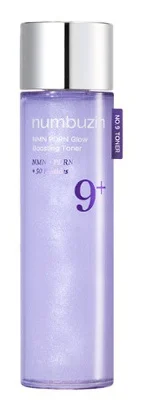
Create a free account to get started
Unlock science-based ingredient analysis personalized for your skin.
Already have an account? Log in
We protect your privacy. We never send spam.